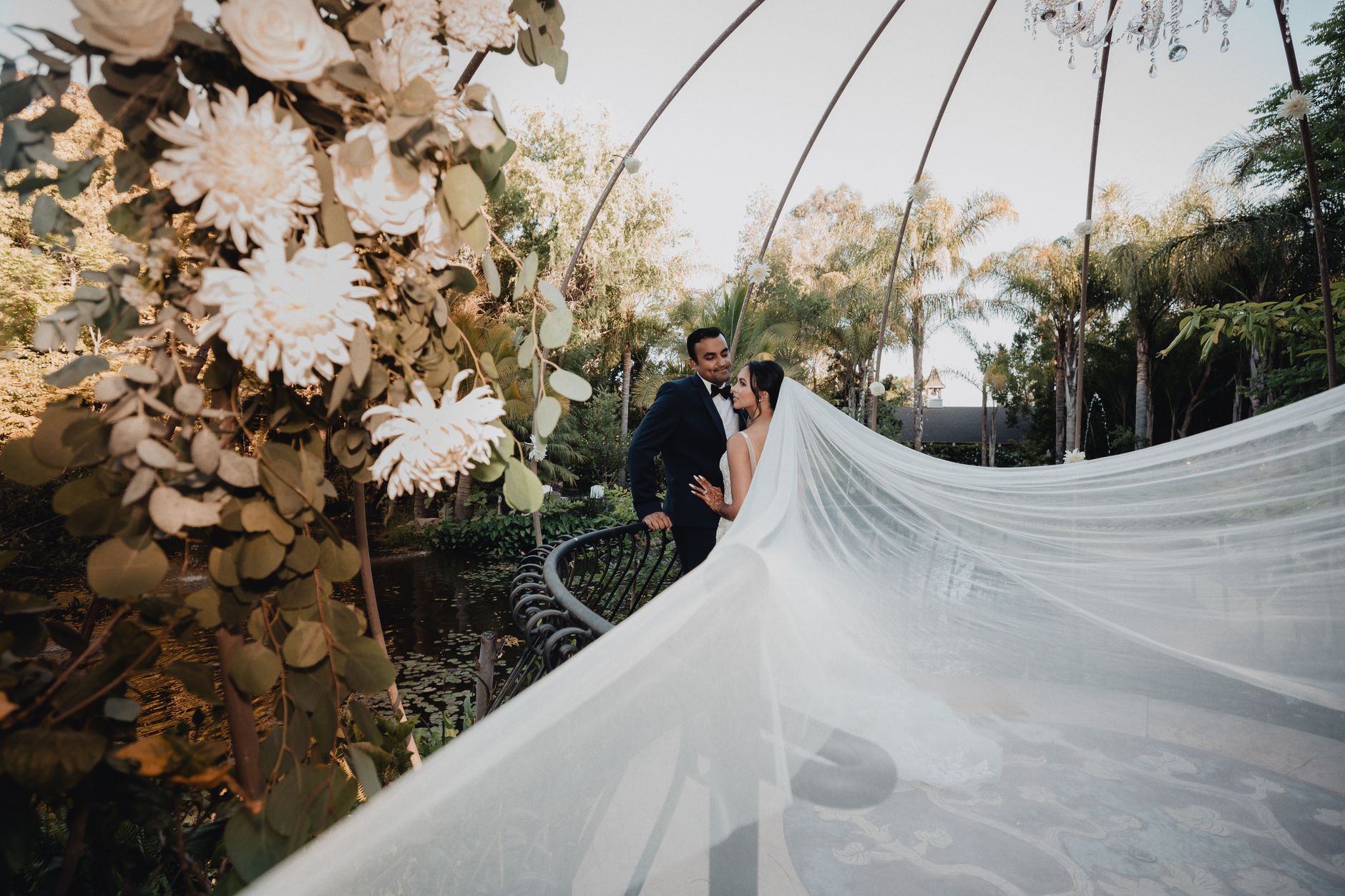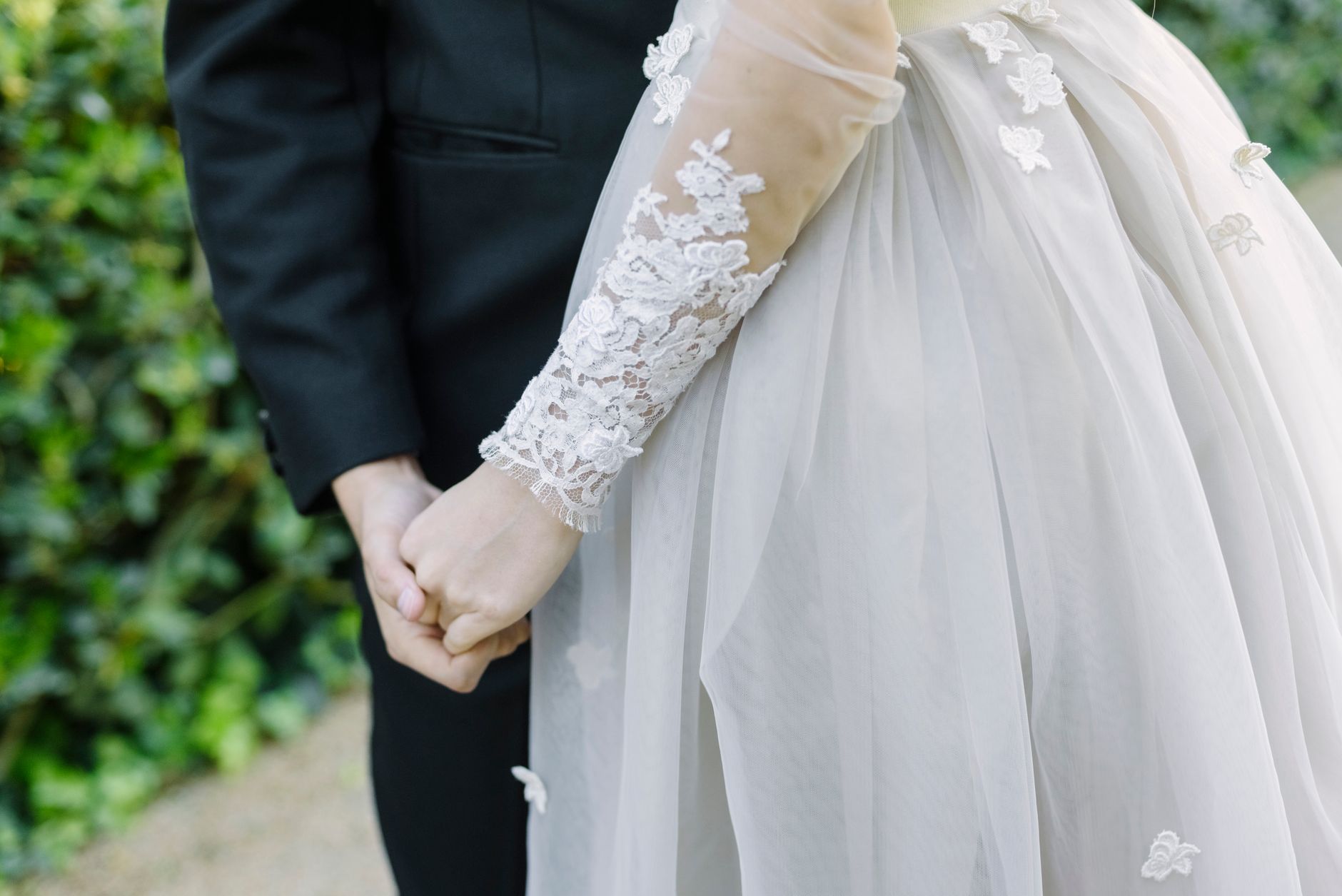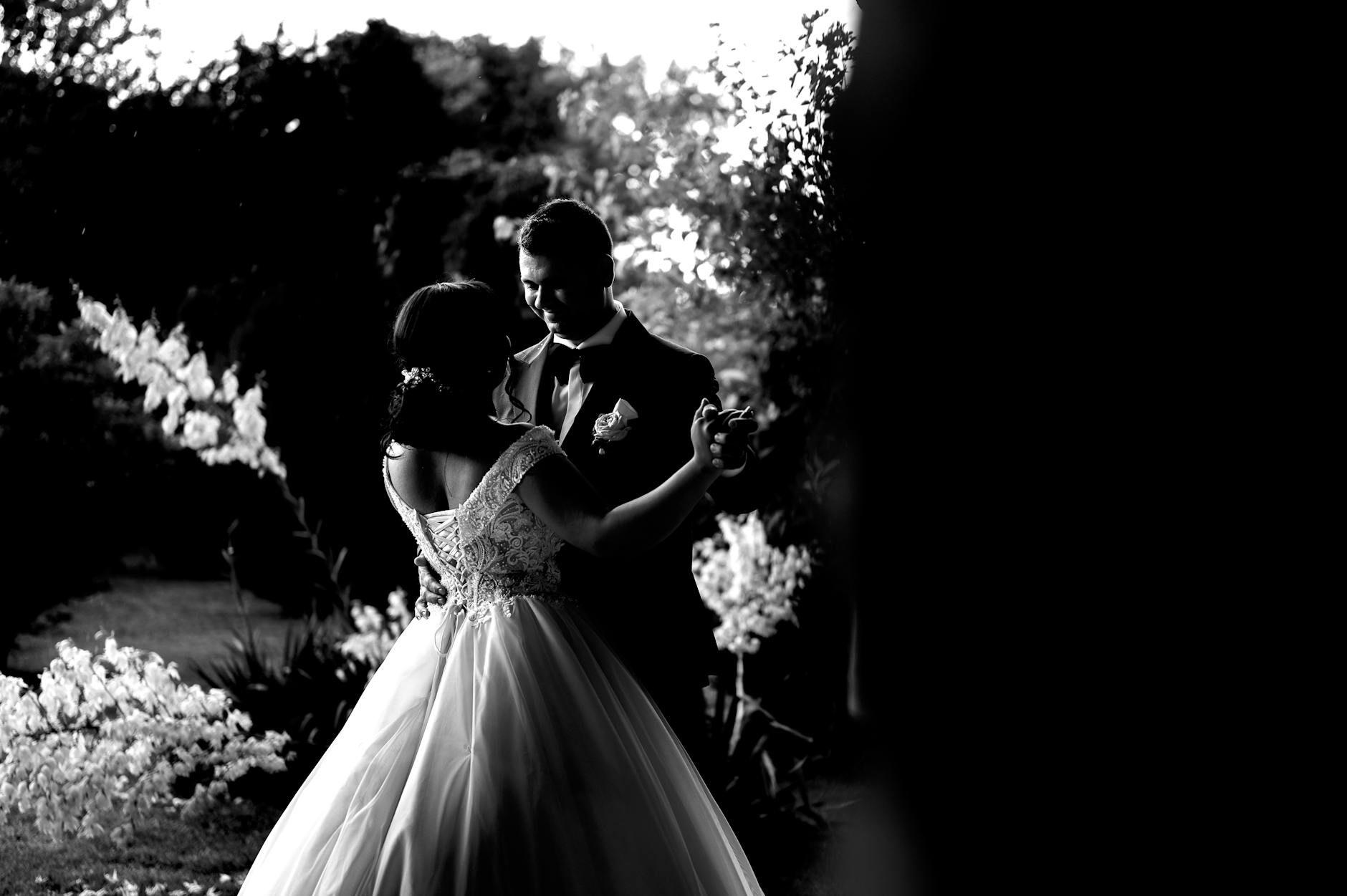
A cinematic wedding videographer in California works between two distinct light environments: the dry golden-hour glow of Southern California and the softer, cooler green light of the north. LifeStory.Film covers both — from Calamigos Ranch in Malibu to Auberge du Soleil in Napa — with a 2-shooter video team and 10 hours of full-day documentary coverage. The films are cinematic in structure but documentary in method: no staged re-enactments, no choreographed walking shots, just close observation of the ceremony, the vows, the parent reactions, and the last dance under string lights.
Why California Weddings Require Regional Coverage Planning
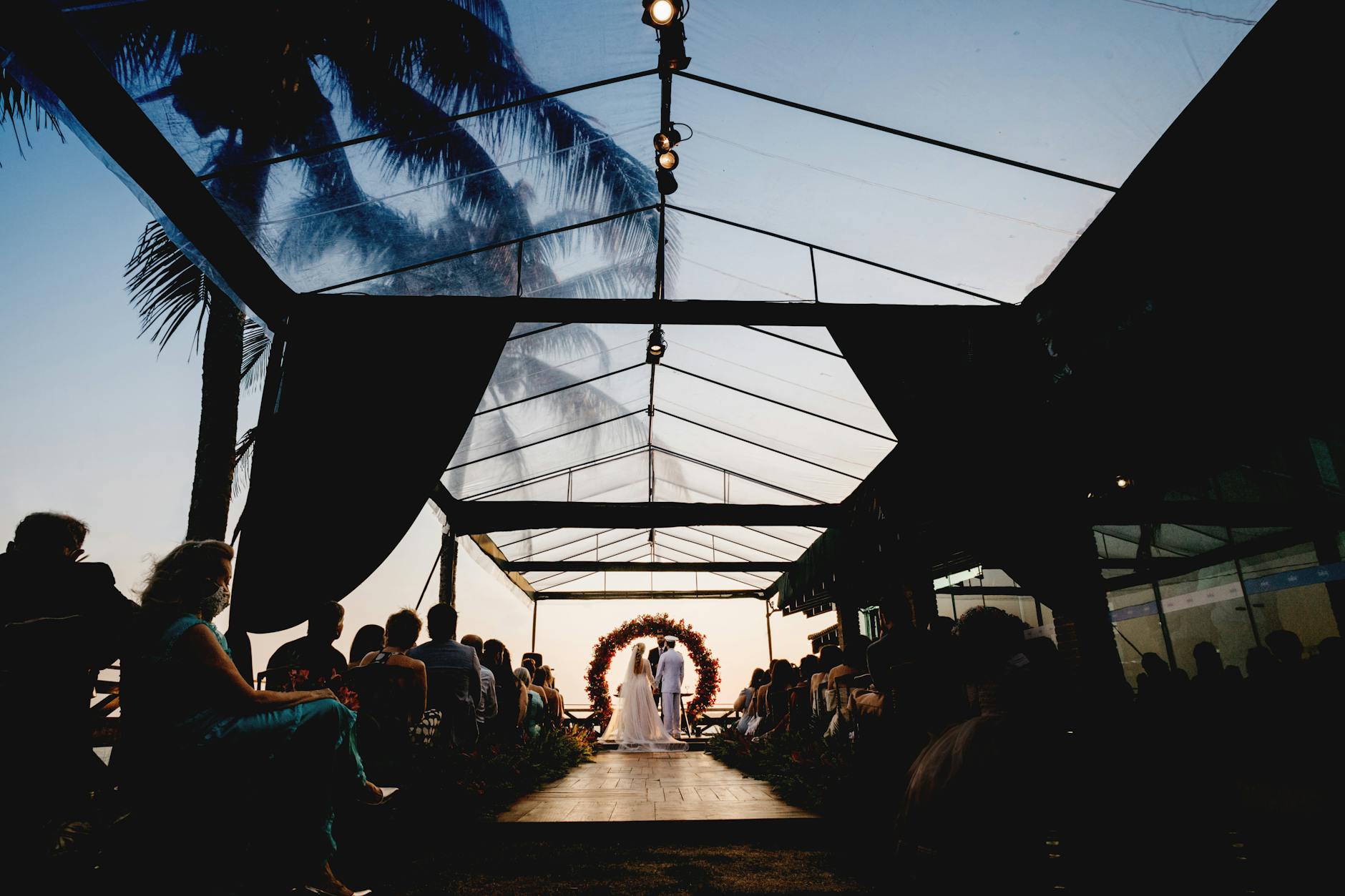
California spans 840 miles from the Mexican border to the Oregon line, and the wedding industry divides cleanly into two zones. Southern California — Los Angeles, Orange County, Santa Barbara, Ojai, Palm Springs, and San Diego — accounts for 70 percent of the luxury wedding market in the state. The venues here are coastal estates, desert resorts, oak-shaded ranches, and Beverly Hills hotels. Northern California — Napa, Sonoma, Carmel, Big Sur, and the Bay Area — is wine country, redwood groves, and cliffside ceremony sites. The two regions do not share planner networks, and they do not share light.
A wedding videographer based in Los Angeles can cover both regions, but the coverage plan changes. Southern California weddings at Calamigos Ranch or Bel-Air Bay Club rely on late-afternoon sun — ceremony at 4:30 PM, not 6 PM — because the oak canopy or the coastal haze filters the light into green-gold that flatters skin tones and softens shadows. Northern California weddings at Auberge du Soleil or Meadowood often schedule the ceremony earlier, at 3 PM or 4 PM, because the valley fog rolls in by 5:30 PM and the temperature drops fifteen degrees in twenty minutes.
The coverage timeline adjusts accordingly. A 10-hour package in Southern California might run 1 PM to 11 PM, capturing getting-ready scenes, the first look, the ceremony, cocktail hour on the terrace, and the full reception through the last dance. In Northern California, the same 10 hours might start at noon and end at 10 PM, with an emphasis on the vineyard portrait session immediately after the ceremony, before the fog arrives.
Cinematic vs Posed: What the Term Means in Practice
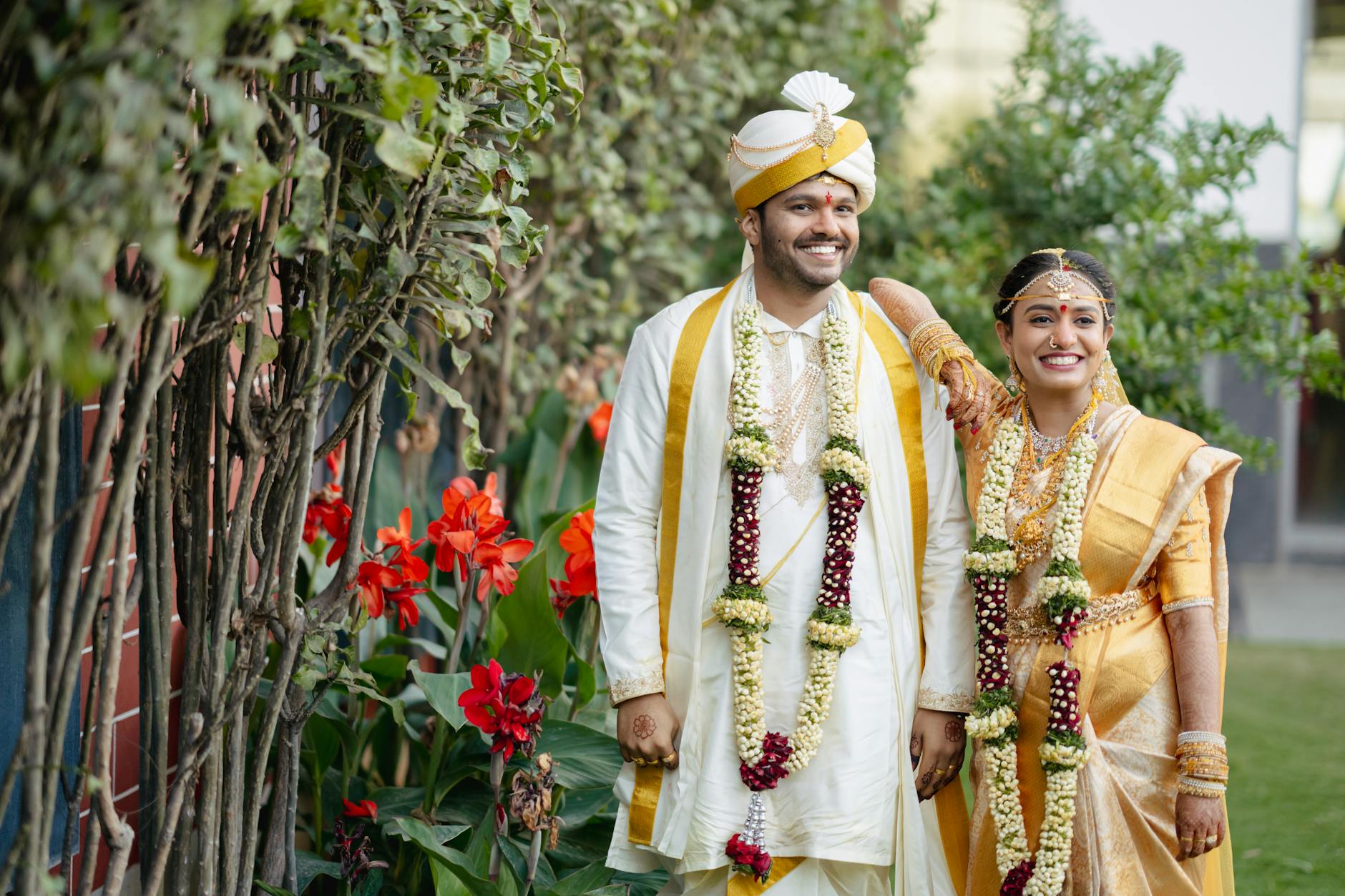
The word "cinematic" in wedding videography describes the editing style, not the shooting method. A cinematic wedding film uses narrative pacing, deliberate color grading, and a composed soundtrack — often licensed music plus the couple's vows and toasts as voiceover. The shooting style is documentary: long lenses, natural light, minimal direction. The videographer does not ask the couple to walk toward the camera three times. The videographer does not stage a first look twice for different angles.
This distinction matters because many couples searching for a cinematic wedding videographer assume the term means heavily directed, fashion-editorial shooting. It does not. The cinematic look comes from post-production decisions — how the editor cuts between the bride's face during the vows and the groom's hands, how the color grade emphasizes the warm tones in the Ojai Valley Inn chapel, how the pacing of the highlight reel mirrors the emotional arc of the day. The footage itself is documentary.
LifeStory.Film's approach layers cinematic editing onto documentary observation. The 2-shooter video team works with long lenses — 70–200mm for the ceremony, 50mm and 85mm for portraits and reception coverage — to stay outside the couple's immediate sightline. The couple forgets the camera is there, which is the only way to capture a genuine reaction when the groom sees the bride for the first time at the end of the aisle, or when a parent reaches for the bride's hand during the processional.
Venue-Specific Coverage: Southern California
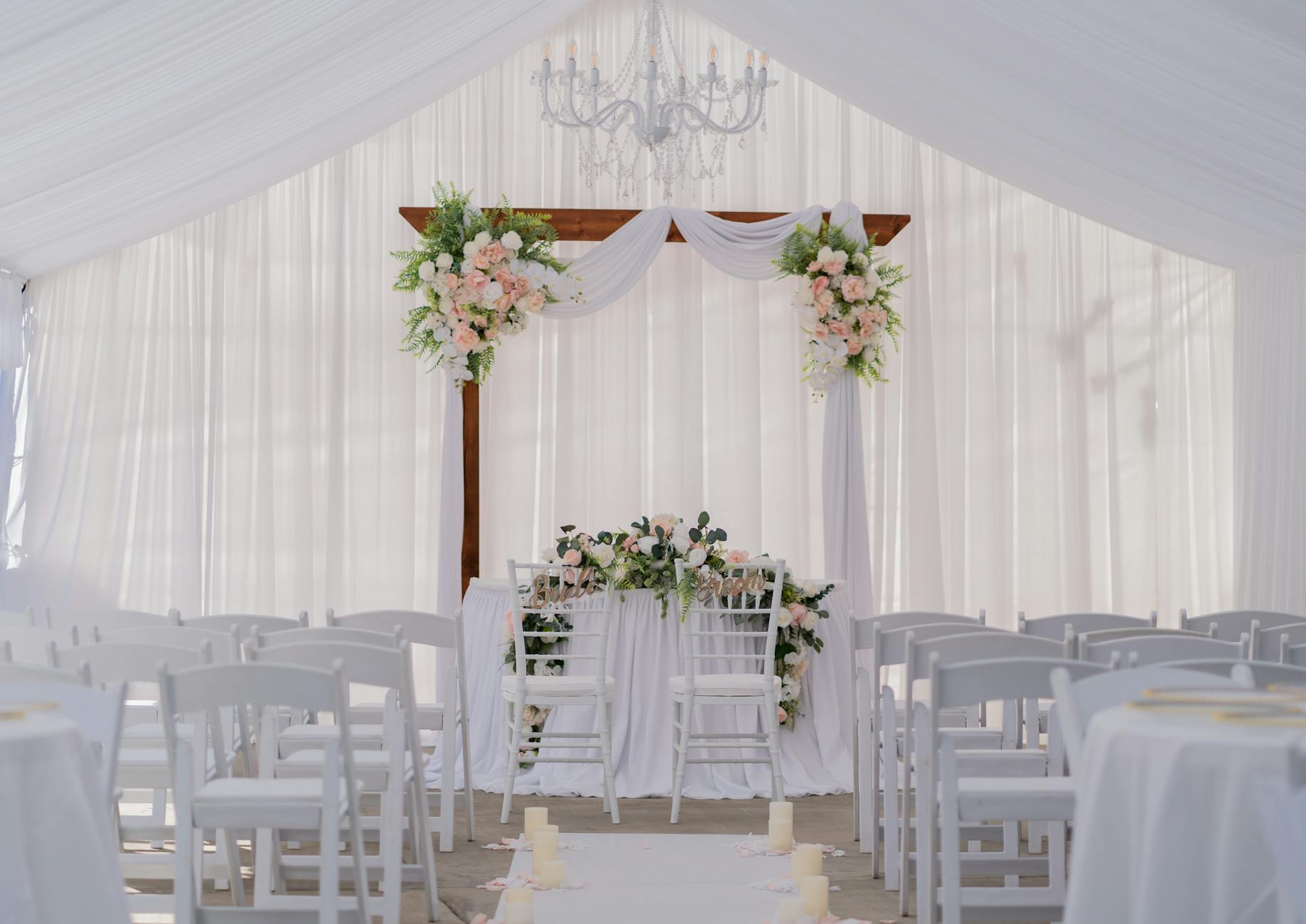
Southern California's luxury wedding venues fall into four categories, and each one requires a different lighting and logistical plan.
1. Ranch and Estate Venues (Calamigos Ranch, Hummingbird Nest Ranch, Saddlerock Ranch)
These properties feature oak groves, open lawns, and barn or tent receptions. The oak canopy filters late-afternoon sun into dappled green-gold light, which is the single best lighting condition for a wedding ceremony in California. The videographer's coverage plan centers on the 4 PM to 6 PM window when the sun is low enough to soften but not so low that it disappears behind the hills.
A typical timeline at Calamigos Ranch: 2 PM getting-ready coverage in the bridal suite, 3:30 PM first look near the oak grove, 4:30 PM ceremony under the trees, 5:15 PM cocktail hour on the upper lawn while the videographer captures golden-hour portraits, 6:30 PM barn reception through 10 PM. The 2-shooter team splits during cocktail hour — one shooter stays with the couple for portraits, the other covers guest interactions and detail shots of the reception setup.
2. Coastal and Bay-View Venues (Bel-Air Bay Club, Terranea Resort, Montage Laguna Beach)
Ocean-view ceremonies present a lighting challenge: the sun sets over the water, which means the couple and guests are backlit if the ceremony faces west. A skilled videographer exposes for the couple's faces and lets the sky blow out slightly, then corrects in post-production color grading. Alternatively, the ceremony can face east, with the ocean as a backdrop and the sun behind the guests — this is the safer choice for consistently flattering light.
Bel-Air Bay Club weddings often place the ceremony on the south terrace at 5 PM, with the Pacific visible but not directly behind the couple. The videographer positions one camera on the aisle for the processional, a second camera to the side for wide shots of the full ceremony setup, and moves handheld during the vows to capture close-ups of the couple's hands and faces.
3. Hotel and Garden Venues (Hotel Bel-Air, Beverly Hills Hotel, San Ysidro Ranch, Ojai Valley Inn)
These venues offer controlled environments — the ceremony and reception happen in distinct garden or courtyard spaces, often with backup indoor options. The lighting is softer and more diffused because of surrounding foliage and architecture. The videographer has more flexibility with ceremony timing but less dramatic light than at a ranch or coastal venue.
Hotel Bel-Air weddings frequently use the stone bridge and Swan Lake for the ceremony. The tree canopy overhead creates even, flattering light from 3 PM to 6 PM. The videographer does not need to worry about harsh shadows or blown-out skies, which simplifies exposure decisions but also means the footage requires stronger color grading in post to create visual interest.
4. Desert Resort Venues (Resort at Pelican Hill, Palm Springs estates)
Desert light is hard and direct. Midday ceremonies are not advisable — the overhead sun creates unflattering shadows under the eyes and nose. Desert weddings work best as evening events: ceremony at 5:30 PM or later, after the temperature drops below 85 degrees, with the reception continuing into the night. The videographer plans for artificial lighting — the couple's faces will be lit by candles, string lights, and uplighting during the reception, which requires fast lenses (f/1.4 or f/2) and high ISO performance.
Venue-Specific Coverage: Northern California
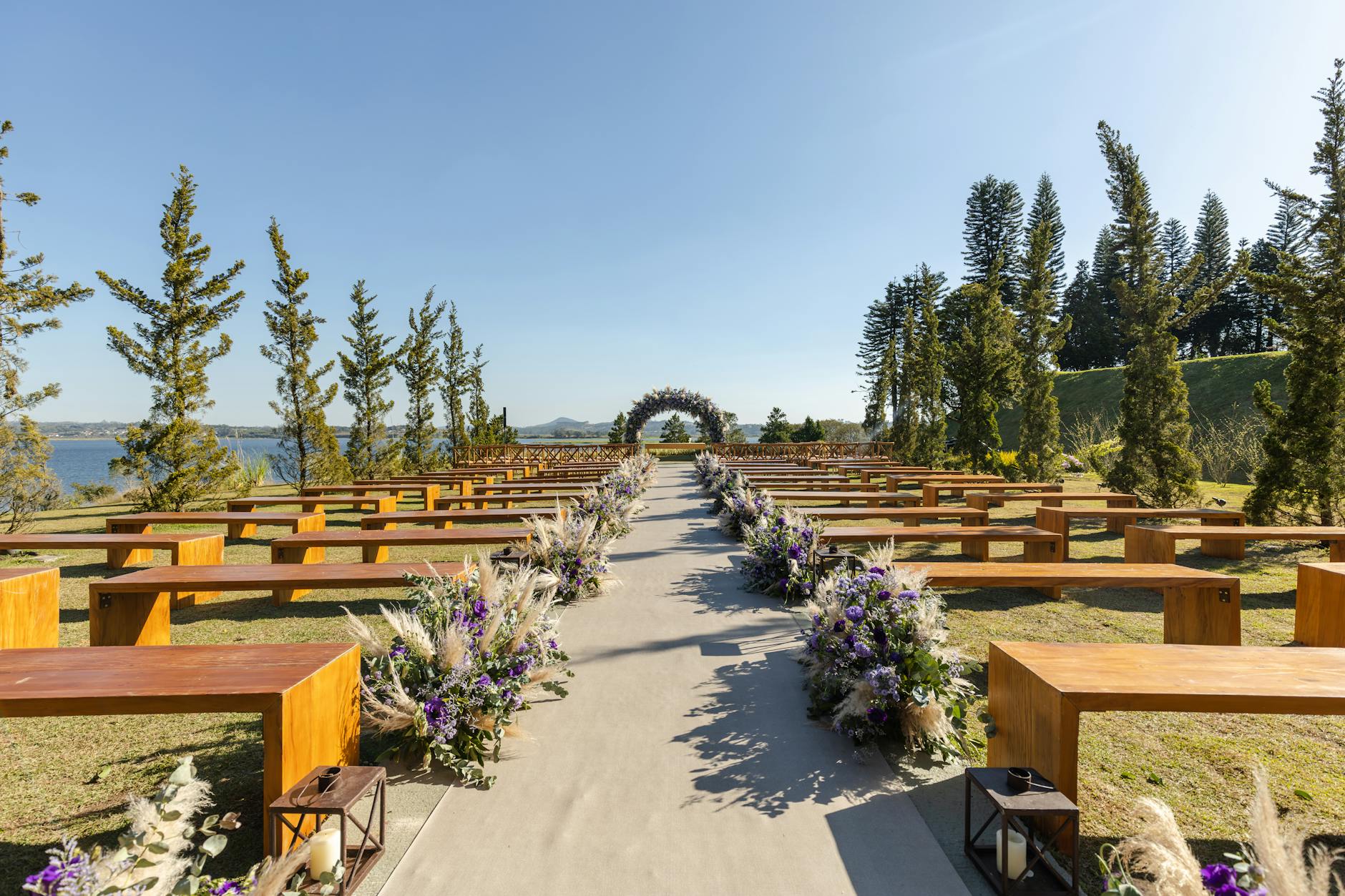
Northern California weddings favor wine-country estates, redwood groves, and coastal cliffs. The light is cooler, the fog is a persistent variable, and the guest count is often smaller — 80 to 120 guests instead of 150 to 200.
Wine-Country Estates (Auberge du Soleil, Meadowood, Beaulieu Garden, Calistoga Ranch)
Napa and Sonoma weddings schedule the ceremony between 3 PM and 5 PM, before the valley fog rolls in. The videographer's timeline is tighter than in Southern California because the usable light window is shorter. A 10-hour package at Auberge du Soleil might look like: noon start for getting-ready coverage, 1:30 PM first look in the olive grove, 3 PM ceremony on the main terrace, 4 PM vineyard portraits, 5:30 PM reception entrance, and coverage through 10 PM.
The fog is not a problem if the videographer anticipates it. The soft gray light that arrives after 5:30 PM is flattering for portraits and creates a cinematic, moody atmosphere during the reception. The challenge is ensuring the ceremony itself happens in full sun, which requires clear communication with the planner during the timeline planning phase.
Coastal and Redwood Venues (Carmel Valley Ranch, Cavallo Point)
Big Sur and coastal Carmel venues offer dramatic backdrops but unpredictable weather. A wedding videographer working these locations brings rain-cover plans, backup audio equipment (wind is a persistent issue on coastal cliffs), and fast lenses for low-light conditions. The ceremony often happens on a cliffside lawn or under a redwood canopy, with the ocean or forest as the backdrop.
The videographer's job at these venues is to expose for the couple while preserving detail in the sky or forest background. This requires shooting in a flat color profile (log or raw) and grading in post, rather than relying on in-camera color settings.
Photo + Video Combined Coverage
Sixty percent of LifeStory.Film's California clients book the Photo + Video Combined Package, which pairs a 2-shooter video team with a 2-shooter photography team for full-day coverage. The coordination between the two teams is not incidental — it is planned before the wedding day.
The photography and videography teams agree on three key logistics:
- First-look positioning. The videographer sets up first, choosing the camera angles and ensuring the couple walks into clean background light. The photography team works around those angles, using longer lenses to stay out of the video frame.
- Ceremony placement. The lead photographer stands at the front, near the officiant, for straight-on shots of the couple during the vows. The videographers position on the aisle and to the side, capturing the processional and wide shots of the full ceremony. No one crosses into another's frame during the vows.
- Portrait-session timing. The couple typically has 20 to 30 minutes for portraits during cocktail hour. The photography team leads the session, directing the couple into specific poses and locations. The videography team captures behind-the-scenes footage and wide environmental shots, then breaks away after 10 minutes to film cocktail-hour guest interactions and reception details.
This coordination prevents the common problem where the wedding video includes visible shots of the photographer directing the couple, which breaks the documentary illusion.
Edit Turnaround and Deliverables
A full wedding film from LifeStory.Film takes 8 to 12 weeks to deliver. The process is not automated — each film is custom-edited, color-graded, and sound-mixed. The deliverables typically include:
- Highlight reel (4–6 minutes) — the cinematic short film, set to licensed music, with the couple's vows and key toasts as voiceover. This is the shareable piece, the one that goes on Instagram and gets sent to family.
- Full ceremony coverage (20–40 minutes) — uncut footage of the processional, readings, vows, ring exchange, and recessional. No music overlay, just clean audio of the officiant and the couple.
- Full reception coverage (optional, 60–90 minutes) — uncut footage of toasts, first dance, parent dances, cake cutting, and open dancing. This is a documentary record, not a highlight reel.
Couples who need a faster turnaround — for example, if they want a short teaser for social media within two weeks of the wedding — can request a 1-minute teaser edit as an add-on. The teaser is pulled from the highlight reel footage and delivered within 10 business days.
Booking Timeline and Travel Policy
LifeStory.Film books 25 to 35 weddings per year across California and destination locations. The calendar fills 8 to 14 months in advance for May, June, September, and October dates. December through February and July through August have more availability.
Travel within California — anywhere from San Diego to Napa — is included in the package price. The crew drives to Southern California venues and flies to Northern California venues when the wedding is more than 250 miles from Los Angeles. Accommodations for overnight coverage (common in Napa, Carmel, and destination weddings) are arranged by the couple or planner and are a separate line item.
Couples booking from outside California often ask whether a local videographer would be more cost-effective. The question is reasonable, but the answer depends on what "cost-effective" means. A local Napa videographer may charge less than a Los Angeles-based team that travels north, but if the couple values the editorial-cinematic style that LifeStory.Film is known for, the travel cost is secondary. The style does not exist everywhere. The couple is not hiring a local videographer; they are hiring a specific editorial voice that happens to be based in Los Angeles.
What to Ask Before You Book
Before hiring any wedding videographer in California, ask these five questions:
- How many shooters will be on-site, and how many hours of coverage are included? A single-shooter package works for small weddings (under 50 guests) or elopements, but a full wedding requires at least 2 shooters to cover the ceremony, portraits, and reception adequately.
- What is the edit turnaround time, and what is included in the deliverables? Confirm whether the package includes a highlight reel, full ceremony coverage, or both. Confirm the delivery format (digital download, USB drive, or streaming link).
- Can I see a full wedding film, not just a highlight reel? Highlight reels are marketing tools. A full wedding film shows you the pacing, the transitions, the audio mix, and the color grade across 20+ minutes of footage.
- Do you shoot in log or raw, and do you color-grade in post? This is a technical question, but the answer reveals whether the videographer is delivering professional cinema-quality footage or relying on in-camera color settings.
- Have you shot at my venue before, and do you have a lighting and timeline plan? A videographer who has worked at Calamigos Ranch or Auberge du Soleil before knows the property's light, the backup ceremony locations, and the logistical constraints. A videographer shooting the venue for the first time will spend the first hour of your wedding day figuring out what an experienced crew already knows.
Urban Modern, Garden Romantic, and Coastal Classic: Matching Videography Style to Couple Aesthetic
The way a wedding film is edited should reflect the couple's aesthetic, not just the videographer's default style. LifeStory.Film tailors the pacing, music, and color grade to match the couple's planning choices.
Urban modern couples — those planning weddings at the Beverly Hills Hotel or Hotel Bel-Air with a black-tie dress code and a minimalist color palette — receive films with a cooler color grade, slower pacing, and instrumental or electronic music. The edit emphasizes architecture, symmetry, and the formality of the processional and toasts.
Garden romantic couples — those planning weddings at San Ysidro Ranch, Rancho Valencia, or Beaulieu Garden with organic florals and an outdoor ceremony — receive films with a warmer color grade, faster pacing during the reception, and folk or acoustic music. The edit emphasizes the natural light, the movement of the couple through the garden, and the intimacy of the vows.
Coastal classic couples — those planning weddings at Bel-Air Bay Club, Montage Laguna Beach, or Terranea Resort with a nautical or neutral palette — receive films with a balanced color grade, steady pacing, and classical or jazz music. The edit emphasizes the ocean backdrop, the elegance of the ceremony setup, and the formality of the first dance.
These are not rigid templates. The couple's aesthetic emerges from their venue choice, their color palette, their music selections, and their relationship with their planner. The videographer's job is to observe those choices and reflect them in the final film.
Begin a Conversation About Your California Wedding
LifeStory.Film is based in Los Angeles and covers weddings across California — from Calamigos Ranch and San Ysidro Ranch in the south to Auberge du Soleil and Meadowood in the north. The films are cinematic in structure, documentary in method, and edited to reflect the couple's aesthetic rather than a house style. If you are planning a wedding in California and want a film that looks like editorial work rather than a vendor highlight reel, reach out to start the conversation.