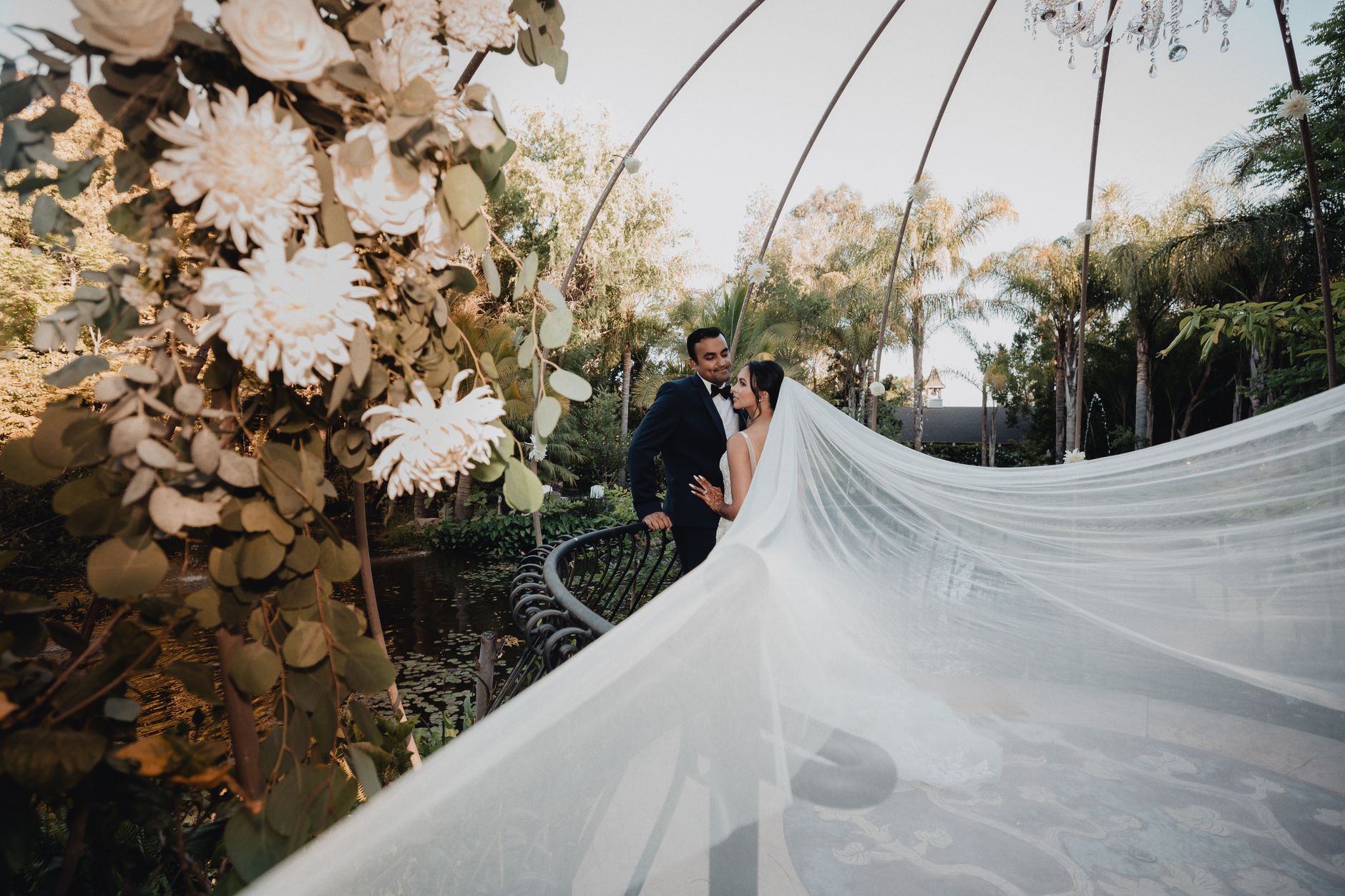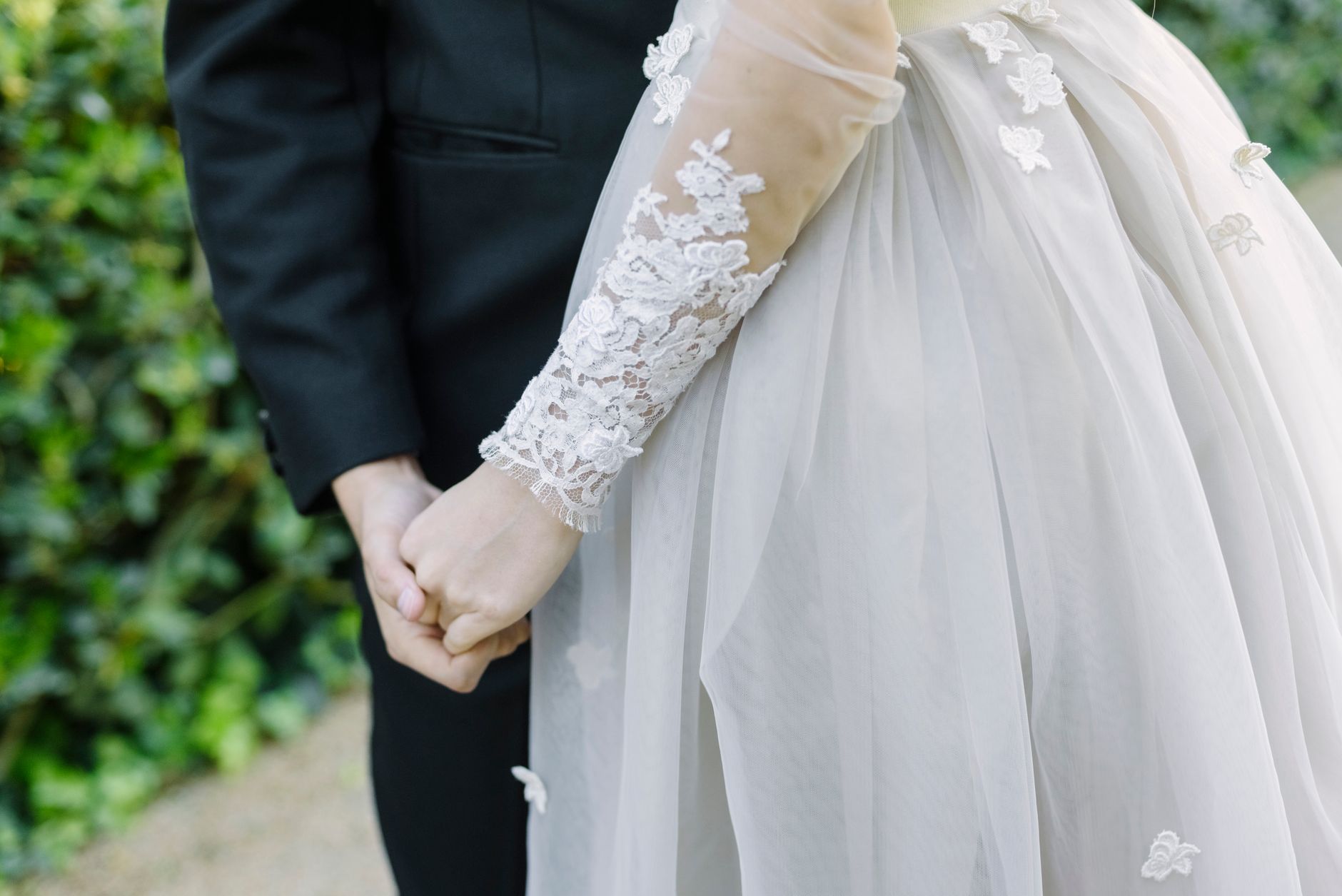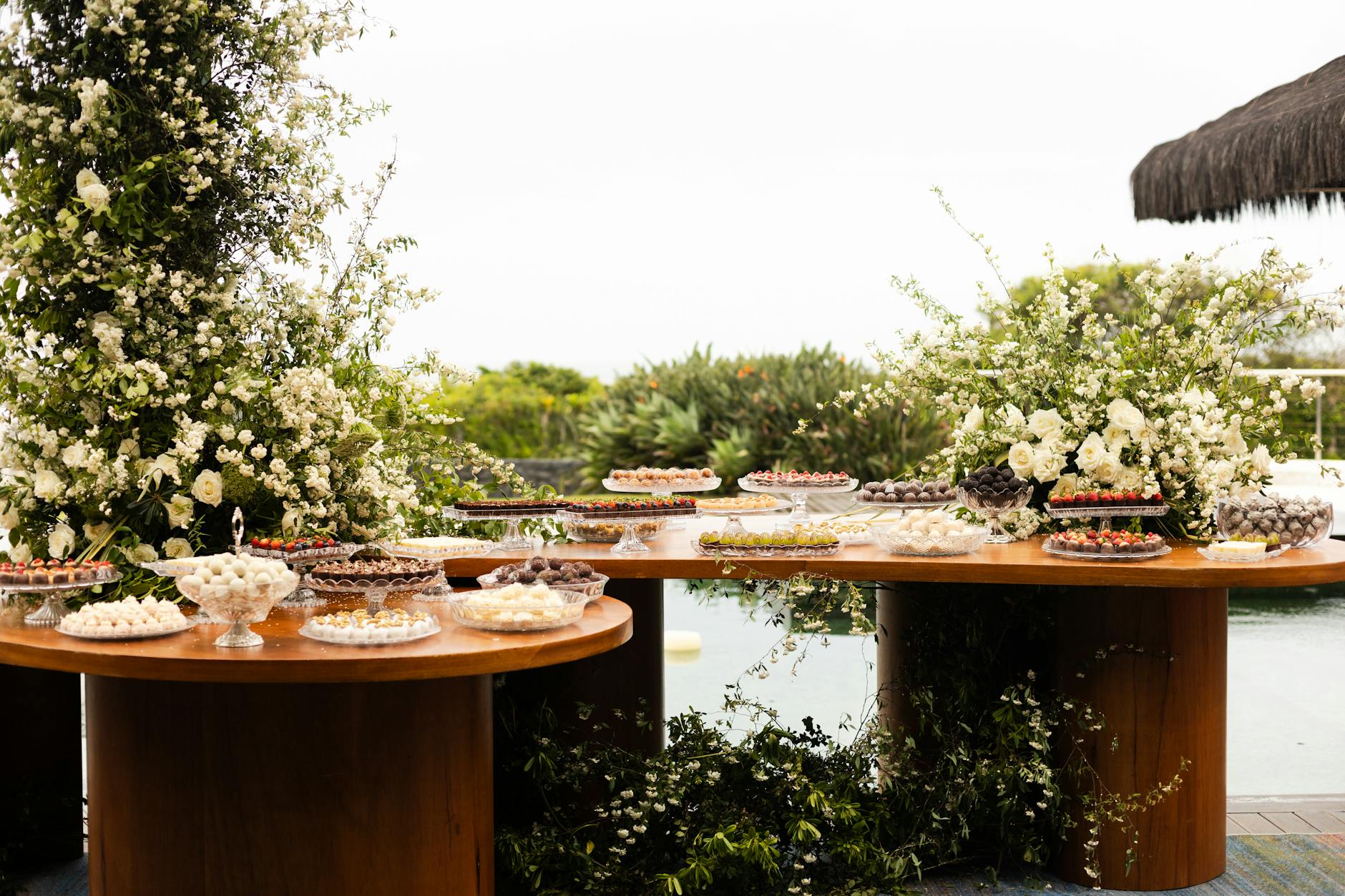
A luxury wedding videographer in Santa Barbara shoots at San Ysidro Ranch and Ojai Valley Inn not for the brand names but for the specific light—the coastal oak canopy that softens the late afternoon, the eucalyptus groves that frame a ceremony without competing for attention, and the fog that rolls in from the Pacific between 5 and 7 PM and changes the entire quality of the reception footage. These are the details that separate a wedding film you watch once from one you return to.
Santa Barbara County weddings—spanning Montecito estates, Ojai wine-country ranches, and coastal-clifftop properties—require a videographer who plans coverage around the region's microclimate, not a shot list imported from Los Angeles. The light is cooler, the fog is unpredictable, and the golden hour starts earlier than couples expect.
Why Santa Barbara Weddings Require Region-Specific Coverage
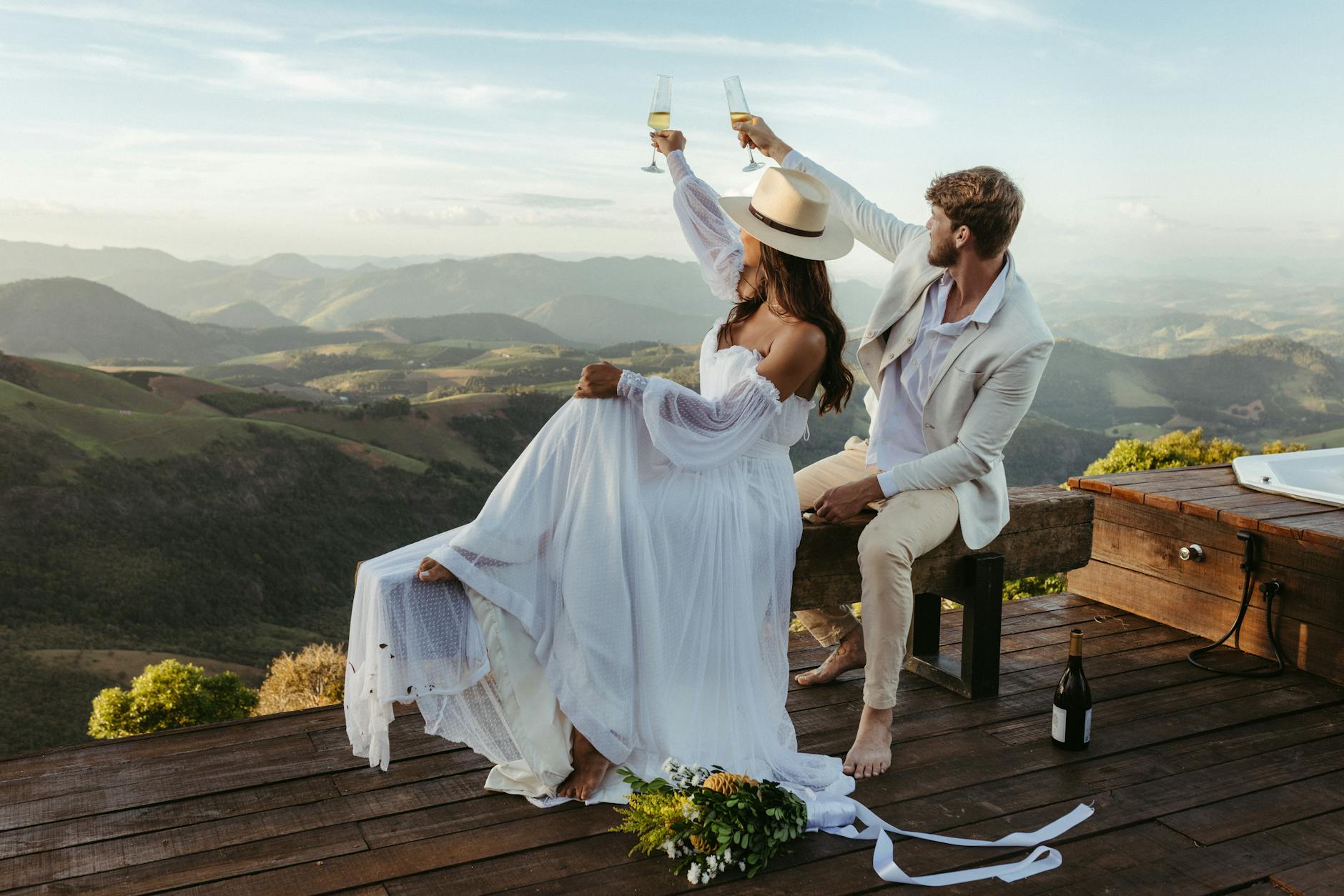
Santa Barbara's geography creates three distinct wedding environments within a 40-minute drive: the coastal corridor (Montecito, Summerland, Carpinteria), the inland wine valleys (Santa Ynez, Los Olivos, Ojai), and the foothill estates that sit between the two. A videographer shooting at San Ysidro Ranch in Montecito needs a completely different lighting and timing strategy than one filming at Ojai Valley Inn, even though both properties anchor the region's luxury wedding market.
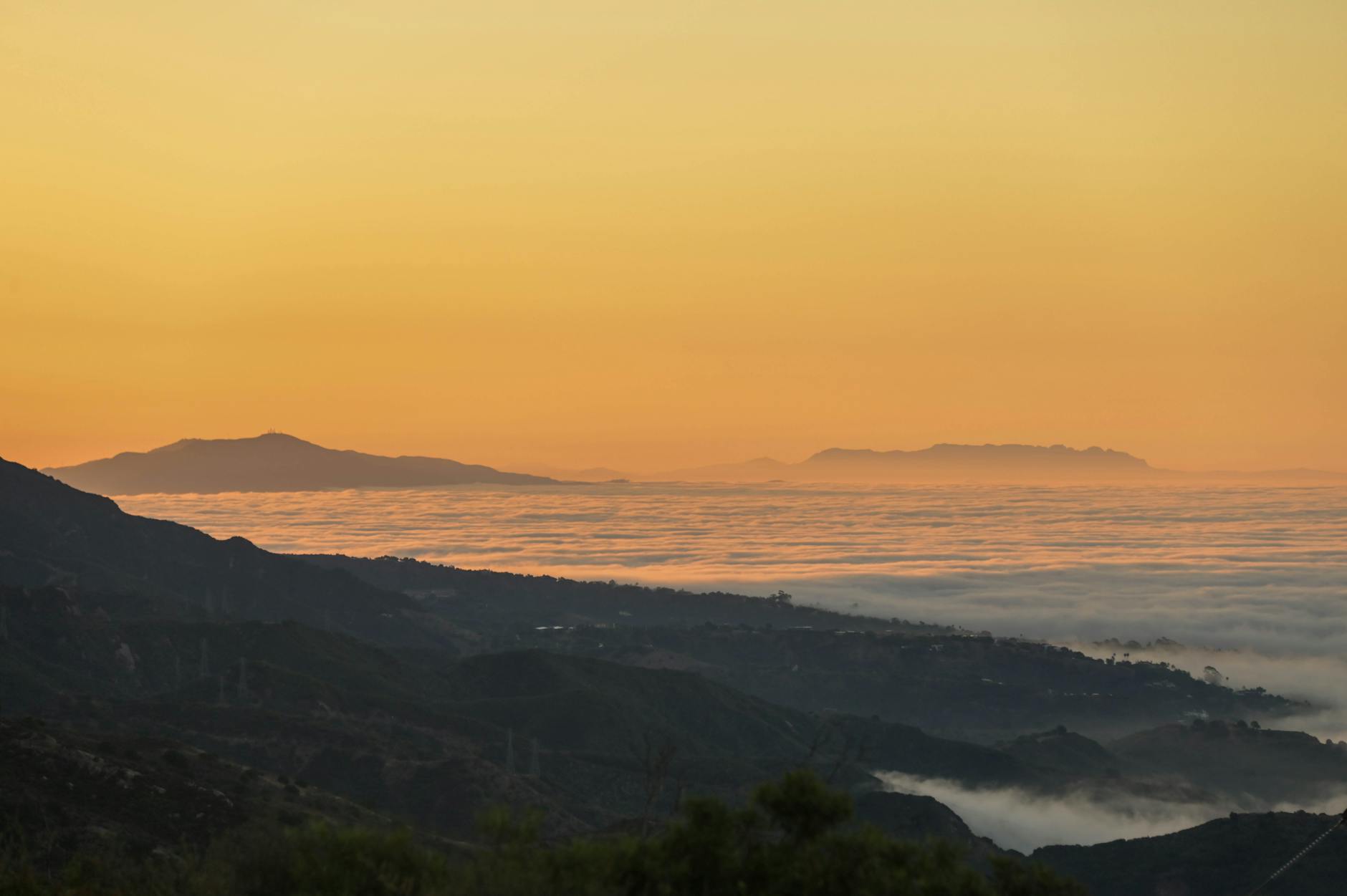
Coastal properties like San Ysidro Ranch benefit from diffused light all day—the marine layer softens shadows from 10 AM onward—but the fog can roll in aggressively during cocktail hour, turning a planned outdoor reception into a last-minute logistical pivot. The wedding film needs to capture both the soft ceremony light and the atmospheric fog without losing the couple's expressions in the haze.
Inland wine-country properties like Ojai Valley Inn deliver high-contrast golden hour—the oak-studded hills catch the low sun in a way that requires the videographer to position carefully or risk harsh backlight that silhouettes the couple instead of illuminating them. The payoff is dramatic: those same hills turn amber and violet during the last 20 minutes before sunset, and a wedding film that plans for that color shift will look entirely different from one that treats Ojai like a generic outdoor venue.
Foothill estates occupy the middle ground—less fog than the coast, less heat than the valley—and give the videographer the longest usable golden hour of any Santa Barbara property, often stretching from 5 to 7 PM in late spring and summer.
A Santa Barbara wedding videographer who understands these distinctions will ask about the ceremony start time and the venue's exact location relative to the coast before proposing a shot list. One who doesn't will plan for Los Angeles light and miss the best 15 minutes of the day.
Santa Barbara Venue Coverage: San Ysidro Ranch and Ojai Valley Inn
San Ysidro Ranch sits low in the Montecito foothills, sheltered by oak and sycamore canopy, with ceremony sites scattered across multiple microclimates on the property. The Eucalyptus Grove ceremony site filters light through a high canopy, creating even illumination from 3 PM onward with no harsh shadows—a videographer's ideal scenario for capturing vows without fighting contrast. The Upper Garden ceremony site, by comparison, receives full sun until 4:30 PM in summer, requiring a later start time or strategic repositioning to avoid squinting close-ups.
The property's intimacy—guest counts rarely exceed 120—means the wedding film can focus on smaller, quieter moments: a parent's hand on the bride's shoulder during the processional, the couple's private first look under the oak arbor, the last dance on the stone terrace with the mountains just visible through the fog. A 10-hour full ceremony coverage package at San Ysidro typically dedicates 3 hours to pre-ceremony preparation and portraits, 2 hours to the ceremony itself and immediate family formals, and 5 hours to the reception, because the property's multiple garden spaces allow for a longer, more meandering cocktail hour than a single-ballroom venue permits.
Ojai Valley Inn, 40 minutes inland, operates on an entirely different timeline. The property's oak grove and open lawn ceremony sites receive direct sun until 6 PM in summer, making a 5 PM ceremony start the practical default for couples who want golden-hour vows without harsh overhead light. The videographer's challenge at Ojai is managing the high contrast between the shaded oak areas and the sunlit lawn during cocktail hour—guests move between the two, and the camera exposure needs to shift constantly or risk blown-out highlights in one frame and underexposed shadows in the next.
The reception typically moves indoors or under the open-air pavilion, where string lights and uplighting create warm ambient glow after dark. The wedding film's second act—the reception coverage—relies less on natural light here than at coastal venues, and a videographer shooting Ojai needs to bring supplemental lighting for the dance floor and understated fill light for toasts and cake cutting. This isn't a limitation; it's a feature. The warm, controlled light after dark at Ojai Valley Inn creates a visual distinction between the ceremony and reception that gives the final wedding film a clear narrative structure.
Documentary vs Cinematic Wedding Films in Santa Barbara
Santa Barbara couples—particularly those planning garden-romantic or coastal-classic weddings—often ask whether a documentary or cinematic approach better suits their venue and aesthetic. The answer depends on the ceremony's emotional architecture, not the venue itself.
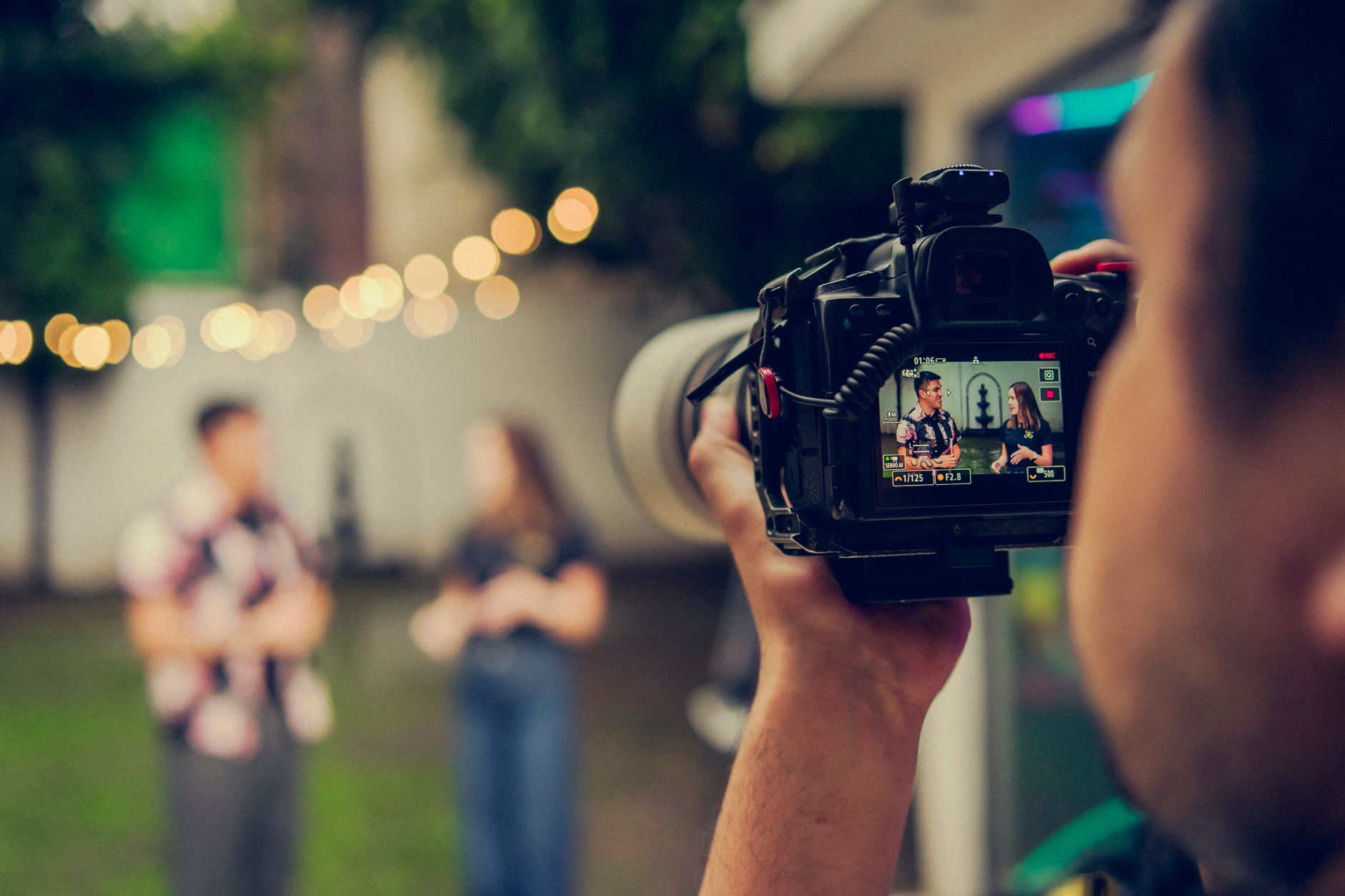
Documentary wedding films capture the day as it unfolds, with minimal direction and maximum observational distance. The videographer remains unobtrusive, recording vows verbatim, catching unscripted parent reactions during the processional, and filming the reception as it happens—toasts, dances, and late-night moments included. A 2-shooter video team working in documentary mode at San Ysidro Ranch will position one shooter near the officiant (for the couple's expressions during vows) and one in the back third of the seating area (for the processional and the parents' reactions), then swap positions during the reception to cover both the head table and the dance floor simultaneously.
Documentary coverage works best for couples who value completeness—they want the full ceremony audio, the unedited best-man speech, and the spontaneous moments that happen when no one is performing for the camera. The final wedding film typically runs 60–90 minutes, edited for pacing but preserving the day's actual sequence and duration.
Cinematic wedding films condense the day into a 10–15 minute highlight reel, prioritizing composition, music pacing, and emotional peaks over chronological completeness. The videographer will ask the couple to repeat a first look if the natural light shifted during the moment, will stage a walking shot through the eucalyptus grove for B-roll, and will choreograph a portrait session during golden hour even if it means stepping away from cocktail hour for 15 minutes. The final film is built around a music track selected in post-production, with dialogue from the vows and toasts woven in as accents rather than anchors.
Cinematic wedding films deliver a tighter, more stylized final product that couples tend to share more widely—on social media, with extended family, as an anniversary ritual—but they sacrifice the unscripted, unpolished moments that documentary films preserve. Most Santa Barbara luxury weddings land somewhere between the two: a documentary-style full ceremony coverage package combined with a cinematic highlight reel delivered 8–12 weeks after the wedding.
Photo + Video Combined Packages for Santa Barbara Weddings
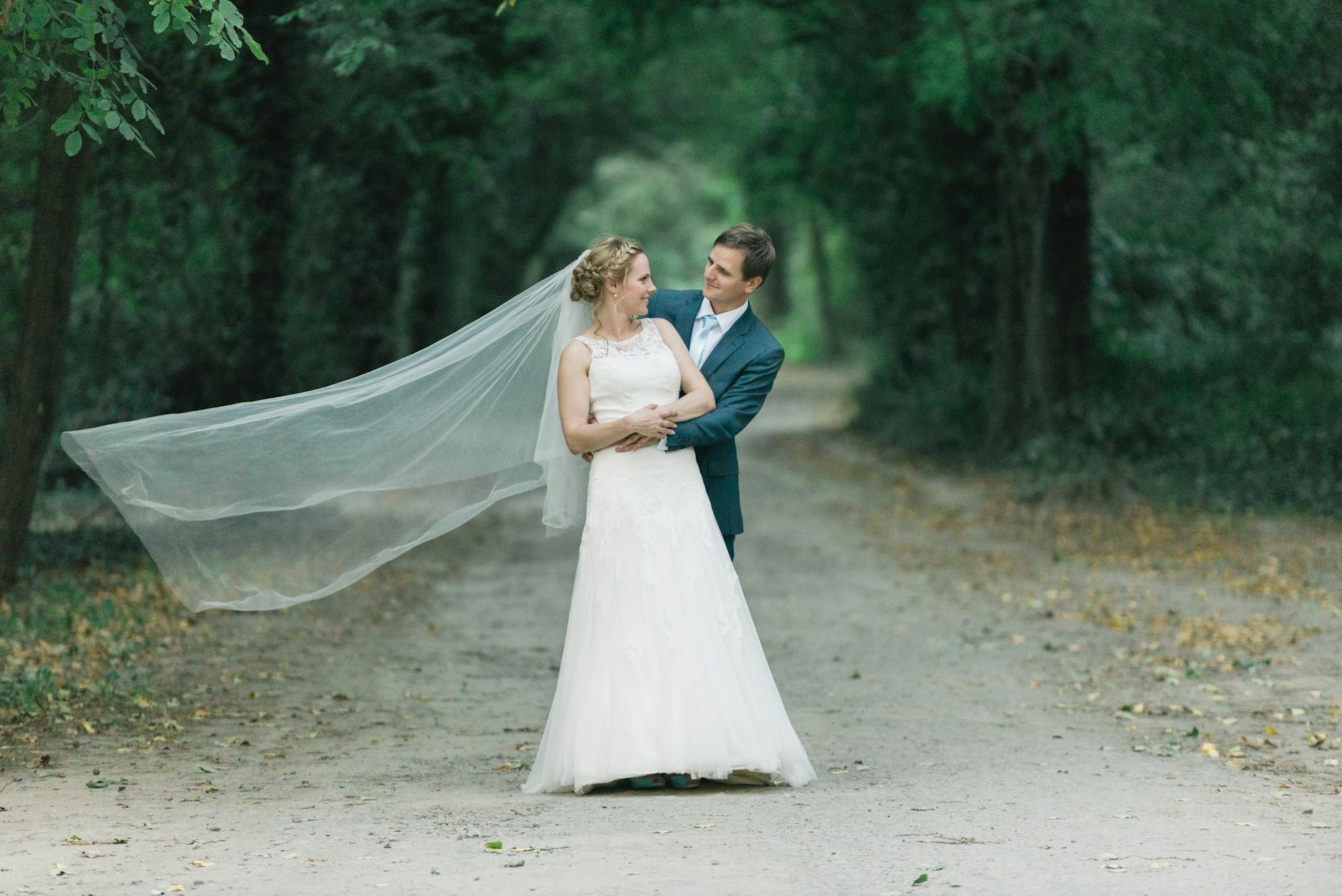
A photo + video combined package solves the coordination problem that derails many Santa Barbara weddings: the photographer and videographer, if hired separately, often compete for the same key moments—the first look, the couple's private portrait session during golden hour, the send-off—resulting in one vendor waiting while the other works, or both vendors shooting simultaneously and appearing in each other's frames.
A combined package from a single production team means the 2-shooter photo team and the 2-shooter video team plan coverage together before the wedding day. At San Ysidro Ranch, for example, the video team might prioritize the ceremony and the couple's vows (where motion and audio matter most), while the photo team focuses on the getting-ready coverage and the detail shots (rings, stationery, florals) that don't require motion. During the couple's golden-hour portrait session, the photo and video teams alternate—one team shoots while the other repositions—so the couple spends 20 minutes on portraits total instead of 40.
The combined package also delivers a unified aesthetic. The photo and video teams use the same color grading, the same approach to posing (minimal and editorial rather than traditional and formal), and the same philosophy about when to direct and when to observe. The final wedding film and the edited photo gallery feel like two perspectives on the same story, not two separate narratives shot by teams with different priorities.
Combined packages typically start at $7,500 for 8-hour coverage (photo + video, 2 shooters each) and extend to $14,000+ for full-day multi-location coverage across Montecito and Ojai. Most Santa Barbara couples booking San Ysidro Ranch or Ojai Valley Inn—properties that command $15,000–$40,000 venue fees—allocate $8,000–$12,000 for photo and video combined, placing it in the middle tier of their overall vendor budget.
Santa Barbara Wedding Videography Timeline and Logistics
Santa Barbara weddings follow a different timeline than Los Angeles hotel weddings. The drive time between Montecito and Ojai is 40 minutes; the drive from Los Angeles to either venue is 90–120 minutes depending on traffic. A videographer based in Los Angeles shooting a 4 PM ceremony at San Ysidro Ranch needs to leave by 1:30 PM at the latest to arrive for 3 PM prep coverage—and that assumes no Pacific Coast Highway closures, no weekend beach traffic, and no last-minute gear checks.
For this reason, most luxury wedding videographers working Santa Barbara regularly build travel time into the quote and will often stay overnight in the region if the ceremony is scheduled for late afternoon or evening. The overnight stay isn't a surcharge; it's a logistics necessity to guarantee arrival 90 minutes before the ceremony starts, which is the minimum lead time required for a 2-shooter video team to set up wireless audio for the officiant and groom, scout the ceremony-site light, and coordinate with the photographer and planner on processional positioning.
The typical Santa Barbara wedding timeline for videography coverage:
3:00 PM — Prep coverage begins. The video team arrives at the getting-ready location (usually a suite at the venue or a nearby hotel) and captures the final 60 minutes of hair and makeup, the couple reading vows privately, and the detail shots (dress, shoes, rings, invitation suite). One shooter focuses on the couple; one shooter covers the venue details and guest arrivals.
4:00 PM — First look or pre-ceremony portraits. If the couple has scheduled a private first look, this happens 60–90 minutes before the ceremony. The video team coordinates with the photo team to alternate coverage, ensuring neither team appears in the other's frames. If there is no first look, this window is used for family formals and wedding-party portraits, with the video team capturing candid B-roll.
5:00 PM — Ceremony. Santa Barbara ceremonies typically start between 4:30 and 5:30 PM to catch golden hour. The video team has two cameras running: one locked-off wide shot of the ceremony site (capturing the processional, the full exchange of vows, and the recessional) and one roaming camera for close-ups of the couple, the officiant, and parent reactions in the front rows. Wireless lavalier mics capture the officiant, the groom, and the bride's vows; a shotgun mic on the roaming camera captures ambient audio and guest reactions.
5:45 PM — Family formals and golden-hour portraits. Immediately after the ceremony, the couple dedicates 20–30 minutes to family formal portraits (with the photo team leading) and a short couples portrait session during the last light. The video team captures 2–3 minutes of walking shots, slow-motion close-ups, and wide environmental frames that will be used as interstitial B-roll in the final wedding film.
6:15 PM — Cocktail hour. The video team captures wide shots of the cocktail space, guest interactions, and any live music or signature-drink moments. This is observational coverage—no direction, minimal interaction with guests—focused on environmental context rather than specific moments.
7:00 PM — Reception. Introductions, first dance, toasts, cake cutting, parent dances, and open dancing. The video team prioritizes audio capture during toasts (wireless lav on the mic or the toaster, depending on setup) and cinematic motion during dances. One camera remains on a tripod for locked-off ceremony-style shots; one camera is handheld for movement and close-ups.
10:00 PM — Send-off or last dance. Many Santa Barbara weddings end with a sparkler send-off, a last dance under string lights, or a quiet exit to a vintage car. The video team captures this as the final narrative beat of the wedding film, then packs gear and departs.
10-hour full ceremony coverage captures this entire timeline. 8-hour packages typically skip cocktail hour or trim the late-reception dancing coverage.
Coastal Fog and Wine-Country Light: Weather Considerations
Santa Barbara's most cinematic weather feature—the coastal fog—is also its least predictable. Marine layer and low clouds move inland from the Pacific throughout the day, and while the fog usually burns off by early afternoon, it can return during cocktail hour or early reception, particularly at venues within 2 miles of the coast like San Ysidro Ranch. The fog isn't a problem for the wedding film; it's an opportunity—if the videographer knows how to expose for it.
Fog softens light dramatically, reducing contrast and creating a diffused, almost ethereal quality in the footage. But it also drains color and requires the videographer to adjust white balance and exposure compensation on the fly, or risk footage that looks flat and gray instead of soft and romantic. A videographer shooting San Ysidro Ranch in June should plan for fog between 6 and 8 PM and bring supplemental lighting (small LED panels with diffusion) to add subtle fill light during toasts and cake cutting if the natural light drops too low.
Ojai Valley Inn, 15 miles inland and sheltered by the Topatopa Mountains, rarely sees coastal fog. Instead, the weather variable is heat—summer afternoons in Ojai regularly reach 95°F, which affects not only guest comfort but also the videographer's gear. Cameras overheat in direct sun; batteries drain faster in high heat; and the videographer needs to plan for shade breaks and backup bodies. The reward for managing the heat is Ojai's consistently clear golden hour, with no fog or haze to diffuse the low sun, creating warm, saturated footage with deep contrast and rich color.
Deliverables and Edit Turnaround for Santa Barbara Weddings
A Santa Barbara luxury wedding film typically includes three deliverables: a 10–15 minute cinematic highlight reel, a 30–60 minute full ceremony edit (vows, readings, and processional/recessional in full), and a same-day edit or teaser (a 2–3 minute short film delivered within 48 hours of the wedding for social sharing). The highlight reel is the primary deliverable—the film the couple will watch annually and share with family—and receives the most editorial attention in post-production.
Edit turnaround for the highlight reel is 8–12 weeks from the wedding date. That timeline accounts for color grading (matching exposure and white balance across multiple cameras and lighting conditions), audio mixing (balancing music, vows, toasts, and ambient sound), and narrative pacing (selecting the moments that build an emotional arc rather than a chronological recap). Couples booking Santa Barbara weddings between May and October—peak season—should expect turnaround closer to 12 weeks, as most luxury wedding videographers are shooting 2–3 weddings per weekend during that window.
The full ceremony edit is typically delivered within 6 weeks and requires less post-production (minimal color grading, straight cuts, no music licensing). Some videographers include the full ceremony as a standard deliverable; others offer it as an add-on ($800–$1,500). Couples who want the ceremony audio preserved—particularly those with custom vows, multilingual readings, or meaningful officiant remarks—should confirm the full ceremony edit is included in the package before booking.
The same-day edit or teaser is delivered within 48 hours as a low-resolution preview (suitable for Instagram and social sharing but not for archival). This is the film the couple posts to announce the wedding publicly, and it's typically 90–120 seconds of highlights set to a single music track. Not all videographers offer same-day edits, and those who do often charge a premium ($500–$1,200) because it requires the editor to begin work the morning after the wedding instead of entering the footage into the standard post-production queue.
Begin a Conversation About Your Santa Barbara Wedding
If you are planning a wedding at San Ysidro Ranch, Ojai Valley Inn, or another Santa Barbara estate, a conversation about the wedding film should happen 10–14 months before the wedding date. Luxury wedding videographers working Santa Barbara book peak-season dates (May through October) 12–18 months in advance, and the best light—the golden hour that defines the region's aesthetic—requires planning the ceremony start time and the portrait session around the venue's specific microclimate and seasonal sunset, not around a generic template.
LifeStory.Film is based in Los Angeles and works across Southern California and destination locations worldwide. Wedding film packages start at $2,499 for 6-hour ceremony coverage, and multi-day and destination weddings are quoted individually. Most Santa Barbara couples book the 10-hour full ceremony coverage package at $7,500–$10,000, which includes a 2-shooter video team, a cinematic highlight reel, a full ceremony edit, wireless audio, and travel throughout Santa Barbara County.
Planning a Santa Barbara or Montecito wedding? See our Santa Barbara & Montecito wedding films and pricing.