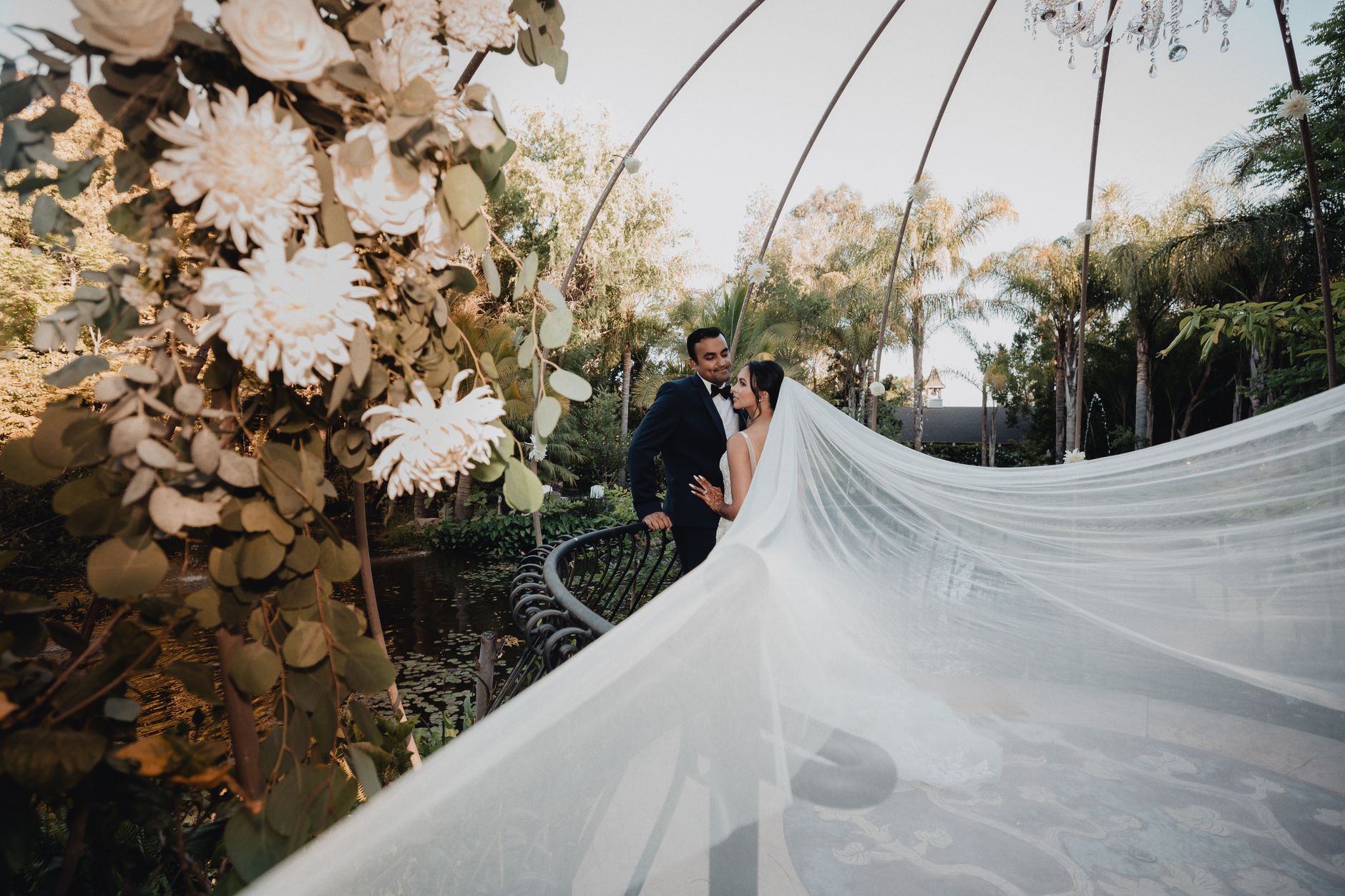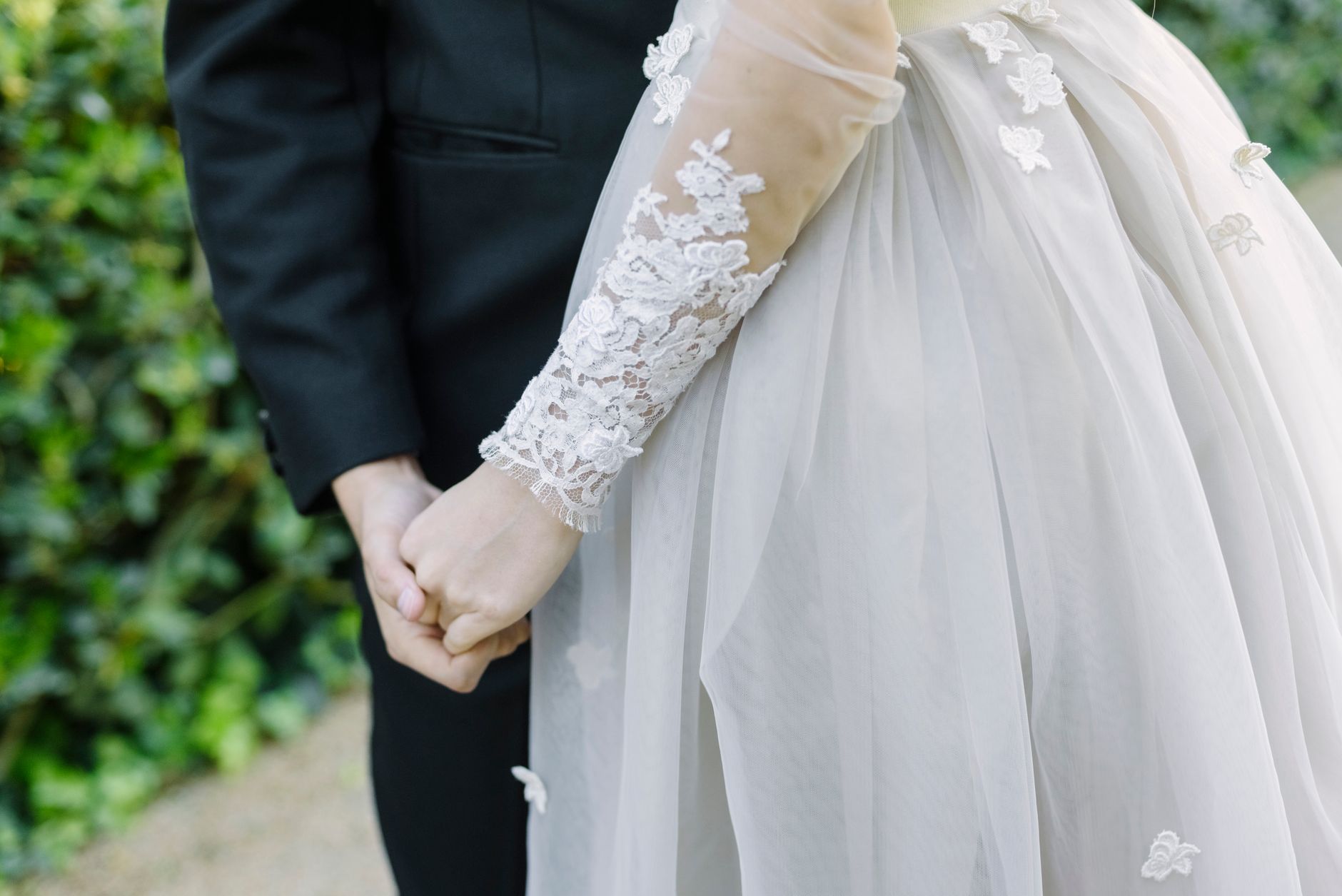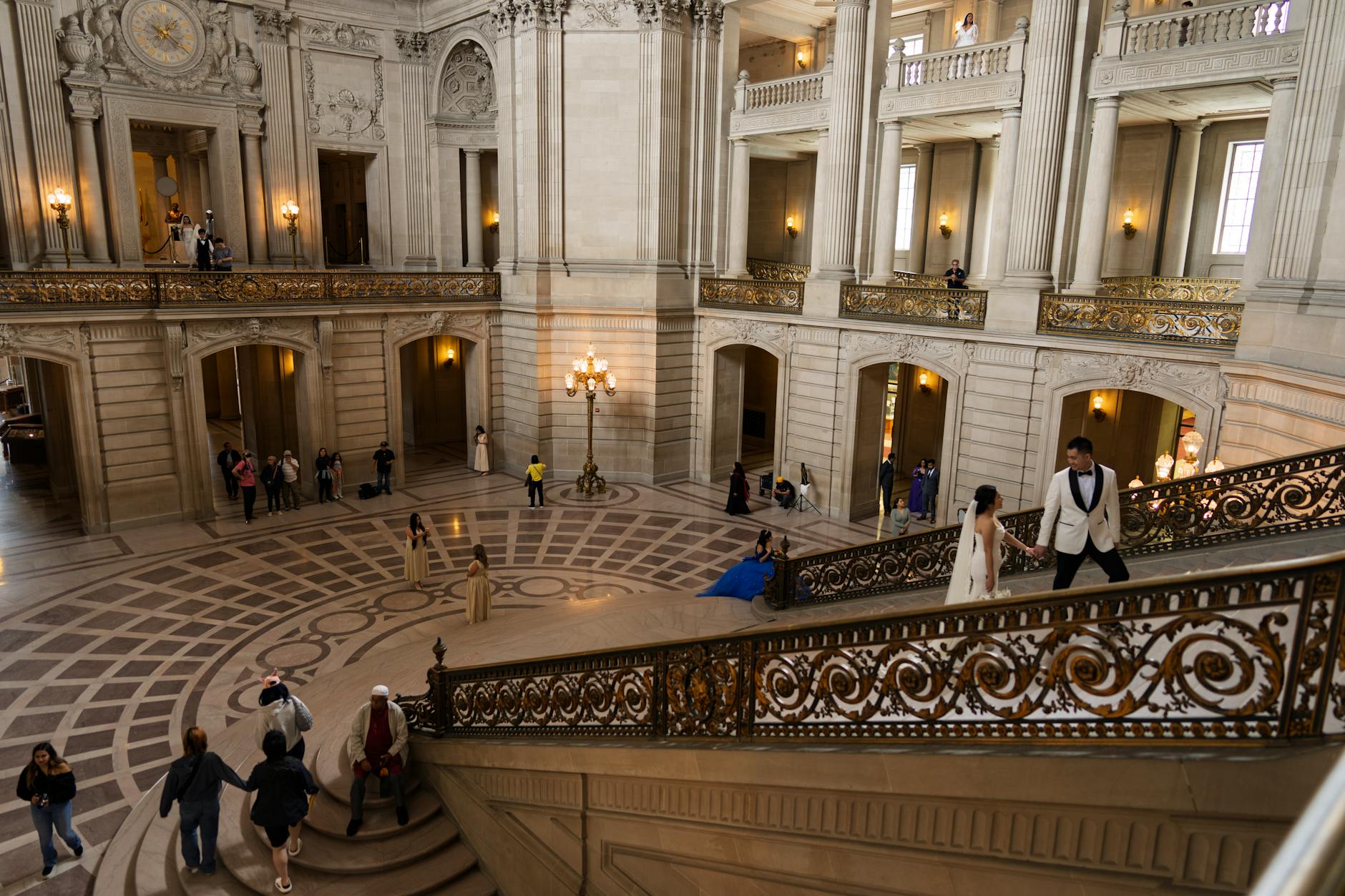
Luxury wedding videography in California uses cinema cameras, prime lenses, and editorial storytelling to produce films that feel closer to Vogue Weddings than traditional vendor reels. LifeStory.Film serves couples planning weddings at Southern California estates like Calamigos Ranch and Hotel Bel-Air, Northern California wine-country properties including Auberge du Soleil and Meadowood, and destination venues worldwide, with full-day coverage starting at $2,499. The average California couple invests $7,500–$10,000 for cinematic wedding film coverage within an overall wedding budget of $100,000 or more.
What Defines Luxury Wedding Videography in California
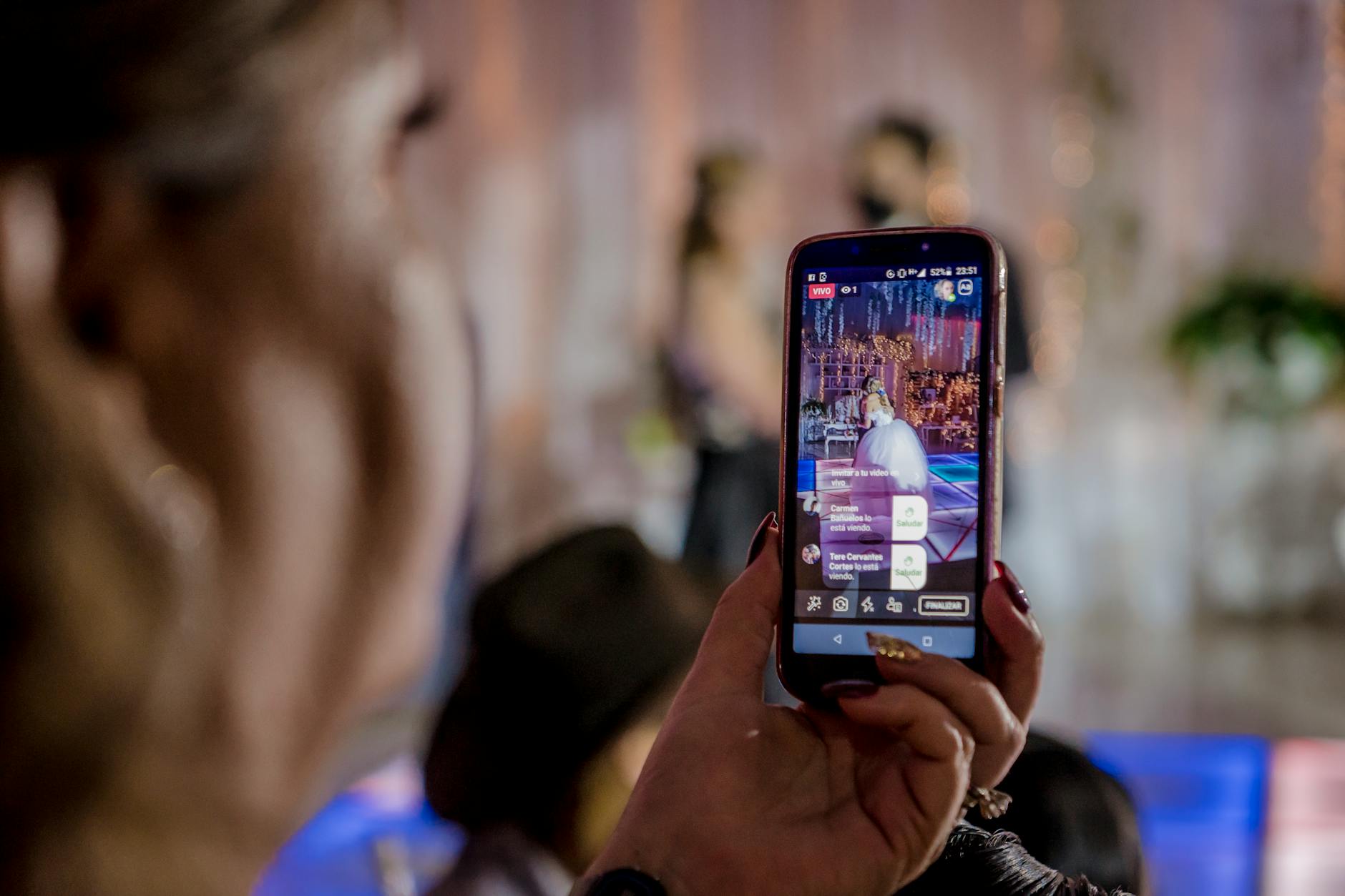
Luxury wedding videography distinguishes itself through equipment, approach, and deliverables. A luxury videographer shoots with RED, Sony FX, or Canon C-series cinema cameras rather than consumer camcorders, uses wireless lavalier microphones for vows and toasts, and employs three-point lighting during golden hour and reception coverage. The editorial approach prioritizes natural moments—a parent's reaction during the processional, unscripted laughter during toasts, the quiet two minutes after the ceremony when the couple walks alone through the gardens—over posed vendor shots.
Cinematic Production Standards vs Traditional Video
Traditional wedding video relies on event documentation: wide ceremony angles, toast recordings, dance-floor montages set to licensed pop tracks. Luxury wedding videography constructs narrative. LifeStory.Film allocates 70% of coverage time to unscripted documentary moments and 30% to composed cinematic portraits, using gimbals for smooth motion, drones for establishing shots at vineyard and coastal venues, and directorial lighting during the golden-hour portrait window. Color grading matches the sensory character of each venue—eucalyptus shadows and warm oak tones at Calamigos Ranch, cool Pacific light and wind texture at Terranea Resort, vineyard green and amber hour at Auberge du Soleil.
Full-day luxury packages span 10 to 12 hours, from bridal preparation through sendoff. Multi-day packages capture rehearsal dinners, welcome parties, ceremony day, and next-day brunches as a single continuous narrative, essential for destination resort weddings in Napa, Carmel, and international locations. Deliverables include an 8–20 minute feature film telling the chronological arc of the day, a 3–5 minute highlight reel set to music, a full ceremony edit with uninterrupted vows and readings, and individual toast and speech films for sharing with family.
Editorial Storytelling and Documentary Capture
The documentary-cinematic hybrid that defines luxury wedding videography emerged from fine-art wedding photography and editorial fashion film. Documentary capture means the videographer observes rather than orchestrates—recording the bride's mother adjusting the veil before the processional, the groom's reaction when he first sees his partner during the first look, the flower girl's refusal to walk down the aisle until her father carries her. Cinematic composition means the videographer directs the couple during the 20-minute portrait window after the ceremony, using natural light, architectural frames, and slow-motion sequences to produce images that read as editorial rather than snapshot.
LifeStory.Film coordinates with wedding planners, fine-art photographers, and venue creative directors to ensure timeline efficiency. At venues like San Ysidro Ranch and Ojai Valley Inn, where natural light changes rapidly between 4pm and 6pm, the videographer and photographer work in tandem during the golden-hour portrait session, alternating setups to avoid duplicated moments and maximize the couple's limited portrait time.
Multi-Day Coverage for Destination Resort Weddings
California wine-country weddings typically span three days: a welcome dinner at the vineyard estate, ceremony and reception the following day, and a farewell brunch. Multi-day videography packages produce a single feature film weaving all three events into one narrative, opening with guests arriving at Meadowood or Calistoga Ranch, building through the ceremony and toasts, and closing with the couple's departure. This structure suits destination weddings where 80% of guests travel from out of state and the couple invests in creating an immersive weekend experience rather than a single-day event.
Southern California resort weddings at Resort at Pelican Hill, Montage Laguna Beach, and Rancho Valencia follow a similar multi-day model. The videographer captures the rehearsal dinner on the terrace overlooking the Pacific, the ceremony on the lawn at sunset, and the poolside brunch the morning after, producing a 15–20 minute film that functions as both a wedding keepsake and a travel film documenting the venue and the weekend.
Southern California Luxury Wedding Film Locations
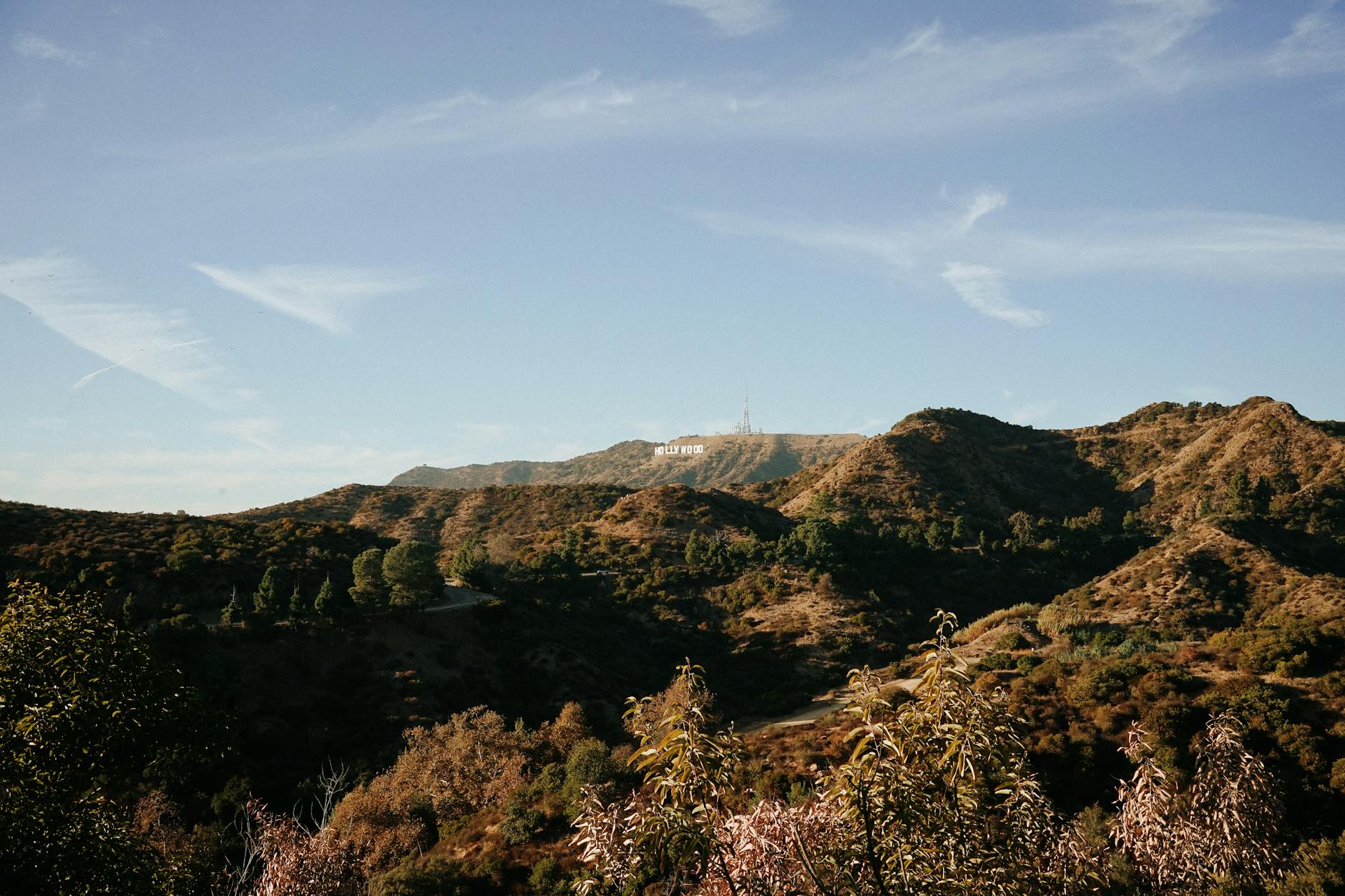
Southern California accounts for 68% of LifeStory.Film's annual bookings, with Calamigos Ranch, Hotel Bel-Air, and Resort at Pelican Hill as the three most-filmed venues. Each venue presents distinct lighting, architectural, and logistical considerations that shape the videographer's coverage plan.
Malibu and Santa Barbara Coastal Estates
Calamigos Ranch sits in its own pocket of light. The oak canopy filters late-afternoon sun into green-gold that flatters everything it lands on, which is the first thing a luxury wedding videographer notices when walking the property. Couples who care about how their film looks book the ceremony for 90 minutes before sunset rather than at sunset itself, allowing the videographer to capture the processional, vows, and first kiss in diffused golden light before moving to the eucalyptus grove for portraits during the last 30 minutes of direct sun.
The ranch offers multiple ceremony and reception sites—the Spanish courtyard with tile fountain, the oak grove with natural shade, the open lawn with mountain views, the vintage barn for reception. A full-day wedding film at Calamigos Ranch typically requires a 2-shooter video team to cover both the oak-grove ceremony and the barn reception, which occur in different lighting environments and require different audio and stabilization setups.
San Ysidro Ranch in Montecito offers garden intimacy at a smaller scale. The property's 500-acre footprint includes private cottage accommodations, a Michelin-level restaurant, and garden ceremony spaces framed by 100-year-old oak and sycamore trees. Luxury videographers favor San Ysidro Ranch for editorial black-tie weddings and intimate destination celebrations where the couple prioritizes privacy and culinary experience over guest count.
Beverly Hills and Bel-Air Hotel Properties
Hotel Bel-Air and Beverly Hills Hotel represent Old Hollywood elegance. Hotel Bel-Air's swan pond, stone bridge, and garden ceremony space under California sycamores create a naturally cinematic setting without additional lighting or set design. The hotel's Wolfgang Puck restaurant provides an indoor reception option for November-through-March weddings when evening temperatures drop below 55 degrees.
Beverly Hills Hotel offers the Crystal Ballroom for large receptions and the poolside Cabana Cafe lawn for outdoor ceremonies. The hotel's signature pink-and-green palette and mid-century architecture suit couples planning an urban modern or coastal classic wedding aesthetic. LifeStory.Film's coverage plan at Beverly Hills Hotel typically includes a first look in the hotel gardens, ceremony on the lawn, cocktail hour by the pool, and reception in the ballroom, with the videographer moving between indoor and outdoor environments throughout the day.
Orange County Resort Venues
Resort at Pelican Hill commands a bluff above the Pacific in Newport Coast. The circular Rotunda and terraced lawn ceremony site offer 180-degree ocean views, making sunset timing critical. The resort's Italian Renaissance architecture, manicured gardens, and infinity-edge pools provide multiple cinematic backdrops within a compact footprint, allowing the videographer to produce a visually diverse film without requiring the couple to leave the property for portraits.
Montage Laguna Beach sits directly above the surf line. The coastal wind presents an audio challenge—wireless lavalier microphones on the officiant and couple are essential for capturing vows during an outdoor ceremony. The resort's Mosaic Bar and Lawn provide a sheltered cocktail-hour space, and the Studio ballroom offers floor-to-ceiling windows overlooking the ocean for reception coverage.
Palm Springs and Ojai Desert and Valley Settings
Ojai Valley Inn offers Spanish-colonial architecture, oak-shaded lawns, and mountain views framed by the Topatopa Range. The valley's unique east-west orientation produces a warm, prolonged golden hour, giving videographers an extended window for portrait coverage. The inn's Artist Cottage, Mallorca Lawn, and Chandler Pavilion accommodate weddings ranging from 50 to 300 guests, with indoor and outdoor options for ceremony and reception.
Hummingbird Nest Ranch, Saddlerock Ranch, and Triunfo Creek Vineyards provide working-ranch and vineyard backdrops within 90 minutes of Los Angeles. These venues suit garden romantic and destination minimalist couples who want a California wine-country aesthetic without traveling to Napa. LifeStory.Film's coverage at ranch and vineyard venues typically includes drone footage capturing the property's geography, which grounds the film in a sense of place and scale.
Northern California Wine Country and Coastal Wedding Films
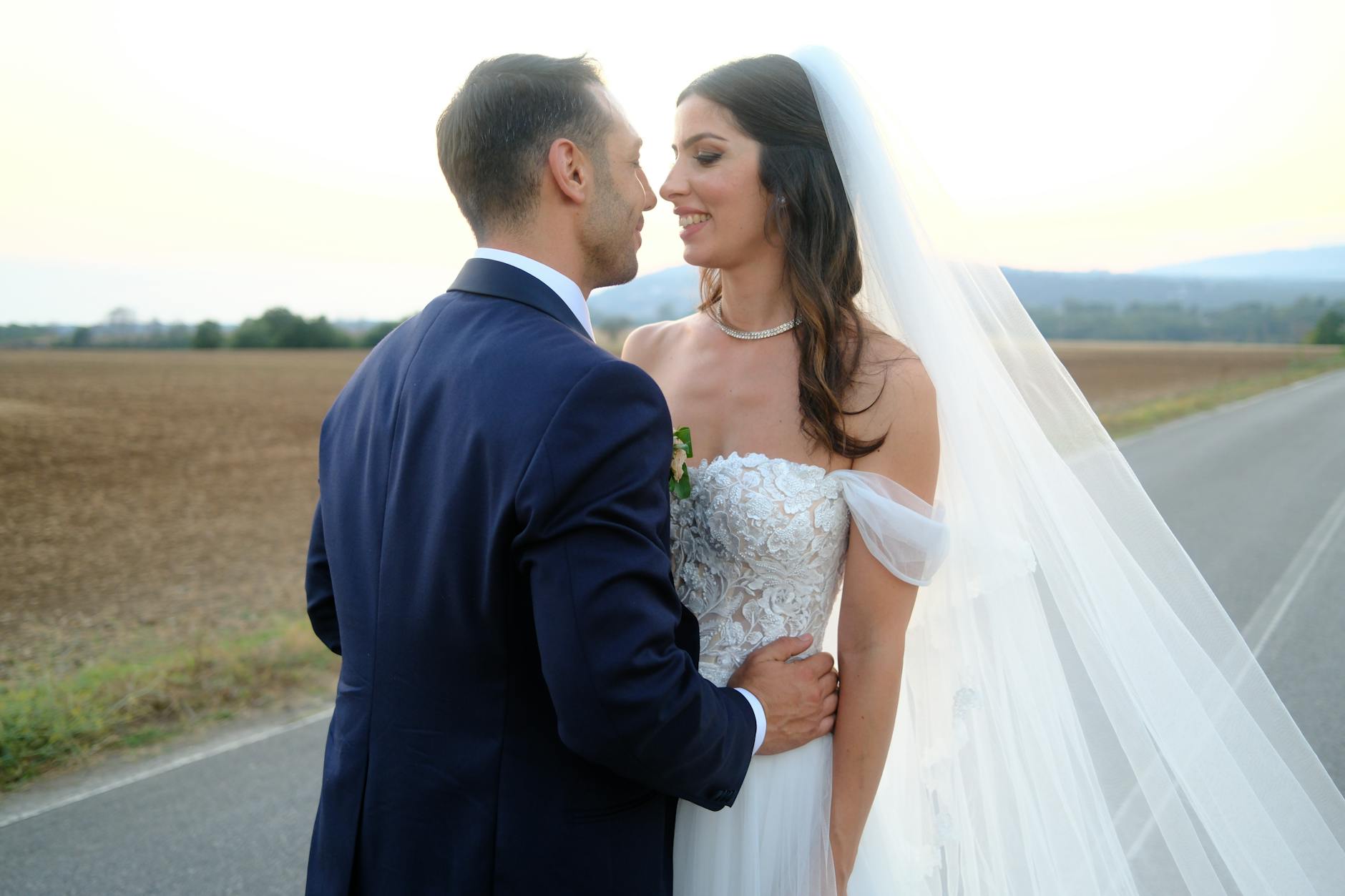
Napa Valley weddings represent 18% of LifeStory.Film's California portfolio, with average package values 22% higher than Southern California due to multi-day coverage requirements. The typical Northern California booking is a three-day celebration at a wine-country estate, with 60 to 120 guests traveling from the Bay Area, Los Angeles, and out of state.
Napa and Sonoma Valley Vineyard Weddings
Auberge du Soleil and Meadowood Napa Valley anchor the luxury wine-country wedding market. Auberge du Soleil's terraced ceremony site overlooks the Napa Valley floor, with rows of grapevines descending from the sculpture garden to the valley below. The property's Michelin-starred restaurant and sculpture terrace provide an integrated setting for rehearsal dinner, ceremony, and reception, allowing the videographer to produce a geographically cohesive film without requiring guest transportation between venues.
Meadowood's croquet lawn, oak grove, and private estate cottages create an English country-house atmosphere in the middle of Napa Valley. The property's Wine Center and Grill provide additional event spaces for multi-day celebrations. LifeStory.Film's typical Meadowood coverage includes a welcome dinner at the Wine Center on Friday evening, ceremony and reception on the croquet lawn Saturday, and a farewell brunch in the oak grove Sunday morning, with all three events edited into a single 18–22 minute feature film.
Calistoga Ranch and Beaulieu Garden offer more intimate wine-country settings for weddings under 100 guests. Calistoga Ranch's canyon location and natural hot springs create a secluded atmosphere, while Beaulieu Garden's historic Rutherford estate and formal gardens suit couples planning an editorial black-tie or garden romantic wedding.
Carmel, Big Sur, and Monterey Peninsula
Carmel Valley Ranch delivers coastal wine-country geography—rolling hills, vineyard rows, and Pacific views—within Monterey County. The ranch's River Ranch Lawn and Vineyard Terrace ceremony sites offer natural shade and mountain backdrops, essential for afternoon ceremonies in July and August when temperatures reach the mid-80s.
Big Sur's dramatic coastal cliffs and redwood groves create a cinematic backdrop unlike any other California region. Ventana Big Sur and other coastal properties require careful logistics planning—access roads narrow to single lanes in places, cell service is intermittent, and the nearest backup equipment is 90 minutes away in Carmel. Luxury videographers working in Big Sur typically bring redundant camera bodies, batteries, and audio recorders to mitigate the risk of equipment failure in a remote location.
Bay Area Estate and Garden Venues
Cavallo Point in Sausalito and other Bay Area estate venues serve couples based in San Francisco, Silicon Valley, and the East Bay who want a Northern California celebration without the two-hour drive to Napa. LifeStory.Film travels from Los Angeles to the Bay Area for bookings, coordinating multi-day coverage with local wedding planners and photographers to ensure timeline alignment and vendor collaboration.
How to Choose a Luxury Wedding Videographer in California
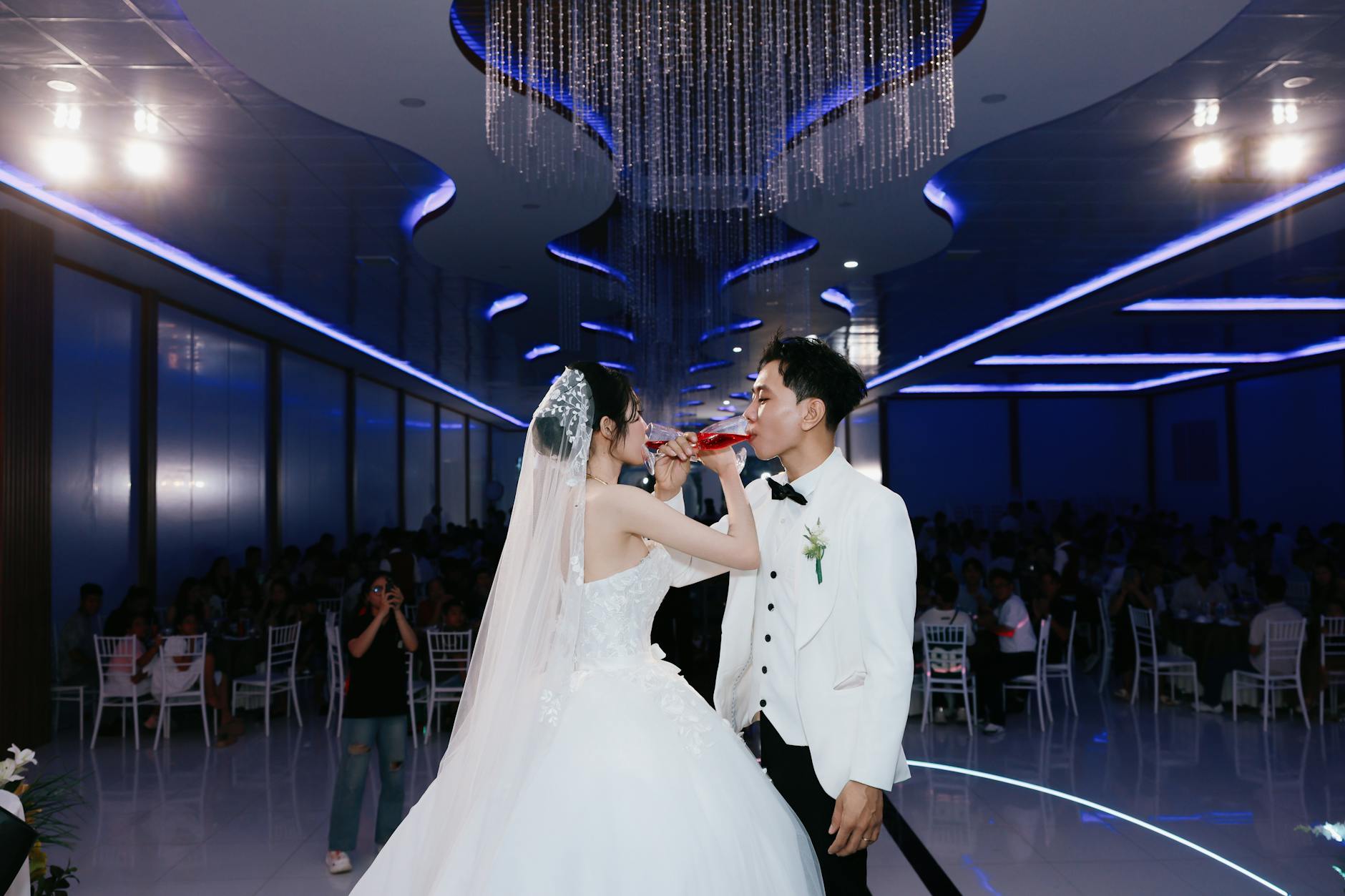
A couple planning a luxury wedding in California will encounter dozens of videographers claiming cinematic storytelling and editorial style. The selection process requires evaluating full-length films, confirming venue-specific experience, and understanding package structure and deliverable timelines.
1. Review Full-Length Films, Not Just Highlight Reels
Request 8–15 minute feature films from weddings at venues similar to yours. Highlight reels demonstrate editing skill and music selection, but they do not reveal whether the videographer can construct narrative across an entire day. A feature film shows how the videographer sequences the preparation, first look, ceremony, cocktail hour, toasts, and reception into a cohesive story—and whether they capture audio clearly enough that you can actually hear the vows and toasts without straining.
Watch for transitions between scenes. Does the film jump abruptly from the ceremony to the reception, or does the videographer use environmental shots—guests walking from the ceremony site to cocktail hour, the couple's entrance into the reception—to bridge the narrative? Smooth transitions indicate that the videographer was thinking about the final edit during the coverage itself, anticipating which shots would be needed to connect one moment to the next.
2. Evaluate Lighting, Audio, and Color Consistency
Luxury wedding videography is defined as much by technical execution as by storytelling. Poor audio—muffled vows, inaudible toasts, wind noise overwhelming the ceremony—ruins an otherwise beautiful film. LifeStory.Film uses wireless lavalier microphones on the officiant, groom, and key toast speakers, with a backup shotgun mic on the camera as redundancy. Ask the videographer how they capture audio during outdoor ceremonies at windy venues like Montage Laguna Beach or Terranea Resort.
Evaluate color consistency across different lighting environments. A luxury wedding film shot at Resort at Pelican Hill will move from bright afternoon sunlight during preparation, to golden-hour backlight during the ceremony, to low tungsten light during the reception. The videographer's color grading should create visual continuity across these environments without making the film look artificially flat or over-saturated.
3. Confirm Venue Experience and Planner Relationships
A videographer who has filmed at your venue before knows where the light falls during the ceremony, which entrance produces the best processional shot, where to position for vows without obstructing guest sightlines, and which reception room corners provide the cleanest audio for toasts. LifeStory.Film maintains a portfolio of work at California's premier wedding venues including Calamigos Ranch, Hotel Bel-Air, Resort at Pelican Hill, San Ysidro Ranch, Ojai Valley Inn, Auberge du Soleil, and Meadowood Napa Valley, and coordinates with venue creative directors and preferred vendor lists to ensure access and setup permissions.
Ask whether the videographer has existing relationships with your wedding planner and photographer. Coordination between these three vendors determines whether the timeline runs smoothly and whether anyone duplicates coverage. At a venue like Auberge du Soleil, where the golden-hour portrait window is only 20 minutes long, the photographer and videographer need to alternate setups efficiently to maximize the couple's limited portrait time.
4. Understand Package Structure and Deliverable Timelines
Luxury wedding videography packages vary widely in coverage hours, crew size, and deliverables. Half-day packages (4–6 hours) typically cover ceremony and cocktail hour or reception only, suitable for couples who want documentation of the formal events but not preparation or sendoff. Full-day packages (10–12 hours) span bridal preparation through sparkler exit or last dance, capturing the full narrative arc of the day. Multi-day packages include rehearsal dinner, ceremony day, and next-day events, essential for destination resort weddings.
LifeStory.Film delivers final wedding films within 12–16 weeks of the wedding date, with preview highlight reels available in 4–6 weeks. The 12–16 week timeline reflects the post-production hours required for a cinematic film: organizing and selecting footage, rough-cut editing, color grading, audio mixing, music licensing, revision rounds, and final export. Couples who need faster turnaround should confirm that in the contract before booking.
Luxury Wedding Videography Pricing and Package Design
Luxury wedding videography in California typically ranges from $3,500 to $15,000 or more, with most couples investing $7,500–$10,000 for full-day cinematic coverage at resort or estate venues. Pricing reflects crew size, equipment, post-production hours, and licensing for music and archival storage.
Half-Day, Full-Day, and Multi-Day Coverage Options
Half-day packages cover 4 to 6 hours and typically include either ceremony through cocktail hour or cocktail hour through reception. These packages suit couples who want professional documentation of the formal events but are comfortable with phone or guest footage of preparation and sendoff. A half-day luxury wedding videography package in California starts around $3,500 to $5,000, depending on crew size and deliverables.
Full-day packages cover 10 to 12 hours from bridal preparation through sparkler exit or last dance. This is the most common booking for couples planning luxury weddings at venues like Calamigos Ranch, Hotel Bel-Air, or Ojai Valley Inn. A full-day package from LifeStory.Film includes a 2-shooter video team, cinema cameras, gimbals, wireless audio, drone footage, and deliverables including an 8–15 minute feature film, a 3–5 minute highlight reel, full ceremony edit, and toast films. Full-day luxury videography in California ranges from $6,000 to $10,000.
Multi-day packages include rehearsal dinner, ceremony day, and next-day events, with all coverage edited into a single feature film or a series of connected films. These packages are standard for wine-country destination weddings at Auberge du Soleil, Meadowood, or Calistoga Ranch, where the couple hosts 60 to 120 guests for a three-day celebration. Multi-day luxury videography in California starts at $10,000 and ranges to $15,000 or more, depending on the number of events and crew requirements.
Photo-Video Bundling and Coordination
LifeStory.Film offers bundled Photo + Video Combined Package options, ensuring editorial and visual alignment between photography and videography. Most luxury couples book both services together because coordination avoids timeline conflicts, eliminates duplicated portrait setups, and ensures the photographer and videographer collaborate rather than compete for the couple's attention during the golden-hour portrait window.
A bundled photo-video package typically includes a 2-shooter photography team and a 2-shooter video team, with all four creatives working from a single shared timeline. At a venue like San Ysidro Ranch, where the ceremony, cocktail hour, and reception occur in three separate garden locations, coordinated photo-video coverage allows one team to capture the cocktail-hour atmosphere while the other team produces couple portraits in the oak grove, maximizing efficiency and minimizing the couple's time away from guests.
Destination and Travel-Inclusive Packages
LifeStory.Film travels throughout California and worldwide for Destination Wedding Film bookings in Italy, France, Japan, Mexico, and the Caribbean. Destination packages include travel, accommodation, and coordination with local vendors, with pricing structured to reflect the crew's time away from Los Angeles. A Northern California wine-country wedding requiring overnight travel adds approximately $1,500 to $2,500 to the base package price for travel time, lodging, and transportation. International destination weddings add $3,000 to $5,000 or more, depending on the location and duration.
Couples planning destination weddings should book 12 to 18 months in advance, especially for peak season (May through October) dates in Napa, Carmel, and European destinations. Luxury videographers often carry limited annual availability—LifeStory.Film books approximately 25 to 30 weddings per year—to maintain post-production quality and deliver films within the 12–16 week timeline.
Documentary vs Cinematic Wedding Film Styles
The terms documentary and cinematic describe two approaches to luxury wedding videography, though in practice most luxury videographers—including LifeStory.Film—blend both styles into a hybrid approach.
Documentary style prioritizes unscripted moments captured as they happen. The videographer observes rather than directs, recording spontaneous laughter during toasts, tears during vows, a flower girl's refusal to walk down the aisle, a parent's hand finding the bride's shoulder during the processional. Documentary films feel journalistic and immediate, privileging authentic emotion over composed beauty.
Cinematic style incorporates directorial techniques borrowed from narrative filmmaking and fashion photography. The videographer composes shots using architectural frames, backlighting, and slow-motion sequences. The couple is directed during the portrait session—walking toward the camera through the vineyard at Triunfo Creek Vineyards, standing still in the eucalyptus grove at Calamigos Ranch while the videographer circles with a gimbal, holding hands on the terrace at Auberge du Soleil during the last five minutes of golden hour. Cinematic films feel editorial and designed, privileging visual beauty and narrative structure over spontaneous documentation.
LifeStory.Film's hybrid documentary-cinematic approach allocates 70% of coverage to unscripted moments and 30% to composed portraits and environmental sequences. During the ceremony and reception, the videographer works in documentary mode, capturing vows, toasts, first dance, and parent dances without intervention. During the 20-minute portrait window after the ceremony, the videographer switches to cinematic mode, directing the couple through a series of composed shots that produce the editorial images most couples envision when they think of luxury wedding films.
Most luxury California couples request this hybrid approach because it delivers both authentic emotion and cinematic production quality. A purely documentary film risks missing the composed golden-hour portrait that becomes the couple's favorite image. A purely cinematic film risks feeling staged and impersonal, prioritizing aesthetic over emotional authenticity. The hybrid balances both.
Begin a Conversation About Your California Wedding Film
LifeStory.Film produces Wedding Film coverage for couples planning luxury weddings at California's editorial venues, from coastal estates in Malibu and Montecito to wine-country properties in Napa and Sonoma, with packages starting at $2,499 and Engagement Film and Save-the-Date Film options for couples documenting the full arc of their story. Explore the Packages & Pricing page or reach out to discuss your wedding date, venue, and coverage vision.