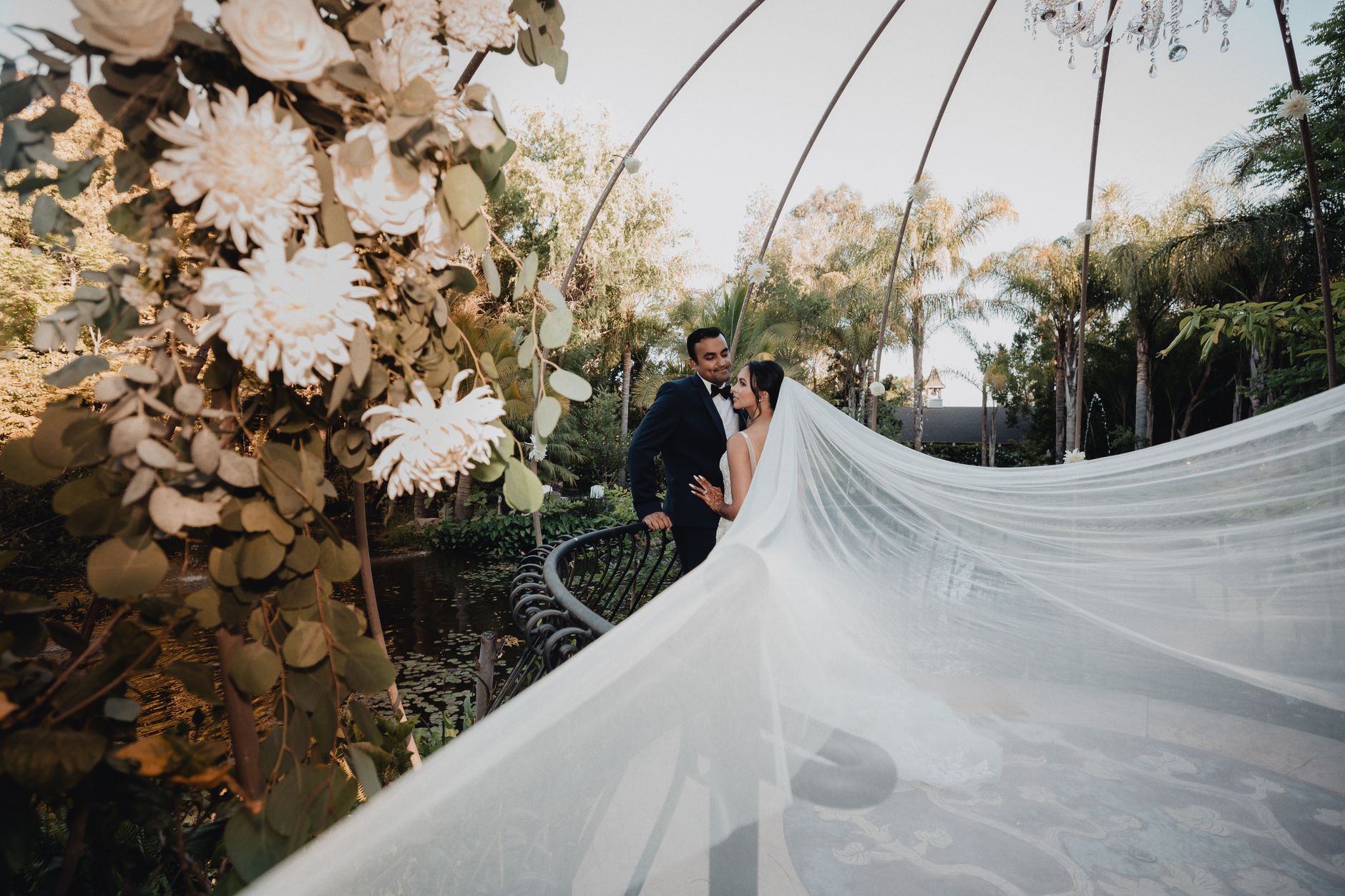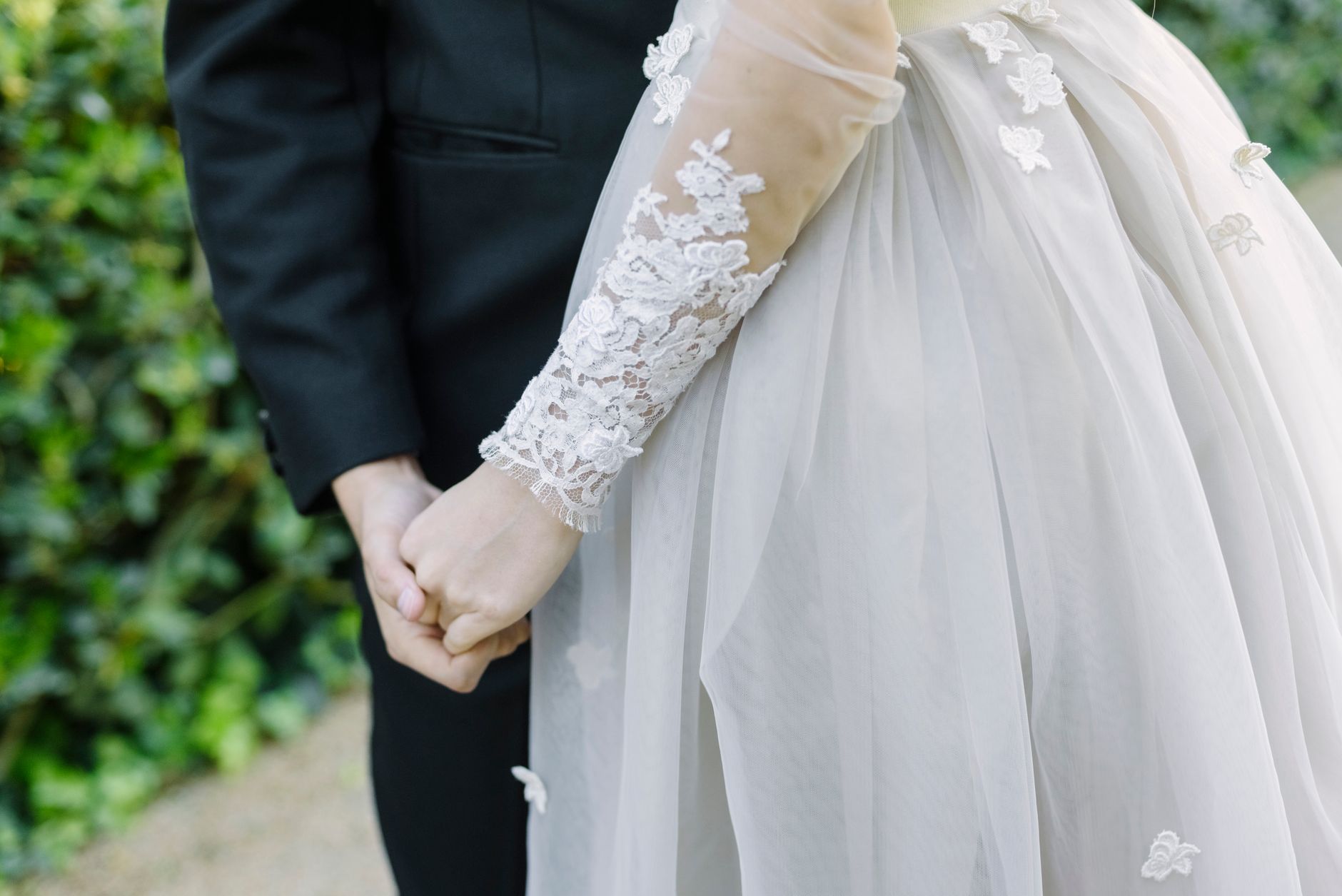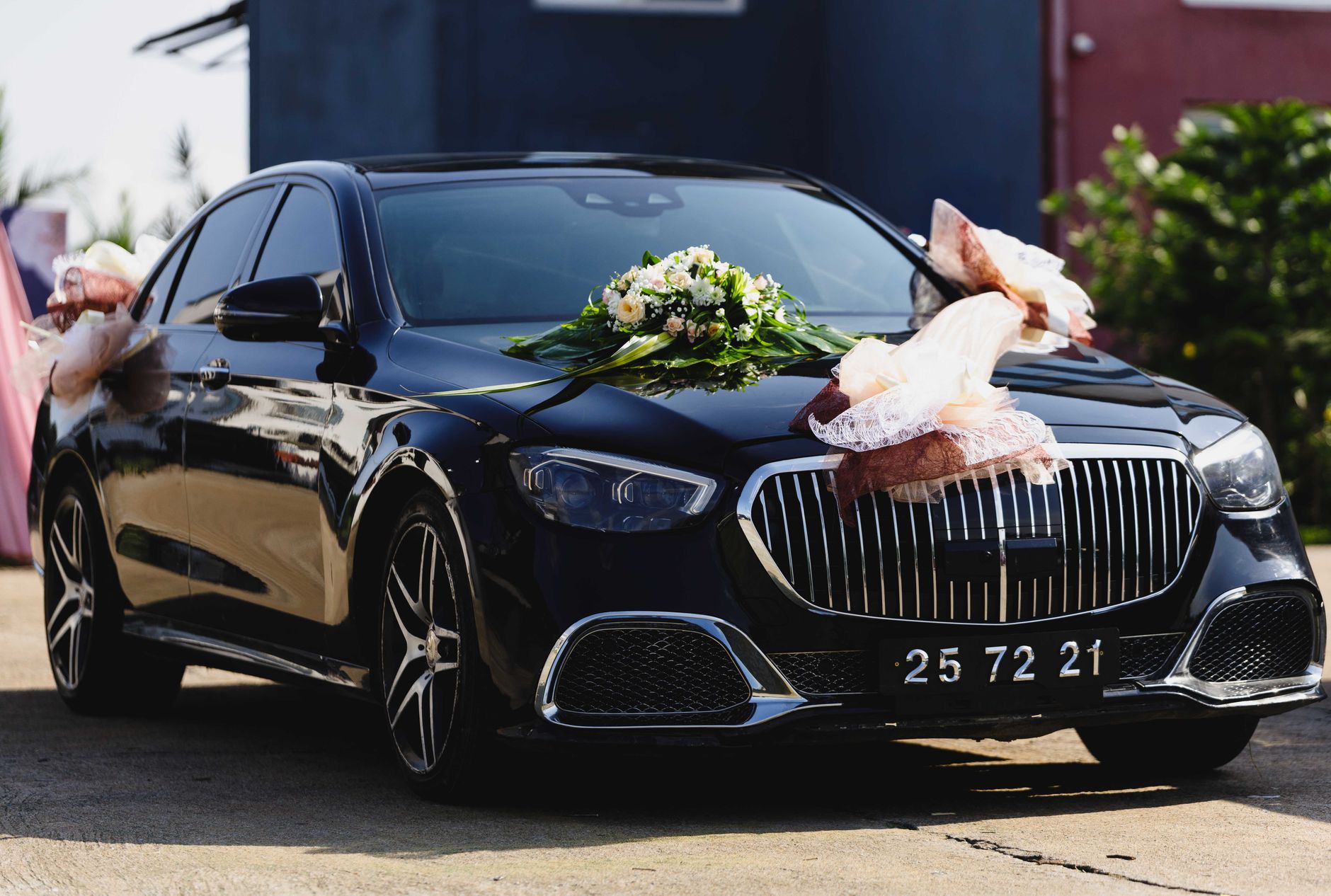
Choose a wedding videographer by reviewing their portfolio for cinematic style, confirming availability for your date, discussing coverage hours and deliverables, and ensuring their approach aligns with your wedding vision. The right videographer captures not just footage but the emotional narrative of your day — from the quiet moment when a parent adjusts the bride's veil in the getting-ready suite at Hotel Bel-Air to the sweeping wide shot of 150 guests rising as the ceremony begins at Calamigos Ranch. Professional wedding videographers typically deliver final films 3–6 months after the wedding date, with highlight reels often available within 4–8 weeks.
This guide walks you through the key considerations, questions to ask, and red flags to avoid when hiring a wedding filmmaker who will translate your wedding into a film you return to for decades.
Define Your Wedding Film Style and Vision
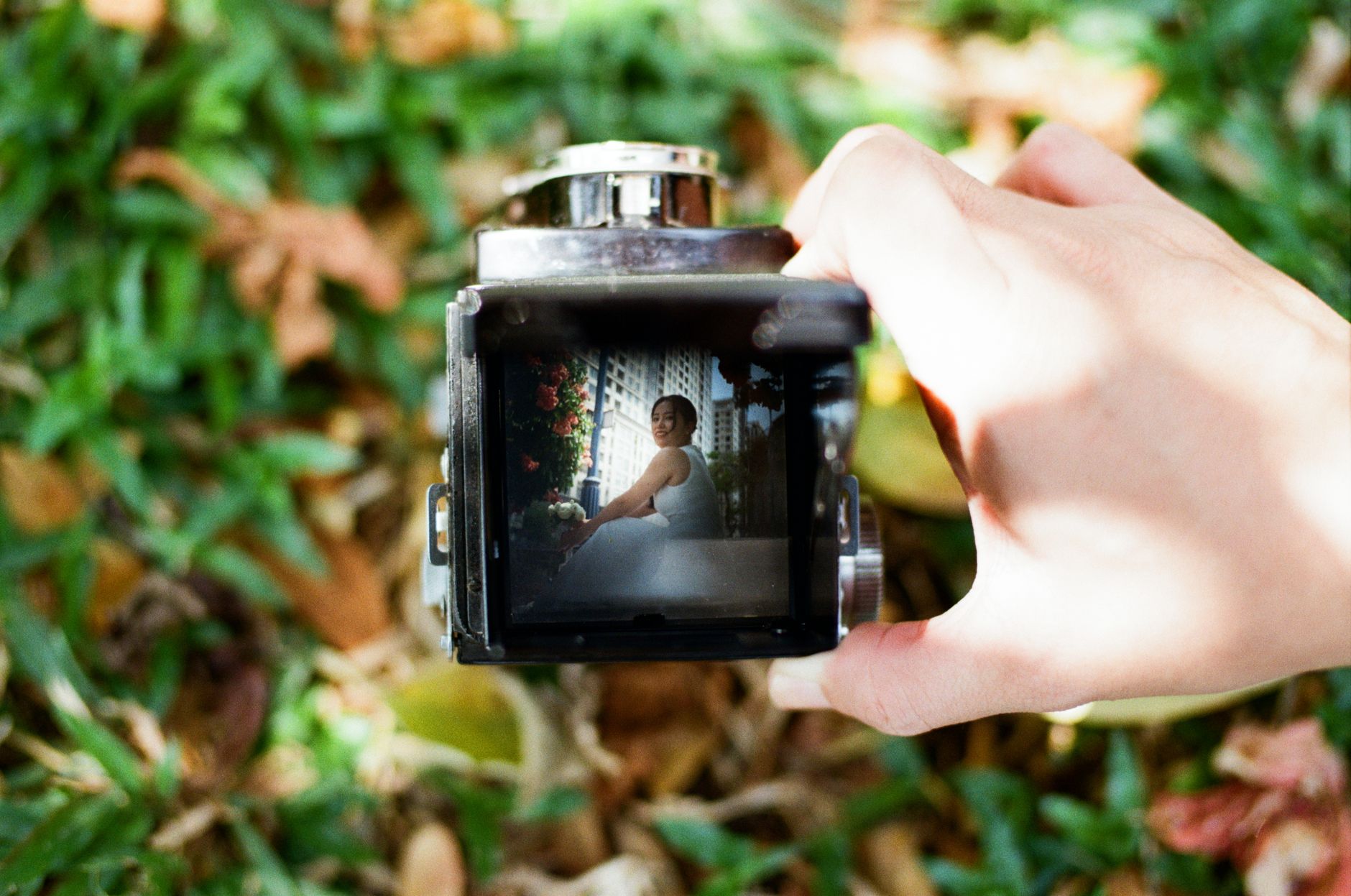
Photo by Nam Quân Nguyễn on Pexels
The first decision is not which videographer to hire but what kind of film you want to receive. Documentary-style coverage captures moments as they unfold naturally — the unscripted laughter during toasts, the way a groom's hand finds his partner's during the vows, the spontaneous dance-floor moments at the reception. Cinematic storytelling layers in composed shots, editorial framing, intentional camera movement, and color grading that reads like a feature film. Hybrid approaches combine both — observational moments woven with directed portraits during the golden-hour window after the ceremony.
A wedding film at Bel-Air Bay Club, for example, benefits from cinematic composition because the terrace light at 5 PM is something a videographer anticipates and plans for; documentary coverage alone might miss the precise fifteen-minute window when the Pacific backlights the ceremony and the sky turns soft pink. Conversely, an intimate 40-person wedding at Ojai Valley Inn may call for pure documentary work — no direction, just presence.
Documentary vs Cinematic vs Hybrid Approaches
- Documentary — observational, minimal direction, prioritizes candid emotion and real moments. The videographer follows the day as it happens.
- Cinematic — composed shots, intentional lighting, editorial pacing, and often a narrative structure with voiceover or a clear story arc.
- Hybrid — combines candid coverage with planned portrait sequences, typically scheduled around the first look or golden hour.
Ask to watch a full wedding film in the style you're considering, not just a 3-minute highlight reel. A highlight reel shows a videographer's best 2% of footage; a full 20-minute feature film reveals how they handle pacing, transitions, quieter moments, and whether the storytelling holds your attention from beginning to end.
Understanding Coverage Options: Highlight Reels, Feature Films, and Raw Footage
Most wedding videography packages include a highlight reel (3–5 minutes, edited to music, designed for social sharing) and a feature film (15–45 minutes, incorporating vows, toasts, first dance, and key moments from the day). Some videographers also offer full ceremony coverage — the entire ceremony from processional to recessional, uncut — and full reception coverage.
Raw footage is typically not included in standard packages because it contains unusable clips, test shots, focus pulls, and unflattering moments. Some videographers offer it as a premium add-on for $500–$1,500, but most couples find it unnecessary once they receive the edited films.
LifeStory.Film produces cinematic feature films ranging from 15 to 45 minutes, combining documentary moments with editorial composition across California and destination weddings. The length depends on the wedding day itself — a 6-hour single-location wedding yields a tighter film than a 12-hour multi-venue celebration with a rehearsal dinner the night before.
Discuss audio preferences early. Do you want your vows captured clearly with wireless lavalier microphones, or are you comfortable with ambient sound only? Do you want interview-style voiceovers from you and your partner recorded weeks before the wedding, or do you prefer the film to unfold without narration? These decisions shape the deliverable significantly.
Review Portfolios and Past Work Critically
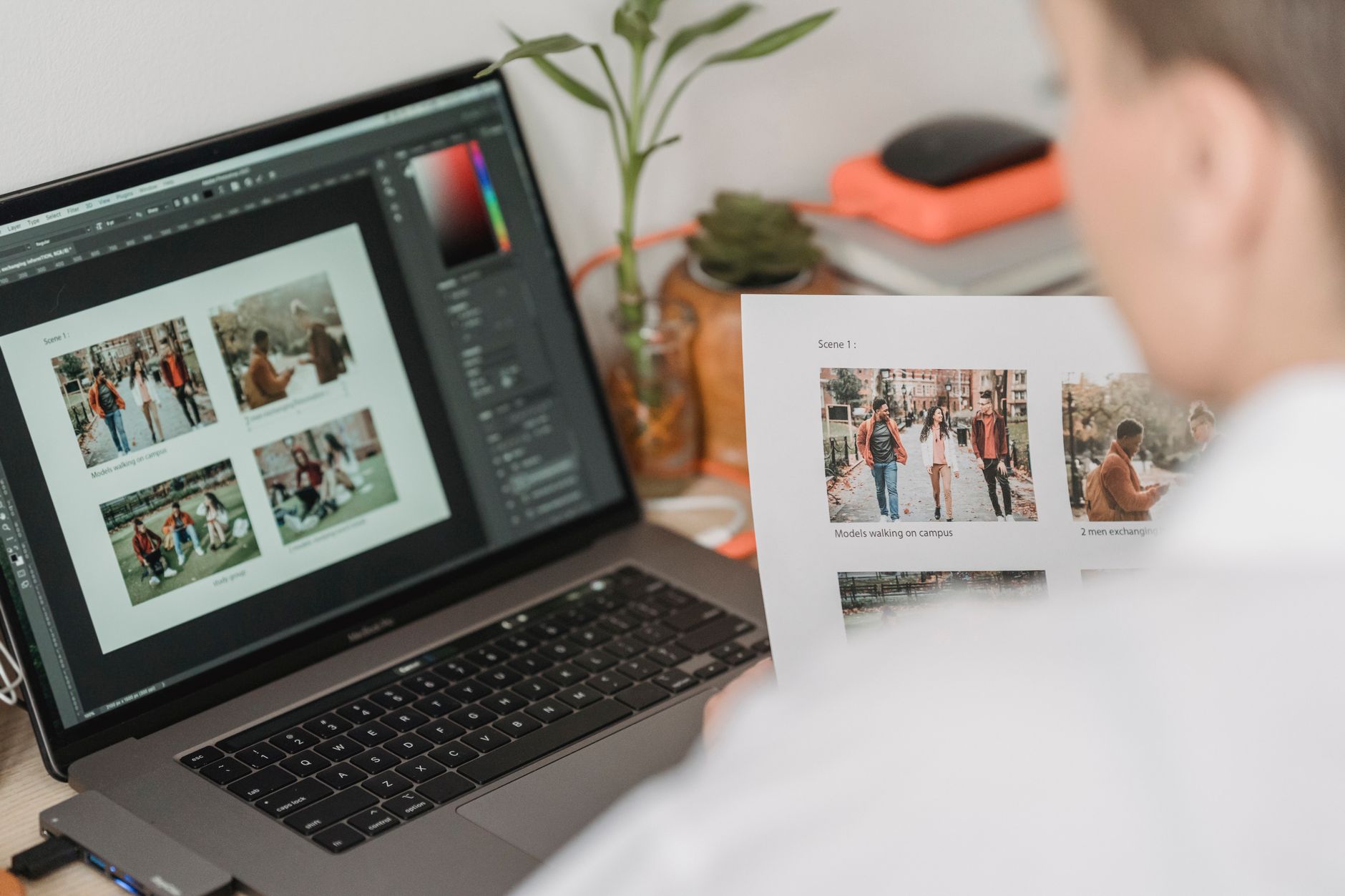
Photo by George Milton on Pexels
A professional wedding videographer's portfolio should include at least 8–12 full wedding films showcasing diverse venue types, lighting scenarios, and couple personalities. Watch at least three full films before booking, and choose films from venues similar to yours in aesthetic and logistics.
If you're planning a garden wedding at San Ysidro Ranch, review films shot at outdoor estates with natural light and organic surroundings — not just ballroom receptions. If your wedding is at Montage Laguna Beach with an ocean terrace ceremony, look for films that demonstrate how the videographer handles bright coastal light and wind (which affects audio quality).
What to Look for Beyond the Showreel
Highlight reels are curated showpieces. They reveal a videographer's aesthetic and editing style but tell you almost nothing about their consistency, reliability, or ability to capture a full day. A skilled editor can make 200 hours of mediocre footage look stunning in a 4-minute montage.
Instead, watch for:
- Consistent quality across lighting conditions — Can they shoot a dimly lit reception with string lights and still deliver clean, properly exposed footage? Do outdoor ceremonies look washed out in bright sun, or is the exposure controlled and cinematic?
- Audio clarity — Can you hear the vows, toasts, and first dance songs without distortion, wind noise, or clipping? Poor audio ruins an otherwise well-shot film.
- Pacing and storytelling — Does the film feel cohesive, with intentional structure and emotional builds, or does it feel like a random collection of pretty shots?
- Coverage of quieter moments — Do they capture the bride's mother fastening the dress clasp, the groom's reaction when he first sees his partner, the best man's hand on the groom's shoulder before the ceremony? Or do they only shoot the obvious, loud moments?
Evaluating Full Wedding Films, Not Just Highlights
Request access to 2–3 full feature films. If a videographer hesitates or only shows highlight reels, that is a red flag. Every professional wedding filmmaker should have a portfolio of complete films available for prospective couples.
As you watch, ask yourself:
- Does the film hold my attention for 20+ minutes, or do I start skipping ahead?
- Do the transitions feel natural, or are there jarring cuts that break immersion?
- Are the color grade and visual tone consistent throughout, or does it feel like different editors worked on different sections?
- Can I hear what people are saying during toasts, or is the music mix too loud?
- Does the film show the venue accurately, or is it so stylized that the location is unrecognizable?
If you're hiring both a wedding photographer and a wedding videographer, review how their past teams have worked together. Coordinated coverage — where the photographer and videographer communicate about timing, positioning, and key moments — produces better results than two vendors competing for the same shot.
Ask the Right Questions During Consultations
Photo by ClickerHappy on Pexels
Your consultation (whether in person, over Zoom, or by phone) is your opportunity to assess not just the videographer's work but their professionalism, communication style, and reliability. The wedding day itself is high-pressure and non-repeatable; you need a videographer who anticipates problems, communicates clearly, and stays calm when timelines shift.
Coverage Hours, Team Size, and Equipment
Confirm exact coverage hours. Does "8 hours of coverage" mean 8 continuous hours, or 8 hours with a meal break deducted? When does the clock start — when the videographer arrives at the getting-ready location, or when they begin shooting? These details matter, especially for weddings with multiple locations or long gaps between ceremony and reception.
Ask how many videographers and cameras will be present. Multi-camera coverage during the ceremony captures both the couple's expressions and the reactions of parents and guests simultaneously. A single videographer can produce a cinematic film, but they cannot be in two places at once — so if you and your partner are getting ready in separate locations, you'll need a second shooter to capture both.
Discuss backup equipment and contingency plans. Professional videographers carry redundant cameras, lenses, audio recorders, batteries, and memory cards. If a camera fails mid-ceremony, they switch to a backup without missing a moment. Ask directly: "What happens if your primary camera fails during the ceremony?"
If you're planning a wedding at a venue you've worked at before, ask whether the videographer has filmed there. Experience with Calamigos Ranch, for example, means they already know that the oak grove ceremony benefits from a wide establishing shot from the hillside, that the barn reception requires additional lighting after sunset, and that the venue restricts drone usage due to proximity to residential neighborhoods.
Deliverables, Timelines, and Revisions
Clarify deliverables with specific runtimes. A "highlight reel" from one videographer might be 3 minutes; from another, 8 minutes. A "feature film" might be 15 minutes or 45 minutes. Ask for examples of each deliverable type so you understand exactly what you'll receive.
Establish the editing timeline. Luxury wedding films typically require 3–6 months for final delivery because the editing process involves multi-camera synchronization, color grading, sound design, and often multiple revision rounds. Highlight reels often arrive within 4–8 weeks. If you have a specific deadline — such as an anniversary celebration or a screening event — communicate that upfront and confirm whether the videographer can accommodate it.
Understand the revision policy. How many rounds of edits are included in your package? What constitutes a revision (changing a song, trimming a section) versus a complete re-edit (requesting a different stylistic approach after seeing the first cut)? Most videographers include 1–2 rounds of revisions; additional rounds may incur fees.
Ask about their approach to working with your photographer. The best wedding films happen when the videographer and photographer coordinate rather than compete. Do they communicate before the wedding day to discuss the timeline, lighting setup, and key moments? Have they worked together before?
Understand Pricing Structure and What You're Really Paying For

Photo by https://kaboompics.com/ on Pexels
Luxury wedding videography packages in California range from $3,959 to over $14,000, with most couples investing $7,500–$10,000 for full-day coverage with cinematic editing. The wide range reflects differences in coverage hours, team size, deliverables, experience level, and the complexity of post-production.
Package Inclusions and Common Add-Ons
Base packages typically include:
- Set coverage hours (often 6, 8, or 10 hours)
- One videographer with one or two cameras
- Highlight reel (3–5 minutes)
- Digital delivery via download link or private Vimeo
Premium packages add:
- Second shooter for multi-angle coverage
- Drone footage (requires FAA Part 107 certification and venue approval)
- Extended feature film (30–60 minutes instead of 15–20 minutes)
- Same-day edit (a 3–5 minute film edited during your reception and played at the end of the night, typically costing $800–$2,000 extra and requiring an additional editor on-site)
- Raw footage archive
- Physical USB drive or custom packaging
Common add-ons available à la carte:
- Engagement film (often bundled at a discount if booked with the wedding film)
- Rehearsal dinner coverage
- Day-after session (portrait film shot the day after the wedding, popular for destination weddings)
- Additional edited films (parent films, thank-you films, social media trailers)
Hidden Costs and Travel Fees
Travel fees apply for destinations beyond the videographer's primary service area. For California-based videographers, travel within Southern California (Los Angeles, Orange County, Santa Barbara, San Diego) is often included or minimal. Northern California destinations (Napa, Sonoma, Carmel) typically incur a day rate plus mileage. Out-of-state and international destination weddings are usually structured as a day rate plus airfare, hotel, ground transportation, and meals.
Ask whether music licensing is included. Most wedding films use commercially licensed music that allows personal use but not commercial or public broadcast. If you want to share your film on social media platforms that flag copyrighted music, confirm that the videographer uses royalty-free or properly licensed tracks.
Confirm the payment schedule. Typical structures require a 25–50% deposit to reserve your date, with the remainder due 2–4 weeks before the wedding. Some videographers offer payment plans; others require full payment before the wedding day.
Assess Personality Fit and Professionalism
Your videographer will be present during intimate moments — when you're getting ready with your parents, during the first look with your partner, in family dynamics that can be emotionally charged. Personality compatibility is not a luxury; it is essential.
During the consultation, observe:
- Responsiveness — Did they reply to your inquiry within 24–48 hours? Slow communication before booking predicts poor communication after.
- Listening — Do they ask questions about your vision, or do they only talk about their own work and process?
- Flexibility — When you describe a non-standard request (such as filming a tea ceremony or a cultural tradition they may be unfamiliar with), do they respond with curiosity and a plan, or with resistance?
- Enthusiasm — Do they talk about past weddings with respect and excitement, or with cynicism and complaints?
Ask for references from recent couples or wedding planners they've worked with repeatedly. A videographer with 5+ years of experience and testimonials from luxury wedding planners demonstrates the reliability and professionalism essential for high-stakes wedding days.
Discuss their approach to directing versus observing. Some couples want guidance during portrait sessions — where to stand, how to hold each other, when to walk toward the camera. Others prefer invisible documentation with no posing. Neither approach is better, but mismatched expectations create frustration on the wedding day.
Confirm they carry liability insurance. Venues like Resort at Pelican Hill, Montage Laguna Beach, and Terranea Resort require all vendors to carry general liability insurance (typically $1–2 million coverage). If your videographer does not carry insurance, they may be denied access to the property, and you will have no coverage.
Review the contract carefully. It should clearly outline:
- Coverage hours, including start and end times
- Number of shooters and cameras
- Deliverables with specific runtimes and formats
- Editing timeline with target delivery dates
- Revision policy (how many rounds, what constitutes a revision)
- Payment schedule and accepted payment methods
- Cancellation and postponement terms (especially relevant post-2020)
- Liability insurance and equipment backup plans
- Ownership rights for the final films (you should own the edited films; the videographer typically retains rights to raw footage and the right to use clips for portfolio and marketing)
If any term is unclear or missing, ask for clarification in writing before signing.
Final Considerations Before You Book
Booking a wedding videographer 9–12 months in advance is standard for peak wedding season (May through October in California). Top luxury videographers often book 12–18 months out for destination weddings and popular venues like San Ysidro Ranch, Hotel Bel-Air, and Auberge du Soleil, especially for Saturday weddings in summer and fall.
If you're planning a destination wedding — whether to Borgo Egnazia in Puglia, Le Sirenuse on the Amalfi Coast, or Aman Tokyo — confirm that your videographer has international experience. Filming abroad requires different equipment (plug adapters, voltage converters), knowledge of local permitting and drone regulations, and the flexibility to handle language barriers and logistical surprises.
Many luxury videographers are FAA Part 107 certified and include drone footage in premium packages. However, confirm your venue permits drones. Historic estates, many hotels, and some private properties prohibit them due to noise, privacy concerns, or insurance restrictions. Venues like Calamigos Ranch and Ojai Valley Inn have specific drone policies; your videographer should research and confirm permissions before the wedding day.
If you are booking both documentary photography and a wedding film, consider a combined photo + video package. Working with a single creative team ensures visual consistency, coordinated timelines, and often a cost savings compared to booking separate vendors. LifeStory.Film offers photo + video combined packages designed for couples who want cohesive editorial coverage across both mediums.
The decision to hire a wedding videographer is not just about preserving memories. It is about commissioning a work of art that translates one day — with all its light, movement, sound, and emotion — into a film that will outlast the flowers, the cake, and even the memory of what the vows sounded like in your own voice. Choose the filmmaker who understands that responsibility, and who has the skill, professionalism, and vision to honor it.
Begin a conversation about your wedding film at LifeStory.Film.