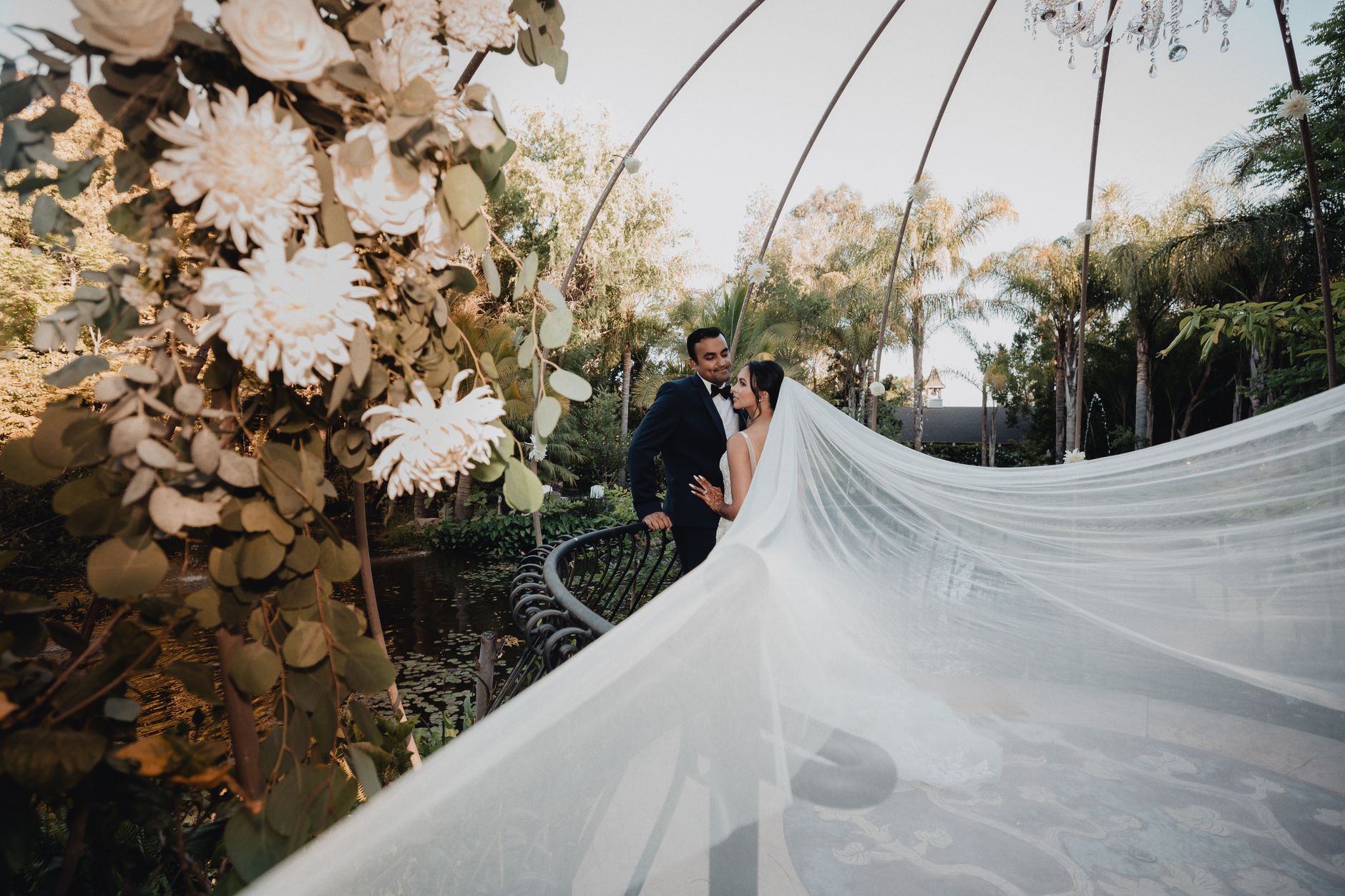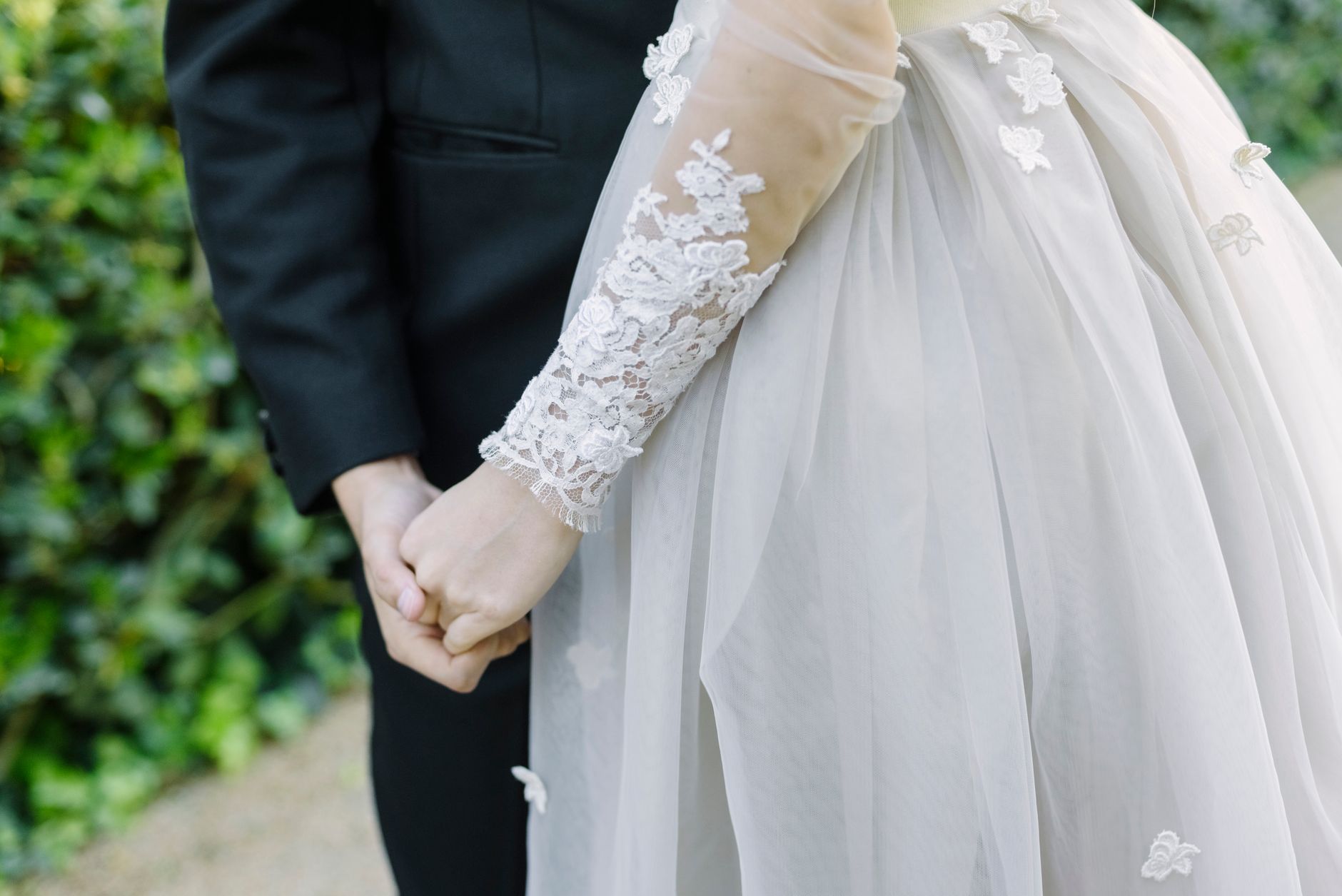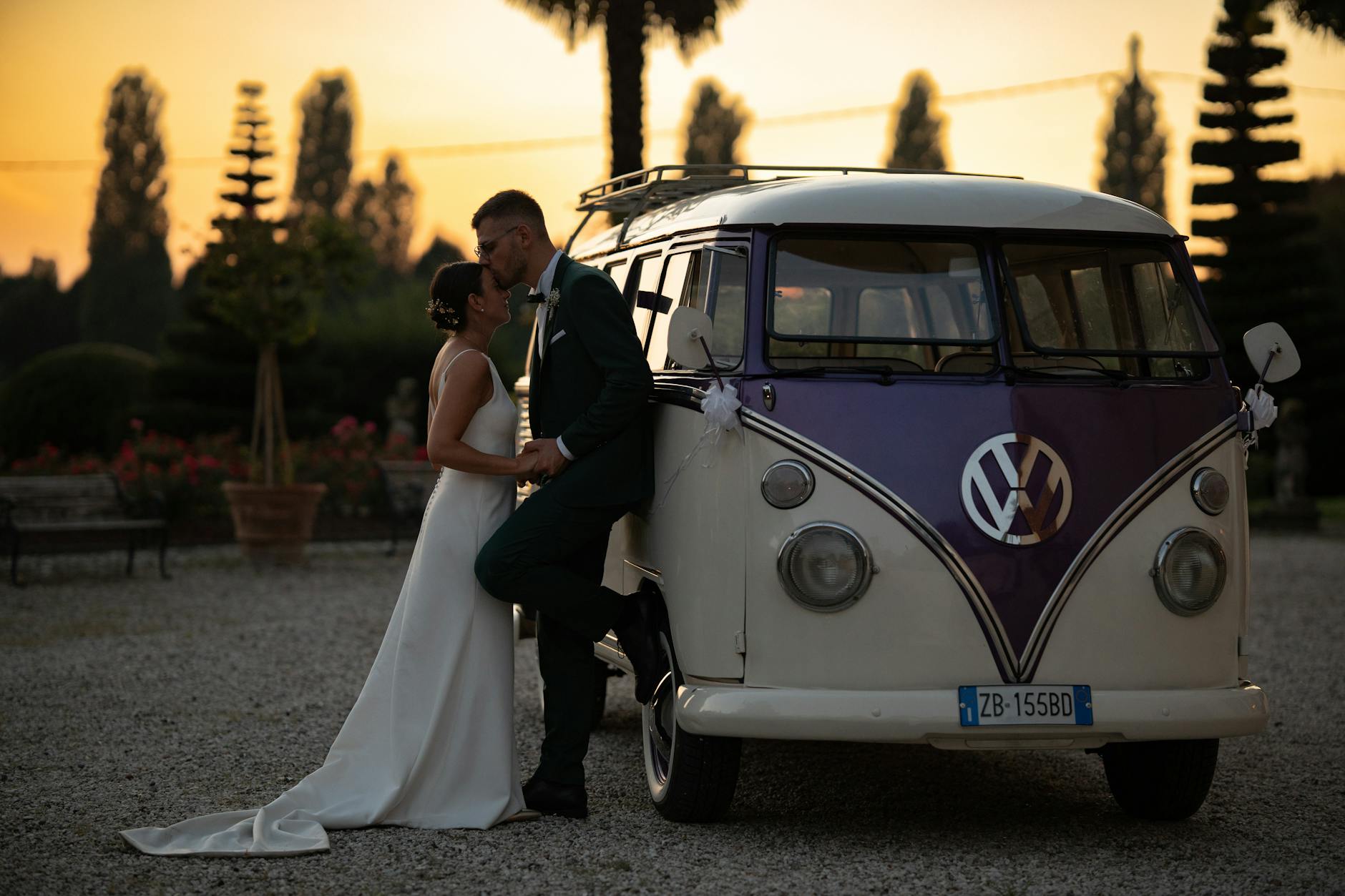
A destination wedding videographer for Italy plans the coverage around the venue's best light — the afternoon glow on the Amalfi Coast terrace at Le Sirenuse arrives between 5 and 6 PM in June, while the golden-hour courtyard scene at Borgo Egnazia in Puglia peaks closer to 7 PM in late summer. These details shape the filming schedule before the couple books the ceremony time, because the difference between flat noon light and the warm late-day palette is the difference between a film that looks like Italy and one that could have been shot anywhere.
Italy destination weddings represent the highest average package investment for couples booking LifeStory.Film, typically $10,000–$14,000+ for multi-day coverage including a 2-shooter video team, full ceremony and reception documentation, and an edited wedding film delivered 10–12 weeks after the event. The coverage plan accounts for travel days, venue reconnaissance the day before the wedding, and coordination with Italian venue staff and international wedding planners who manage logistics across time zones.
Why Italy Destination Weddings Require Different Coverage Planning
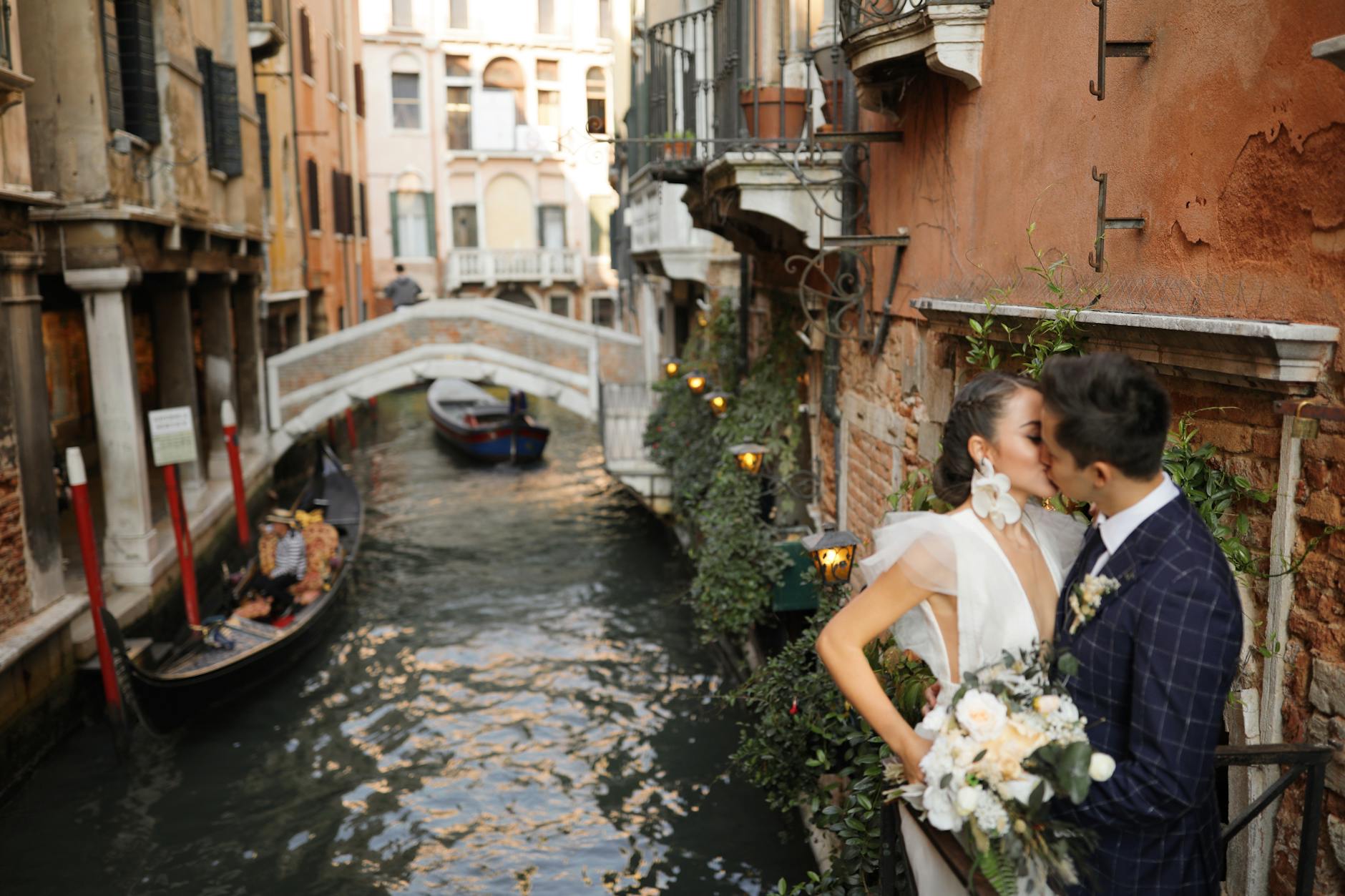
The venue dictates the coverage approach. A cliffside ceremony at Belmond Hotel Caruso in Ravello on the Amalfi Coast requires different camera positioning than a Renaissance garden wedding at Villa Cetinale in Tuscany or a modern luxury reception at Borgo Egnazia in Puglia. Each location has signature architectural elements — the infinity pool backdrop at Hotel Caruso, the trulli stone structures and olive groves at Borgo Egnazia, the formal Italian garden symmetry at Villa Cetinale — that the wedding film centers on.
Destination wedding film coverage starts 24 hours before the ceremony. The reconnaissance day allows the videographer to walk the ceremony and reception sites in the same light conditions as the wedding day, identify backup positions if weather shifts, meet the venue coordinator to confirm power access and timeline restrictions, and scout the best vantage points for the processional, vows, and couple portraits. Italian venues often impose stricter restrictions on videographer movement during the ceremony than U.S. properties — knowing those rules in advance prevents last-minute compromises on the day.
Multi-day Italy weddings typically include a welcome dinner the evening before the ceremony and a farewell brunch or pool party the day after. Full destination wedding film packages document all three days, not just the ceremony and reception. The welcome dinner at a private villa or a long table setup under olive trees often delivers some of the most emotionally resonant footage in the final edit — toasts from parents, the couple's arrival, the first gathering of guests who have traveled from multiple countries.
Documentary vs Cinematic Wedding Film in Italy
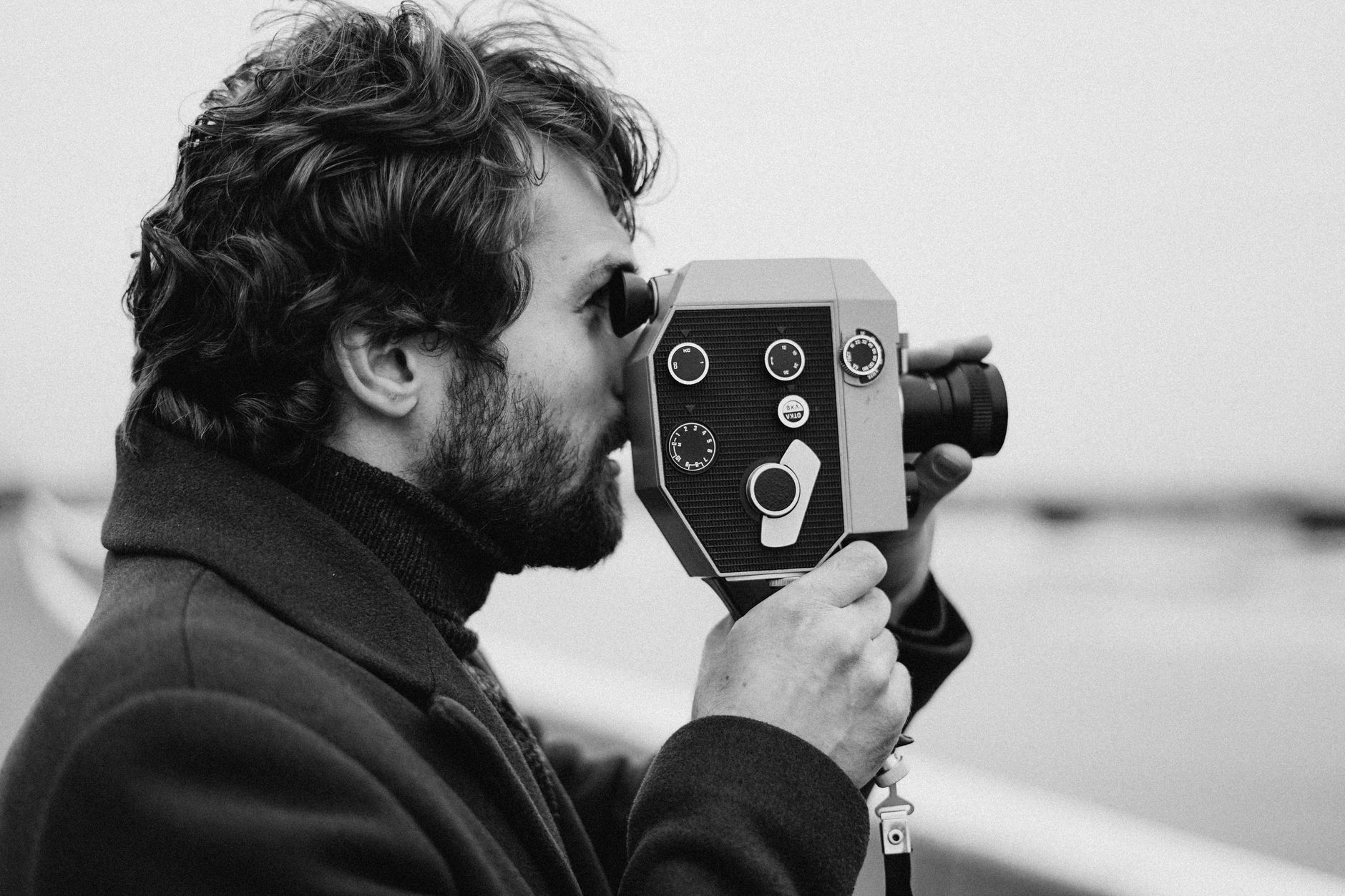
Documentary coverage prioritizes continuous real-time filming during the ceremony, cocktail hour, and reception. The videographer captures every vow word-for-word, every toast in full, the entire first dance, and the candid interactions between guests without directing or staging moments. This approach works well for couples who want a complete record of the day and are comfortable with a 60–90 minute edited film that preserves the event's full emotional arc.
Cinematic coverage selectively films key moments and constructs a shorter, more stylized 10–20 minute highlight reel that emphasizes visual composition, location beauty, and emotional peaks. The videographer stages couple portraits during golden hour, uses slower camera movements, and relies more heavily on music and pacing in the edit. Most Italy destination wedding clients book cinematic coverage because the venue itself — Le Sirenuse's terrace overlooking Positano, Borgo Egnazia's whitewashed courtyards, Villa Cetinale's Renaissance gardens — is part of the reason they chose Italy, and they want the film to reflect that editorial sensibility.
LifeStory.Film combines both approaches. The ceremony and vows receive full documentary treatment (every word captured), while the couple portraits, venue establishing shots, and reception sequences use cinematic framing and editing. This hybrid model ensures no critical moment is missed while still delivering a film that reads like editorial wedding coverage rather than a live event recording.
Amalfi Coast Wedding Film Logistics
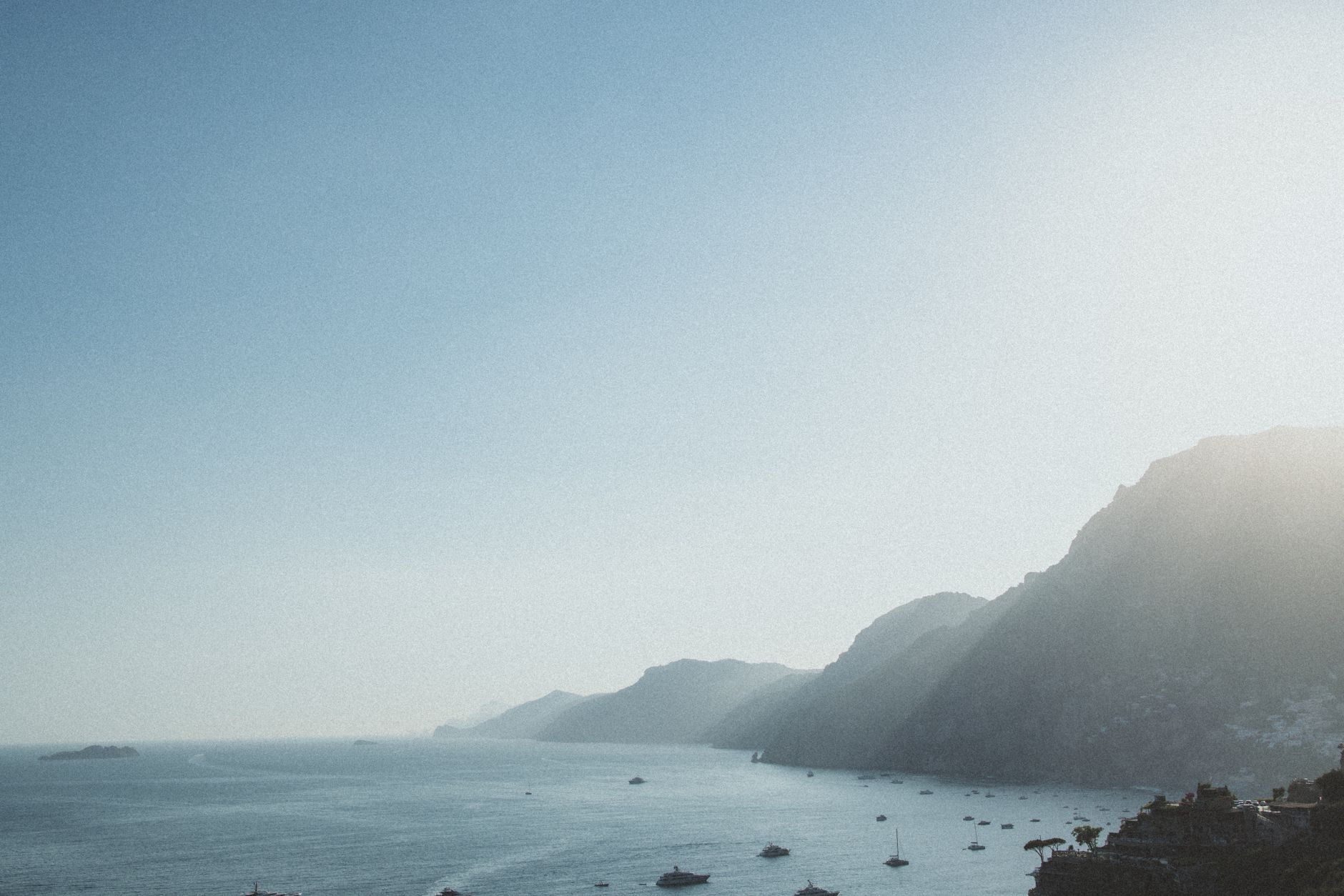
Amalfi Coast venues — Le Sirenuse in Positano, Belmond Hotel Caruso in Ravello — sit on steep cliffs with limited vehicle access and narrow pedestrian streets. Videography equipment (cameras, tripods, gimbals, audio recorders, backup batteries, lighting for evening reception coverage) must be hand-carried from the nearest vehicle drop-off point, sometimes 200–300 meters uphill on cobblestone paths. A 2-shooter video team brings approximately 40 pounds of gear per shooter; planning the load-in on the morning of the wedding prevents delays.
Ceremony sites on outdoor terraces face strong afternoon sun and high contrast between shaded areas and bright Mediterranean light. The videographer positions one camera in shade to avoid lens flare, uses a polarizing filter on the second camera to manage reflections from the sea, and confirms backup indoor ceremony space with the venue in case of wind (common on exposed clifftop terraces in June and September). Audio recording for vows requires wireless lavalier microphones on both the officiant and the groom, plus a shotgun microphone as backup — outdoor ceremonies on the coast contend with ambient wind noise that can overpower spoken vows if the audio setup is inadequate.
Le Sirenuse and Belmond Hotel Caruso both restrict vendor access to certain hours. Load-in typically occurs after 2 PM on the wedding day; the videographer cannot enter earlier to stage equipment. This compressed setup window requires advance coordination with the wedding planner and the venue's event manager to confirm exact timelines, power outlet locations for charging stations, and designated vendor meal service times (usually a 20-minute window during cocktail hour).
Puglia Wedding Film at Borgo Egnazia
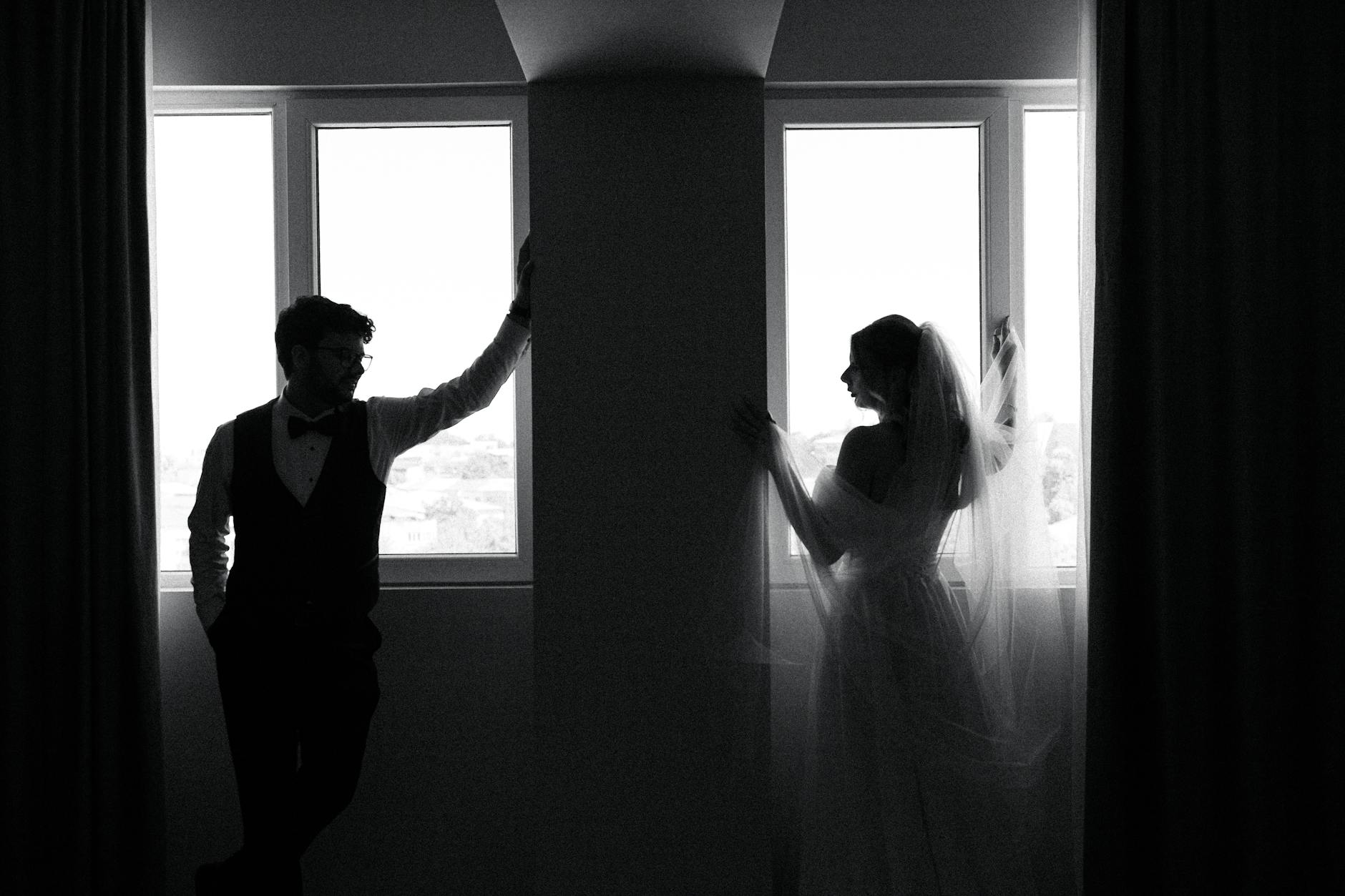
Borgo Egnazia in Puglia offers a modern luxury aesthetic distinct from the Amalfi Coast's cliffside drama or Tuscany's Renaissance formality. The property features whitewashed trulli-inspired architecture, olive groves, open courtyards, and a pale stone-and-stucco palette that photographs and films in soft, even light. The best ceremony sites are the central courtyard (capacity 120–150 guests) and the olive grove lawn (capacity up to 200). Both locations work well for late-afternoon ceremonies; the courtyard's high walls provide natural shade, while the olive grove benefits from dappled light through the tree canopy.
Borgo Egnazia is a full-resort property, so guest accommodations, ceremony, cocktail hour, and reception all occur on-site. This simplifies logistics for the videography team — no secondary location travel, no coordination across multiple venues — but it also means the film must visually differentiate the spaces (courtyard ceremony, poolside cocktail hour, indoor reception ballroom or outdoor dinner under the stars) to create narrative progression in the edit. The videographer plans distinct coverage approaches for each space: static tripod shots for the ceremony, gimbal movement through the cocktail hour, and a mix of handheld and locked-off shots for the reception.
The resort's event team is experienced with international weddings and high-end videography requirements. They provide advance site maps, confirm power access, allow vendor walk-throughs the day before, and coordinate timing with other vendors (florist setup, band sound checks). This level of venue support reduces last-minute variables and allows the videographer to focus on creative execution rather than troubleshooting logistics on the wedding day.
Tuscany Wedding Film at Villa Cetinale
Villa Cetinale near Siena is a 17th-century Renaissance villa with formal Italian gardens, a tree-lined entrance avenue, and a chapel on the property. The estate accommodates intimate weddings (30–80 guests) and offers a more private, exclusive atmosphere than resort properties. Couples typically rent the villa for three nights, hosting the welcome dinner, ceremony, and farewell brunch as a single continuous house-party event.
The villa's architecture and garden layout create strong visual symmetry — long axial sight lines, clipped hedges, statuary, gravel paths. The wedding film leans into this formality with composed static shots, symmetrical framing, and slower camera movements that echo the location's classical proportions. The chapel ceremony is intimate (capacity approximately 50), with natural light entering through high windows; the videographer shoots from the rear of the chapel to avoid blocking guest sight lines and uses a second camera outside to capture the couple's exit onto the garden terrace.
Villa Cetinale is a private estate, not a commercial venue, so vendor management is handled by the couple's wedding planner rather than an in-house event coordinator. The videographer communicates directly with the planner (often a U.S.-based or U.K.-based planner working with Italian vendor partners) to confirm access times, load-in procedures, and any restrictions imposed by the property owners. Private estates generally allow more creative freedom than resort venues — permission to use drone footage, access to the villa's interior rooms for getting-ready coverage, flexibility on ceremony timing — but they also require more advance coordination because there is no standing vendor protocol.
Travel, Multi-Day Coverage, and Deliverables
LifeStory.Film is based in Los Angeles and travels to Italy for destination weddings. The destination wedding film package includes travel days on either side of the coverage dates (typically departing Los Angeles 2 days before the wedding, returning 1 day after), so a Friday wedding in Italy requires Thursday–Sunday travel and accommodation. Travel costs (airfare for 2-shooter team, ground transportation, lodging, meals) are included in the package price for Italy destination weddings; the couple does not pay a separate travel fee.
Multi-day coverage typically spans 3 days: reconnaissance and welcome dinner (Day 1), wedding day ceremony and reception (Day 2), and farewell brunch or pool gathering (Day 3). Each day receives 6–10 hours of active filming. The edited wedding film draws from all three days, not just the ceremony day. The final deliverables package includes:
- Full-length wedding film (45–90 minutes) — complete ceremony, toasts, first dance, and key reception moments from all coverage days, edited as a single continuous narrative.
- Cinematic highlight reel (10–20 minutes) — shorter, music-driven edit emphasizing location beauty, emotional peaks, and couple portraits.
- Ceremony-only edit (15–30 minutes) — uninterrupted ceremony coverage from processional through recessional, including full vows and readings.
- Individual toast videos — each toast exported as a standalone file for easy sharing with family members who could not attend.
Editing and color grading require 10–12 weeks after the wedding date. Italy destination weddings often include complex audio (vows or toasts in multiple languages, outdoor ceremonies with wind or ambient crowd noise) and extended coverage timelines (three days instead of one), so the post-production window is longer than single-day California weddings. Couples receive a private online gallery link to review and download all deliverables; the gallery remains active indefinitely.
Coordination with Wedding Planners and Italian Vendors
Most Italy destination weddings work with a professional wedding planner, either a U.S.-based planner with Italian vendor relationships or an Italy-based planner who specializes in international clients. The planner manages venue contracts, vendor coordination, timeline creation, and day-of logistics. The videographer communicates with the planner (not directly with the couple) during the planning phase to confirm:
- Ceremony start time and exact location on the property
- Backup ceremony location if weather requires a change
- Getting-ready coverage locations and timing (bride and groom suites, adjacent villa, off-site hotel)
- Cocktail hour and reception start times
- Key timeline moments (first dance, cake cutting, toasts, couple's exit)
- Vendor meal service timing and location
- Load-in and load-out access windows
The planner typically shares a detailed timeline 2–4 weeks before the wedding. The videographer reviews the timeline, flags any gaps or timing conflicts (e.g., insufficient buffer between ceremony end and cocktail hour start for couple portraits), and proposes adjustments if needed. This advance review prevents day-of surprises and ensures the couple's expectations for coverage align with the schedule.
Italian florists, lighting designers, and catering teams work on different schedules and communication norms than U.S. vendors. Setup often runs later in the day than the planned timeline, and final design details (table arrangements, floral installations) may not be finalized until 60–90 minutes before guest arrival. The videographer builds buffer time into the load-in schedule to account for this variability and avoids rigid shot lists that depend on setups being complete at a specific hour.
When to Book a Destination Wedding Videographer for Italy
Italy destination weddings typically require 12–18 months of lead time for venue booking and vendor coordination. Couples should book the wedding videographer as soon as the venue contract is signed — ideally 10–14 months before the wedding date. This early booking timeline ensures:
- The videographer's travel dates align with the couple's wedding weekend
- The reconnaissance day can be scheduled before other vendors arrive for setup
- The couple and planner have time to coordinate timeline details and coverage priorities
- Airfare and lodging costs remain within the package budget (last-minute international travel significantly increases costs)
Most Italy weddings occur between May and October, with June and September as peak months. Videographers book these months 12+ months in advance. Couples planning weddings during peak season should expect limited availability if they wait until 6 months out to book.
Photo + Video Combined Coverage for Italy Destination Weddings
Italy destination weddings benefit from combined photo and video coverage more than single-day California weddings. The venue's architecture, the Italian landscape, the multi-day event structure, and the couple's investment in bringing guests across continents all support a comprehensive visual record that includes both still photography and cinematic film.
The Photo + Video Combined Package for Italy includes a 2-shooter video team and a 2-shooter photography team (four vendors total) covering all three days. The photography and videography teams coordinate on couple portrait timing (golden hour, specific locations on the property), ceremony positioning (to avoid blocking each other's sight lines), and getting-ready coverage (splitting the bride and groom suites). The combined team shares a single point of contact (the lead videographer or lead photographer), so the couple communicates with one vendor representative rather than managing two separate contracts and timelines.
Combined coverage delivers a unified visual style across the photo and video deliverables. The same light, the same moments, the same compositional approach — the wedding album and the wedding film feel like parts of a single editorial project rather than two separate vendor executions. This consistency matters more at destination weddings, where the couple has invested significantly in the location and wants every visual element to reflect that choice.
Begin a Conversation About Your Italy Wedding
LifeStory.Film plans every Italy destination wedding film around the couple's venue, timeline, and visual priorities — whether that's a cliffside ceremony at Le Sirenuse on the Amalfi Coast, a modern luxury celebration at Borgo Egnazia in Puglia, or an intimate estate wedding at Villa Cetinale in Tuscany. The coverage approach, reconnaissance schedule, and deliverables timeline are tailored to the specific demands of international weddings and multi-day celebrations. Reach out to begin a conversation about your Italy wedding.