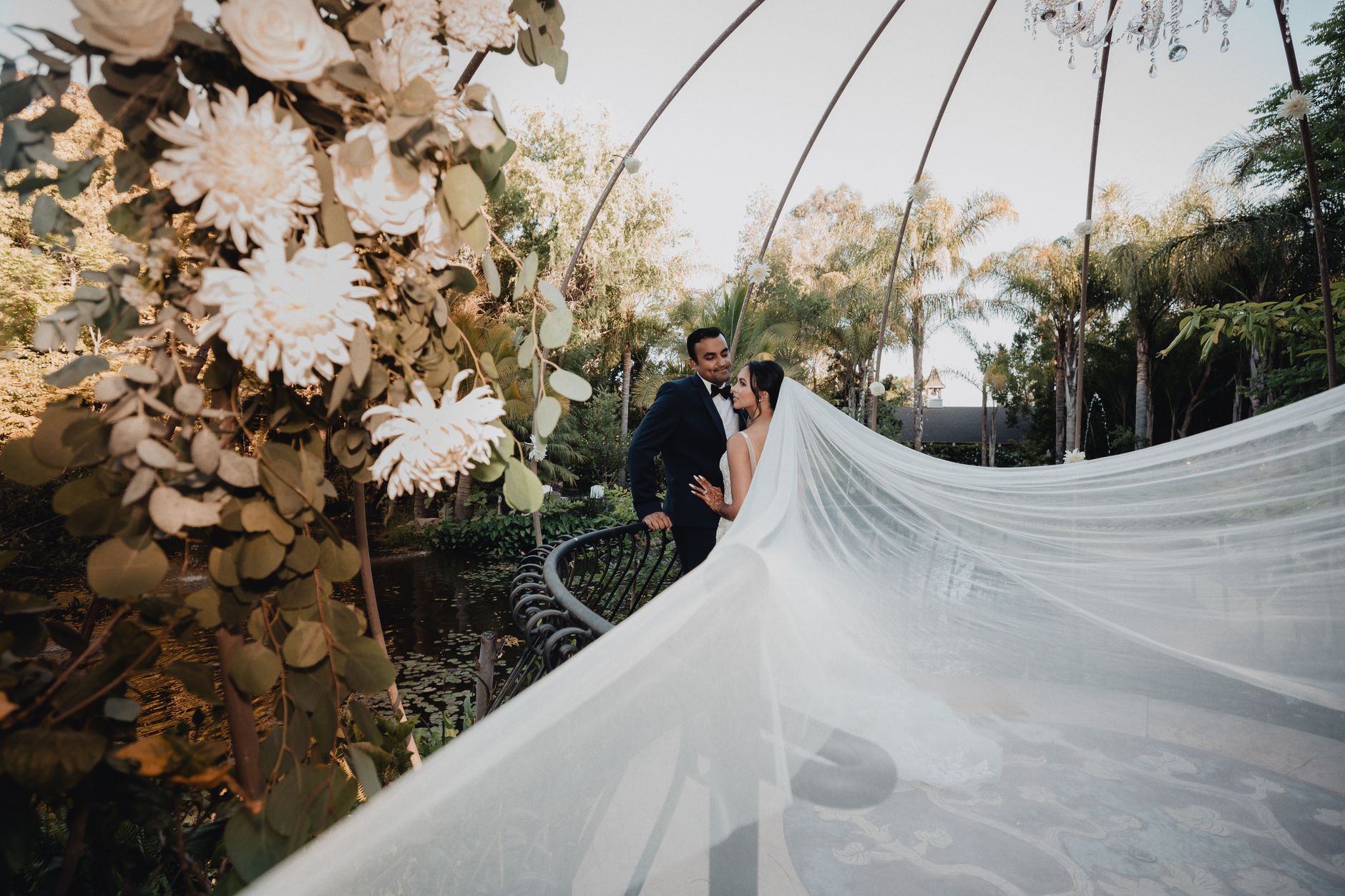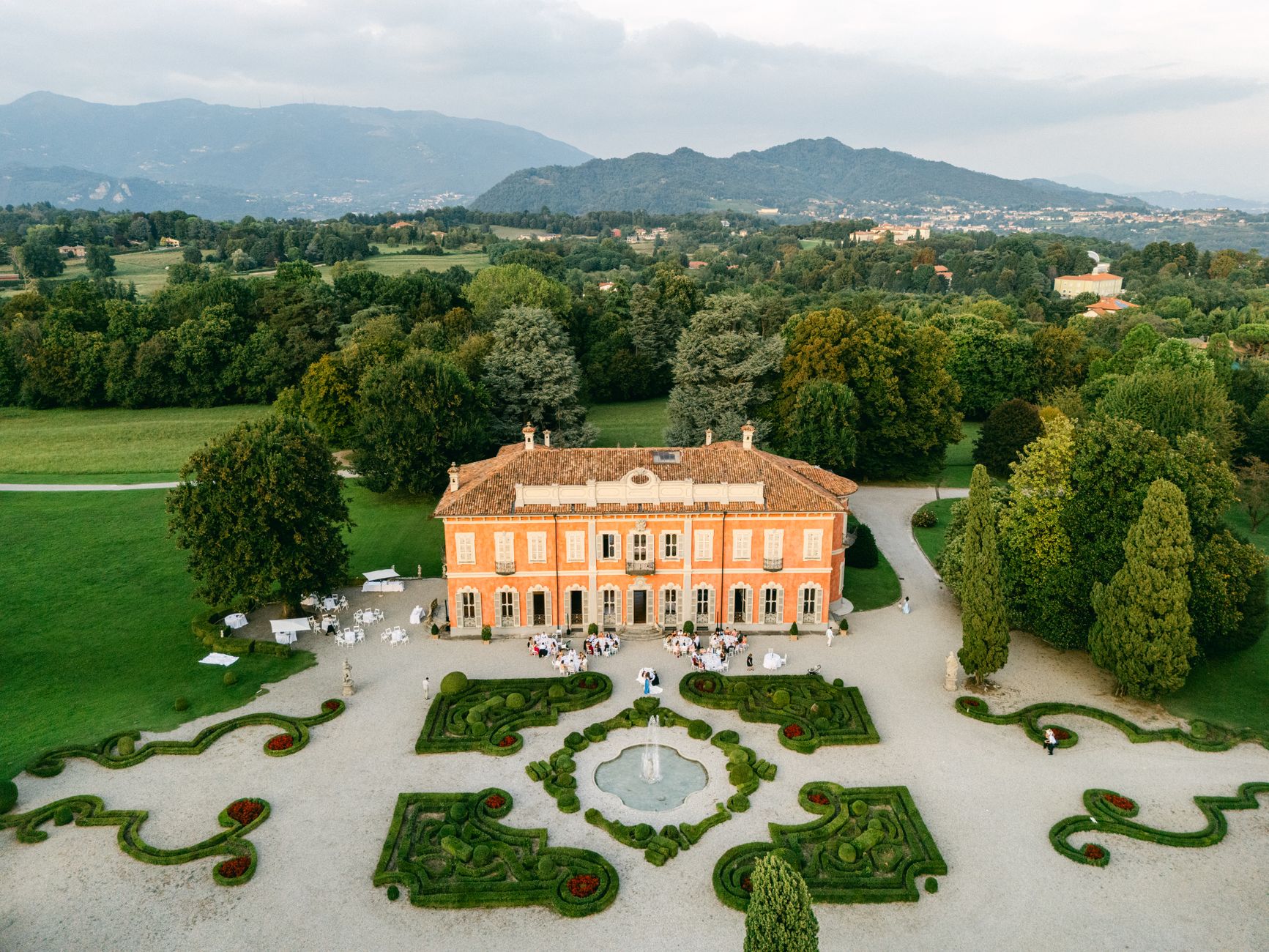
A wedding film at Villa Cetinale requires a 2-shooter video team and 10 hours of coverage to document the villa garden ceremony, the golden-hour portrait window on the south terrace, and the courtyard reception that follows. The villa sits at the transition point between two Tuscan landscape systems — the valley floor and the first ridge of the Montagnola Senese — which is why the garden ceremony films in one quality of light and the courtyard reception an hour later films in another. A videographer covering Villa Cetinale plans for both environments before the day begins, because the topography determines where the best light lands and when.
Villa Cetinale is a 17th-century Chigi estate 12 kilometers west of Siena, built on a north-south axis that aligns the villa's formal façade with a dramatic hillside staircase ascending to a hermitage chapel. Couples who choose Villa Cetinale for a destination wedding typically fall into the destination minimalist or editorial black-tie aesthetic — drawn to the villa's restrained Baroque architecture, the geometric garden parterre, and the way the Tuscan countryside reads as background rather than foreground in every frame. The venue accommodates 80–150 guests for a full-day wedding and operates as a private estate rental, which means the couple controls the day's timeline without venue-mandated ceremony windows.
Why Villa Cetinale Films Differently Than a Tuscan Farmhouse
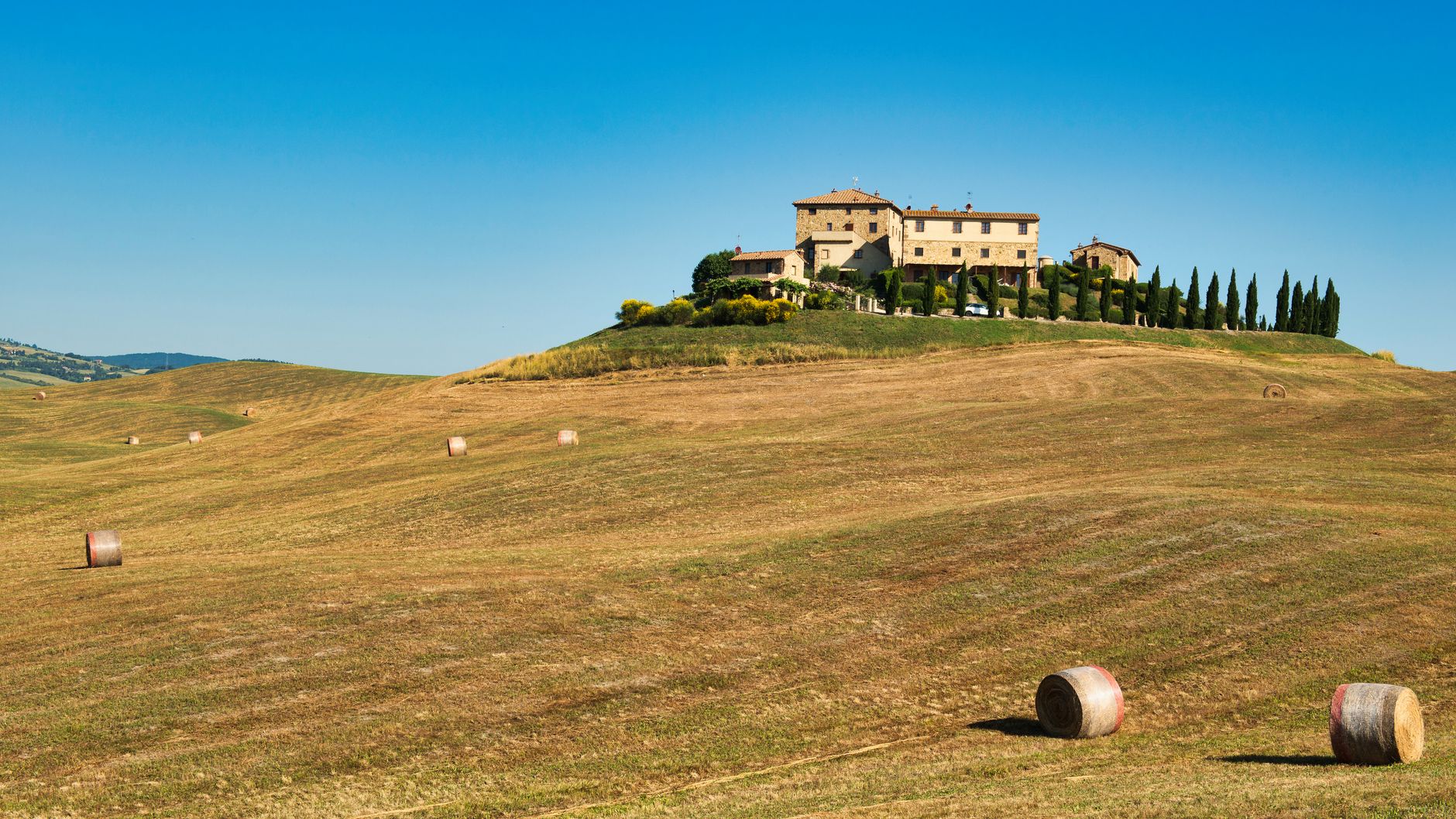
Photo by Wolfgang Weiser on Pexels
Villa Cetinale is architecture-forward rather than landscape-forward, which changes the videographer's framing strategy. A Tuscan farmhouse wedding films as wide shots of rolling hills with the couple as figures in the landscape. Villa Cetinale films as medium and close shots that emphasize the villa's stone façade, the clipped boxwood parterre, and the long sightlines down the central axis. The geometry of the villa dictates composition — the camera follows lines rather than scans horizons.
The villa's formal garden parterre sits directly in front of the south-facing façade and is the most common ceremony location. The parterre is framed by low boxwood hedges arranged in symmetrical quadrants around a central fountain, with the villa as backdrop. A ceremony set here at 5 PM in late spring or early summer captures the villa façade in warm indirect light, while the guests seated on the parterre remain in open shade from the surrounding cypress trees. The videographer positions one camera at the garden's northern edge to shoot down the central aisle toward the villa, and a second camera on the villa's terrace to capture the couple's reactions during vows with the Tuscan hills visible beyond the garden's western edge.
The courtyard — enclosed on three sides by the villa's residential wings and open to the garden on the fourth — functions as the reception space after sunset. By 8:30 PM in June, the courtyard is fully in shade while the sky above remains light for another 45 minutes, creating a soft overhead glow that flatters the long tables typically arranged in a single linear configuration. The stone courtyard reflects and diffuses light differently than grass or gravel, which the videographer accounts for when setting white balance and exposure for the dinner coverage.
Coverage Plan for a Full-Day Villa Cetinale Wedding
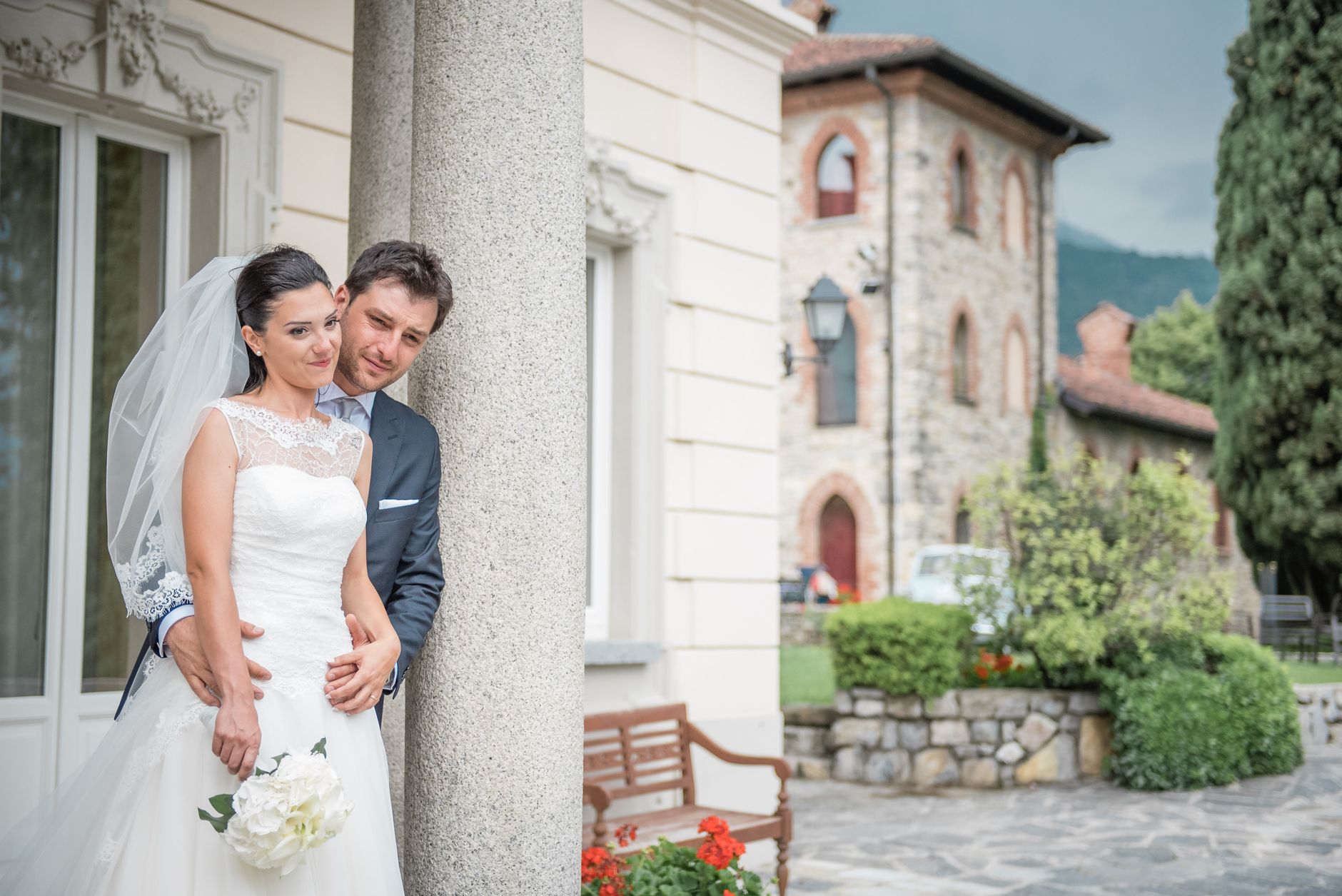
Photo by morgana pozzi on Pexels
A full-day wedding film at Villa Cetinale follows a three-part structure: villa interiors during preparation, garden ceremony at golden hour, and courtyard reception after sunset. The 10-hour coverage window typically begins at 2 PM and runs through midnight, though couples planning a sunset ceremony (7 PM or later in summer) sometimes opt for an 11-hour package to capture both late-afternoon portraits and the full reception.
1. Preparation Coverage in the Villa's Interior Suites
The villa's interior suites are high-ceilinged, frescoed rooms with tall shuttered windows that open onto the garden. Natural light enters horizontally through these windows, creating a soft directional source that the videographer uses to light the bride's preparation without adding artificial fill. The groom's suite, located in the villa's opposite wing, has similar windows facing west. Preparation coverage runs 90 minutes and includes detail shots of the dress and accessories against the villa's period furniture, the bride's veil being set in front of the frescoed wall, and the quiet moments before the processional begins.
2. Garden Ceremony and First Look
Ceremonies at Villa Cetinale typically begin at 5 PM or 5:30 PM to position vows within the golden-hour window. The processional follows the parterre's central gravel path from the garden's northern entrance toward the villa façade, where the couple exchanges vows on a small platform set against the fountain. The videographer's second camera captures the processional as a slow push along the central axis, while the primary camera on the villa terrace records the couple's expressions and the guests' reactions.
Many couples schedule a first look on the villa's south terrace 60 minutes before the ceremony, which allows the videographer to capture that private moment in the same quality of light that will define the ceremony footage. The first look also opens a 30-minute portrait window immediately afterward, during which the couple walks the garden parterre and the tree-lined avenue that extends west from the villa toward the Montagnola hills.
3. Reception in the Courtyard and the Hermitage Staircase at Twilight
The courtyard reception begins with an aperitivo hour at 6:30 PM, during which guests move freely between the courtyard and the garden while the light transitions from golden hour to twilight. The videographer uses this hour to capture wide environmental shots of the courtyard set for dinner — long farm tables dressed in linen, candlelight beginning to register against the deepening blue sky, and guests in conversation framed by the villa's stone arches.
Dinner service begins at 8 PM and runs 90 minutes. The videographer records toasts, the first dance (often set in the courtyard's center), and ambient footage of the tables during the meal. After dinner, some couples walk guests up the hillside staircase to the hermitage chapel for a sparkler exit or a final portrait, though the climb is steep and requires 15 minutes. The chapel is not accessible for ceremonies but makes a dramatic backdrop for the final frame of the highlight reel — the couple silhouetted at the top of the staircase with the valley lights below.
Photo + Video Coordination at an Italian Destination Wedding
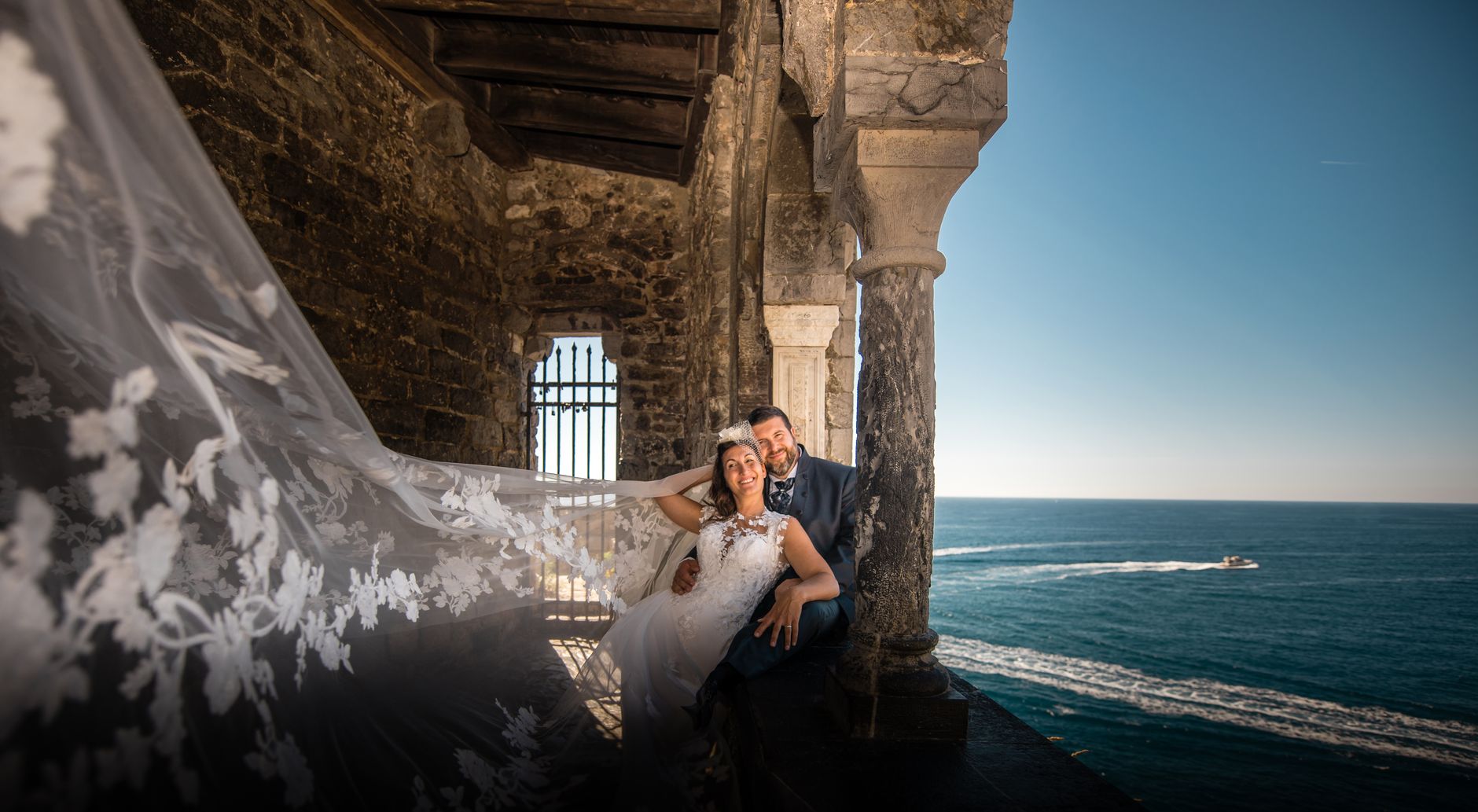
Photo by morgana pozzi on Pexels
A destination wedding film at Villa Cetinale is almost always part of a Photo + Video Combined Package, which coordinates a 2-shooter video team and a 2-shooter photo team working from the same Los Angeles-based production company. Coordination matters more at a destination venue than at a California hotel because the couple and their planner are managing vendors across time zones and often lack the local relationships that would allow them to vet separate photo and video teams on the ground in Tuscany.
The combined package ensures the photo and video teams share the same coverage timeline, the same shot list for portraits, and the same understanding of the villa's layout and light conditions. Both teams scout the property the afternoon before the wedding, identifying the best position for the ceremony cameras, the portrait route through the garden, and the vantage points in the courtyard that avoid cross-shooting during toasts. This eliminates the common problem at destination weddings where the photographer and videographer arrive separately, meet for the first time on the wedding morning, and spend the ceremony blocking each other's sightlines.
At Villa Cetinale specifically, coordination prevents two bottlenecks: the narrow gravel path during the processional (only wide enough for one camera angle from the front) and the villa terrace during portraits (limited space for both teams to work without appearing in each other's frames). The shared timeline also allows the couple to complete all formal portraits — family groups and wedding-party shots — within the 30-minute window after the ceremony, rather than stretching portraits across two hours because the photographer and videographer require separate sessions.
Deliverables and Edit Turnaround for a Destination Wedding Film
Photo by Asad Photo Maldives on Pexels
A Destination Wedding Film from Villa Cetinale includes three edited components: a 60–90 second highlight reel delivered 4 weeks after the wedding, a 10–15 minute full ceremony edit delivered 8 weeks after the wedding, and a 30–45 minute documentary edit delivered 12 weeks after the wedding. The highlight reel is the first deliverable and is optimized for sharing on social media and with family who could not travel to Italy. The full ceremony edit is an uninterrupted record of the vows, readings, and processional, edited for pacing but not condensed. The documentary edit is the complete wedding film — preparation through reception — and includes the toast audio, the first dance, and the ambient courtyard footage that gives the film its narrative structure.
All three edits are color-graded to match the Tuscan light: warm midtones during golden hour, cooler highlights during twilight, and a slightly desaturated palette during the courtyard dinner to emphasize candlelight over artificial sources. The colorist references the specific quality of light at Villa Cetinale — the way the villa's ochre façade reflects warm light back onto the couple during the ceremony, and the way the courtyard's stone walls hold blue twilight longer than an open garden would.
Raw footage is not included in the deliverable package. Couples who want the raw files for personal archives can request them at the time of booking for an additional archival fee, though fewer than 10% of destination wedding clients make that request. The edited films are delivered as high-resolution digital downloads (1080p or 4K, depending on the package tier) via a private online gallery that remains accessible for 2 years.
Travel, Timeline, and Booking Window for Villa Cetinale
Villa Cetinale weddings require the Los Angeles-based video team to travel to Tuscany, which adds travel days, logistics coordination, and international production complexity to the wedding film package. The production team typically arrives in Siena 2 days before the wedding to allow for travel recovery, a venue scout the afternoon before the wedding, and a coordination meeting with the couple's planner. Return travel occurs the day after the wedding, making the total travel commitment 4 days.
Travel costs — flights, ground transportation, and accommodation for the 2-shooter video team — are included in the Destination Wedding Film package, which is quoted individually. Couples booking Villa Cetinale typically sign the contract 12–18 months before the wedding date, because both the villa's availability and the production team's destination calendar fill early. Villa Cetinale hosts approximately 25–30 weddings per season (May through September), and the most requested dates — Saturdays in June and September — are often reserved 18 months in advance.
The villa requires all vendors to coordinate through the couple's wedding planner, and most Villa Cetinale weddings involve a Tuscany-based planner who manages local rentals, catering, and floral while the couple's Los Angeles or New York planner oversees the overall design and timeline. The videographer coordinates directly with both planners to confirm the ceremony start time, the portrait timeline, and any logistical restrictions (for example, the hermitage staircase is sometimes closed during restoration work, and drone footage is not permitted over the villa's protected façade).
Villa Cetinale vs. Borgo Egnazia for Italian Destination Wedding Films
Couples planning an Italian destination wedding often compare Villa Cetinale in Tuscany to Borgo Egnazia in Puglia — both are luxury estate venues designed for multi-day destination events, and both require significant travel for a Los Angeles-based video team. The two venues film differently, and understanding that difference helps clarify which venue better suits the couple's aesthetic priorities.
Villa Cetinale is a formal Baroque villa with structured gardens, a restrained color palette (ochre stone, green boxwood, gravel paths), and a strong architectural axis. It films as elegant, linear, and composed. The venue suits couples drawn to editorial black-tie, destination minimalist, or European-aristocratic aesthetics. The surrounding landscape is present but secondary — the villa is the subject of the frame.
Borgo Egnazia is a contemporary resort built to evoke a Puglian village, with whitewashed buildings, shaded courtyards, olive groves, and a softer, more diffuse aesthetic. It films as warm, textural, and expansive. The venue suits couples drawn to garden romantic, coastal Mediterranean, or relaxed-luxury aesthetics. The landscape and the architecture share equal weight in the frame.
For wedding film purposes, Villa Cetinale offers more dramatic compositions (the hermitage staircase, the axial garden view, the frescoed interiors), while Borgo Egnazia offers more variety of locations within a single property (the beach club, the chapel, the central piazza, the spa courtyard, the olive grove). Villa Cetinale is better suited to a single-day wedding, while Borgo Egnazia is designed for multi-day celebrations with welcome dinners, pool parties, and post-wedding brunches — all of which can be captured as part of an extended Documentary Photography and video package.
Both venues are canonical destination choices for couples working with Los Angeles-based wedding film teams. Neither is objectively better; they serve different visual and logistical priorities.
What Couples Should Confirm Before Booking a Villa Cetinale Wedding Videographer
Does the videographer's destination package include travel costs, or are they billed separately? Some videographers list a base package price and add travel as a line item at the proposal stage; others (including LifeStory.Film) include international travel in the quoted package price to eliminate surprises.
Will the same team that scouts California venues scout Villa Cetinale the day before the wedding? The scout is critical for identifying the best ceremony camera positions, the portrait route, and the timeline adjustments required by Tuscan summer light (which holds later than California light). Confirm the team arrives at least 1 day early.
Does the videographer coordinate directly with the couple's Tuscany-based planner, or only with the couple? Villa Cetinale requires vendor coordination through the planner. A videographer experienced with Italian destination weddings will already have a process for this.
What is the backup plan if weather forces the ceremony indoors? Villa Cetinale has a large frescoed salon that can accommodate a seated ceremony for up to 120 guests, but the interior requires different lighting and audio setup than the garden. Confirm the videographer has a rain plan that accounts for this.
How does the videographer handle the 9-hour time difference for review calls and edit feedback? Expect asynchronous communication during the edit process. The best destination wedding videographers provide a shared online review platform where the couple can leave timestamped feedback without scheduling live calls across time zones.
Can the video team legally operate in Italy, and do they carry the required insurance? Italy requires vendors working at private estates to carry liability insurance that is recognized by Italian venues. Confirm the videographer's policy covers international shoots, or the venue may require proof of additional coverage at check-in.
The Case for Booking Photo and Video Together at Villa Cetinale
A Villa Cetinale wedding film works better when the videographer and photographer are part of the same Photo + Video Combined Package rather than separate vendors booked independently. The logistical complexity of a Tuscan destination wedding — coordinating travel, scouting an unfamiliar venue, managing a shared timeline with a local planner, and working within the villa's vendor guidelines — multiplies when the couple is managing two separate creative teams that have never worked together.
The combined package solves four specific problems at Villa Cetinale:
Shared scout. Both photo and video teams walk the property together the day before the wedding, agree on ceremony positioning, and divide the portrait locations so neither team is waiting on the other. At Villa Cetinale, where the best portrait light is concentrated in a narrow 30-minute window after the ceremony, this coordination is essential.
Single travel logistics stream. One set of flights, one ground transportation plan, one hotel block, one coordination point with the planner. The couple is not managing two separate vendor travel itineraries across a 9-hour time zone gap.
No cross-shooting. The photo and video teams know each other's shooting style and stay out of each other's frames during the ceremony, toasts, and first dance. At Villa Cetinale, where the ceremony processional follows a single narrow path and the courtyard is enclosed on three sides, this prevents the common problem of the videographer appearing in the background of the bride's processional photos, or the photographer stepping into the video frame during vows.
Unified aesthetic. Both teams color-grade to the same visual reference, which means the wedding photos and the wedding film feel like parts of the same story rather than two separate interpretations of the day. The golden-hour glow on the villa façade looks the same in both mediums.
Couples who book photo and video separately sometimes end up with two teams that prefer different ceremony start times (the photographer wants 5 PM for portraits; the videographer wants 5:30 PM for ceremony light), two teams that need the villa terrace at the same moment for different shots, and two teams that deliver finished work with different color treatments. The combined package eliminates those conflicts before they arise.
Begin a Conversation About Your Villa Cetinale Wedding
Villa Cetinale is one of six canonical Italian destination venues for which LifeStory.Film maintains active coverage plans and planner relationships, alongside Borgo Egnazia, Le Sirenuse, and Belmond Hotel Caruso. If you are planning a Tuscan wedding at Villa Cetinale and want to discuss coverage strategy, timeline planning, or the logistics of working with a Los Angeles-based video team in Italy, the first step is a consultation call. That conversation covers your vision for the film, the specific coverage priorities at Villa Cetinale, and how the Destination Wedding Film package adapts to a multi-day Italian celebration.
Reach out through the contact form on the LifeStory.Film homepage, and include your wedding date, your planner's name (if already booked), and any initial questions about covering Villa Cetinale. Most Villa Cetinale couples book 12–18 months in advance, and the consultation call typically occurs within a week of first contact.