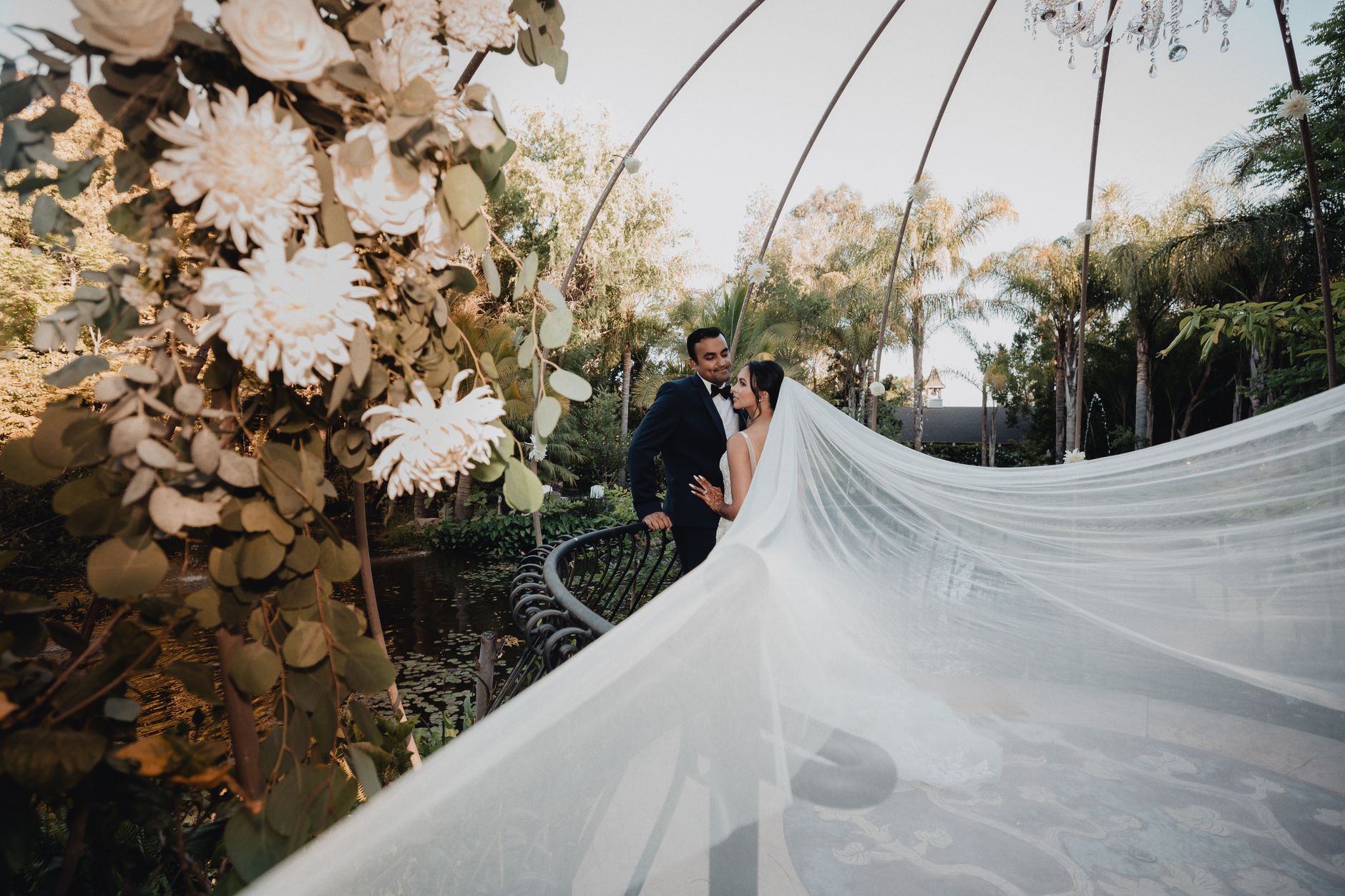
A wedding videographer in Los Angeles plans coverage around light that shifts every twenty miles — Hotel Bel-Air's Swan Lake garden filters late-afternoon sun through sycamore canopy, the Beverly Hills Hotel fountain courtyard reflects hard noon light off Italian tile, and Calamigos Ranch sits open under oak shade that turns green-gold an hour before sunset. The city's venue geography spans canyon estates, coastal terraces, and garden hotels, and the videographer's scene list changes with each.
Why Los Angeles Wedding Videography Requires Venue-Specific Coverage Plans
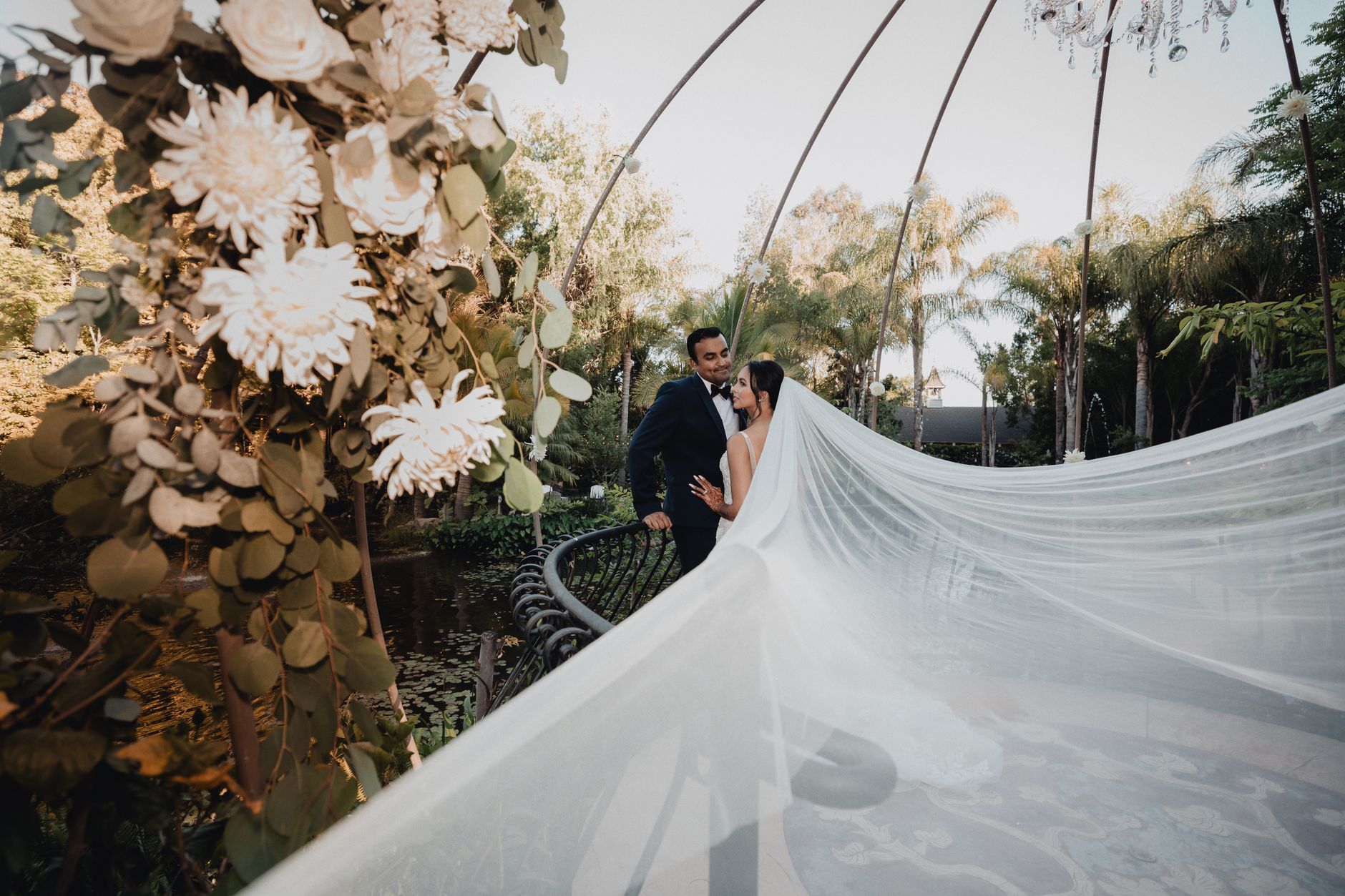
Photo by Lulan Studio on Pexels
Los Angeles County holds 47 named wedding venues across a 90-minute drive radius, and no two share the same light envelope or timeline structure. A ballroom wedding at the Beverly Hills Hotel runs on hotel scheduling — ceremony at 5pm in the Crystal Ballroom or fountain courtyard, cocktail hour in the Polo Lounge garden, reception back in the ballroom by 7pm. A Calamigos Ranch wedding centers on two outdoor scenes: the oak-grove ceremony in late-afternoon light and the barn reception after dark. A Bel-Air Bay Club wedding films across three distinct spaces — clifftop ceremony, oceanview terrace cocktail hour, and enclosed pavilion reception.
The videographer's pre-day site assessment identifies which scenes require two-camera coverage (the processional, the vows, the first dance), which moments need a single roaming camera (cocktail-hour portraits, reception toasts), and where stationary lock-off shots capture ambient layers (the ceremony wide, the reception room before guests enter). A 10-hour wedding film package at Calamigos Ranch typically assigns one shooter to follow the couple's narrative arc and one to document guest reactions and environmental detail.
Documentary vs Cinematic Wedding Film Styles in Los Angeles
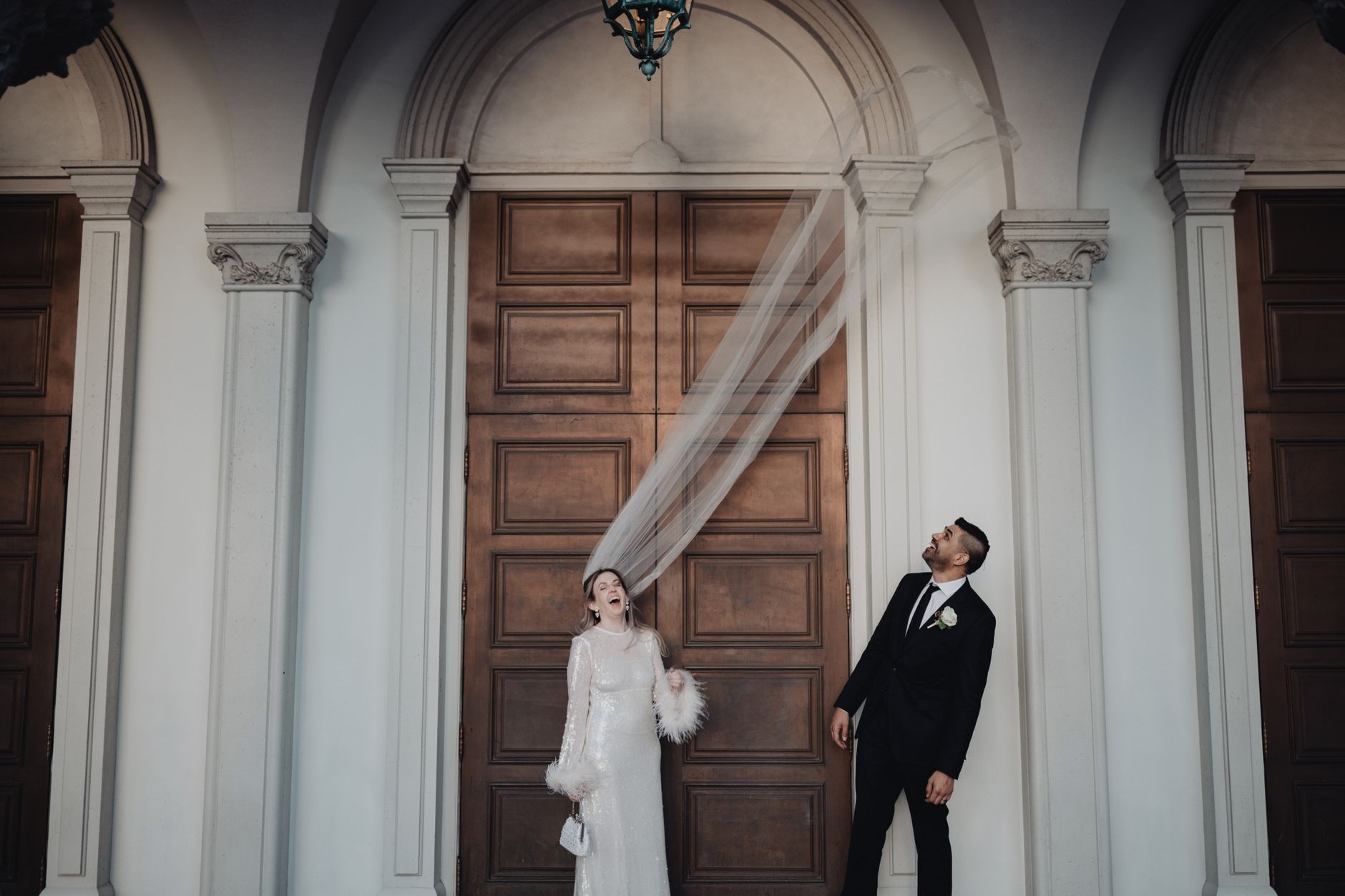
Photo by Lulan Studio on Pexels
Los Angeles couples booking wedding videography split between two editorial preferences — documentary coverage that prioritizes real moments over composed frames, and cinematic coverage that treats the wedding as a series of intentional scenes. Documentary style shoots handheld or gimbal-stabilized, follows the couple through unscripted movement, captures overlapping audio, and edits the day in chronological sequence. Cinematic style composes static and moving shots on tripod or slider, stages portrait sequences during dedicated photo time, isolates clean audio for vows and toasts, and edits thematically rather than chronologically.
Most LifeStory.Film wedding films blend both — documentary coverage during the ceremony, reception, and unscripted transitions, with cinematic portrait sequences built into the 20-minute window after the ceremony or during golden hour before sunset. The couple sees both modes in the final edit: real tears during the vows, real laughter during toasts, and composed two-shots on the Hotel Bel-Air stone bridge at 6:15pm when the light goes soft.
A combined Photo + Video Combined Package coordinates the documentary and cinematic windows so the photographer and videographer are not competing for the same four minutes of post-ceremony portrait time.
Los Angeles Venue Coverage — Beverly Hills, Malibu, and the Santa Monica Mountains
Photo by Edgar Colomba on Pexels
Beverly Hills and Bel-Air Garden Estates
Hotel Bel-Air and the Beverly Hills Hotel anchor the city's garden-estate wedding category. Hotel Bel-Air's Swan Lake ceremony site sits under sycamore canopy with dappled light from 3pm to 6pm; the stone bridge and upper garden terrace provide portrait backdrops in open shade. The Beverly Hills Hotel fountain courtyard ceremony reflects midday and afternoon light off white Italian tile, requiring the videographer to expose for highlights and recover shadow detail in post. Both venues restrict vendor load-in and limit coverage to hotel-approved positions during the ceremony.
The videographer's timeline at Hotel Bel-Air typically includes 30 minutes of getting-ready coverage in the bridal suite, first-look portraits on the stone bridge, 45-minute ceremony coverage with two locked cameras on the aisle and one roaming for reactions, and 90 minutes of reception coverage including toasts, first dance, and parent dances. The 10-hour Wedding Film package accommodates this structure without requiring overtime.
Malibu and the Santa Monica Mountains
Calamigos Ranch, Saddlerock Ranch, and Hummingbird Nest Ranch sit in the Santa Monica Mountains between Malibu and Agoura Hills, each offering oak-shaded ceremony sites and barn or open-air reception spaces. Calamigos Ranch films best with a 4pm ceremony start — the oak grove holds soft light until 5:30pm, and the couple has 45 minutes for portrait coverage before the 6:30pm golden hour fades. A sunset ceremony (6pm or later) loses portrait time and forces the videographer to shoot the ceremony in backlit conditions that require graduated ND filtration and dual-exposure blending in post.
Saddlerock Ranch's ceremony meadow sits open to western sun, and most couples schedule the processional for 5pm to avoid harsh overhead light. Hummingbird Nest Ranch layers three elevations — upper lawn ceremony, mid-level cocktail terrace, and lower reception courtyard — requiring the videographer to plan camera positioning that captures transitions between levels without missing key moments.
Coverage at a Santa Monica Mountains venue assigns one shooter to the couple's narrative (getting ready, first look, ceremony close-ups, portrait sequences) and one to environmental and guest documentation (venue details, processional wide shots, guest reactions, reception ambiance). The two-shooter structure is standard on all Full Ceremony Coverage bookings.
Coastal and Urban Modern Venues
Bel-Air Bay Club sits on a Pacific Palisades bluff with three filming zones: clifftop ceremony lawn, oceanview cocktail terrace, and glass-walled pavilion reception. The coastal location introduces wind that requires lav mics on the officiant and couple, plus a backup shotgun mic on a boom pole as redundancy. The videographer's shot list includes wide ceremony frames that show the ocean horizon, medium shots of the couple against the terrace railing during portraits, and interior reception coverage that balances pavilion uplighting with the natural blue hour visible through floor-to-ceiling windows.
Urban modern weddings at loft and gallery spaces in downtown Los Angeles or the Arts District prioritize architectural lines, industrial textures, and controlled interior lighting. These venues allow the videographer more creative latitude with gimbal movement, slider tracking shots, and low-light sensor performance, but require advance coordination with the lighting designer to avoid RGB LED color casts that skew skin tones in post.
What a 10-Hour Wedding Film Package Includes
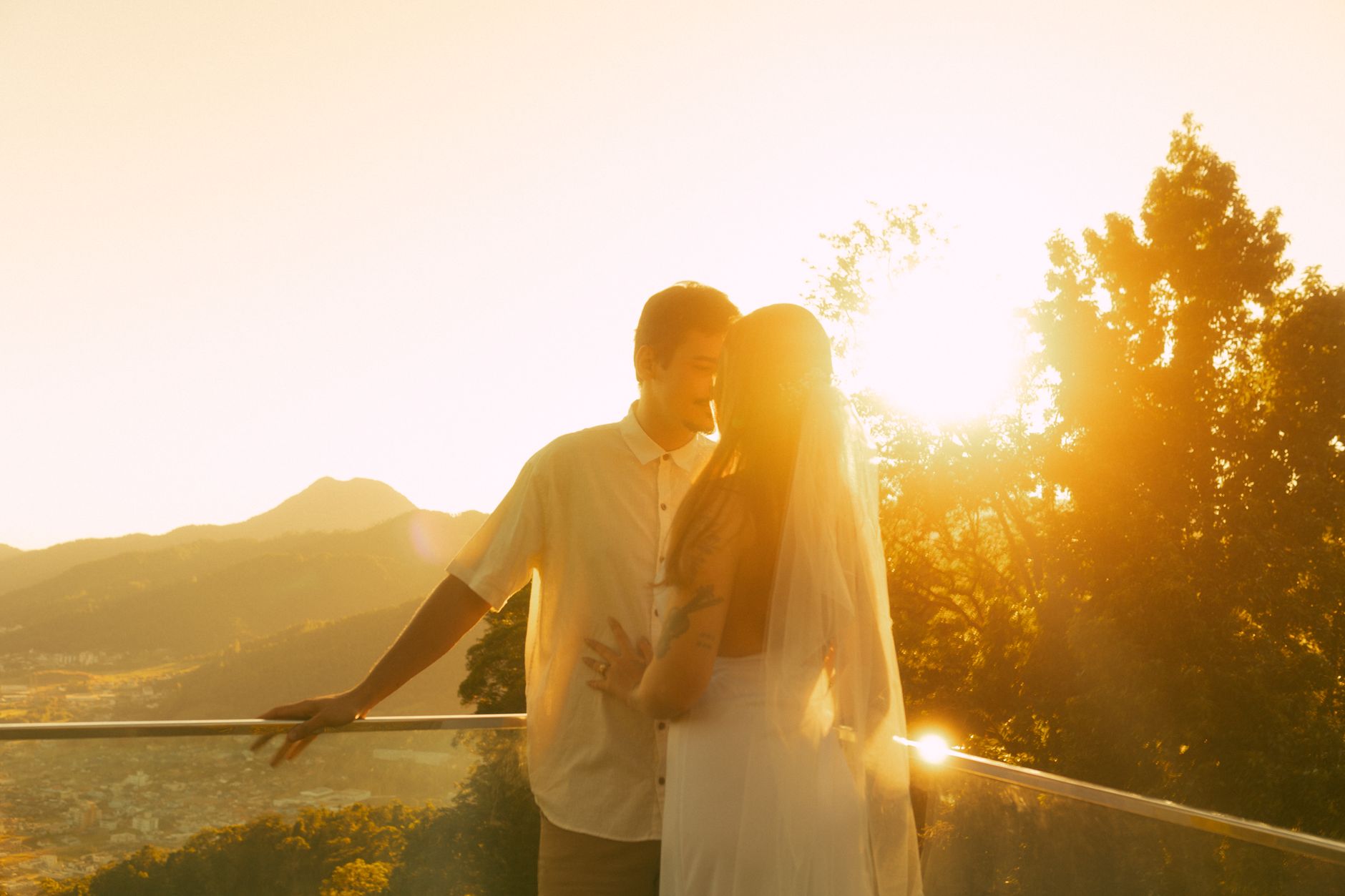
Photo by Bruna Fossile on Pexels
A standard 10-hour wedding videography package in Los Angeles covers getting-ready through the first hour of open dancing, delivered as a 10-to-15-minute highlight reel and optional full-ceremony edit. The day begins 3 hours before the ceremony start time — typically 1pm arrival for a 4pm ceremony — and runs through 9pm or 10pm depending on reception start time.
Included deliverables:
- Highlight reel (10–15 minutes) — cinematic edit of the full day, sequenced thematically with licensed music, delivered 8–12 weeks after the wedding date.
- Full ceremony edit (optional add-on, +$800) — uncut ceremony footage from processional through recessional, minimal color grading, delivered as a separate file.
- Toasts and speeches edit (optional add-on, +$400) — full audio and video of all reception toasts, color-corrected, delivered as a standalone reel.
The 2-shooter video team operates with redundant audio capture (dual lav mics on the couple, shotgun mic on boom, and recorder at the DJ or sound console), 4K recording on gimbal and tripod, and same-day backup to dual hard drives. Footage is archived for 2 years post-delivery in case the couple requests additional edits or raw clips for anniversary or social use.
Couples booking both Documentary Photography and wedding film receive a coordinated shot list that allocates 20 minutes of exclusive videographer portrait time (for moving sequences, audio capture, and gimbal work) and 20 minutes of exclusive photographer portrait time (for posed formals and editorial compositions). Shared portrait time follows, documented simultaneously by both teams.
How to Coordinate Photo and Video Coverage Timelines
The most common friction point between wedding photography and videography is the post-ceremony portrait window — typically 20 to 45 minutes when the couple is available for both posed and candid documentation. The photographer needs the couple stationary for formal compositions and off-camera lighting setups. The videographer needs the couple in motion for walking sequences, interaction moments, and audio capture (the couple talking to each other, reading private vows, reacting to the ceremony they just experienced).
The solution is a sequenced portrait timeline, planned in advance with the planner:
- Minutes 0–10: Exclusive photographer time. Formals with parents and wedding party, posed couple portraits on primary backdrops. Videographer documents behind-the-scenes and captures ambient b-roll.
- Minutes 10–20: Exclusive videographer time. Walking sequences, audio prompts ("tell me one moment from the ceremony that surprised you"), movement across the venue for cinematic framing. Photographer grabs candid frames but does not direct.
- Minutes 20–35: Shared coverage. Couple moves through portrait locations, both teams document simultaneously. Videographer captures environmental sequences; photographer works faster compositions.
- Minutes 35–45: Contingency buffer. Used for family formals if needed, or released back to the couple for cocktail-hour entry.
This structure appears in the timeline shared with the planner 4 weeks before the wedding, and the videographer and photographer confirm it on a joint call 10 days out.
Couples who book the Photo + Video Combined Package receive a pre-built portrait timeline and a single point of contact for both teams, eliminating the coordination overhead that comes with hiring separate vendors.
Edit Turnaround and Delivery Format
The standard edit turnaround for a Los Angeles wedding film is 8–12 weeks from the wedding date. During peak season (May through October), the turnaround extends to 10–14 weeks due to volume. Couples receive the finished highlight reel as a password-protected Vimeo link (downloadable 4K file) and a USB drive with the full deliverable set mailed to the address on file.
Rush delivery (4-week turnaround) is available for an additional $1,200 and requires booking confirmation at contract signing. Rush requests made after the wedding date cannot be accommodated.
The highlight reel is edited to licensed music cleared for personal use, social sharing, and web embedding. Couples may not re-edit the footage or extract audio stems, but may share the finished film on any personal or public platform. Raw footage is not included in the standard package; couples may purchase the full unedited archive for $2,500, delivered as ProRes 422 files on an external SSD.
Booking Timeline and Availability Windows
Los Angeles wedding videography books 9–16 months in advance for May through October dates, and 6–12 months in advance for November through April dates. Saturday availability closes first, followed by Friday and Sunday. Holiday weekends (Memorial Day, Fourth of July, Labor Day) book 12–18 months out.
Couples should begin videographer outreach at the same time they book their venue — typically 12–14 months before the wedding date. The inquiry process includes a portfolio review, a 30-minute consultation call, and a proposal with a custom package configuration based on the venue, guest count, and coverage priorities.
A signed contract and 50% retainer hold the date. The remaining 50% is due 30 days before the wedding. Contracts include a weather contingency clause for outdoor ceremonies (the videographer will cover the backup indoor ceremony site if activated) and a venue access clause requiring the couple to confirm that the venue permits professional videography and that all necessary permits and insurance certificates are filed 60 days in advance.
For couples planning weddings outside Los Angeles, LifeStory.Film travels worldwide for Destination Wedding Film coverage. Destination bookings include travel days, airfare, lodging, and ground transportation as a separate line item, quoted after the venue and location are confirmed. See the Pricing page for current package tiers and travel policy.
Why Venue Familiarity Matters for Los Angeles Wedding Films
A wedding videographer who has shot at Hotel Bel-Air six times knows that the Swan Lake ceremony site has a 12-minute window of perfect light between 5:45pm and 5:57pm in June, that the stone bridge is accessible for portraits only between cocktail hour and dinner service, and that the hotel restricts tripod placement on the lawn during the ceremony to two designated positions. A videographer shooting the venue for the first time will discover these constraints on the wedding day, and the coverage plan will adapt in real time — sometimes successfully, sometimes not.
LifeStory.Film has documented weddings at Calamigos Ranch, Hotel Bel-Air, Beverly Hills Hotel, Bel-Air Bay Club, and Hummingbird Nest Ranch multiple times per season, and the accumulated site knowledge informs every pre-wedding consultation. The shot list is written with named locations (the oak grove at Calamigos, the Swan Lake bridge at Bel-Air, the fountain courtyard at Beverly Hills Hotel), and the timeline accounts for venue-specific restrictions and optimal light windows.
Couples planning weddings at new-to-us venues receive the same preparation rigor — the videographer conducts a site visit 4–8 weeks before the wedding, walks the ceremony and reception spaces with the planner, identifies camera positions and backup plans, and confirms power access, vendor load-in procedures, and any venue-imposed coverage restrictions.
How to Evaluate Los Angeles Wedding Videographers
When reviewing wedding videographer portfolios, prioritize the following:
- Venue-specific work samples. If you are getting married at Calamigos Ranch, ask to see a full film shot at Calamigos Ranch — not a highlight reel that includes 8 seconds of Calamigos mixed with 6 other venues. Venue familiarity shows in shot selection, audio quality, and light management.
- Audio clarity in ceremony and toast clips. Vows and speeches are the editorial spine of the wedding film. If the portfolio samples have muffled officiant audio or clipped toast audio, the videographer is not using redundant lav mics and backup recorders.
- Color consistency across indoor and outdoor scenes. Skin tones should remain accurate whether the couple is filmed in direct sun, open shade, or under tungsten reception uplighting. Inconsistent color grading signals rushed post-production or inadequate on-set exposure discipline.
- Movement quality. Gimbal and slider shots should be smooth and motivated, not shaky or randomly inserted. Handheld documentary coverage should be stable enough to watch without distraction.
- Edit pacing. The highlight reel should feel like a short film, not a music video. Moments breathe. The couple's audio is present. The edit does not cut every 1.5 seconds to match beat hits.
Ask for a full 10-to-15-minute highlight reel, not just the 90-second Instagram cut. The longer edit reveals whether the videographer can sustain narrative coherence and emotional pacing across a complete story arc.
Request a list of venues the videographer has covered in the past 24 months, and cross-reference that list against your shortlist of ceremony and reception sites. A videographer with deep Los Angeles venue experience will have worked at 12–20 of the region's primary estates, hotels, and ranches.
Begin the conversation by visiting the Videography service page and reviewing the full portfolio. For questions about booking, availability, and package options, visit the FAQ or reach out directly through the inquiry form.