A wedding videographer at Hotel Bel-Air plans coverage around three named scenes: the Swan Lake ceremony at 4:30 PM when the garden light is diffused and even, the Stone Canyon Terrace cocktail hour when late sun hits the canyon wall behind the guests, and the ballroom reception after dark when the room's architectural lighting takes over. The 12-acre property is segmented by stone pathways and garden rooms, which means a 2-shooter video team splits to capture both the processional approach and the lakeside vantage simultaneously — something impossible to reconstruct after the fact.
Hotel Bel-Air sits in a canyon pocket one mile north of Sunset Boulevard. The sycamore and oak canopy filters midday light into green-shadow, and the property's signature swans — always two, always white — move through every ceremony frame shot at the lake. Couples who book Hotel Bel-Air typically plan editorial black-tie or garden romantic weddings with guest counts between 80 and 150, budgets above $200,000, and a preference for documentary film over highlight-reel montage. The venue requires advance coordination with the Hotel Bel-Air events team and preferred-vendor familiarity with load-in protocols, timeline constraints, and the specific ceremony-site elevations that affect audio capture during vows.
Why Hotel Bel-Air Weddings Require Scene-Specific Coverage
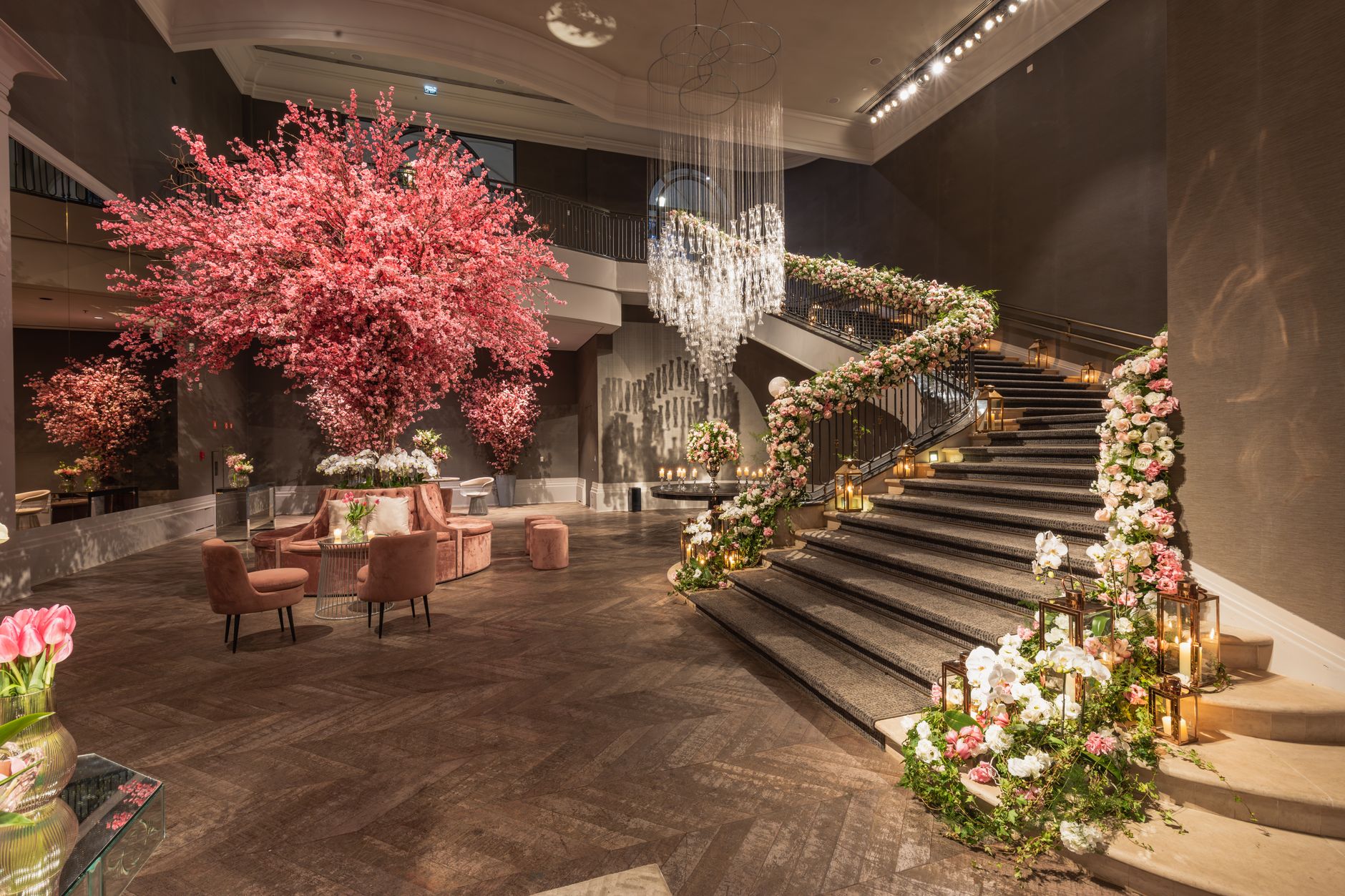
Photo by Matheus Bertelli on Pexels
Hotel Bel-Air is not a single-room venue. A wedding film here is built from at least three distinct environments — outdoor garden ceremony, terrace cocktail hour, and indoor ballroom reception — each with different available light, different sound characteristics, and different guest-flow patterns.
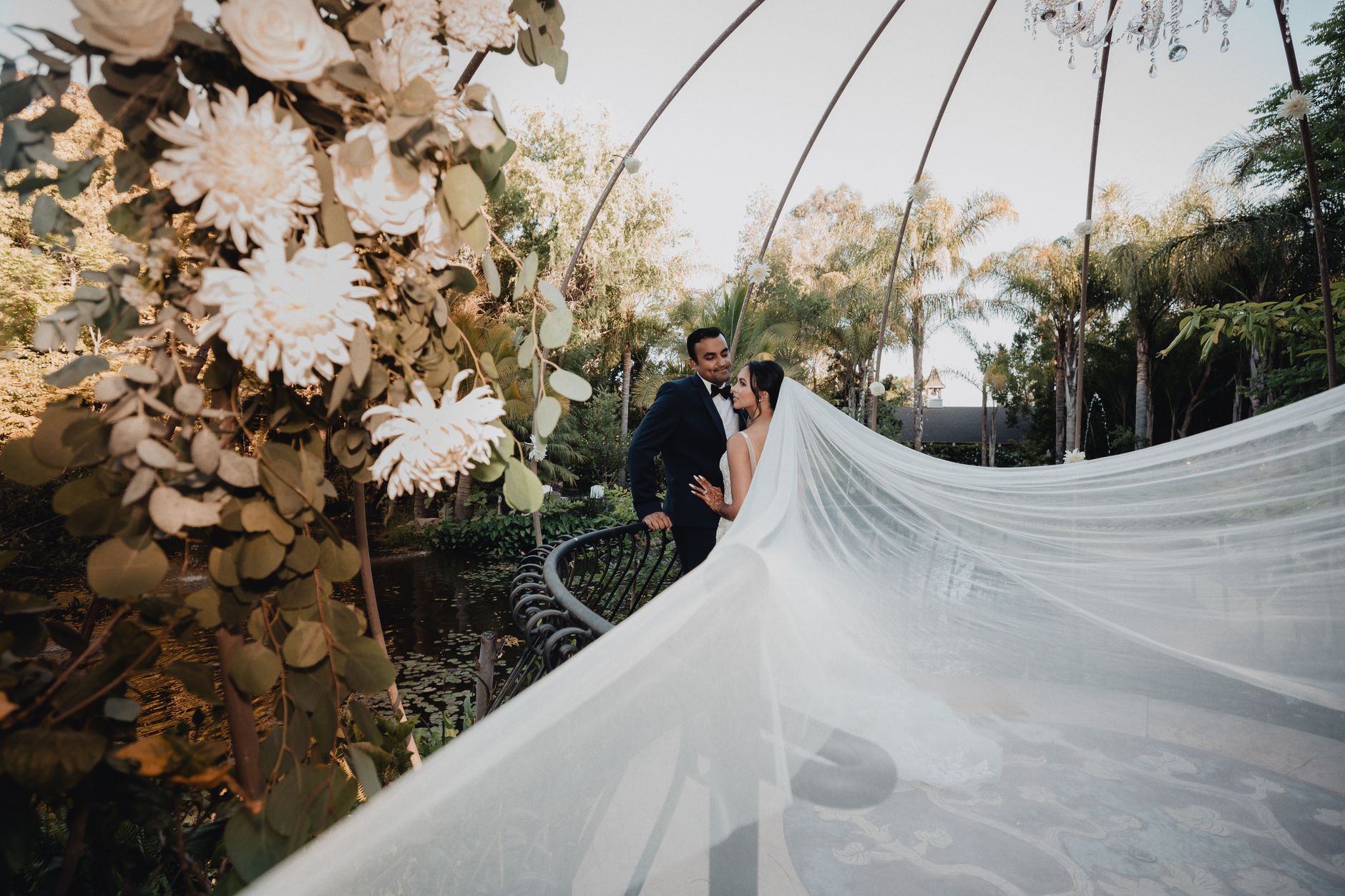
The Swan Lake ceremony site sits at the heart of the property. The lake is narrow, roughly 40 feet across, and the ceremony typically faces north so the officiant and couple are backlit by diffused sky rather than direct sun. A wedding videographer positions one shooter lakeside (low angle, swans in foreground, couple and guests behind) and one shooter on the arrival path to capture the processional as it moves down the stone steps. The two angles are intercut in the wedding film to show both the couple's perspective and the guest experience simultaneously.
The Stone Canyon Terrace is an elevated outdoor space used for cocktail hour. Late-afternoon sun — between 5 PM and 6:30 PM — hits the canyon wall and reflects warm light back onto the terrace, which is the reason most Hotel Bel-Air timelines schedule cocktail hour to begin at 5 PM rather than 4 PM. A videographer shooting here works handheld to follow small conversational clusters rather than locking down static wide shots, because the terrace is narrow and guests move frequently between the bar, the passed-appetizer station, and the garden overlook.
The ballroom at Hotel Bel-Air is a low-ceilinged, warm-toned room with built-in architectural lighting — no DJ uplights, no colored washes. After sunset, the room is lit entirely by chandeliers and candelabra, which means a videographer needs low-light camera bodies (ISO 3200 or higher without visible noise) and fast glass (f/1.4 or f/2 primes). The first dance, toasts, and parent dances all occur here, typically between 7:30 PM and 9 PM, and the footage has a consistent golden warmth that requires minimal color grading in post.
Coverage Strategy — Two Shooters, Three Scenes, Ten Hours
Photo by Andrea Prochilo on Pexels
A full-day wedding film at Hotel Bel-Air typically requires 10 hours of coverage and a 2-shooter video team to cover the three primary scenes plus getting-ready, first look, and couple portraits.
Hour 1–2 (2 PM – 4 PM): Getting ready in the Hotel Bel-Air suites. One shooter with the couple getting ready, one shooter capturing detail shots (invitation suite, rings, dress and suit on hangers, shoes, florals). The suites have large windows and natural light until approximately 3 PM; after that, a videographer relies on practicals (bedside lamps, bathroom vanity lights) rather than adding video lights that would flatten the editorial look.
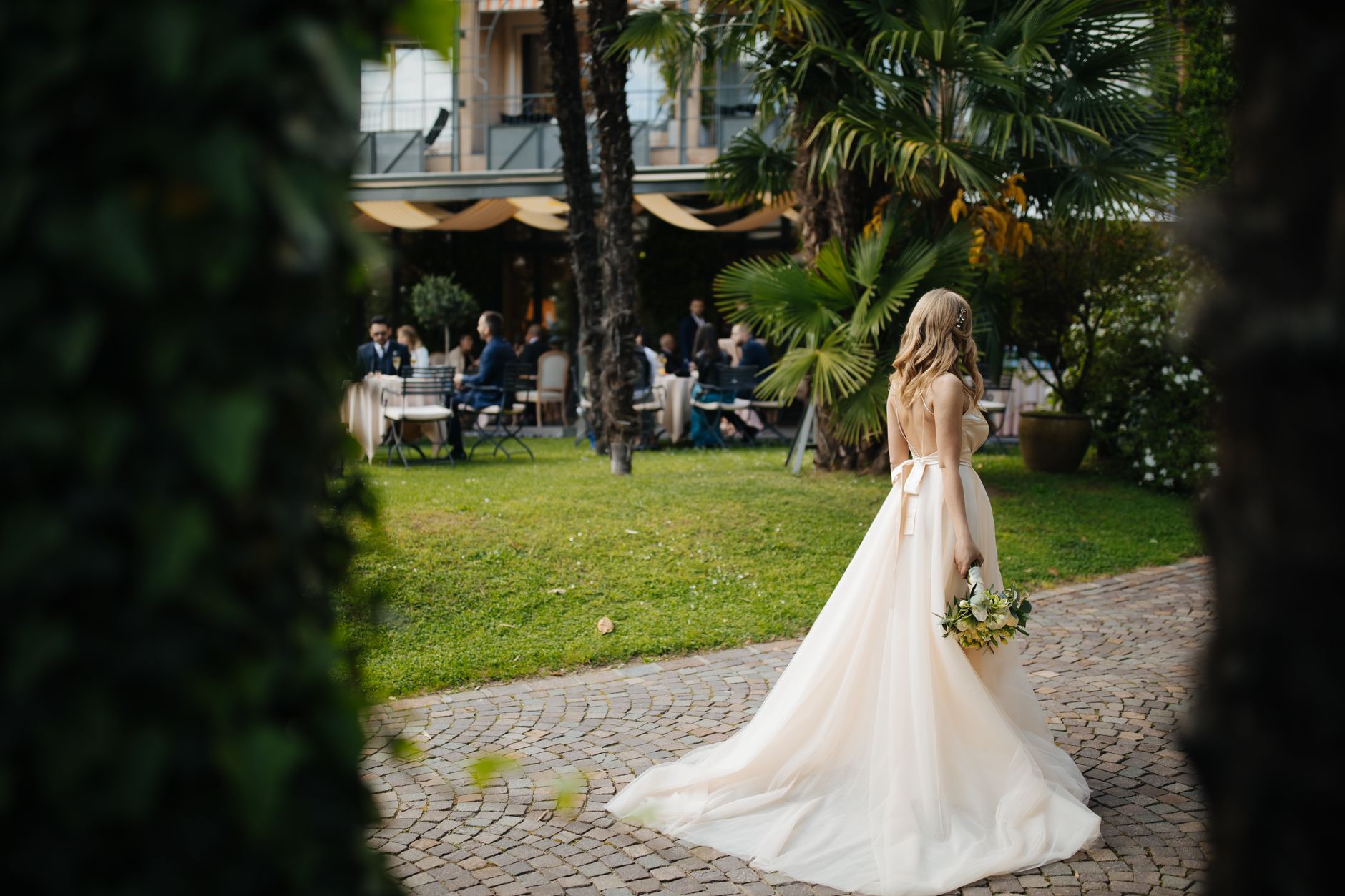
Hour 3 (4 PM – 5 PM): First look and couple portraits in the garden. The first look typically occurs on a garden path near the entrance bridge, away from guest sight lines. Portraits follow immediately and take place in three locations: the arched stone bridge over the lake, the sycamore grove on the west side of the property, and the front motor court with the iconic Hotel Bel-Air sign. Total portrait time is 30–40 minutes; couples who want extensive portrait coverage often add a day-after session.
Hour 4–5 (4:30 PM – 6:30 PM): Ceremony at Swan Lake and cocktail hour on Stone Canyon Terrace. The ceremony is 20–30 minutes. Vows are captured with two wireless lavalier microphones (one on the officiant, one on the groom or primary partner) plus a shotgun mic on the ceremony camera for ambient sound and guest reactions. Immediately after recessional, the couple is walked to a holding area for 5 minutes while guests move to cocktail hour; this buffer allows the videographer to reposition without missing the terrace entrance.
Hour 6–10 (6:30 PM – 10:30 PM): Reception coverage in the ballroom. Grand entrance, first dance, toasts (typically 3–5 speakers), parent dances, cake cutting, and open dancing. A 2-shooter team splits: one shooter on a monopod or gimbal for moving dance-floor footage, one shooter stationary for speeches and formalities. The final 30 minutes of coverage (10 PM – 10:30 PM) capture the last dance and sendoff if applicable, or final dance-floor moments before the couple exits to the suite.
Hotel Bel-Air does not permit drone footage, and the property's canyon location makes aerial shots impractical regardless. The wedding film is entirely ground-level, which reinforces the intimate garden scale of the venue.
Documentary Photography vs Wedding Film — Combined Packages at Hotel Bel-Air
Photo by Olcay Ertem on Pexels
Roughly 60 percent of LifeStory.Film clients booking Hotel Bel-Air choose a photo + video combined package rather than video alone. The combined package includes 2-shooter video (10 hours) and 2-shooter documentary photography (10 hours), with both teams coordinating on shot lists, timeline, and positioning throughout the day.
The primary advantage of booking photo and video together is timeline efficiency. A first look scheduled for 4 PM involves four people — two videographers and two photographers — rather than eight (two separate vendor teams). The couple is prompted once, not twice. Portrait sessions are shot simultaneously, which saves 15–20 minutes that can be reallocated to cocktail hour or additional getting-ready coverage.
The secondary advantage is visual consistency. Both the video team and the photo team work in the same editorial documentary style — available light, minimal posing, no heavy retouching or color grading. The wedding film and the photo gallery have the same tonal range, the same framing philosophy, and the same level of environmental context, which matters to couples building a cohesive wedding archive across multiple formats.
Editorial photography at Hotel Bel-Air focuses on environmental portraits — the couple on the stone bridge with the swan lake behind them, the couple beneath the sycamore canopy with dappled light on their faces, the couple in the motor court with the hotel logotype visible in the background. These images are composed as full-frame environmental shots rather than tight headshots, and they appear in both the photo gallery and as chapter cards in the wedding film edit.
Coordination with the Hotel Bel-Air Events Team and Preferred Vendor Access
Photo by Matheus Bertelli on Pexels
Hotel Bel-Air maintains a preferred vendor list, and videographers on that list receive load-in instructions, access to the venue's digital timeline template, and advance communication with the on-site event coordinator. LifeStory.Film is a preferred vendor, which streamlines logistics for couples booking both the venue and the video coverage.
Preferred vendor status includes:
Load-in time and location confirmed in advance. Video equipment (cameras, tripods, monopods, audio recorders, lavalier kits, and backup bodies) is delivered to the venue's service entrance between 1 PM and 2 PM on the wedding day. The events team provides a storage location for cases and a power outlet for charging batteries during cocktail hour.
Timeline alignment with venue restrictions. Hotel Bel-Air limits amplified music at outdoor ceremony sites, which affects audio setup. A videographer works with the couple's ceremony musicians (often a string quartet or harpist) to position microphones that capture both the live instruments and the vows without feedback. The venue's timeline template includes buffer windows for guest transitions, which a videographer uses to reposition equipment between ceremony and cocktail hour without appearing in guest sight lines.
Access to the property before guest arrival. Preferred vendors are permitted on property at 1:30 PM, 90 minutes before most guests begin arriving. This window is used for detail shots, getting-ready coverage, and a final walk-through of the ceremony site to confirm camera positions and sight lines with the florist and event coordinator.
Couples who book a non-preferred videographer are still permitted to work at Hotel Bel-Air, but load-in must be coordinated separately with the events team, and the videographer does not receive advance access to the venue's timeline template or the digital site map that shows preferred camera positions and restricted zones.
Real Wedding Film Example — Garden Romantic with 120 Guests
A recent Hotel Bel-Air wedding film illustrates the three-scene structure described above. The couple — both in their early thirties, planning a garden romantic wedding with a guest count of 120 — booked a photo + video combined package with 10 hours of coverage.
Getting ready: The couple prepared in separate suites on opposite ends of the property. Video coverage began at 2 PM and captured the bride's makeup application near the suite's large window and the groom's suit fitting in the second suite. Detail shots included the custom invitation suite (letterpressed on handmade paper), the bride's Manolo Blahnik shoes, the groom's vintage Rolex, and the loose garden-style bouquet designed by the couple's florist.
First look and portraits: The first look occurred at 4 PM on the garden path near the entrance bridge. The couple then moved to three portrait locations: the stone bridge (5 minutes), the sycamore grove (10 minutes), and the motor court (5 minutes). Total portrait time was 20 minutes, which allowed the couple to join their guests for the final 15 minutes of cocktail hour after the ceremony.
Ceremony: The ceremony began at 4:30 PM at Swan Lake. The processional was captured from two angles — one shooter lakeside, one shooter on the arrival steps. Vows were recorded with two wireless lavalier microphones and a shotgun mic. The ceremony lasted 25 minutes and included a live string quartet. Immediately after the recessional, the couple was escorted to a holding area while guests transitioned to the Stone Canyon Terrace.
Cocktail hour: Cocktail hour ran from 5 PM to 6:30 PM on the Stone Canyon Terrace. Video coverage was handheld and focused on small conversational moments, passed appetizers, and the couple's entrance to join guests at 5:45 PM. The late light on the canyon wall provided the warm backlight seen throughout this portion of the wedding film.
Reception: The reception began at 6:30 PM in the ballroom. The couple's grand entrance occurred at 6:45 PM, followed by the first dance (Ed Sheeran, "Thinking Out Loud"), toasts from the maid of honor and best man, dinner service, parent dances, cake cutting, and open dancing. Video coverage concluded at 10:30 PM with the couple's final dance and exit to the suite.
The edited wedding film was delivered 10 weeks after the wedding date and ran 22 minutes. The film was structured in chapters: Getting Ready (3 minutes), First Look (2 minutes), Ceremony (6 minutes), Cocktail Hour (2 minutes), Reception (9 minutes). The couple also received a 3-minute highlight reel edited for social media and a full ceremony coverage file (25 minutes, unedited) as part of the package.
Light Quality at Hotel Bel-Air — Time of Day and Coverage Implications
Hotel Bel-Air sits in a north-south canyon, which affects how sunlight moves across the property throughout the day. Understanding these light shifts is essential for a wedding videographer planning camera positions and shot lists.
Morning (8 AM – 11 AM): Direct sun on the east-facing garden areas, including the motor court and the entrance bridge. The Swan Lake ceremony site is still in shade. Morning light is hard and high-contrast, which is why most Hotel Bel-Air ceremonies are scheduled for late afternoon rather than morning.
Midday (11 AM – 3 PM): The sycamore and oak canopy filters midday sun into dappled green-shadow across most of the property. The ceremony site at Swan Lake is diffused and even, but the light is still overhead and unflattering for portraits. Couples booking a midday ceremony typically add a golden-hour portrait session later in the day to supplement the ceremony footage.
Late afternoon (3 PM – 6 PM): The ideal window for outdoor ceremonies and portraits. The sun is lower in the sky and filtered through the canyon's western trees. Swan Lake receives soft, even light between 4 PM and 5:30 PM, which is why most ceremonies begin at 4:30 PM. The Stone Canyon Terrace receives warm reflected light from the canyon wall between 5 PM and 6:30 PM, making this the preferred cocktail hour window.
Evening (6 PM – 10 PM): After 6 PM, outdoor spaces are lit by pathway lighting and candlelight. The ballroom becomes the primary video environment, and all footage is captured using available interior light (chandeliers, candelabra, and practicals). A videographer shooting after dark uses ISO 3200–6400 and fast prime lenses to avoid introducing video lights that would alter the room's warm, intimate ambiance.
Couples who prioritize cinematic film quality typically schedule their ceremony between 4 PM and 5 PM, which places cocktail hour in the 5 PM – 6:30 PM golden-light window and moves the reception indoors after sunset. This timeline requires guest arrival by 4 PM and shifts dinner service to 7 PM or later, which affects catering coordination and the overall event flow.
Hotel Bel-Air vs Beverly Hills Hotel — Coverage Differences for a Wedding Videographer
Hotel Bel-Air and Beverly Hills Hotel are both iconic Los Angeles luxury venues, but they require different videography approaches due to their physical layouts and aesthetic registers.
Hotel Bel-Air is a garden property with outdoor ceremony sites, narrow stone pathways, and a low-ceilinged indoor ballroom. The wedding film aesthetic is intimate, editorial, and garden-focused. Coverage relies on available light and handheld movement through small spaces. The venue is quiet (no street noise, no helicopter flyovers) and the sound environment is controlled, which allows for clean audio capture during vows and toasts.
Beverly Hills Hotel is a poolside and ballroom property with mid-century architecture, larger open spaces, and brighter color palettes (the signature pink-and-green exterior, the Martinique Banana Leaf wallpaper in the Polo Lounge). The wedding film aesthetic is more vibrant, more architectural, and more social (larger guest counts, more movement between indoor and outdoor spaces). Coverage includes wide establishing shots of the pool, the cabanas, and the Crystal Ballroom, and the sound environment includes ambient city noise and poolside conversations that require closer microphone placement during vows.
A couple choosing between the two venues based on how their wedding will film should consider whether they prefer the intimate garden scale of Hotel Bel-Air or the poolside mid-century glamour of Beverly Hills Hotel. Both are editorial black-tie venues; the difference is environmental register, not quality or prestige.
Deliverables, Turnaround, and Booking Timeline for Hotel Bel-Air Weddings
The standard wedding film package for a Hotel Bel-Air wedding includes:
- 22-minute cinematic wedding film, structured in chapters (Getting Ready, First Look, Ceremony, Cocktail Hour, Reception)
- 3-minute highlight reel edited for social media and optimized for Instagram, with square or vertical framing
- Full ceremony coverage file (unedited, full length, typically 20–30 minutes)
- Online gallery with download access and private sharing link
- Archival digital files delivered via cloud storage (Google Drive or Dropbox)
Edit turnaround is 8–12 weeks from the wedding date. Couples who need expedited delivery for a specific event (anniversary party, thank-you card mailing, holiday gift) can request a rush edit for an additional fee; rush delivery is 4–6 weeks.
Booking timeline: Hotel Bel-Air is a high-demand venue, and most wedding dates are reserved 12–18 months in advance. Couples booking the venue should secure their videographer simultaneously, as preferred vendors at Hotel Bel-Air often have limited weekend availability during peak season (April – June and September – October). LifeStory.Film requires a signed contract and a 30 percent deposit to reserve a wedding date; the remaining balance is due 30 days before the wedding.
Couples booking both photo and video receive a 10 percent discount on the combined package price, and all Hotel Bel-Air weddings qualify for travel coordination with the venue events team at no additional charge (within Los Angeles County).
Begin a Conversation About Your Hotel Bel-Air Wedding
Hotel Bel-Air weddings are planned around light, movement, and the rhythm of a garden property that unfolds across three distinct scenes. A wedding videographer working here plans coverage that accounts for Swan Lake ceremony light, Stone Canyon Terrace cocktail hour warmth, and ballroom reception intimacy — three environments that define the visual arc of the film. If your wedding is at Hotel Bel-Air, the video coverage plan should be finalized before your timeline is, because the two shape each other. Reach out to discuss your wedding date, your guest count, and the specific moments you want preserved on film.