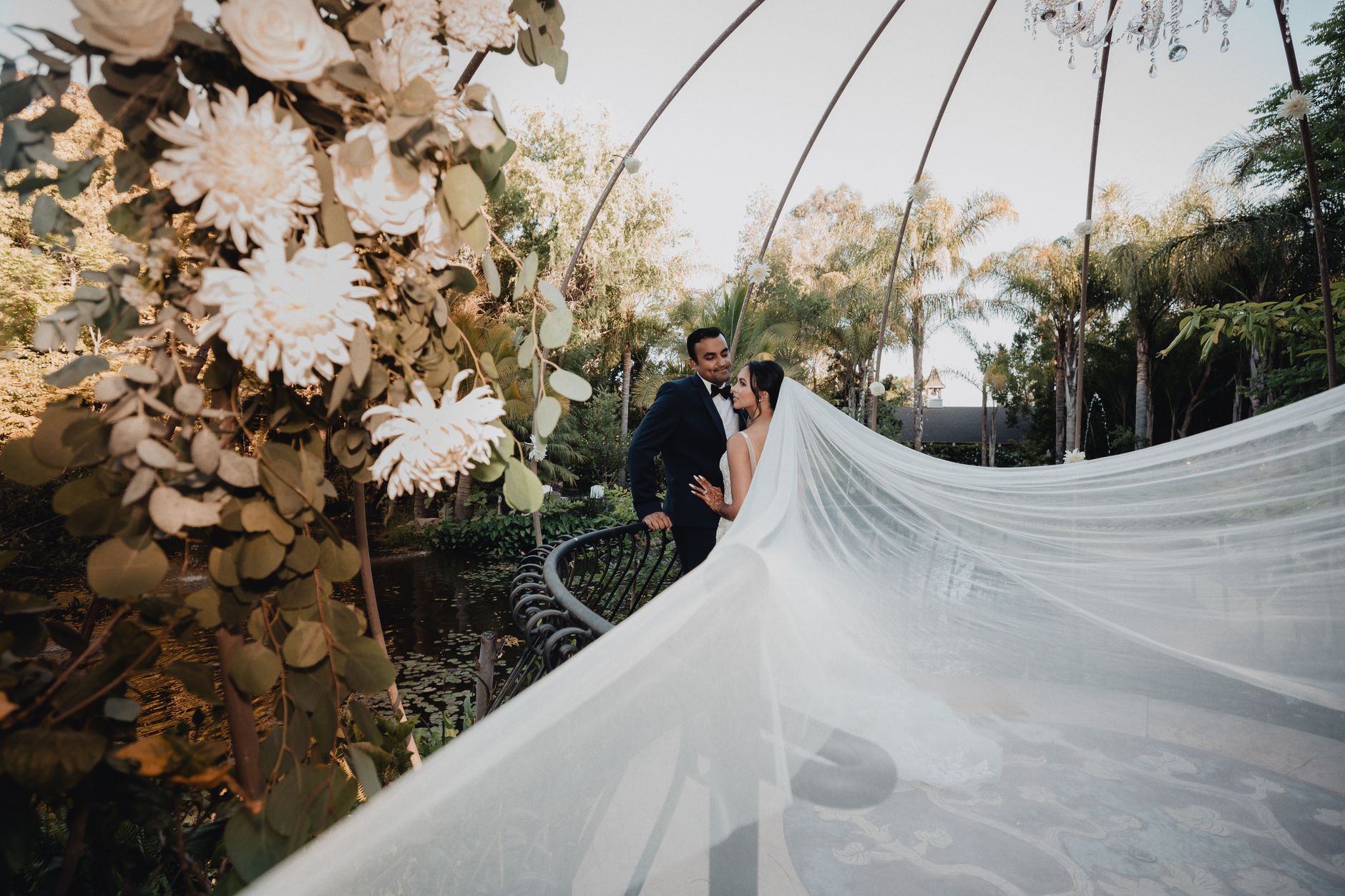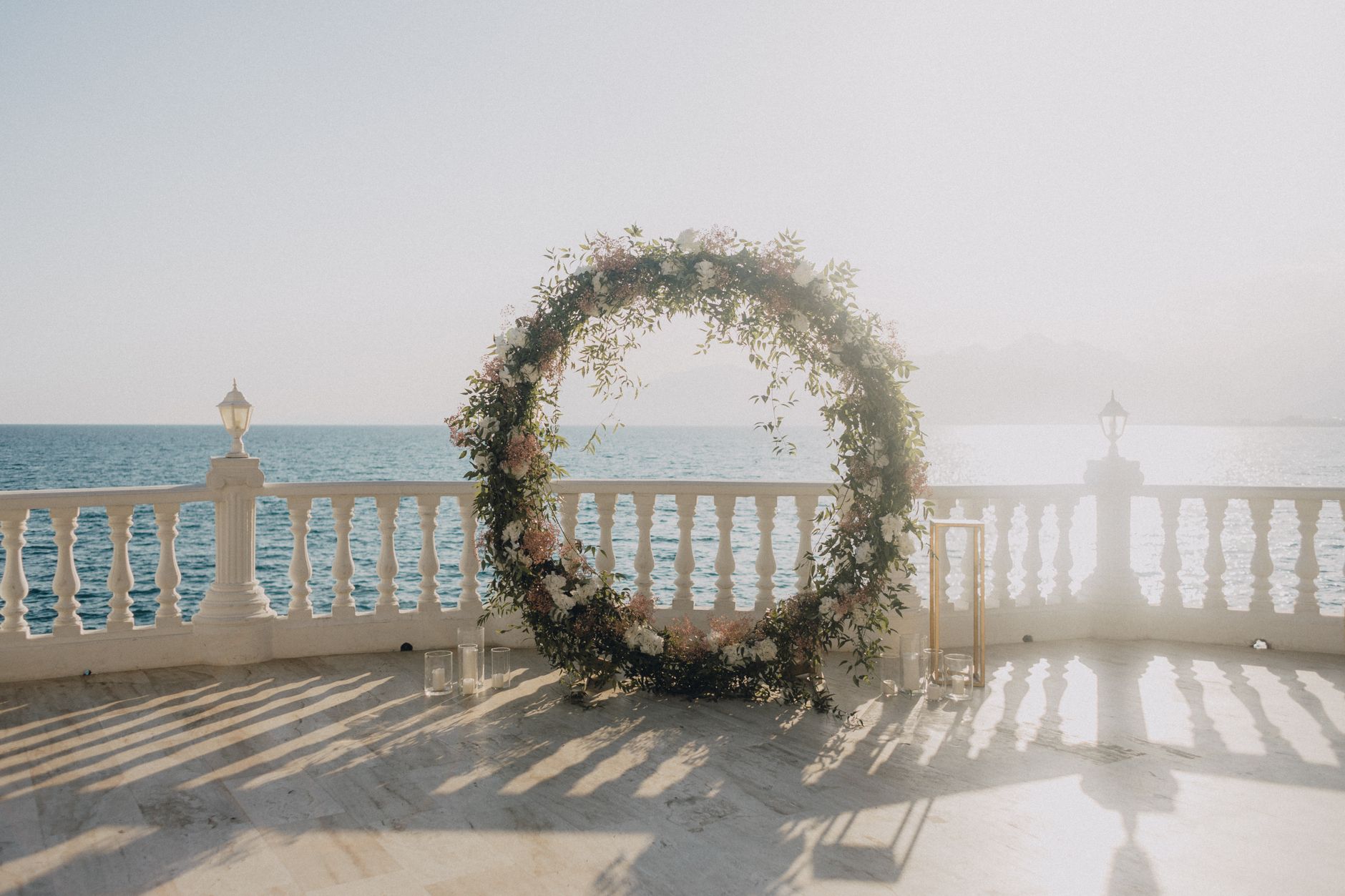
A wedding film at Hotel du Cap-Eden-Roc requires a coverage strategy anchored to two certainties: the terrace ceremony overlooks the Mediterranean from 100 feet above the water, and the French Riviera light between 5 PM and 7 PM in June through September is softer and more forgiving than any other hour of the day. The terrace holds 120 guests comfortably; the stone staircase that descends from the upper gardens to the Eden-Roc restaurant seats 180 if a couple prefers the waterside pavilion. Both locations demand a 2-shooter video team to capture the ceremony wide and the vows tight without repositioning mid-processional.
Hotel du Cap-Eden-Roc has hosted destination weddings since the 1920s, and the property's strict no-photography policy inside the main hotel building means the wedding film becomes the primary visual record of the day. Couples booking here typically allocate 10 to 12 hours of coverage: getting-ready sequences in the suites overlooking the Cap d'Antibes peninsula, the first look on the upper terrace, the ceremony at golden hour, cocktail hour by the infinity pool, and the reception under café lights in the gardens. The edit turnaround for a full destination wedding film at this venue runs 10 to 12 weeks, longer than California weddings, because the editorial pacing required to match the Riviera setting takes additional post-production time.
Why Hotel du Cap-Eden-Roc Films Differently Than Southern California Coastal Venues
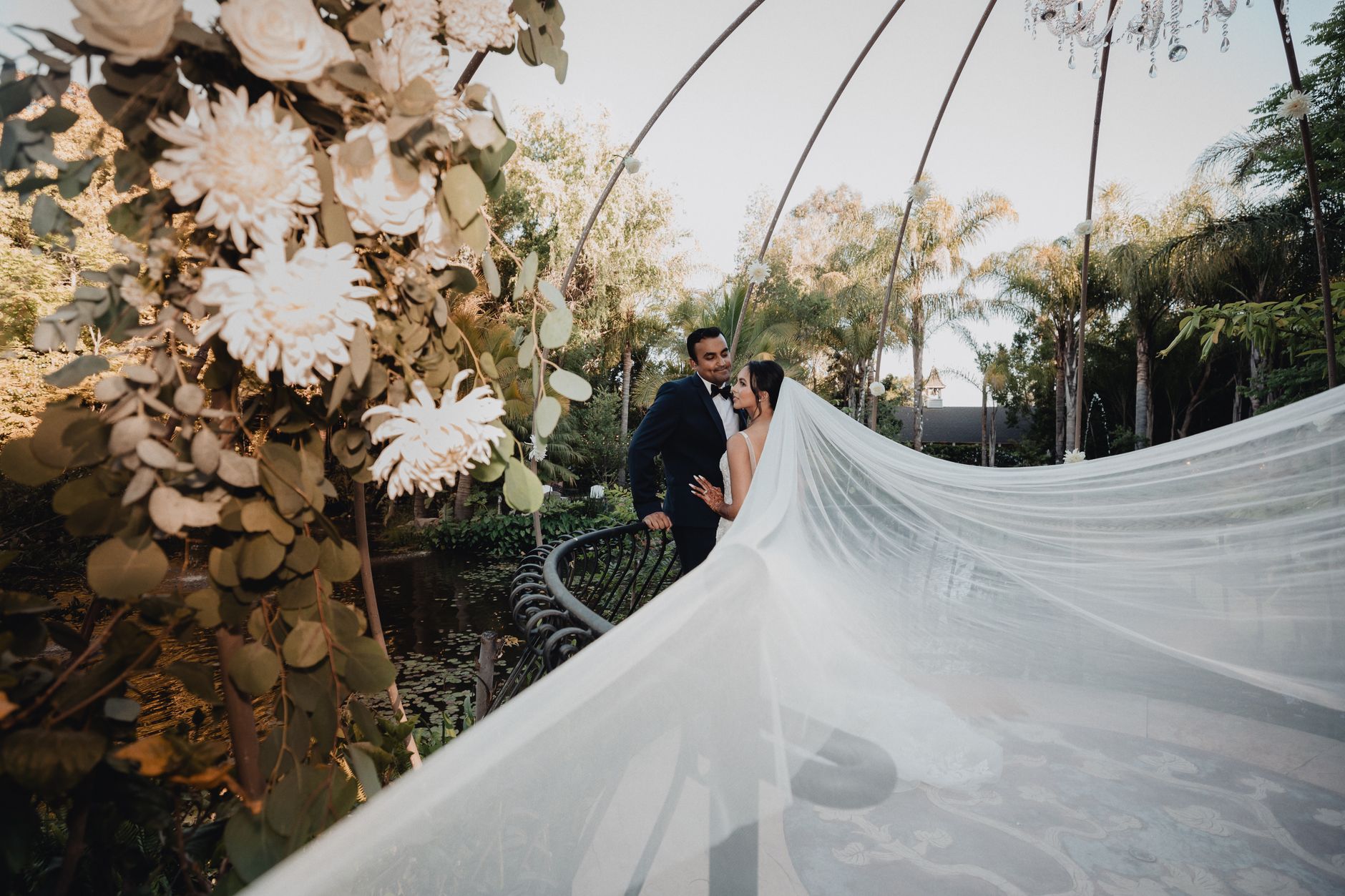
Photo by Lulan Studio on Pexels
The Mediterranean light at Antibes behaves nothing like the Pacific light at Montage Laguna Beach or Terranea Resort. The Riviera sun sits lower on the horizon during European summer evenings, which stretches golden hour by 20 to 30 minutes and produces a cooler, bluer quality in the shadows. A videographer shooting here for the first time will overexpose the terrace ceremony by half a stop if they meter the same way they would at a California coastal wedding. The stone and plaster architecture reflects more ambient light than wood or stucco, which fills in shadows naturally but also flattens contrast if the exposure isn't pulled down slightly in-camera.
The property's geography creates three distinct coverage zones. The upper gardens and terrace — where most ceremonies take place — offer wide Mediterranean vista shots and need a 24-70mm lens for environmental coverage. The stone staircase connecting the upper property to the Eden-Roc pavilion is narrow, steep, and visually dramatic; it requires a gimbal operator walking backward down 87 steps while the couple descends, which is why we always run a site walk the morning of the wedding. The lower pavilion and infinity pool area sit 10 feet above the water and photograph best from a slightly elevated position on the adjacent rocks, which means one shooter needs to position there 15 minutes before cocktail hour begins to capture arrivals from above.
Couples who book Hotel du Cap-Eden-Roc typically fall into one of two aesthetics: editorial black-tie or destination minimalist. The first group books the full property buyout (minimum 40 rooms for 3 nights), hires a French or London-based planner, and structures the weekend as a multi-day celebration with a welcome dinner at La Guérite on Île Sainte-Marguerite and a farewell brunch on the Eden-Roc terrace. The second group books a smaller Saturday wedding with 60 to 80 guests and prioritizes the ceremony and reception film over the ancillary events. Both approaches require different photo + video combined package structures, because the first needs 3 days of light coverage across events and the second needs deep single-day coverage with a second shooter on stills throughout.
Ceremony Coverage on the Mediterranean Terrace
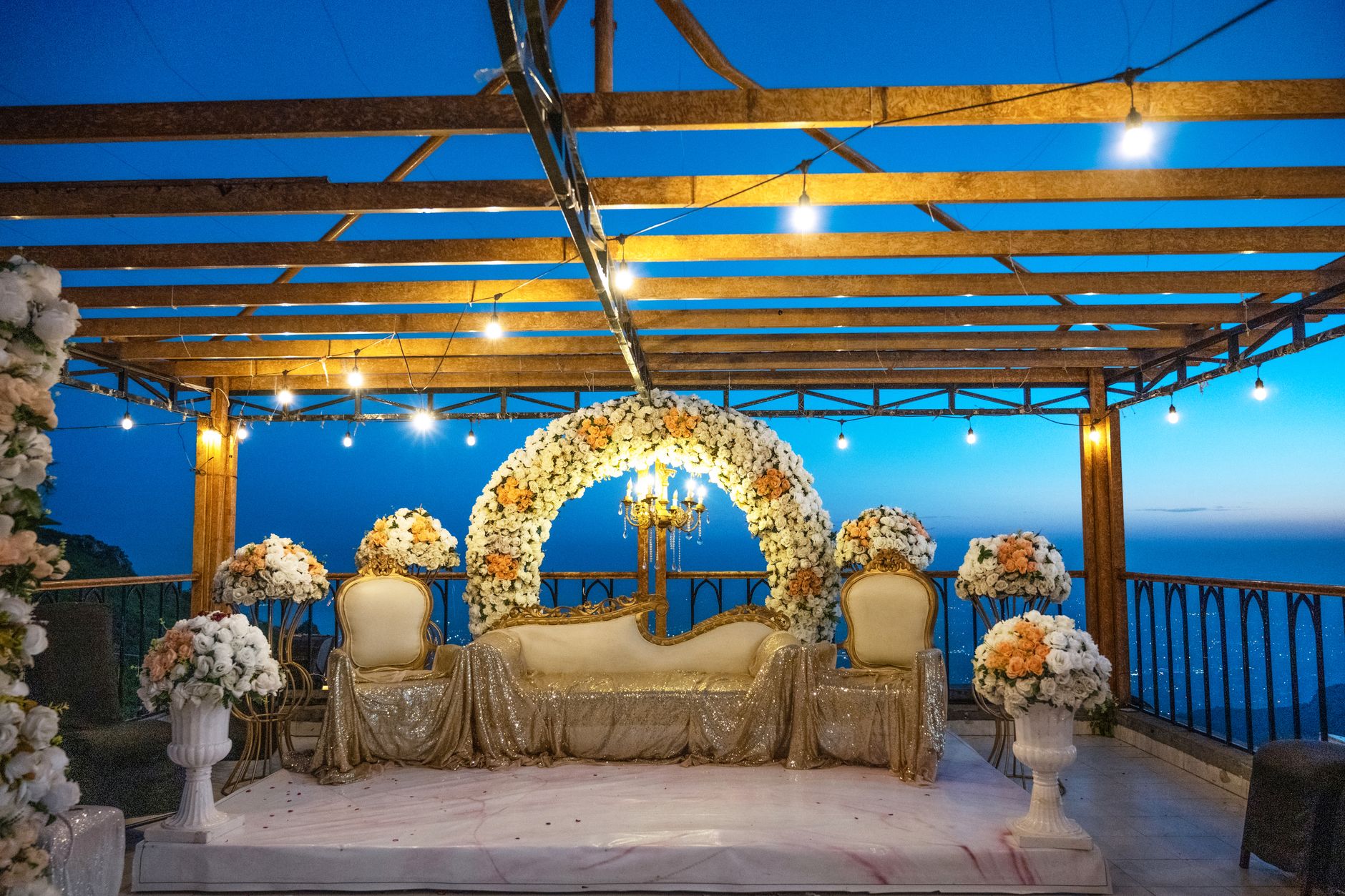
Photo by Tauseef Kazmi on Pexels
The terrace ceremony at Hotel du Cap-Eden-Roc seats 120 guests in European-style rows: narrow chair spacing, no center aisle, and a side entrance for the processional that brings the couple in from the garden rather than down an aisle. This layout eliminates the traditional processional walk and compresses the ceremony start into a 90-second sequence where the couple simply appears at the altar with the Mediterranean behind them. The videographer's wide shot is therefore a static lockoff on a tripod positioned 40 feet back in the garden, because there is no processional movement to follow. The tight coverage — vows, ring exchange, first kiss — comes from a second shooter positioned 15 feet to the left of the altar with a 70-200mm lens, shooting across the couple's eyeline to include both faces and the water in the same frame.
Wind is the primary technical variable. The terrace sits exposed to the offshore breeze, which runs consistent at 8 to 12 knots most afternoons. Lavalier microphones clipped inside the officiant's collar will pick up wind rustle unless they are wrapped with a foam windscreen and a layer of medical tape. We always run two wireless lav systems — one on the officiant, one on the groom — and a shotgun mic on a boom pole as a backup, because the terrace's open-air acoustics mean vows spoken at normal volume will not carry to a camera-mounted mic 40 feet away. The couple needs to know in advance that if they want the vows audible in the wedding film, they need to speak toward the officiant and not out toward the guests.
The light during a 6 PM ceremony in July or August is still bright enough to require ND filtration. We shoot at f/2.8 with a 0.6 ND to hold shutter speed at 1/50 and keep the ISO under 400, which preserves the Mediterranean's deep blue color and prevents the sky from blowing out. By 7 PM the ND comes off and we open to f/2 for the cocktail hour, but the terrace ceremony itself is always shot stopped down slightly to maintain sharpness across both the couple and the horizon line 2 miles out.
Reception Coverage in the Hotel Gardens After Dark
Photo by Franco Monsalvo on Pexels
The reception at Hotel du Cap-Eden-Roc unfolds in one of two locations depending on guest count and season. Smaller weddings (60 to 100 guests) typically take place on the Eden-Roc lower terrace, an intimate stone patio directly above the water with café lights strung across the space and the restaurant's outdoor kitchen visible in the background. Larger weddings (100 to 180 guests) move to the upper gardens, where a clearspan tent is erected in the center lawn and the perimeter is lined with olive trees and boxwood hedges lit from below with uplighting.
Both locations present the same challenge after sunset: the café lights and uplighting create high-contrast pools of light separated by deep shadow, and the videographer has to decide whether to expose for the lit areas and let the shadows go black, or to push ISO and lift the shadows in post. We typically expose for the lit zones and allow the contrast to remain, because the Riviera setting reads more cinematic with pronounced shadows than with lifted, noisy midtones. The wedding film edit will include 8 to 10 minutes of reception coverage — toasts, first dance, parent dances, and 2 to 3 minutes of guests on the dance floor — so the ISO will climb to 3200 or 6400 during the dance floor sequences, but those segments are short enough that grain reads as texture rather than as a technical flaw.
The first dance at Hotel du Cap-Eden-Roc is almost always a slow dance to a live band or a string quartet, and the couple typically dances in a 12-foot clearing surrounded by guests standing in a circle rather than seated at tables. This creates a 360-degree coverage requirement: one shooter on a gimbal circling the couple, one shooter locked off on a tripod capturing the wide with guests in the foreground. The gimbal operator needs to anticipate the couple's movement and lead them by half a step, because the café lights are strung overhead and any hesitation in the gimbal path will result in a light source directly behind the couple's heads, which flares the lens and silhouettes their faces.
Toasts at French Riviera weddings run longer than California weddings. A typical Southern California wedding includes 3 to 4 toasts averaging 3 minutes each; a Hotel du Cap-Eden-Roc wedding often includes 6 to 8 toasts averaging 5 minutes each, and at least two will be delivered in French. The videographer needs to confirm with the couple in advance which toasts they want fully captured and which can be covered with cutaways and reaction shots, because 45 minutes of toast footage will never make it into a highlight reel, but the couple may want specific speeches preserved in the full ceremony coverage deliverable.
Photo + Video Coordination When Traveling to the French Riviera
Photo by Balázs Gábor on Pexels
A destination wedding at Hotel du Cap-Eden-Roc typically requires a 2-shooter video team and a 2-shooter photo team traveling from Los Angeles, or a hybrid approach where the video team travels from California and the photo team is hired locally in France. The decision depends on whether the couple prioritizes stylistic consistency (same team, same aesthetic across photo and video) or logistical simplicity (local photo team familiar with the venue, no transatlantic travel coordination required). We've executed both models; the first costs more but delivers a unified editorial look, and the second reduces travel expenses but introduces a coordination layer between two teams who have never worked together.
When the full team travels together, the logistics include 6 checked bags (2 video pelican cases, 2 photo pelican cases, 2 soft bags for backup bodies and personal items), commercial airline routing through Paris Charles de Gaulle with a 90-minute drive to Antibes, and a 4-night minimum stay to cover the wedding day plus one buffer day before and after for gear prep and breakdown. The total travel cost for a 4-person crew (2 video, 2 photo) runs $8,000 to $11,000 including flights, checked baggage, ground transportation, and hotel accommodations separate from the wedding venue. That cost is billed separately from the photo + video combined package and is outlined in the travel addendum section of the contract.
The couple needs to understand that French customs regulations require a carnet for professional video and photo equipment valued over €15,000, which covers most cinema camera kits. We handle the carnet application 8 weeks before the wedding, but the couple needs to provide a letter of invitation on their letterhead confirming that the equipment is entering France temporarily for their private event and will be re-exported within 7 days. Without the carnet, customs at CDG can delay the equipment for 24 to 48 hours, which puts the entire wedding day at risk.
Timeline and Deliverables for a Full-Day Hotel du Cap-Eden-Roc Wedding Film
A full-day wedding at Hotel du Cap-Eden-Roc runs 10 to 12 hours of coverage, starting with getting-ready coverage at 2 PM and concluding with the last dance and sparkler exit around midnight. The coverage breakdown typically follows this structure:
- 2:00 PM – 4:00 PM: Getting ready. Light coverage in the bridal suite and groom's suite. We focus on detail shots (dress hanging in the window, shoes on the terrace, invitation suite on the writing desk) and a few candid moments during hair and makeup. This is not heavy coverage; it's scene-setting for the edit.
- 4:00 PM – 4:30 PM: First look. Usually on the upper terrace or in the garden near the pool. One camera on the couple, one camera on reactions from a distance.
- 4:30 PM – 5:30 PM: Couple portraits. We walk the property with the couple and shoot along the stone pathways, the infinity pool edge, the staircase, and the terrace overlook. This is the longest uninterrupted portrait block and produces the majority of the editorial stills that will appear in the wedding film's opening montage.
- 5:30 PM – 6:00 PM: Guest arrivals and pre-ceremony. We cover guests arriving on the terrace, the musicians setting up, and any family pre-ceremony moments.
- 6:00 PM – 6:30 PM: Ceremony. Full coverage, two cameras, lav audio on officiant and groom.
- 6:30 PM – 8:00 PM: Cocktail hour and golden hour. Guests move to the lower pavilion or pool area for cocktails. We use this window to shoot additional couple portraits in the golden-hour light, which at Antibes runs until 7:45 PM in July and August.
- 8:00 PM – 11:30 PM: Reception. Entrance, first dance, toasts, dinner (minimal coverage, mostly ambient shots), parent dances, cake cutting, dance floor.
- 11:30 PM – 12:00 AM: Sparkler exit or last dance. Final shot of the night.
The deliverables for this coverage include a 12- to 18-minute cinematic wedding film, a 3- to 5-minute highlight reel, and the full ceremony edit (vows and toasts uncut, delivered as a separate file). Edit turnaround is 10 to 12 weeks from the wedding date. The couple receives all files via a password-protected online gallery with download access; we do not deliver hard drives for international weddings due to customs and shipping risk.
Planner Partnerships and Venue-Specific Coverage Notes
Hotel du Cap-Eden-Roc weddings are almost always coordinated by a European-based planner with existing relationships on the property. The venue does not maintain a preferred vendor list in the way California resorts do, but the hotel's events team will recommend 3 to 5 planners who have executed weddings there in the past 24 months. We've worked with planners from London (Fete in France, Lavender & Rose), Paris (Fête in France, Cocoon Events), and Los Angeles (Brooke Keegan Weddings, Bash Please) on Hotel du Cap-Eden-Roc weddings, and in every case the planner relationship determines how smoothly the coverage day runs.
The venue imposes strict rules that affect the videographer's workflow. No drones are permitted anywhere on the property or within 500 meters of the coastline due to French aviation law and the hotel's privacy policy. No tripods or camera equipment may be set up inside the main hotel building (lobby, restaurant, bar, or guest hallways) without advance written approval from the events director, which is rarely granted. The terrace ceremony space cannot be accessed for a site walk until 24 hours before the wedding, which means the videographer cannot scout lighting or test camera angles in advance unless they've shot at the property before.
The stone staircase — one of the most visually distinctive features of the property — is open to hotel guests throughout the wedding day, so the couple cannot block it off for a private portrait session unless they've arranged for a full property buyout. This means staircase shots need to be captured opportunistically during cocktail hour or immediately after the ceremony when foot traffic is lightest.
Destination Wedding Film vs Wedding Film + Engagement Film Packages
Couples booking a wedding at Hotel du Cap-Eden-Roc from the United States sometimes inquire about adding an engagement film shot in California (Los Angeles, Big Sur, Carmel Valley Ranch) as part of a multi-film package. This makes sense when the couple wants a cohesive visual story that includes both their California life and their French Riviera wedding, and it allows them to work with the same videography team twice before the wedding day, which reduces the performance anxiety some couples feel when being filmed for the first time on the wedding day itself.
The engagement film is typically shot 4 to 6 months before the wedding, runs 3 to 5 minutes, and focuses on the couple in a location that reflects their daily life or a place that holds personal significance. We've shot engagement films at Calamigos Ranch, San Ysidro Ranch, Ojai Valley Inn, and along the coast near Terranea Resort for couples who later married at Hotel du Cap-Eden-Roc. The engagement film and wedding film are edited in the same cinematic style, use the same color grading, and often share a musical motif that ties the two films together emotionally.
A destination wedding film at Hotel du Cap-Eden-Roc is quoted individually and covers the 10- to 12-hour coverage day, the cinematic edit, the highlight reel, and the full ceremony file. Adding an engagement film to that package reduces the engagement film rate by 20%, so the combined investment runs $17,500 to $19,000 depending on travel timing and whether the couple books documentary photography in addition to video. Travel expenses (flights, accommodations, carnets, ground transportation) are billed separately and outlined in the contract's travel addendum.
When to Book and How Far in Advance to Plan
Hotel du Cap-Eden-Roc weddings are typically planned 14 to 18 months in advance. The property books wedding dates on a first-reserved, first-confirmed basis, and May, June, September, and early October are the first months to fill. July and August are technically available but less desirable due to higher temperatures (28°C to 32°C most afternoons) and the busiest season for hotel guests, which means the property feels less private during a wedding weekend.
Couples should book their videographer 12 to 16 months before the wedding date. Destination wedding videographers who are willing to travel internationally and who carry the equipment and insurance required for a Hotel du Cap-Eden-Roc wedding are a smaller pool than California-based videographers, and the best teams are often booked 18 months out for European destination weddings. We hold calendar dates with a signed contract and a 50% deposit; the remaining balance is due 30 days before the wedding date, and the travel expenses are billed separately and due 60 days before departure to allow time for flight booking and carnet processing.
The couple needs to confirm the ceremony start time, the reception location (upper garden vs. lower pavilion), and the timeline structure with their planner no later than 90 days before the wedding, because those details determine the coverage plan, the shot list, and the number of shooters required. A 6 PM ceremony requires different light management than a 7 PM ceremony, and a lower-pavilion reception requires different audio setup than an upper-garden tent reception.
What the Wedding Film Will Look and Sound Like
A wedding film from Hotel du Cap-Eden-Roc will open with a 30- to 45-second montage of the property at golden hour: the terrace overlooking the water, the stone staircase, the infinity pool, the café lights at dusk. The edit will then move into the getting-ready sequences, the first look, and the ceremony. The vows will appear in full if the couple's vow length is under 90 seconds each, or edited down to the most emotional 60 seconds if the vows run longer. The first kiss, the recessional, and the immediate post-ceremony reactions will play in real time with the officiant's audio and the live musician's processional music as the soundtrack.
The second half of the film covers the reception: the entrance, the first dance, one or two toasts (edited for brevity unless the couple requests full-length), and 90 seconds of dance floor coverage. The film will close with the couple's last dance or the sparkler exit, and the final frame will be the Mediterranean at dusk or the terrace at night with the couple silhouetted against the café lights.
The color grade for a French Riviera wedding leans cooler and more desaturated than a California wedding. The Mediterranean's deep blue, the stone's warm beige, and the greenery's olive tones create a natural palette that does not require heavy saturation to feel rich. We pull the highlights down slightly, lift the shadows moderately, and apply a gentle teal-and-orange split tone that reinforces the Riviera's classic cinematic look without pushing it into editorial artifice.
The music is licensed from Musicbed or Artlist, and the couple can request a specific genre (classical piano, French café jazz, ambient electronic, indie folk) during the pre-wedding consultation. We avoid using the couple's ceremony musicians' recordings as the film's soundtrack unless the live audio quality is studio-grade, because most live ceremony audio includes wind noise, microphone handling artifacts, and ambient guest conversation that does not sit well under a cinematic edit.