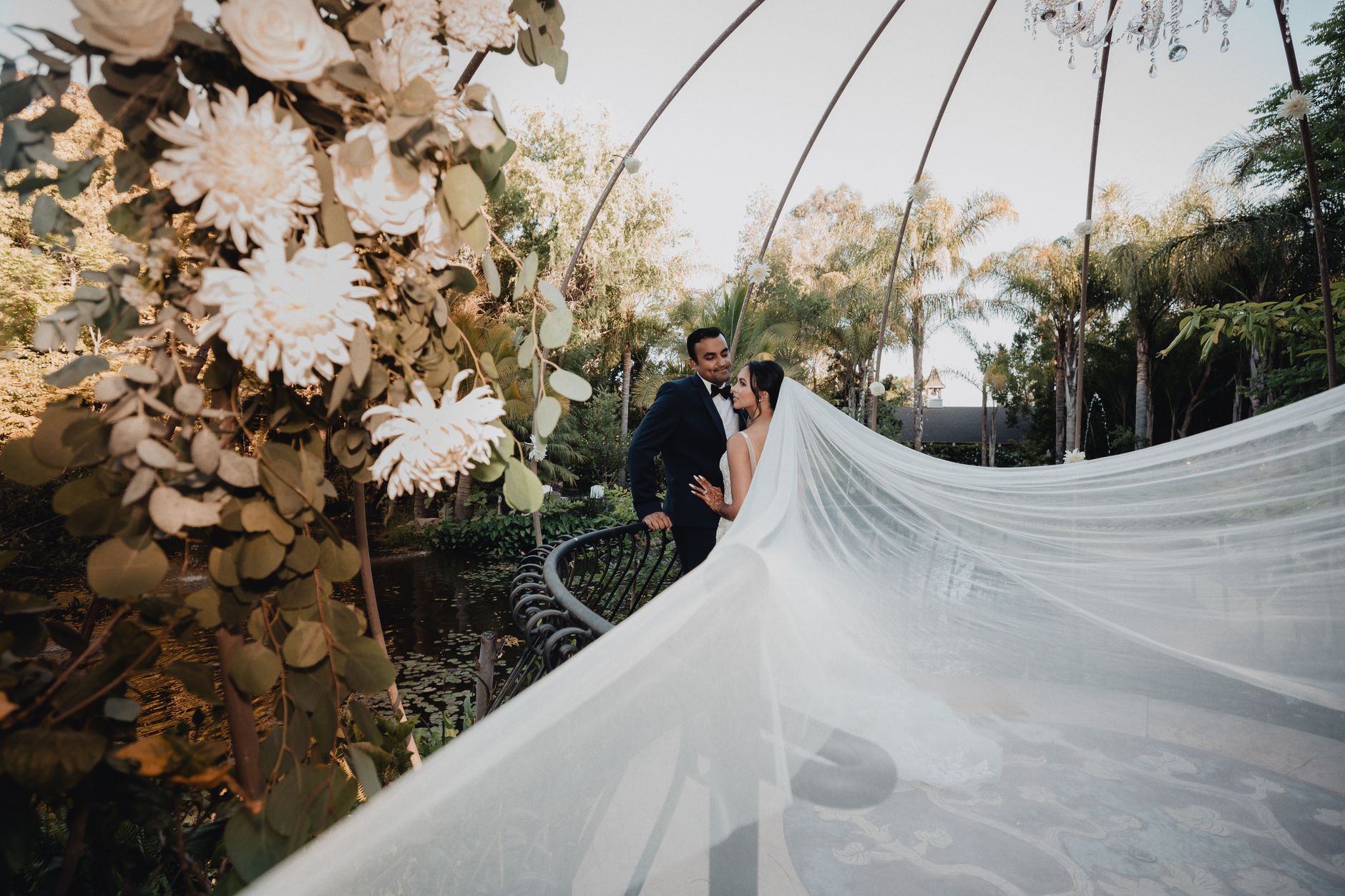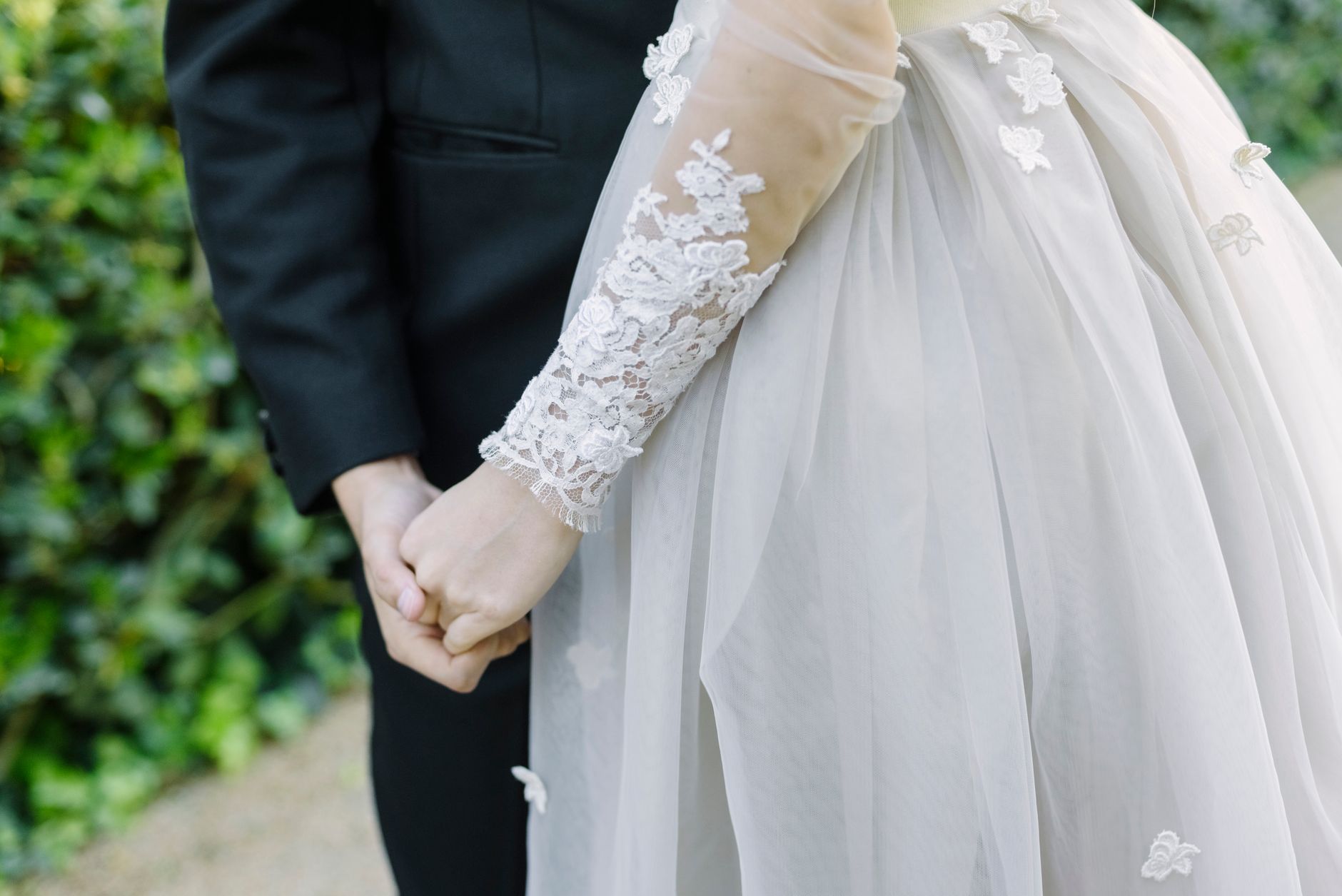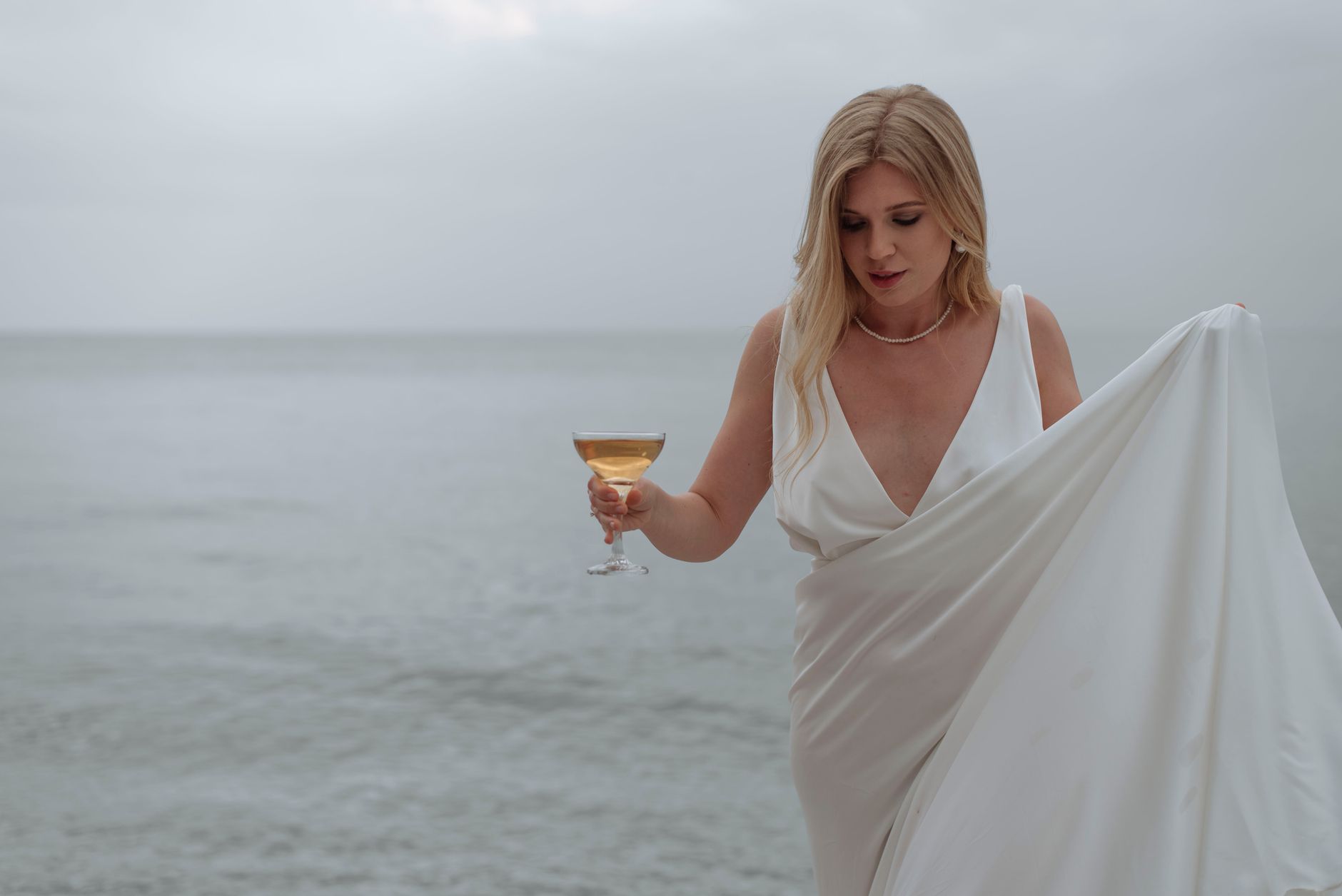
A wedding film at Terranea Resort is shaped by two constants: the Pacific light that moves across the ceremony lawn between 4 and 6 PM, and the wind that arrives an hour before sunset. The 102-acre resort sits on the southern tip of the Palos Verdes Peninsula, where the Pacific spreads west without interruption and the horizon line becomes the single most important compositional element in the frame. A 2-shooter video team covering a full-day wedding at Terranea typically plans for 10 hours of coverage — ceremony on the Ocean Lawn, cocktail hour on the Mar Vista Terrace, and reception in the Ocean View Ballroom — because the light moves fast and the ceremony window is narrow.
The couples who book Terranea tend to be coastal classic or editorial black-tie — drawn to the property not for drama but for restraint, for the way the architecture steps back and lets the ocean do the work. The ceremony lawn faces due west. The officiant stands with their back to the water. The aisle runs 60 feet from the courtyard gate to the altar, and the videographer's wide shot is framed by the lawn, the cliff edge, and the open Pacific. That shot is why couples choose Terranea over an inland garden or a hotel ballroom, and it is the first frame the wedding film needs to establish.
Why Terranea Films Differently Than an Inland Venue
Photo by NUDE Nahum on Pexels
Terranea Resort does not offer the oak canopy of Calamigos Ranch or the Mediterranean terraces of San Ysidro Ranch. What it offers is unobstructed ocean and a ceremony lawn positioned to catch the last two hours of golden light before the sun drops into the Pacific. A wedding videographer arriving at Terranea for the first time will notice three things immediately: the wind picks up after 5 PM, the horizon line is completely flat, and there is no tree cover to soften midday sun.
This changes the coverage plan. Ceremony start times at Terranea cluster between 4 and 5 PM — late enough to avoid harsh overhead light, early enough to finish vows before the wind makes lapel mics unusable. The wedding film relies on wide establishing shots that show the full sweep of the lawn and the Pacific beyond, and on tight close-ups during the vows when the wind begins to interfere with ambient audio. The videographer uses two wireless lavs — one on the officiant, one on the groom — and positions the second shooter at the cliff edge to capture the couple's silhouette against the water during the recessional.
The Ocean Lawn accommodates 250 guests in rows of white garden chairs. The aisle is bordered by low floral installations that do not block the sightline to the water. The couple exchanges vows facing each other, framed by the officiant and the horizon. The first look typically happens 90 minutes before the ceremony on the Chapel Lawn or near the spa courtyard — quieter locations where the videographer can work without guest foot traffic. These scenes are lit by open sky, no dappled shade, so exposure needs to be managed carefully to avoid blown highlights in the bride's dress.
The Ocean Terrace Cocktail Hour and How It Shapes the Edit

Photo by Oliver Schröder on Pexels
After the ceremony, guests move to the Mar Vista Terrace for cocktail hour while the couple takes portraits. The terrace overlooks the Pacific and is bordered by fire pits and low stone walls. This is where the wedding film captures what happens between the public ceremony and the private reception — the moment when the couple walks from the lawn to the terrace and sees their guests for the first time as a married couple, the parent who stops them for an embrace before they reach the crowd, the champagne toast that happens informally before the formal toasts inside.
A full ceremony coverage package at Terranea includes 60 minutes of continuous footage from processional to recessional, plus 30 minutes of cocktail-hour coverage. The videographer follows the couple during golden-hour portraits along the cliffside path, then returns to the terrace to film guest reactions and candid moments. The second shooter remains on the terrace to capture wide shots of the crowd against the Pacific as the sun begins to set.
The light during cocktail hour is softer and warmer than during the ceremony — the sun is lower, the shadows are longer, and the ocean reflects gold and orange tones that do not appear earlier in the day. This is the footage that becomes the bridge sequence in the wedding film, the 90-second montage that moves the narrative from ceremony to reception. The edit uses slow motion, minimal music, and tight close-ups of hands holding champagne glasses, the bride's dress moving in the wind, and the couple's silhouette against the Pacific.
Reception Coverage in the Ocean View Ballroom
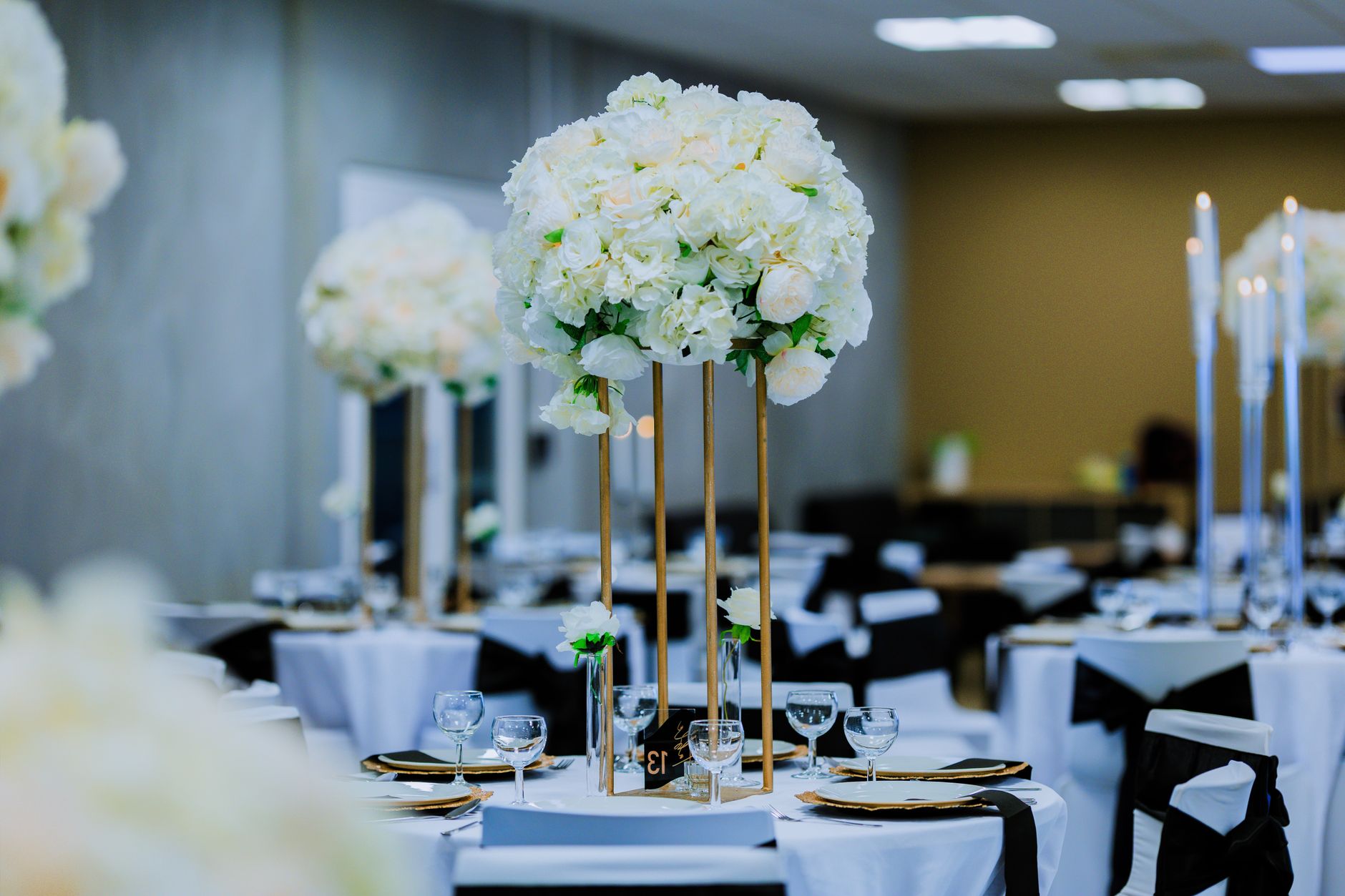
Photo by Kime Freedom on Pexels
The Ocean View Ballroom is a 7,000-square-foot space with floor-to-ceiling windows facing the ocean. The room is lit by chandeliers and uplighting, and the dance floor is positioned at the center with the head table along the window wall. A wedding videographer filming a reception at Terranea works in a space that is brighter and more open than a traditional ballroom — the windows allow ambient light to fill the room even after sunset, and the white walls reflect the uplighting without creating harsh shadows.
The first dance happens approximately 90 minutes into the reception, after dinner service and the formal toasts. The videographer films from three positions: a wide shot from the back of the room that shows the full dance floor and the ocean beyond the windows, a medium shot from the side that captures the couple's faces, and a close-up from the front that isolates the couple's hands and movement. The second shooter covers the parent dances and the crowd reactions during the toasts.
The ballroom acoustics are excellent — the ceiling is high, the walls are draped, and the sound system is professional-grade. This makes audio capture straightforward compared to outdoor receptions where wind and ambient noise interfere with lapel mics and recorded toasts. The wedding film uses direct audio from the toasts — no voiceover, no music overlay — because the room allows clean recording without post-production noise reduction.
Terranea's catering and event team coordinates closely with the videographer during the reception. The ballroom has a small alcove near the entrance where the video team can stage equipment and review footage between coverage moments. The team does not move through the guest tables during dinner service — all movement happens during transitions, and the wide shots are captured from fixed positions along the perimeter.
Coordination with the Photography Team and Planner
Photo by Joel Santos on Pexels
A wedding at Terranea typically involves a photo + video combined package, with 2 shooters covering video and 2 covering editorial photography. The photography team prioritizes portraits during golden hour along the cliffside path and on the Chapel Lawn, while the video team captures the cocktail-hour scene on the Mar Vista Terrace. The two teams coordinate through the wedding planner to ensure the couple is not pulled in opposite directions during the 60-minute window between ceremony and reception.
The planner builds the timeline with the understanding that the ceremony must finish before 6 PM to allow time for portraits in good light. A typical Terranea wedding timeline looks like this: 4 PM ceremony start, 4:30 PM recessional, 4:30–5:30 PM portraits and cocktail hour, 6 PM reception entrance, 6:15 PM first dance. The videographer's coverage begins at 2 PM with getting-ready scenes in the bridal suite and continues through the last dance at 10 PM — 8 hours of on-site coverage, which fits within the standard 10-hour full-day package when travel time is included.
The coordination between photo and video is most critical during the first look and the recessional. The first look happens in a location chosen for both still and motion — typically the Chapel Lawn or a quiet corner of the property where the background is clean and the light is even. The videographer films from a distance with a telephoto lens to avoid appearing in the photographer's frame, and the photographer waits for the videographer to capture the approach and the initial reaction before stepping in for close-up stills.
During the recessional, the second video shooter is positioned at the end of the aisle to capture the couple walking toward the camera with the ocean behind them. The photographer shoots from the side to avoid blocking the videographer's wide shot. This requires advance planning — the planner briefs both teams during the day-of timeline review, and the teams confirm positions 10 minutes before the ceremony begins.
What the Edit Delivers and When
The wedding film at Terranea Resort is delivered in two formats: a 3–5 minute highlight reel that includes the ceremony vows, the first dance, and key emotional moments, and a 20–30 minute full ceremony coverage edit that includes the processional, readings, vows, ring exchange, and recessional in their entirety. The highlight reel is delivered 8 weeks after the wedding date, and the full ceremony coverage follows 12 weeks after. Both edits are delivered as high-resolution MP4 files via secure download link, with an optional USB drive shipped at no additional cost.
The highlight reel opens with an aerial establishing shot of the property (filmed with a drone during the cocktail hour, weather permitting) and moves into the getting-ready scenes, the first look, the ceremony, and the reception. The edit uses a single music track — instrumental, minimal, chosen to complement the pacing of the footage rather than dictate it. The vows are included in full, with direct audio from the lapel mics and no music underneath. The final sequence is the couple's exit or the last dance, depending on which moment carried more emotional weight on the day.
The full ceremony coverage edit is a single uninterrupted sequence from the moment the first guest is seated to the moment the couple walks back up the aisle. The videographer uses three camera angles — wide shot from the back, medium shot from the side, close-up on the couple — and the editor switches between them to hold visual interest while preserving the integrity of the ceremony. The audio is a mix of the officiant's lapel mic, the couple's vows, and ambient sound from the guests. There is no music during the ceremony itself, only during the processional and recessional.
Raw footage is not included in the standard package. Couples who want access to the full 8–10 hours of unedited material can request it for an additional fee, delivered as a hard drive within 4 weeks of the wedding date. Most couples do not request raw footage — the highlight reel and full ceremony coverage provide the narrative structure and emotional arc they want to revisit.
Best Ceremony Time for Light and Why the Backup Plan Matters
The best ceremony time at Terranea Resort is 4 PM. Earlier than that and the light is too harsh, the shadows too short, the contrast too high. Later than 5 PM and the wind becomes a problem for audio and for the couple's comfort during a 30-minute ceremony. The sun sets over the Pacific around 6:30 PM in summer and 5 PM in winter, so the 4 PM start allows the ceremony to finish in full daylight with 60–90 minutes remaining for golden-hour portraits.
The backup plan at Terranea is the Ocean View Ballroom. If wind speeds exceed 20 mph or if rain is forecast, the ceremony moves indoors. The ballroom can be set with an aisle and chairs to replicate the outdoor layout, and the floor-to-ceiling windows preserve the ocean view. The videographer's coverage plan does not change significantly — the wide shot now includes the windows and the room instead of the open lawn, and the audio is cleaner without wind interference. The emotional impact is different — an indoor ceremony feels more formal, more contained — but the film remains cinematic.
Most couples prefer to take the risk and plan for the outdoor ceremony, with the ballroom as a weather backup confirmed no later than 24 hours before the wedding. Terranea's event team monitors wind and weather closely and advises the planner by 10 AM on the wedding day. The videographer is prepared for either scenario — lapel mics, shotgun mics, and wireless transmitters work in both environments, and the lighting plan adjusts based on the final ceremony location.
Couples Who Choose Terranea and What They Ask For
The couples who book a wedding film at Terranea Resort tend to value restraint over spectacle. They are drawn to the property's coastal setting but are not looking for dramatic cliffside imagery or heavily stylized edits. They want the wedding film to look like their wedding looked — clear, well-lit, emotionally present, and not over-edited. This is the editorial black-tie or coastal classic couple, often planning a guest count between 100 and 200, often working with a planner who has relationships with the property and the preferred vendor list.
They ask three questions consistently: Can the ceremony happen at 4 PM? What is the backup plan if it's too windy? How long until we receive the full ceremony footage? The answers are yes, the ballroom, and 12 weeks. They also ask about drone footage (yes, weather permitting, included in the full-day package), about whether the videographer has worked at Terranea before (yes, multiple times), and about whether they need to book photo and video together (not required, but recommended for timeline coordination).
These couples typically book 12–18 months in advance. They are looking at Terranea alongside Montage Laguna Beach, Resort at Pelican Hill, and Bel-Air Bay Club — all coastal properties with strong ocean views and established vendor relationships. They choose Terranea when they want the Pacific setting without the formal resort feeling of Pelican Hill or the hillside isolation of Bel-Air Bay Club.
Begin a Conversation About Your Terranea Wedding
If you are planning a wedding at Terranea Resort and want to see how the property films — how the Ocean Lawn looks at 4 PM, how the ballroom works as a reception space, how the cliffside path frames portraits during golden hour — reach out. We work closely with the property's event team and with the planners who know the venue well, and we build the coverage plan around the timeline and the light specific to your day.