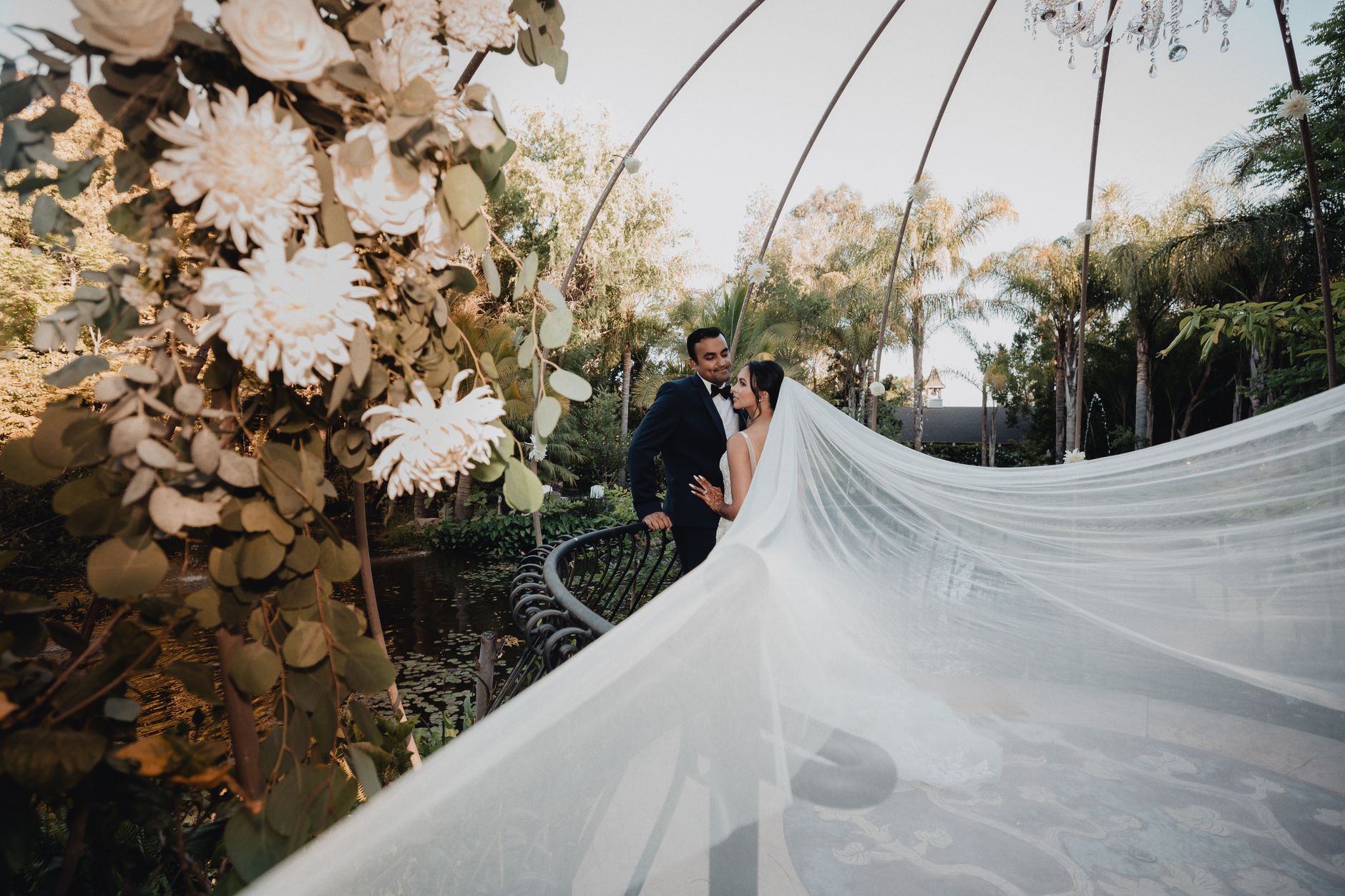
A wedding videographer at Resort at Pelican Hill captures the ocean terrace ceremony, the rotunda vows exchange, and the villa courtyard portraits across 10 hours of full-day documentary coverage. The property sits on 504 acres of coastal Newport Coast terrain designed to evoke an Italian village, and the wedding film must account for the scale — ceremony on the Pacific-view terrace, cocktail hour in the colonnades, reception under the Andrea Palladio–inspired rotunda, and the quiet portrait window between events when the couple walks the olive-grove pathways alone.
Pelican Hill weddings typically require a 2-shooter video team to cover the separated ceremony and reception spaces without missing transitions. The resort's Tuscan Revival architecture — ochre stucco, terra-cotta rooflines, arched loggias — films in warm midtones that flatten in direct noon sun but glow in the hour before sunset. Couples who book the ocean lawn for a 5 PM ceremony receive better natural light for the wedding film than those who reserve the rotunda for a 3 PM start, though the rotunda's coffered dome and central oculus create dramatic overhead light for vows coverage regardless of season.
Why Pelican Hill Films Differently Than a Ballroom Venue
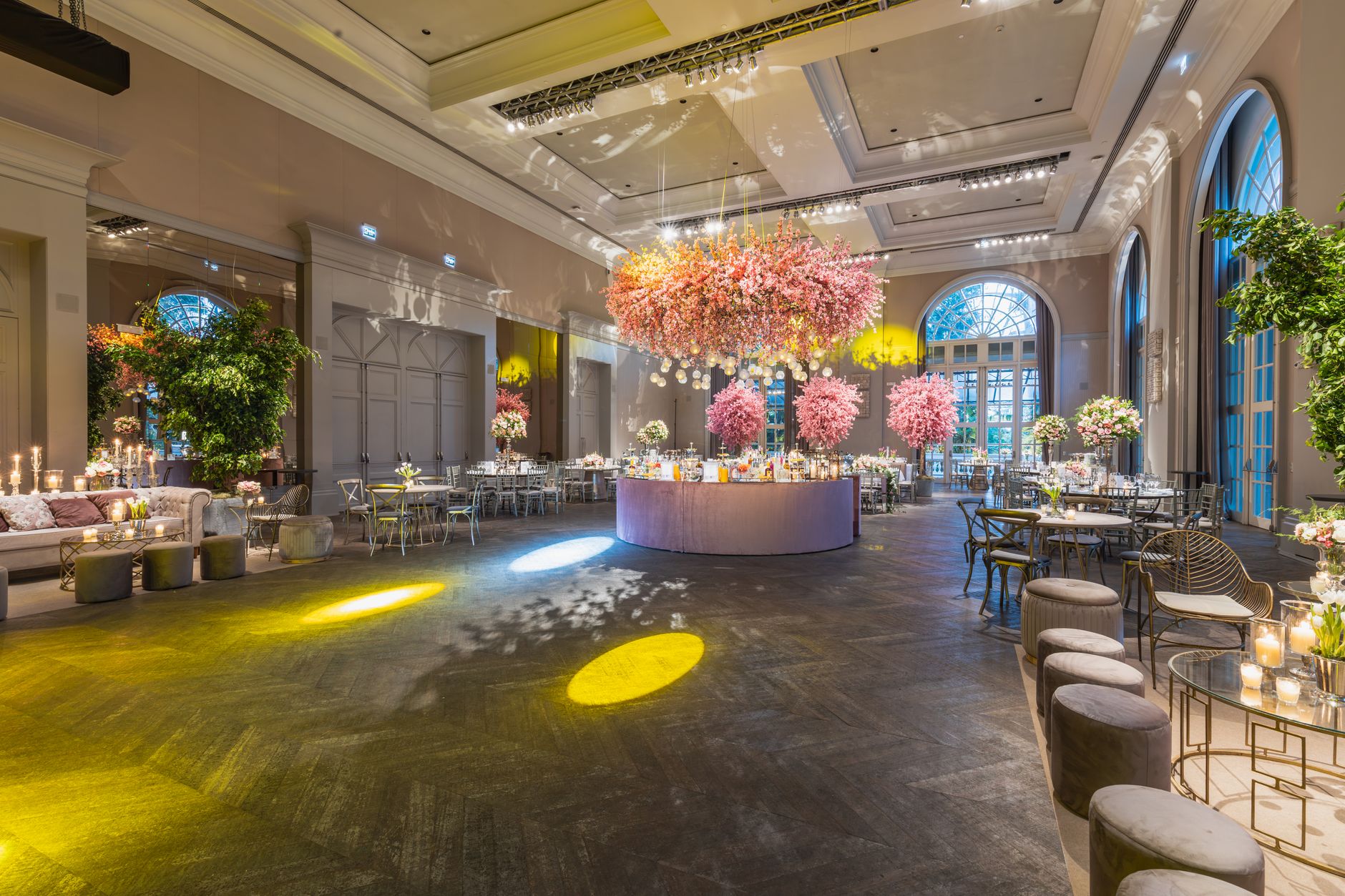
Photo by Matheus Bertelli on Pexels
Resort at Pelican Hill operates as a series of connected outdoor and semi-outdoor scenes rather than a single ballroom envelope. The wedding videographer's shot list includes the bride's villa suite during preparation (marble bath, private terrace, ocean view), the groom's separate villa across the property, the ceremony terrace with the Pacific horizon line, the cocktail-hour colonnade, the reception rotunda, and the after-dark fire-pit gathering area. A videographer unfamiliar with the property's 1.5-mile internal radius will underestimate drive time between the bride and groom suites and arrive late to the first look on the main lawn.
The property enforces a preferred-vendor policy for all wedding services. LifeStory.Film maintains Resort at Pelican Hill preferred status, which grants access to the service elevators, villa loading zones, and early setup windows that external vendors cannot secure. Couples who hire a non-preferred videographer face restricted access hours and forfeit the ability to shoot preparation coverage in the bridal villa before 1 PM, which eliminates the morning-light window that makes those scenes cinematic rather than serviceable.
The wedding film also benefits from multi-venue flexibility within one property. Couples can move from the ocean terrace ceremony to the Andrea rotunda reception without a venue-change transition, and the videographer captures both environments in a single continuous edit. Compare that structure to a ceremony at Bel-Air Bay Club followed by a reception at a separate estate — the latter requires two location scouts, two lighting plans, and a transportation buffer that reduces portrait coverage time by 45 minutes.
Coverage Requirements for a Full-Day Pelican Hill Wedding
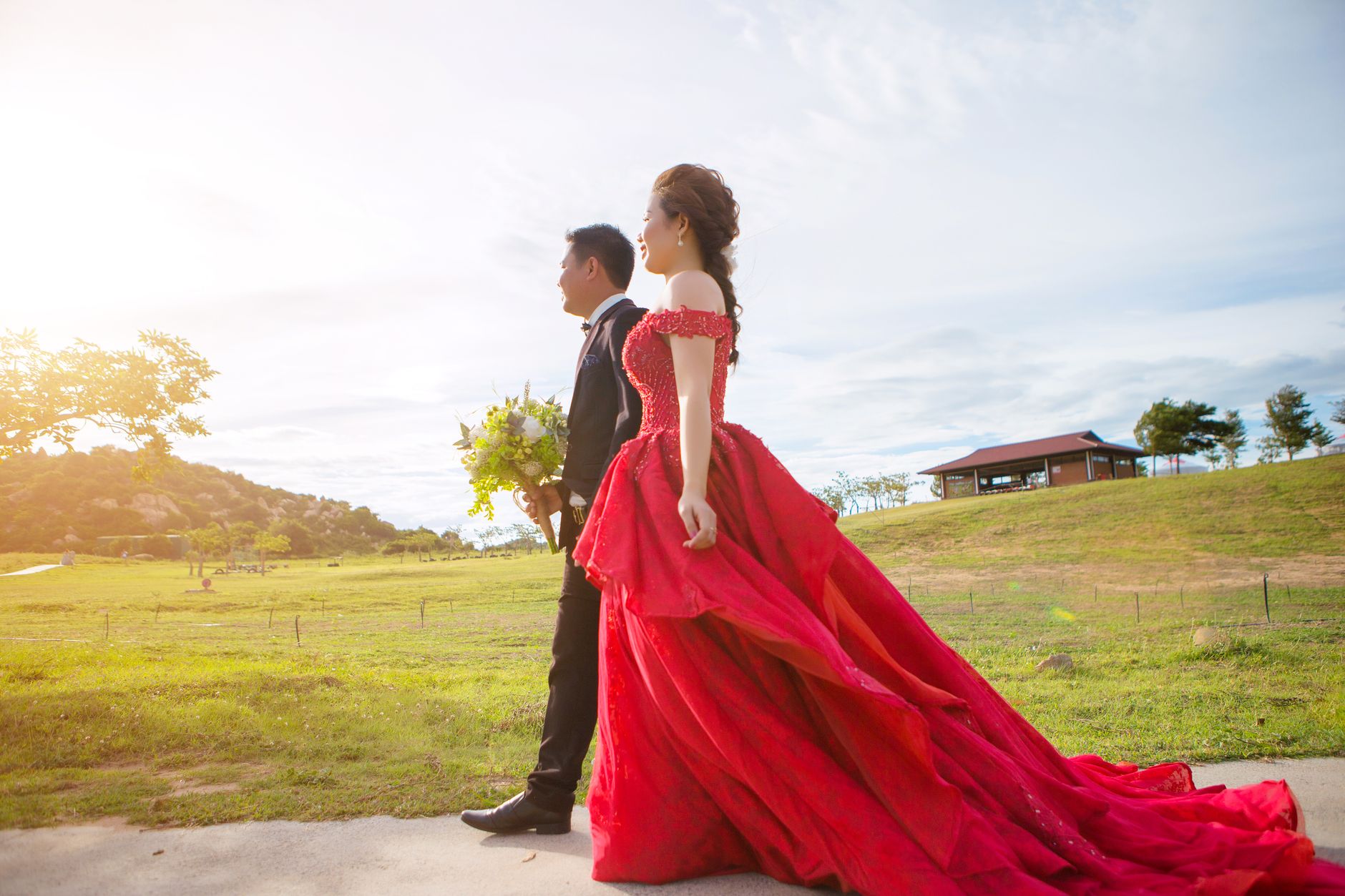
Photo by Đình Luật on Pexels
A 10-hour wedding film package at Resort at Pelican Hill typically begins at 11 AM during bridal preparation and extends through 9 PM after the first dance and cake cutting. The timeline accommodates:
- Preparation coverage in separated villas (11 AM – 1 PM): bride in one villa, groom in another, both requiring individual shooter attention. Hair, makeup final touches, dress, vow reading, parent first look.
- First look on the main lawn or olive grove (1:30 PM): the videographer selects the location based on shade and background — the olive grove provides dappled light and privacy; the main lawn offers ocean context but requires a sun-position check.
- Ceremony on the ocean terrace (4 PM or 5 PM preferred): processional down the stone aisle, vows under open sky, Pacific horizon in every wide frame. The videographer positions one camera at the altar for reaction shots and one at the aisle midpoint for processional sequences.
- Cocktail hour in the colonnade (5 PM – 6 PM): guests circulate under the arched walkways while the couple completes formal family portraits. The videographer captures 8–10 minutes of candid guest interaction and toasts before transitioning to reception setup.
- Reception under the rotunda (6 PM – 9 PM): first dance on the marble floor under the dome, parent dances, toasts, cake cutting. The rotunda's acoustic properties amplify spoken-word audio, so the videographer uses directional microphones rather than omni lavs to isolate vows and speeches from ambient echo.
- Sunset portrait session (timing varies by season): if the ceremony occurs before sunset, the videographer schedules a 12-minute couple portrait break during cocktail hour to capture the golden-hour coastline. If the ceremony occurs at sunset, portraits happen immediately after recessional before guest transition.
The wedding film edit integrates all six sequences into a 12- to 18-minute cinematic narrative, with full ceremony vows delivered as a separate 22-minute film for parents and out-of-town guests who want the complete liturgical sequence.
Documentary vs Cinematic Wedding Films at Pelican Hill
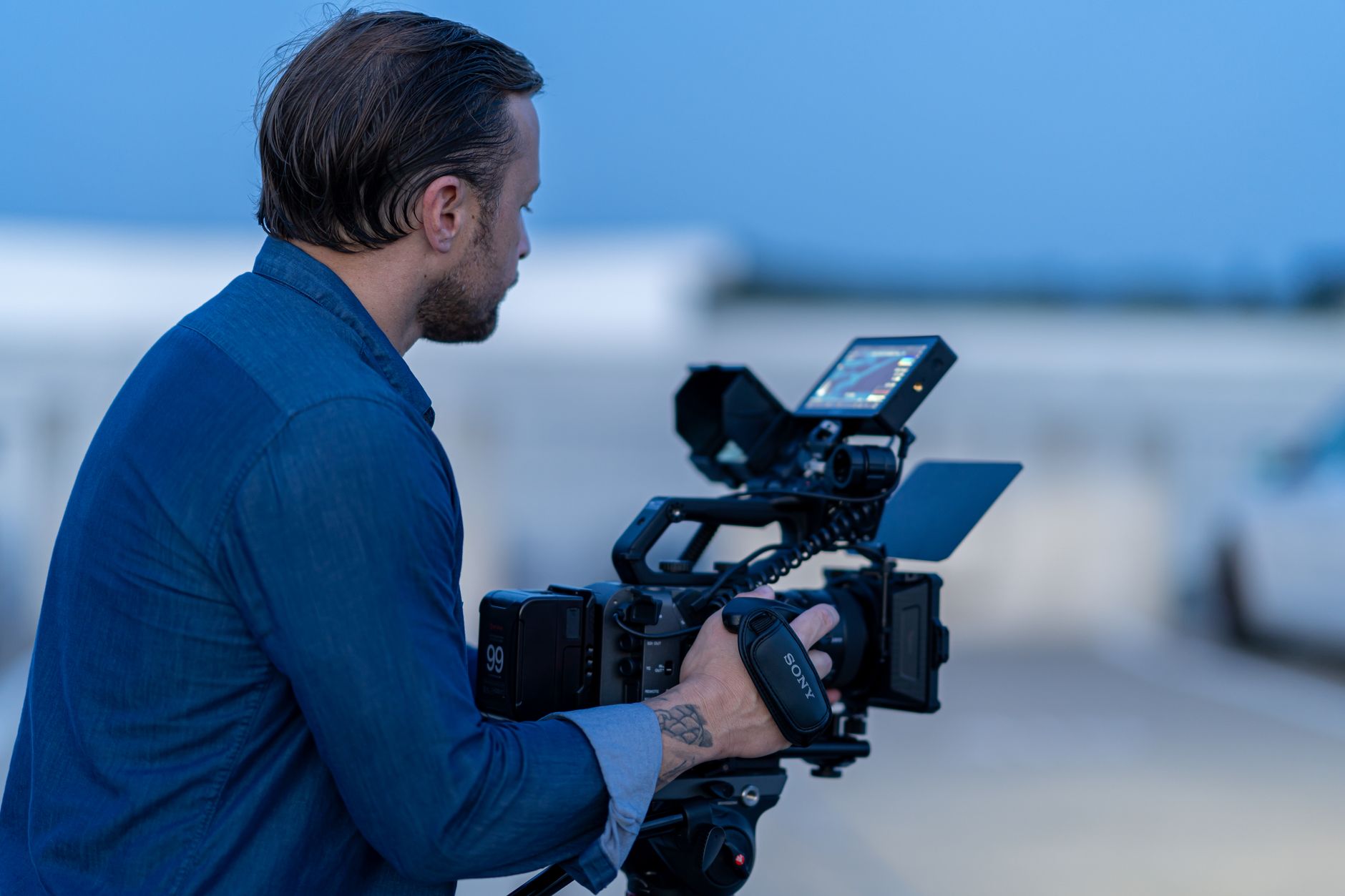
Photo by Vladimir Kalugin on Pexels
Couples booking Resort at Pelican Hill weddings generally request cinematic wedding film treatment rather than documentary-only coverage. The distinction matters in post-production editing style, shot composition during the day, and final deliverable length.
Documentary wedding film captures events in chronological order with minimal editing intervention — the ceremony runs in real time, toasts appear uncut, dances play in full. The videographer shoots wide establishing frames, medium two-shots, and close-ups of hands and faces, then assembles the footage as a linear 45- to 90-minute film. Couples who want a complete record of the day — every reading, every speech, every song — choose this approach, and the final film serves as an archival document for family members who could not attend.
Cinematic wedding film condenses the day into a 12- to 18-minute narrative arc built around emotional peaks — vows, first look reaction, parent dances, golden-hour portraits. The videographer shoots the same scenes but prioritizes movement (dolly, gimbal, slider), shallow depth of field, and non-chronological editing. Music drives pacing rather than real-time event duration. The final edit feels closer to a short film than a ceremony recording, and couples screen it at anniversary gatherings or share it on private Vimeo links rather than archiving it unwatched.
At Resort at Pelican Hill, the cinematic approach matches the property's editorial positioning. The Tuscan Revival architecture, the Pacific backdrop, and the olive-grove pathways all support composed wide frames and slow camera movement that would feel over-produced at a casual backyard wedding but read as appropriate scale at a resort designed to evoke Italian villas. Couples who invest in the venue expect the wedding film to reflect that investment, and a documentary-only edit — while comprehensive — does not deliver the visual return that the property's aesthetic invites.
LifeStory.Film offers a photo + video combined package that pairs cinematic wedding film with editorial photography coverage. Both shooters coordinate lighting setups, share portrait-session timelines, and deliver cohesive visual treatments across stills and motion. The combined package eliminates the coordination friction that arises when a couple hires separate photo and video vendors who have never worked together and do not share a shot list.
Pelican Hill Ceremony Timing and Light Conditions
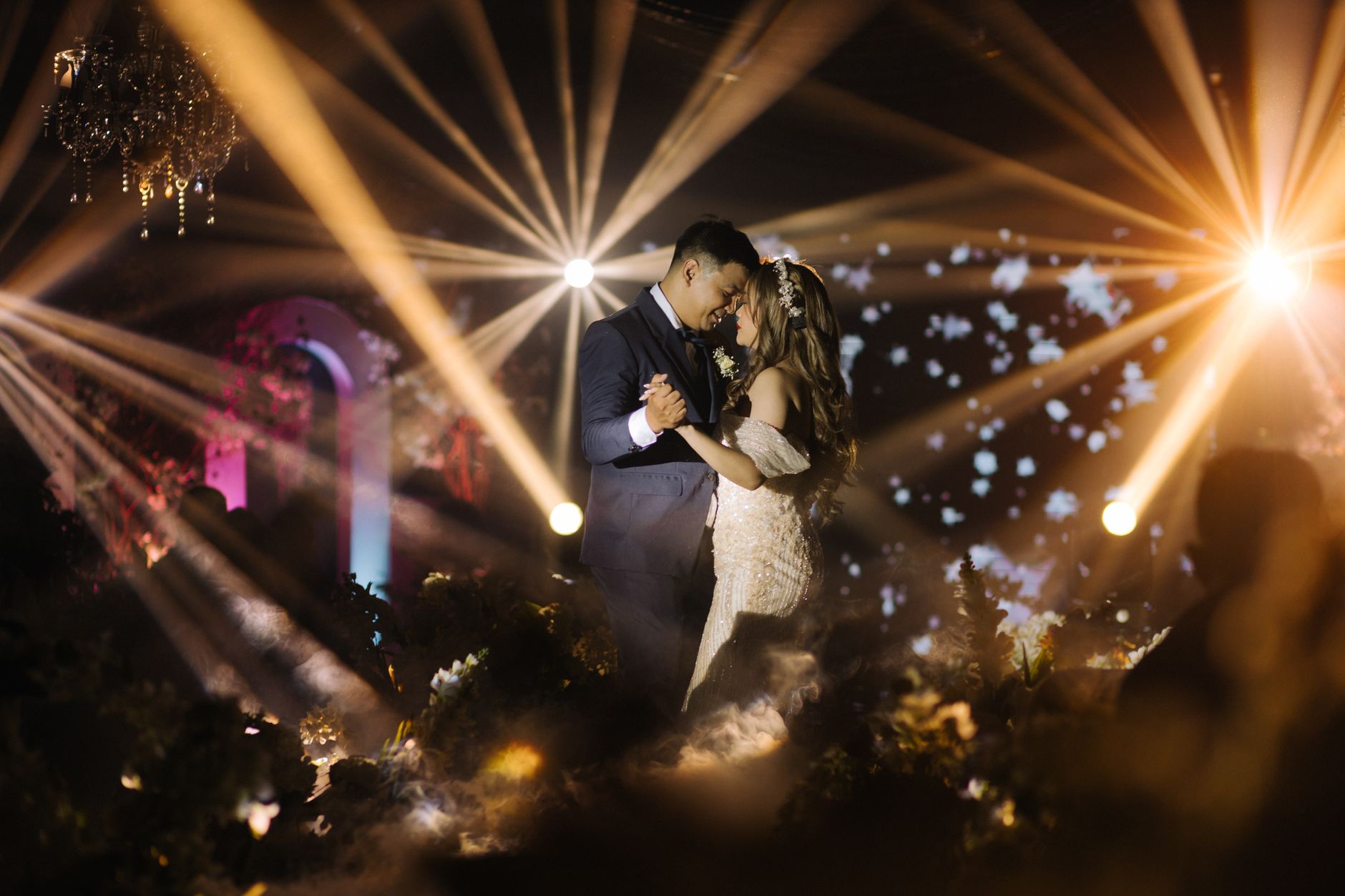
Photo by Charlou Mark Sangoan on Pexels
The ocean terrace ceremony at Resort at Pelican Hill faces west-southwest, which places the sun directly behind the altar during a 4 PM or 5 PM start in June through August. The videographer must account for severe backlight that silhouettes the couple during vows unless a reflector or fill light compensates. Ceremonies scheduled for 5:30 PM or later benefit from softer side light as the sun drops toward the horizon, but late starts compress the cocktail-hour and reception timeline.
Winter weddings (November through February) receive different light altogether. The sun sets by 5 PM, so a 4 PM ceremony occurs in full daylight with no golden-hour carryover into portraits. Couples who want sunset film coverage in winter months must schedule the ceremony for 3:30 PM and accept cooler color temperature in the processional frames.
The rotunda provides an all-season alternative. The domed ceiling and central oculus allow overhead natural light to illuminate vows without direct sun in the frame, and the marble floor reflects that light upward to soften face shadows. A videographer filming a rotunda ceremony can shoot at f/2.8 without fill and still achieve even exposure on both the bride and groom, whereas the ocean terrace in midday sun requires f/5.6 and a polarizer to control contrast.
Couples who prioritize wedding film aesthetics over guest comfort typically choose the ocean terrace at 5 PM in May, June, September, or October — months when the sun sets between 6:30 PM and 7:45 PM and the temperature stays above 65°F during cocktail hour. Those who prioritize schedule flexibility and weather insurance choose the rotunda and accept that the background will not include the coastline.
Photo-Video Coordination at a Multi-Scene Property
Resort at Pelican Hill's 504-acre layout introduces coordination challenges that do not arise at single-room ballroom venues. The bridal villa, groom's villa, ceremony terrace, and reception rotunda sit 0.3 to 0.8 miles apart, connected by winding pathways and internal resort roads. A wedding videographer and wedding photographer working independently will duplicate coverage, conflict over portrait-session positioning, and waste the couple's limited transition windows on redundant setups.
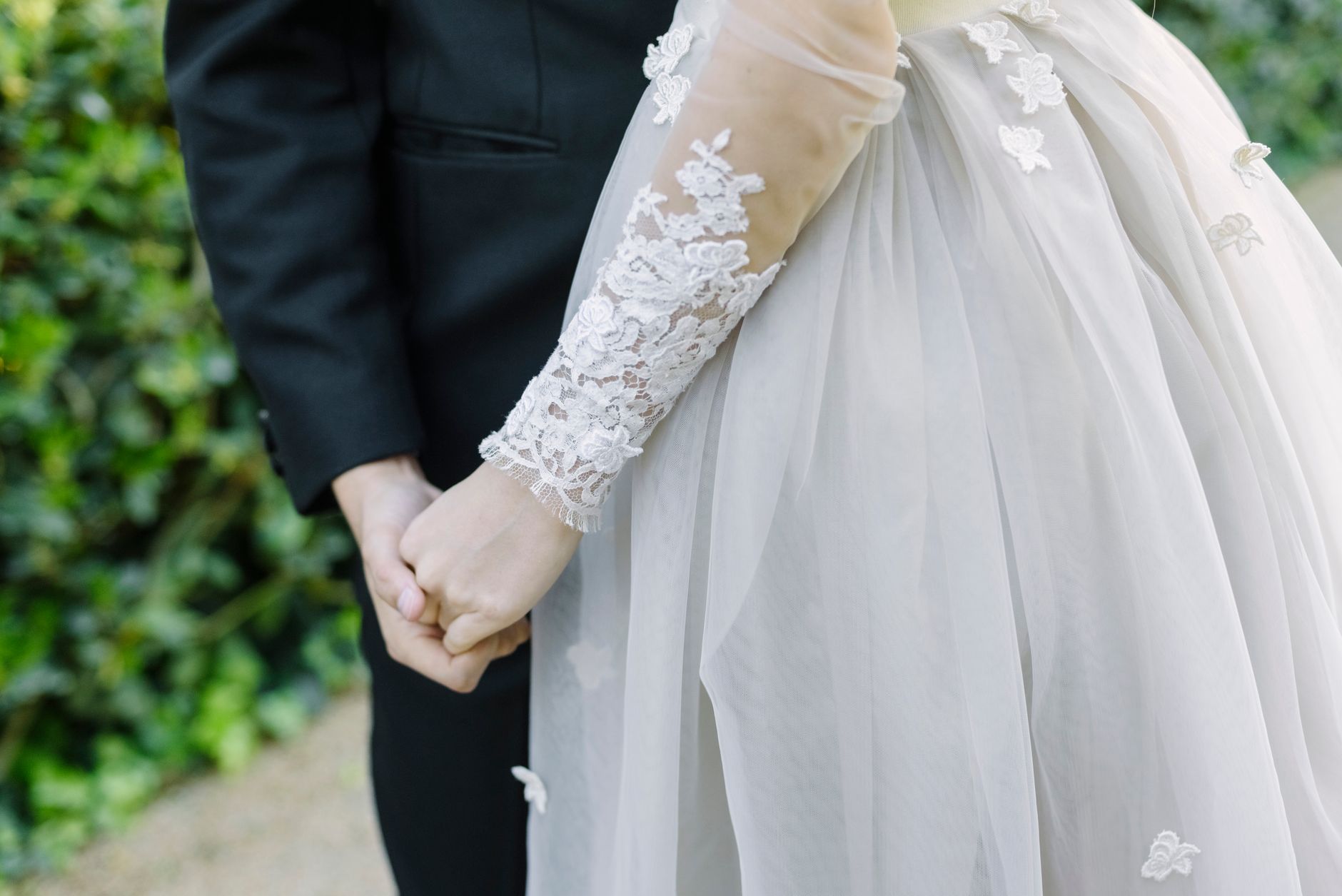
The photo + video combined package solves this by assigning one lead creative director to both the photo and video teams. The director scouts the property two weeks before the wedding, maps sun position at ceremony time, pre-selects three portrait locations (typically the olive grove, the main lawn, and the colonnade), and sequences the timeline so the couple spends no more than 12 minutes at any one location. The video team shoots movement-based sequences (walking toward camera, veil adjustments, hand-holding) while the photo team captures still compositions, and both teams share the same 12-minute window rather than requesting separate 20-minute portrait blocks that delay cocktail hour.
Coordination also extends to audio. The videographer places wireless lapel microphones on the officiant and groom 20 minutes before the ceremony, but the photographer's shutter noise during vows can introduce clicks into the audio track if both shooters position themselves within 10 feet of the altar. The combined package assigns the photographer to the aisle-midpoint angle during vows and reserves the altar-adjacent position for the videographer's primary camera, which eliminates audio contamination and produces cleaner ceremony dialogue for the final wedding film edit.
When to Book a Pelican Hill Videographer
Resort at Pelican Hill wedding dates book 12 to 18 months in advance, and preferred videographers operate on similar lead times. Couples who secure the venue should book the wedding film team within 30 days to ensure availability, especially for May, June, September, and October Saturdays when both the resort and the vendor calendar fill earliest.
LifeStory.Film requires a signed contract and a 30% deposit to reserve a wedding date. The remaining balance splits into two payments — 40% due 90 days before the wedding and 30% due 14 days before. Booking early also unlocks access to pre-wedding services: the engagement film and save-the-date film both shoot on location at Resort at Pelican Hill (or another Southern California venue) and give the couple a preview of the videographer's cinematic editing style before the wedding day.
Cancellations within 180 days of the wedding date forfeit the deposit, and cancellations within 90 days forfeit all payments made. Couples concerned about unforeseen schedule changes should consider event insurance that covers vendor deposits — Resort at Pelican Hill requires similar cancellation terms, so the wedding film contract mirrors the venue's risk structure.
What the Wedding Film Deliverable Includes
A full-day wedding film package at Resort at Pelican Hill delivers:
- Cinematic highlight reel (12–18 minutes): narrative edit of the entire day set to licensed music, delivered 10 to 14 weeks after the wedding date.
- Full ceremony coverage (20–30 minutes): uncut vows, readings, and recessional with natural audio, delivered alongside the highlight reel.
- Toasts and speeches (15–25 minutes): edited compilation of all reception speeches, delivered as a separate file for easy family sharing.
- Digital download and streaming: all films hosted on a private Vimeo showcase page with download links for archival storage.
- Raw footage policy: LifeStory.Film does not deliver raw unedited footage. The final films represent the complete deliverable.
Couples who want same-day edits (a 3- to 5-minute teaser reel screened at the reception or posted to social media the morning after) can add that service for an additional fee. Same-day edits require a dedicated third shooter and an on-site editor working in a resort suite during cocktail hour, so the add-on cost reflects the additional labor and equipment.
Turnaround time for the cinematic wedding film is 10 to 14 weeks. Couples who need the film sooner — for an anniversary party, a family gathering, or a film-festival submission — can request rush delivery (6 to 8 weeks) for an additional 20% editing fee. The rush option does not change the quality of the final edit; it reallocates editor availability within the post-production queue.
Begin a Conversation About Your Pelican Hill Wedding
Resort at Pelican Hill rewards the couples who treat it as a cinematic location rather than a ballroom backdrop. The ocean terrace, the rotunda, the olive groves, and the villa courtyards all offer scenes that belong in a wedding film built for rewatching, and the videographer's job is to recognize those scenes during the 10-hour coverage window and shape them into a 12-minute narrative that feels inevitable rather than assembled.
Reach out to discuss your wedding date, your ceremony timing, and how the wedding film can reflect the architecture and coastline that drew you to the property in the first place.