Wedding videography packages in California range from $3,959 to $14,299 or more, shaped by coverage hours, shooter count, edit scope, and venue logistics. A full-day wedding film at Calamigos Ranch with a 2-shooter video team and 10 hours of coverage typically sits around $7,500 to $10,000, while a multi-day destination wedding at San Ysidro Ranch with combined photo and video coverage can exceed $14,000. The price reflects three fixed costs — the number of hours a crew is on-site, the number of camera operators, and the edit deliverables — plus variable factors like travel distance, venue access complexity, and whether photography is bundled with the film.
Most couples booking luxury wedding videography in Southern California allocate $7,000 to $12,000 for film coverage alone, or $12,000 to $18,000 when they combine photo and video into a single package. The critical decision point is not "which package costs less" but "which coverage structure fits the wedding day we've planned" — because a 6-hour ceremony-and-reception package will not serve a couple hosting a multi-location day at Hotel Bel-Air and Bel-Air Bay Club, and a 12-hour full-day package will feel excessive for an intimate 40-guest garden ceremony at Ojai Valley Inn.
What Shapes the Cost of a Wedding Film Package
Photo by Alex Kad on Pexels
Three inputs determine the base price of any wedding videography package: coverage hours, shooter count, and deliverables. Coverage hours measure the window from arrival to departure — a 10-hour package might run from 1 PM (bridal prep) to 11 PM (last dance), while a 6-hour package covers ceremony through the first hour of reception. Shooter count describes how many camera operators are present simultaneously — a single-shooter setup captures one angle at a time, while a 2-shooter team can film the bride's arrival and the groom's reaction in parallel during the first look. Deliverables define what you receive 8 to 12 weeks after the wedding: a 4-to-6-minute highlight reel, a full ceremony edit, a toast-and-speech compilation, raw footage files, or a combination.
A baseline 6-hour, single-shooter package with a highlight reel typically starts around $3,959 to $5,500. A full-day 10-hour, 2-shooter package with highlight reel, full ceremony coverage, and toast edit sits in the $7,500 to $10,000 range. A multi-day package — rehearsal dinner film, wedding day coverage, and next-day brunch — with a 2-shooter video team and combined documentary photography can reach $12,000 to $14,299 or more, depending on the venue and travel logistics.
The fourth variable is venue. A wedding at Montage Laguna Beach or Resort at Pelican Hill involves parking restrictions, vendor load-in protocols, and site fees that add time to the crew's day even when coverage hours remain the same. A wedding at a private estate in Malibu or a vineyard ceremony at Triunfo Creek Vineyards may require the crew to arrive 90 minutes early for a site walk and lighting assessment. These logistical realities do not inflate the package arbitrarily — they reflect the hours a crew must allocate to deliver the same quality of coverage in a more complex environment.
Coverage Hours vs. Event Timeline — Why a 6-Hour Package Does Not Mean 6 Hours of Film
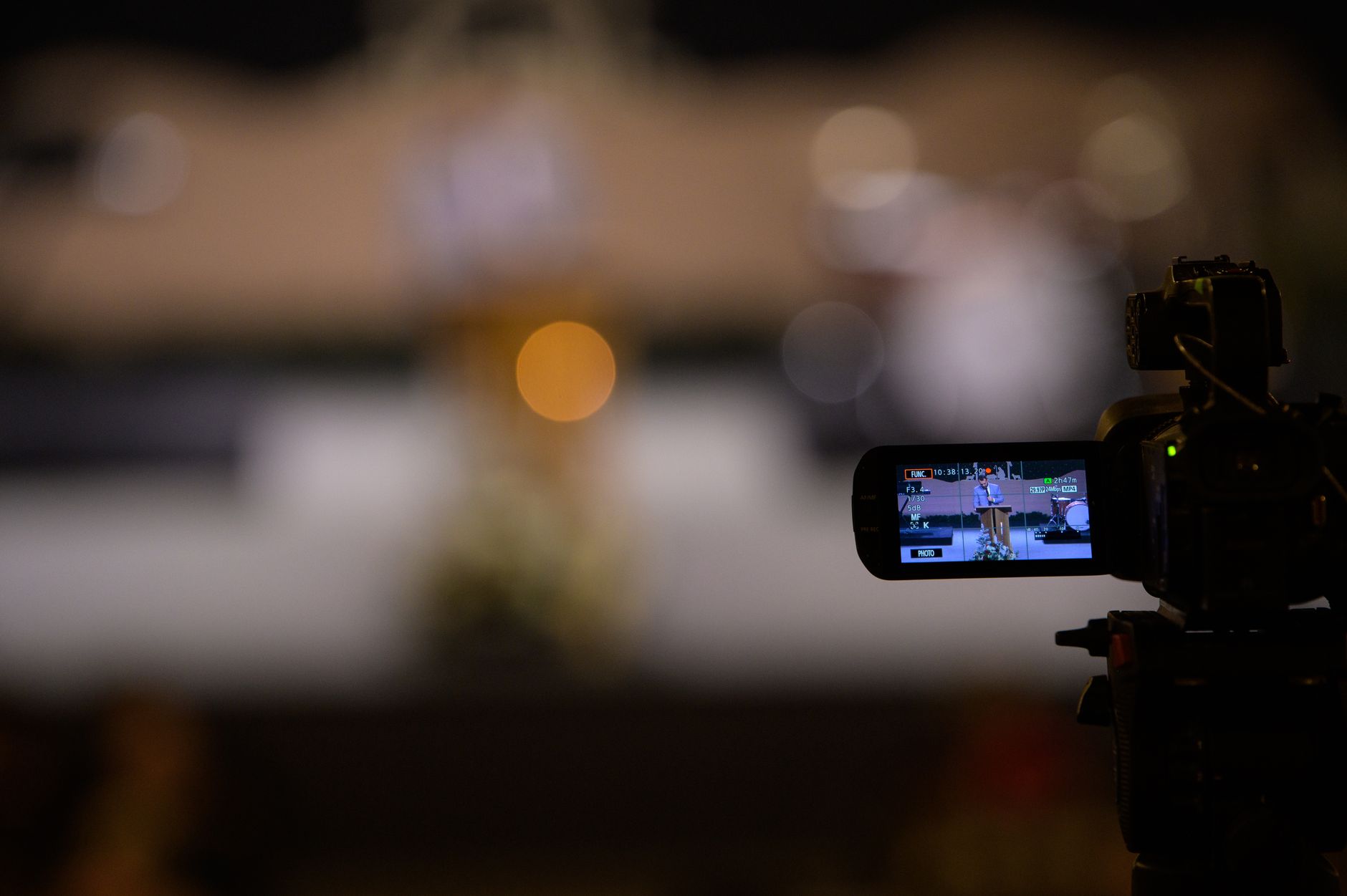
Photo by Brett Sayles on Pexels
Coverage hours describe the crew's presence, not the film's runtime. A 10-hour wedding videography package produces a 4-to-6-minute highlight reel and a 20-to-30-minute full ceremony edit, not 10 hours of finished film. The coverage window includes setup time, equipment positioning, lens changes, card transfers, and the inevitable 20-minute gap when the couple is in formal portraits and nothing is happening at the reception site. The finished film extracts the emotionally coherent moments — the vows, the first look, the parent dances, the last light on the terrace at San Ysidro Ranch — and compresses them into a narrative that can be watched, shared, and remembered.
A 6-hour package works for couples hosting a streamlined event: ceremony at 4 PM, cocktail hour at 5 PM, reception at 6 PM, last dance by 10 PM. It does not work for couples planning a full-day experience with morning prep at one location, ceremony at a second, and reception at a third. A 10-hour package accommodates the couple getting ready in separate suites at Hotel Bel-Air, a first look in the Stone Canyon garden at 3 PM, a ceremony at 5 PM, and a reception that runs until midnight. A 12-hour or multi-day package serves destination weddings where the rehearsal dinner, welcome party, wedding day, and farewell brunch are all part of the narrative.
The rule: if your event spans more than one location or includes pre-ceremony moments you want filmed (vow exchange before the public ceremony, private family prayers, a choreographed first-look reveal), you need a package with hours that match the timeline plus buffer. A crew that arrives at the contracted start time and departs at the contracted end time cannot capture moments that happen outside that window.
Single-Shooter vs. 2-Shooter Coverage — When You Need Two Cameras
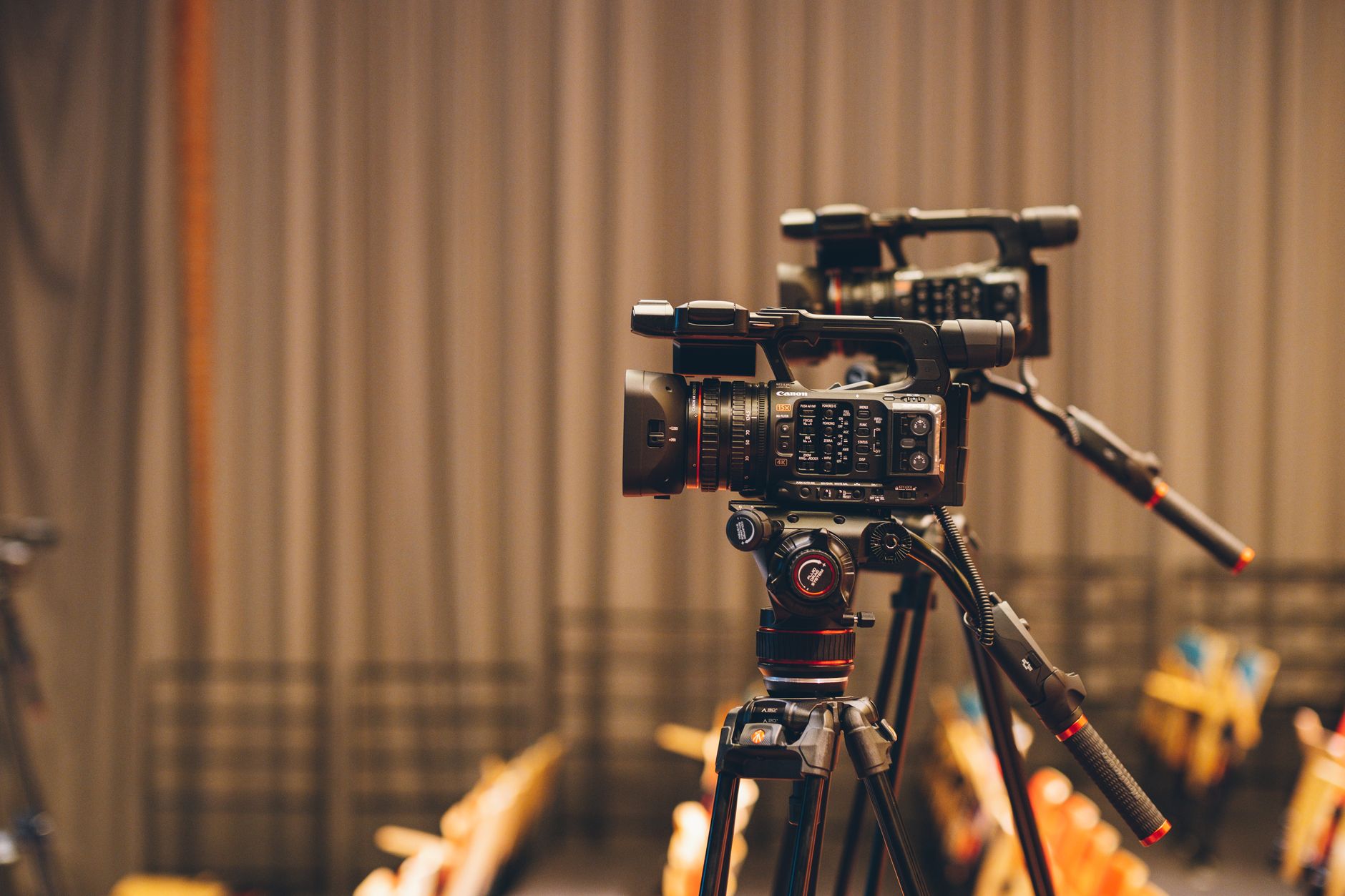
Photo by Barbaros Kaya on Pexels
A single-shooter wedding videography package means one camera operator, one angle at a time. During the ceremony, the shooter positions at the back of the aisle or side transept to capture both the couple and the officiant, but cannot simultaneously film the groom's face when the bride appears. During the first look, the shooter frames the couple together but cannot capture both faces in isolation. A single-shooter setup works for intimate weddings (under 50 guests), elopements, or couples prioritizing budget over comprehensive coverage.
A 2-shooter package means two camera operators working in tandem. During the ceremony, one shooter films wide from the aisle, the other captures close-ups of hands, rings, and expressions from the side. During the first look, one shooter frames the bride approaching, the other holds on the groom's reaction. During the reception, one shooter follows the couple onto the dance floor, the other captures guest reactions from the perimeter. A 2-shooter team is standard for weddings with 80+ guests, multi-location timelines, or venues with spatial complexity — the courtyard ceremony and ballroom reception at Beverly Hills Hotel, the clifftop ceremony and mosaic-bar reception at Montage Laguna Beach, the vineyard ceremony and barn reception at Saddlerock Ranch.
The cost difference between single-shooter and 2-shooter packages is not a markup — it is the cost of a second crew member for 10 hours, including their day rate, travel, meals, and liability insurance. Most luxury wedding videography packages in California default to 2-shooter coverage because the venues and timelines demand it.
Deliverables — Highlight Reel, Full Ceremony, Toasts, and Raw Footage
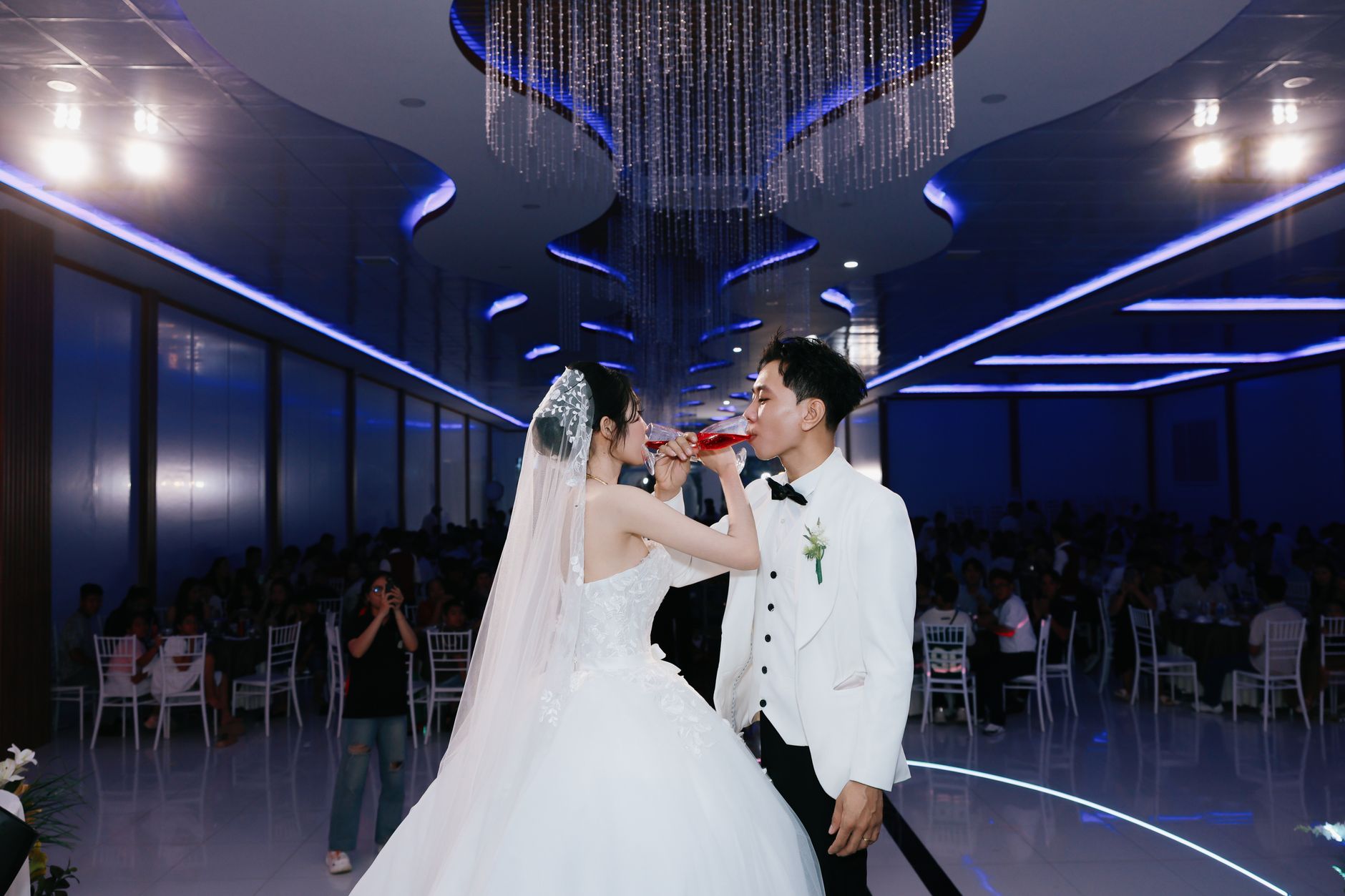
Photo by Studio Dreamview on Pexels
Wedding videography deliverables fall into four categories: the highlight reel, full ceremony coverage, ancillary edits (toasts, speeches, dances), and raw footage. The highlight reel is a 4-to-6-minute cinematic edit set to music, designed to be shared and rewatched. Full ceremony coverage is an uninterrupted edit of the processional, vows, rings, kiss, and recessional, typically 20 to 30 minutes. Ancillary edits include a toast compilation, parent dances, or a same-day edit screened at the reception. Raw footage is the unedited source material — every card, every take — delivered as downloadable files or on a hard drive.
Most packages include the highlight reel and full ceremony coverage as baseline deliverables. A $7,500 to $10,000 package typically adds a toast-and-speech edit and a second-angle ceremony file. A $12,000+ package may include raw footage, a same-day edit, or a longer documentary cut (12 to 15 minutes instead of 4 to 6). The edit turnaround is 8 to 12 weeks for the highlight reel and ceremony, 14 to 16 weeks if raw footage is requested.
Raw footage is not a standard deliverable because it has no narrative structure — it is 60 to 100 gigabytes of ungraded, unsorted clips. Couples who request raw footage typically do so to archive the full day or to create their own secondary edits (a rehearsal-dinner recap, a slideshow for the one-year anniversary). The raw-footage add-on costs $800 to $1,500 depending on file size and delivery format, because the crew must organize, label, and upload every card instead of archiving internally.
Travel, Venue Access, and Hidden Logistics That Affect Price
Wedding videography pricing in California accounts for travel distance, venue access restrictions, and logistical variables that do not appear on a line-item invoice but shape the crew's time commitment. A wedding at Calamigos Ranch (Malibu) requires a 60-to-90-minute drive from Los Angeles, which adds 2 to 3 hours of windshield time to the crew's day even when coverage hours remain 10. A wedding at Rancho Valencia (San Diego) requires a 2.5-hour drive each way, which means the crew leaves Los Angeles at 9 AM for a 1 PM arrival and returns after midnight — a 15-hour crew day for a 10-hour coverage package.
Venue access restrictions add hidden time. Resort at Pelican Hill requires vendors to check in at a remote lot, shuttle to the event site, and unload equipment in designated windows. Hotel Bel-Air prohibits vendors from entering the Swan Lake garden before a specific call time, which compresses setup into a 30-minute window. Montage Laguna Beach limits the number of vendor vehicles in the motor court, which means the video crew and photo crew must coordinate arrival or share a shuttle. These protocols are not obstacles — they are the cost of working at world-class venues — but they mean a crew allocates buffer time that does not appear in the highlight reel.
Destination weddings add airfare, lodging, ground transportation, and per diem. A destination wedding film at Auberge du Soleil (Napa) or San Ysidro Ranch (Montecito) includes 2 nights of lodging for a 2-shooter crew, rental-car costs, and meals. A destination wedding in Italy — Borgo Egnazia, Le Sirenuse, Villa Cetinale — includes international airfare, multi-day lodging, equipment-shipping fees, and carnets for gear crossing customs. The destination surcharge is not a profit margin; it is the literal cost of getting the crew and the equipment to the location and back.
Photo + Video Combined Packages — When Bundling Saves (and When It Does Not)
A combined photo and video package bundles documentary photography and wedding film into a single contract, typically at a 10 to 15 percent discount compared to booking each service separately. A standalone wedding film package might cost $9,500; a standalone documentary photography package might cost $8,500; a combined package for both runs $15,500 to $16,500 instead of $18,000. The savings come from shared logistics — one point of contact, one contract, one timeline, one travel expense when the photo and video teams travel together.
Combined packages work best for couples who value narrative consistency across photo and film, who want the photo and video crews to coordinate on lighting and positioning, and who prefer to manage one vendor relationship instead of two. They are standard for destination weddings, multi-day events, and luxury weddings at venues like Ojai Valley Inn, Terranea Resort, and Hummingbird Nest Ranch where coordination between photographers and videographers prevents overlap and missed moments.
Combined packages do not work when a couple has already booked a photographer they trust and simply needs a videographer to complement that coverage. In that case, a standalone wedding film package is the cleaner choice. The photo and video teams will still coordinate on the day — they always do — but the couple is not locked into a bundled rate they do not need.
What a $7,500 Wedding Videography Package Actually Includes
A $7,500 wedding videography package in California typically includes 10 hours of coverage, a 2-shooter video team, a 4-to-6-minute highlight reel, full ceremony coverage, and a toast-and-speech compilation. The crew arrives 30 minutes before the contracted start time to scout the ceremony site, test audio, and position cameras. Coverage begins at the contracted hour — often 1 PM or 2 PM for bridal prep — and runs through the contracted end, typically 11 PM or midnight after the last dance.
The highlight reel edit takes 8 to 10 weeks and is delivered as a private Vimeo link and a downloadable MP4 file. The full ceremony edit is delivered 2 weeks after the highlight reel. The toast compilation includes all toasts and speeches edited in sequence, typically 15 to 25 minutes depending on the number of speakers. The couple receives digital delivery of all files; physical USB drives or archival hard drives are available as add-ons for $150 to $250.
The package does not include same-day edits, raw footage, drone footage (restricted at most California venues), or a second-day shoot. Those are available as add-ons: same-day edit $1,200 to $1,800, raw footage $1,000, rehearsal-dinner coverage $1,500 for 3 hours. The package does not include travel fees for weddings more than 90 miles from Los Angeles; travel and lodging are billed separately at cost for Napa, Carmel, Palm Springs, and San Diego weddings.
How to Choose the Right Package Without Overpaying
Choosing the right wedding videography package starts with the event timeline, not the budget. Couples who know they want coverage from bridal-suite prep through sparkler exit need a 10-to-12-hour package regardless of whether the venue is Bel-Air Bay Club or a backyard in Pasadena. Couples hosting a ceremony-and-cocktails-only event need a 4-to-6-hour package and should not pay for hours they will not use.
The second decision is shooter count. If the wedding has fewer than 60 guests, one location, and a streamlined timeline, a single-shooter package works. If the wedding has 100+ guests, multiple locations, or a complex first-look choreography, a 2-shooter package is non-negotiable. The third decision is deliverables: most couples want the highlight reel and full ceremony; fewer than 20 percent request raw footage; same-day edits are requested by couples who plan to screen the film at the reception or who want a preview to share with out-of-town guests before they leave.
The final decision is whether to bundle photo and video. If you have not yet booked a photographer and you trust the videographer's photo team, a combined package saves 10 to 15 percent and simplifies logistics. If you have already booked a photographer you love, book video separately and let the teams coordinate on the day.
Real Weddings — What Couples Paid and What They Received
A couple who married at Calamigos Ranch in October booked a 10-hour, 2-shooter wedding film package for $8,500. Coverage ran from 2 PM (bridal prep in the Oak Room) to midnight (last dance in the Birchwood Room). The deliverables included a 5-minute highlight reel, full ceremony coverage, and a toast compilation. The couple received the highlight reel 9 weeks after the wedding and the ceremony edit 2 weeks later. They added raw footage for $1,000 and received a labeled hard drive with 78 gigabytes of source material 14 weeks post-wedding.
A couple who married at San Ysidro Ranch over three days booked a multi-day photo and video combined package for $14,299. Coverage included a 3-hour rehearsal dinner film on Friday, 12 hours of wedding-day coverage on Saturday (prep through after-party), and 2 hours of farewell-brunch coverage on Sunday. The deliverables included a 6-minute wedding-day highlight reel, a 3-minute rehearsal-dinner edit, full ceremony coverage, and a photo gallery of 800+ images. The couple received all digital files 10 weeks after the wedding. Travel and lodging for the 4-person crew (2 video, 2 photo) were billed separately at $2,400.
A couple who married at Montage Laguna Beach in June booked an 8-hour, 2-shooter package for $6,800. Coverage ran from 4 PM (pre-ceremony prep) to midnight (reception exit). The deliverables included a 4-minute highlight reel and full ceremony coverage. The couple did not request toasts, raw footage, or a same-day edit. They received the highlight reel 8 weeks after the wedding. The package did not include a second day or engagement film; the couple booked a separate engagement film six months before the wedding for $1,800.
When to Book and How Pricing Changes Closer to the Date
Wedding videography packages are priced consistently across the calendar year — there is no off-season discount for January weddings or peak surcharge for September Saturdays. Pricing changes based on availability, not demand. A couple who books 12 to 18 months before the wedding date locks in current-year pricing and secures preferred crew availability. A couple who books 3 to 6 months out may find that the desired package is available but the lead videographer is already committed to another wedding, which means a second crew is assigned or the booking is declined.
Last-minute bookings (60 days or fewer before the wedding) are rare in the luxury wedding videography market because most couples at venues like Ojai Valley Inn, Terranea Resort, and Beverly Hills Hotel book all vendors 12+ months in advance. When last-minute availability exists, pricing does not decrease — the package cost remains the same, but the couple loses the ability to add pre-wedding services like an engagement film or save-the-date film, because there is no longer enough lead time to shoot and edit those deliverables before the wedding.
The clearest advantage of early booking is schedule flexibility. A couple who books 18 months out can request a specific start time (1 PM instead of 2 PM), a specific crew member, or a custom deliverable (a 60-second teaser edit for social media in addition to the highlight reel). A couple who books 6 months out receives the package as specified, with less room for customization.
What Is Not Included — and What Costs Extra
Most wedding videography packages in California do not include drone footage, because FAA regulations prohibit drone operation within 5 miles of most airports and many resort venues (Resort at Pelican Hill, Montage Laguna Beach, Terranea Resort) enforce no-drone policies due to proximity to John Wayne Airport and LAX. Couples who want aerial footage must confirm that the venue permits drones and that the location is outside restricted airspace. When drone footage is possible, the add-on costs $800 to $1,200 and requires a separately licensed drone pilot.
Second-day coverage — a day-after brunch, a post-wedding beach session, a wine-country portrait shoot the morning after a Napa wedding — is billed separately, typically $1,500 to $2,500 for 2 to 4 hours depending on location and crew size. Engagement films and save-the-date films are separate services, priced at $1,800 to $3,500 depending on location count and edit length. A couple who books a wedding film package and later adds an engagement film receives a 10 percent discount on the engagement film if both are contracted together.
Same-day edits — a 2-to-3-minute film edited on-site during the reception and screened before the couple's exit — cost $1,200 to $1,800 and require the editor to work in a separate room with a laptop and editing rig throughout the reception. Same-day edits are logistically complex and are only feasible when the ceremony and reception happen at the same venue with a 3+ hour gap between the ceremony end and the scheduled screening time.
Physical media — USB drives, archival Blu-rays, or custom hard drives — cost $150 to $350 depending on format and packaging. Most couples receive digital delivery via Vimeo and Dropbox and do not order physical media. Couples who want an heirloom keepsake typically order a custom USB drive in a wood or leather case for $250.
Begin a Conversation About Your Wedding Film
Wedding videography packages are structured around your event — the timeline you've planned, the venue you've chosen, and the moments you want preserved. A conversation about coverage starts with those details, not with a price ceiling. Begin a conversation about your wedding at https://lifestory.film/pricing.