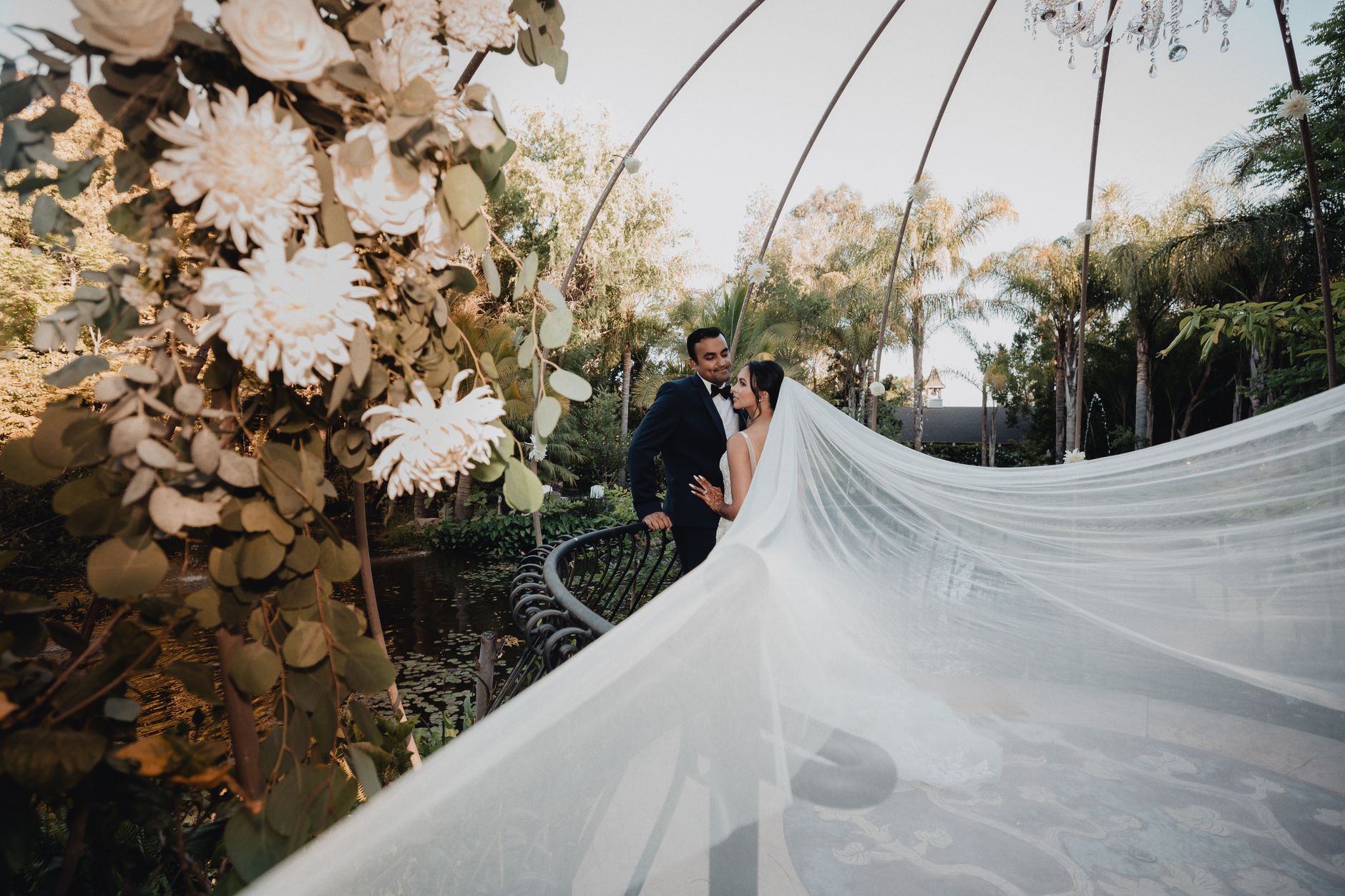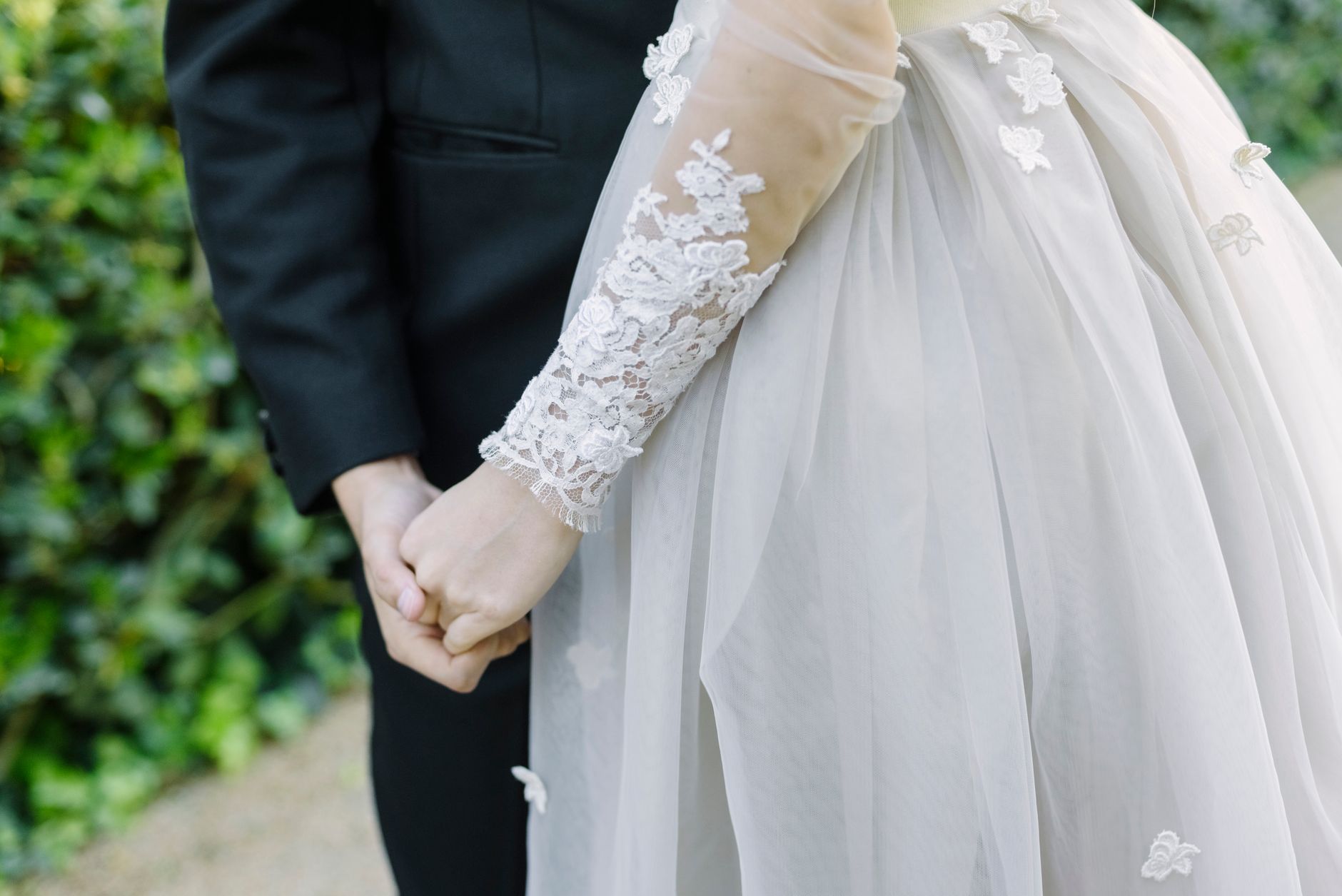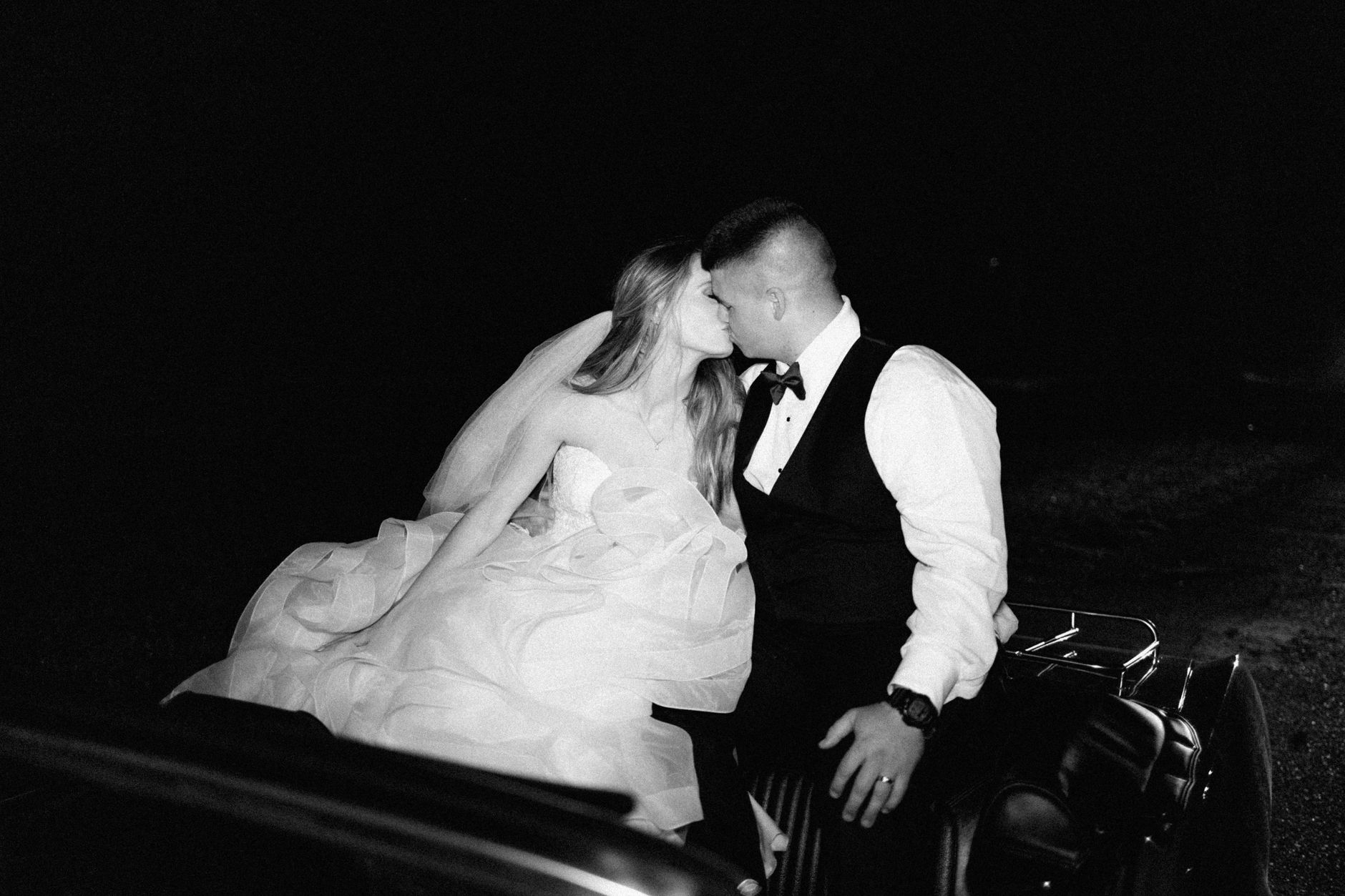
A wedding videographer at Calamigos Ranch plans coverage around two defining scenes: the oak-grove ceremony in filtered afternoon light and the redwood barn reception after sunset. The property sits in its own pocket of micro-climate — a canyon bowl that holds golden hour 20 minutes longer than the coast — and the footage reflects that. Couples who book Calamigos Ranch for its rustic-luxury editorial aesthetic typically require 10 hours of documentary coverage from a 2-shooter video team to capture the ceremony grove, the redwood deck cocktail hour, and the barn reception from setup through last dance.
Why Calamigos Ranch Films Better Between 4 PM and Sunset Than at Sunset Itself
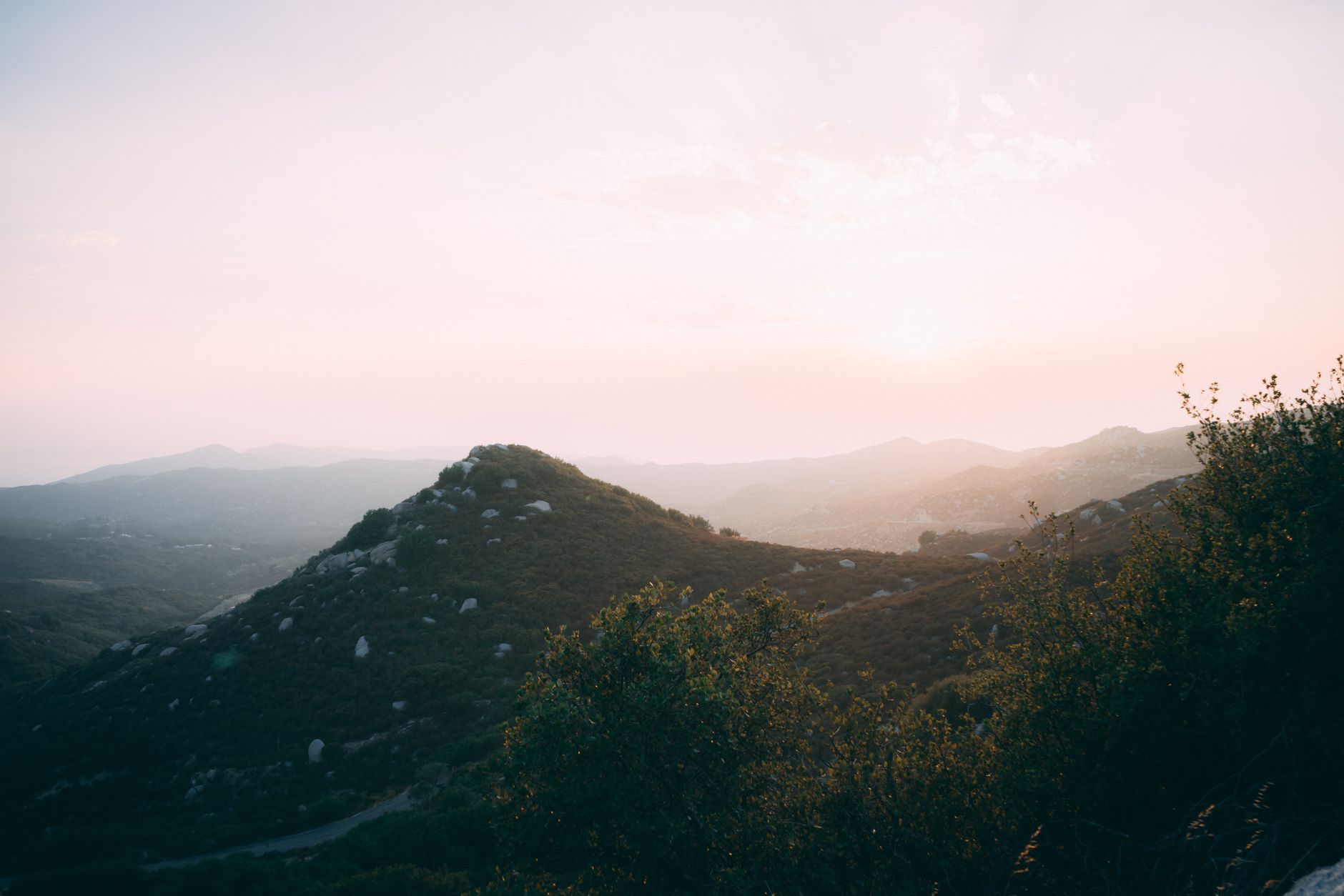
Photo by Alex Binroth on Pexels
The oak canopy filters direct sun into a green-gold that flatters skin tones and softens contrast — the kind of light that requires almost no color correction in post. Ceremonies scheduled for 4:30 or 5 PM land in the middle of this window. Ceremonies scheduled for sunset (roughly 6:15–7 PM depending on season) often finish in blue hour, which renders beautifully for still photography but presents challenges for video: the ceremony footage reads dark, and the videographer must push ISO higher than ideal to maintain shutter speed for movement.
Planners who coordinate Calamigos Ranch weddings regularly advise couples to schedule the ceremony 90 minutes before sunset rather than at sunset. The tradeoff: golden-hour portraits happen immediately after the ceremony instead of during cocktail hour, which means the couple misses the first 20 minutes of cocktails but gains the best footage of the day. A full-day wedding film typically includes:
- Getting-ready coverage in the vineyard-view suites (2 hours)
- First look near the oak grove or vineyard rows (20 minutes)
- Ceremony on the oak lawn (30 minutes)
- Golden-hour couple portraits in the grove and vineyard (20 minutes)
- Redwood deck cocktail hour (1 hour)
- Barn reception: toasts, first dance, parent dances, open dancing (4 hours)
The result is a 10-hour documentary structure that prioritizes light over rigid timeline adherence — an editorial choice that defines the Calamigos Ranch aesthetic.
Scene Coverage — Oak Grove, Redwood Deck, and Barn Reception
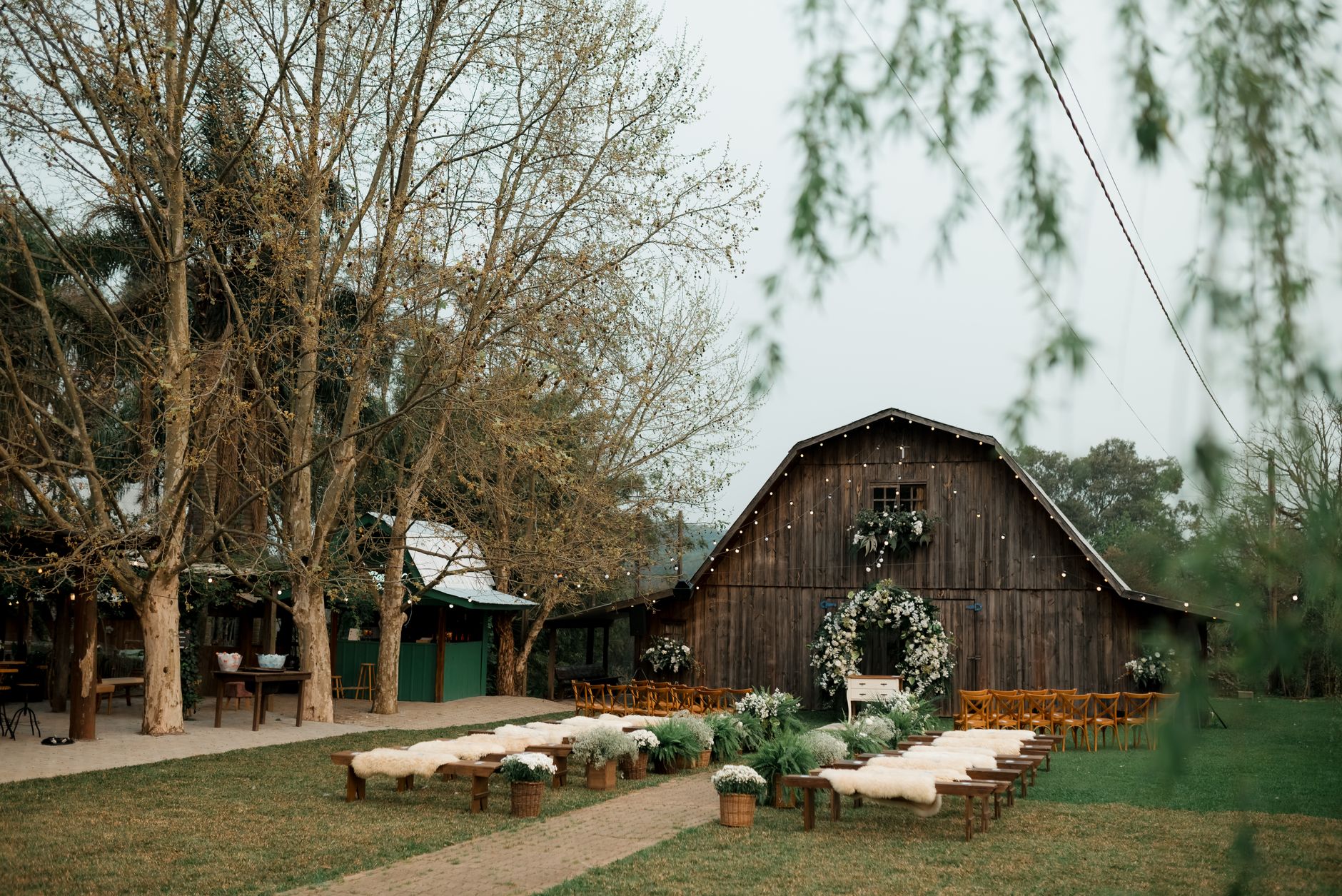
Photo by Jonathan Borba on Pexels
The oak grove ceremony site accommodates 150–200 guests on white folding chairs arranged in a center-aisle configuration. The videographer positions the primary camera at the back center aisle to capture the processional, vows, and reactions in a single clean frame. The second shooter covers angles: the officiant's perspective looking out at guests, close-ups of the couple's hands during ring exchange, and the parent reactions in the first two rows.
Audio is critical. The grove is open-air with no natural amplification. A lavalier microphone on the officiant captures vows clearly; a second lav on the groom ensures the couple's spoken words are audible over ambient wind and guest movement. Couples who write personal vows often request that both the bride and groom wear lavs — a setup that requires coordination with the wedding planner and the couple's getting-ready schedule to position the transmitter packs discreetly under the dress and suit.
After the ceremony, the redwood deck serves cocktails. The deck overlooks the vineyard and canyon, and the late-afternoon light here is direct and warm — ideal for candid guest footage and documentary coverage of the couple greeting family. The videographer uses this hour to capture detail shots: the bar setup, the escort card display, floral arrangements on cocktail tables, and the couple's interaction with guests who approach them during the receiving line.
The barn reception begins at sunset. The interior is lit by string lights and uplighting on the redwood walls, and the videographer adjusts white balance to preserve the warmth of the incandescent glow rather than correcting it to daylight. The first dance, parent dances, and toasts happen within the first 90 minutes of the reception. Open dancing follows, and the footage quality depends on the DJ's lighting setup. Barns with minimal or no additional lighting require the videographer to work at ISO 3200–6400, which introduces grain. Couples who prioritize clean reception footage often add uplighting or pin-spot lighting to the production budget — a conversation that happens during the planning call 8–10 weeks before the wedding day.
Coordination with Calamigos Ranch Preferred Vendor Guidelines
Photo by RDNE Stock project on Pexels
Calamigos Ranch maintains a preferred vendor list and requires all vendors to carry general liability insurance with the venue named as an additional insured. The videographer submits a certificate of insurance to the venue coordinator 14 days before the wedding. The venue does not charge videographers a vendor fee, but it does enforce load-in and breakdown windows: vendors may arrive no earlier than 9 AM on the wedding day, and all equipment must be removed by midnight or the contracted end time, whichever comes first.
The venue allows drone footage with advance approval. The videographer submits a drone flight plan to the venue coordinator at least 21 days before the wedding, specifying flight paths, altitude, and duration. The property sits under controlled airspace due to its proximity to private helipads, so FAA Part 107 certification and LAANC authorization are required. Most couples request 5–8 minutes of aerial footage: a wide establishing shot of the canyon and property, an overhead view of the ceremony grove during the processional, and a sunset vineyard shot during cocktail hour.
The venue's event coordinator provides the videographer with a detailed timeline 10 days before the wedding. This timeline includes the ceremony start time, cocktail hour duration, reception room flip (if applicable), and the sequence of reception events (grand entrance, first dance, toasts, cake cutting, parent dances, bouquet toss, last dance). The videographer cross-references this timeline with the wedding planner's timeline to confirm any discrepancies — a step that prevents missed coverage when the event coordinator and planner are operating from different schedules.
Documentary vs Highlight Reel — Coverage Approach for Rustic Venues
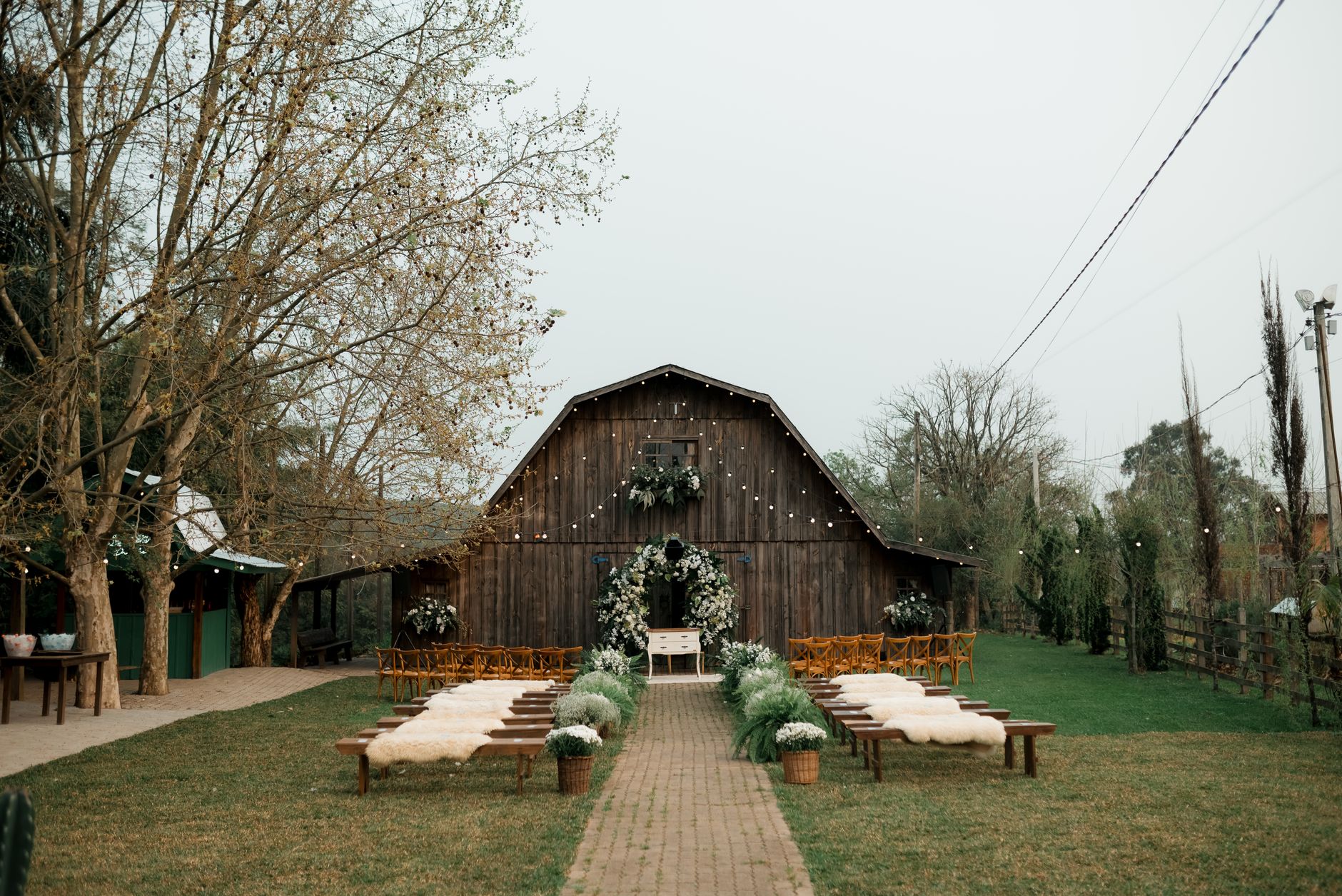
Photo by Jonathan Borba on Pexels
Calamigos Ranch couples typically book one of two wedding film formats: a 45–60 minute documentary edit that includes full vows, full toasts, and 15–20 minutes of reception dancing, or a 6–8 minute highlight reel that condenses the day into a cinematic montage set to music. The documentary edit serves couples who want to relive the day in sequence; the highlight reel serves couples who want a shareable, emotionally distilled version for Instagram and family.
Both formats require the same 10-hour shoot day. The difference is in post-production: the documentary edit takes 8–10 weeks to complete because the editor must sync multi-camera angles for the full ceremony and toasts, color-grade the entire reception sequence, and balance audio levels across multiple microphones. The highlight reel takes 6–8 weeks because the editor selects only the strongest 30–40 clips from the day and constructs the narrative around a single licensed music track.
Couples who book a photo + video combined package receive both a 2-shooter video team and a 2-shooter photo team. The two teams coordinate during the ceremony and portraits to avoid appearing in each other's frames — a logistical challenge that the lead videographer and lead photographer resolve during a pre-wedding venue walkthrough. The walkthrough typically happens 2–3 weeks before the wedding and includes the couple, the planner, the photographer, and the videographer. The group walks the ceremony site, the portrait locations, and the reception barn to confirm camera positions, lighting needs, and the sequence of events.
Lighting Considerations for Barn and Vineyard Scenes
The oak grove ceremony at Calamigos Ranch requires no supplemental lighting if scheduled during golden hour. The canopy diffuses sunlight naturally, and the open-air layout allows the videographer to rely on ambient light at ISO 400–800 with a wide-aperture lens (f/1.4 or f/2).
The redwood barn interior presents a different challenge. The string lights and uplighting provide atmosphere but insufficient illumination for clean video footage. The videographer balances three options:
- Use available light only — shoot at ISO 3200–6400, accept grain, and lean into the moody aesthetic. This approach works for couples who prioritize cinematic texture over technical perfection.
- Add on-camera LED panels — mount small LED lights on each camera to provide fill light during toasts, first dance, and cake cutting. This approach increases light but risks appearing in the photographer's frames, so coordination is essential.
- Recommend uplighting to the couple — the couple hires a lighting designer to add 8–12 uplights around the barn perimeter, raising ambient light enough for the videographer to shoot at ISO 1600–2500. This is the cleanest solution but adds $800–$1,200 to the couple's production budget.
Most Calamigos Ranch couples choose option three when they book a combined documentary photography and video package, because the uplighting benefits both the photographer and the videographer. The lighting designer coordinates with the florist to position uplights behind floral installations and under the head table, creating depth and dimension in both the still images and the moving footage.
Comparing Calamigos Ranch to Saddlerock Ranch and Hummingbird Nest Ranch
Calamigos Ranch, Saddlerock Ranch, and Hummingbird Nest Ranch are the three major rustic-luxury venues in Malibu that couples consider when planning a vineyard or oak-grove wedding. Each property has distinct characteristics that shape the videographer's coverage plan:
- Calamigos Ranch — oak grove ceremony, redwood barn reception, canyon micro-climate that extends golden hour. Best for couples who want a rustic aesthetic with refined interior spaces. Capacity 150–250 guests. Preferred vendor list required.
- Saddlerock Ranch — vineyard ceremony, oak grove backup site, zebra and exotic animals on property, open hillside with sweeping canyon views. Best for couples who want a working ranch aesthetic and dramatic landscape footage. Capacity 200–300 guests. More flexible vendor policy.
- Hummingbird Nest Ranch — cliffside ceremony site with ocean views, modern barn reception space, architectural lines and minimal décor. Best for couples who want a modern-rustic hybrid and prioritize ocean backdrop. Capacity 120–200 guests. Strict noise ordinance (music ends at 10 PM).
The coverage plan at Calamigos Ranch prioritizes the oak grove and barn as the two anchor scenes. The coverage plan at Saddlerock Ranch prioritizes the vineyard ceremony and the open hillside for portraits. The coverage plan at Hummingbird Nest Ranch prioritizes the cliffside ceremony and the ocean view during cocktail hour. A videographer who has filmed at all three properties tailors the shot list to the venue's strengths rather than applying a generic template.
Timeline Logistics — 10-Hour Coverage from Getting Ready to Last Dance
A typical 10-hour wedding videography day at Calamigos Ranch begins at 1 PM and ends at 11 PM. The timeline breaks down as follows:
1:00–3:00 PM — Getting-ready coverage The bride's suite and groom's suite at Calamigos Ranch are located in separate buildings with vineyard views. The videographer captures the bride's final hair and makeup touches, the bridesmaids helping with the dress, and detail shots of the invitation suite, rings, shoes, and bouquet. The second shooter simultaneously covers the groom's suite: the groomsmen adjusting ties, the groom reading a letter from the bride, and candid moments in the courtyard. This 2-hour block yields 8–12 minutes of footage in the final edit.
3:00–3:20 PM — First look The first look happens near the oak grove or in a quiet corner of the vineyard. The videographer positions the primary camera to capture the groom's reaction as the bride approaches from behind, then switches to a close-up of the couple's embrace and their private conversation. Audio is captured via lavalier microphones on both the bride and groom. The first look is often the most emotionally transparent moment of the day — many couples cry during the first look but remain composed during the ceremony — so the videographer prioritizes clean audio and steady framing over elaborate camera movement.
3:30–4:30 PM — Pre-ceremony portraits and family formals The photographer leads the couple through portrait locations around the property while the videographer captures behind-the-scenes footage and short interview-style clips. Family formals happen on the oak lawn before guests arrive. The videographer does not direct or interrupt the portrait session; instead, the footage serves as B-roll that the editor later intercuts with the ceremony sequence to provide pacing and context.
5:00–5:30 PM — Ceremony The ceremony starts at 5 PM, placing it squarely in golden hour. The processional, vows, ring exchange, and recessional are filmed from three angles: back center aisle (primary), side aisle (secondary), and officiant's perspective (secondary). The videographer does not move during the vows to avoid distracting guests or creating noise on the audio track.
5:30–5:50 PM — Golden-hour couple portraits Immediately after the ceremony, the couple returns to the oak grove and vineyard for 20 minutes of golden-hour footage. This is the most cinematic segment of the day — the light is perfect, the couple is emotionally present, and the videographer has full access without guest interruption. The footage typically includes slow-motion walking shots, close-ups of the couple's hands, and wide environmental shots that establish the property's landscape.
6:00–7:00 PM — Redwood deck cocktail hour The videographer captures guest arrivals, the couple's entrance to the cocktail hour, and candid interactions. The second shooter films detail shots of the bar, appetizers, and floral arrangements. This hour provides essential connective tissue between the ceremony and reception.
7:00–11:00 PM — Barn reception The reception timeline follows this sequence: grand entrance (7:00), first dance (7:10), toasts (7:20), dinner service (7:45), parent dances (8:30), cake cutting (9:00), open dancing (9:15–10:45), last dance (10:50). The videographer films all structured events in full and captures 10–15 minutes of open dancing to provide the editor with options for the reception montage. The second shooter focuses on guest reactions during toasts and candid dancing moments.
The 10-hour timeline allows the videographer to cover every major moment without rushing. Couples who book 8-hour coverage typically eliminate getting-ready footage or exit before the last dance, which reduces the narrative completeness of the final edit.
Deliverables and Edit Turnaround for Calamigos Ranch Weddings
The standard deliverable package for a Calamigos Ranch wedding film includes:
- Full-length documentary edit (45–60 minutes) — includes full ceremony, full toasts, and reception highlights, delivered as a digital download and a USB drive.
- Highlight reel (6–8 minutes) — a condensed cinematic edit set to licensed music, optimized for Instagram and social sharing.
- Ceremony-only edit (20–30 minutes) — an optional add-on that some couples request for family members who could not attend the wedding.
The edit turnaround is 8–12 weeks from the wedding date. The editor color-grades all footage to match the warm, golden aesthetic of the property and balances audio levels across all microphones. The couple receives a private Vimeo link for review and may request up to two rounds of minor revisions (timing adjustments, song changes, or scene reordering). Major revisions — such as re-editing the entire reception sequence or adding new scenes — are quoted separately.
Couples who book full ceremony coverage as a standalone service receive only the ceremony edit, typically delivered in 4–6 weeks. Couples who add an engagement film before the wedding receive that film 3–4 weeks after the engagement shoot, allowing them to use it for save-the-date cards or website integration.
Raw footage is not included in the standard package. Couples who request raw footage pay an additional archival fee, and the footage is delivered on an external hard drive with no color correction, audio sync, or editing. Most couples do not request raw footage; the edited film is the intended final product.
Service Area and Travel to Calamigos Ranch from Los Angeles
Calamigos Ranch is located at 327 Latigo Canyon Road in Malibu, approximately 45 minutes from downtown Los Angeles via the Pacific Coast Highway or Kanan Dune Road. The videographer typically arrives 90 minutes before the contracted start time to load in equipment, meet the venue coordinator, and walk the ceremony and reception spaces.
LifeStory.Film is based in Los Angeles and regularly films weddings at Calamigos Ranch, Saddlerock Ranch, and other Malibu venues without travel fees. Couples planning weddings at additional Southern California properties — including Ojai Valley Inn, San Ysidro Ranch, Montage Laguna Beach, and Resort at Pelican Hill — also book without travel fees when the wedding is within a 120-mile radius of Los Angeles.
Destination weddings beyond Southern California incur a travel fee that covers airfare, ground transportation, and accommodation for the 2-shooter video team. Couples planning destination wedding films in Napa Valley, Carmel, Italy, or France typically book 12–18 months in advance to secure the travel dates and allow time for location research and shot-list planning.
Beginning a Conversation About Your Calamigos Ranch Wedding
Couples planning a wedding at Calamigos Ranch typically reach out 10–14 months before the wedding date to confirm videographer availability and discuss coverage options. The initial inquiry includes the wedding date, the estimated guest count, and whether the couple is interested in documentary photography, video only, or a combined package.
The consultation call covers the couple's vision for the film, the ceremony and reception timeline, any specific moments they want prioritized (such as a surprise performance or a cultural ceremony element), and the logistics of working within the venue's preferred vendor requirements. Couples who have already booked their wedding planner and photographer are encouraged to introduce the videographer to those vendors early in the process to coordinate the coverage plan and avoid scheduling conflicts.
Availability for Calamigos Ranch weddings during peak season (May through October) books 12–16 months in advance. Off-peak weddings (November through April) often have availability 6–9 months out. Pricing is based on coverage hours, the number of shooters, the edit format, and any add-ons such as drone footage or a save-the-date film. Package pricing starts at $7,500 for 10-hour coverage with a 2-shooter team and a full documentary edit.
Inquiries are submitted through the contact page or by email. The response includes a detailed pricing guide, links to recent Calamigos Ranch wedding films, and availability for a consultation call. Couples who book within 14 days of the consultation call receive access to the pre-wedding planning portal, which includes the venue walkthrough scheduler, the timeline coordination tool, and the shot-list builder.