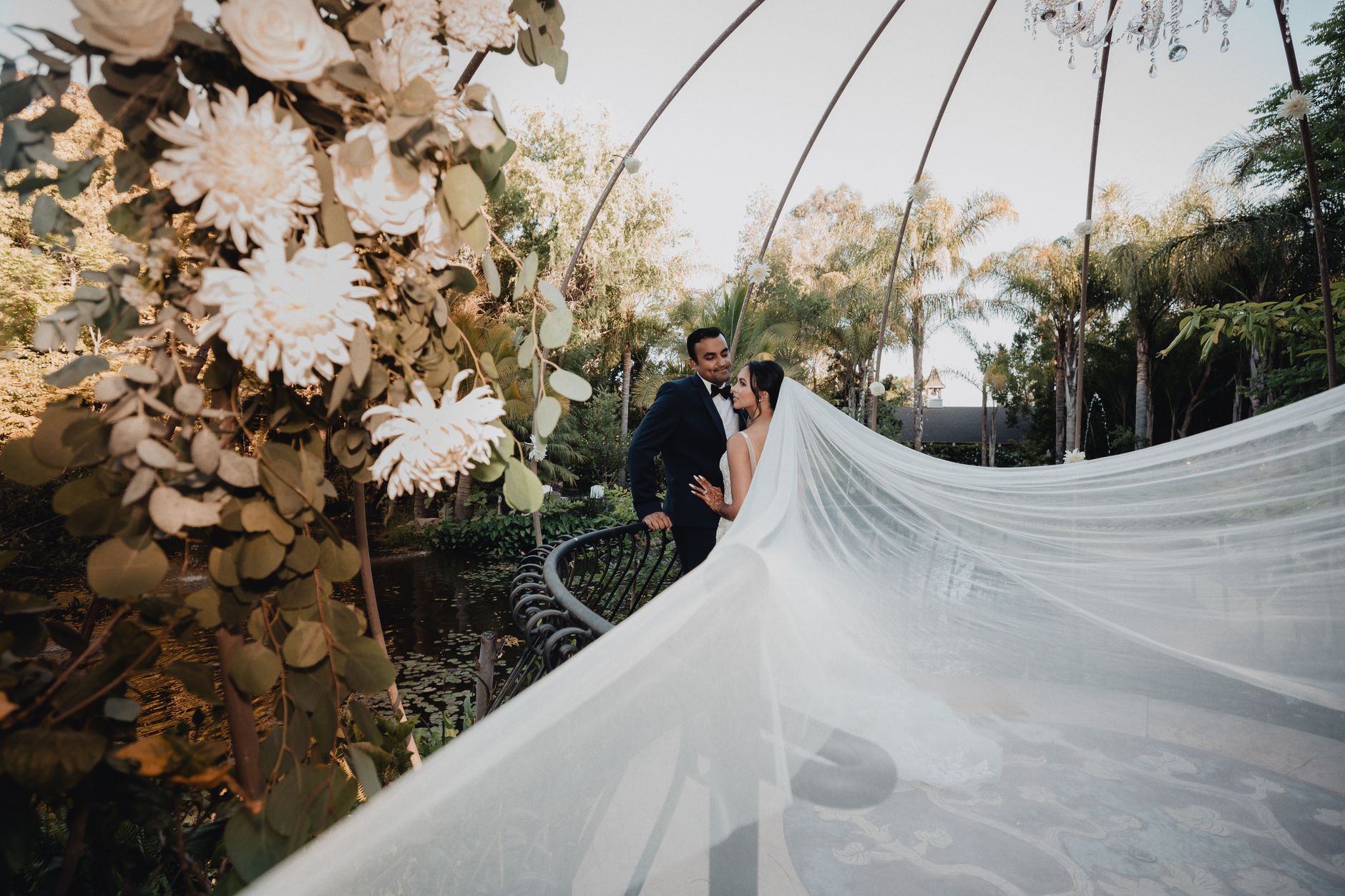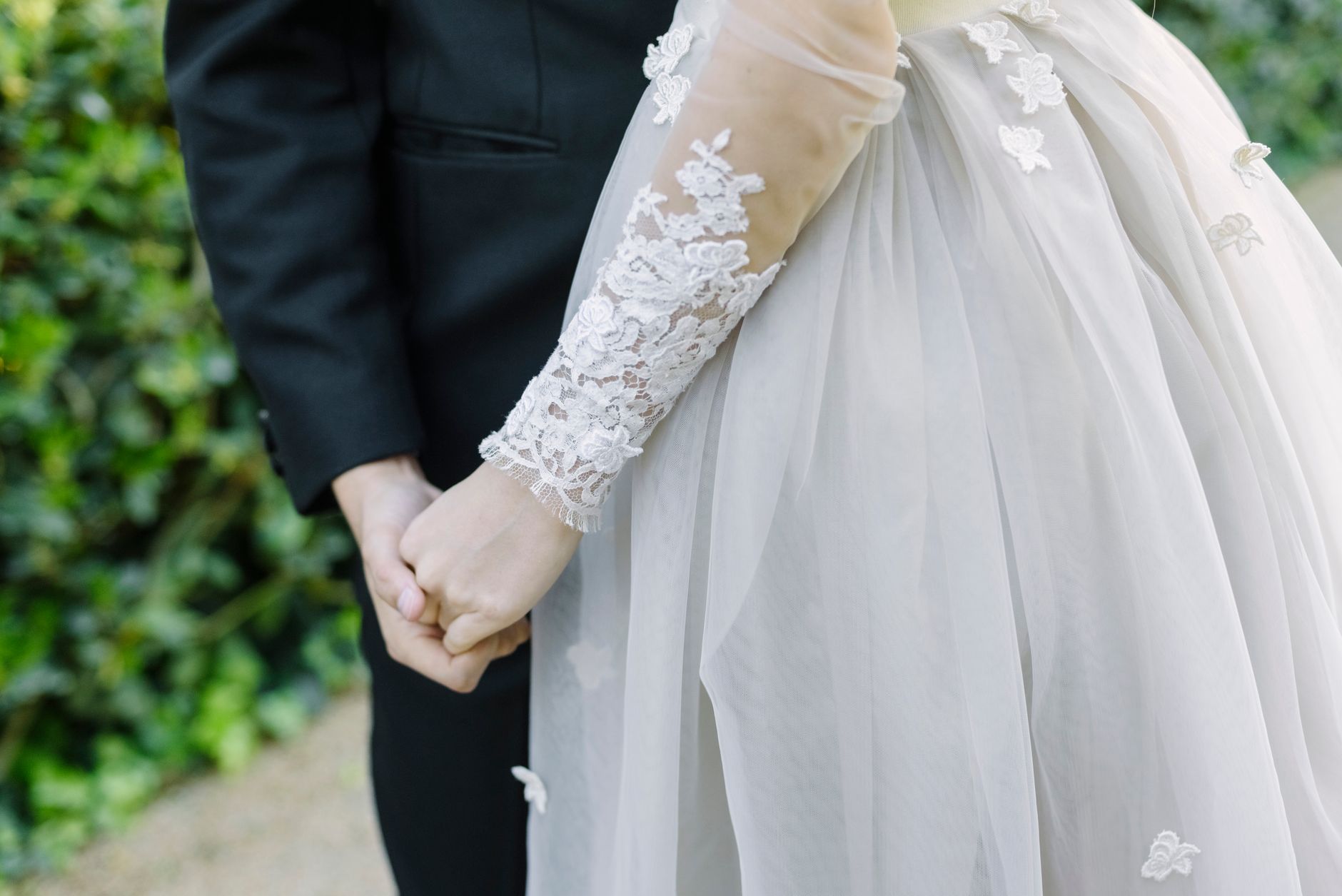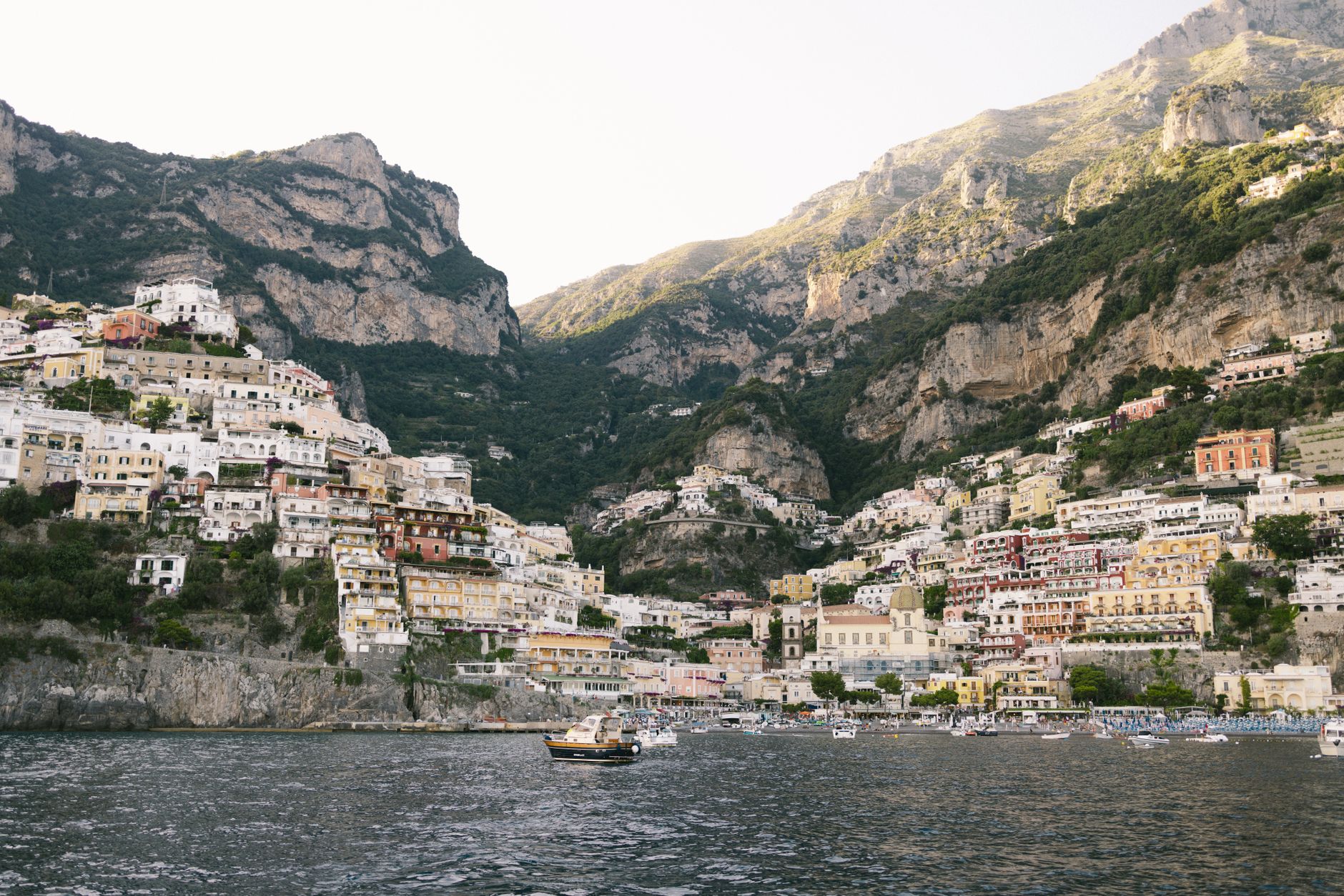
A wedding videographer filming at Le Sirenuse in Positano plans coverage around the hotel's three-level terrace ceremony site overlooking the Mediterranean and the specific way afternoon light moves across the Amalfi Coast between 4 PM and 7 PM. The 2-shooter video team arrives 3 hours before the ceremony to capture bride and groom preparation in the historic suites, then positions for the terrace vows, the cocktail hour on the Franco's Bar level, and the bougainvillea-draped reception that begins at sunset.
Why Le Sirenuse Films Differently Than a Resort Ballroom
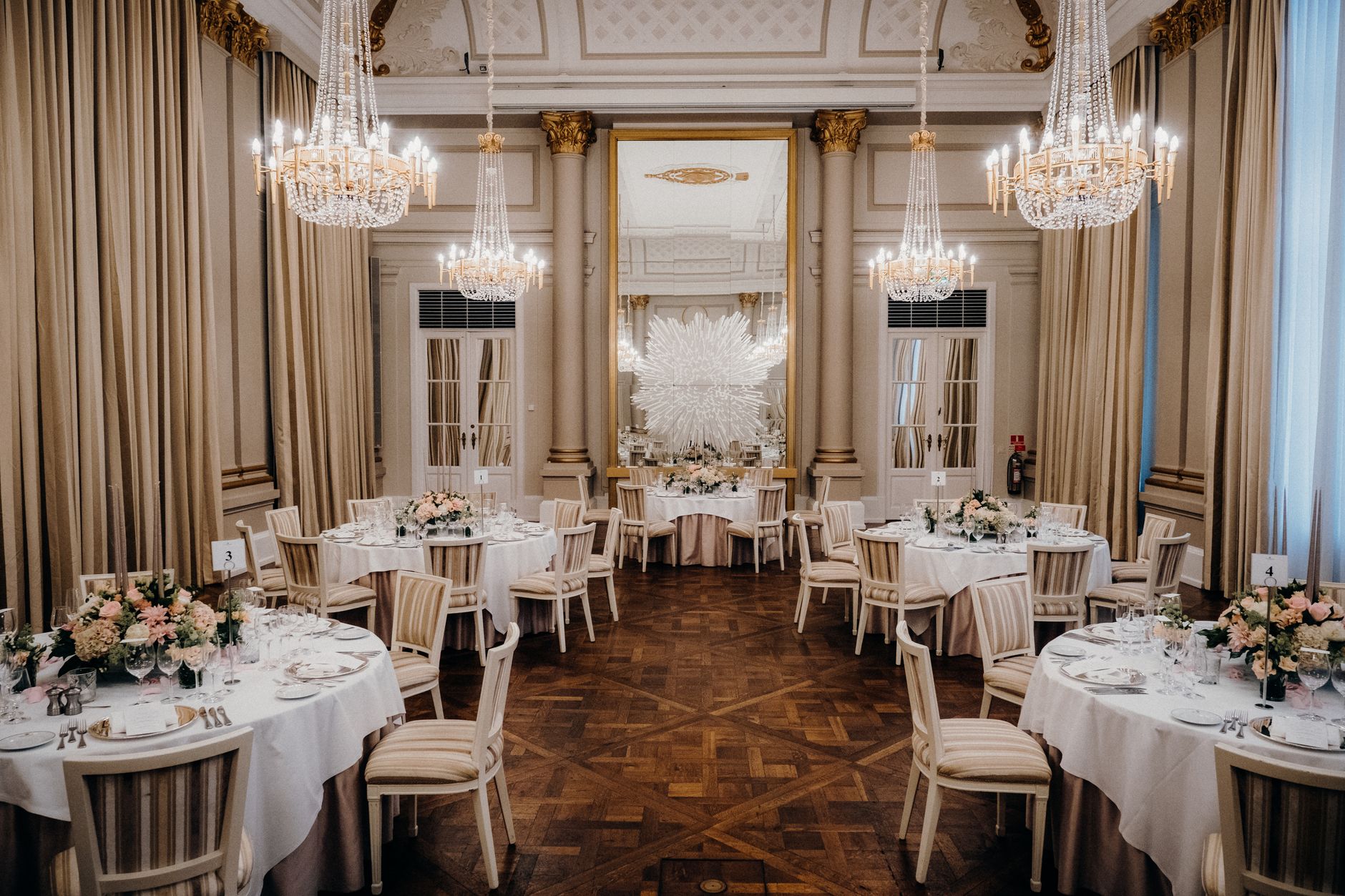
Photo by Rene Terp on Pexels
Le Sirenuse is a vertical property — reception spaces, ceremony terraces, and guest suites occupy five distinct levels carved into the Positano cliffside — which means a wedding film here is shaped by staircases, archways, and the specific vantage points where the videographer can frame both the couple and the coastline in a single shot. The ceremony terrace sits at the hotel's midpoint, with views stretching from the dome of Chiesa di Santa Maria Assunta below to the Li Galli islands on the horizon. Couples who book this venue understand that the film will be defined by that view, and the coverage plan reflects it — one camera holds the wide master framing the ceremony against the sea, while the second shooter moves between intimate angles on the couple's hands, the officiant, and the guests' reactions as fishing boats pass far below.
The light quality at Le Sirenuse changes dramatically across the afternoon. Between 2 PM and 4 PM, direct sun floods the terrace and creates harsh contrast — unflattering for skin tones and difficult to expose correctly on cinema cameras. By 4:30 PM, the sun begins its descent behind the ridgeline above Positano, and the terrace enters soft, even shade while the coastline remains brilliantly lit — the optimal window for a 30-minute ceremony. At 6 PM, the entire scene shifts to warm, indirect Mediterranean light that renders bougainvillea and terracotta in saturated color. Couples who schedule the ceremony for 5 PM and the reception for 7 PM give the videographer the full range of that light progression, which becomes the visual narrative of the wedding film.
Coverage Timeline for a Full-Day Le Sirenuse Wedding Film
Photo by NUDE Nahum on Pexels
A 10-hour destination wedding film at Le Sirenuse typically begins at 2 PM and runs through midnight, capturing five distinct scenes:
Bride and groom preparation (2–4 PM) — shot in separate suites, often the Primo Piano or Deluxe Sea View rooms. The videographer films detail shots of the invitation suite, jewelry, and dress against the hand-painted tile floors and antique furniture that define the hotel's aesthetic. Natural light from the arched windows overlooking the sea provides the key light; no additional lighting is introduced.
First look and portraits (4–5 PM) — scheduled on the Li Galli terrace or the private balcony of the Champagne & Oyster Bar level, where the couple can see the ceremony setup below without being visible to arriving guests. The videographer captures 15 minutes of vows exchange and emotional reaction, then moves into 20 minutes of walking portraits on the staircases and along the poolside pergola. The second shooter simultaneously films guest arrivals and the ceremony terrace as musicians take their positions.
Terrace ceremony (5–5:30 PM) — two cameras, locked tripods with fluid heads for smooth pans. Camera A holds the wide master from the back of the guest seating area, framing the couple against the coastline. Camera B operates handheld from the side aisle, capturing close-ups of hands, ring exchange, and the kiss. No wireless lav microphones on the couple — the ceremony is recorded with a boom mic positioned near the officiant and ambient audio captured by each camera's onboard stereo mic. Wind noise is the primary audio challenge; foam windscreens are mandatory, and post-production often requires light noise reduction.
Cocktail hour at Franco's Bar (5:30–7 PM) — guests move one level down to the iconic red-canopied bar terrace. The videographer films wide establishing shots of the bar setup, then switches to documentary-style coverage of guest interactions, sunset toasts, and the couple's entrance. Mediterranean light during this hour shifts from golden to deep blue, and the footage captures that transition without artificial lighting — cinema cameras set to dual native ISO (typically 800/3200 on Sony FX6 or Canon C70) handle the diminishing light without introducing grain.
Reception under the pergola (7 PM–midnight) — the bougainvillea-covered pergola on the pool level is strung with warm Edison bulbs, which provide the primary light source for the reception. The videographer films the couple's first dance, toasts, and dinner service, then transitions to handheld documentary coverage of dancing and the late-night cake cutting. By 10 PM, the scene is lit entirely by string lights and candles, and the footage takes on a warm, intimate quality that defines the closing sequence of the film.
Documentary vs Cinematic Coverage at Le Sirenuse

Photo by Anastasia Shuraeva on Pexels
Couples booking a destination wedding film at Le Sirenuse typically request cinematic coverage — composed, color-graded footage with a narrative edit structure — rather than documentary-only coverage. The difference matters for the final deliverable: a cinematic wedding film at Le Sirenuse runs 8–12 minutes, includes a curated selection of 40–60 scenes edited to music, and emphasizes the location's visual identity as much as the couple's story. Documentary coverage, by contrast, delivers a longer timeline edit (20–40 minutes) that prioritizes completeness — full vows, full toasts, full first dance — over editorial pacing.
Most Le Sirenuse wedding films combine both approaches: the primary deliverable is a cinematic highlight reel that can be shared publicly, and a secondary full ceremony film provides an unedited record of the vows for the couple and their families. This dual-deliverable model requires the videographer to plan coverage with both edits in mind — holding locked tripod shots for the ceremony film while also gathering handheld, movement-driven footage for the highlight reel.
Working With Italian Vendors and Venue Logistics
Photo by Kristiyan on Pexels
Le Sirenuse coordinates closely with a small network of Amalfi Coast wedding planners — most often La Dolce Idea, Enzoani Events, or Portovenere Weddings — who manage the Italian vendor relationships and handle permitting for the ceremony and reception. The videographer works directly with the planner's timeline rather than coordinating independently with the hotel, and most planning communication happens via WhatsApp in the 2–3 weeks before the wedding.
The hotel itself has specific filming restrictions: no drones (Positano's cliffside geography and helicopter traffic make drone permits nearly impossible to obtain), no gimbal or Steadicam operation in the main lobby during daytime hours when hotel guests are present, and no lighting stands or tripods left unattended on the terraces. The videographer must be prepared to work handheld in confined spaces — the staircases between levels are narrow, and there is no service elevator for equipment transport. A 2-shooter video team typically travels with 2 cinema cameras, 3–4 prime lenses (24mm, 35mm, 50mm, 85mm), 1 gimbal, 2 tripods, and audio gear, all carried in backpacks rather than rolling cases. Total gear weight should not exceed 40 pounds per person, as the walk from the hotel's valet entrance to the ceremony terrace involves 4 flights of stairs.
What a Le Sirenuse Wedding Film Costs
Destination wedding film packages for Le Sirenuse start at $9,500 for a 2-shooter video team, 10 hours of coverage, and delivery of a cinematic highlight reel (8–12 minutes) plus full ceremony film. The package includes travel from Los Angeles — roundtrip airfare, ground transportation from Naples, and 3 nights of accommodation in Positano for the video team. Multi-day coverage (rehearsal dinner film, day-after yacht shoot, or welcome party coverage) adds $3,500 per additional day.
The edit turnaround for a Le Sirenuse wedding film is 12–16 weeks. Destination weddings require longer post-production timelines because the footage volume is higher (10 hours of dual-camera coverage generates 18–20 hours of raw footage), and the color grading process is more complex when working with Mediterranean light that shifts dramatically across the day. Couples receive a private online gallery link for the final film, plus downloadable 4K master files for archival and future use.
The First Look at Le Sirenuse — Why Location Shapes the Moment
The first look at Le Sirenuse almost always happens on the Li Galli terrace or the Champagne Bar balcony, not in a suite. The reason is practical: the suites are small, and the layout does not allow for a reveal moment where the videographer can position both the groom waiting and the bride approaching in a single frame. The terraces, by contrast, offer depth — the groom stands at the railing overlooking the sea, the bride walks through the archway from the interior corridor, and the videographer frames the approach from 20 feet back with a 50mm or 85mm lens, holding focus on the groom's reaction as the bride enters the shot.
This first-look setup is repeated at almost every Le Sirenuse wedding because it solves the same spatial problem: how to film an intimate emotional moment in a way that also captures the reason the couple chose this venue. The footage works because the viewer sees both the couple and the view, and the two elements reinforce each other. Couples who skip the first look miss this beat in the film, and the ceremony footage must carry more narrative weight to establish the location's emotional resonance.
Photo + Video Combined Package at Le Sirenuse
Most couples booking a destination wedding at Le Sirenuse hire both a photographer and a videographer, often as a combined team traveling together from California. The photo + video combined package coordinates coverage so that the photographer and videographer do not compete for the same angles during key moments — the first look, the vows, the first dance — and the timeline allocates separate portrait windows for stills and motion.
A typical combined-package timeline at Le Sirenuse reserves 20 minutes for video-only portraits after the first look (where the couple walks the staircases and poolside pergola while the videographer captures movement and interaction on a gimbal) and 20 minutes for photo-only portraits during cocktail hour (where the photographer takes the couple to the upper terrace for golden-hour stills while the videographer films guest coverage below). This separation prevents both teams from shooting over each other's shoulders and ensures that the final deliverables — the wedding film and the photo gallery — feel visually distinct rather than redundant.
What Couples Booking Le Sirenuse Should Tell Their Videographer in Advance
Three logistical details every couple should communicate to their videographer before a Le Sirenuse wedding:
Suite assignments for bride and groom preparation. The suites have different light quality and layout — some face the sea with arched windows, others face the interior courtyard. The videographer needs to know which suites they will be filming in at least 2 weeks in advance so they can plan for natural light availability and decide whether to bring portable LED panels.
Ceremony start time. If the ceremony is scheduled before 4:30 PM, the terrace will be in direct sun, and the videographer will recommend rescheduling to 5 PM or later. If the couple insists on an earlier start, the videographer will plan for backlighting and adjust exposure accordingly, but the footage will have higher contrast and less flattering skin tones.
Reception music and toast order. Italian weddings often follow a different reception structure than American weddings — toasts may happen before dinner rather than after, and the first dance may occur at 10 PM rather than 8 PM. The videographer needs the final timeline from the planner at least 1 week before the wedding so they can allocate coverage hours correctly and avoid running out of time before the last dance.
Begin a Conversation About Your Le Sirenuse Wedding Film
If you are planning a wedding at Le Sirenuse in Positano and want a film that captures the terrace ceremony, the Mediterranean light, and the specific way the day unfolds across five levels of the hotel, reach out. We are based in Los Angeles and travel to the Amalfi Coast for destination wedding film coverage. Our work at Le Sirenuse, Borgo Egnazia, Belmond Hotel Caruso, and other Italian venues is built around the same principle: the location shapes the film, and the coverage plan starts with understanding how light, architecture, and timeline interact on the wedding day.