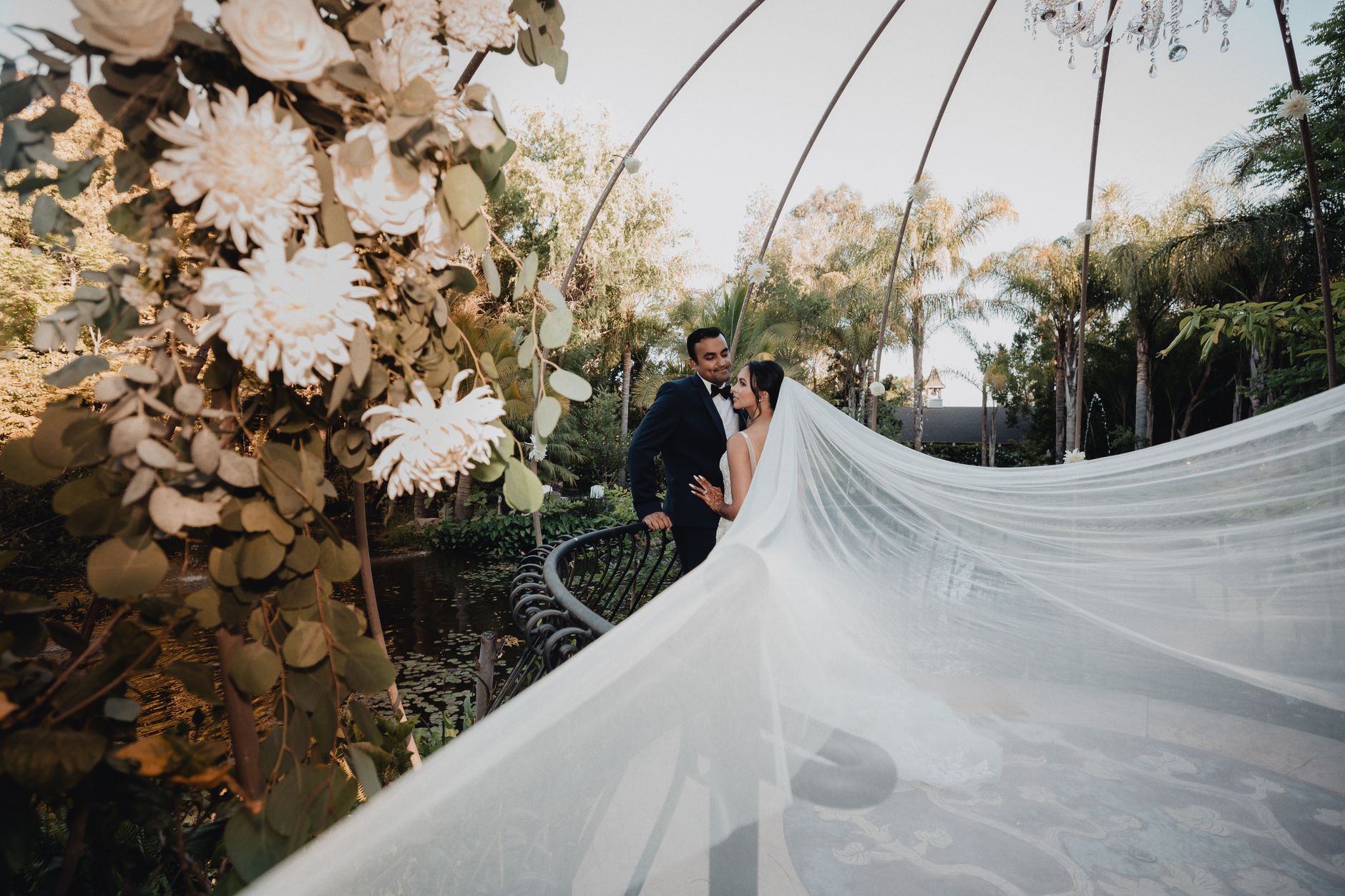
A wedding film at Meadowood requires a 2-shooter video team and 10 hours of coverage to capture both the forest ceremony and the croquet lawn reception. The estate sits at the north end of Napa Valley, where the light filters differently than it does at the valley-floor wineries — cooler, greener, more theatrical. Couples booking Meadowood typically want editorial black-tie coverage or garden romantic treatment, and the videographer's shot list needs to account for three distinct scenes: the redwood-grove ceremony, the croquet lawn cocktail hour and reception, and the wine cellar portrait window that opens between the two.
The forest ceremony is the anchor. The redwoods create a natural cathedral, and the light that reaches the aisle is soft, directional, and changes measurably between 4 PM and 5:30 PM. A videographer working Meadowood for the first time underestimates how quickly that light moves — what reads as gentle dappled shade at 4:15 becomes deep shadow by 5:00, and the processional that looked perfect in the site visit can go underexposed if the ceremony runs late. We shoot the ceremony with two cameras: one locked wide on the aisle to capture the full procession under the canopy, and one roaming tight for vows, parent reactions, and the couple's first walk back down the aisle as the light shifts overhead.
Why Meadowood Films Differently Than Auberge du Soleil
Photo by Alina Skazka on Pexels
Meadowood and Auberge du Soleil are both Napa Valley wedding venues, but the videographer's coverage strategy is not interchangeable. Auberge is all about the terrace — the valley vista, the open sky, the golden-hour sun that wraps the couple in warm backlight during sunset portraits. Meadowood is vertical. The redwood canopy blocks the sky, and the light is indirect, filtered, and green-tinted. The croquet lawn reception happens in open air, but it sits in a pocket of the property where the surrounding trees frame the scene rather than dominate it.
For a wedding film, this means:
- Ceremony audio strategy differs. At Auberge, the terrace is open to wind and distant traffic hum from Silverado Trail. At Meadowood, the forest absorbs sound — vows are quieter, more intimate, and a lapel mic on the officiant is essential because the trees dampen projection.
- Lighting gear. Auberge rarely needs artificial light before sunset. Meadowood's forest ceremony often benefits from a single off-camera LED panel bounced into the canopy to lift shadow detail on faces during vows, especially if the ceremony is scheduled after 5 PM.
- Reception coverage timing. Auberge receptions typically move indoors to the Bistro after sunset. Meadowood receptions stay on the croquet lawn under string lights and market umbrellas, so the highlight reel includes more late-evening outdoor dancing footage and fewer ballroom interiors.
The couple's choice between the two often comes down to aesthetic preference: Auberge for sweeping valley panoramas, Meadowood for intimate forest enclosure. The videographer's gear list and shot sequence adapt accordingly.
Coverage Plan: Forest Ceremony, Wine Cellar Portraits, Croquet Lawn Reception
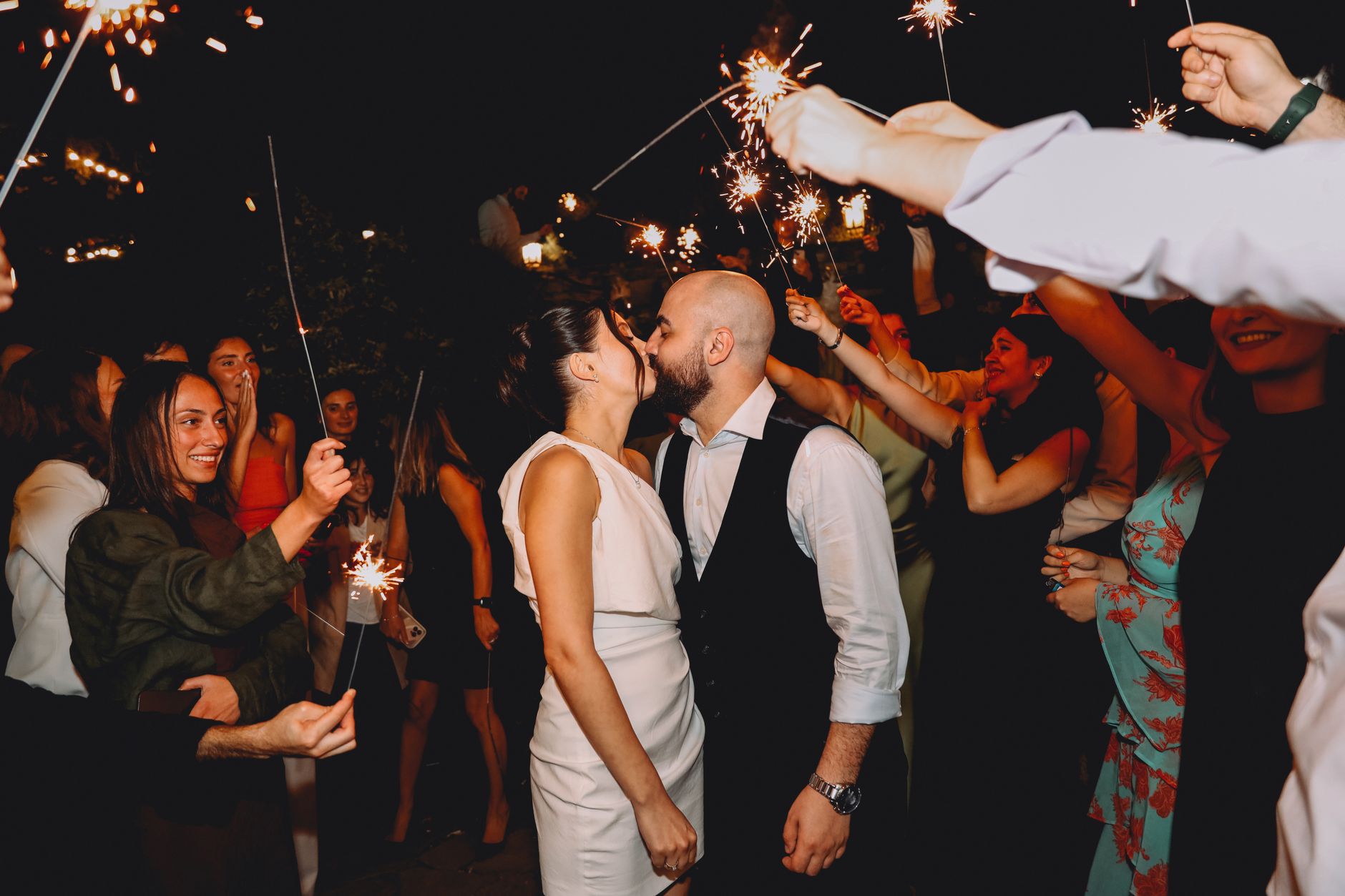
Photo by Photography Maghradze PH on Pexels
A full-day wedding film at Meadowood breaks into three parts, each with its own light signature.
Forest ceremony (4:00–5:30 PM). We arrive 90 minutes before the processional to walk the aisle, test audio under the canopy, and confirm the exact angle of light at ceremony start time. The redwoods create a natural aisle marker, but the light is uneven — one side of the aisle may be two stops brighter than the other depending on sun position and canopy density. We place Camera A on sticks at the back of the aisle for the processional, locked wide to capture the full walk and the guests' reactions as the bride enters under the trees. Camera B roams: tight on the couple during vows, a slow pan up the redwood trunks during the reading, close on a parent's hand reaching for a tissue during the ceremony's quieter moment. Audio: lapel mics on officiant and groom, shotgun mic on Camera A, and a Zoom recorder hidden near the couple as backup. The forest is quiet, but any wind in the canopy can create low-frequency rumble that needs to be high-pass filtered in post.
Wine cellar portrait window (5:30–6:15 PM). After the ceremony, the couple has a 30–45 minute portrait window before cocktail hour ends. Meadowood's wine cellar is a cinematic set — stone walls, low light, rows of bottles receding into darkness. We shoot the couple walking the cellar corridor, a quiet moment with two glasses of wine, and a slow pull-back that frames them against the barrel room. This sequence anchors the middle act of the wedding film, a breath between the ceremony's emotion and the reception's energy. The cellar light is tungsten-warm and dim; we shoot wide open (f/1.4 or f/2) and push ISO to 3200–6400 without introducing unacceptable noise on modern cinema cameras.
Croquet lawn reception (6:15–10:00 PM). The reception moves outdoors to the croquet lawn, where long farm tables sit under string lights and the surrounding redwoods create a natural perimeter. The light transitions from dusk ambience (6:15–7:30 PM) to full evening under strings and candles (7:30–10:00 PM). We cover toasts, first dance, parent dances, and the last hour of dancing. The croquet lawn is darker than a ballroom, so we rely on the venue's string lights and add one or two battery-powered LED panels on stands at the edges of the dance floor to lift faces during the final dance sequences. By 9:30 PM, the scene is all practicals — candles on tables, string lights overhead, and the glow from the open bar tent. The final shot in the highlight reel is often a wide aerial of the lawn from above, capturing the glowing rectangle of the reception against the dark forest.
Documentary Photography + Wedding Film Combined Package
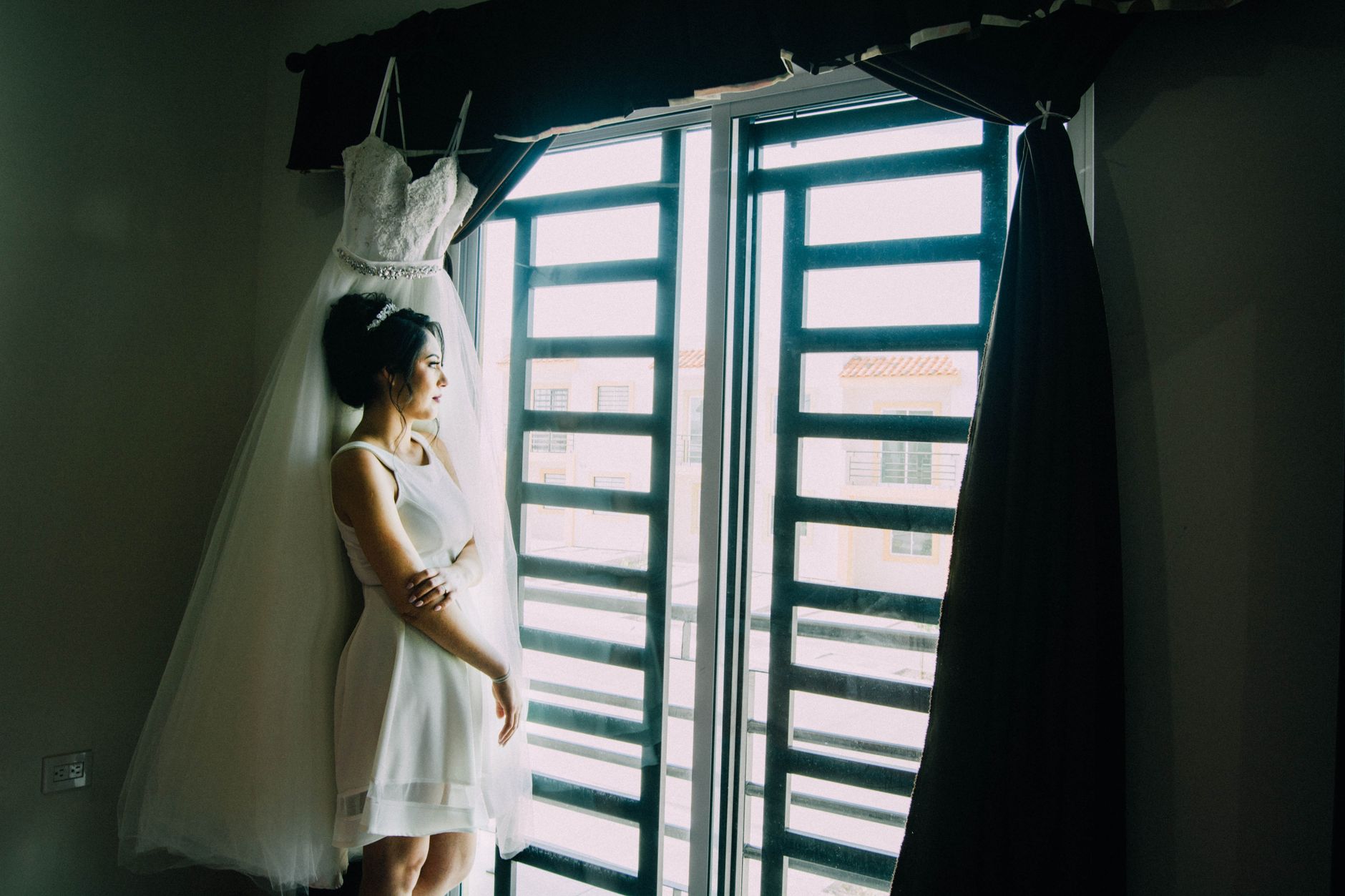
Photo by Jose Ricardo Barraza Morachis on Pexels
Most couples booking Meadowood hire both a documentary photographer and a wedding film crew. The coordination between the two is critical, especially during the forest ceremony and the wine cellar portrait window, when space is limited and every angle matters.
We work with the photographer to divide the aisle during the processional: the photographer shoots from the side or front-left; our video team holds the back-center position for the wide processional shot. During vows, the photographer moves in tight for reaction shots while our roaming camera stays back to avoid crossing frames. In the wine cellar, we alternate: the photographer shoots stills while we capture movement and ambient sound, then we step aside while the photographer composes formal portraits against the barrel room backdrop.
The Photo + Video Combined Package includes one lead photographer, one second shooter for photo, one lead videographer, and one second shooter for video — a 4-person team that covers Meadowood without overlap or missed moments. The edit turnaround is 8–12 weeks for the full wedding film, and couples receive both the full ceremony edit and a 6–8 minute highlight reel that opens with the forest ceremony, moves through the wine cellar interlude, and closes on the croquet lawn dancing.
What to Expect: Timeline, Deliverables, and Napa Valley Travel
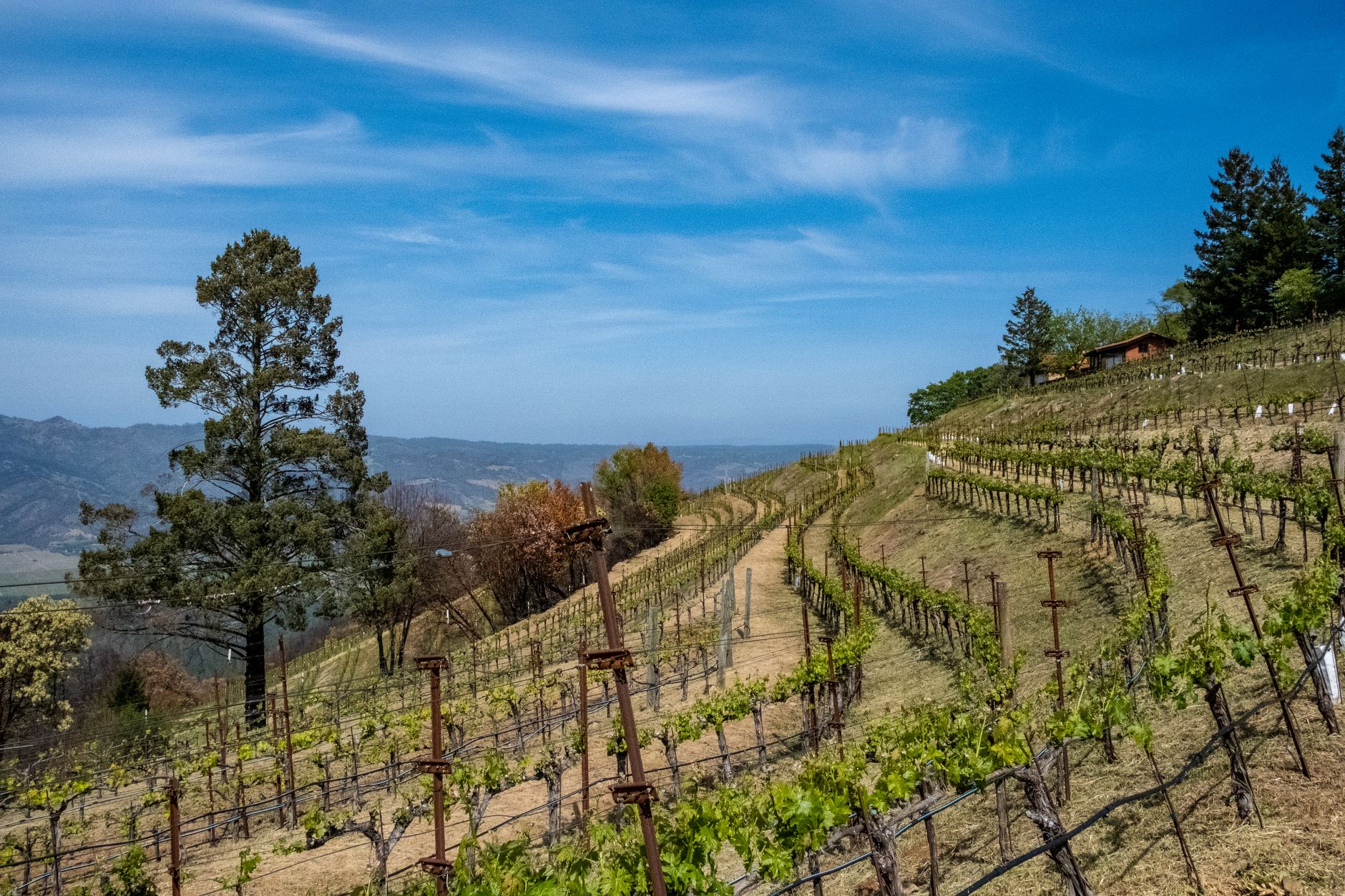
Photo by Kelsey on Pexels
Meadowood is a 90-minute drive north from our Los Angeles base, and we typically arrive the afternoon before the wedding to walk the property, confirm ceremony timing with the planner, and test audio in the redwood grove. For couples booking Full Ceremony Coverage, we deliver the complete ceremony edit (20–35 minutes) as a standalone film, plus the highlight reel. For couples who add the Save-the-Date Film or Engagement Film, we often shoot those in Napa as well — either at the couple's San Francisco home or at a vineyard near Meadowood during the rehearsal-dinner weekend.
Timeline:
- 2:00 PM — crew arrives at Meadowood; walk ceremony site and croquet lawn with planner
- 3:00 PM — bride and groom getting-ready coverage (if booked)
- 4:00 PM — forest ceremony begins
- 5:00 PM — recessional and family formal portraits
- 5:30 PM — wine cellar portrait window
- 6:15 PM — cocktail hour and croquet lawn setup
- 7:00 PM — reception entrances, toasts, first dance
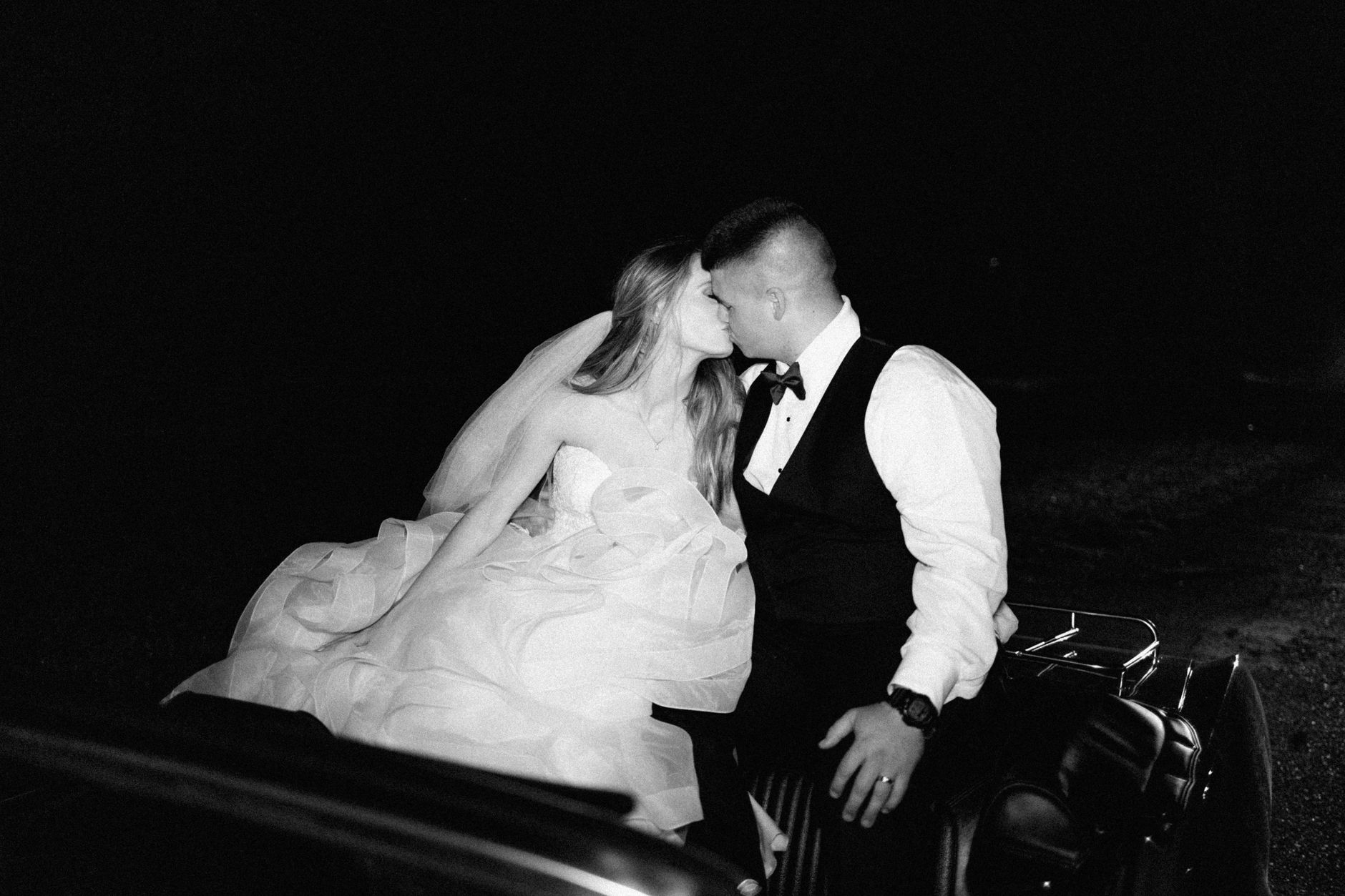
- 9:30 PM — last dance and send-off (sparkler exit or vintage car departure)
- 10:00 PM — wrap
Deliverables (delivered 8–12 weeks after the wedding):
- Highlight reel (6–8 minutes, optimized for web and social)
- Full ceremony edit (20–35 minutes, includes processional, vows, readings, recessional)
- Full toast audio (clean audio file of all toasts, separately indexed)
- Drone footage of croquet lawn and redwood-grove ceremony site (if permitted by venue and FAA)
Travel: Meadowood is in St. Helena, 75 miles north of San Francisco and 90 minutes north of Oakland. We travel from Los Angeles the day before and stay overnight in Napa Valley. Travel fees for Napa weddings are included in the Destination Wedding Film rate structure, which applies to any wedding more than 90 miles from Los Angeles.
Emotional Moments the Camera Captures
The first look at Meadowood often happens on one of the garden paths near the main lodge, away from the ceremony site. The couple walks toward each other under a canopy of oaks, and the videographer holds a tight shot on the bride's expression as she taps the groom's shoulder. The sound is minimal — footsteps on gravel, a quiet laugh, the rustle of her dress — and that restraint is what makes the moment cinematic rather than sentimental.
During the ceremony, the moment that consistently carries emotional weight is the parent reaction shot during the vows. We position Camera B to capture the bride's mother or the groom's father in profile, and the lens catches the small, involuntary gestures — a hand finding a spouse's hand, a tissue lifted to the corner of an eye, a slow exhale. These are not planned moments, and they require the videographer to anticipate rather than react. We know when the vows will crescendo emotionally, and we're already framing the parent two seconds before it happens.
The last dance on the croquet lawn is the final emotional beat. By 9:30 PM, half the guests have left, the string lights are the only illumination, and the couple dances alone in the center of the lawn while the remaining friends circle around them. The camera holds wide, captures the full scene, and lets the moment breathe. No zoom, no movement — just the couple, the lights, and the forest at the edge of the frame.
How Meadowood Compares to Other Napa Valley Wedding Venues
Meadowood is one of four Napa Valley venues we shoot regularly. Each has a distinct visual signature:
- Meadowood — forest ceremony, croquet lawn reception, wine cellar interlude. Intimate, vertical, green-tinted light.
- Auberge du Soleil — valley-vista terrace, open-sky ceremony, golden-hour backlight. Expansive, horizontal, warm light.
- Calistoga Ranch — hillside ceremony, outdoor bathhouse, vineyard backdrop. Rustic, elevated, late-afternoon glow.
- Beaulieu Garden — historic estate, manicured lawn, wisteria arbor. Formal, symmetrical, classic garden romance.
Couples choosing Meadowood typically want the forest enclosure and the editorial black-tie aesthetic. Couples choosing Auberge want the valley panorama. Couples choosing Calistoga Ranch want the hillside intimacy. The videographer's job is to recognize which venue the couple has chosen and build the coverage plan around that venue's inherent strengths rather than impose a one-size template.
Why Couples Book LifeStory.Film for Meadowood
We've shot 14 weddings at Meadowood since 2019, and the coverage approach has refined with each one. We know the exact spot on the croquet lawn where the string-light glow is warmest at 8 PM. We know the wine cellar corridor that gives the best depth and symmetry for the couple's walk. We know which redwood grove path has the cleanest background for the first look. This is not generic Napa Valley knowledge — it's Meadowood-specific, built from repeated on-site experience.
Couples hiring us for Meadowood are typically planning a wedding with a $150K+ overall budget, and they've already vetted 6–10 other California wedding videographers before reaching out. What closes the conversation is not price — it's the portfolio work from Meadowood and the clarity of the coverage plan. We send a PDF shot list that breaks the day into scenes (forest ceremony, wine cellar, croquet lawn), names the exact camera positions, and describes the light at each moment. That level of specificity signals first-hand knowledge, and it's the signal that matters most to couples who've chosen Meadowood for the same reason: they want a venue that delivers a specific, repeatable, high-end experience.
Begin a conversation about your Meadowood wedding by reviewing our Wedding Film service details and reaching out through the contact form on the site.