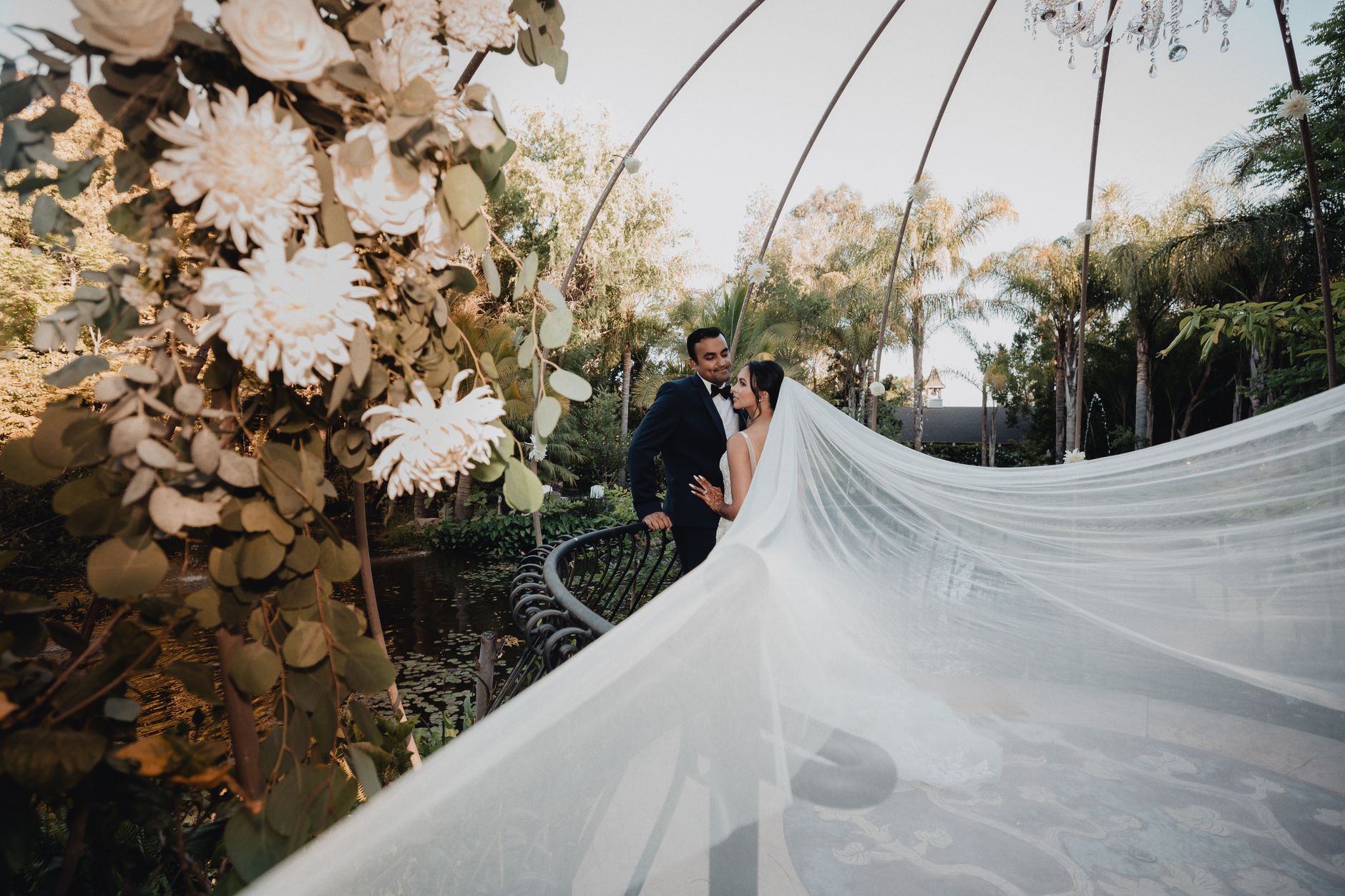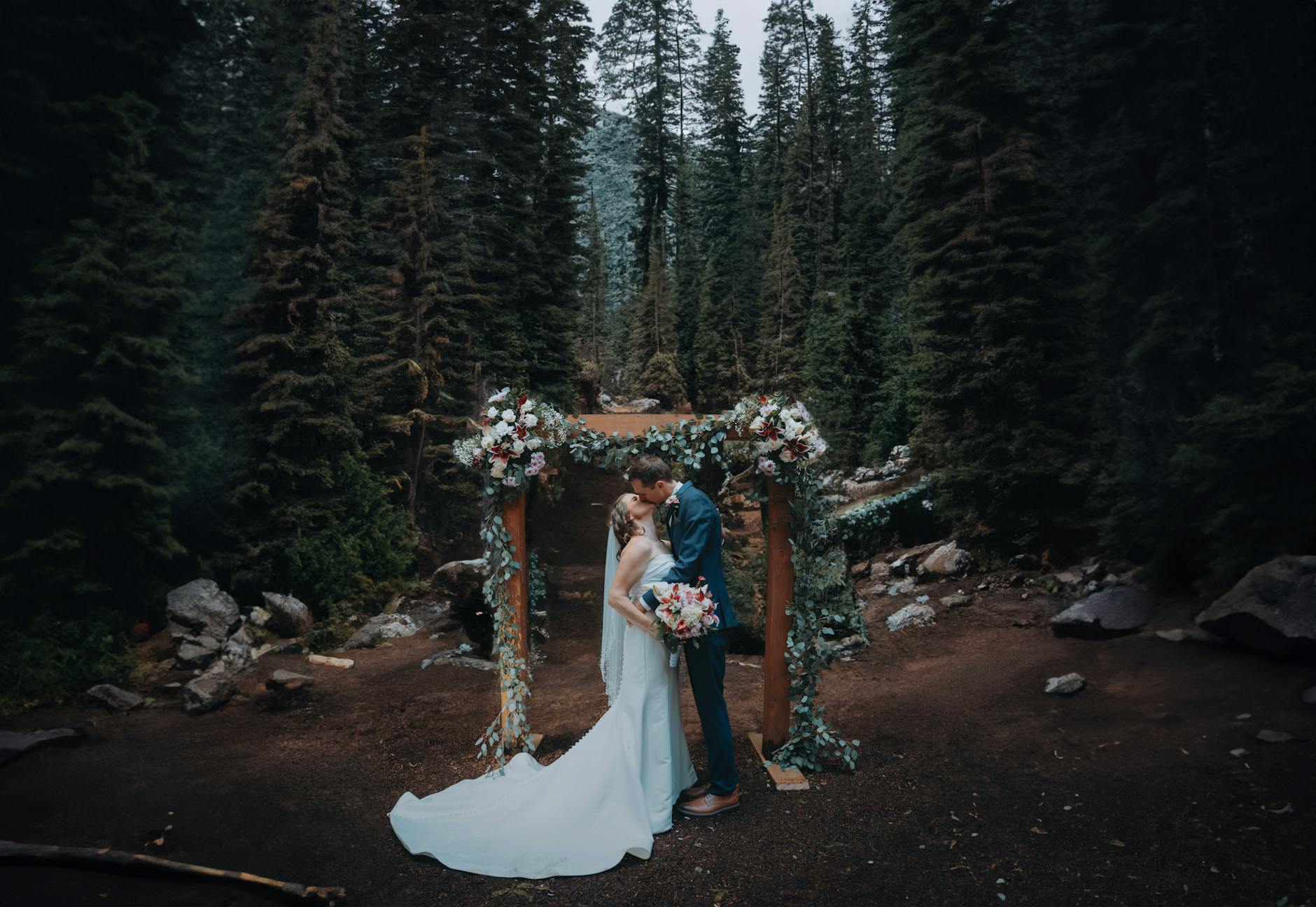
Wedding videography packages in California start at $2,499, with multi-day and destination coverage quoted individually, but price is the last variable a couple planning a wedding at Calamigos Ranch or Hotel Bel-Air should optimize. The meaningful distinction between packages is coverage hours—because a highlight reel built from 4 hours of ceremony-and-reception footage tells a different story than a full-day documentary film that includes the first look in the oak grove at 3 PM, the vows at 5, and the last dance under string lights at 10.
Three Package Tiers: Highlight Reel, Full-Day Film, Destination Coverage
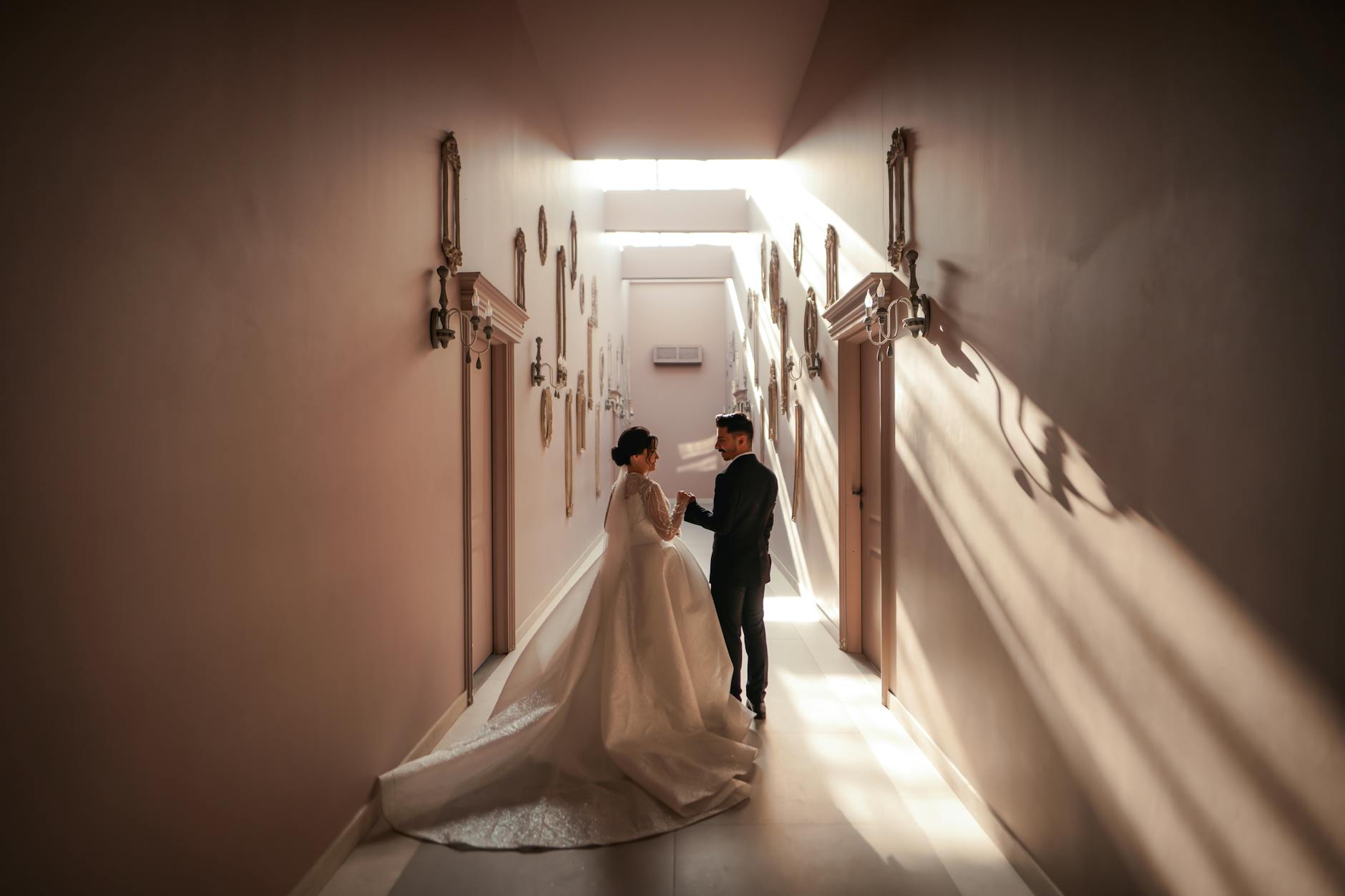
California wedding videography divides into three structural tiers, each designed for a different couple type and venue scenario.
Highlight Reel (4–6 hours of coverage) — ceremony, cocktail hour, and the first two hours of reception. Best suited to couples prioritizing a short, shareable edit over comprehensive documentation. Typical deliverable: a 3–5 minute highlight film, delivered 8–10 weeks after the wedding. Coverage begins 30 minutes before the ceremony processional and ends after toasts and first dances.
Full-Day Documentary Film (8–12 hours of coverage) — getting ready through last dance. Includes the first look, all pre-ceremony portraits, full ceremony coverage, cocktail hour, reception entrance, toasts, dances, cake cutting, and open dancing. Deliverables: a 3–5 minute highlight reel, a 20–30 minute full ceremony edit, and a 10–15 minute reception documentary. Turnaround: 10–12 weeks. This is the tier most couples at Bel-Air Bay Club, Ojai Valley Inn, and San Ysidro Ranch choose—it captures the day's full emotional arc without requiring multi-day logistics.
Destination & Multi-Day Coverage (2–3 days, 20+ hours total) — rehearsal dinner, welcome event, wedding day, and day-after brunch or portrait session. Built for destination weddings at venues like Auberge du Soleil, Resort at Pelican Hill, or international properties (Borgo Egnazia in Puglia, Le Sirenuse on the Amalfi Coast, Aman Tokyo). Deliverables include all full-day outputs plus a rehearsal-dinner short film and a multi-day documentary edit. Turnaround: 12–14 weeks.
How Venue Light Windows Determine Coverage Needs
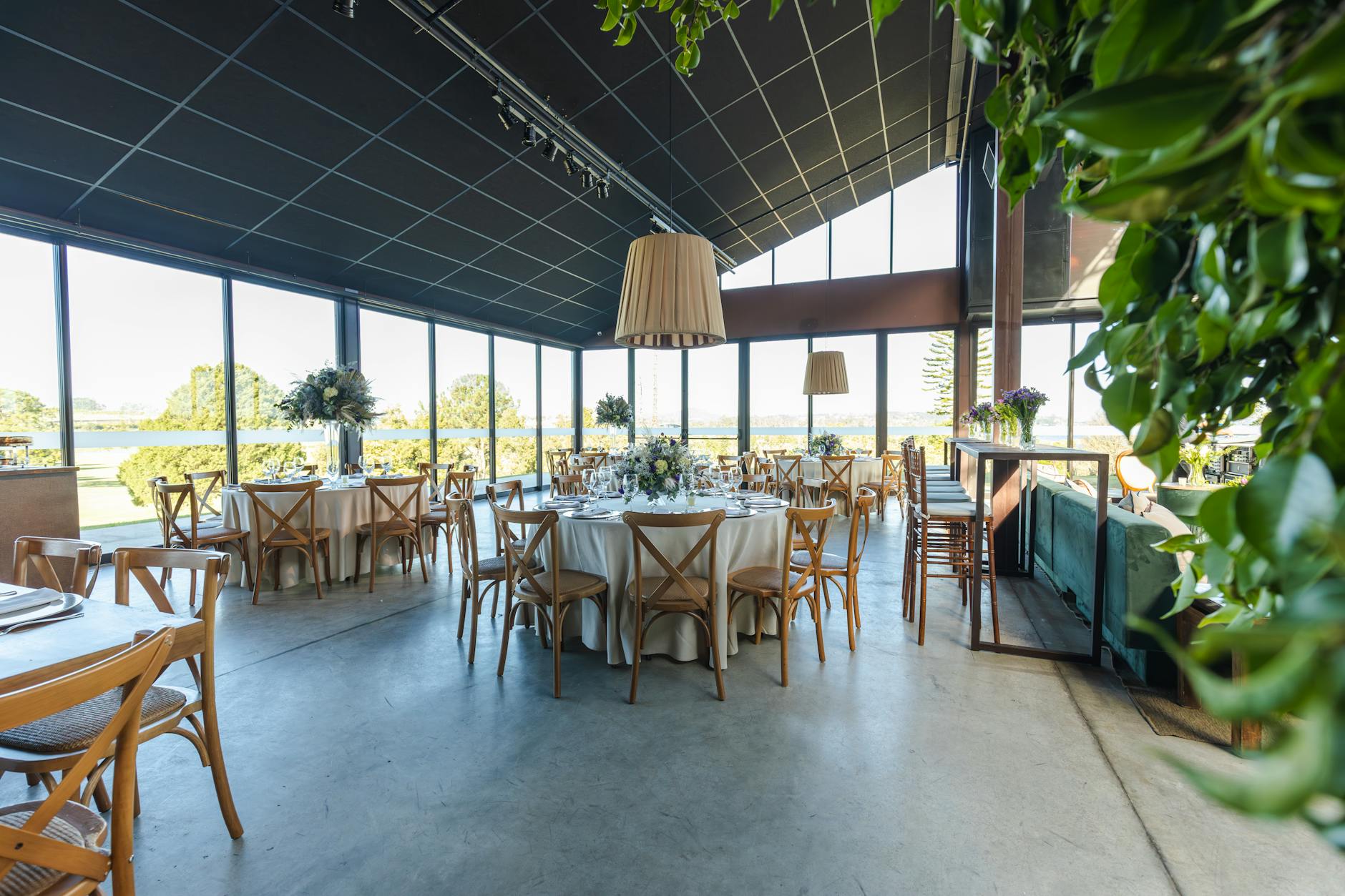
A wedding videographer's first question when a couple books Calamigos Ranch is not "What package do you want?" but "What time is your ceremony?" The answer dictates minimum viable coverage.
Calamigos Ranch's oak-canopy ceremony site delivers its best light between 4 PM and 6 PM from April through October. A couple scheduling a 5 PM ceremony needs a videographer on-site by 2:30 PM to capture the first look in that same golden light—which means the highlight-reel tier (4–6 hours starting at ceremony minus-30) misses the moment. Full-day coverage starting at 2 PM solves that.
At Hotel Bel-Air, the Swan Lake ceremony lawn films beautifully in dappled shade all afternoon, but the hotel's interior suites—where most couples get ready—require artificial light supplementation before 3 PM. A videographer starting coverage at 1 PM for a 4 PM ceremony will spend the first 90 minutes managing interior exposure, which is fine if the couple values getting-ready footage. If they don't, starting coverage at 3 PM and focusing on outdoor first-look and pre-ceremony portraits is the cleaner approach.
Ojai Valley Inn presents a different constraint. The property spans 220 acres, and couples often schedule the ceremony at the Oak Grove, cocktail hour at the Chandler Pavilion, and reception at the Vista Lawn—three separate locations requiring 10–15 minutes of golf-cart transit between them. A single-shooter highlight-reel package cannot cover all three seamlessly. Full-day two-shooter coverage can.
Photo + Video Combined Packages vs Video-Only Coverage
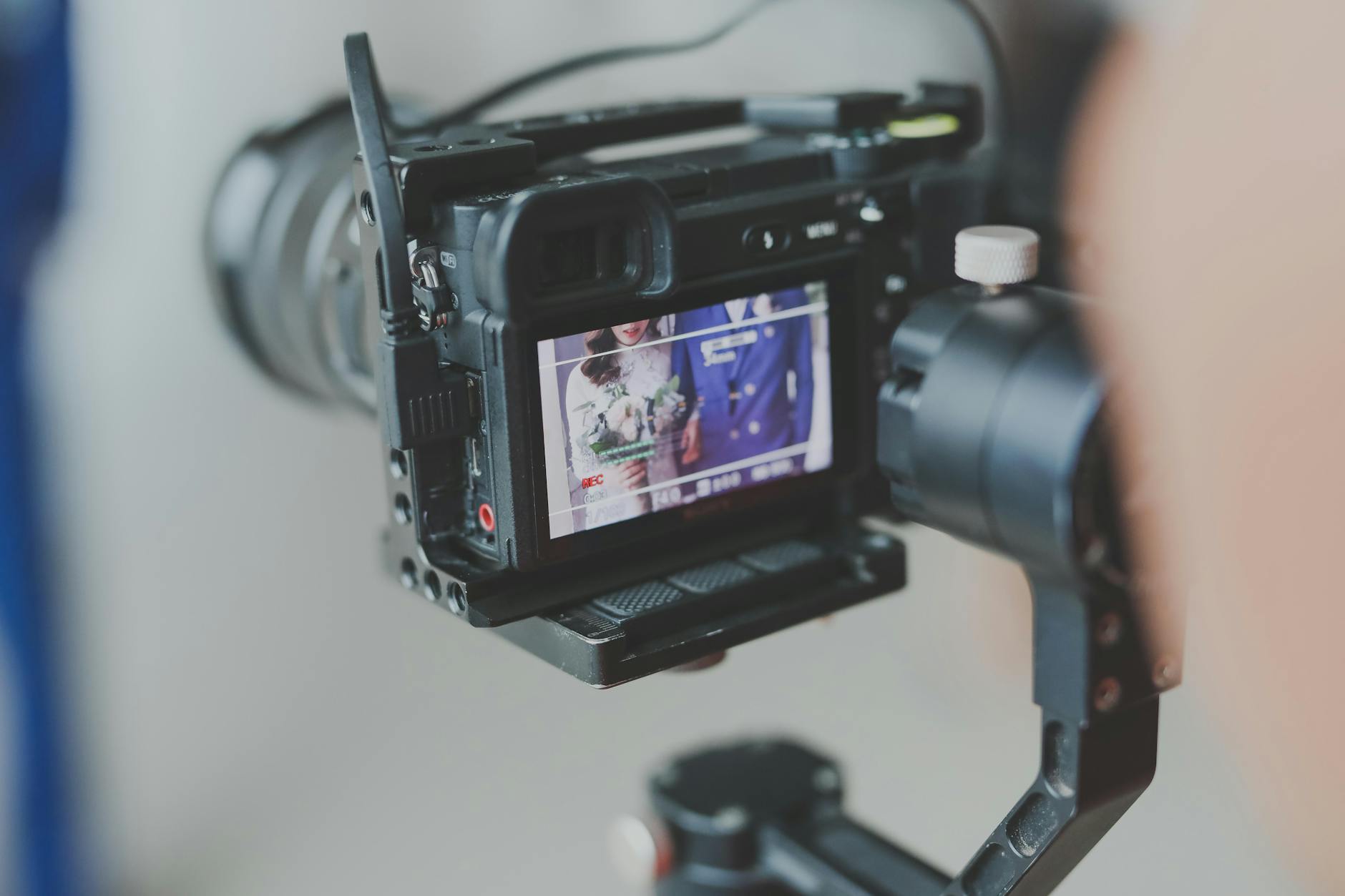
Roughly 60 percent of LifeStory.Film bookings combine documentary photography and wedding film into a single package, which streamlines timeline coordination and reduces the total vendor count from two to one.
The operational advantage: a combined photo-video team shares the same shot list, so the first-look sequence at Hummingbird Nest Ranch happens once—not twice, 15 minutes apart, because the photographer and videographer planned separate timelines. Combined packages also eliminate the "whose turn is it?" negotiation during family formals, which at a 150-person wedding can save 20 minutes of setup time.
The aesthetic advantage: editorial photography and cinematic videography are shot with the same compositional language—shallow depth of field, natural light prioritized over flash, environmental portraiture over posed rows. A combined team produces a visually consistent archive. A photo-only + video-only pairing from two separate studios often produces stylistic dissonance—one editorial, one traditional—which couples notice when they receive both galleries.
The photo + video combined package is structured as a 2-shooter photo team plus a 2-shooter video team working a shared timeline. Total crew: four. Coverage hours: typically 10–12 for a full-day wedding. Coverage and deliverables are tailored to the wedding; see the Packages & Pricing page for current collections.
Highlight Reel vs Full Ceremony Coverage: What Gets Cut
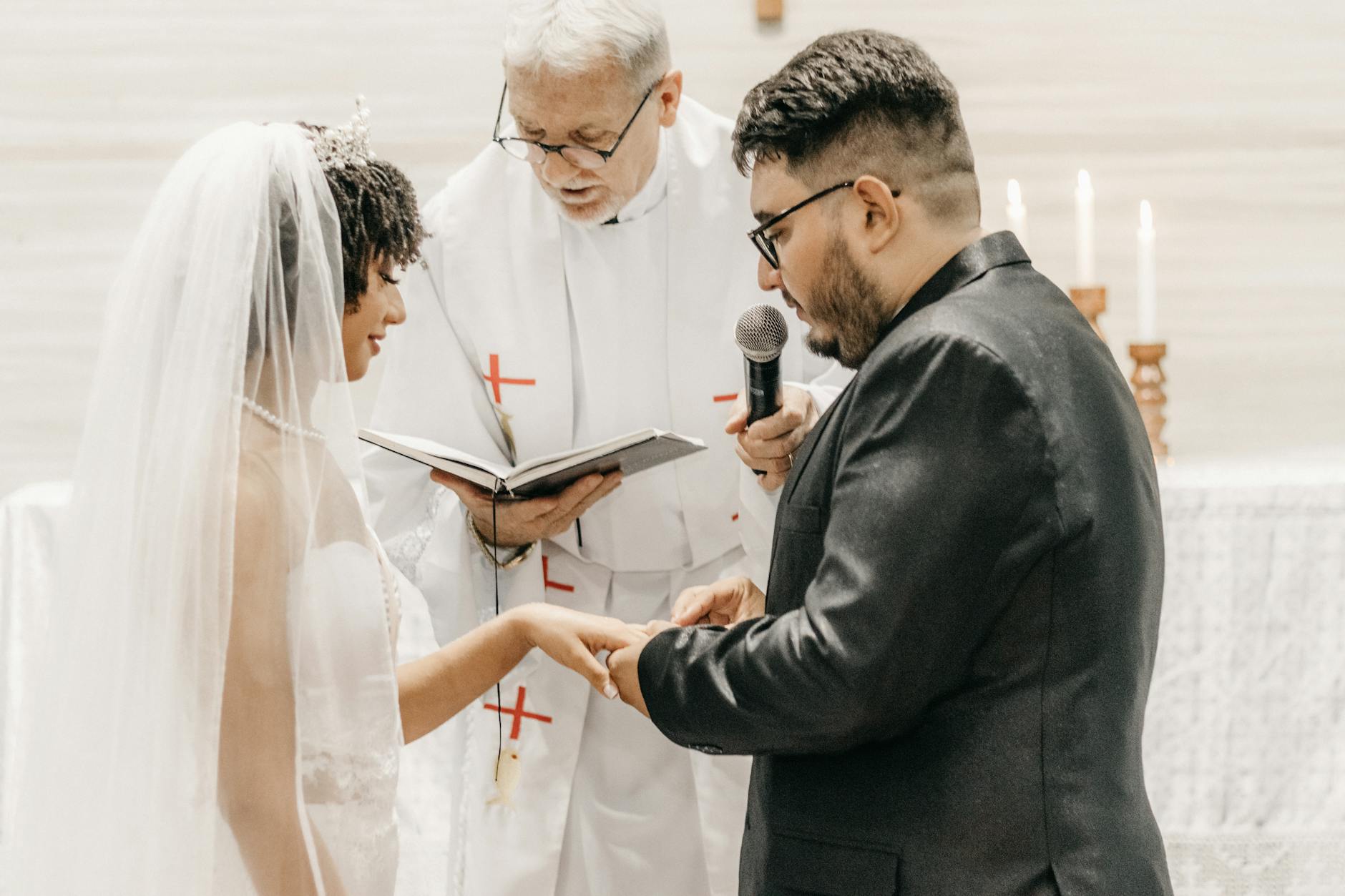
The difference between a highlight reel and full ceremony coverage is not duration—it's comprehensiveness.
A highlight reel is a curated 3–5 minute edit set to one or two songs, intercutting the ceremony, toasts, first dance, and a handful of portrait moments. It is built for Instagram, for sharing with extended family who did not attend, and for couples who want a short emotional distillation rather than a chronological record. The highlight reel does not include every vow, every reading, or every toast—it includes the 8–12 seconds of each that carry the most emotional weight.
Full ceremony coverage delivers the entire ceremony, start to finish, as a standalone 20–30 minute film: processional, readings, vows (both spoken in full), ring exchange, any cultural or religious rituals, the pronouncement, recessional. Audio is mixed from two sources—lavalier microphones on the officiant and groom, and a stereo ambient mic capturing guest reactions. This is the tier couples choose when they want to hear their own vows verbatim five years later, or when a parent or grandparent could not attend and the couple wants them to experience the ceremony as if they were there.
At Bel-Air Bay Club, where ceremonies average 25 minutes and are held on a Pacific-facing terrace with no amplification, full ceremony coverage requires a three-point audio rig (officiant lav, groom lav, and a shotgun mic on a boom pole positioned 8 feet from the couple) to isolate vows from wind noise. A highlight-reel package uses the same audio setup but does not deliver the unabridged ceremony file—just the curated edit.
Destination Wedding Film: What Changes for Multi-Day Coverage
A destination wedding film is not a longer version of a single-day wedding film—it is a different editorial structure. Multi-day weddings at properties like San Ysidro Ranch, Rancho Valencia, or Montage Laguna Beach include rehearsal dinners, welcome parties, day-after brunches, and sometimes a separate mehendi or sangeet night for South Asian weddings. Each event is a discrete scene with its own emotional stakes.
The destination package delivers:
- A rehearsal-dinner short film (2–3 minutes) cut and delivered within 48 hours of the event, screened at the welcome party the next day
- A wedding-day highlight reel (4–6 minutes) following the same editorial structure as the full-day tier
- A full ceremony edit (20–30 minutes) as a standalone chapter
- A multi-day documentary film (15–25 minutes) that intercutS all three days into a single narrative arc
Turnaround for the full suite: 12–14 weeks, because the editor is assembling four separate films from 25+ hours of source footage.
Travel logistics: destination packages include travel days on either side of the event, which matters when the wedding is at Auberge du Soleil (5-hour drive from Los Angeles, hotel stay required) or at an international venue like Villa Cetinale in Tuscany (flights, ground transport, lodging for a 4-person crew across 5 days). Those costs are built into the package price, not invoiced separately.
When to Add an Engagement Film or Save-the-Date Film
An engagement film is a 60–90 second cinematic portrait shot in a location meaningful to the couple—the trail where they got engaged, the neighborhood where they met, the coastline near their home. It is not a slideshow of photos set to music; it is a short documentary capturing how the couple moves together, narrated (optionally) by one or both voices describing how they met or what the wedding means.
Typical use case: couples sending printed save-the-dates include a QR code linking to the engagement film, which gives out-of-town guests a visual preview of the couple's aesthetic and sets expectations for the wedding's tone (formal vs. casual, traditional vs. editorial).
A save-the-date film is functionally identical but shot 8–12 months before the wedding (vs. 12–18 months for an engagement film) and sometimes includes a 5-second title card announcing the wedding date and location. Both are typically shot in a single 2-hour session at one location—Malibu coast, downtown Los Angeles, Ojai orange groves, the couple's home neighborhood—and delivered within 3–4 weeks.
These shorter films are usually added to a full-day wedding package at a bundled rate ($800–$1,200) rather than booked separately.
How Couple Aesthetic Determines Package Fit
Urban modern couples (minimalist palette, architectural venues, clean editorial) tend to book the full-day tier with an emphasis on environmental portraits and a tightly edited 4-minute highlight reel. They prioritize the highlight over the ceremony archive.
Garden romantic couples (Calamigos Ranch, San Ysidro Ranch, Beaulieu Garden) typically want full ceremony coverage because their vows are often personalized and lengthy, and the ceremony itself is the day's centerpiece. They book 10–12 hours and request both the highlight reel and the unabridged ceremony film.
Destination minimalist couples (small weddings at Carmel Valley Ranch, Calistoga Ranch, or international properties) book multi-day coverage but with smaller crews—often a single videographer and a single photographer rather than two-shooter teams, because guest counts under 50 allow one shooter to cover all angles.
Editorial black-tie couples (Beverly Hills Hotel, Hotel du Cap-Eden-Roc, Belmond Hotel Caruso) want the most comprehensive archive: full-day photo-video combined package, full ceremony coverage, and often a same-day edit screened during the reception. Total deliverables: 6–8 separate films (highlight, ceremony, toasts, first dance, same-day edit, multi-day recap if applicable).
Package Pricing Transparency: What Moves the Number
LifeStory.Film packages start at $2,499, with the Signature collection at $6,928; multi-day and destination weddings are quoted individually. Here's what drives price within a package:
- Coverage hours: shorter coverage (4–6 hours) suits a highlight-focused film; full-day coverage (10–12 hours) captures the complete story; multi-day and destination weddings are quoted individually.
- Shooter count: Single videographer vs. 2-shooter video team vs. combined 4-person photo-video crew. A second shooter adds $1,200–$1,800 depending on hours.
- Deliverable complexity: Highlight reel only vs. highlight + full ceremony vs. highlight + ceremony + reception documentary + multi-day recap.
- Travel distance: Weddings within 50 miles of Los Angeles base (no travel fee). Northern California (Napa, Sonoma, Carmel): +$800–$1,200. International destinations: +$3,000–$5,500 depending on crew size and duration.
- Seasonal demand: May, June, September, and October are peak wedding months in Southern California. Dates in those months may carry a 10–15 percent premium over January–March or July–August.
Couples who want a precise quote provide the wedding date, venue, estimated guest count, and preferred deliverables (highlight only, or highlight + ceremony, or full suite). A detailed proposal arrives within 48 hours.
What the Edit Turnaround Actually Means
The 8–12 week edit turnaround for a full-day wedding film is not arbitrary. Here's what happens between the wedding day and delivery:
- Week 1–2: All footage is ingested, backed up to three separate drives, and organized by scene (getting ready, first look, ceremony, cocktail hour, reception). A single full-day wedding generates 6–10 hours of raw 4K footage from a 2-shooter team.
- Week 3–5: The editor assembles the ceremony edit first, because it is chronological and does not require narrative shaping—just color grading, audio mixing, and trimming dead air. That file is reviewed internally, revised once, and approved.
- Week 6–9: The highlight reel is cut. This is the longest phase because the editor is selecting 8–12 seconds from each scene, finding the emotional peaks, and pacing the edit to music (which the couple selects from a curated list of licensed tracks, or provides as a special-request song we license separately). The first draft goes to the couple for one round of revision notes. Revision notes are due within 7 days. The editor implements them and delivers the final cut.
- Week 10–12: Any supplemental edits (toasts film, reception documentary, same-day edit if not already delivered) are finalized.
Rush delivery (4–6 weeks instead of 10–12) is available for an additional $1,500–$2,000 and requires the couple to move to the front of the edit queue.
How to Choose Between Packages for Your Wedding
Start with three inputs: venue, timeline, and what you will actually watch five years from now.
If your ceremony is the centerpiece—personalized vows, a meaningful ritual, a location like the Triunfo Creek Vineyards hilltop chapel—book full ceremony coverage. The highlight reel will not preserve the vows verbatim.
If your wedding spans multiple days—rehearsal dinner at the resort, wedding day, and a day-after brunch—book the destination tier. Trying to add the rehearsal dinner as a last-minute upsell the week before the wedding rarely works; the crew schedules travel and lodging months in advance.
If you want photo and video and your venue is Hummingbird Nest Ranch, Saddlerock Ranch, or Terranea Resort—all large properties with multiple ceremony and reception sites separated by distance—book the combined package with 2-shooter teams for each discipline. A single photographer cannot cover the ceremony and simultaneously capture candid cocktail-hour moments 400 yards away.
If you are planning a small wedding (under 50 guests) at an intimate venue—the barn at Calamigos Ranch, the courtyard at Hotel Bel-Air, a private estate—a single-shooter highlight-reel package is often sufficient, especially if the ceremony and reception happen in the same location.
The pricing page details all tiers. The FAQ answers common questions about deposits, revision rounds, and raw footage requests. Couples ready to begin a conversation provide a wedding date and venue through the contact form—a detailed proposal with package recommendations follows within 48 hours.
Why Package Structure Matters More Than Package Price
The least useful way to compare wedding videography packages is to line up three proposals and choose the lowest number. A $4,500 package that includes 6 hours of single-shooter coverage, no second angle on the ceremony, and a highlight reel as the sole deliverable is not comparable to a $6,800 package that includes 10 hours, a 2-shooter team, full ceremony coverage, and a reception documentary—even though both are described as "full-day wedding video."
The questions that matter:
- How many shooters, and does the venue's layout require two to cover simultaneous scenes?
- What are the actual deliverables—just a highlight, or highlight + ceremony + toasts + reception recap?
- What is the turnaround, and is there a revision round included?
- Does the quote include travel if the venue is in Napa, Carmel, or out of state?
- Who is editing the film—the same team that shot it, or a third-party editor who has never been to the venue?
A transparent package includes all of those details in the proposal, itemized. If a proposal lists only "wedding videography — $X,XXX" with no coverage hours, deliverable list, or crew size, the couple is buying a number, not a plan.
LifeStory.Film proposals specify hours, shooter count, deliverables by name (wedding film, full ceremony coverage, highlight reel, toasts film), turnaround timeline, revision policy, travel if applicable, and the same editor who cuts the film will have been on-site for the wedding. That last detail is not standard across the industry, but it is the reason the final edit feels like it was made by someone who was in the room—because it was.
Begin a conversation about wedding videography coverage for your California wedding, destination event, or multi-day celebration. Every package is built from the venue, the timeline, and what you want to remember.