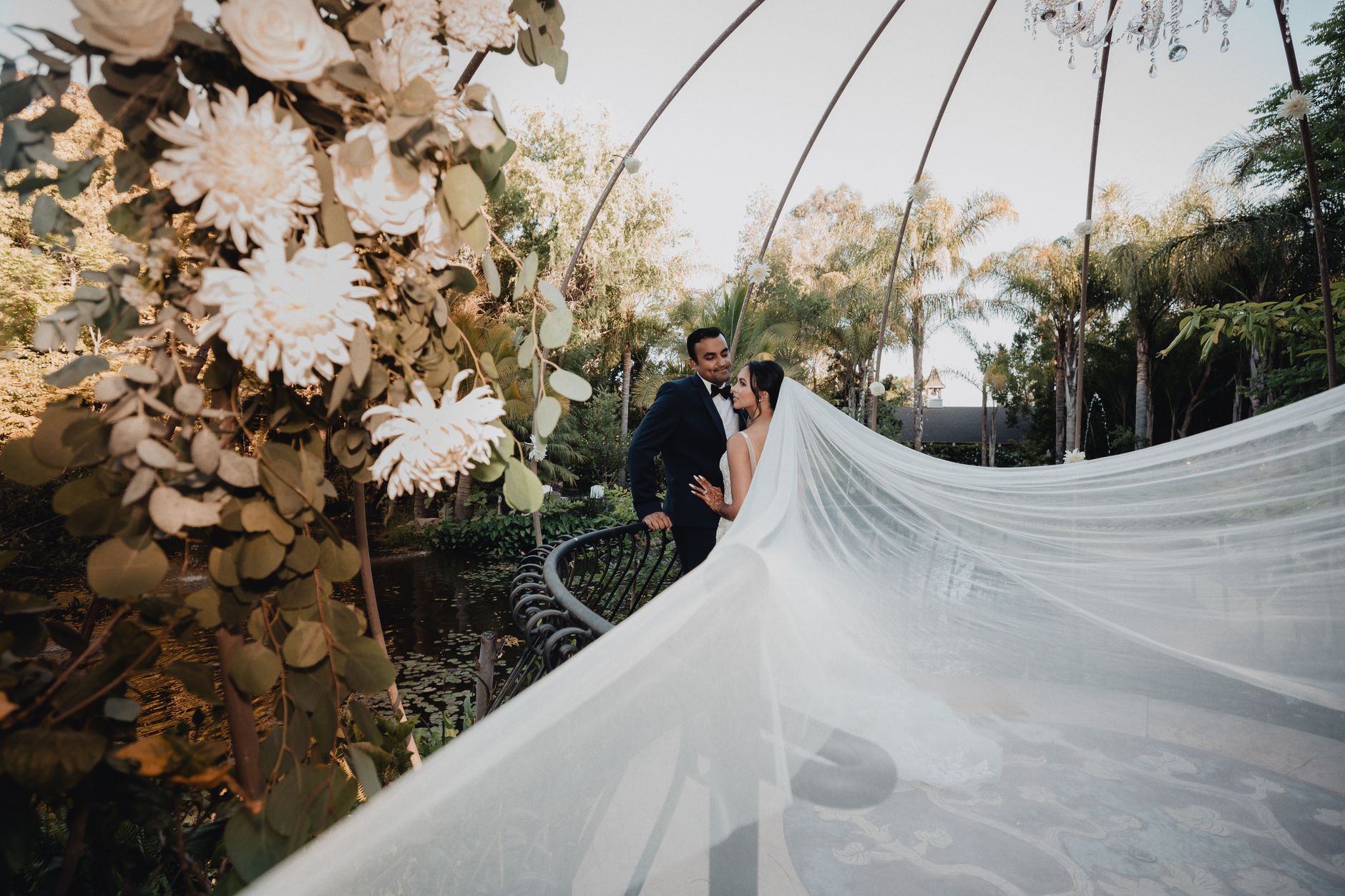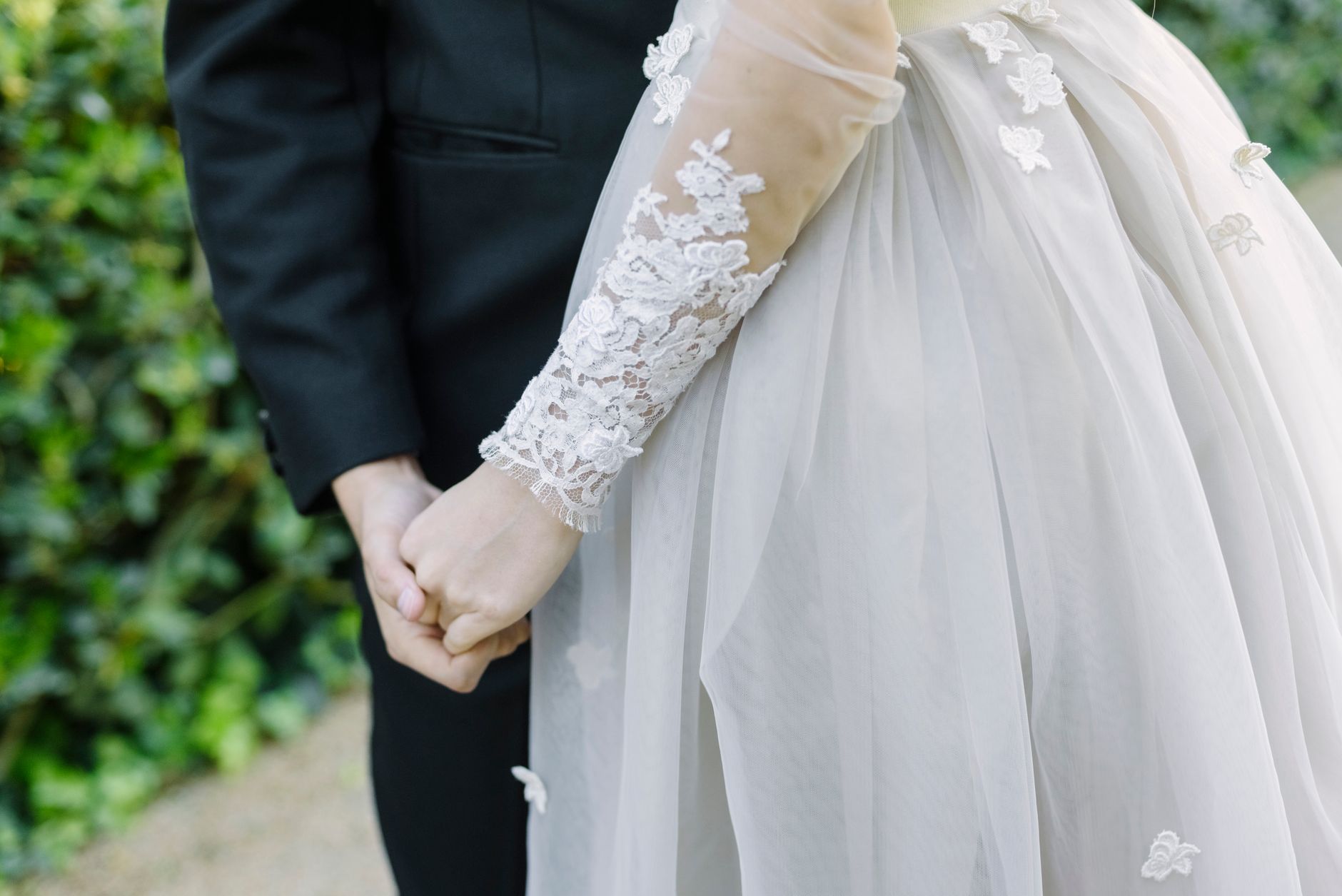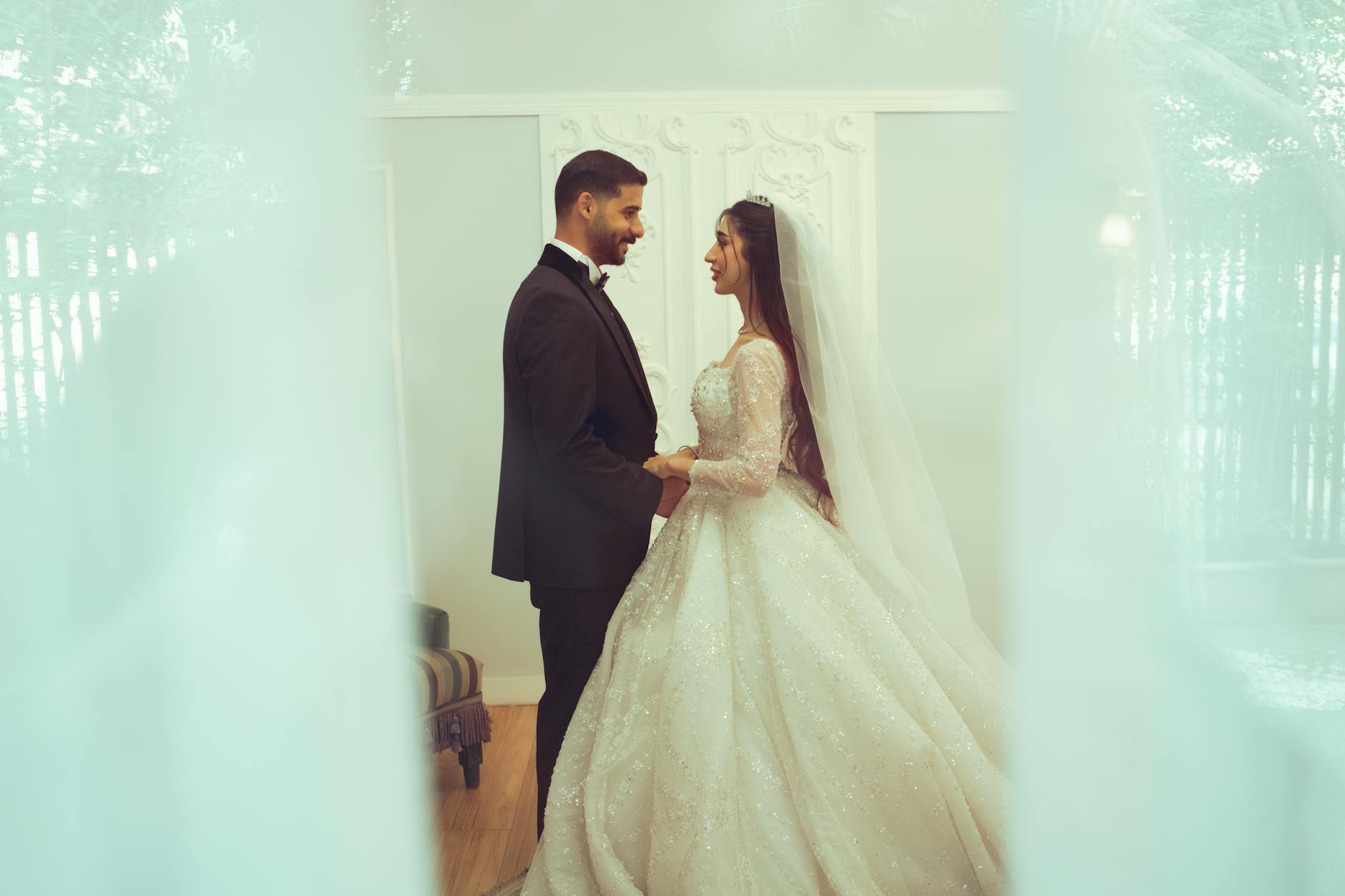
A luxury wedding film in Los Angeles is cinematic storytelling that captures your celebration with the production value of feature cinema and the emotional authenticity of documentary coverage. Southern California couples planning weddings at Hotel Bel-Air, Beverly Hills Hotel, Resort at Pelican Hill, and San Ysidro Ranch choose luxury wedding films for narrative-driven edits, editorial composition, and natural-light cinematography that transforms their day into an heirloom film—not a three-minute highlight reel.
LifeStory.Film has produced luxury wedding films at over 40 Southern California venues including Hotel Bel-Air, Calamigos Ranch, Resort at Pelican Hill, and Montage Laguna Beach, with full-day coverage packages ranging from $7,500 to $14,000. The approach blends documentary observation with cinematic technique: unscripted moments captured with cinema-grade cameras, prime lenses, and color grading that reflects the venue's natural palette. This is coverage built for couples who want their wedding film to feel like a Vogue editorial, not a vendor promotional reel.
What Defines a Luxury Wedding Film in Los Angeles
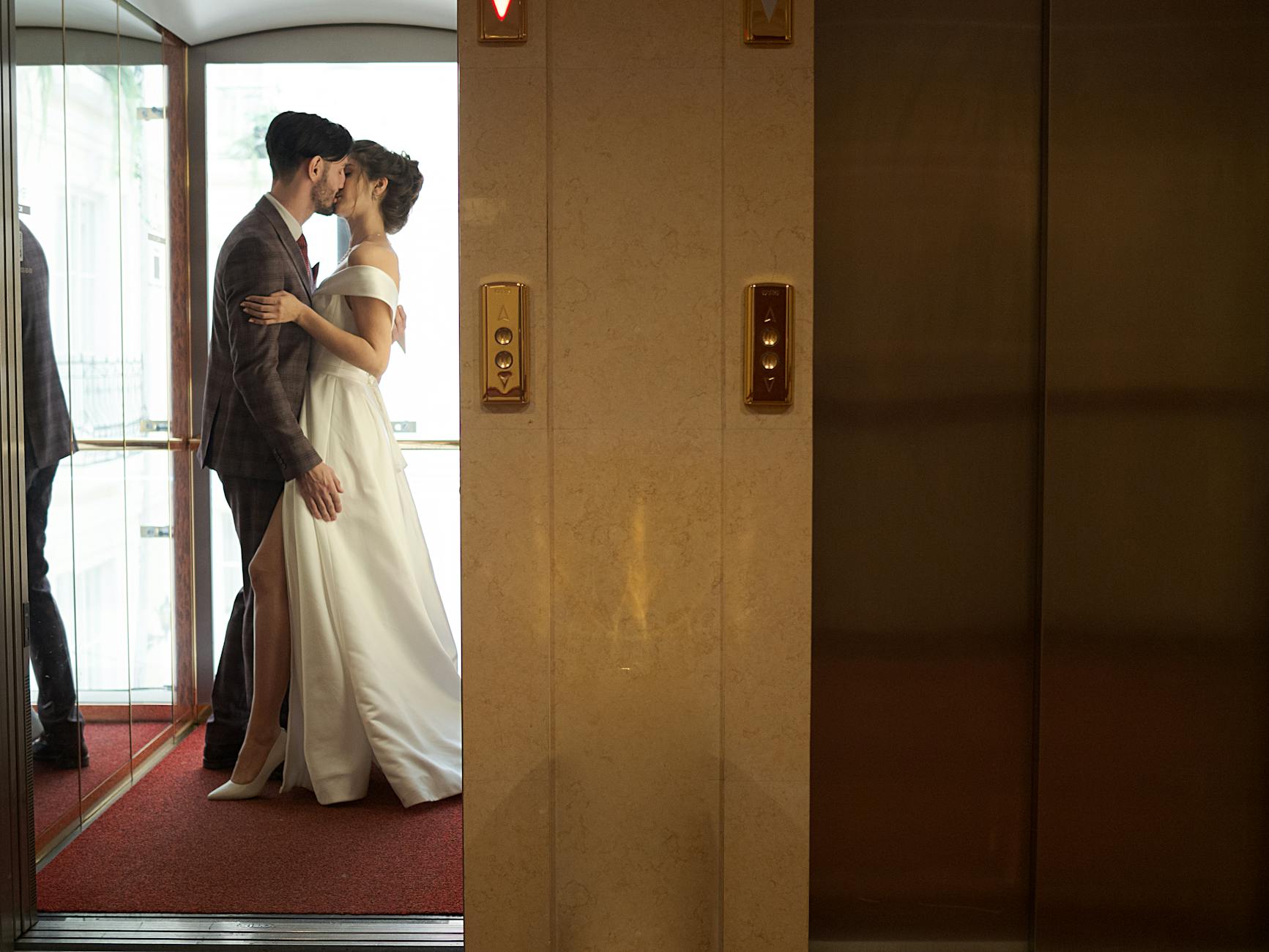
Luxury wedding films use cinema-grade cameras, prime lenses, and natural-light techniques borrowed from editorial fashion and documentary filmmaking. The difference between luxury wedding film and traditional videography shows up in composition, post-production, and pacing. Traditional videography often relies on posed setups, artificial lighting rigs, and rapid-cut highlight reels. Luxury wedding films prioritize unscripted observation, available-light cinematography, and narrative structure that unfolds across 10–15 minutes rather than 90 seconds.
Coverage at a venue like Hotel Bel-Air illustrates the distinction. A luxury filmmaker notices the eucalyptus shadow on the garden terrace at 4 PM, frames the first look in that light without repositioning the couple, and records the full ceremony vows uninterrupted. Post-production includes color grading that matches the venue's green-gold palette and sound design layering live vows, toasts, and the couple's music choices intentionally—not a trending audio track imposed over the edit.
Deliverables for a luxury wedding film typically include a 10–15 minute narrative film, full ceremony edit, full toast edit, and a 90-second teaser. The narrative film is structured like a short documentary: an opening sequence establishing the venue and preparation scenes, ceremony coverage presented in full emotional context, and reception moments woven into a closing arc that mirrors the evening's natural rhythm. This format requires 12–16 weeks of post-production for color grading, sound mixing, and editorial pacing—time that distinguishes luxury films from same-week turnarounds.
Cinematic vs Traditional Wedding Videography
Cinematic luxury wedding films incorporate intentional camera movement—gimbal tracking shots during the processional, slider transitions between ceremony and cocktail hour, and drone establishing shots that place the venue in its geographic context. Traditional videography typically uses stationary tripod coverage and handheld run-and-gun footage. The cinematic approach requires advance venue scouting to map light quality, coordinate with documentary photography teams, and plan shot sequences that capture emotional beats without directing the couple mid-moment.
At Calamigos Ranch, for instance, a luxury filmmaker scouts the oak-grove ceremony site in advance to determine whether the 5 PM ceremony light will filter through the canopy or create harsh shadows, then positions cameras accordingly. That preparation produces footage where natural light flatters every frame, and the couple never needs to pause for repositioning. The footage matches editorial standards because it was planned with editorial technique—not improvised on the day.
Editorial Production Standards
Editorial production standards in luxury wedding film mean every frame could appear in a print magazine. Composition follows rule-of-thirds framing, negative space balances the subject, and color grading avoids oversaturated or artificially warm tones. The goal is cinematic realism: the Beverly Hills Hotel's blush-pink facade rendered accurately in afternoon light, not color-shifted toward orange or teal for stylistic effect.
Sound design also distinguishes luxury wedding films. Rather than replacing ceremony audio with a music bed, luxury edits layer the officiant's voice, live vows, guest reactions, and the couple's chosen processional music as they occurred. Toasts are presented in full, not condensed into 15-second soundbites. This approach requires multi-track audio recording and mixing—techniques standard in documentary film but rare in traditional wedding videography.
Documentary-Style Coverage Approach
Documentary-style coverage in luxury wedding film prioritizes observation over direction. The filmmaker captures moments as they unfold—a parent's hand finding the bride's during the ceremony, the quiet minute after the first look when the couple stands together before the photographer intervenes, the last dance when guests have left and the couple is alone on the floor. These scenes cannot be recreated; they require anticipation, positioning, and restraint.
LifeStory.Film's signature approach is 70% documentary observation and 30% intentional composition during portrait sessions and venue walkthroughs. The documentary portion happens during ceremony, toasts, and reception—moments where filmmaker intervention would interrupt emotional authenticity. The composed portion occurs during scheduled portrait time, when the couple and photographer have already set aside 30–45 minutes for intentional framing. This balance delivers cinematic polish without sacrificing unscripted emotional beats.
Los Angeles Venues Where Luxury Wedding Films Shine
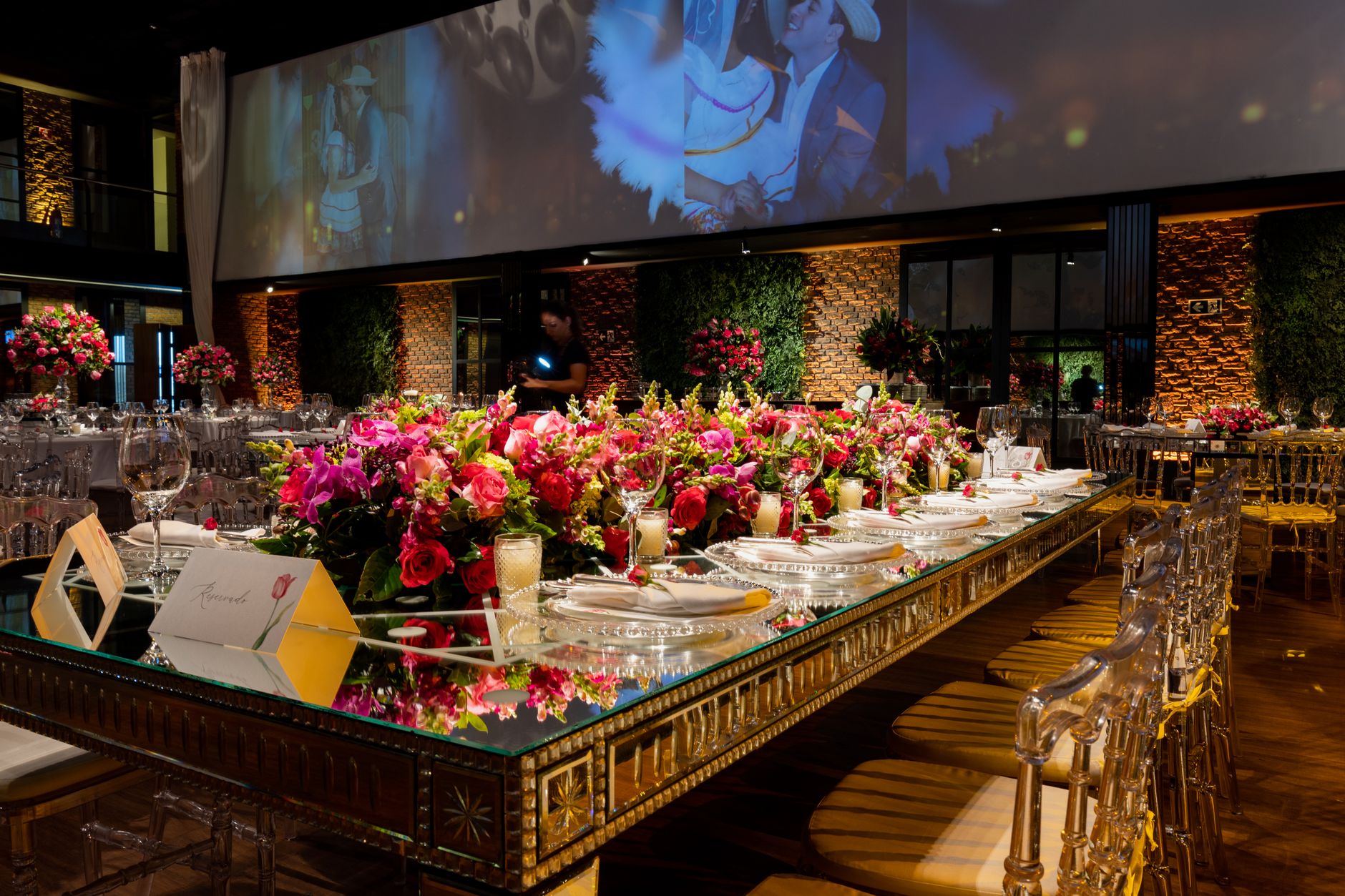
Luxury wedding films perform best at venues with architectural distinction, natural light, and spatial variety that support both wide establishing shots and intimate close-ups. Southern California offers a range of settings—from old-Hollywood estates to coastal cliffside resorts—each suited to different cinematic approaches.
Hotel Bel-Air and Beverly Hills Hotel provide old-Hollywood elegance with lush garden ceremony sites and intimate indoor reception spaces that suit available-light cinematography. Hotel Bel-Air's Swan Lake ceremony site frames vows against water reflections and California sycamores, while the Beverly Hills Hotel's Polo Lounge and Crystal Ballroom offer mid-century interiors that require minimal additional lighting. These venues work for couples who want editorial polish and classic Los Angeles luxury.
Calamigos Ranch, Saddlerock Ranch, and Hummingbird Nest Ranch offer canyon light and Pacific views ideal for wide-angle documentary coverage. Calamigos Ranch's oak grove filters afternoon sun into green-gold light that flatters skin tones and requires no correction in post. Saddlerock Ranch's open hillside and vineyard rows allow gimbal tracking shots during golden hour. Hummingbird Nest Ranch's cliffside ceremony site overlooks the Malibu coastline, providing natural drama without needing drone footage—though drone establishing shots add geographic context.
Resort at Pelican Hill and Montage Laguna Beach in Orange County deliver architectural luxury and ocean backdrops that filmmakers can capture with natural light throughout the day. Resort at Pelican Hill's rotunda and terraced lawns provide both intimate and grand-scale framing options. Montage Laguna Beach's cliffside setting and Craftsman-inspired interiors suit couples planning smaller luxury weddings (80–120 guests) where the filmmaker can move fluidly between preparation, ceremony, and reception without missing transitions.
Beverly Hills and Westside Estates
Private estates in Beverly Hills, Holmby Hills, and Bel-Air allow complete creative control over ceremony timing and enable filmmakers to capture rehearsal dinner, morning preparations, and after-party as one continuous narrative. Estate weddings typically grant 12–16 hours of venue access, compared to the 8–10 hours common at hotel properties. This extended timeline supports documentary-style coverage that includes the bride's morning routine, vendor setup, and late-night send-off—scenes that add narrative depth to the final film.
Estate coverage works best when the couple books photo + video combined package services, allowing the photography and film teams to coordinate timeline and avoid duplicating angles during key moments like the first look and family portraits. Coordinated teams also streamline the couple's day—one unified creative direction rather than competing requests from separate vendors.
Coastal Southern California Resorts
Coastal venues from Malibu to Laguna Beach offer consistent natural light and ocean backdrops that simplify cinematography while delivering high visual impact. Terranea Resort, Montage Laguna Beach, and Resort at Pelican Hill provide both ceremony and reception spaces on-property, reducing travel time between locations and allowing the film crew to pre-position cameras for seamless transitions.
The majority of LifeStory.Film's Los Angeles luxury wedding film clients choose venues in the $15,000–$40,000 rental range, with overall wedding budgets exceeding $100,000. Coastal resorts in this tier typically include preferred vendor relationships, meaning the filmmaker has prior experience with the venue's event coordinators, knows which ceremony sites photograph best at which times, and can coordinate with in-house AV and catering teams without friction.
Ojai and Santa Barbara Wine Country
San Ysidro Ranch in Montecito and Ojai Valley Inn provide estate intimacy and California wine-country light favored by couples seeking editorial privacy and weekend celebration formats. San Ysidro Ranch's cottage accommodations and garden ceremony sites support multi-day coverage—welcome dinner on Friday, full wedding coverage Saturday, and farewell brunch Sunday—allowing the filmmaker to build a longer narrative arc across three days rather than compressing everything into one 12-hour window.
Ojai Valley Inn's Spanish Colonial architecture and oak-shaded lawns suit couples planning 100–150 guest weddings with a relaxed timeline. The venue's natural light remains consistent from mid-morning through late afternoon, giving ceremony planners flexibility without sacrificing film quality. LifeStory.Film maintains preferred vendor status at both San Ysidro Ranch and Ojai Valley Inn, which streamlines coordination with property event teams and ensures access to optimal filming positions during ceremony and reception.
Investment and Package Structure for Los Angeles Luxury Wedding Films
Full-day luxury wedding film packages in Los Angeles start at $7,500 and include 10–12 hours of coverage, a lead filmmaker, a second camera operator, and editorial post-production. The average booked luxury wedding film package with LifeStory.Film is $9,200, with 60% of clients adding engagement film, rehearsal dinner coverage, or destination wedding film services. Investment scales with crew size, deliverables, venue travel, and multi-day coverage.
Standard deliverables include a 10–15 minute narrative film, full ceremony coverage edit, full toast edit, and a 90-second teaser optimized for social sharing. The narrative film is the centerpiece—emotionally paced, color-graded to match the venue's natural palette, and sound-designed with live ceremony audio, toasts, and the couple's music selections. Full ceremony and toast edits provide uncut documentary records of those moments, typically delivered as separate files that extended family can watch in full.
What's Included in Full-Day Coverage
A typical luxury wedding film package at $9,200 includes a lead filmmaker and one second camera operator for 10 hours of coverage. The lead filmmaker directs shot composition, coordinates with the photographer and planner, and captures primary angles during ceremony and toasts. The second operator covers alternate angles, reaction shots, and detail footage—rings, florals, table settings—that enrich the narrative edit without requiring the couple's direct participation.
Larger weddings or multi-location events may add a third operator for $1,500–$2,500. The third operator typically focuses on guest coverage—capturing candid moments on the dance floor, guest arrivals, and behind-the-scenes preparation scenes—allowing the lead filmmaker to stay focused on the couple. Three-operator coverage is common at estate weddings with 200+ guests or when the ceremony and reception occur at separate venues requiring simultaneous setup filming.
Photo-Video Coordination
Couples who book photo and video together receive coordination benefits—shared timeline planning, unified creative direction, and no overlap in shot composition. When the same studio provides both editorial photography and wedding film services, the teams rehearse the first look, coordinate portrait session timing, and divide ceremony positioning to avoid one team blocking the other's angles. This coordination is invisible to the couple but essential to delivering seamless coverage.
At Hotel Bel-Air, for instance, coordinated photo-video teams position one photographer at the altar-left side capturing the bride's processional approach, while the videographer films from altar-right capturing the groom's reaction. During the first look, the photographer shoots the initial embrace as a still sequence, and the videographer captures it as continuous motion—both angles honoring the moment without requiring the couple to repeat it. Uncoordinated teams often duplicate angles or ask the couple to pause mid-moment, which interrupts emotional flow and shows in the final film.
Destination Add-Ons and Multi-Day Coverage
LifeStory.Film travels worldwide for destination weddings, with Los Angeles-based couples frequently booking coverage in Italy, France, Japan, and Mexico at rates starting at $10,000. Destination packages include travel coordination, multi-day coverage, and location scouting when the couple provides advance access to the venue. Italy destination weddings at venues like Borgo Egnazia, Le Sirenuse, and Villa Cetinale typically require three-day minimums—arrival and rehearsal dinner day one, wedding day two, and departure or farewell brunch day three.
Multi-day coverage within California (rehearsal dinner, welcome party, next-day brunch) adds $2,000–$5,000 depending on venue logistics and travel. A weekend celebration at San Ysidro Ranch with Friday welcome dinner, Saturday wedding, and Sunday brunch might be structured as $9,200 for Saturday wedding coverage plus $3,500 for Friday-Sunday extended coverage. The extended package allows the filmmaker to capture the full narrative arc—guests arriving, the couple's welcome toast, morning-after scenes—that deepens the final film's emotional context.
How to Choose a Luxury Wedding Filmmaker in Los Angeles
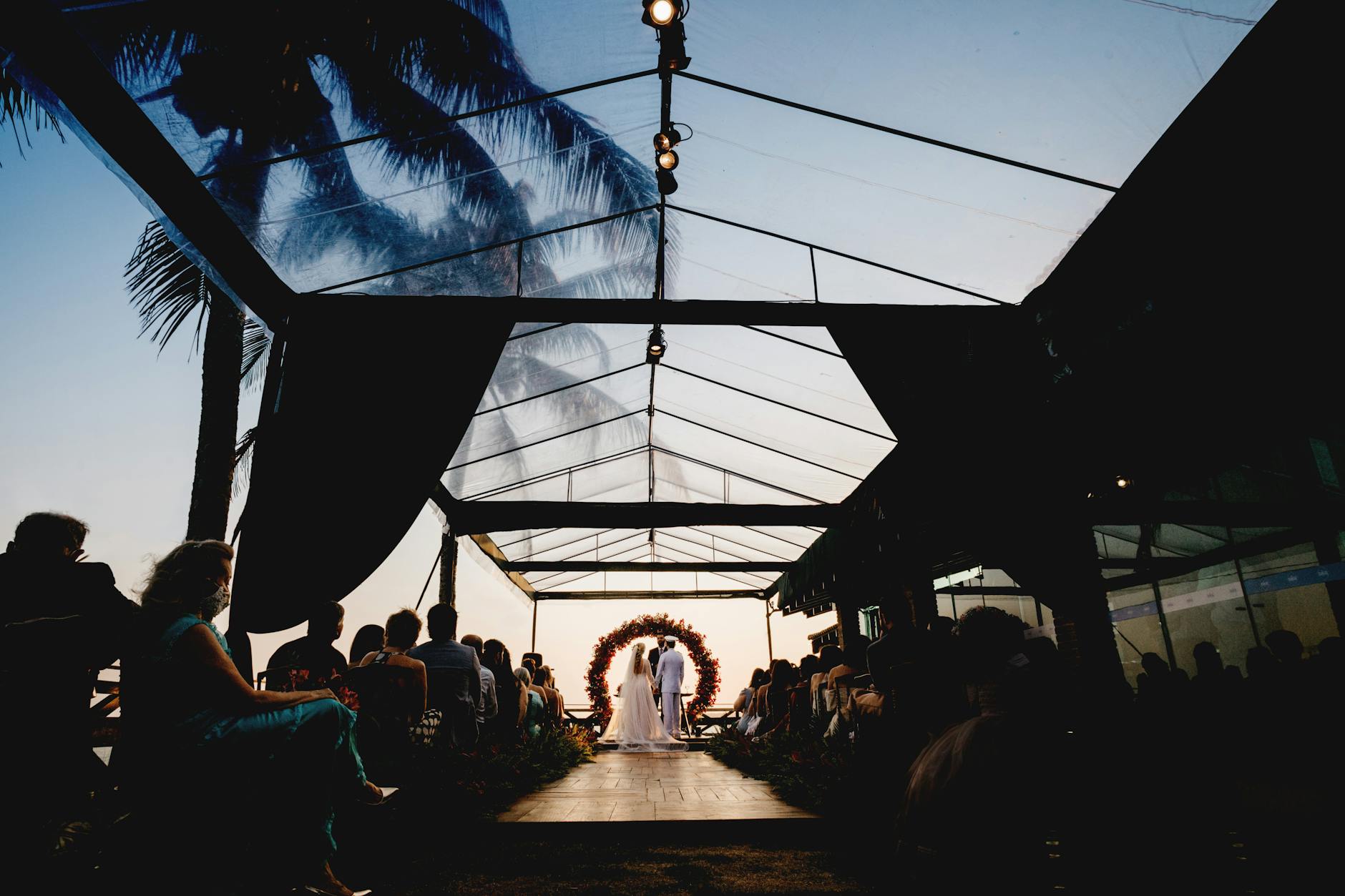
Choosing a luxury wedding filmmaker in Los Angeles requires evaluating portfolio authenticity, venue-specific experience, editorial positioning, and post-production workflow. The city has dozens of videographers marketing themselves as "luxury" or "cinematic," but only a subset delivers editorial-grade production and maintains relationships with high-end venues and planners.
Review full films, not just trailers. Luxury filmmakers should show complete narrative arcs with natural pacing, not rapid-cut montages set to trending audio. A full film reveals how the filmmaker handles transitions between ceremony and reception, whether they capture full vows or truncate them, and how they structure the emotional arc from preparation through departure. Trailers are marketing assets; full films demonstrate editorial competence.
Verify venue-specific experience by asking if the filmmaker has worked at your location before and can reference specific light conditions, acoustic challenges, and coordination with house event teams. A filmmaker who has shot at Calamigos Ranch multiple times knows the oak grove's afternoon light, understands the barn's echo during toasts, and has relationships with the venue's preferred planners. That experience translates to fewer surprises on your wedding day and footage that leverages the venue's best features.
Portfolio and Aesthetic Fit
Assess aesthetic fit by comparing the filmmaker's color grading, pacing, and composition style to your own vision. Some luxury filmmakers lean warm and saturated in post-production; others maintain cooler, more naturalistic tones. Some edit films to 8 minutes with fast pacing; others deliver 15-minute films with slower, more contemplative cuts. Neither approach is superior, but misalignment between your taste and the filmmaker's signature style will show in the final deliverable.
LifeStory.Film's luxury wedding films have been published on Junebug Weddings, Magnolia Rouge, and Style Me Pretty, and the studio maintains preferred vendor status at Calamigos Ranch, Ojai Valley Inn, and San Ysidro Ranch. Editorial publication history signals that the filmmaker's work meets the curatorial standards of industry tastemakers and that venues trust the filmmaker's professionalism and creative output.
Venue Experience and Vendor Relationships
Ask about vendor relationships—luxury filmmakers in Los Angeles often have preferred partnerships with planners, florists, and hair/makeup artists that signal reputation and ease collaboration. A filmmaker who regularly works with top-tier planners like Bash Please, Daughter of Design, or International Event Company has demonstrated reliability, professionalism, and creative alignment on dozens of prior weddings. Those relationships also mean the filmmaker understands luxury wedding timelines, coordinates seamlessly with other vendors, and anticipates logistical challenges before they occur.
Preferred vendor status at a venue like Resort at Pelican Hill or Montage Laguna Beach indicates the property's event team trusts the filmmaker's work and professionalism enough to recommend them to clients. Preferred status typically requires a portfolio review, insurance verification, and a track record of successful events without incident. Not all excellent filmmakers have preferred status, but it functions as a third-party credibility signal.
Editorial vs Commercial Positioning
Assess editorial positioning by checking if the filmmaker's work has been featured on Junebug Weddings, Style Me Pretty, Magnolia Rouge, or Martha Stewart Weddings. Editorial features require curatorial approval from taste-making publications, which functions as an external quality filter. A filmmaker whose work appears regularly on these platforms has demonstrated consistent editorial standards across multiple weddings, not just one standout film.
Confirm post-production workflow—luxury films take 12–16 weeks to deliver due to color grading, sound mixing, and narrative editing. Filmmakers promising 4-week turnarounds typically deliver less polished edits or outsource post-production to freelance editors rather than completing it in-house. Ask how many weddings the studio films per year, how many editors are on staff, and whether your film will be edited by the lead filmmaker or handed off to a junior editor. In-house editing by the lead filmmaker ensures creative continuity from capture through final delivery.
Documentary vs Cinematic Luxury Wedding Film Styles
Documentary luxury wedding films prioritize unscripted moments, continuous timeline coverage, and minimal filmmaker intervention—ideal for couples who want authentic emotional beats captured as they happen. Cinematic luxury wedding films incorporate intentional framing, camera movement (gimbal, slider, drone), and stylized color grading inspired by feature films—suited to couples who value visual artistry and editorial polish.
Most Los Angeles luxury wedding filmmakers blend both approaches: documentary coverage during ceremony and toasts, cinematic techniques for portraits and venue establishing shots. LifeStory.Film's signature style is cinematic-documentary—natural light, intimate framing, and editorial composition applied to unscripted moments. The approach captures a parent's reaction during vows without directing the parent to look toward the altar, and it films the first look as an observed scene rather than a posed portrait session.
LifeStory.Film's hybrid cinematic-documentary approach results in films where 70% of footage is captured without direction, and 30% is intentionally composed during portrait sessions and venue walkthroughs. The documentary majority ensures emotional authenticity; the cinematic minority provides visual moments—a slow tracking shot down the aisle, a drone pull-back revealing the venue's setting, a gimbal follow as the couple walks the garden path—that elevate production value and anchor the film's sense of place.
Couples should clarify during consultation whether they prefer filmmaker-directed portrait time (cinematic) or pure observation (documentary), as this affects timeline and crew size. A purely documentary approach requires the filmmaker to anticipate and position for moments without intervening, which may mean longer coverage hours to ensure nothing is missed. A hybrid approach with 30–45 minutes of directed portrait time allows the filmmaker to compose intentional shots efficiently, freeing the rest of the day for observation.
Planning Your Luxury Wedding Film Timeline in Los Angeles
Book your luxury wedding filmmaker 10–14 months in advance. The most sought-after luxury wedding filmmakers in Los Angeles have limited availability, especially for peak season (May–October) and popular venues like Hotel Bel-Air, San Ysidro Ranch, and Resort at Pelican Hill. Studios like LifeStory.Film typically accept 20–30 weddings per year to maintain editorial quality and post-production timelines, which means weekend dates at premier venues book 12+ months out.
Initial consultation should occur before you book other vendors, especially your photographer and planner. If you intend to book photo and video together, coordinating that decision early ensures unified creative direction and simplifies vendor management. If you're booking photo and video separately, share each vendor's name with the other during the contracting phase so they can coordinate coverage approach and avoid stylistic conflicts.
Provide your filmmaker with a detailed timeline at least 60 days before the wedding. The timeline should include preparation start time, first look timing, ceremony start, cocktail hour location, reception entrance, first dance, toasts, cake cutting, and last dance. Luxury filmmakers use this timeline to plan camera positioning, coordinate with the photographer, and identify which moments require two-camera coverage versus single-camera observation. Last-minute timeline changes are common, but a baseline plan ensures the filmmaker can adapt rather than improvise.
Expect delivery 12–16 weeks after the wedding. Luxury wedding films require color grading that matches each scene's natural light, sound design layering live audio with music, and narrative editing that structures the film's emotional arc. Rushing this process compromises quality. Studios that promise 4-week delivery typically bypass color grading, use template-based editing, or outsource post-production—all of which reduce the final film's editorial polish. Begin a conversation about your Los Angeles wedding film by reviewing LifeStory.Film's portfolio, confirming venue availability, and discussing whether photo + video combined package coverage aligns with your vision.