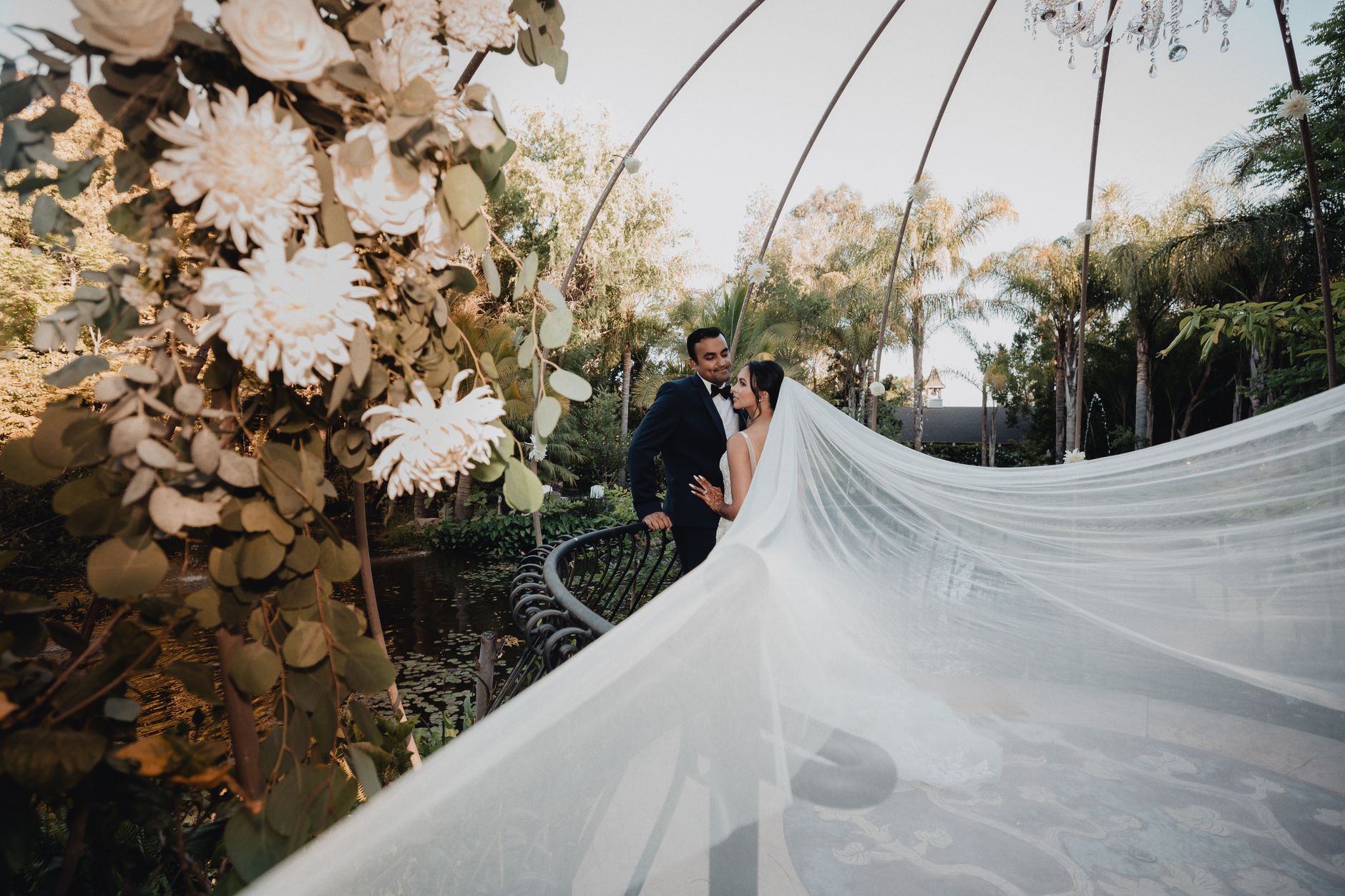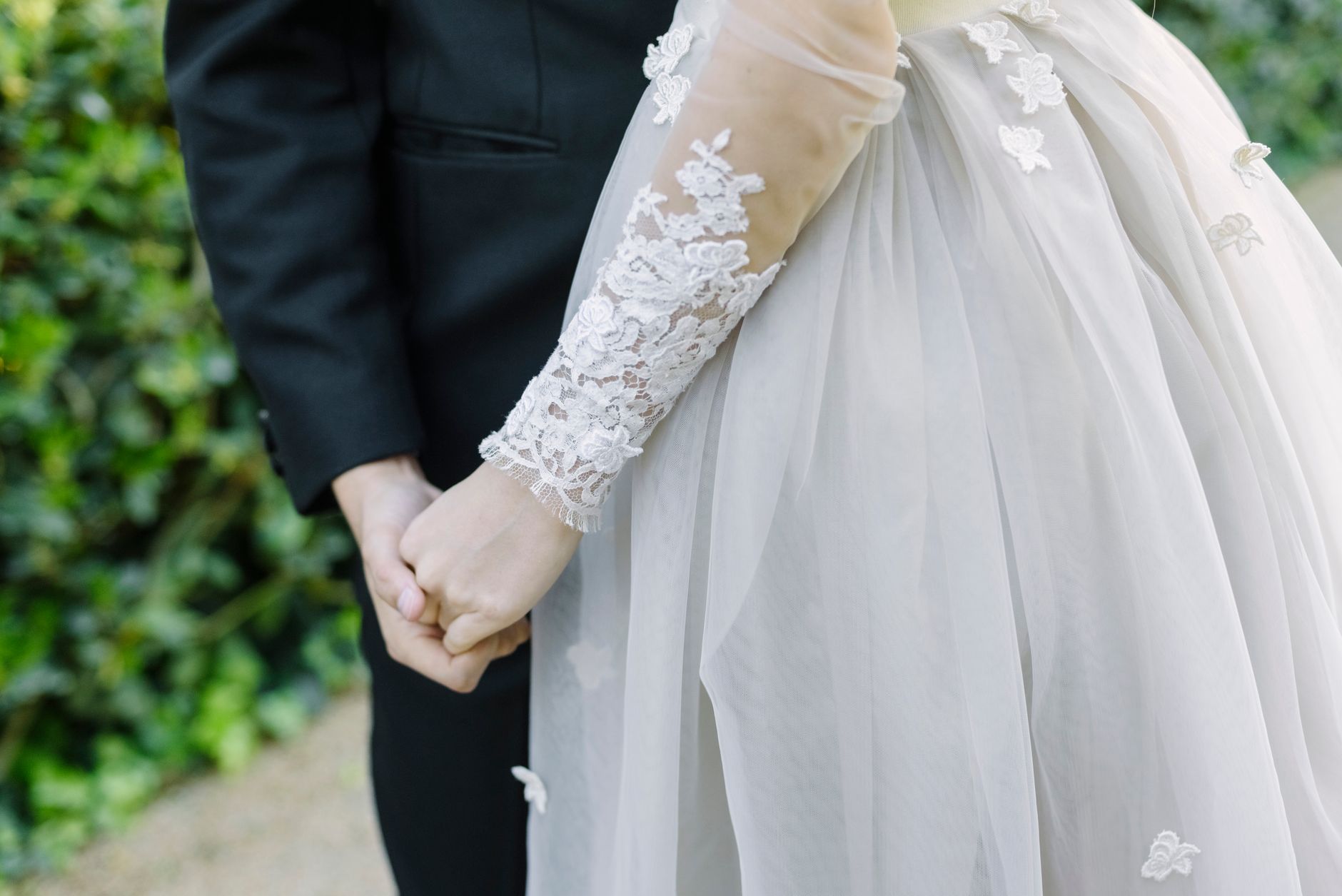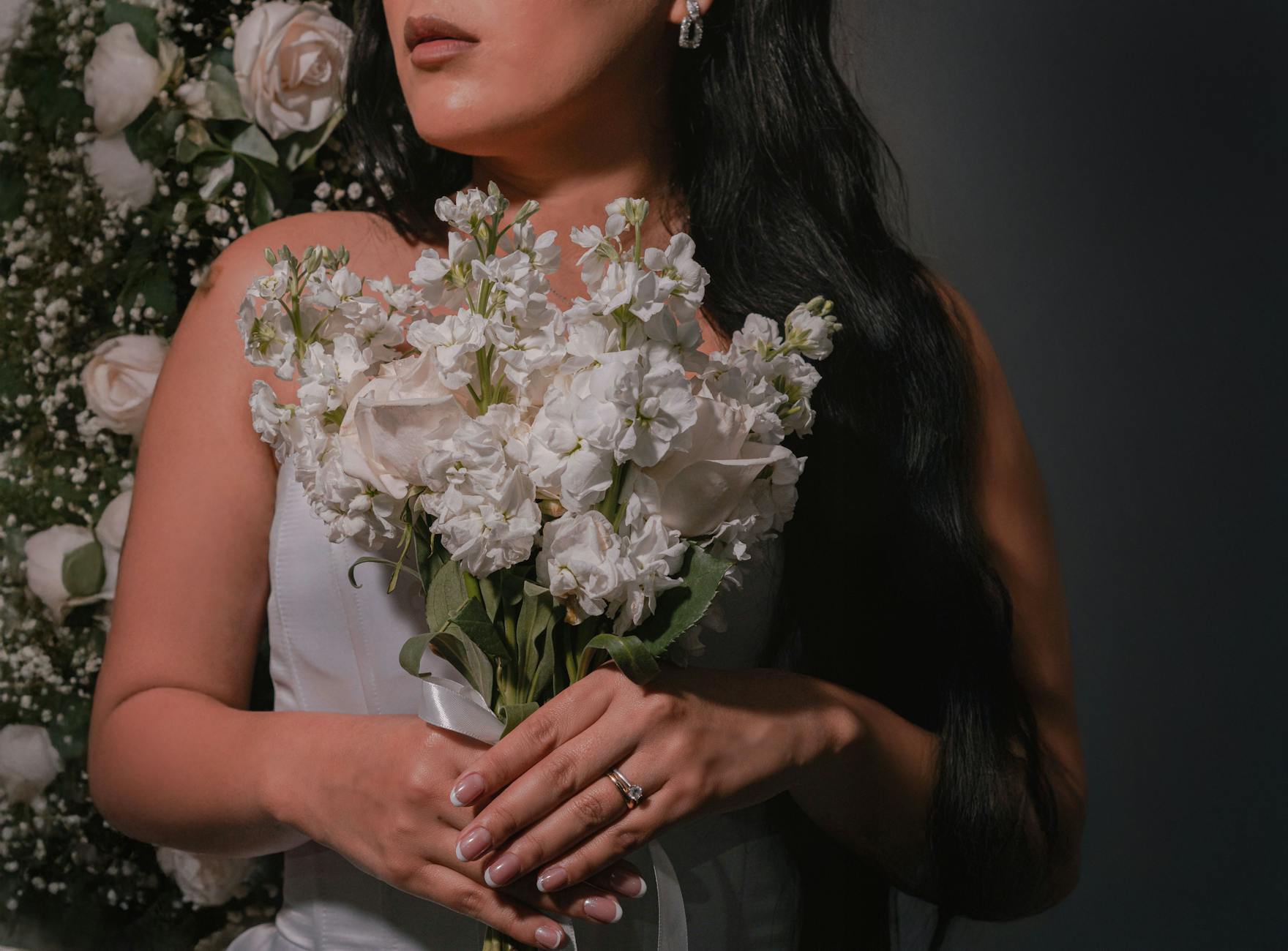
Los Angeles wedding videography combines cinematic storytelling with documentary authenticity at iconic Southern California venues. LifeStory.Film has filmed over 200 luxury weddings across Los Angeles County, from the Beverly Hills Hotel and Hotel Bel-Air to Calamigos Ranch and Malibu estates, blending editorial sophistication with intimate observation. Whether you're planning a 150-guest celebration at Saddlerock Ranch or an intimate ceremony at San Ysidro Ranch, LA wedding videographers bring Hollywood-grade equipment, color grading, and multi-camera setups to preserve the eucalyptus-lit first look, the parent's toast at golden hour, the way your partner's hand finds yours during vows.
What Makes Los Angeles Wedding Videography Distinctive
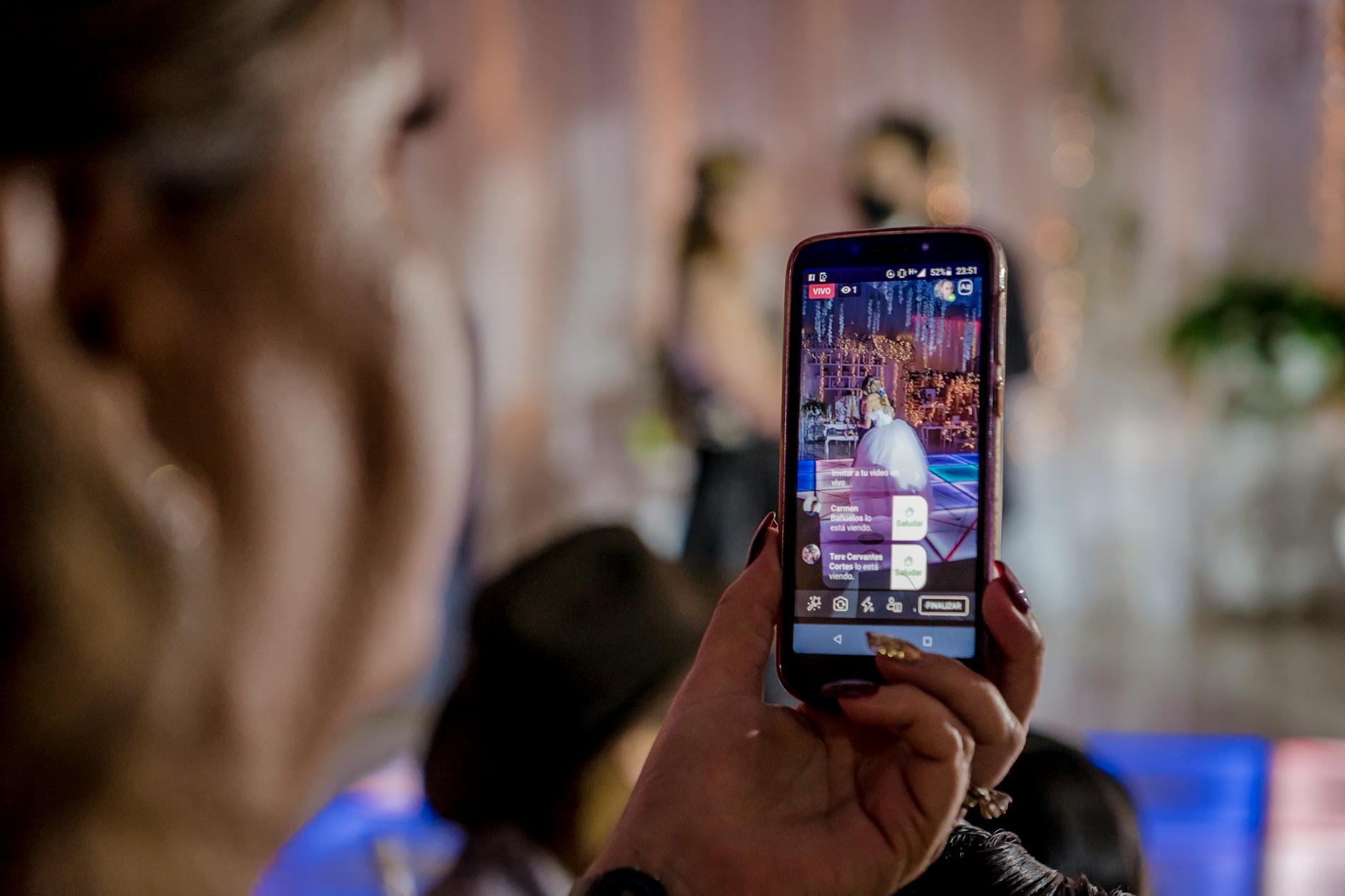
LA's natural light shapes the cinematic quality of wedding films shot here. Golden hour stretches across the Pacific, canyon shadows soften midday contrast, and desert clarity delivers edge-to-edge sharpness that flatters both wide venue aerials and intimate close-ups. The city's proximity to the film industry means top wedding videographers bring Hollywood-grade RED cameras, professional color grading (skin tones warmed to match California sun, not clinical video white balance), and layered sound design to luxury weddings.
Venue diversity ranges from historic estates like Greystone Mansion to modern spaces like The Fig House, beachfront resorts like Terranea Resort, and mountain retreats at Ojai Valley Inn. LA couples often prioritize editorial aesthetics influenced by Vogue Weddings and fashion film—clean compositions, intentional negative space, and restrained pacing rather than sentimental montage. Documentary-style coverage captures unscripted moments: getting ready in natural light streaming through Hotel Bel-Air courtyard windows, spontaneous dances at Calamigos Ranch's open-air pavilion, quiet exchanges between family members during cocktail hour at Bel-Air Bay Club's ocean-view terrace.
High production value for luxury LA weddings includes 2–3 camera operators for ceremony coverage (one wide, one tight on couple, one roaming for parent reactions), drone aerials over coastal venues like Terranea (FAA Part 107 certified), wireless lavalier mics on officiant and couple to capture vows cleanly even in outdoor wind, and professional color grading that unifies footage shot across 10–12 hours of shifting natural light. LifeStory.Film's average package investment of $8,500 reflects this technical and creative depth—wedding film packages include 8–12 hours of coverage, a 10-minute cinematic highlight reel, full ceremony edit, and full toasts edit delivered 8–12 weeks after the wedding.
Cinematic Light and Location Diversity
Sunset at Malibu beach venues occurs between 7:15 PM in June and 5:00 PM in December, requiring timeline adjustments across wedding seasons. Golden hour—the 45 minutes before sunset—provides the most flattering natural light for couple portraits: warm tones, soft directional glow, and long shadows that add dimension. Videographers schedule the post-ceremony portrait session during this window, moving quickly through 3–4 locations on the property (vineyard rows at Calamigos Ranch, the swan pond at Hotel Bel-Air, the cliffside overlook at Saddlerock Ranch) while light holds.
Canyon and mountain venues like Ojai Valley Inn offer extended golden hour due to valley topography—the Ojai microclimate delivers a pink afterglow ("Ojai glow") 20–30 minutes longer than coastal LA. Downtown venues provide urban sophistication: rooftop skyline views, architectural interiors with statement staircases, and nighttime city-light backgrounds for reception dancing coverage.
Editorial Influence and Fashion-Forward Aesthetics
LA wedding videographers serve couples who read Vogue Weddings, follow editorial photographers on Instagram, and expect their wedding videography to reflect that aesthetic sensibility. This means intentional composition (rule of thirds, leading lines, symmetry when the venue architecture demands it), restrained color palettes (muted earth tones for garden weddings, black-and-white for formal ballroom receptions, saturated jewel tones for bold floral designs), and pacing that allows emotional beats to breathe rather than cutting every 2 seconds.
Fashion-film influence appears in getting-ready coverage: the dress hanging in diffused window light, close-ups of jewelry details and invitation suites shot with shallow depth of field, the bride's hands fastening earrings or the groom adjusting cufflinks. These sequences build anticipation and provide visual contrast to the documentary energy of ceremony and reception coverage.
Iconic Los Angeles Wedding Venues and Cinematic Opportunities
The Calamigos Ranch property spans 150 acres with seven distinct ceremony and reception sites, allowing videographers to capture multiple cinematic backdrops within a single location. The oak grove ceremony site delivers dappled shade and natural acoustics; the Birchwood Room reception space opens to vineyard views; and the property's working ranch includes resident peacocks and mountain ridge horizons for drone footage. A typical 10-hour wedding day at Calamigos yields 6–8 distinct visual environments without leaving the property.
Beverly Hills and Bel-Air Estates
Beverly Hills Hotel's pink Spanish Colonial architecture and lush tropical gardens provide Old Hollywood glamour. The Polo Lounge entrance, the poolside cabanas bordered by banana leaf plants, and the Crystal Ballroom's grand proportions all read cinematic on camera. Hotel Bel-Air offers intimate courtyards with stone bridges over swan-filled ponds, California oak canopies filtering afternoon light, and Mission-style archways that frame ceremony coverage. Both venues restrict drone use due to residential proximity but deliver rich on-ground compositions.
Hummingbird Nest Ranch in Simi Valley (30 minutes northwest of Beverly Hills) provides 123 acres of rolling hills, a private lake, Italian-style villa architecture, and 360-degree mountain views. The venue's scale supports large guest counts (200+) while maintaining editorial intimacy for documentary photography during cocktail hour.
Malibu Coastal and Ranch Settings
Saddlerock Ranch features dramatic Santa Monica Mountain ridges, working vineyards, and resident zebras and llamas—editorial-quality texture for drone and landscape shots. The venue's open-air pavilion and hilltop ceremony site capture Pacific Ocean views 12 miles distant. Bel-Air Bay Club's mid-century modern architecture and oceanfront terrace suit sophisticated couples seeking coastal elegance without beachy cliché. The club's marble-and-glass interiors photograph and film with clean lines; the outdoor ceremony deck delivers unobstructed sunset over the Pacific.
Calamigos Ranch in Malibu Wine Country (technically Agoura Hills, bordering Malibu) serves as a frequent anchor for luxury LA wedding videography. Videographers familiar with the property know the oak grove ceremony site films best 4:00–6:00 PM in summer (dappled shade, no harsh overhead sun) and the Redwood Room's string-lit interior delivers warm ambient glow for reception dancing coverage. The ranch's eucalyptus groves, vineyard rows, and mountain backdrops provide 4–5 distinct portrait locations within a 10-minute walk.
Downtown and Ojai
Downtown LA venues like Carondelet House offer urban sophistication: exposed brick interiors, vintage chandeliers, and rooftop access for skyline views. These spaces suit couples drawn to industrial-chic or art-gallery aesthetics. Ojai Valley Inn, 90 minutes north of LA, provides Spanish Colonial elegance, oak-studded golf course vistas, and the signature "Ojai glow"—golden-pink light unique to the valley's east-west orientation. The resort's 220 acres include citrus groves, a historic adobe chapel, and multiple ceremony lawns with mountain backdrops.
Choosing the Right Los Angeles Wedding Videographer
Review full wedding films, not just 90-second highlight reels, to assess pacing, audio quality, and how the videographer handles transitions between ceremony, portraits, and reception. A complete 10-minute highlight reel should include at least 6 cinematic sequences (couple portraits, venue aerials, detail shots) and 12 documentary moments (vows, toasts, dances, reactions). Listen for clean audio—wireless mic vows free of wind noise, toast speeches balanced against ambient room sound, and music selection that reflects editorial taste rather than wedding-industry defaults.
Portfolio Review and Aesthetic Alignment
Your aesthetic should align with the videographer's natural style. Cinematic videographers emphasize intentional composition, slow-motion B-roll, and narrative arc built through editing. Documentary videographers prioritize real moments, minimal staging, and fly-on-the-wall observation. Most luxury LA videographers blend both approaches: cinematic for getting-ready and couple portraits, documentary for ceremony and reception. If you're drawn to moody, film-grain texture and muted color, ensure the videographer's portfolio reflects that consistently—not just in one showcase film. If you want bright, airy, saturated color, confirm their grading style matches.
Package Structure and Coverage Hours
Luxury Los Angeles wedding videography packages vary by coverage hours, crew, and deliverables. Typical packages include:
- 8-hour coverage — ceremony, portraits, and early reception (toasts, first dances). Suitable for micro-weddings or couples prioritizing ceremony and formal portraits over late-night dancing coverage.
- 10-hour coverage — getting ready through cake cutting and open dancing. The most common luxury package tier, providing narrative completeness without excessive late-night footage.
- 12-hour coverage — full day from bride/groom prep through last dance and exit. Recommended for large weddings (150+ guests) or multi-location days (ceremony at one venue, reception at another).
Ask whether the package includes multi-camera ceremony coverage (2–3 operators capture wide, medium, and tight angles simultaneously), drone footage (requires FAA Part 107 certification and venue permission), and how many final edits you receive. Standard deliverables: one 8–12 minute highlight film, full ceremony coverage (20–60 minutes depending on ceremony length), full toasts edit, and 15–30 second social-media clips for Instagram.
Experience with Your Venue and Lighting Conditions
Ask whether the videographer has worked at your specific venue. Familiarity with Calamigos Ranch's oak grove lighting, Hotel Bel-Air's courtyard acoustics, or Ojai Valley Inn's sunset timing allows the videographer to plan coverage and suggest timeline adjustments before the day. Venue-specific experience also means knowing where drones are prohibited, which ceremony sites have power access for audio equipment, and which portrait locations work best at different times of day.
LifeStory.Film coordinates with over 40 wedding planners and 60 photographers across Southern California, ensuring seamless collaboration on wedding day timelines and shot priorities. Professional videographers communicate shot lists with your photographer, work around each other during key moments (one shoots from the left aisle during processional, one from the right), and share timeline awareness so neither misses critical coverage during cocktail hour or sunset portraits.
Documentary vs Cinematic Wedding Films in Los Angeles
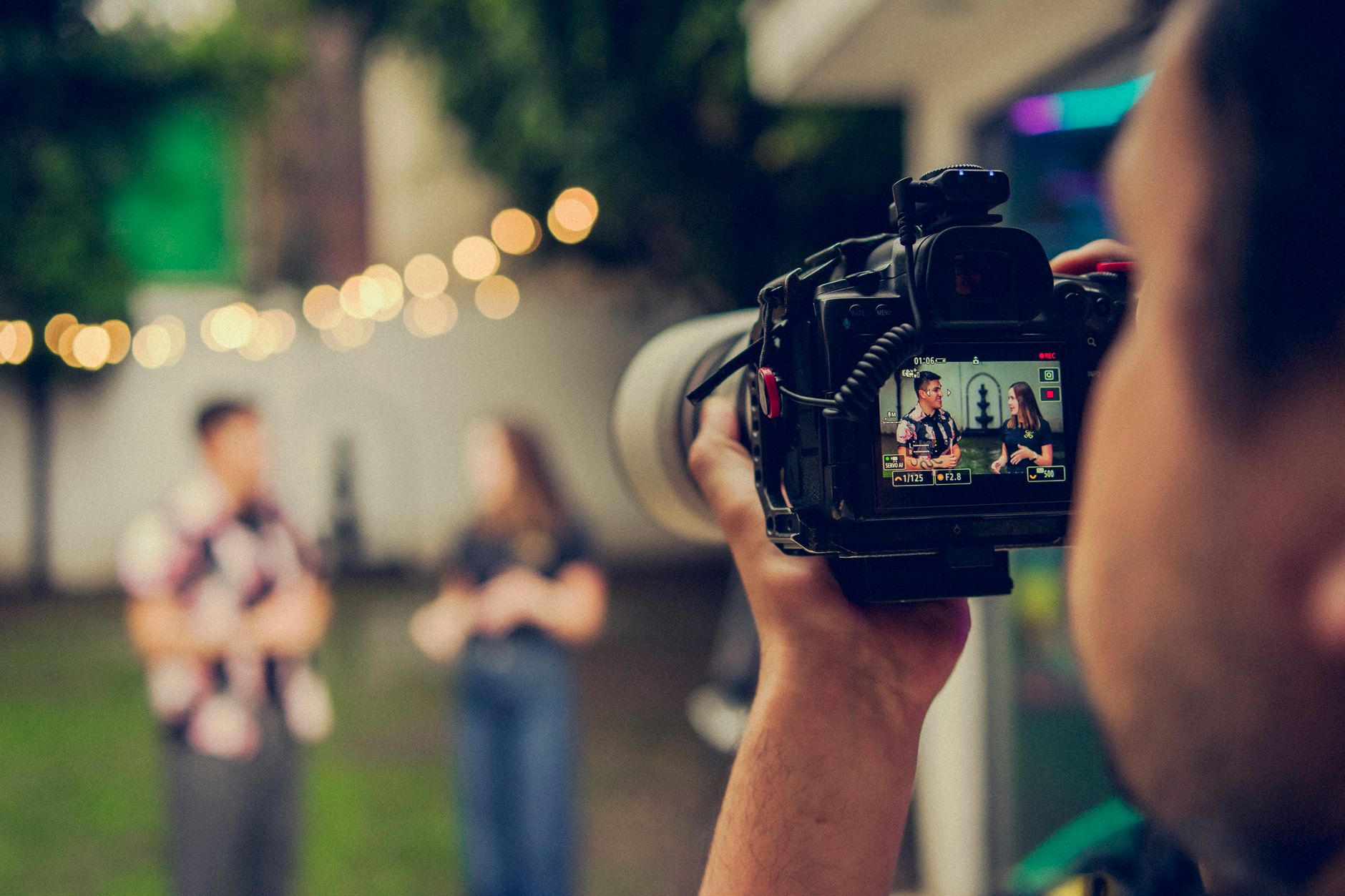
Documentary wedding films prioritize unscripted moments—spontaneous laughter during toasts, tears during vows, the dance floor energy at 10 PM when formality dissolves. Videographers shoot handheld or on monopod, following action rather than staging it, and edit chronologically with minimal slow-motion or stylistic flourish. This approach captures authenticity: the way a parent's hand finds the couple's during the ceremony, the genuine surprise when a best man's toast turns unexpectedly heartfelt, the late-night dancing that every guest remembers but few weddings actually preserve.
Cinematic wedding films use intentional composition, rack focus (shifting focus between foreground and background within a single shot), slow motion (120fps or 240fps footage slowed to emphasize emotional beats), and carefully curated B-roll to build narrative arc. Getting-ready coverage includes detail shots—rings on invitation suite, perfume bottle on vanity, the dress hanging in window light. Couple portrait sessions are directed: "Walk toward me holding hands, then stop and look at each other" produces the intimate-candid shots that appear spontaneous but required gentle guidance. Aerial drone footage over Terranea Resort's cliffside property or Saddlerock Ranch's vineyard rows provides cinematic scope.
Hybrid Approach: Blending Both for Luxury Weddings
Most LA couples prefer a hybrid approach within a single photo + video combined package. Cinematic coverage dominates getting-ready sequences (bride in robe drinking champagne, groom adjusting tie in mirror, detail shots of flowers and stationery), the first look (couples walk toward each other in slow motion, emotional reactions captured in 120fps), and couple portraits (directed posing, intentional framing against venue architecture). Documentary coverage dominates ceremony (no staging, just multi-angle observation), toasts (unscripted speeches captured with roaming camera and tight reactions), and reception dancing (handheld energy, no direction).
A typical 10-minute luxury wedding film includes 6–8 cinematic sequences and 12–15 documentary moments, blended through music pacing and color-grade consistency. The film might open with cinematic venue aerials and getting-ready details (90 seconds), transition to documentary ceremony coverage (2 minutes of vows and reactions), return to cinematic couple portraits at golden hour (60 seconds), then close with documentary toasts and dancing (5 minutes). Audio layering—vows recorded on wireless mics, ambient venue sound, and licensed music—unifies the stylistic shifts.
Los Angeles Wedding Film Logistics and Planning
Golden hour in Los Angeles occurs 45–60 minutes before sunset, varying by season and coastal vs inland location. Schedule couple portraits during this window for the most flattering natural light. Summer weddings (June–August) see sunset between 7:45–8:15 PM, allowing late ceremony times (6:00 PM) followed by portraits. Winter weddings (December–February) see sunset between 5:00–5:30 PM, requiring earlier ceremony times (3:30–4:00 PM) or acceptance that portraits happen after dark using venue lighting and off-camera flash.
Timeline Coordination for Optimal Light
Coordinate with your videographer and photographer to build a timeline that prioritizes light. For a 5:00 PM ceremony at Calamigos Ranch in October (sunset 6:15 PM), the ideal sequence: 5:00 ceremony start (30 minutes), 5:30 family formals (15 minutes), 5:45–6:30 couple portraits during golden hour (45 minutes), 6:30 cocktail hour coverage (videographer films guest interactions, detail shots, venue ambiance), 7:15 reception entrance and first dance as blue hour transitions to evening. This timeline delivers the best light for the coverage that matters most—couple portraits—while ensuring the videographer captures key reception moments.
Permits and Venue Restrictions
Many Los Angeles venues restrict drone use due to proximity to airports (LAX, Burbank, Van Nuys), residential neighborhoods, or property insurance limits. Beverly Hills Hotel, Hotel Bel-Air, and most residential estates prohibit drones. Calamigos Ranch, Saddlerock Ranch, Hummingbird Nest Ranch, and Ojai Valley Inn allow drones with advance approval. Always confirm drone policy with your venue and ensure your videographer holds FAA Part 107 certification (required for commercial drone operation) and liability insurance covering aerial footage.
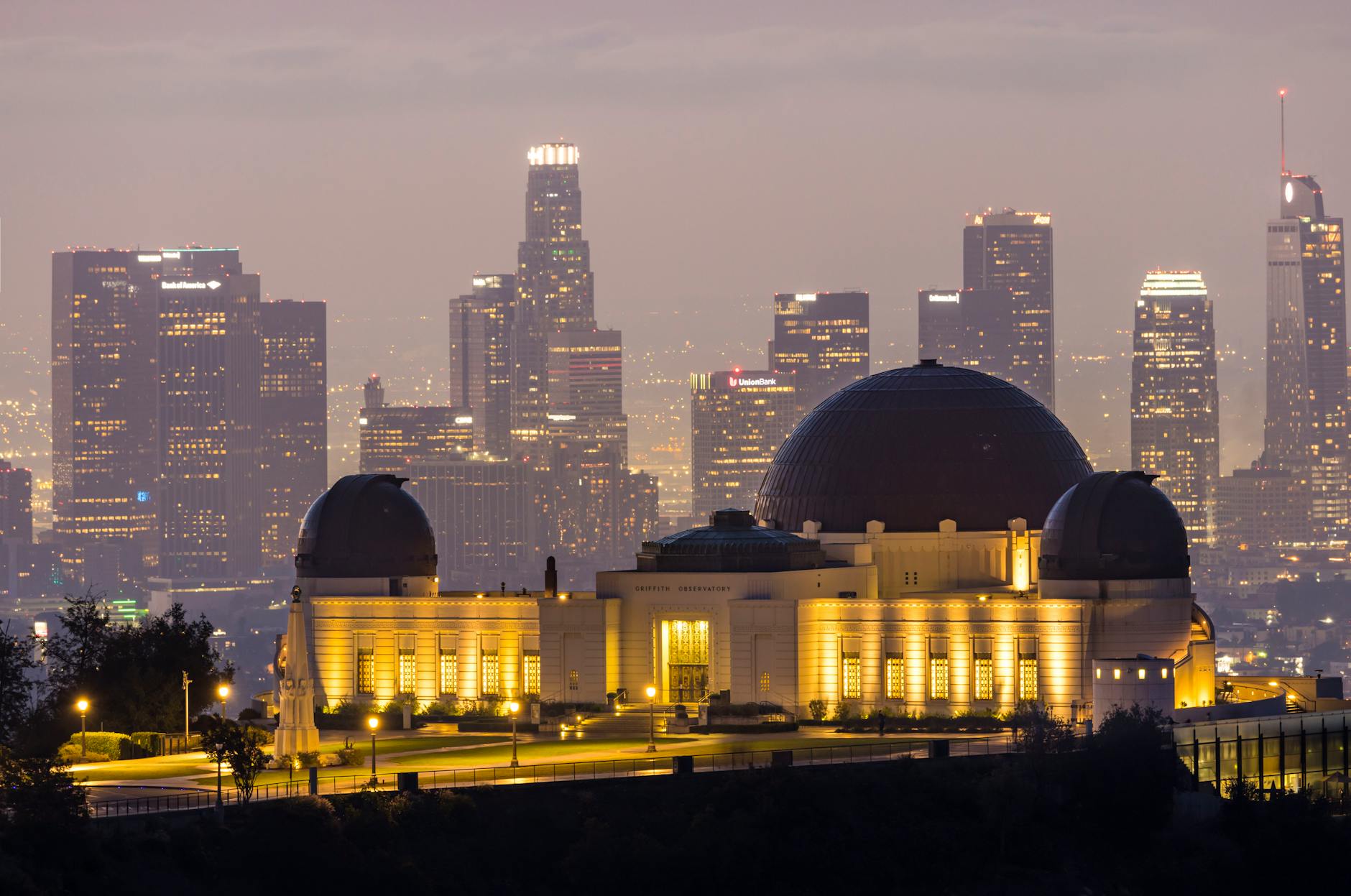
Some venues require filming permits or charge vendor fees for commercial photography and videography. Confirm these details during venue contract negotiations and share them with your videographer during initial consultation. Public parks and beaches in LA County require permits for commercial filming with equipment (tripods, gimbals, drones); your videographer should handle permit applications if the timeline includes off-property portrait sessions at El Matador Beach or Griffith Observatory.
Audio Planning for Ceremony and Toasts
Wireless lavalier mics on the officiant and groom (hidden under jacket lapel) capture vows clearly even in outdoor settings with wind or ambient noise. A second wireless mic or shotgun mic on camera covers the bride's vows. Backup audio recorders placed near the officiant provide redundancy in case of technical failure. For toasts, videographers either mic the MC and each speaker in advance or use a roaming handheld mic paired with a shotgun mic on camera. Professional audio distinguishes luxury wedding films from amateur coverage—vows should be crisp and intelligible, free of wind rumble, mic handling noise, or clipping distortion.
Delivery Format and Archival
Final deliverables for luxury LA wedding videography typically include a 8–12 minute highlight film, full ceremony edit (20–60 minutes), full toasts/speeches edit, and 15–30 second social-media clips optimized for Instagram Reels and Stories. Films deliver as high-resolution digital downloads (1080p or 4K MP4/MOV files) via private Vimeo link or cloud storage, plus a USB drive for archival. Turnaround time ranges from 8–16 weeks depending on the videographer's workload, editing complexity, and whether you've requested custom music licensing or extended edits.
Some videographers offer archival formats—4K ProRes files on external hard drive—ensuring future-proof preservation as playback technology evolves. Raw footage (unedited camera files) is typically not included in standard packages but may be available for an additional fee ($500–$1,500). Same-day edits—a 3–5 minute recap screened at the reception—require an additional editor on-site and add $1,000–$2,000 to the package.
Travel fees apply for LA-based videographers traveling to Santa Barbara (90 miles, typically $300–$500), Ojai (85 miles, $250–$400), San Diego (120 miles, $400–$600), or Northern California destinations like Napa Valley and Carmel (6+ hours, often packaged as flat travel rate $1,500–$3,000 plus accommodation). Many luxury videographers, including LifeStory.Film, regularly travel for destination wedding film projects in Italy, France, Mexico, and Japan, with travel either invoiced separately or included in premium package tiers.