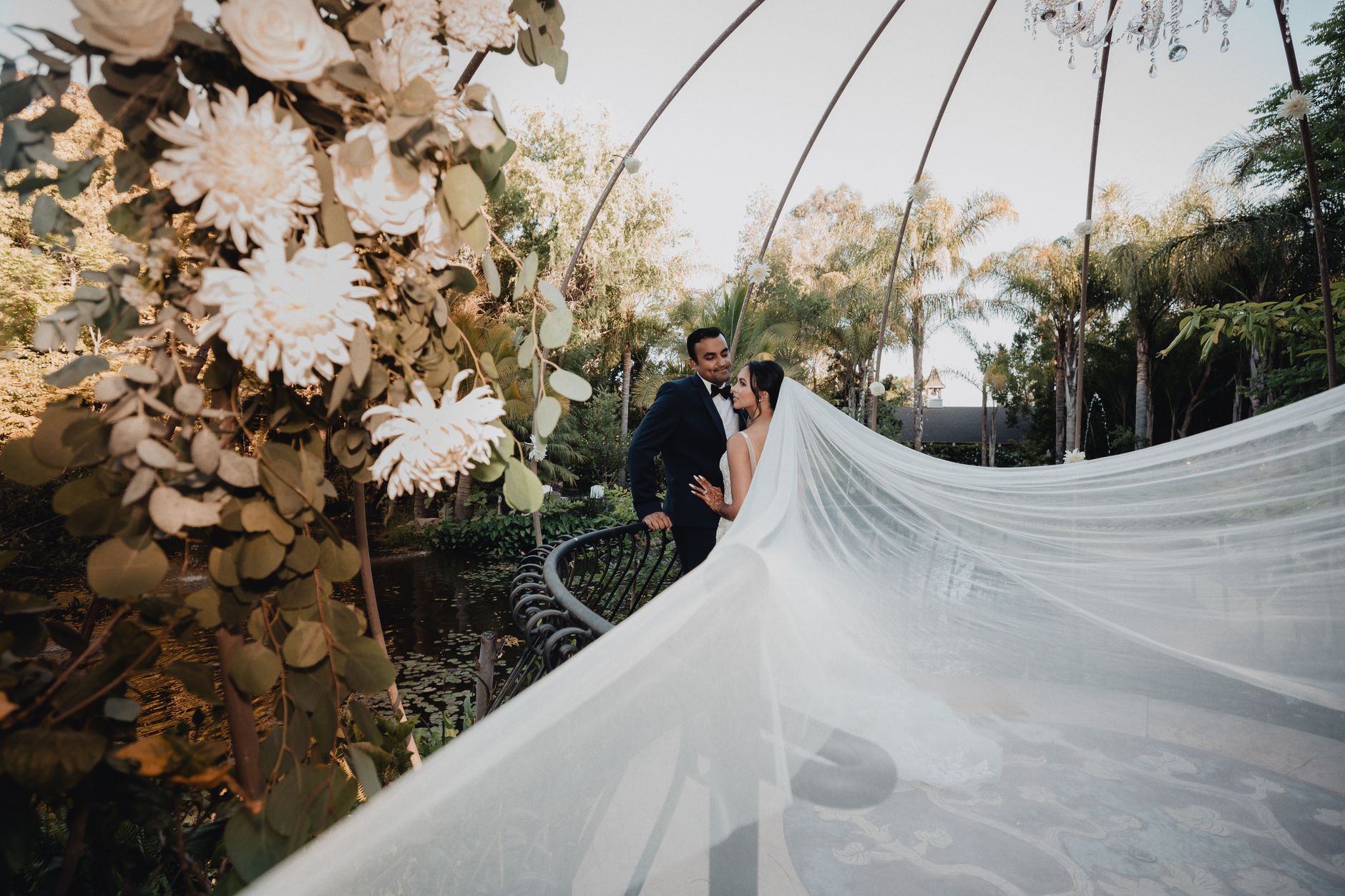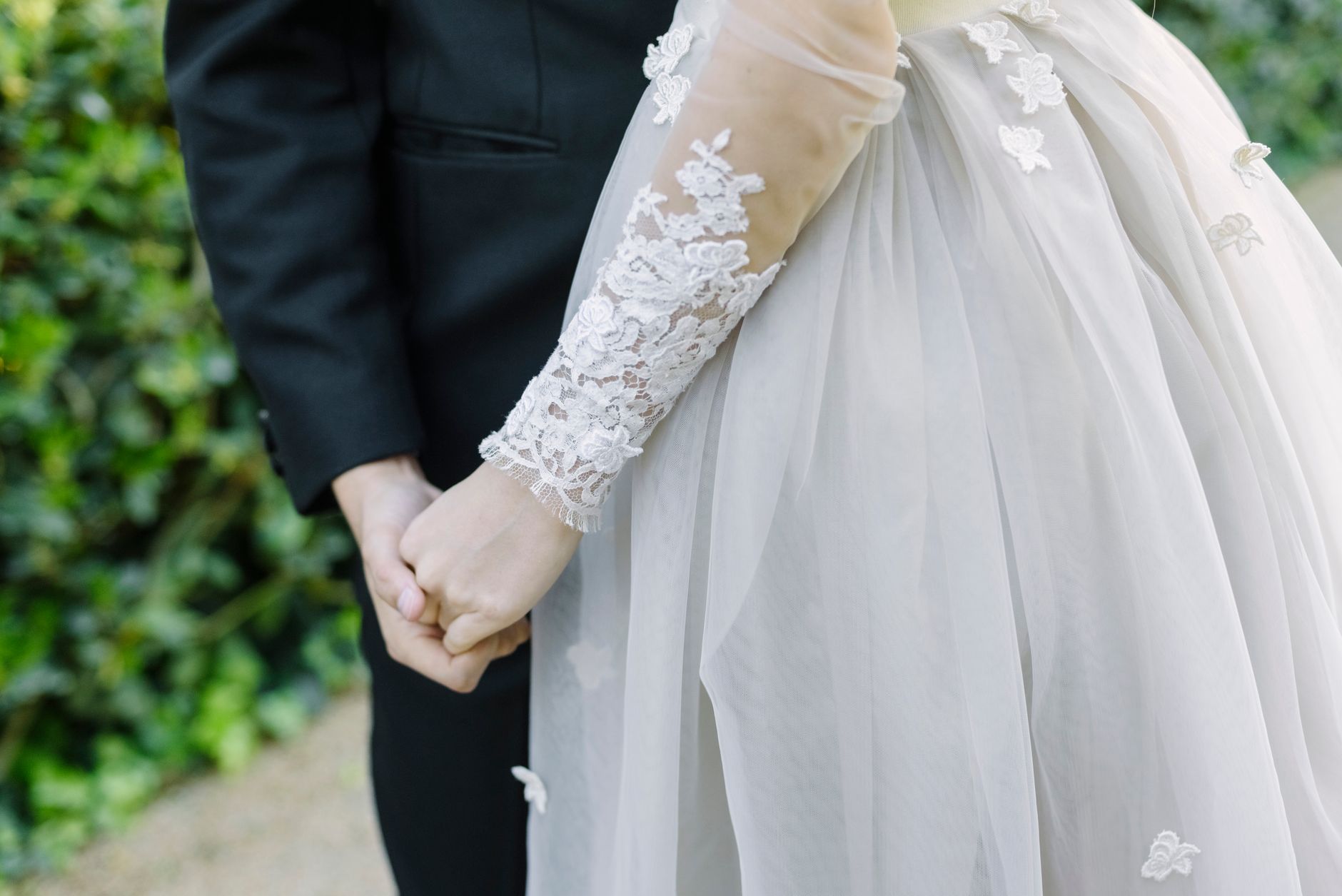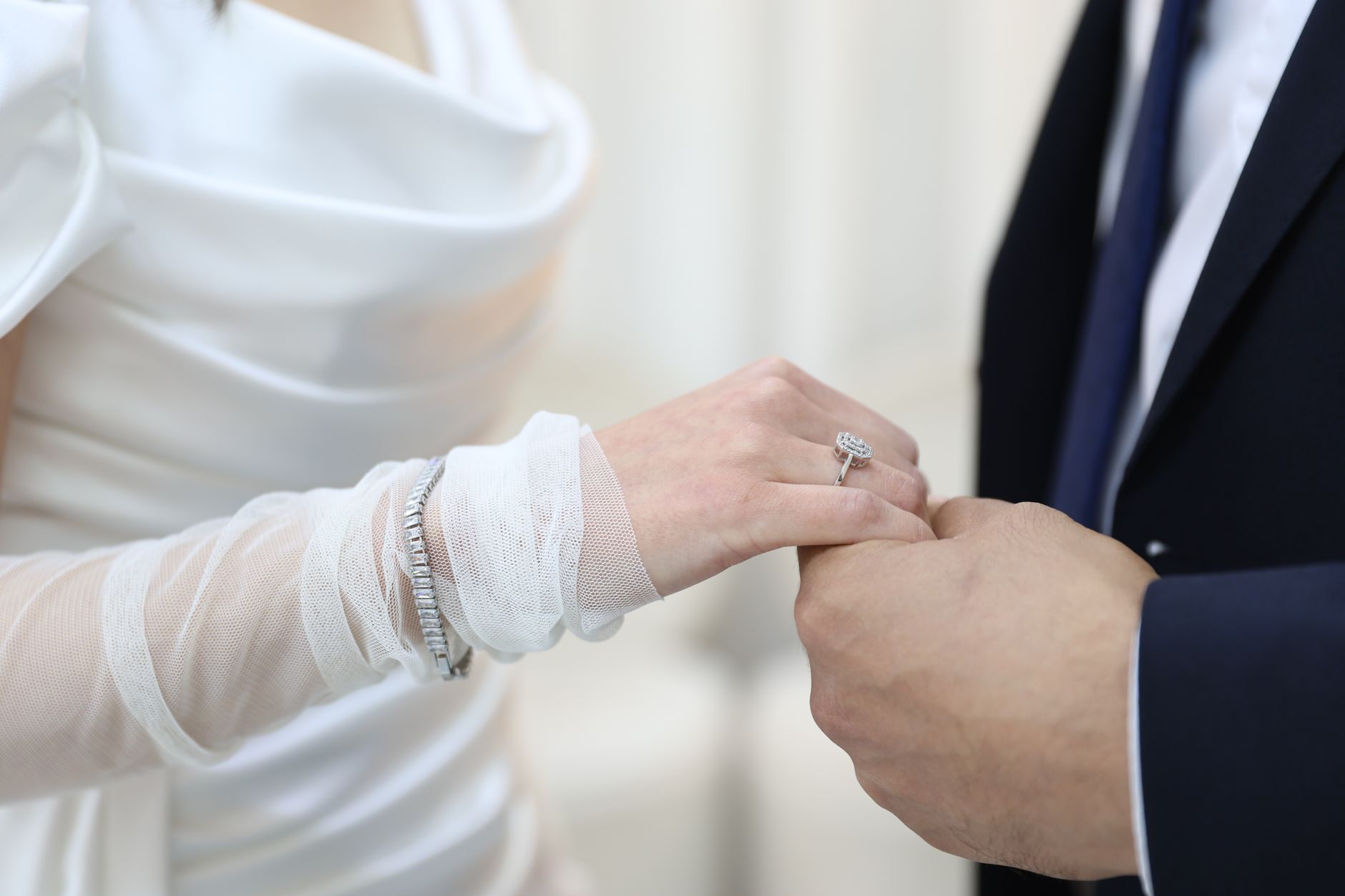
A wedding videographer at Beverly Hills Hotel plans coverage around three scenes: the poolside ceremony under palm canopy, the Polo Lounge reception, and the bungalow bridal preparation. Each requires different crew positioning, light management, and audio strategy—decisions made weeks before the wedding day during the venue walk-through and planner coordination call.
The hotel sits on 12 acres of garden at the base of Benedict Canyon, and the property unfolds as a series of discrete zones. A 2-shooter video team at Beverly Hills Hotel typically covers 10 hours from bridal preparation through the first three dances, with one camera assigned to the poolside ceremony site 45 minutes before processional and the second positioned for bungalow candids during final hair and makeup. The pink stucco façade, the banana-leaf wallpaper in the Polo Lounge, and the royal palm rows along Sunset Boulevard are the visual anchors—specific to this property, impossible to replicate at Hotel Bel-Air or Montage Laguna Beach.
Why Beverly Hills Hotel Films Differently Than a Garden Estate
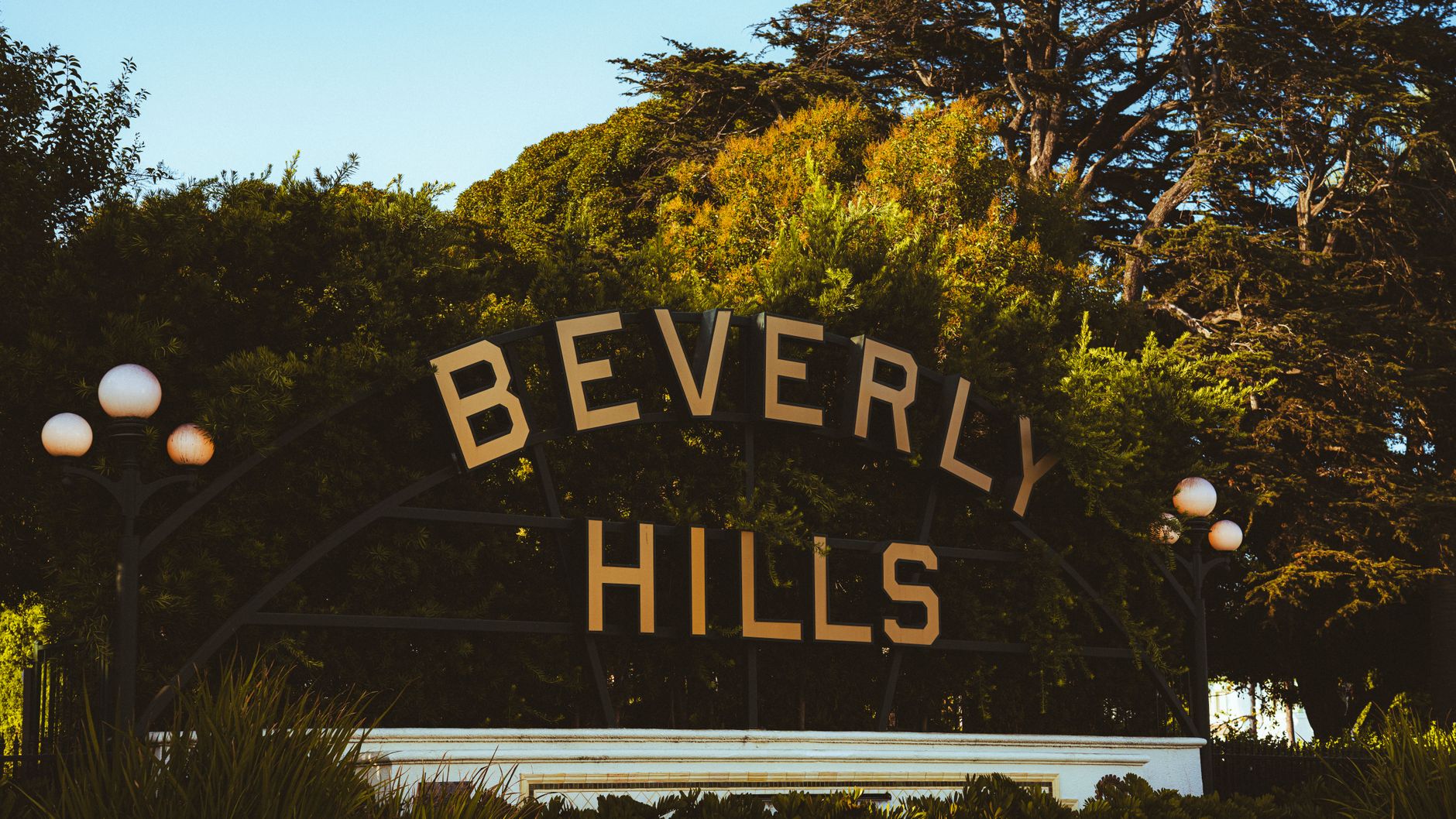
Photo by Simon Steiner on Pexels
Beverly Hills Hotel is not a garden estate with a single ceremony lawn. It is a historic resort hotel with multiple event zones—poolside cabanas, the Crystal Ballroom, the Polo Lounge dining room, and 23 private bungalows—each with distinct light, sound, and access logistics. A wedding videographer working here does not arrive at a single ceremony site and wait. Coverage is built zone by zone.
The poolside ceremony is the most common choice for couples booking Beverly Hills Hotel. The ceremony site sits on the south lawn adjacent to the main pool, framed by royal palms and the hotel's signature pink exterior. Ceremony start times are typically scheduled for 4:00 PM or 4:30 PM in spring and summer to capture late-afternoon light without direct overhead sun on guests. The videographer positions one locked-down camera at the rear of the aisle for processional and a second handheld camera stage left to capture vows, ring exchange, and the couple's expressions during the ceremony reading. Audio is captured via two lavalier microphones—one on the officiant and one on the groom—plus a Zoom H6 recorder placed near the ceremony arch to capture ambient sound and music cues.
Poolside ceremonies at Beverly Hills Hotel present two logistical considerations absent from open-air garden estates. First, the ceremony site is adjacent to active hotel guest areas, so background noise—poolside conversation, service staff, valet activity—can bleed into ceremony audio if the sound team does not isolate microphone gain carefully. Second, the pink hotel façade reflects late-afternoon sunlight in a way that can create color-temperature inconsistencies across the frame; the videographer white-balances manually before processional rather than relying on auto settings.
The Polo Lounge reception typically begins 90 minutes after ceremony conclusion. The videographer transitions from the poolside site to the Polo Lounge during cocktail hour, using that window to capture detail shots of the reception table setting, place cards, and floral arrangements before guests enter. The Polo Lounge is an indoor dining room with low ambient light, banana-leaf wallpaper, and green leather booths. It requires on-camera LED panels or strategically positioned uplights to maintain cinematic exposure without flattening the room's editorial green-and-pink palette. A second shooter remains poolside during cocktail hour to capture candid guest interactions and the couple's first moments as newlyweds outside the ceremony zone.
Scene Coverage Strategy — Bungalows, Poolside, and Polo Lounge
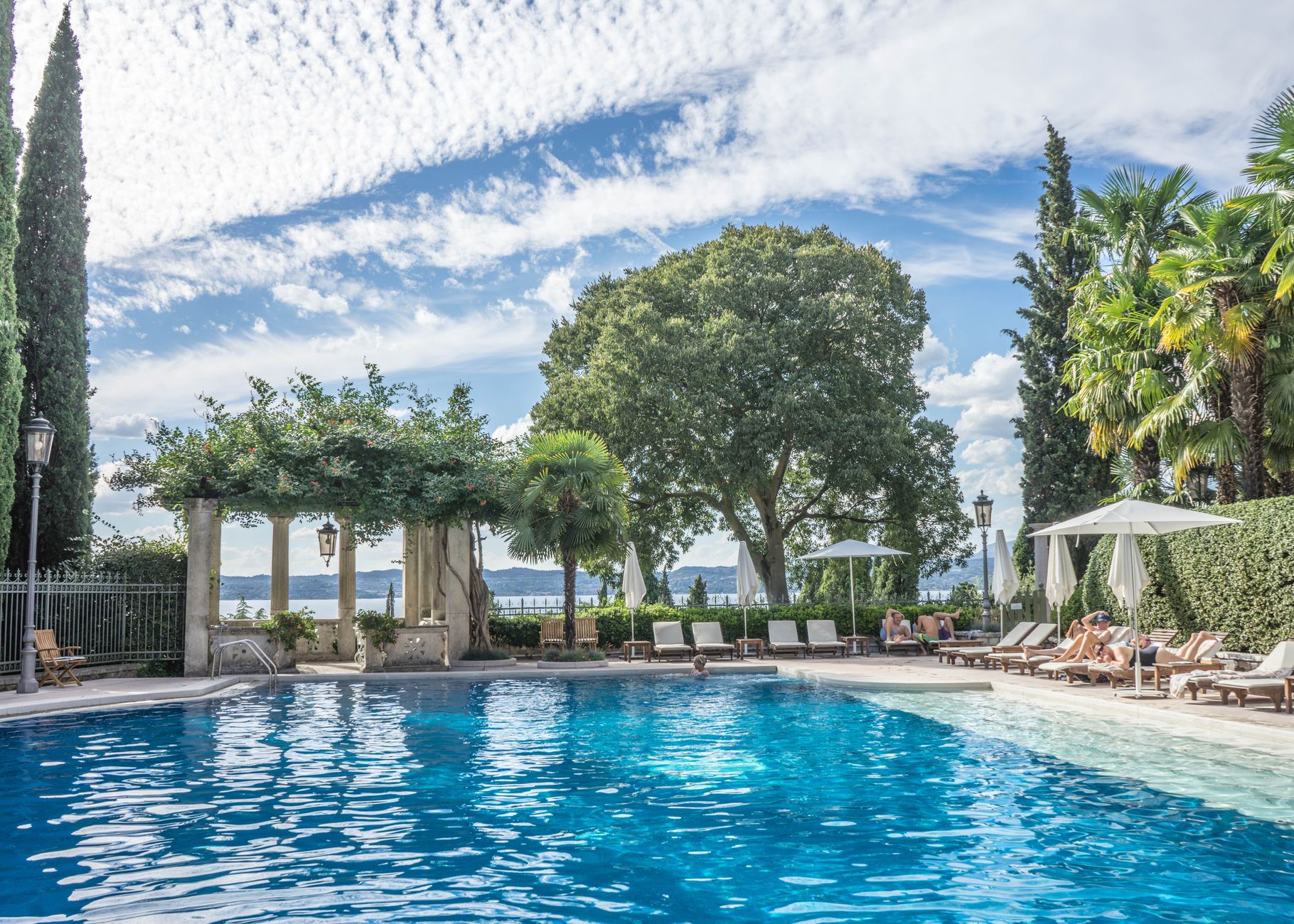
Photo by Pixabay on Pexels
A full-day wedding film at Beverly Hills Hotel divides into three distinct scenes: bungalow bridal preparation, poolside ceremony, and Polo Lounge reception. Each scene requires different crew assignments and camera movement strategies.
Bungalow Bridal Preparation
Bridal preparation at Beverly Hills Hotel typically occurs in one of the property's private bungalows—most commonly Bungalow 5, which has hosted generations of Hollywood figures and offers a large dressing area with natural window light. The videographer arrives 3 hours before ceremony start to capture the bride's final hair and makeup, dress fitting, first look with the bridal party, and any quiet moments before the processional.
Bungalow interiors are small, low-ceilinged, and decorated in mid-century style with patterned wallpaper and table lamps. The videographer uses a single handheld camera with a 35mm or 50mm prime lens to move fluidly through the space without requiring a gimbal or shoulder rig. Audio is captured via a shotgun microphone mounted on-camera rather than lavalier microphones, because bridal preparation dialogue is often conversational and overlapping rather than structured like ceremony vows or reception toasts.
The first look between bride and father or bride and groom is typically staged outside the bungalow on the private patio or along the garden path leading to the main pool. The videographer positions the couple in open shade under the palm canopy to avoid harsh midday sunlight, then captures the reveal from two angles—one wide shot establishing the bungalow exterior and one close shot focused on the couple's expressions during the first moment together.
Poolside Ceremony Coverage
The poolside ceremony at Beverly Hills Hotel runs 20 to 30 minutes. The videographer positions two cameras: one locked down at the rear of the aisle on a tripod, one handheld stage left near the front row. The locked-down camera captures the full processional, recessional, and wide establishing shots of the ceremony site. The handheld camera captures close-ups of the couple during vows, ring exchange, and the kiss.
The videographer does not move during the vows. Movement during this moment—repositioning from aisle to stage right, walking behind the seated guests, adjusting gimbal balance—introduces visual noise that distracts from the couple's words. The coverage plan is locked before processional begins, and the videographer executes that plan without improvisation.
One specific challenge at Beverly Hills Hotel poolside ceremonies: the palm trees lining the ceremony site create dappled light patterns that shift as the sun moves. The videographer scouts the ceremony site 60 minutes before processional to identify which camera positions will avoid harsh shadow stripes across the couple's faces during vows. If the ceremony is scheduled for 4:30 PM in June, the sun will be west-northwest, creating shadow patterns that move across the aisle from left to right. The handheld camera is positioned stage left—not stage right—to keep the couple's faces in even light.
Polo Lounge Reception Coverage
The Polo Lounge reception at Beverly Hills Hotel is an indoor event in a low-light, editorial-style dining room. The videographer arrives during cocktail hour to capture room details, then transitions to the reception timeline: first dance, parent dances, toasts, cake cutting, and open dancing.
The first dance at a Polo Lounge reception is typically staged in the center of the dining room after all guests are seated. The videographer uses two cameras: one on a gimbal moving in a slow orbit around the couple, one locked down from a high angle near the entrance to capture the full room and guest reactions. The gimbal movement is minimal—one full 360-degree orbit over the course of the 3-minute song, executed at walking pace without sudden stops or direction changes.
Toasts at Beverly Hills Hotel receptions are typically delivered by the best man, maid of honor, and one parent from each family. The videographer captures each toast from two angles: one close-up on the speaker's face, one wide shot showing the couple's reaction. Audio is captured via a wireless lavalier microphone handed to each speaker before they begin, plus a backup recorder placed on the head table to capture room ambiance and guest laughter.
The final hour of reception coverage focuses on open dancing, candid guest interactions, and the couple's last dance. The videographer uses a single handheld camera moving through the dance floor rather than a locked-down tripod position, prioritizing spontaneous moments over composed wide shots. This is the only segment of the day when the videographer does not pre-plan camera positions—the coverage is reactive, not scripted.
Logistical Considerations — Parking, Load-In, and Crew Access
Photo by Thomas balabaud on Pexels
Beverly Hills Hotel is an active luxury resort, not a private estate. The videographer coordinates load-in logistics with the hotel's event staff and the couple's wedding planner 2 weeks before the wedding day.
Vendor parking at Beverly Hills Hotel is in the lower lot accessed via a separate entrance off Sunset Boulevard. The videographer is required to check in at the hotel's security desk upon arrival and will receive a vendor parking pass and a property map indicating which entrance to use for equipment load-in. Equipment cases are transported to the event site via luggage cart provided by the hotel; the videographer does not carry cases through the main lobby or poolside guest areas.
Crew access to the bungalows is restricted. The videographer is granted access only to the specific bungalow reserved for bridal preparation, and access is provided by the wedding planner or hotel event coordinator—not by the couple. The videographer does not enter other bungalows or guest rooms.
Power access at the poolside ceremony site is limited. The videographer brings fully charged camera batteries and does not rely on AC power during the ceremony. For the Polo Lounge reception, the hotel provides two dedicated power outlets for vendor use, located along the north wall of the dining room. The videographer coordinates power needs with the DJ, lighting designer, and photographer before load-in to avoid circuit overload.
One specific detail: Beverly Hills Hotel does not allow drone coverage on property. The hotel sits under restricted airspace due to its proximity to residential neighborhoods and the Los Angeles Country Club. Couples who request aerial footage of the property must use stock footage or arrange for a helicopter shoot with city permits—an option LifeStory.Film does not typically recommend due to cost and noise disruption.
Timeline Coordination — Photo and Video Coverage at a Hotel Property

Photo by Francesco Paggiaro on Pexels
A wedding at Beverly Hills Hotel typically involves a 2-shooter video team and a 2-shooter photo team working simultaneously. The videographer and photographer coordinate coverage zones and timeline windows during a joint planning call with the couple and wedding planner 4 weeks before the wedding.
The bridal preparation window—3 hours before ceremony start—is divided into two segments. For the first 90 minutes, the photographer works inside the bungalow capturing detail shots of the dress, shoes, jewelry, and invitation suite, while the videographer captures candid video of hair and makeup application. For the second 90 minutes, the roles reverse: the videographer captures the bride's final moments before leaving the bungalow, while the photographer stages formal portraits of the bridal party outside on the bungalow patio.
The first look is captured simultaneously by both teams. The videographer positions the groom along the garden path facing away from the bungalow, then signals the photographer to bring the bride into the frame. The videographer captures the moment on video from a wide angle, while the photographer captures it in stills from a close angle. Neither team moves or speaks during the reveal—the coordination is pre-planned, not improvised.
Ceremony coverage is divided by position. The videographer holds the center aisle and stage-left positions. The photographer holds the stage-right and rear-corner positions. Neither team crosses into the other's shooting lanes during vows or ring exchange. This prevents a moment in the final wedding film where the photographer's silhouette appears in the videographer's frame, or vice versa.
Reception coverage at the Polo Lounge follows a similar division. The videographer captures the first dance, parent dances, and toasts on video with audio. The photographer captures those same moments in stills from angles that do not intersect the videographer's gimbal path. During open dancing, both teams work independently—the videographer on the dance floor, the photographer at the perimeter capturing wide shots of the room and candid guest interactions.
This level of coordination requires a Photo + Video Combined Package booked with a single vendor team rather than separate photo and video contracts. When photo and video are contracted separately, timeline conflicts and shooting-lane overlaps are common, and the couple is responsible for mediating between two vendor teams who may not have worked together before.
Audio Strategy for Poolside Ceremonies and Indoor Receptions
A wedding videographer at Beverly Hills Hotel manages two distinct audio environments: the poolside ceremony, where ambient noise from hotel guests and traffic on Sunset Boulevard can bleed into ceremony audio, and the Polo Lounge reception, where low ceilings and carpeted floors create muffled room acoustics that flatten toast audio if not corrected.
For the poolside ceremony, the videographer uses three audio sources:
- Lavalier microphone on the officiant — captures the ceremony script, vows, and any readings delivered from the ceremony arch
- Lavalier microphone on the groom — captures the groom's vows and the couple's quiet exchanges during ring exchange
- Zoom H6 recorder placed near the ceremony arch — captures ambient sound, music cues, and the bride's vows (the bride does not wear a lavalier microphone, because microphone placement on wedding dresses is difficult and often creates rustling noise)
All three audio sources are synced in post-production. The final ceremony audio mix uses the officiant's microphone as the primary source, the groom's microphone for vow close-ups, and the Zoom recorder as backup and for ambient sound layering.
For the Polo Lounge reception, the videographer uses wireless lavalier microphones handed to each toast speaker before they begin. The microphone is clipped to the speaker's lapel or dress neckline, and the wireless transmitter is placed in a pocket or clipped to a waistband. This setup eliminates the need for a handheld microphone (which many speakers hold incorrectly, creating muffled or off-axis audio) and ensures clean, on-axis voice capture.
One common mistake at indoor hotel receptions: relying solely on the DJ's audio feed for toast capture. The DJ's microphone is positioned for room amplification, not for video recording, and often captures room echo and feedback that render the audio unusable in the final wedding film. The videographer always uses a dedicated microphone for toast capture, independent of the DJ's sound system.
Deliverables and Edit Turnaround for a Beverly Hills Hotel Wedding
A full-day Wedding Film at Beverly Hills Hotel includes three deliverables:
- Highlight reel (4–6 minutes) — a cinematic edit of the full wedding day, scored to one or two songs, delivered 8 weeks after the wedding
- Full ceremony edit (20–30 minutes) — a complete edit of the ceremony from processional to recessional, with full vows and readings, delivered 10 weeks after the wedding
- Full reception edit (60–90 minutes) — a documentary-style edit of the reception from first dance through last dance, including all toasts, parent dances, cake cutting, and open dancing, delivered 12 weeks after the wedding
Couples who book a Photo + Video Combined Package receive an integrated online gallery where the wedding film and wedding photos are viewable side by side, organized by timeline segment (preparation, ceremony, reception). The gallery is delivered 12 weeks after the wedding and remains accessible for 2 years.
Couples who book only video receive a private Vimeo link for each deliverable. The links are password-protected and download-enabled, so the couple can share the films with family or archive them locally. The final edit files are delivered as 1080p MP4 exports; 4K delivery is available as an add-on.
Raw footage is not included in the standard wedding film package. Couples who request raw footage—typically for archival purposes or to create their own edits—can purchase it as an add-on for $800. Raw footage is delivered via Dropbox as unedited .MOV files organized by timeline segment.
Couple Aesthetic Fit — Editorial Black-Tie and Urban Modern Weddings
Beverly Hills Hotel attracts two primary couple types: editorial black-tie couples planning a classic Hollywood wedding, and urban modern couples who want a luxury hotel setting without the formality of a ballroom.
Editorial black-tie couples at Beverly Hills Hotel typically plan a 150- to 200-guest wedding with a poolside ceremony, Polo Lounge seated dinner, and open dancing in the Crystal Ballroom. The aesthetic is classic rather than trendy—tuxedos and floor-length gowns, formal floral arrangements in white and green, a live band rather than a DJ, and a traditional wedding cake rather than a dessert bar. The Wedding Film for this couple type emphasizes timeless, composed frames over fast-cut montage, with a color grade that preserves the property's signature pink-and-green palette rather than applying a moody or desaturated look.
Urban modern couples at Beverly Hills Hotel typically plan a 60- to 100-guest wedding with a poolside ceremony, Polo Lounge cocktail reception, and no formal seated dinner. The aesthetic is relaxed luxury—suits rather than tuxedos, cocktail dresses rather than gowns, minimal floral arrangements, and a curated playlist rather than a live band. The wedding film for this couple type uses more handheld movement, tighter cropping, and a faster edit pace, reflecting the couple's preference for documentary spontaneity over editorial polish.
Both couple types value the property's history and design. Beverly Hills Hotel has hosted celebrity weddings, film premieres, and Hollywood events since 1912, and couples who choose this venue are choosing that legacy—not just a garden or a ballroom. The videographer's coverage plan reflects that: every wedding film opens with an establishing shot of the pink hotel façade and the Sunset Boulevard entrance, anchoring the couple's day in a specific place with a specific cultural context.
Why Couples Book Beverly Hills Hotel Over Hotel Bel-Air or Montage Laguna Beach
Couples choosing Beverly Hills Hotel over Hotel Bel-Air or Montage Laguna Beach are choosing a property where the hotel itself is the visual anchor—not the surrounding landscape. Hotel Bel-Air offers Swan Lake and canyon views; Montage Laguna Beach offers cliffside terraces and ocean panoramas. Beverly Hills Hotel offers the pink façade, the Polo Lounge, and the palm-lined poolside lawn—iconic design elements that are inseparable from the property's identity.
A wedding videographer working at Beverly Hills Hotel does not rely on natural landscape features to build the visual narrative. The film is built around architectural frames—the arched colonnade along the pool, the banana-leaf wallpaper in the Polo Lounge, the mid-century bungalow interiors. This makes Beverly Hills Hotel an ideal venue for couples planning an urban modern or editorial black-tie wedding, and a less natural fit for couples planning a garden romantic or coastal classic wedding.
Couples who prioritize natural light and open-air settings typically choose Calamigos Ranch or San Ysidro Ranch over Beverly Hills Hotel. Couples who prioritize design, architecture, and cultural iconography choose Beverly Hills Hotel.
Begin a Conversation About Your Beverly Hills Hotel Wedding
LifeStory.Film offers Wedding Film, Documentary Photography, and Photo + Video Combined Package coverage at Beverly Hills Hotel. Full-day packages start at $7,500 for a 2-shooter video team covering 10 hours from bridal preparation through reception. Multi-day coverage and destination travel are available for couples planning extended wedding weekends in Los Angeles or Southern California.
Reach out through the contact form to begin a conversation about your wedding at Beverly Hills Hotel, or browse the Journal for more venue-specific coverage notes and planning guidance.