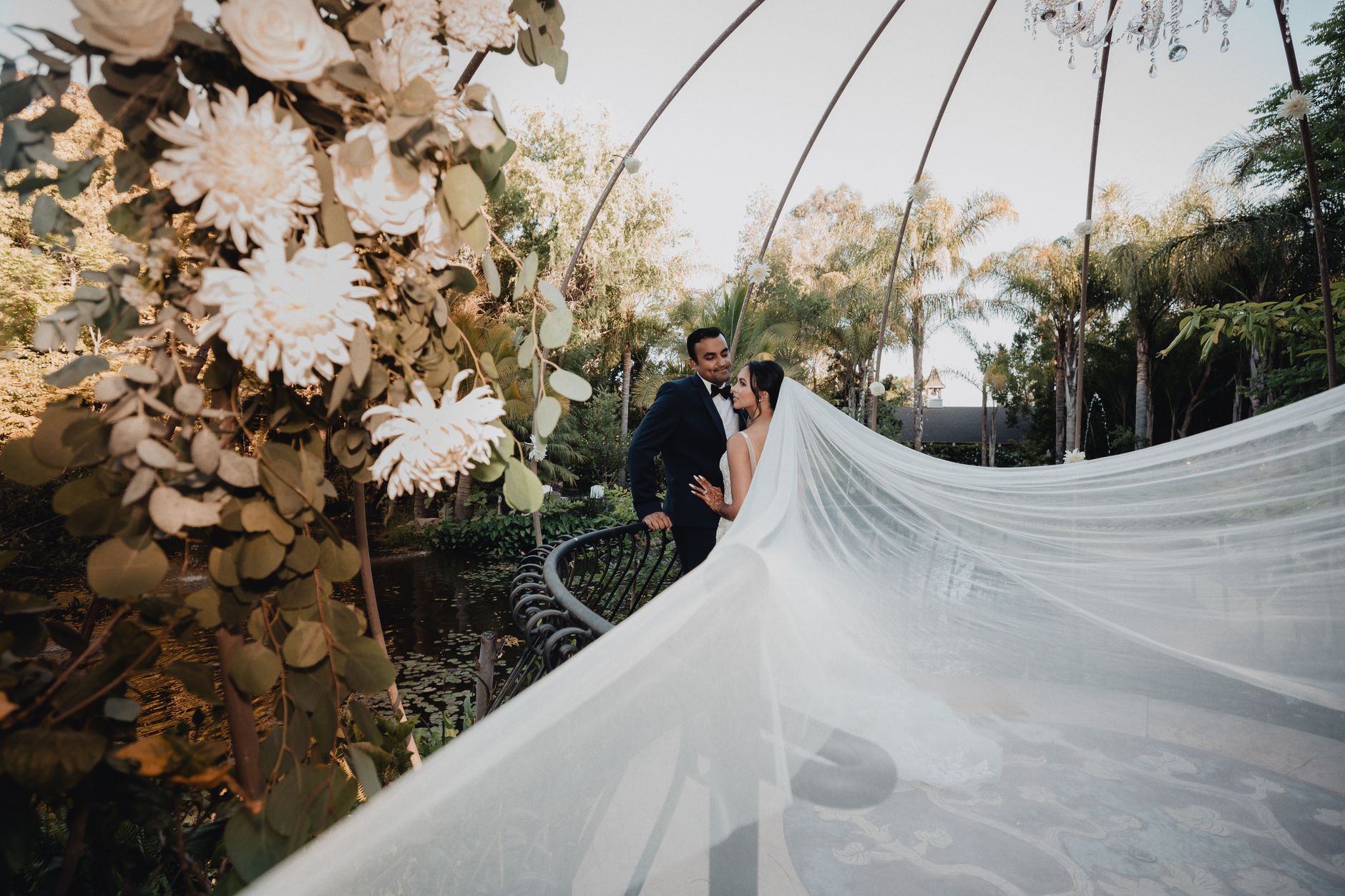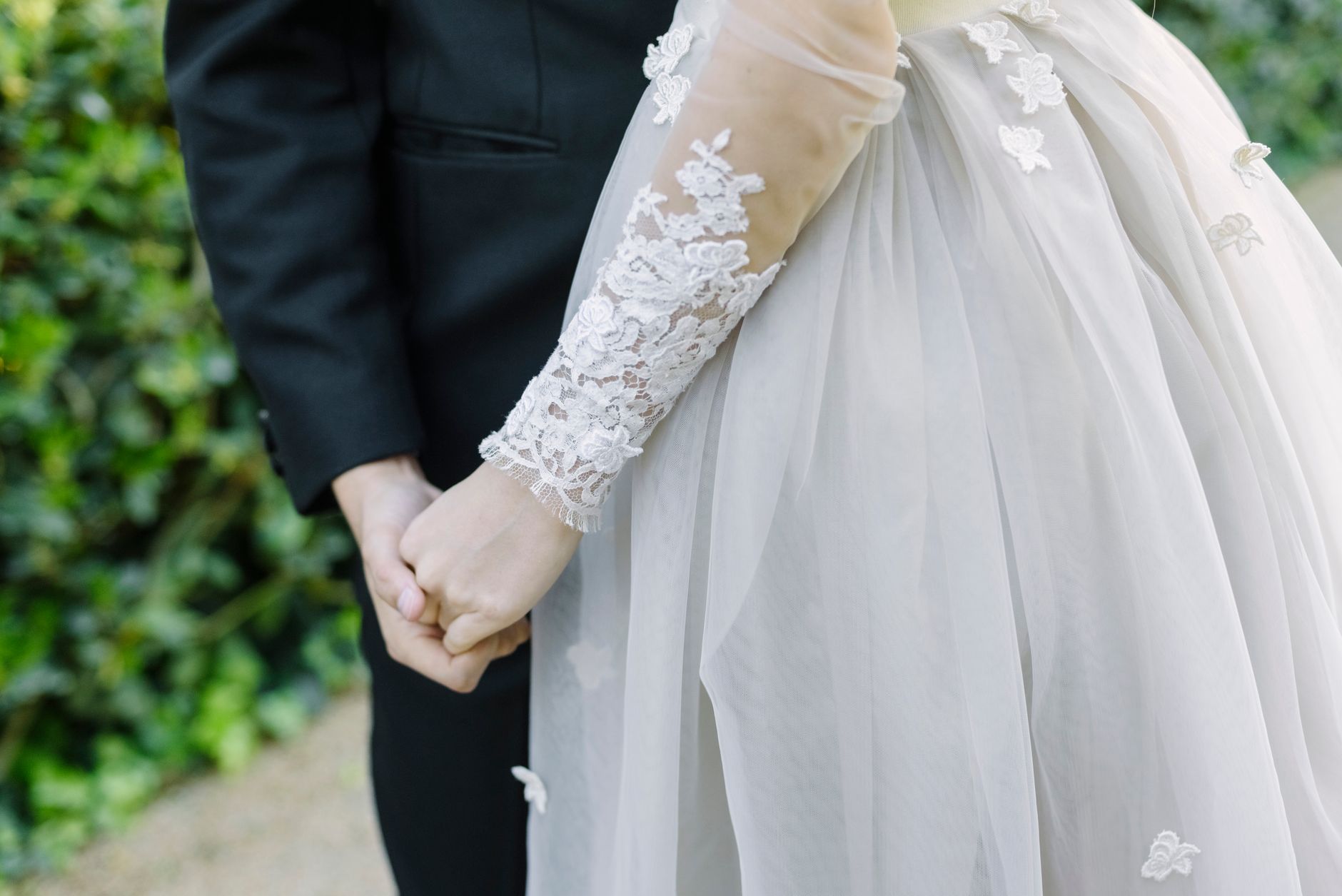
A wedding film in Malibu is shaped by the venue's relationship to light. Calamigos Ranch sits under an oak canopy that filters late-afternoon sun into green-gold, while Saddlerock Ranch opens to the Santa Monica Mountains with no shade and full exposure to the western horizon. As a wedding videographer, the first question when a couple books a Malibu venue is not "where are the pretty spots" but "where will the ceremony be at 4:30 PM, and what does the light do there?" The answer determines the entire coverage plan — and sometimes the ceremony start time itself.
Malibu's wedding venues fall into two categories: canyon properties like Calamigos Ranch that offer shade, diffused light, and microclimates cooler than the coast, and ridge or bluff properties like Saddlerock Ranch where every moment happens in direct sun or against an open sky. A 2-shooter video team and a Photo + Video Combined Package approach each type differently — not just in gear (ND filters, reflectors, backup indoor plans) but in how the edit reads. A canyon wedding film feels intimate, layered, close. A ridge wedding film feels expansive, editorial, cinematic in the classic sense. Both are Malibu, but they are not the same story.
Why Calamigos Ranch Films Like Nowhere Else in Malibu
Calamigos Ranch is the only Malibu wedding venue where a videographer can shoot an outdoor ceremony at 4 PM in June and not fight harsh overhead sun. The oak grove creates a natural scrim — dappled light that flatters skin tones, softens shadows, and renders the ceremony with a warmth that holds up in post-production. The first look typically happens in the redwood grove, where the canopy is so dense that even midday feels like late afternoon. A Wedding Film shot here relies less on ND filtration and more on composition — framing vows through the curve of a low oak branch, catching the bride's mother wiping tears in a shaft of backlit green.
The barn reception at Calamigos is a harder lift. The interior is dark wood with Edison string lights — moody, editorial, but requiring dual-native ISO bodies and fast primes to hold detail without grain. By 7 PM the dance floor is lit only by bistro bulbs and the occasional uplighter from the DJ, which means the highlight reel and Full Ceremony Coverage both gain texture from shadow rather than fighting it. The couple who books Calamigos tends to prefer garden-romantic or coastal-classic aesthetics — less concerned with perfect exposure in every frame, more interested in the way the day actually felt.
A 10-hour Documentary Photography and video package at Calamigos typically includes: bride and groom prep (separate locations or on-site casitas), first look in the redwood grove, family portraits in the oak grove, ceremony coverage from 2 angles, cocktail-hour transitions along the vineyard path, reception through last dance. Turnaround for the final wedding film is 8–12 weeks.
Saddlerock Ranch: Open-Sky Filming on a Working Vineyard
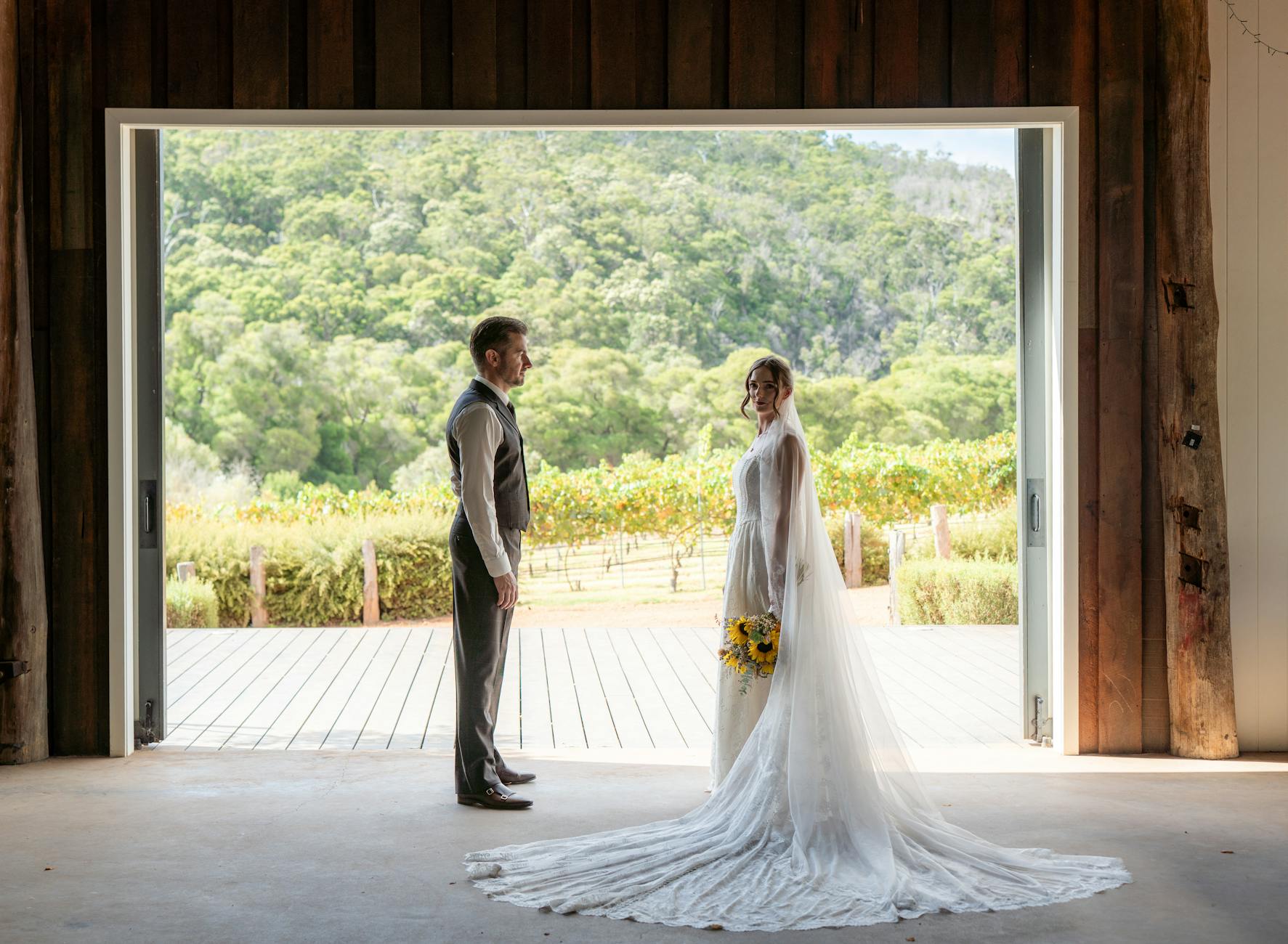
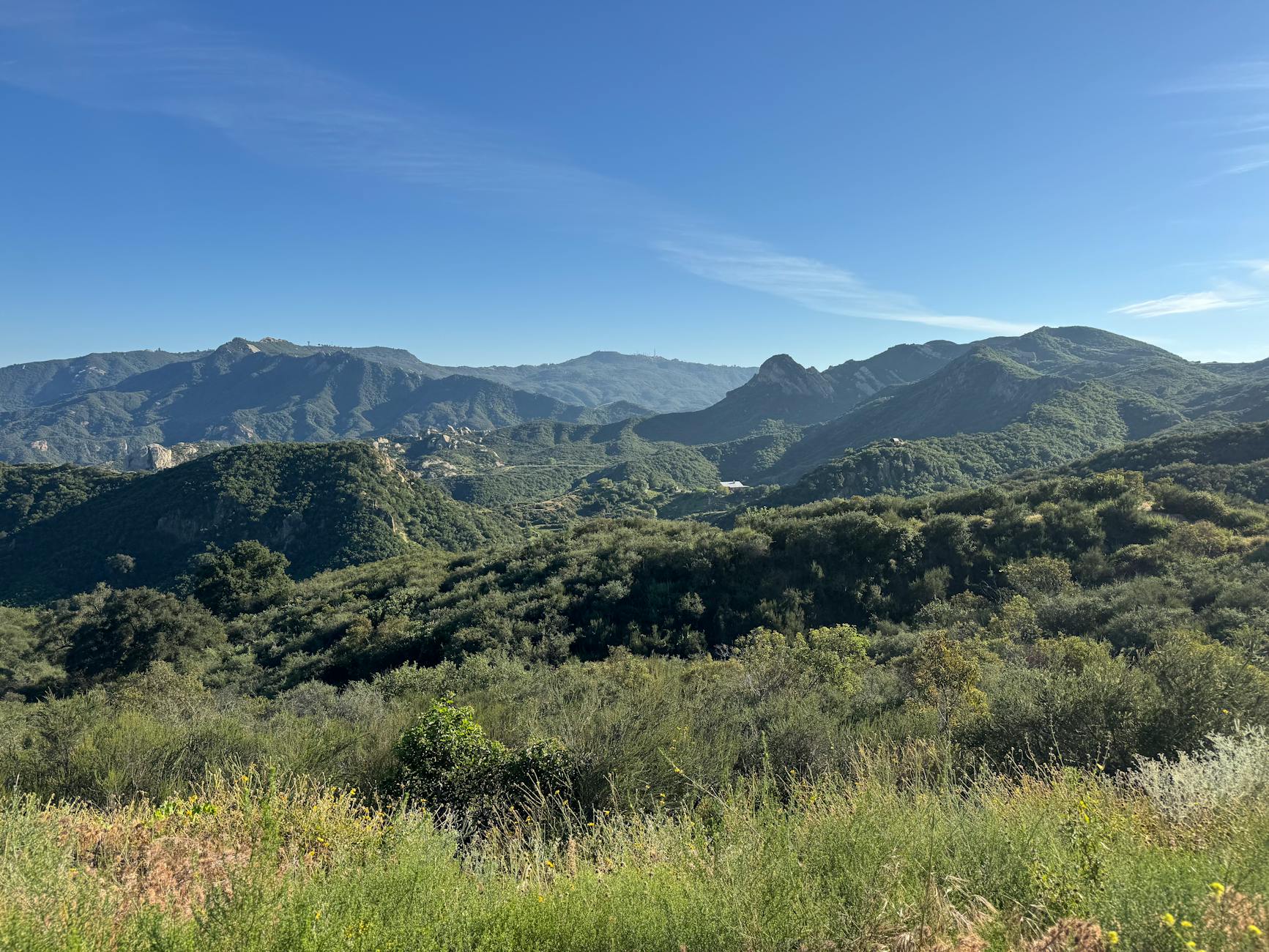
Saddlerock Ranch sits on a ridgeline above the Malibu hills with no tree cover and 360-degree exposure. The ceremony lawn faces west toward the mountains, which means a 5 PM ceremony puts the couple directly backlit by the descending sun — a cinematographer's preference, but one that requires precise metering and a second shooter positioned to catch front-lit reaction shots of the guests. The vineyard rows that frame the aisle photograph beautifully at 4 PM; by 6 PM they're in shadow and the sky is the only subject.
The challenge at Saddlerock is wind. The property is fully exposed to the afternoon coastal breeze, which affects audio capture (lavalier mics on the officiant and groom are non-negotiable) and creates movement in every wide shot — veils, programs, hair, tablecloths. That movement reads as editorial energy in the Highlight Reel, but it complicates vow audio if the couple opts for a handheld mic instead of a lav. A 2-shooter video team splits the ceremony: one on tripod for stable wide and medium coverage, one handheld for close-ups and reaction detail.
Saddlerock's tasting room and covered pavilion offer backup indoor options if the couple is concerned about heat or sudden weather, but most couples who choose Saddlerock choose it because of the open exposure — the same reason they're booking a wedding videographer instead of photo-only. The wide-sky, ridge-line, golden-hour aesthetic is the point. The final film reflects that: fewer intimate close-ups, more environmental wides, more movement.
Saddlerock couples tend toward urban-modern or destination-minimalist aesthetics. The venue itself is spare — no lush florals, no ivy-covered arches. The design relies on the landscape, which means the film does too.
Comparing Canyon Venues vs Coastal-Bluff Venues for Cinematic Coverage
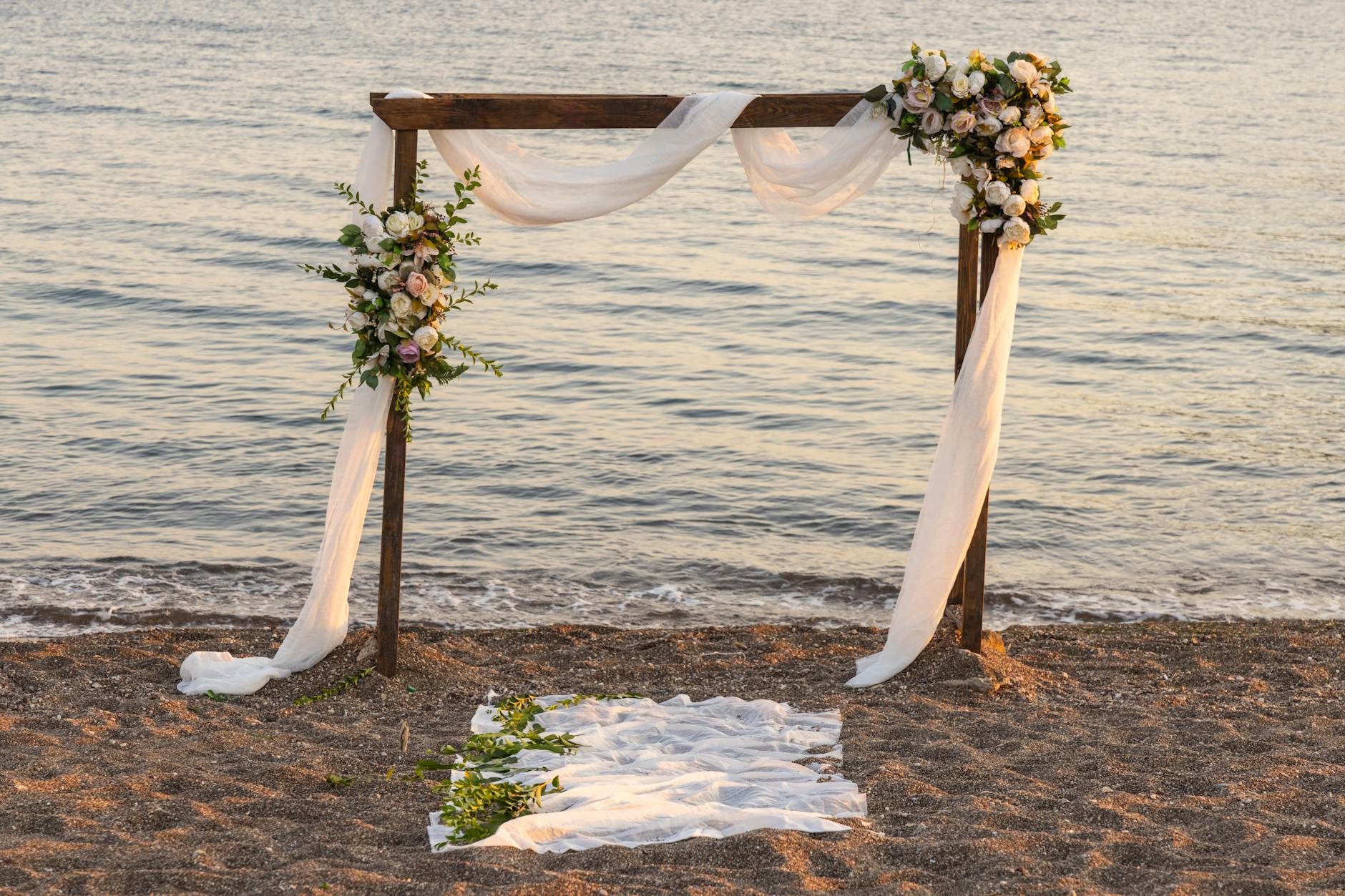
Malibu wedding venues divide into two lighting environments, and the videographer's shot list reflects the difference:
| Venue Type | Light Quality | Audio Challenges | Coverage Style | Couple Aesthetic |
|---|---|---|---|---|
| Canyon (Calamigos Ranch) | Diffused, dappled, green-gold through oak canopy | Minimal wind; ambient birdsong and rustling leaves add texture | Intimate, layered, close framing through branches | Garden romantic, coastal classic |
| Ridge/Bluff (Saddlerock Ranch) | Direct sun, backlit ceremony, open sky at golden hour | Persistent wind; requires lav mics for vows | Expansive wides, environmental storytelling, editorial movement | Urban modern, destination minimalist |
A Wedding Film at a canyon venue relies on shallow depth of field and natural framing elements — the oak branch arcing over the bride's shoulder during vows, the redwood colonnade behind the first look. A ridge venue relies on composition within negative space — the couple small against the mountain line, the aisle stretching toward the horizon, the reception long-table setup silhouetted at dusk. Both are cinematic; neither is better. The couple's aesthetic and their tolerance for wind and sun determine the choice.
For planners coordinating Malibu weddings, the videographer's pre-shoot venue walk typically happens 30–60 days before the event. That walk identifies: ceremony position relative to the sun at start time, backup indoor or shaded zones, drone-restriction boundaries (Malibu has county-level rules; some venues prohibit drones entirely), and the path the couple will take from ceremony to cocktail to reception. A tight coordination between the videographer and Documentary Photography team prevents the two from blocking each other's key angles during vows and first dance.
Timing the Ceremony Start for Best Light at Malibu Venues
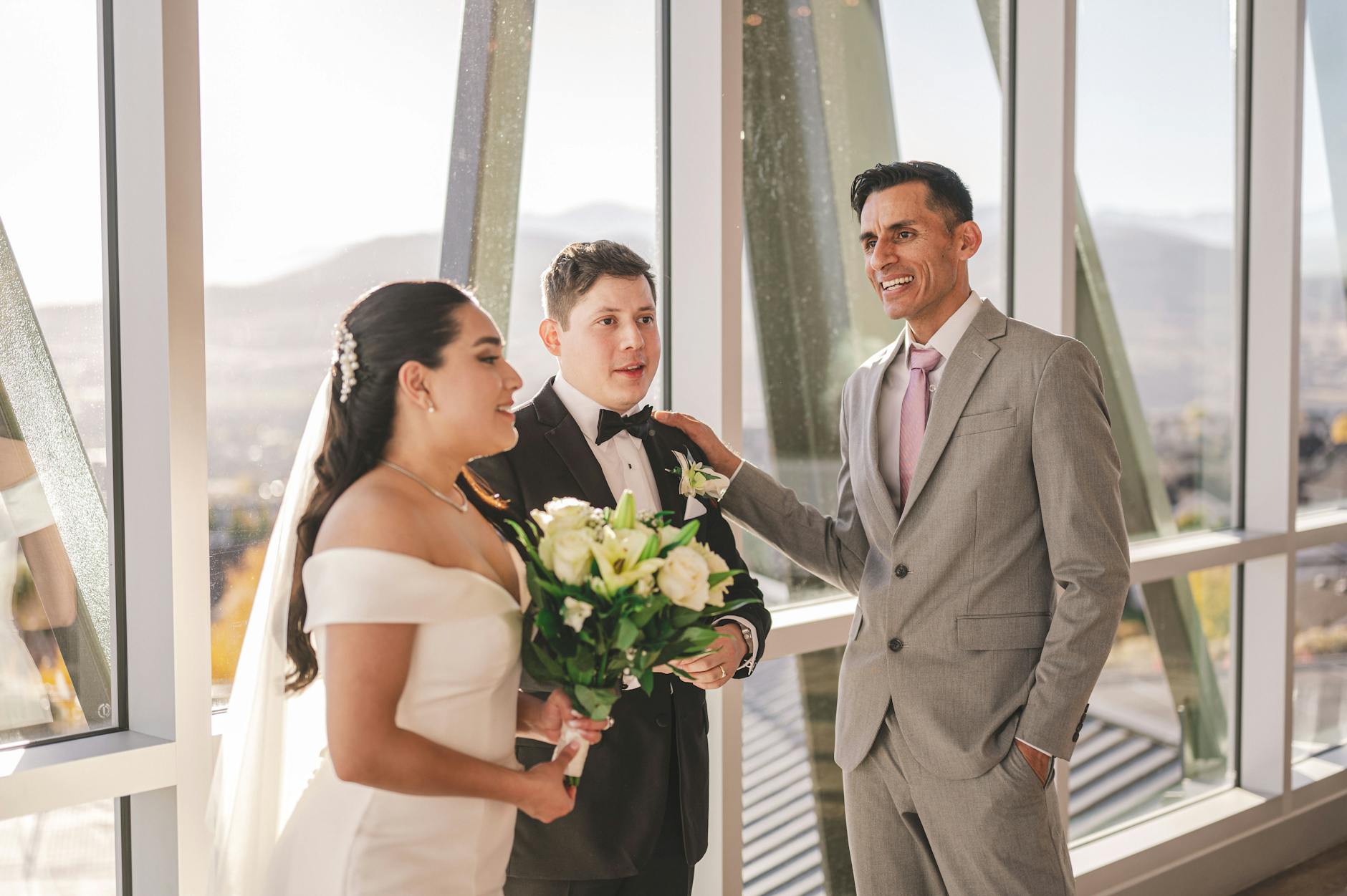
A 4 PM ceremony start at Calamigos Ranch yields oak-filtered light with no harsh overhead sun. A 5 PM start at Saddlerock Ranch yields backlit golden-hour romance but puts the cocktail hour in near-darkness by 6:15 PM during winter months. The videographer's input on start time is not aesthetic preference — it's physics. The sun's angle determines where the couple can stand, which direction the aisle faces, and whether the officiant will be silhouetted or front-lit.
At coastal or ridge venues, a sunset ceremony (6 PM or later) sounds romantic but creates exposure problems: the couple is backlit to the point of silhouette, and without fill light or a reflector the faces go dark. A professional wedding videographer carries ND filters and can expose for the sky while lifting shadows in post, but the result is always a compromise. The cleanest light happens 60–90 minutes before true sunset — "golden hour" in photographer terms, but really "the last hour of workable dynamic range" for video.
Malibu's June and July weddings often start at 4:30 or 5 PM to capture that window. November through February weddings start earlier — 3:30 or 4 PM — because the sun sets before 5:30 PM and the temperature drops quickly once it does. The Photo + Video Combined Package timeline builds backward from sunset: if sunset is 5:15 PM, the ceremony must start no later than 4 PM to leave 30 minutes for family portraits in good light before cocktail hour begins.
A first look scheduled 90 minutes before the ceremony creates a buffer. It gives the photography and videography teams time to capture the couple alone — often the only private, unrushed moment of the day — and it frontloads the emotional arc of the film. The groom's reaction when he turns and sees the bride, shot in soft pre-ceremony light, becomes the opening beat of the Highlight Reel. Without the first look, that beat doesn't exist; the film opens cold on the processional.
Drone Restrictions and Backup Plans at Malibu Wedding Venues
Malibu sits within restricted airspace for several reasons: proximity to Malibu Creek State Park, fire-risk zones during red-flag days, and county noise ordinances. Calamigos Ranch allows drones with advance notice and FAA Part 107 certification, but only during specific hours (typically before 6 PM). Saddlerock Ranch prohibits drones entirely due to the working vineyard and resident zebras. A wedding videographer scouting a Malibu venue always confirms drone policy in writing, because a cinematic aerial of the ceremony site is not guaranteed.
When drone coverage is unavailable, the establishing shot comes from the highest accessible vantage point on foot — often a second-story balcony, a hilltop path, or a ladder setup coordinated with the venue's event manager. That static elevated wide does not replace a sweeping aerial, but it establishes geography and scale, which is what the aerial was meant to do. The edit adjusts: more environmental sound, more foreground-framing elements (vines, grasses, architecture), less reliance on the "wow" of flight.
Backup indoor or covered spaces matter more in Malibu than at hotel venues. Calamigos Ranch offers the redwood deck and the barrel room; Saddlerock has the pavilion and tasting room. If wind or unseasonable rain forces the ceremony indoors, the videographer's plan shifts from natural-light cinematic to architectural framing and controlled lighting. A couple booking a Malibu venue should ask their videographer during the consult: "If we move the ceremony indoors, how does the coverage change?" The answer reveals whether the team has shot the venue before.
What a 2-Shooter Video Team Captures at a Full-Day Malibu Wedding
A Wedding Film package at a Malibu venue typically deploys a 2-shooter video team for 10 hours. The coverage plan breaks into blocks:
Prep (2 hours): Bride getting ready at Hotel Bel-Air or an Airbnb in the Malibu hills; groom prep often happens on-site at the venue's casita. One shooter with each party. Audio capture of toasts, mother-daughter moments, the quiet thirty minutes before the bride leaves for the venue.
First look (30 minutes): Both shooters converge. One captures the groom's reaction and the couple's embrace from a distance; the other moves in for close detail — hands, faces, the bride's exhale. The first look is the most repeatable, directable moment of the day, and it yields the highest concentration of usable frames per minute.
Family portraits and detail coverage (45 minutes): While the photographer manages family lineups, one videographer captures b-roll — the ceremony site before guests arrive, detail shots of the bouquet and rings, environmental wides. The second shooter films the family portraits from an oblique angle, looking for candid reactions between formal frames.
Ceremony (45 minutes): Two fixed angles, both on tripod: one wide from the back of the aisle, one medium from the side. Handheld is reserved for the processional, the kiss, and the recessional. Lavalier mics on the officiant and groom capture vows; a third recorder with a shotgun mic serves as backup and ambient capture.
Cocktail hour (60 minutes): One shooter follows the couple if they're doing a portrait session; the other films guest interactions, the bar, the first reactions to the reception space. This block is where the film establishes the venue's sense of place — the way the light falls on the vineyard rows at Saddlerock, the way guests gather in the oak grove at Calamigos.
Reception through last dance (4 hours): Both shooters active. First dance, parent dances, toasts, cake cutting, and dance-floor peaks are locked into the timeline. Everything else — the quiet moment when the couple steps outside between dances, the grandmother tearing up during the father-daughter dance, the best man fixing the groom's tie before the toast — is documentary instinct.
Turnaround for the full edit is 8–12 weeks. Couples receive a 8–12 minute cinematic wedding film, a separate full-ceremony cut (typically 25–40 minutes), and a 90-second Highlight Reel optimized for Instagram and sharing. Raw footage is not included; the deliverable is the edited story.
Photo-Video Coordination and Why It Matters More at Outdoor Venues
At a Malibu wedding, the photographer and videographer are shooting the same moments in the same narrow windows of good light. Without coordination, they block each other. The classic conflict: during the first look, the photographer wants to shoot the couple straight-on while the videographer wants the groom's face in profile as he turns. If both teams try to claim the same angle, one of them gets the back of the other's head in the frame.
A Photo + Video Combined Package solves this by design. The photography and videography teams operate under one creative director, pre-plan every key moment's shot angles, and alternate who takes the primary position. At the first look, the photographer shoots the initial turn and embrace from the front; the videographer captures it from the side, then moves in for close detail once the photographer steps back. During vows, the photographer occupies the center aisle for reaction shots; the videographer locks into a side angle that keeps the photographer out of frame.
This choreography is invisible to the couple and guests, but it determines whether the final wedding film includes clean frames of the moments that matter. An uncoordinated team — photo and video booked separately — spends the day negotiating in real time, which slows the timeline and introduces tension the couple can feel. The coordinated team moves like one organism, and the couple never thinks about it.
Begin a Conversation About Your Malibu Wedding
A wedding film at Calamigos Ranch, Saddlerock Ranch, or another Malibu venue begins with a consultation about the ceremony start time, the couple's aesthetic, and the way the venue's light behaves at the specific hour they've chosen. LifeStory.Film offers Wedding Film, Documentary Photography, and Photo + Video Combined Package coverage for weddings across Malibu, Los Angeles, and Southern California. Reach out through the contact page to begin planning your coverage.