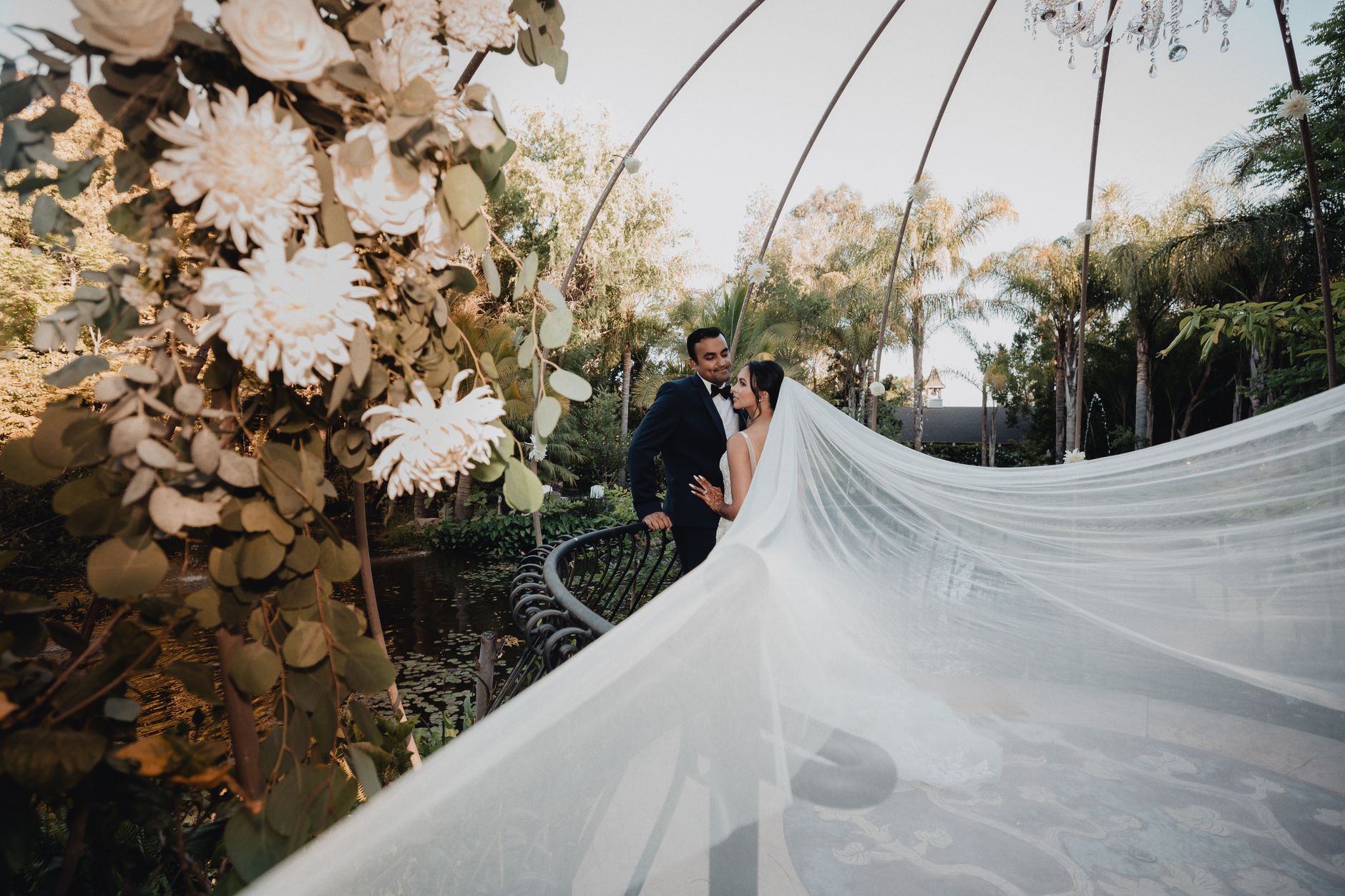
A wedding film at San Ysidro Ranch requires planning around three distinct scenes: the garden ceremony under the heritage oak, the stone-cottage portrait window at golden hour, and the Stonehouse reception after dark. The property sits on 500 acres of Montecito hillside, and each scene lives in its own pocket of light and architecture. A 2-shooter video team needs 10 hours of coverage to capture all three without rushing the couple through transitions, and the edit typically runs 8–12 weeks for the full wedding film.
San Ysidro Ranch attracts couples who want a garden romantic aesthetic without the formality of a hotel ballroom. The ceremony site—a lawn under a 200-year-old oak—films best between 4:30 and 5:30 PM, when the sun drops behind the ridgeline and the tree casts long shadows across the aisle. Later than that, the light goes flat. Earlier, and the guests are squinting. Videographers who've worked the property before know to position one camera operator near the base of the oak to catch the vows with the Santa Ynez Mountains in the background, and a second on the stone pathway to film the processional as the couple walks down from the cottage.
Why San Ysidro Ranch Films Differently Than a Resort Ballroom
San Ysidro Ranch is not one venue—it's a collection of cottages, gardens, patios, and dining rooms spread across the hillside. The Stonehouse restaurant, the Eucalyptus Garden, the Lavender House, and the private cottages all function as separate scenes in the wedding film. A ballroom wedding at the Beverly Hills Hotel or Montage Laguna Beach happens in two or three predictable locations. San Ysidro Ranch couples move through eight or ten micro-locations over the course of the day, which means the cinematography has to adapt constantly.
The stone cottages are where most couples get ready. The interiors are dark—heavy wood beams, small windows, stone walls—so a videographer relies on natural light from the doorway or patio rather than expecting even indoor lighting. The first-look moment typically happens on the cottage patio or along the garden path between the Lavender House and the ceremony site, and the choice matters. The patio offers privacy and a mountain view. The garden path offers dappled light through the oak canopy and better audio (less wind). A wedding film that captures both options during a pre-ceremony portrait session gives the couple editorial variety in the final edit.
The property's elevation also changes the coverage plan. San Ysidro Ranch sits at 500 feet, with the ceremony lawn at mid-elevation and the Stonehouse restaurant higher on the hill. Guests walk uphill to the reception, which means the videographer needs to plan for a 10–15 minute transition where nothing cinematic is happening. The best wedding films use that gap to shoot B-roll—close-ups of the floral installations along the path, the last light on the mountains, the couple's first quiet moment together after the ceremony—rather than letting the timeline go dead.
The Garden Ceremony and Oak-Grove Coverage
The heritage oak is the visual anchor of a San Ysidro Ranch wedding film. The tree is 200 years old, 60 feet tall, and the canopy spans the entire ceremony lawn. Most couples position the altar under the tree with the Santa Ynez Mountains as the backdrop, which gives the videographer a clean sightline from the stone path. One camera operator shoots the processional and recessional from the path. The second operator positions near the altar to capture the vows, the ring exchange, and the couple's reactions during the readings.
Audio is critical. The garden ceremony is outdoors, and wind is common in Montecito, especially in late afternoon. A two-lav setup—one on the officiant, one on the groom—ensures clean vow audio even when the wind picks up. The bride's vows are captured from the groom's lav. A shotgun mic on the main camera adds ambient sound—the rustle of oak leaves, the distant hum of cicadas, the guests' reaction during the first kiss. The final wedding film layers all three audio sources to create a scene that feels present rather than overdubbed.
The ceremony typically runs 20–30 minutes, and the couple's recessional ends with them walking back up the stone path toward the cottages. That 60-second walk, filmed from behind with the mountains in the background and the guests cheering on either side, is one of the most-used clips in the highlight reel. It's the moment the formality breaks and the celebration begins, and a videographer who anticipates it gets the shot. A videographer who's packing up the altar coverage misses it.
The Golden-Hour Portrait Window and Stone-Cottage Scene
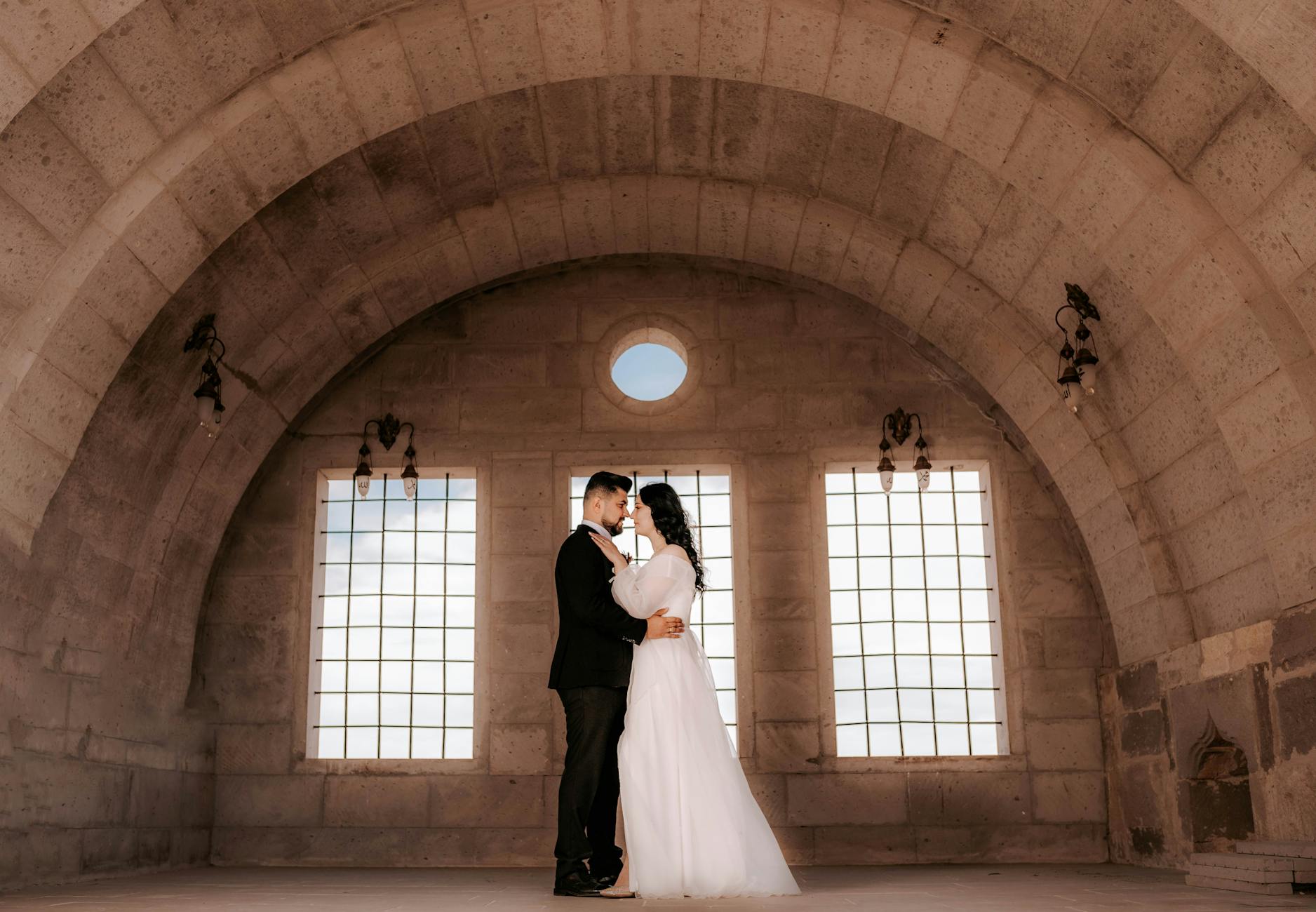
San Ysidro Ranch offers a 45–60 minute portrait window between the ceremony and the reception, and how the couple uses that time shapes the emotional arc of the wedding film. Some couples retreat to their cottage for a private moment—a glass of champagne on the patio, a first look at the guest-book messages, a quiet minute before the reception starts. Other couples walk the property with the videographer and photographer, stopping at the Lavender Garden, the Eucalyptus Grove, and the Stonehouse terrace for editorial portraits.
The Lavender Garden films well in the hour before sunset. The plants are low, the light is warm, and the rows create natural leading lines. A wide shot from the garden entrance shows the couple framed by lavender and mountains. A close-up from the side captures their hands, the bride's dress moving in the breeze, and the last direct light on their faces. The editorial photography team typically works this scene first, and the videographer follows, shooting B-roll and a 10-second walking clip that transitions between ceremony and reception in the final edit.
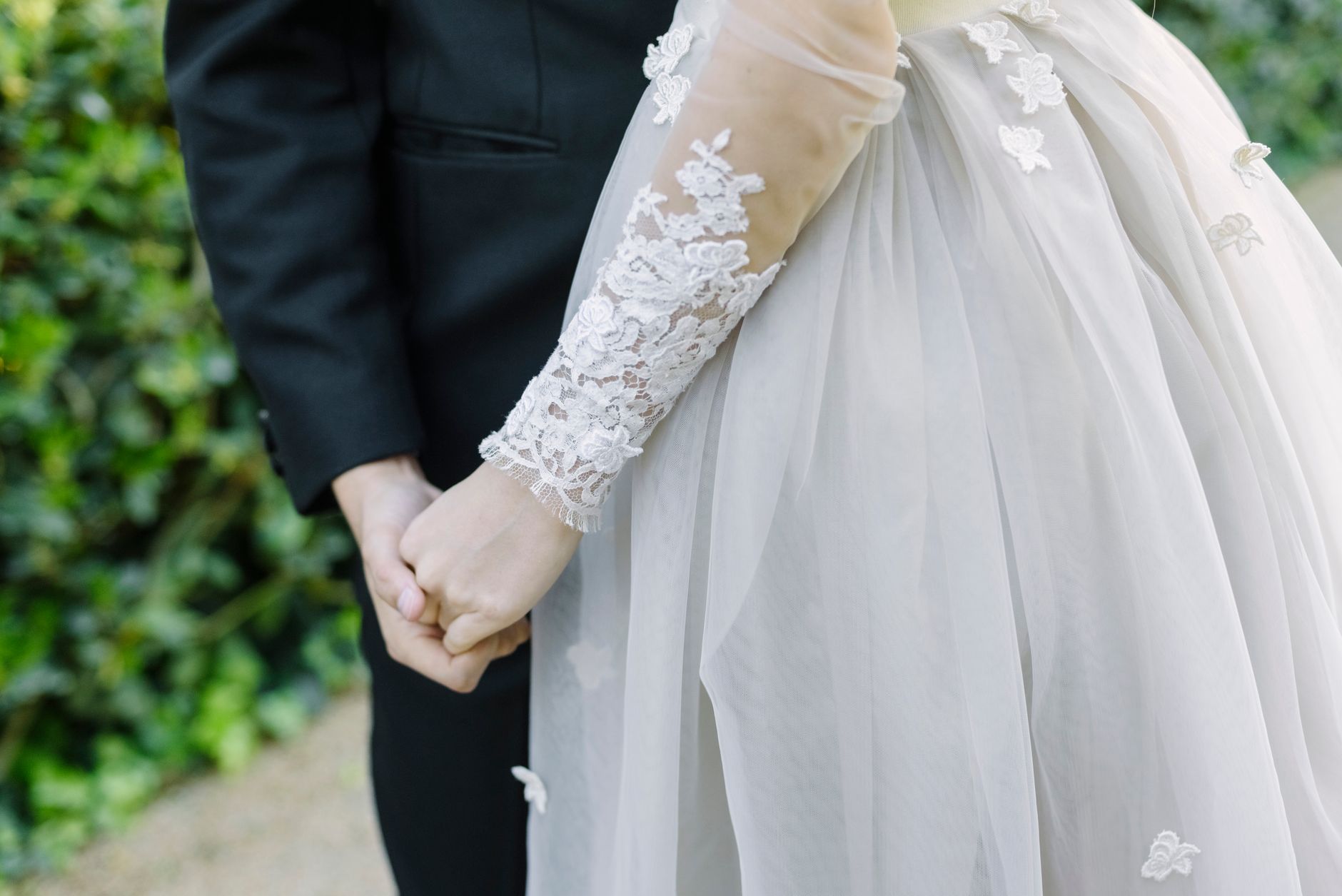
The Eucalyptus Grove is darker and more intimate. The trees are tall, the canopy is dense, and the light filters through in patches. Couples who want a moody, editorial aesthetic spend time here. The videographer shoots handheld—slow pans, shallow depth of field, close-ups of the couple's faces and hands. The grove doesn't offer big landscape shots, so the scene is built from details: the curve of the bride's shoulder, the groom's hand on her waist, the way the light catches the lace on her dress. These clips are short—3 to 5 seconds each—but they carry the emotional weight of the portrait session in the wedding film.
The Stonehouse terrace is the last stop before the reception. The terrace overlooks the ceremony lawn and the mountains, and the view is unobstructed. Most couples take their final portrait here, often with a glass of wine or champagne. The videographer captures the couple walking onto the terrace, a wide shot of them looking out at the view, and a close-up of their reaction when they see the reception setup for the first time. This moment—quiet, reflective, slightly removed from the noise of the party—becomes the transition point in the wedding film between the ceremony's formality and the reception's energy.
The Stonehouse Reception and After-Dark Coverage
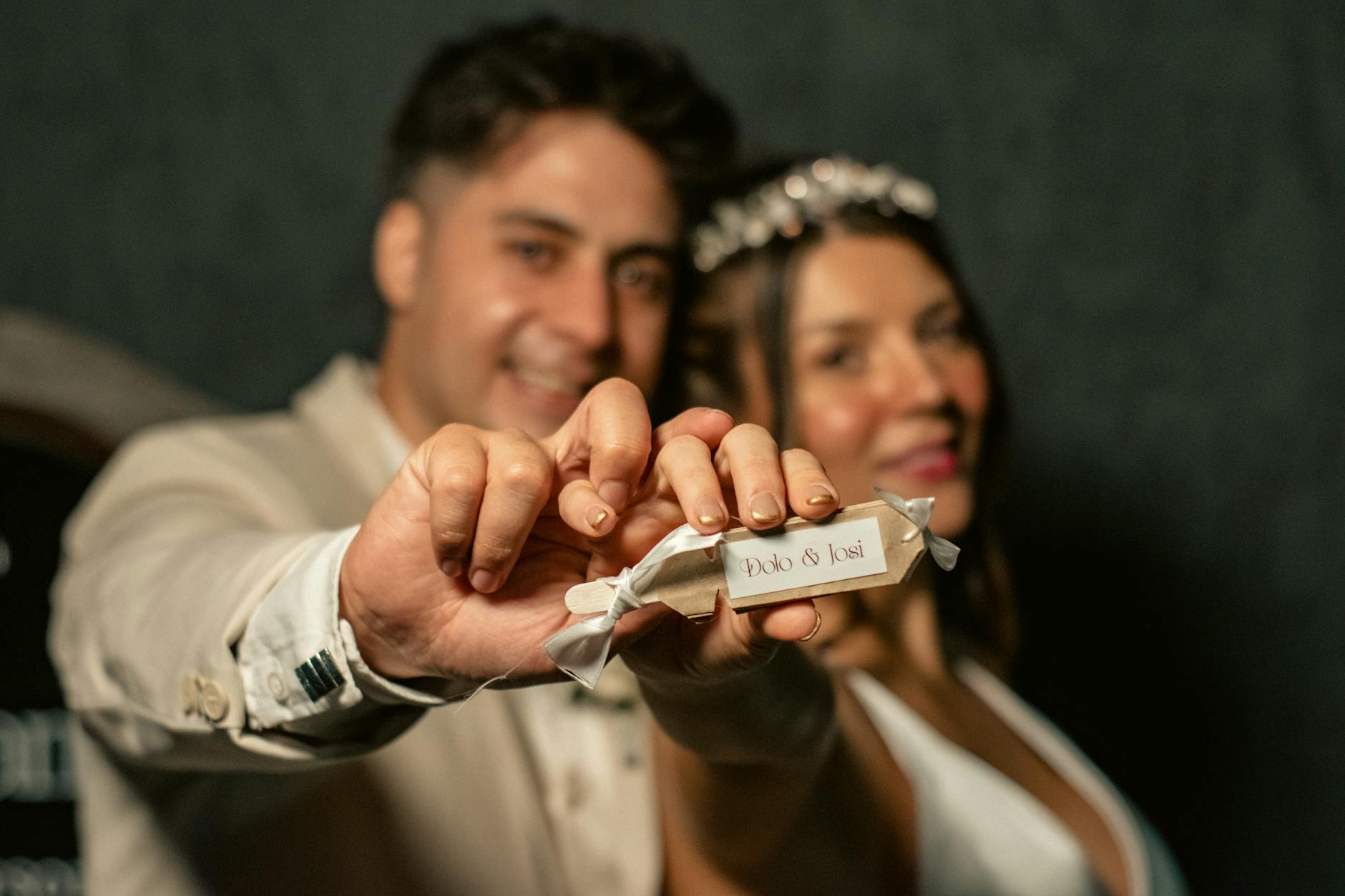
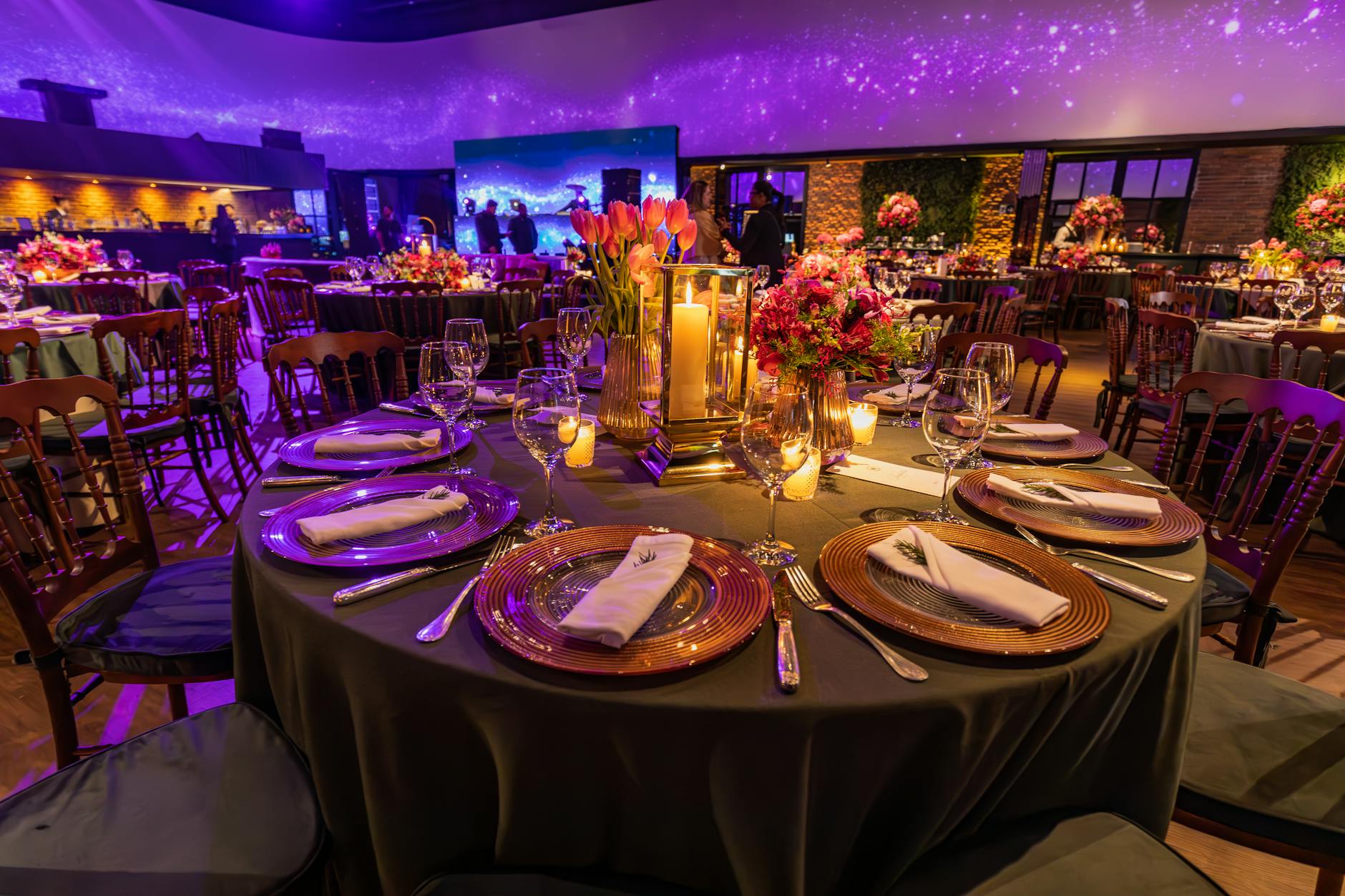
The Stonehouse restaurant sits at the top of the property, and the reception happens either inside the dining room or on the terrace, depending on guest count and season. The stone walls, wood-beam ceilings, and candlelit tables create a warm, intimate scene that films well after dark. A videographer working a San Ysidro Ranch reception relies on ambient light—candles, string lights, uplighting on the stone walls—rather than adding artificial light. The cinematic look comes from high ISO, wide apertures, and careful framing, not from bright key lights that flatten the mood.
The first dance typically happens on the terrace or in the center of the dining room, and the space is small. A two-shooter setup captures the couple from two angles—one wide shot that shows the space and the guests watching, one close-up that isolates the couple's faces and hands. The close-up is what makes the final wedding film. The wide shot establishes context, but the close-up carries the emotion.
Parent dances, toasts, and cake cutting happen in quick succession, and the timeline is compressed. A San Ysidro Ranch reception is shorter than a hotel ballroom reception—most couples wrap by 10 or 10:30 PM rather than midnight—so the videographer has less margin for error. The coverage plan needs to anticipate every key moment and position the cameras before the moment begins. Toasts are announced, so the videographer has 30 seconds to reposition. The cake cutting is not, so the videographer stays close to the couple throughout dinner to catch the moment when it happens.
The final scene in most San Ysidro Ranch wedding films is the last dance under the string lights. The couple, their family, and a few close friends gather on the terrace for one final song, and the mood is loose, joyful, and slightly chaotic. The videographer shoots handheld—no tripod, no stabilizer—moving through the group to capture reactions, embraces, and the couple's final moment before they leave. This scene is short—2 to 3 minutes in real time—but it's the emotional peak of the wedding film, and the edit lingers here.
Photo + Video Coordination and the Two-Team Workflow
Most couples booking a wedding film at San Ysidro Ranch also book documentary photography or editorial photography, and the two teams coordinate closely throughout the day. The portrait window is shared—photographer and videographer work the same scenes, often simultaneously—so the workflow needs to be pre-planned. The photographer typically leads during the portrait session, directing the couple's position and movement. The videographer follows, shooting B-roll and short walking clips that don't interfere with the photographer's framing.
During the ceremony, the two teams occupy different positions. The photographer works from the aisle and the sides of the ceremony lawn, moving discreetly to capture reactions and details. The videographer stays stationary—one camera on a tripod at the back of the aisle, one handheld near the altar—to avoid crossing into the photographer's sightlines. The final wedding film and photo gallery feel cohesive because both teams are capturing the same moments from complementary angles.
The Stonehouse reception is where coordination becomes critical. The dining room is small, and there's limited space for both teams to work without crowding the couple. The photographer handles posed portraits and table shots during cocktail hour. The videographer focuses on ambient coverage—guests arriving, the couple's entrance, the first dance. Toasts are captured by both teams, but from different angles: the photographer shoots the speaker and the couple's reactions; the videographer shoots the speaker, then pans to the couple, then holds on the couple during the applause.
Couples who book the photo + video combined package receive a single timeline and a unified coverage plan. The two teams share a shot list, coordinate arrival times, and communicate throughout the day via earpiece. The result is 10 hours of coordinated coverage that produces both a cinematic wedding film and a complete editorial photo gallery without redundancy or gaps.
Timeline, Travel, and Santa Barbara Regional Logistics
San Ysidro Ranch is located in Montecito, 90 miles north of Los Angeles. A 2-shooter video team based in Los Angeles typically leaves by 6 AM for a 4 PM ceremony start, arriving by 8:30 AM to scout the property, test audio, and coordinate with the couple and planner. The drive takes 2.5 to 3 hours depending on traffic, and most teams stay overnight in Santa Barbara after the reception rather than driving back late.
The property requires a site visit before the wedding day, especially for teams that haven't worked there before. The layout is complex, and the coverage plan depends on understanding where the ceremony, portraits, and reception will happen. A 30-minute walkthrough with the couple or planner—scheduled 2 to 4 weeks before the wedding—clarifies the timeline, identifies the best portrait locations, and ensures the videographer knows where to position cameras during the ceremony and reception.
San Ysidro Ranch couples often combine their wedding film with an engagement film shot in Los Angeles or Santa Barbara. The engagement film happens 4 to 8 weeks before the wedding, typically at a location that contrasts with the ranch—an urban modern rooftop in downtown LA, the coastal bluffs near the Bel-Air Bay Club, or the Ojai Valley Inn olive groves. The final wedding film edit sometimes includes a 10-second engagement-film callback during the opening sequence, creating a visual bridge between the couple's engagement and their wedding day.
Destination couples traveling to Santa Barbara from outside California often request a save-the-date film in addition to the wedding film. The save-the-date shoot happens during the couple's venue-preview visit, typically 6 to 12 months before the wedding. The team films a 60–90 second piece on the property—the couple walking the ceremony lawn, exploring the gardens, toasting on the Stonehouse terrace—that introduces the venue and sets the tone for the wedding-day film. The save-the-date film is delivered 6 to 8 weeks after the shoot, well ahead of the couple's invitation mailing timeline.
Deliverables, Edit Timeline, and the Final Wedding Film
The full wedding film at San Ysidro Ranch is delivered 8–12 weeks after the wedding date. The edit begins with a rough assembly of all ceremony, portrait, and reception footage, then moves through music selection, color grading, and final sound mix. The finished film runs 8–12 minutes and follows a narrative arc: arrival and preparation, ceremony, portrait session, reception entrance and first dance, toasts and parent dances, and the final celebration.
The highlight reel is delivered 3–4 weeks after the wedding. The reel is a 90–120 second piece set to one song, designed for social sharing. It includes the ceremony entrance, vows, first kiss, portrait-session B-roll, first dance, and last dance, edited to match the emotional peaks of the music. Most couples post the highlight reel to Instagram and send it to family and friends while waiting for the full wedding film.
Full ceremony coverage is an optional add-on. The full ceremony edit is an uncut recording of the entire ceremony, from the processional through the recessional, with clean audio from the lav mics and a locked-off camera angle. It runs 20–30 minutes and is delivered as a separate file alongside the cinematic wedding film. Couples who want to hear every word of the vows, readings, and officiant's remarks add full ceremony coverage to their package.
The final deliverables are provided as high-resolution digital files via a private online gallery. The gallery includes the full wedding film, the highlight reel, and (if booked) the full ceremony edit. Couples can download, share, and stream the films indefinitely. A small number of couples request a USB drive or Blu-ray copy for family members, which is available on request.
Begin a Conversation About Your San Ysidro Ranch Wedding
San Ysidro Ranch weddings are filmed as cinematic narratives—one ceremony scene, one portrait session, one reception—that reflect the way the property feels in late afternoon and after dark. If you're planning a garden romantic wedding in Montecito and want a wedding film that captures the oak grove, the stone cottages, and the mountain backdrop, reach out. We work throughout Santa Barbara County, with additional coverage at Ojai Valley Inn, Beaulieu Garden, and Carmel Valley Ranch in Northern California.
Planning a Santa Barbara or Montecito wedding? See our Santa Barbara & Montecito wedding films and pricing.