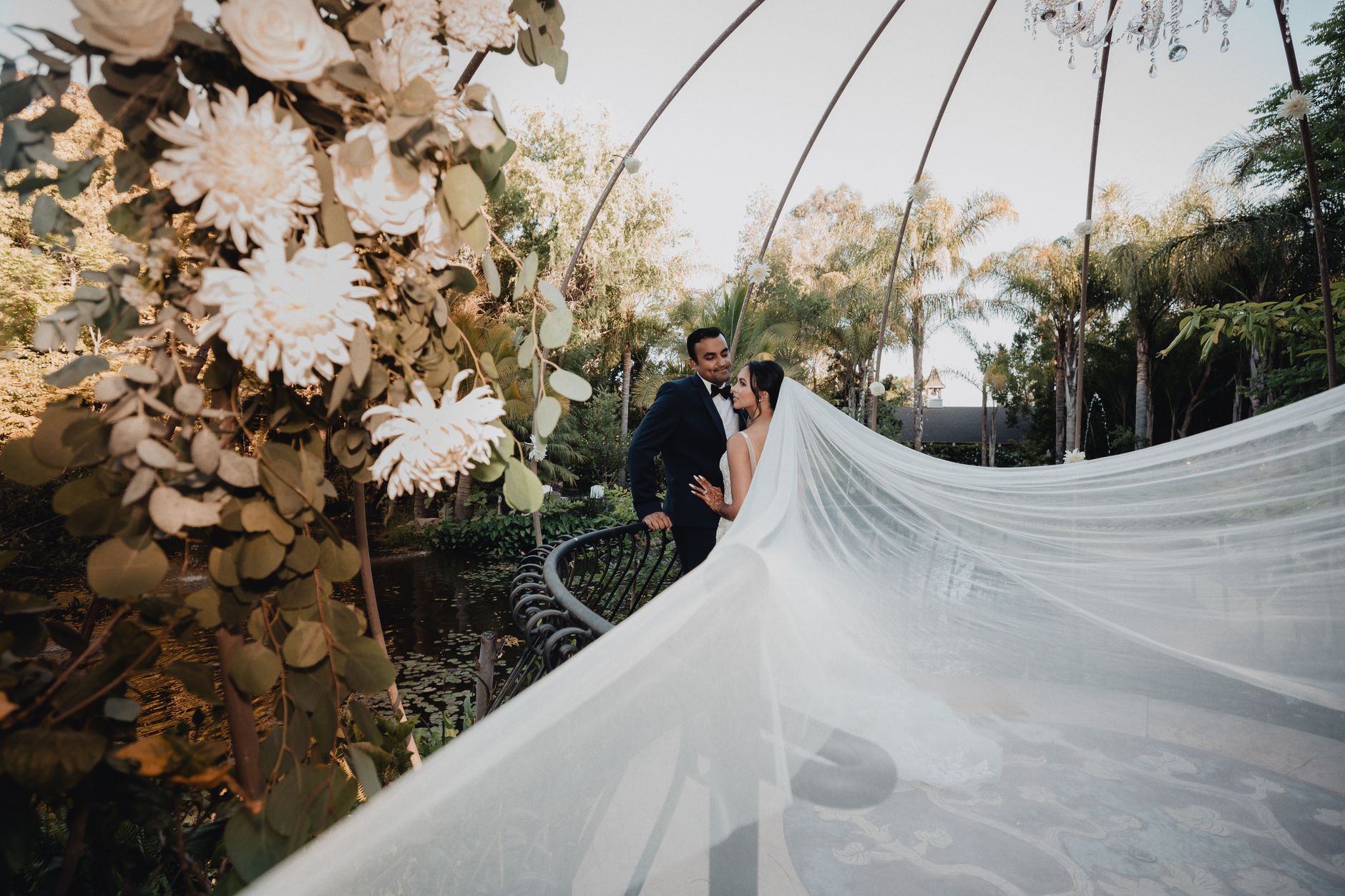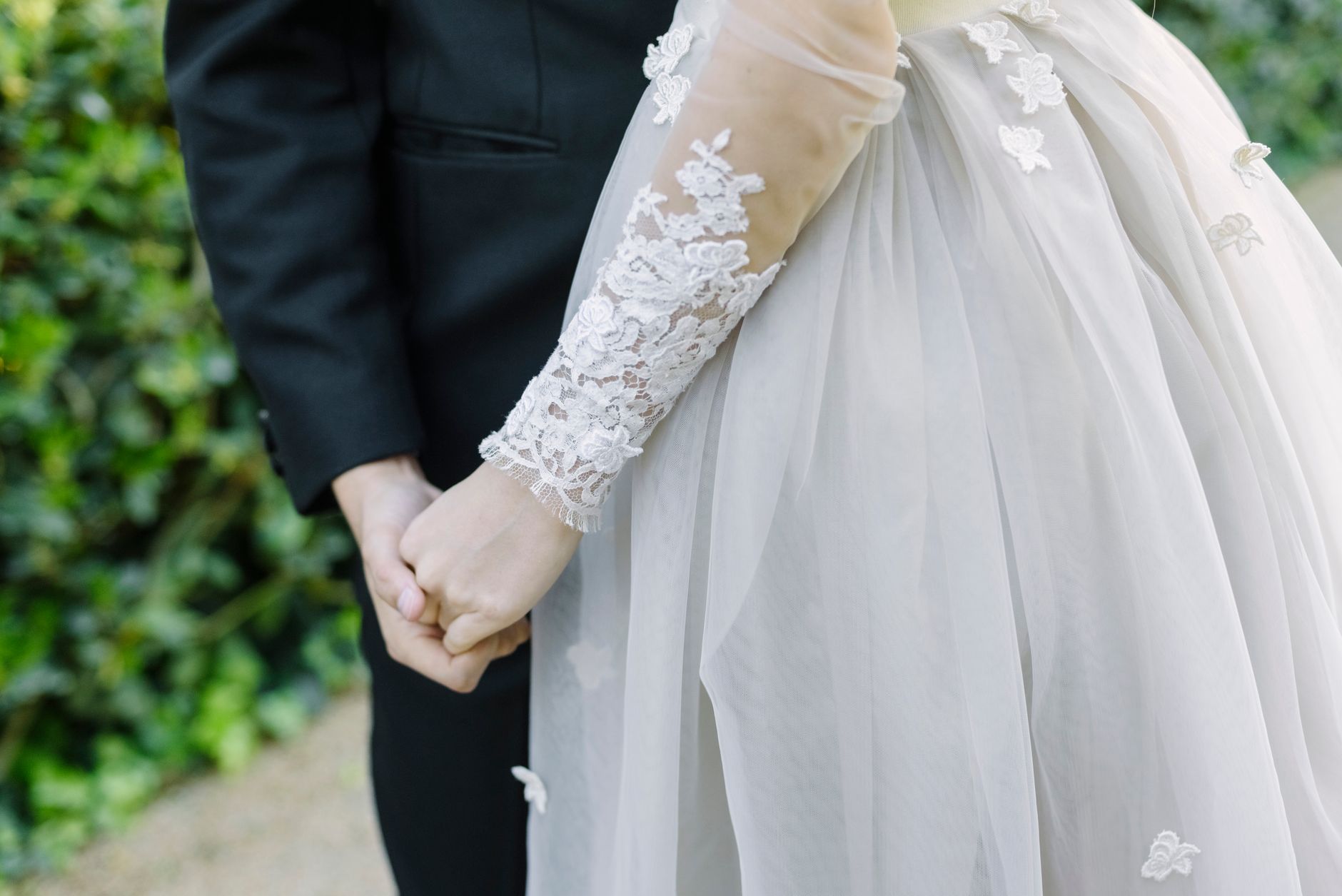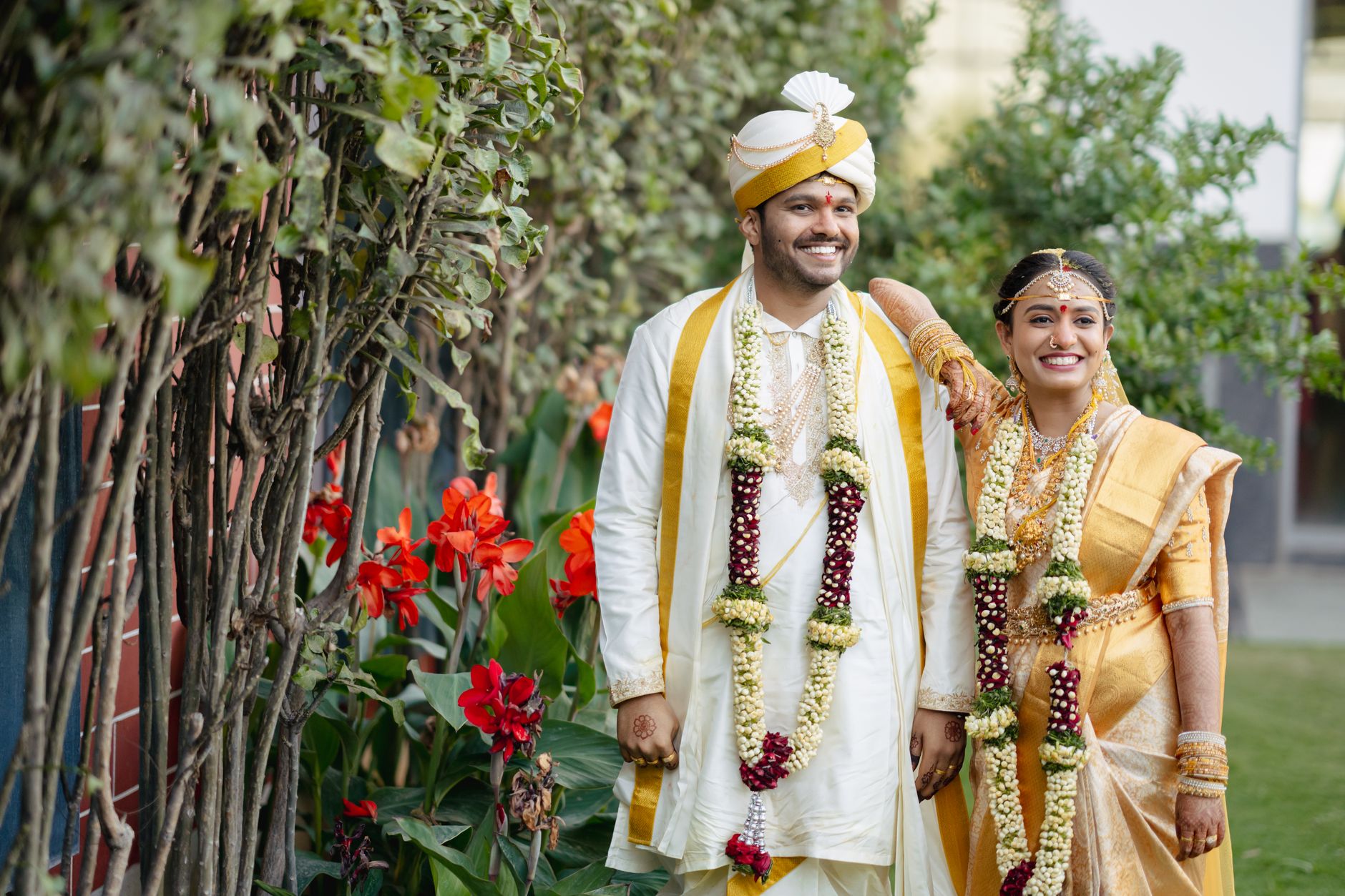
A cinematic wedding videographer uses film-style camera techniques, narrative editing, and color grading to transform your wedding into a short film that prioritizes emotion and visual storytelling over chronological documentation. The difference shows in the first 30 seconds of the film—shallow depth-of-field isolates a bride's hands as she fastens her earrings, the gimbal glides smoothly through the ceremony aisle at Calamigos Ranch, and the color grade renders the oak-grove light in the warm, low-contrast tones of theatrical cinema rather than the bright, saturated palette of traditional wedding video.
LifeStory.Film has produced cinematic wedding films at over 40 California venues—Calamigos Ranch, Hotel Bel-Air, Montage Laguna Beach, San Ysidro Ranch, Auberge du Soleil—and destination weddings at Borgo Egnazia, Le Sirenuse, and Aman Tokyo. The average film runs 12 minutes and distills 10–12 hours of coverage into a narrative-driven edit that reveals the emotional arc of the day, not just a sequence of events.
What Makes a Wedding Videographer 'Cinematic'
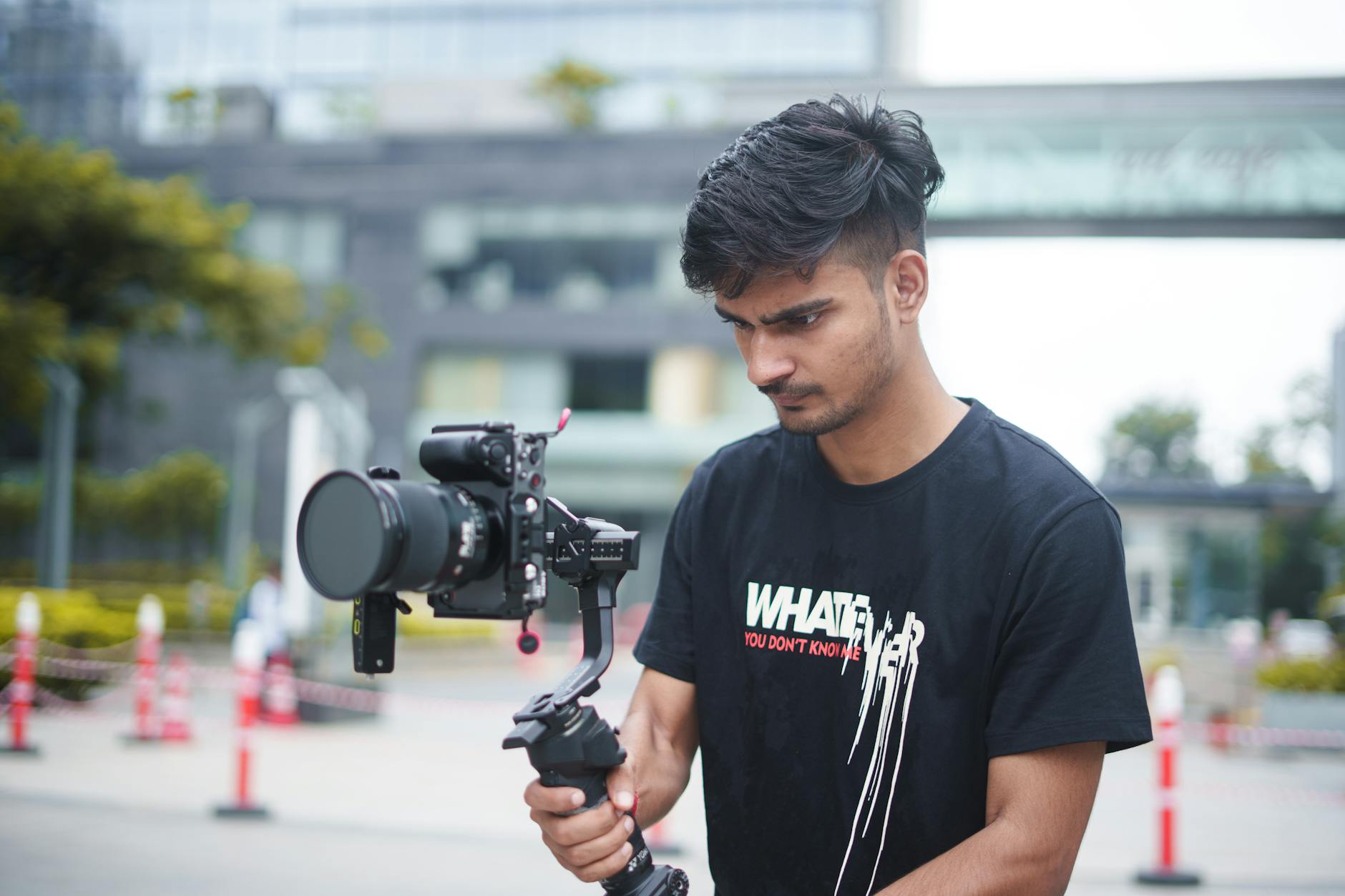
Cinematic videography is defined by five technical and creative decisions that separate it from traditional wedding video coverage.
Camera Equipment and Movement Techniques
Professional cinematic videographers shoot on cinema cameras—Sony FX series, Canon C-series, RED Komodo—paired with prime lenses that produce shallow depth-of-field, the visual signature of theatrical film. A traditional wedding videographer working with a camcorder or prosumer hybrid camera captures deep focus across the entire frame; a cinematic videographer shoots wide open at f/1.4 or f/2 so the bride's face is razor-sharp while the background compresses into soft bokeh.
Camera movement in cinematic work is deliberate and mechanically stabilized. Gimbals produce the smooth, floating motion through a reception space or across a vineyard ceremony site. Sliders and monopods allow controlled push-ins during vows. Handheld shakiness and unmotivated zooms—common in traditional video—are absent. At Resort at Pelican Hill, a cinematic crew uses a gimbal to follow the couple down the cliffside staircase in one continuous take; a traditional crew might cut between tripod-locked wide and medium shots.
Color Grading and Post-Production Style
Cinematic wedding films are color-graded to mimic film stock, not corrected to match reality. Videographers shoot in log or RAW formats—Sony S-Log3, Canon C-Log2—which record maximum dynamic range and allow precise control over contrast, saturation, and color temperature in post-production. The final grade often applies custom LUTs (lookup tables) that introduce warmth into highlights, crush shadows slightly, and reduce midtone saturation for a filmic, editorial look.
A cinematic wedding film at Ojai Valley Inn renders the golden-hour ceremony in amber-and-olive tones with soft highlights that bloom slightly rather than clip. A traditional video presents the same scene in bright, neutral daylight with deep saturation and high contrast. Both are accurate; only one reads as cinema.
Audio design is equally intentional. Cinematic videographers use wireless lavalier microphones on the couple and officiant, shotgun mics for ambient sound, and a secondary recorder for music playback during the reception. The final mix balances dialogue (vows, toasts), ambient sound (laughter, applause, wind through eucalyptus), and licensed music that builds emotional momentum across the edit.
Narrative Structure vs. Documentary Coverage
Cinematic wedding films are structured as short films with a beginning, middle, and emotional climax—not as chronological event documentation. The editor identifies the narrative spine of the day (often the vows or first look) and builds the film around that moment, layering in preparation scenes, family reactions, and reception joy to create an arc.
A traditional wedding video delivers the ceremony in full, followed by toasts, first dance, cake cutting, and exit—complete and sequential. A cinematic film might open on the couple's last dance under string lights at Terranea Resort, flash back to the morning preparation, build toward the vows as the emotional center, and close on a quiet portrait session at sunset. Both approaches serve different needs: complete documentation versus distilled emotion.
Most cinematic wedding films run 8–15 minutes. Traditional videos often exceed 60 minutes. LifeStory.Film's wedding film package includes both: a 12-minute cinematic feature plus full ceremony coverage and toast edits for clients who want artistry and documentation together.
Cinematic vs. Documentary vs. Traditional Wedding Videography
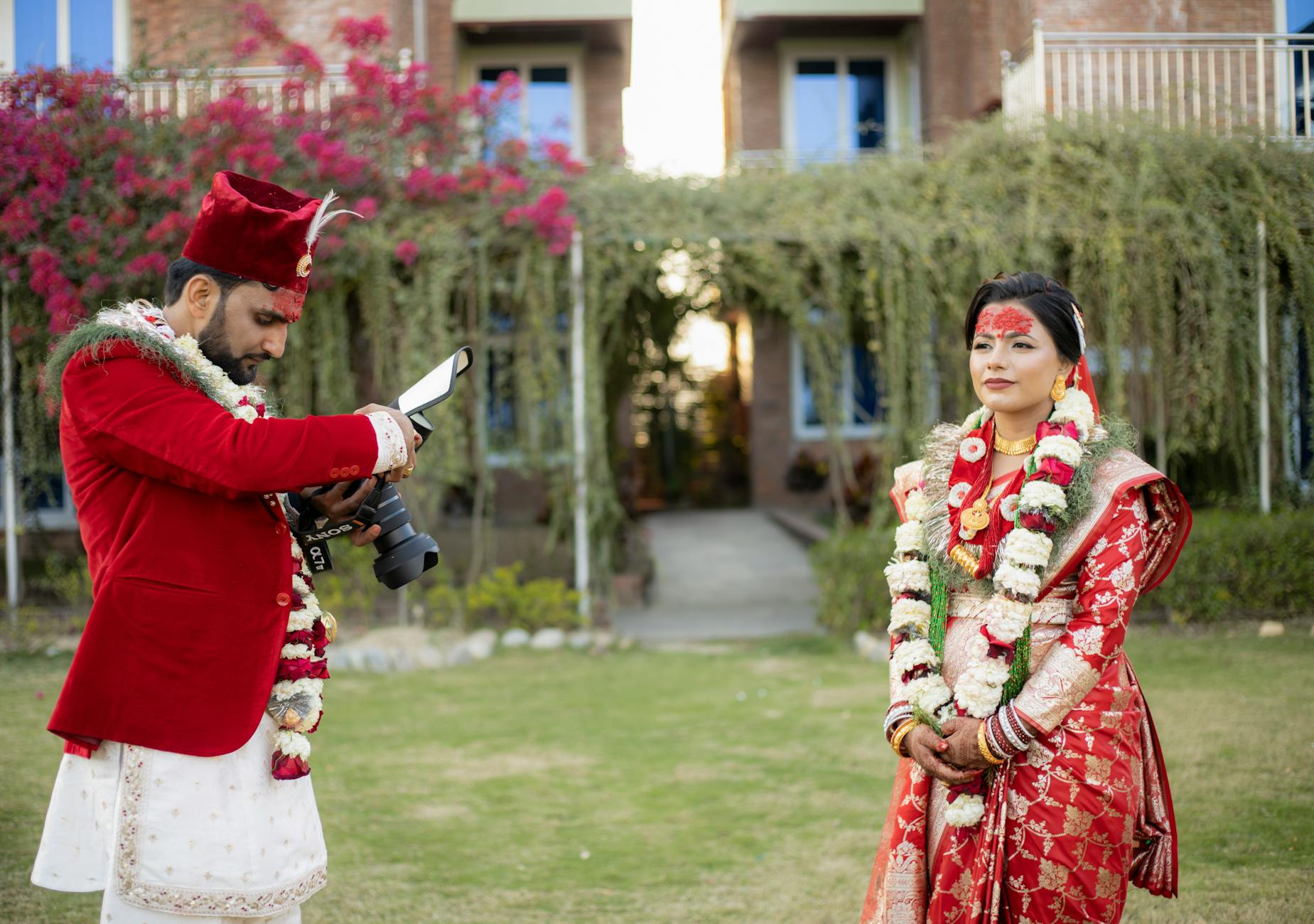
The terms "cinematic," "documentary," and "traditional" describe overlapping but distinct approaches to wedding film, and many luxury videographers blend all three.
Documentary Style: Real-Time Storytelling
Documentary wedding videography captures the day as it unfolds with minimal staging or direction. The videographer follows moments rather than creating them. At Calamigos Ranch, a documentary crew films the bride's spontaneous laughter during hair and makeup, the groom's unscripted conversation with his father before the ceremony, and the unposed interactions during cocktail hour. The edit preserves the timeline of the day and prioritizes authenticity over visual perfection.
Documentary work requires anticipation and fast decision-making. The videographer cannot ask the father of the bride to repeat his toast or reposition a couple during their first look. The style suits couples who value real moments over composed shots and who trust their videographer to be invisible but present.
Traditional Style: Complete Event Coverage
Traditional wedding videography records the full ceremony, toasts, and key reception moments in chronological order, typically from locked tripod positions with minimal camera movement. The priority is comprehensive documentation—every reading, every dance, every speech—so family members who could not attend can experience the event as it happened.
Traditional video runs long (60–120 minutes), uses bright, even lighting, and avoids heavy color grading or music overlays that compete with the spoken word. It serves an archival function rather than an artistic one.
Hybrid Approaches
Most luxury wedding videographers, including LifeStory.Film, combine cinematic editing with documentary capture and deliver multiple films from the same footage. A hybrid package might include:
- A 12-minute cinematic highlight film with narrative structure, music, and film-style color grading
- A 30-minute full ceremony edit that preserves every word of the vows and readings
- A 15-minute toast compilation with all speeches in full
- Optional: a 90-second teaser or same-day edit for social sharing
The hybrid model requires shooting documentary-style—capturing everything as it happens without heavy direction—then editing both a cinematic short film and complete event coverage from the same source material.
How to Identify a True Cinematic Wedding Videographer
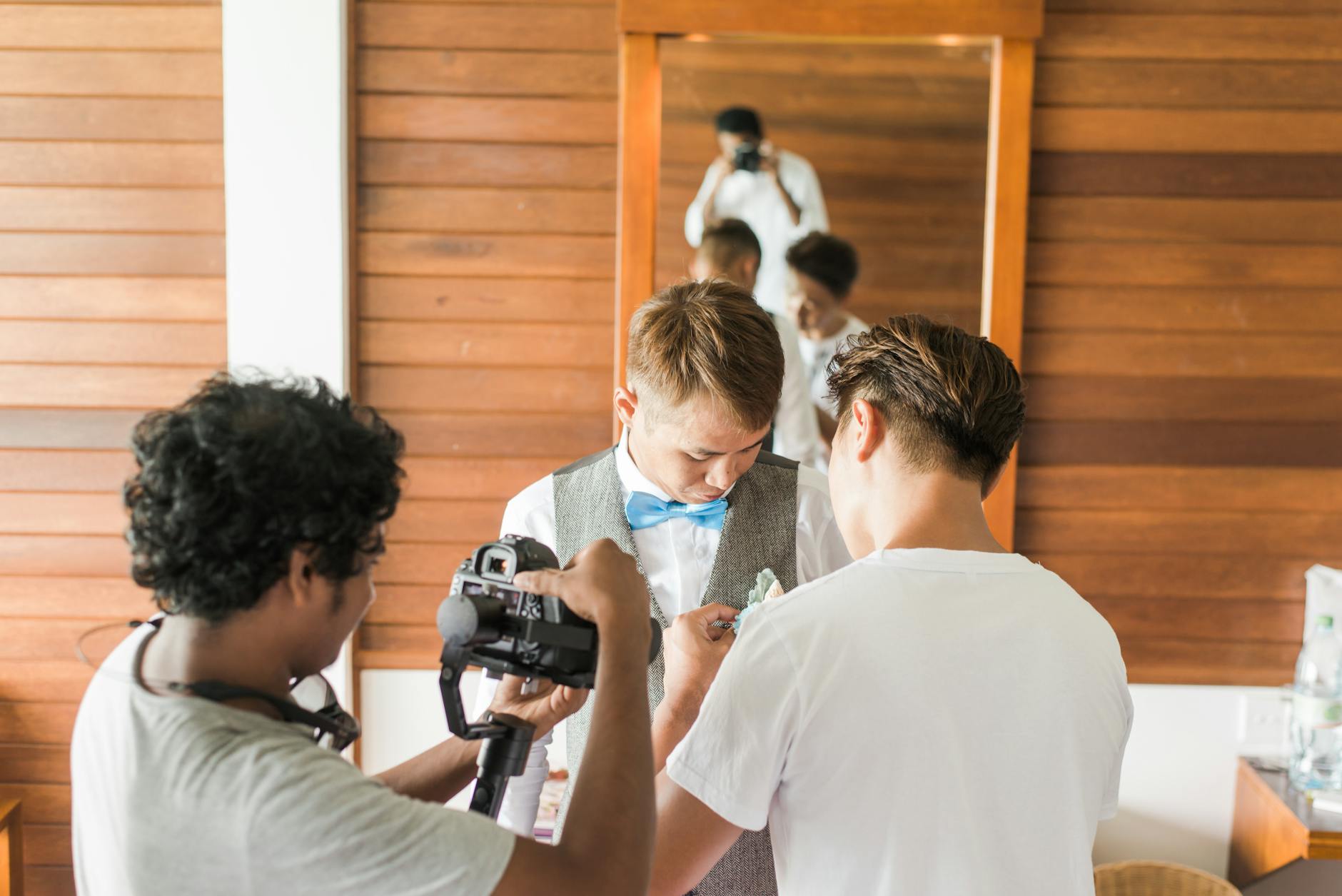
Not every videographer who uses the word "cinematic" in their marketing delivers film-quality work. Portfolio review, consultation questions, and package transparency separate professionals from aspirants.
Portfolio Red Flags and Green Flags
Watch full wedding films, not just highlight reels. A 90-second trailer can hide inconsistent color grading, poor audio, or lack of narrative structure. Request access to a complete 10–15 minute wedding film from a recent client. Look for:
- Consistent color grading across all scenes. If the ceremony is warm and golden but the reception is cool and blue, the colorist lacks tonal discipline.
- Smooth, intentional camera movement. Gimbal work should feel invisible—no sudden lurches or unmotivated pans.
- Clear, balanced audio. Vows and toasts should be intelligible without music overpowering dialogue.
- Emotional pacing. The film should build toward a climax (usually the vows or a key toast) rather than meandering through unconnected moments.
- Shallow depth-of-field in close-ups. If every shot is in deep focus, the videographer is not using cinema lenses or is stopping down for technical safety at the expense of cinematic aesthetics.
Red flags include:
- Only trailers or Instagram reels available for review
- Handheld shakiness or unmotivated zooms
- Muddy, unbalanced audio or music drowning out vows
- Inconsistent color across scenes (warm ceremony, flat reception, oversaturated dancing)
- Hard cuts between scenes with no transition logic or rhythm
Questions to Ask During Consultations
Ask these questions to assess whether a videographer's process supports cinematic quality:
- Do you shoot in log or RAW format, and do you apply custom color grades to every film? If they shoot in a standard picture profile (Rec.709) and apply only exposure correction, their post-production is not cinematic.
- What is your typical turnaround time, and why? Cinematic post-production—syncing multi-camera footage, color grading every clip, mixing audio—requires 6–8 weeks minimum. A 2-week turnaround suggests lighter editing.
- How many shooters do you bring for a full-day wedding, and what are their roles? Professional cinematic coverage requires at least 2 shooters—one for wide, establishing shots and one for intimate close-ups—to avoid missing simultaneous moments (bride and groom prep, family reactions during vows).
- Can you show me a full ceremony edit and a full toast edit from the same wedding? This confirms you will receive documentation in addition to the cinematic highlight.
- What audio equipment do you use for vows and toasts? Professional work requires wireless lavalier mics on the couple and officiant, not reliance on the DJ's audio feed.
- Do you offer photo and video as a coordinated package? Coordinated teams ensure seamless coverage without competing for angles during key moments like the first look or portraits. LifeStory.Film's photo + video combined package includes 2-shooter video and 2-shooter photography working from a shared timeline.
Understanding Deliverables and Packages
Cinematic wedding videography packages typically include 3–5 final products:
- Feature film (8–15 minutes): the narrative-driven cinematic edit
- Full ceremony edit (20–40 minutes): complete vows, readings, and processional
- Toast compilation (10–20 minutes): all speeches in full
- Optional: teaser or same-day edit (60–90 seconds): short social-media version delivered within 48 hours
- Optional: raw footage delivery: unedited source files, typically available for an additional fee
Confirm what is included in your quoted price and what deliverables require upgrades. Some videographers charge separately for full ceremony edits or raw footage. LifeStory.Film's wedding film packages include the feature film, full ceremony coverage, and toast compilation as standard.
Pricing and What to Expect for Cinematic Wedding Films
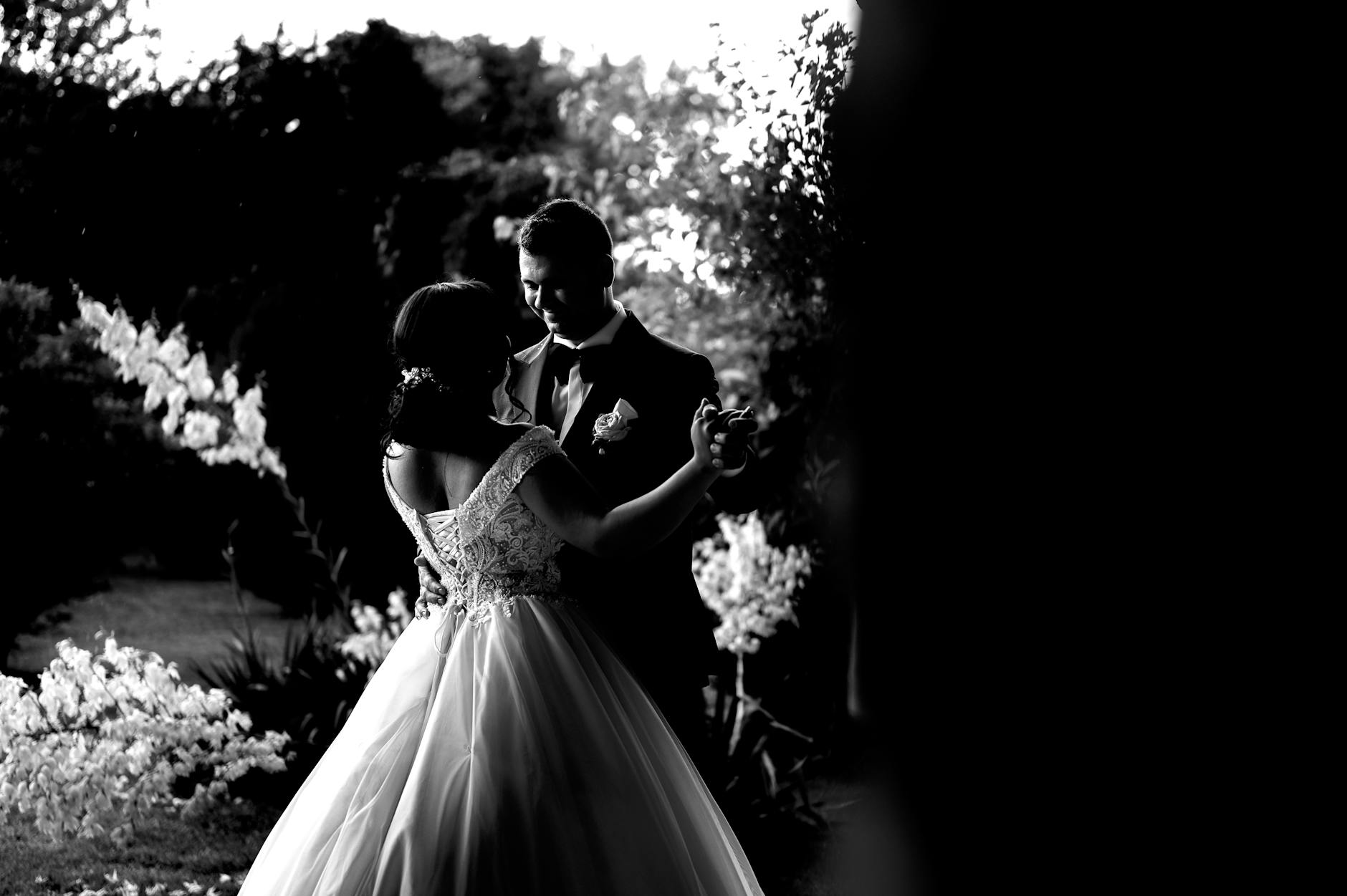
Cinematic wedding videography in California ranges from $3,500 to $15,000+, with luxury market pricing averaging $7,500–$10,000 for full-day coverage, a second shooter, and a feature film deliverable.
National and Regional Price Ranges
Entry-level cinematic videographers (1–3 years of experience, solo shooter, 6–8 minute film) charge $3,500–$5,500 in California. Mid-tier professionals (3–7 years, 2-shooter team, 10–12 minute feature plus full ceremony edit) charge $5,500–$9,000. Luxury cinematic videographers working at venues like Hotel Bel-Air, Montage Laguna Beach, San Ysidro Ranch, and Beverly Hills Hotel charge $7,000–$12,000 for full-day coverage with a second shooter, drone footage, and premium post-production.
Destination weddings command premium pricing due to travel, accommodation, and extended editing time. A cinematic wedding film at Borgo Egnazia or Le Sirenuse typically starts at $12,000 for a 2-shooter team traveling from California, with multi-day coverage (welcome dinner, wedding day, day-after session) reaching $14,000–$18,000.
What Drives Cost Differences
Four factors explain price variation among cinematic wedding videographers:
- Crew size. A solo shooter can cover only one angle at a time. A 2-shooter team captures simultaneous perspectives (bride and groom during first look, wide ceremony and close-up reactions). Premium packages include a third shooter or dedicated drone operator.
- Coverage hours. Standard packages cover 8–10 hours (preparation through first dance). Extended coverage (12+ hours including rehearsal dinner or after-party) increases the price by $800–$1,500.
- Post-production intensity. Cinematic color grading, audio mixing, and narrative editing require 20–40 hours of post-production per wedding. Videographers who deliver in 2 weeks are spending less time on each frame than those who deliver in 8 weeks.
- Venue and planner relationships. Videographers on preferred vendor lists at luxury venues—Rancho Valencia, Ojai Valley Inn, Terranea Resort—often charge premium rates because their work has been vetted by experienced planners and they understand the site's logistical and aesthetic requirements.
Value of Photo-Video Coordination
Booking wedding photography and wedding videography with the same company ensures seamless coverage. Coordinated teams share shot lists, synchronize timing for first looks and family portraits, and avoid competing for the same angle during key moments. At Calamigos Ranch, a coordinated team positions the photo crew on the left side of the ceremony aisle and the video crew on the right, both capturing the vows without crossing frames.
LifeStory.Film's coordinated packages also offer scheduling efficiency: one timeline call, one contract, one point of contact for both services. Package discounts typically range from 10–15% compared to booking photo and video separately.
Best Venues for Cinematic Wedding Films in California
Certain California venues offer the architectural detail, natural light, and layered landscapes that cinematic videography requires. The best cinematic wedding films are built around venue-specific light conditions and spatial flow.
Southern California Estate and Resort Venues
Calamigos Ranch in Malibu provides eucalyptus groves, open meadows, and a redwood grove that filter afternoon light into soft green-gold. The oak canopy creates dappled light during the ceremony, and the barn reception space offers dramatic uplighting after dark. Cinematic videographers schedule the ceremony 90 minutes before sunset—not at sunset—to capture the couple in warm, even light rather than harsh backlighting.
Hotel Bel-Air offers layered architecture: the swan lake, garden terraces, stone bridges, and vine-covered arches create visual depth in every frame. A gimbal walk from the bridal suite through the garden to the ceremony site becomes a 45-second opening sequence that establishes the venue's romantic, secluded aesthetic. The property's mature trees provide natural diffusion for daytime portraits.
Resort at Pelican Hill and Montage Laguna Beach deliver coastal drama. The cliffside ceremony sites, ocean views, and resort architecture suit editorial black-tie weddings. Cinematic films from these venues lean into wide establishing shots—helicopter or drone footage of the coastline—and tight close-ups during vows to contrast scale and intimacy.
San Ysidro Ranch and Ojai Valley Inn offer intimate, garden-romantic settings with soft afternoon light. Both venues feature private ceremony sites surrounded by mature landscaping, which creates natural frames and foreground depth. The light at San Ysidro Ranch between 4 PM and 6 PM is diffused by coastal fog, producing even exposure across the entire scene—ideal for cinematic color grading.
Northern California Wine Country and Coastal Locations
Auberge du Soleil and Meadowood in Napa Valley provide vineyard vistas, olive groves, and modernist architecture. Cinematic films from these venues emphasize the landscape—slow pans across rows of vines, wide shots of the ceremony terrace against rolling hills—and the natural wine-country palette of sage, amber, and dusty rose.
Carmel Valley Ranch and Cavallo Point offer coastal and bay settings with dramatic weather. Morning fog, late-afternoon wind, and shifting cloud cover create dynamic light conditions that add texture and mood to cinematic edits. A videographer working at Carmel Valley Ranch anticipates the fog's movement and positions the couple so the ceremony site is backlit by filtered sunlight through the marine layer.
Urban and Architectural Settings
Beverly Hills Hotel provides old-Hollywood glamour: the pink exterior, palm-lined driveway, and Polo Lounge. Cinematic films from the Beverly Hills Hotel lean into the venue's midcentury elegance and pair editorial photography with vintage-inspired color grading—slightly desaturated midtones and warm highlights.
Urban weddings at private estates in Los Angeles, San Francisco, and Santa Barbara benefit from architectural detail and controlled lighting. Cinematic videographers use the interplay of interior and exterior light—string lights against a twilight sky, uplighting on stone facades, candlelight during dinner—to create contrast and visual interest.
Real Wedding Case Study: Cinematic Film at Calamigos Ranch
A November wedding at Calamigos Ranch illustrates the cinematic process from coverage plan to final edit.
The couple—urban modern professionals planning a garden-romantic wedding—booked LifeStory.Film's wedding film package with a second shooter and 10 hours of coverage. The timeline scheduled the ceremony for 4:30 PM, 90 minutes before sunset, to capture the oak grove in warm, even light.
The video team arrived at 1 PM to film preparation in the bridal cottage. The first shooter captured detail shots (rings, invitations, the bride's dress hanging in window light) while the second shooter filmed the couple's first look in the eucalyptus grove. Both shooters used prime lenses (35mm and 85mm) at f/1.8 to isolate the couple against soft background bokeh.
During the ceremony, the first shooter positioned a tripod-mounted camera at the back of the aisle for a locked wide shot, then used a gimbal to move through the seated guests for reaction close-ups. The second shooter operated from the side of the ceremony site with a 70–200mm lens to capture tight shots of the couple during vows without crossing into the photo crew's frame.
The reception coverage included gimbal movement through the barn during dinner, handheld close-ups of toasts, and a final drone shot at dusk showing the property lit by string lights.
Post-production required 6 weeks. The editor built the 12-minute feature film around the vows as the emotional climax, opening on preparation scenes, building through the first look and ceremony, and closing on the couple's exit under sparklers. The colorist applied a custom LUT that rendered the Calamigos Ranch oak grove in warm amber-and-olive tones and the barn reception in cooler blue-and-gold contrast.
The final deliverables included the 12-minute cinematic feature, a 32-minute full ceremony edit, and a 14-minute toast compilation. The couple received all three films via private online gallery 8 weeks after the wedding.
How to Book a Cinematic Wedding Videographer
Begin conversations with cinematic wedding videographers 10–14 months before your wedding date. Luxury videographers working at Southern California and Napa Valley venues book 12–18 months in advance for peak-season dates (May through October).
During the inquiry process, provide:
- Wedding date and venue. Videographers familiar with your venue understand its light conditions, logistical requirements, and aesthetic possibilities.
- Rough timeline. Share ceremony start time and coverage hours needed (preparation through first dance, or extended through after-party).
- Film style references. Link to 2–3 wedding films whose editing pace, color grade, and emotional tone match your vision.
- Photo-video coordination preference. Indicate whether you are booking photo and video together or separately.
Most cinematic videographers require a 30–50% deposit to reserve your date, with the final balance due 2–4 weeks before the wedding. Contracts specify deliverables, turnaround time, travel fees (for destination weddings), and cancellation terms.
Request a pre-wedding consultation call 4–6 weeks before your wedding to review the timeline, discuss must-have moments (specific family members, cultural traditions, surprise elements), and confirm audio requirements (live music, readings, officiant style).
Begin a conversation about your wedding film—whether at Calamigos Ranch, Hotel Bel-Air, or a destination venue in Italy or France—by reviewing LifeStory.Film's portfolio and packages.