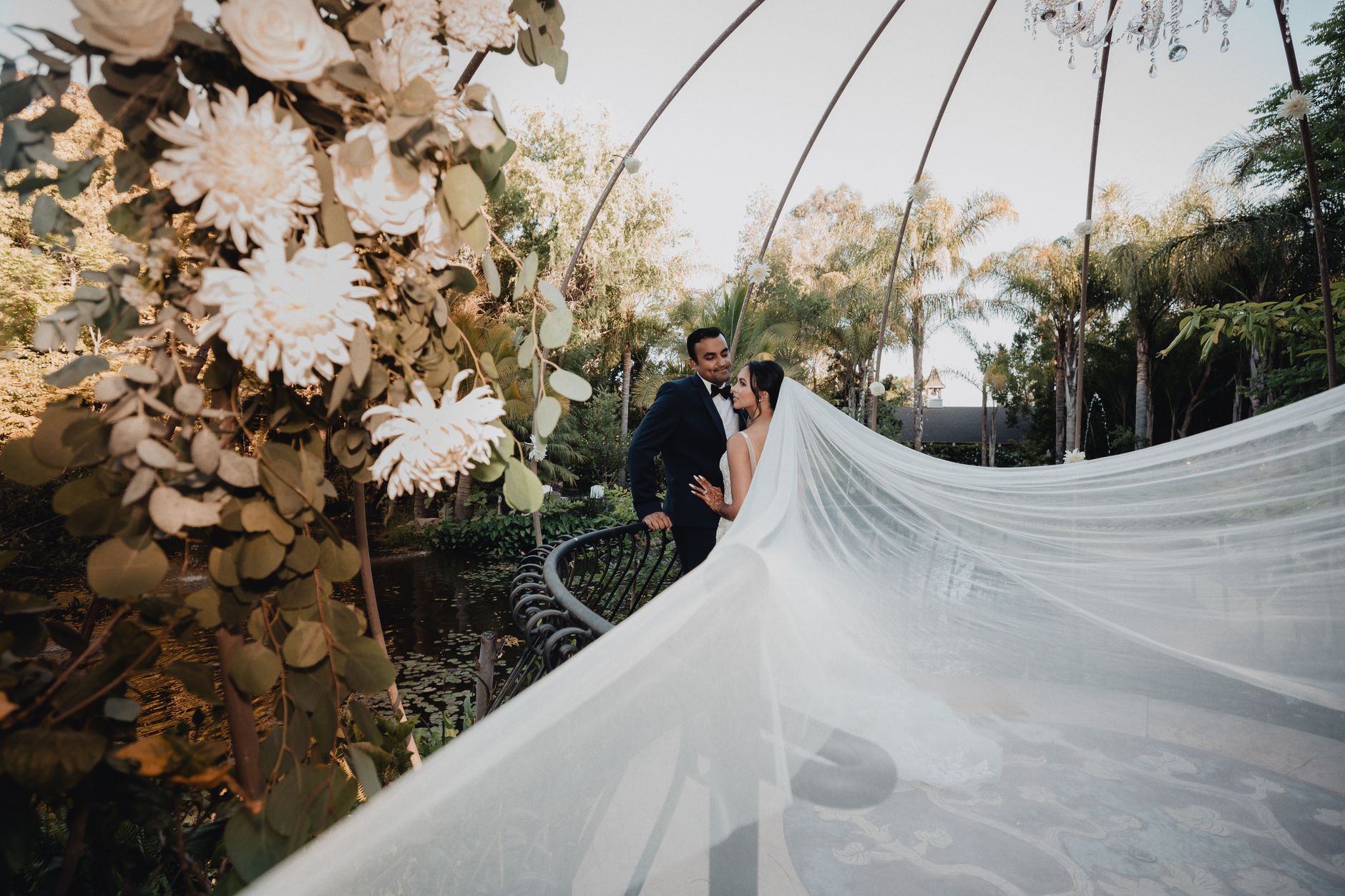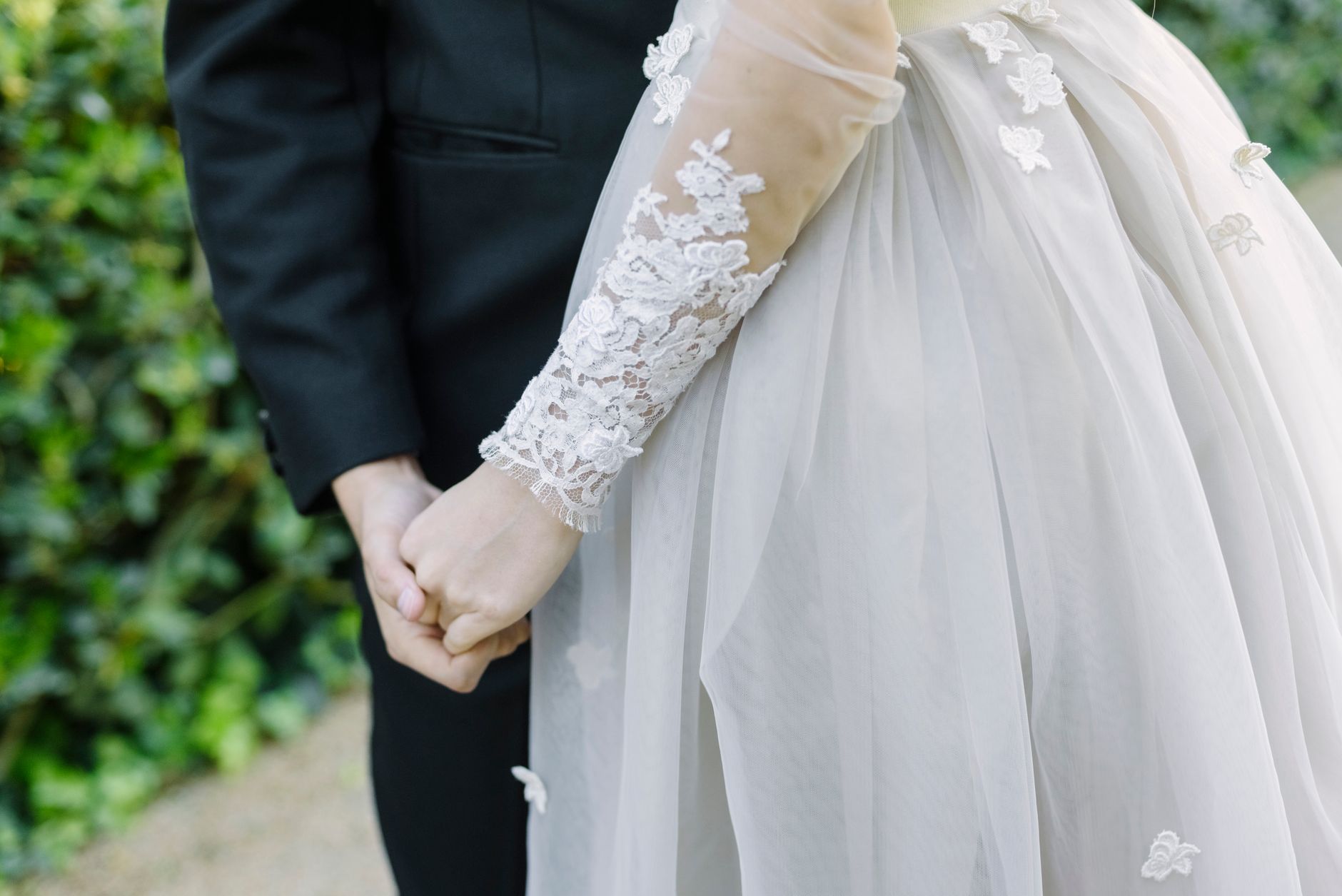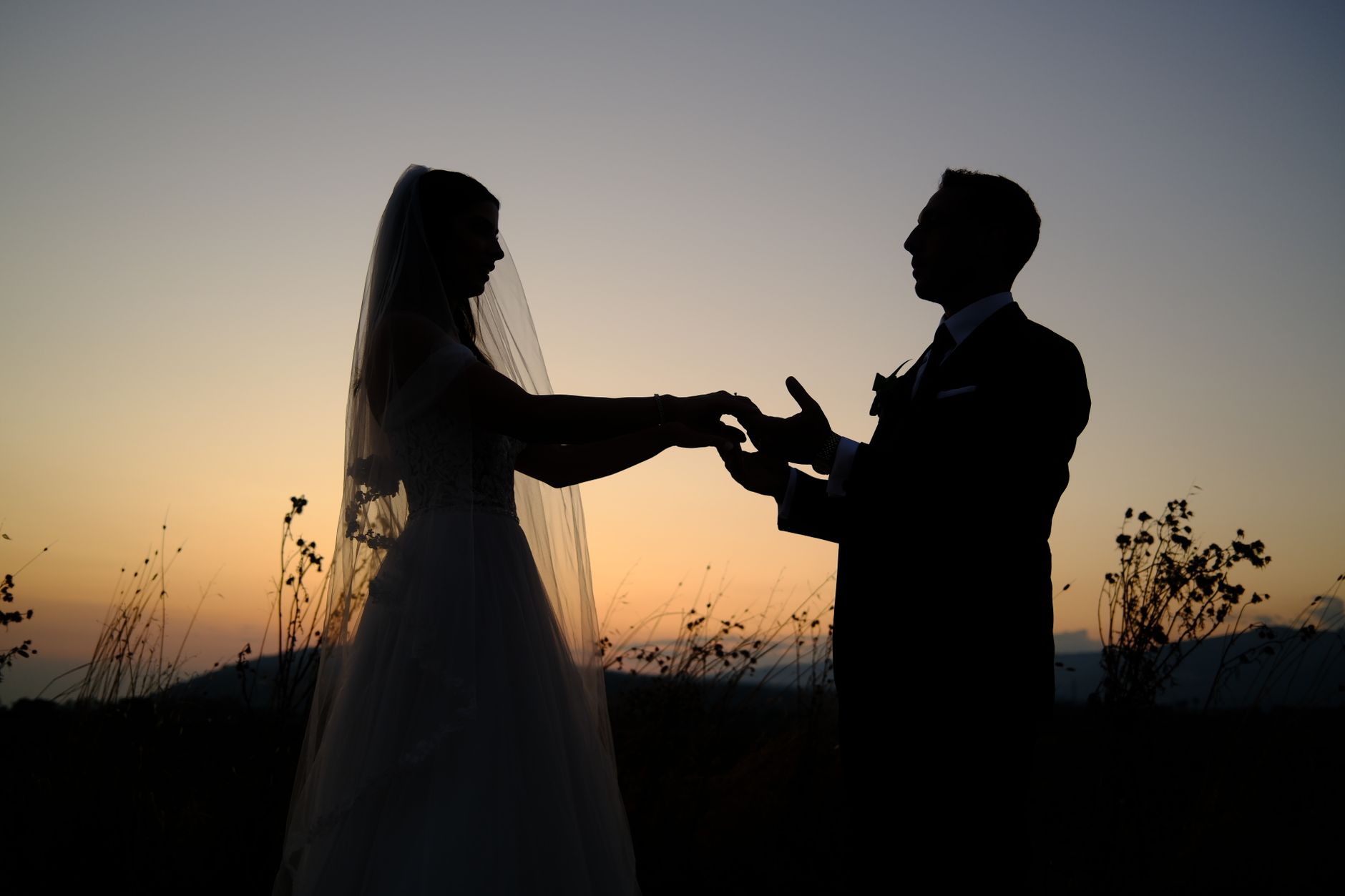
A wedding film at Auberge du Soleil is built around three scenes — the vineyard terrace ceremony in afternoon light, the sculpture garden portrait session at golden hour, and the Maison Fleurie reception after dark — and the videographer's coverage plan needs to anticipate all three before the day begins. A 2-shooter video team at Auberge du Soleil typically requires 10 hours of coverage to capture the ceremony, the portrait window, and the full reception sequence without rushing transitions.
Auberge du Soleil sits on a Rutherford hillside above the Napa Valley floor. The property's 33 acres include terraced olive groves, a sculpture garden with valley views, and Maison Fleurie, the estate's dedicated event pavilion. Couples who book Auberge tend to favor a garden-romantic or destination-minimalist aesthetic — intimate guest counts (60–120), long tables under bistro lights, and a ceremony time that prioritizes the quality of outdoor light over rigid schedule adherence. The wedding videographer's job is to work within that aesthetic rather than impose a different visual language.
Why Auberge du Soleil Films Differently Than a Ballroom Venue
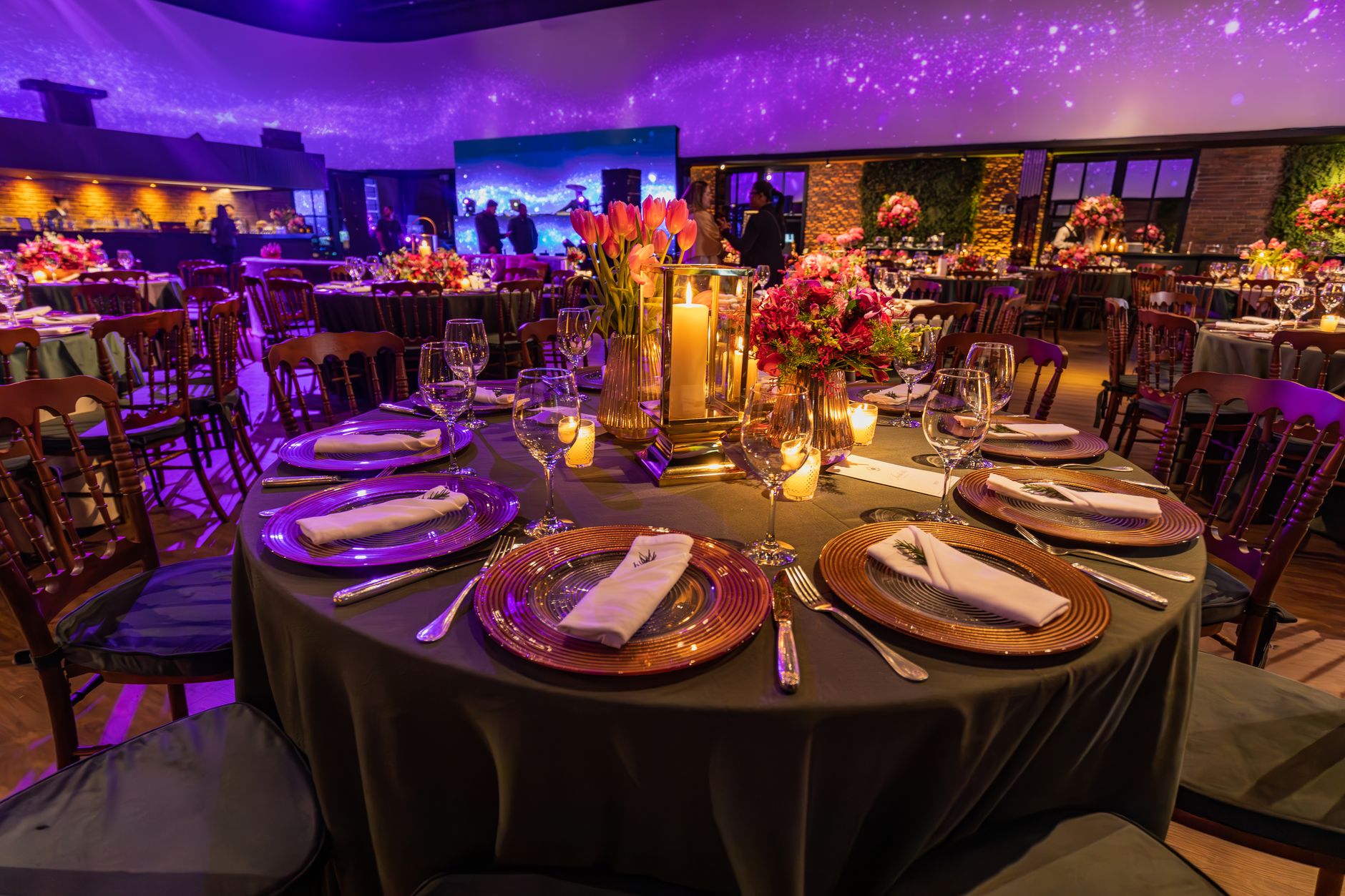
Photo by Matheus Bertelli on Pexels
Auberge du Soleil has no ballroom. The ceremony happens outdoors on the vineyard terrace overlooking the valley. The cocktail hour flows through the sculpture garden. Dinner and dancing take place in Maison Fleurie, a glass-walled pavilion that opens on three sides to the terraced gardens. Every scene depends on natural light, and every transition between scenes is a walk through landscaped grounds. The wedding film reflects that flow.
A vineyard terrace ceremony at Auberge du Soleil typically starts between 4:00 PM and 5:00 PM in spring and summer, and earlier in fall and winter. The terrace faces west across the valley, so the late-afternoon sun comes in from the side rather than behind the couple. The videographer positions one camera at the front corner of the aisle to capture the bride's approach with the valley in the background, and a second camera at the back of the guest seating to film the couple's vows in profile against the olive trees. Audio is captured with two wireless lavalier microphones — one on the officiant, one on the groom — and a shotgun microphone on the front camera for ambient sound and guest reactions.
The ceremony footage is 20–30 minutes of continuous coverage. The wedding film edit typically pulls 3–5 minutes from that footage: the processional, one full exchange of vows, the first kiss, and the recessional. The rest becomes part of the full ceremony coverage deliverable if the couple books that add-on.
The Sculpture Garden Portrait Session — Timing and Light
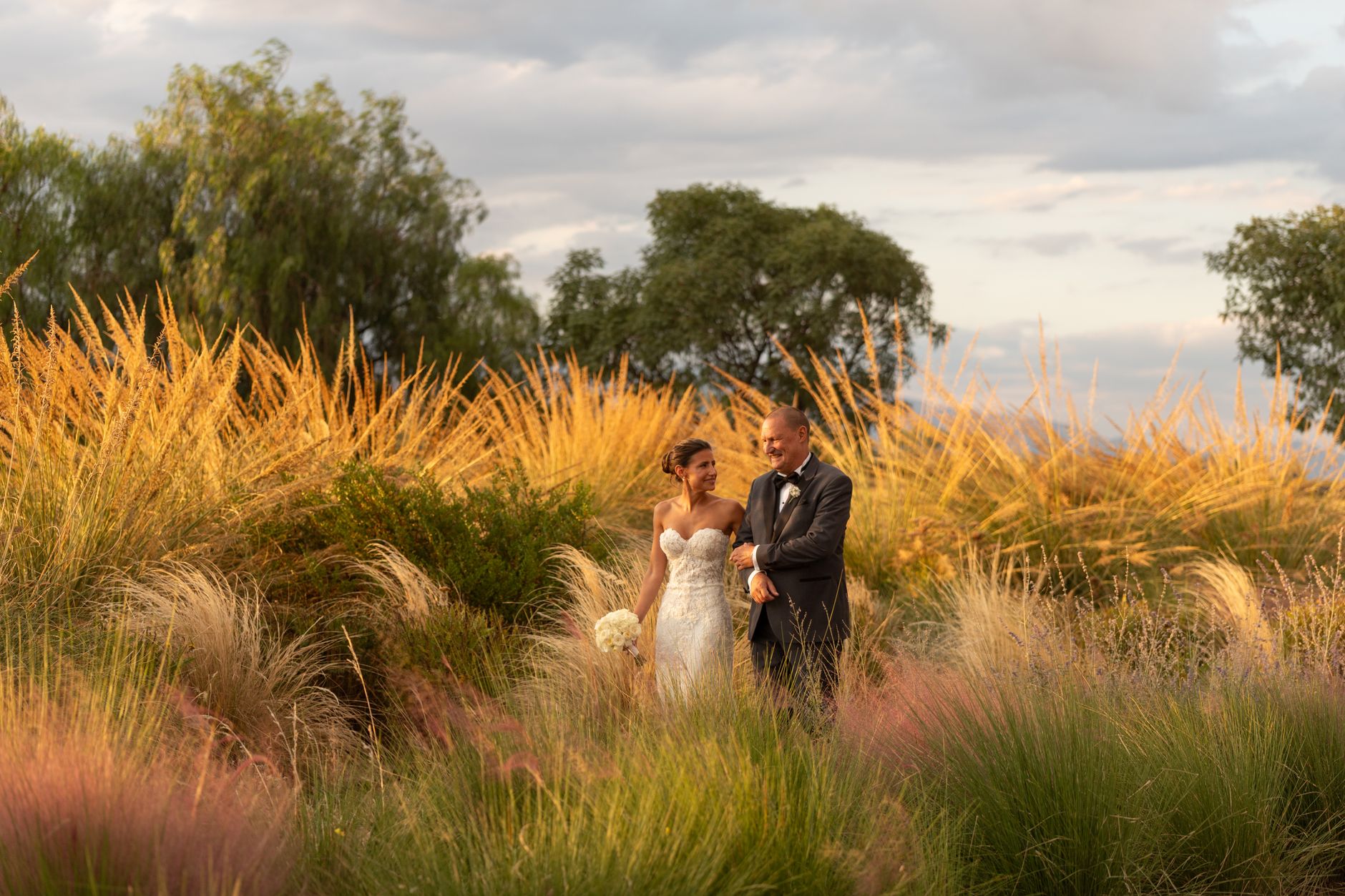
Photo by Lilen Diaz on Pexels
The sculpture garden at Auberge du Soleil is a half-acre terraced space with modern sculptures, olive trees, lavender beds, and open views down into the valley. It sits between the vineyard terrace and Maison Fleurie, so the natural transition after the ceremony is to move guests toward cocktails while the couple steps into the sculpture garden for 15–20 minutes of portrait coverage.
Golden hour in Napa Valley runs approximately 60–90 minutes before sunset, depending on the season. A 4:30 PM ceremony in June means the portrait session begins around 5:00 PM, which is early golden hour — the light is still warm but not yet low. The videographer films the couple walking through the garden, pausing near the sculptures, standing at the terrace edge with the valley behind them. The footage is documentary in style, not posed. The couple talks, laughs, adjusts a boutonniere, looks out at the view. The videographer captures movement and interaction rather than static compositions.
One parent moment that appears frequently in Auberge du Soleil wedding films: the mother or father of the bride stepping into the sculpture garden during the portrait session to deliver a handwritten note or a family heirloom. That moment — private, unhurried, framed by olive trees and valley light — becomes the emotional center of the film's second act.
Maison Fleurie Reception Coverage — Glass Walls, Bistro Lights, and the Valley After Dark
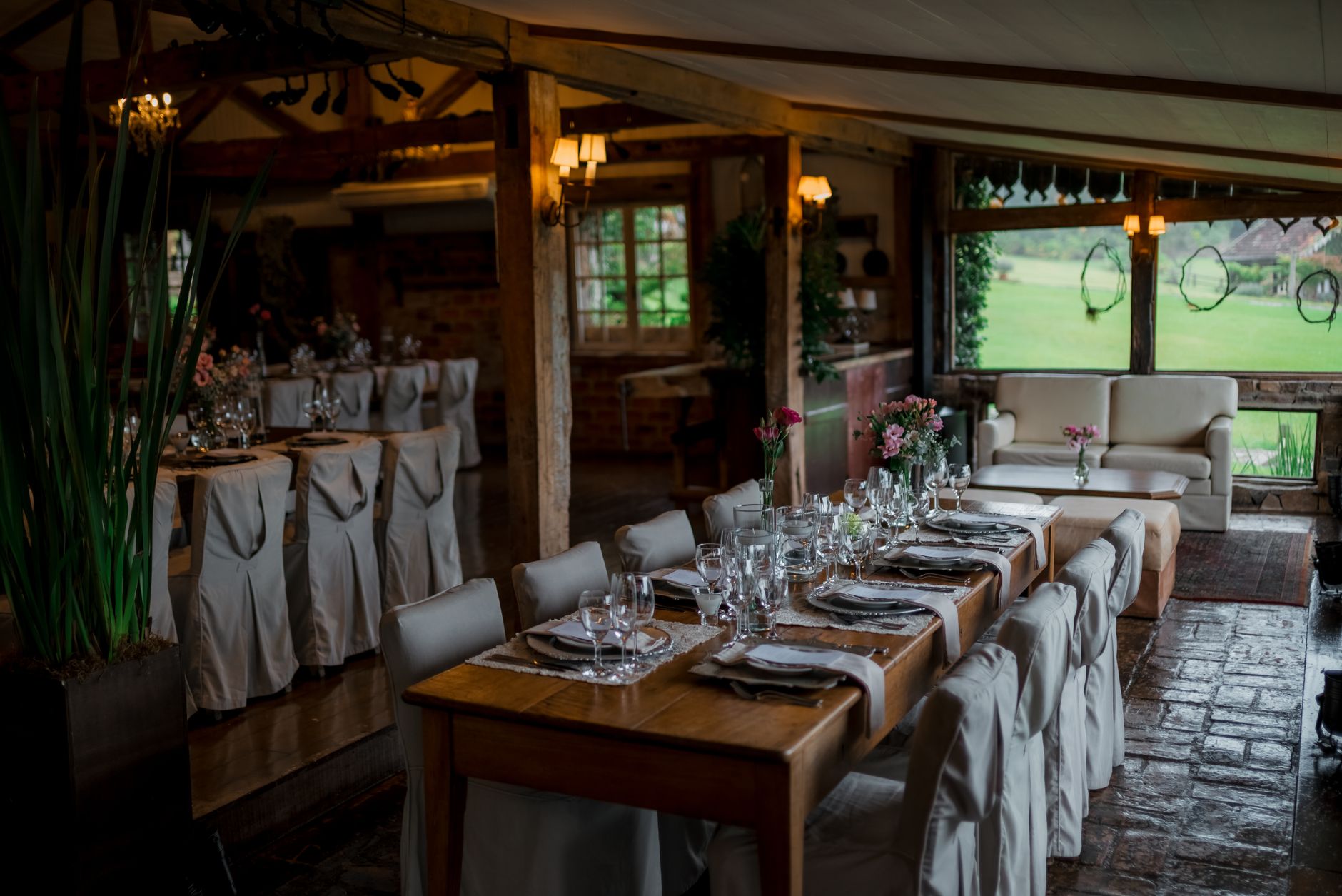
Photo by Jonathan Borba on Pexels
Maison Fleurie is a rectangular pavilion with floor-to-ceiling glass on three sides and a vaulted ceiling strung with Edison-bulb bistro lights. The fourth wall opens to a covered terrace with long farm tables for dinner. By the time the reception begins, the sun has set and the valley below has gone dark except for scattered winery lights and the glow from St. Helena to the south.
The videographer's challenge at Maison Fleurie is managing mixed lighting — bistro lights overhead, pillar candles on tables, uplighting on the olive trees outside, and whatever ambient light remains in the sky. A 2-shooter team splits responsibilities: one camera stays wide to capture the room and the toasts, the other moves close for details (hands holding glasses during the toast, the couple's reaction to a parent's speech, the first dance).
The first dance at Auberge du Soleil typically happens on the terrace adjacent to Maison Fleurie, under the bistro lights, with the dark valley as backdrop. The videographer films from inside the pavilion looking out, using the glass walls to frame the couple. The second camera captures the dance in profile from the terrace itself. The edit intercutting between the two angles — one intimate, one environmental — gives the first dance sequence a cinematic depth that a single static angle cannot.
Reception coverage runs 4–5 hours from the couple's entrance through the last dance. The wedding film pulls 8–12 minutes from that block: the toast sequence, the first dance, one parent dance, cake cutting (if it happens), and 30–60 seconds of dance floor energy near the end of the night. The remaining footage becomes part of the highlight reel or the full reception edit if the couple books extended coverage.
Full-Day Coverage Timeline at Auberge du Soleil
Photo by Hugo Cuocolo on Pexels
A typical 10-hour wedding film package at Auberge du Soleil covers:
- Getting ready (1–2 hours) — filmed in the guest suites or the bridal suite at the resort. The videographer captures the bride's final makeup and hair, the groom's tie and jacket, detail shots of the dress, rings, and invitation suite, and any pre-ceremony moments with parents or the wedding party.
- First look (15–20 minutes) — often staged in the sculpture garden or on a private terrace. The videographer films the approach, the turn, the reaction, and 10 minutes of quiet conversation before the couple walks to the ceremony site.
- Ceremony (30–45 minutes including setup) — the videographer arrives at the vineyard terrace 15 minutes before the processional to set up cameras, test audio, and film the empty aisle and guest arrivals.
- Portrait session (15–20 minutes) — immediately after the ceremony, in the sculpture garden.
- Cocktail hour and reception (4–5 hours) — from the couple's entrance at Maison Fleurie through the last dance.
Total elapsed time: 10 hours. The couple receives the wedding film 8–12 weeks after the wedding day.
Documentary Photography + Wedding Film Combined Package at Auberge du Soleil
Auberge du Soleil weddings frequently book the photo + video combined package, which pairs a 2-shooter video team with a 2-shooter photo team. The four-person crew coordinates on timeline, positioning, and moment coverage to ensure no duplication and no missed scenes.
The photo team captures stills during the ceremony and portraits while the video team films motion and audio. During the reception, the photo team prioritizes candid guest moments and table details while the video team focuses on the toast, dances, and the couple's reactions. The combined package requires a single point of contact (the lead videographer or lead photographer), one unified timeline, and a pre-wedding venue walkthrough to map out camera positions and transitions.
Couples who book the combined package receive both the wedding film and a curated gallery of 400–600 edited images, delivered on the same 8–12 week timeline.
Napa Valley Venue Considerations — Auberge du Soleil vs Meadowood vs Calistoga Ranch
Auberge du Soleil, Meadowood, and Calistoga Ranch are the three Napa Valley resorts most frequently referenced by couples searching for a destination wedding videographer. Each films differently.
Auberge du Soleil: Open valley views, terraced gardens, modern sculpture garden, glass-walled pavilion. Best for couples who want their film to feature the valley as a character in the story.
Meadowood: Forest-surrounded estate, croquet lawn, oak grove ceremony, indoor ballroom. Best for couples who prefer an enclosed, intimate environment and less emphasis on wide landscape shots.
Calistoga Ranch: Individual guest lodges, oak forest, creekside ceremony sites, intimate scale. Best for smaller weddings (under 80 guests) and couples who want a quieter, less formal aesthetic.
The videographer's coverage approach changes for each property. Auberge du Soleil requires drone footage (with resort approval) to capture the valley context. Meadowood requires a longer lens to compress the oak grove ceremony background. Calistoga Ranch requires more handheld movement and tighter framing to match the intimate scale. The venue dictates the coverage style, not the other way around.
Travel, Coordination, and Planner Workflow for Napa Valley Weddings
LifeStory.Film is based in Los Angeles and travels to Northern California for Napa Valley weddings. A 2-shooter video team drives to Napa the day before the wedding, scouts the venue if this is the first time filming at Auberge du Soleil, and coordinates with the wedding planner on timeline, vendor positioning, and any site-specific logistics (e.g., whether the sculpture garden will be open during cocktail hour, whether the terrace will be set for dinner or reserved for dancing).
Napa Valley weddings typically involve a wedding planner. The videographer's primary coordination contact is the planner, not the couple, on the day of the event. Pre-wedding coordination happens directly with the couple during the planning call (scheduled 4–6 weeks before the wedding) and the venue walkthrough (if requested). The planner manages the day-of timeline; the videographer follows that timeline and flags any coverage conflicts (e.g., if the ceremony start time leaves insufficient daylight for the portrait session).
Travel and accommodation for the video team are included in the destination wedding film package when the venue is outside a 100-mile radius from Los Angeles. Auberge du Soleil is approximately 380 miles from Los Angeles, so travel is included. The couple does not coordinate hotels or transport separately.
Why Couples Book Auberge du Soleil for Weddings — and How That Shapes the Film
Couples book Auberge du Soleil because they want their wedding film to include the Napa Valley landscape as a central visual element. The valley, the vineyards, the terraced gardens, the western light — those elements are not incidental backdrop; they are the reason for choosing the venue. The wedding film reflects that priority.
A wedding film from Auberge du Soleil includes wide landscape shots, slow pans across the valley during the ceremony, golden-hour footage of the couple walking through the sculpture garden, and nighttime terrace shots with the dark valley and distant lights visible in the background. The edit pacing is slower and more contemplative than a city ballroom wedding. The film feels like a destination story, not just event documentation.
The bride and groom are visible in roughly 60–70% of the film's runtime. The remaining 30–40% is environmental footage, guest reactions, parent moments, and valley views. That balance distinguishes an editorial destination wedding film from a traditional highlight reel.
Deliverables, Edit Timeline, and What the Couple Receives
A wedding film package at Auberge du Soleil includes:
- Cinematic wedding film (8–12 minutes) — the primary deliverable, edited from the full day's footage with original vows audio, curated music, and color grading.
- Highlight reel (3–4 minutes) — a shorter social-media-friendly cut set to one song, designed for sharing on Instagram and Vimeo.
- Full ceremony coverage (optional add-on) — the complete ceremony from processional to recessional, lightly edited with clean audio.
Edit turnaround is 8–12 weeks from the wedding date. The couple receives the film as a private Vimeo link (download enabled) and an optional USB drive with all deliverables. Raw footage is not included in the standard package but can be added for an additional fee.
The wedding film is color-graded to match the Napa Valley light — warm, golden, slightly desaturated greens to emphasize the Mediterranean quality of the landscape. Audio mixing prioritizes the couple's vows and toast speeches, with ambient sound (guest laughter, music, valley wind) layered underneath.
Rain Plans, Indoor Alternatives, and Seasonal Considerations
Auberge du Soleil weddings are planned as outdoor events, but the resort has indoor backup options if weather requires a last-minute venue change. The Maison Fleurie pavilion can be configured for a ceremony if the vineyard terrace is not usable. The covered terrace adjacent to Maison Fleurie can serve as a cocktail space if the sculpture garden is wet.
The videographer's rain-plan coverage approach is the same as the sunny-day approach: capture the ceremony (wherever it happens), film the couple during the portrait session (indoors or under cover if needed), and document the reception as planned. The wedding film edit adjusts to the conditions rather than trying to pretend the rain did not happen. Some of the most cinematic Napa Valley wedding films include rain, mist, and low clouds — the valley in bad weather has its own visual quality.
Seasonal considerations for Auberge du Soleil:
- Spring (March–May): Green hillsides, wildflowers, occasional rain, golden hour around 7:00–7:30 PM.
- Summer (June–August): Dry golden hills, bright afternoon light, golden hour around 8:00 PM, warm terrace evenings.
- Fall (September–November): Harvest season, grapevine color, cooler evenings, golden hour around 6:00–6:30 PM, occasional wind.
- Winter (December–February): Green vineyards, dramatic clouds, earlier sunset (5:00–5:30 PM), higher likelihood of rain.
The videographer recommends ceremony start times based on the season and the couple's priorities (maximum outdoor light vs guest comfort vs schedule flow).