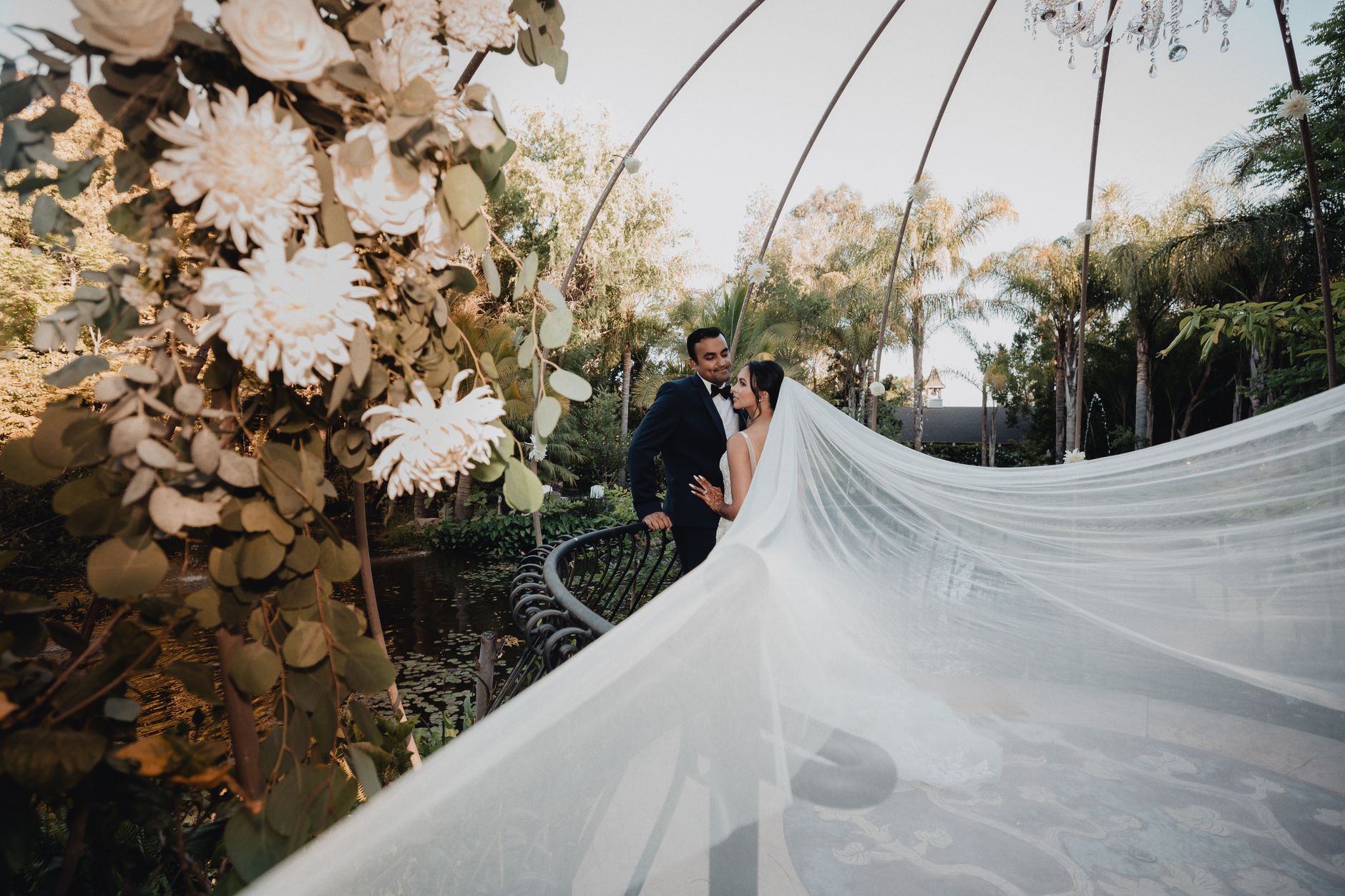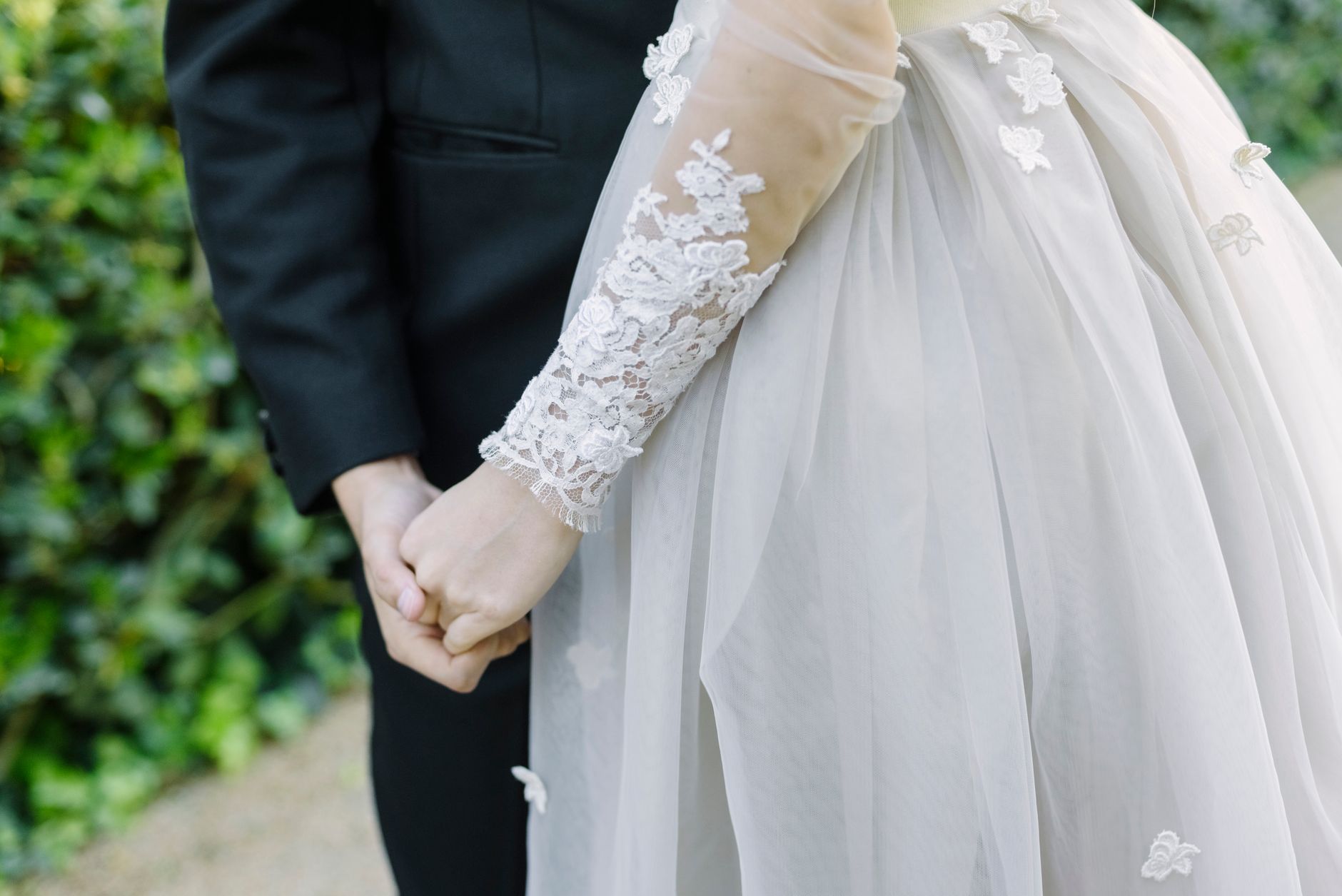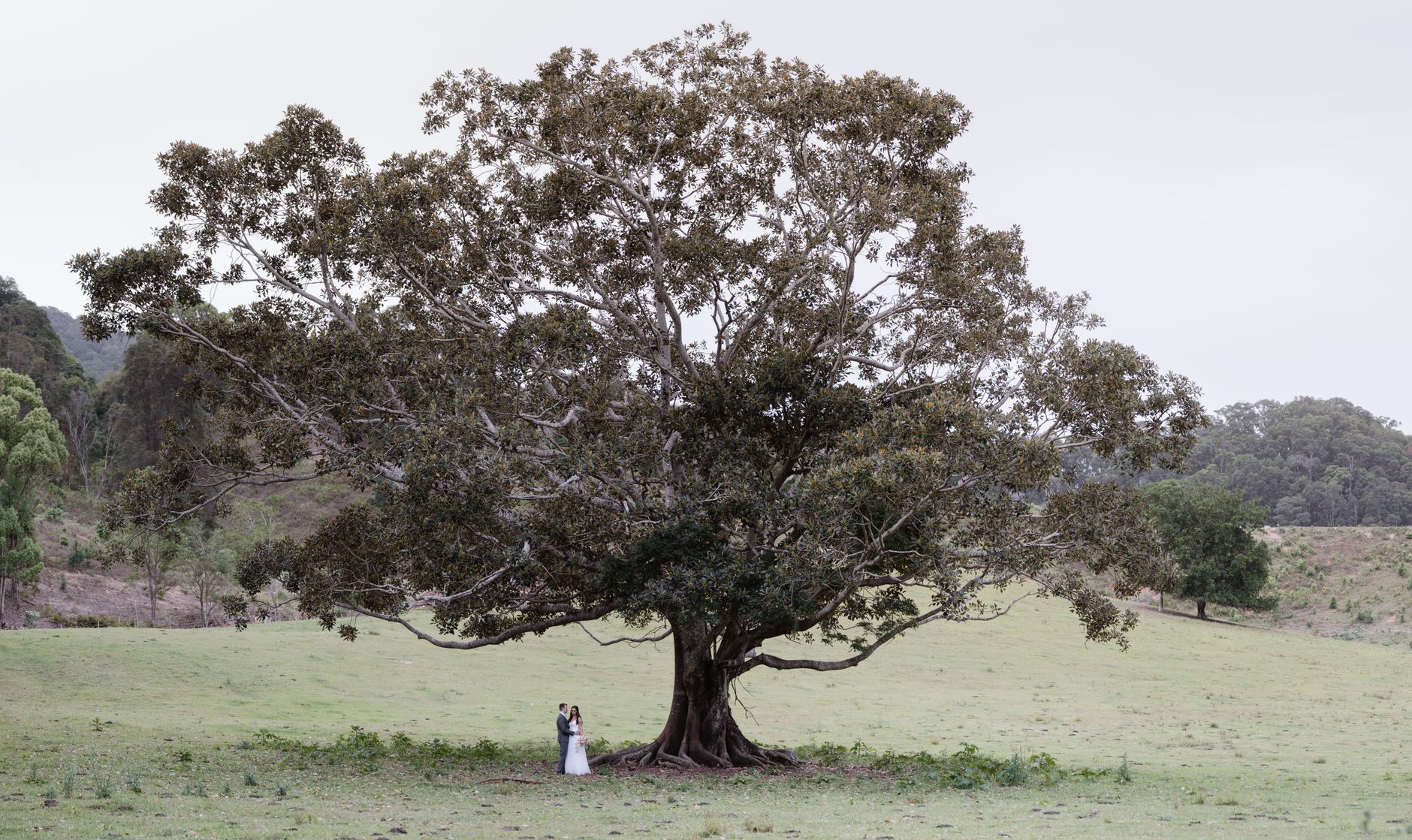
A wedding videographer at Ojai Valley Inn works with three primary scenes — the oak tree ceremony terrace in late-afternoon light, the spa lawn reception with the Topa Mountains visible behind the dance floor, and the quiet portrait intervals across 220 acres of Spanish Colonial resort architecture. The coverage plan accounts for 10 hours of filming across those three environments, typically with a 2-shooter video team and a 2-shooter photo team when couples book the photo + video combined package.
Ojai Valley Inn sits in a pocket of the Ojai Valley where the afternoon light arrives obliquely through the oak canopy, filtering into a green-gold that flatters skin tones without harsh contrast — the kind of natural lighting condition that requires minimal correction in post and allows a wedding film to retain the warmth couples associate with the region. Couples planning destination weddings in Southern California often choose Ojai Valley Inn specifically for that light, for the mountain backdrop that reads as California without reading as coastal, and for the multi-day resort structure that accommodates welcome dinners, rehearsal dinners, and post-wedding brunches within a single property, reducing the logistical complexity of a destination event.
Why Ojai Valley Inn Films Differently Than a Coastal Resort
Photo by Arlind D on Pexels
Ojai Valley Inn is an inland resort 30 minutes from the coast, which changes the coverage strategy in two ways. First, the ceremony light peaks between 4:00 and 5:30 PM rather than the 5:30–6:30 PM window typical at coastal venues like San Ysidro Ranch or Bel-Air Bay Club. Second, the Topa Mountain backdrop remains visible at all hours — there is no marine layer to plan around, no fog rolling in at 6 PM, no need to schedule the couple portraits before the view disappears. The videographer can rely on consistent mountain visibility from mid-morning through sunset, which allows more flexibility in the timeline and reduces the pressure to compress all outdoor scenes into a single golden-hour window.
The oak terrace ceremony site is framed by mature oak trees on three sides, with the Topa Mountains visible in the distance when the couple faces the officiant. The canopy filters the afternoon sun into dappled light across the aisle, which prevents the high-contrast shadows that plague open-lawn ceremonies at midday but also means the videographer cannot rely on direct backlight for a classic rim-lit silhouette shot during the vows. Instead, the light wraps around the couple from above, creating soft, even illumination that works well for close-up emotional moments — a parent's hand finding the bride's during the processional, the groom's expression when he first sees her at the head of the aisle, the quiet exchange of rings with no competing visual distractions.
At Ojai Valley Inn, the first look typically happens on the Artist Cottage lawn or near the fountain courtyard, 60–90 minutes before the ceremony. The videographer positions one camera to capture the bride's approach and a second camera on the groom's reaction, with the oak grove or the resort's Spanish arches as backdrop. The first-look coverage at Ojai Valley Inn runs 8–12 minutes, allowing time for the couple to speak privately after the initial reveal, which often produces the most emotionally direct moments of the day — unguarded conversation, relief, laughter — that anchor the middle act of the wedding film.
Scene Coverage at Ojai Valley Inn — Oak Ceremony, Spa Lawn Reception, Portrait Intervals
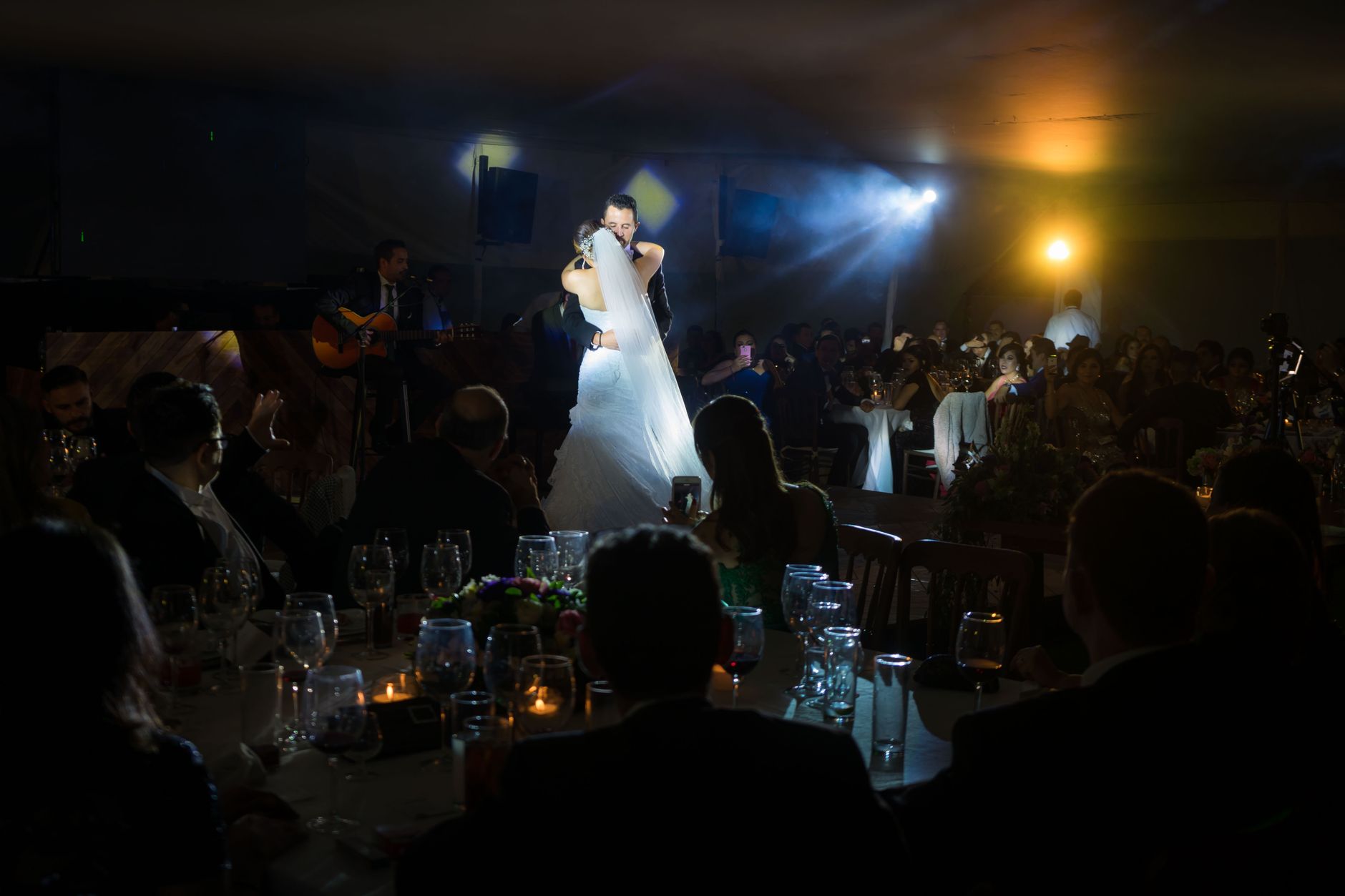
Photo by Luis Becerra Fotógrafo on Pexels
The oak terrace ceremony typically seats 120–180 guests, with the aisle running east to west so the late-afternoon sun arrives from behind the officiant, illuminating the couple without backlighting the guests. The videographer places one camera at the rear of the aisle on a tripod for the processional and recessional, a second camera on a monopod at the front corner for close-up vow coverage, and a third handheld position midway down the side for reaction shots of the parents in the front row. Audio capture requires two wireless lavalier mics — one on the officiant, one on the groom — because the oak canopy absorbs sound and prevents clean ambient pickup from a shotgun mic alone.
The spa lawn reception sits adjacent to the resort's signature spa building, with the dance floor positioned so the Topa Mountains appear in the background of the wide shots. The videographer films the first dance, parent dances, and toasts from three angles: a locked-off wide shot from the edge of the lawn that captures the full scene and the mountain backdrop, a medium shot on a gimbal that moves with the couple during the first dance, and a close-up position for the father-daughter and mother-son dances that isolates the emotional exchange without competing environmental detail. The spa lawn reception space accommodates up to 200 guests, and the resort's event team typically sets string lights overhead, which creates a warm practical light source after sunset that supplements the videographer's minimal LED panel work during the dancing.
Ojai Valley Inn's 220-acre property includes multiple portrait locations — the vineyard rows behind the golf clubhouse, the Spanish fountain courtyard, the Artist Cottage garden, and the oak grove near the ceremony site. The videographer builds 20–30 minutes of portrait coverage into the timeline, typically in two intervals: one immediately after the first look (before the ceremony) and a second during the cocktail hour (after the ceremony, while guests are occupied). The vineyard portrait session works best between 5:00 and 6:00 PM when the sun is low enough to create directional light along the rows without harsh overhead shadows. The fountain courtyard works at any hour because the Spanish arches provide natural shade and architectural framing.
Golden Hour Timing and Multi-Day Coverage
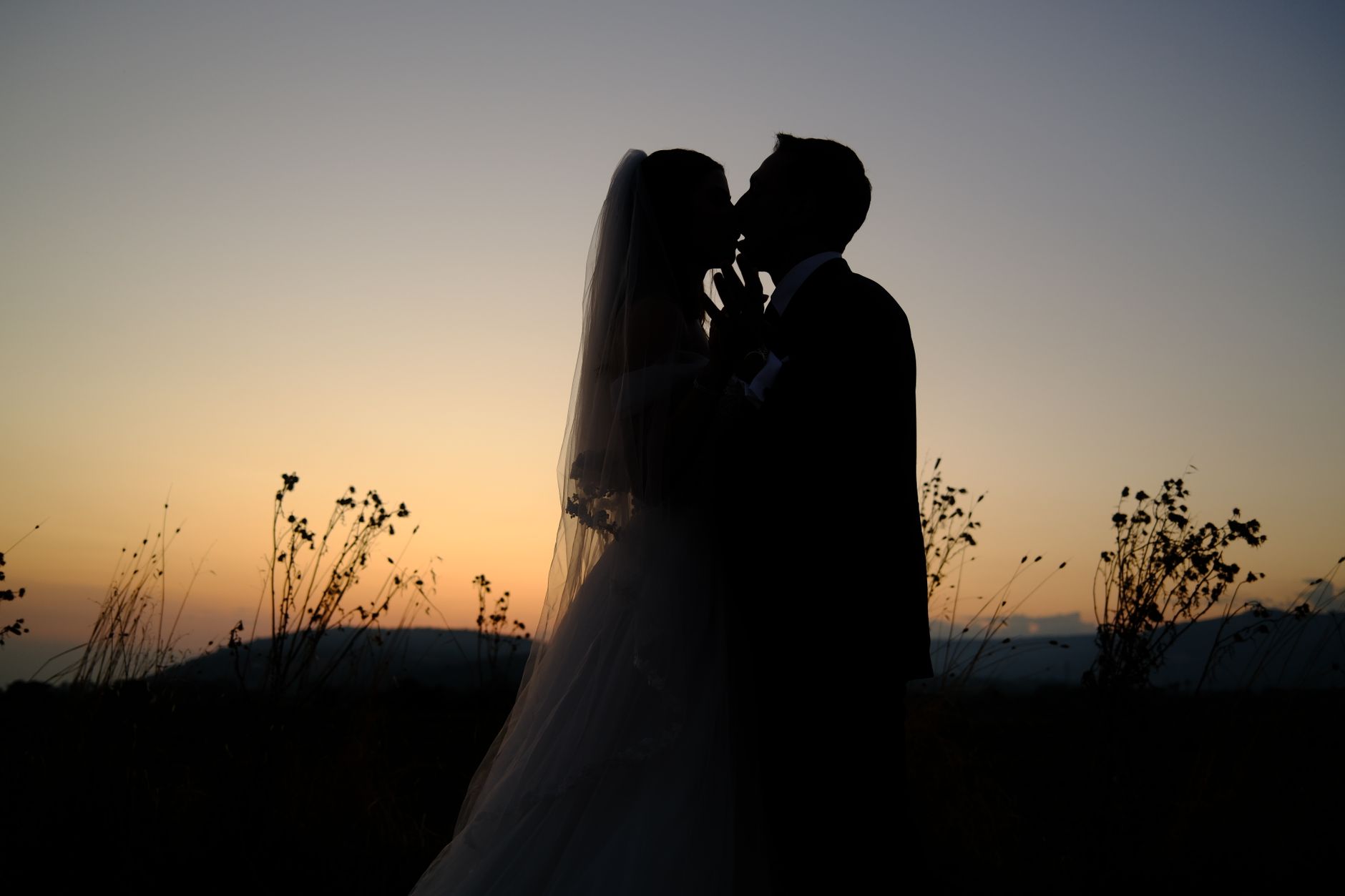
Photo by Andrea Prochilo on Pexels
Golden hour at Ojai Valley Inn occurs between 5:15 and 6:45 PM from May through September, and between 4:30 and 6:00 PM from October through April. Couples who prioritize golden-hour ceremony light schedule the processional for 5:00 PM in summer or 4:30 PM in winter, which places the vows and ring exchange in the warmest available light and allows the recessional to happen as the light begins to cool into blue hour. The alternative structure — scheduling the ceremony for 4:00 PM and reserving golden hour for couple portraits — works better for couples who want more time with their guests during cocktail hour and are willing to accept slightly cooler ceremony light in exchange for extended portrait coverage.
Ojai Valley Inn is frequently booked for multi-day destination weddings, with a welcome dinner on Friday, the wedding on Saturday, and a farewell brunch on Sunday. The full wedding film at Ojai Valley Inn captures 10 hours of coverage on the wedding day itself, but couples occasionally add a save-the-date film or an engagement film that incorporates footage from the welcome dinner or a pre-wedding hike in the surrounding Ojai Valley trails. The multi-day structure also allows the videographer to scout the property the day before the wedding, walk the ceremony and reception sites with the planner, and confirm camera positions and lighting conditions before the timeline begins.
The edit turnaround for a full wedding film at Ojai Valley Inn is 10–12 weeks from the wedding date. The final deliverable is a 12–18 minute cinematic edit that includes the first look, the full ceremony vows, the toasts, the first dance, and the parent dances, plus a 3–5 minute highlight reel optimized for social sharing. Couples who book the photo + video combined package receive the photo gallery and the highlight reel within 8 weeks, with the full wedding film following 2–4 weeks later.
Planning Considerations — Seasonality, Sound, and Planner Coordination
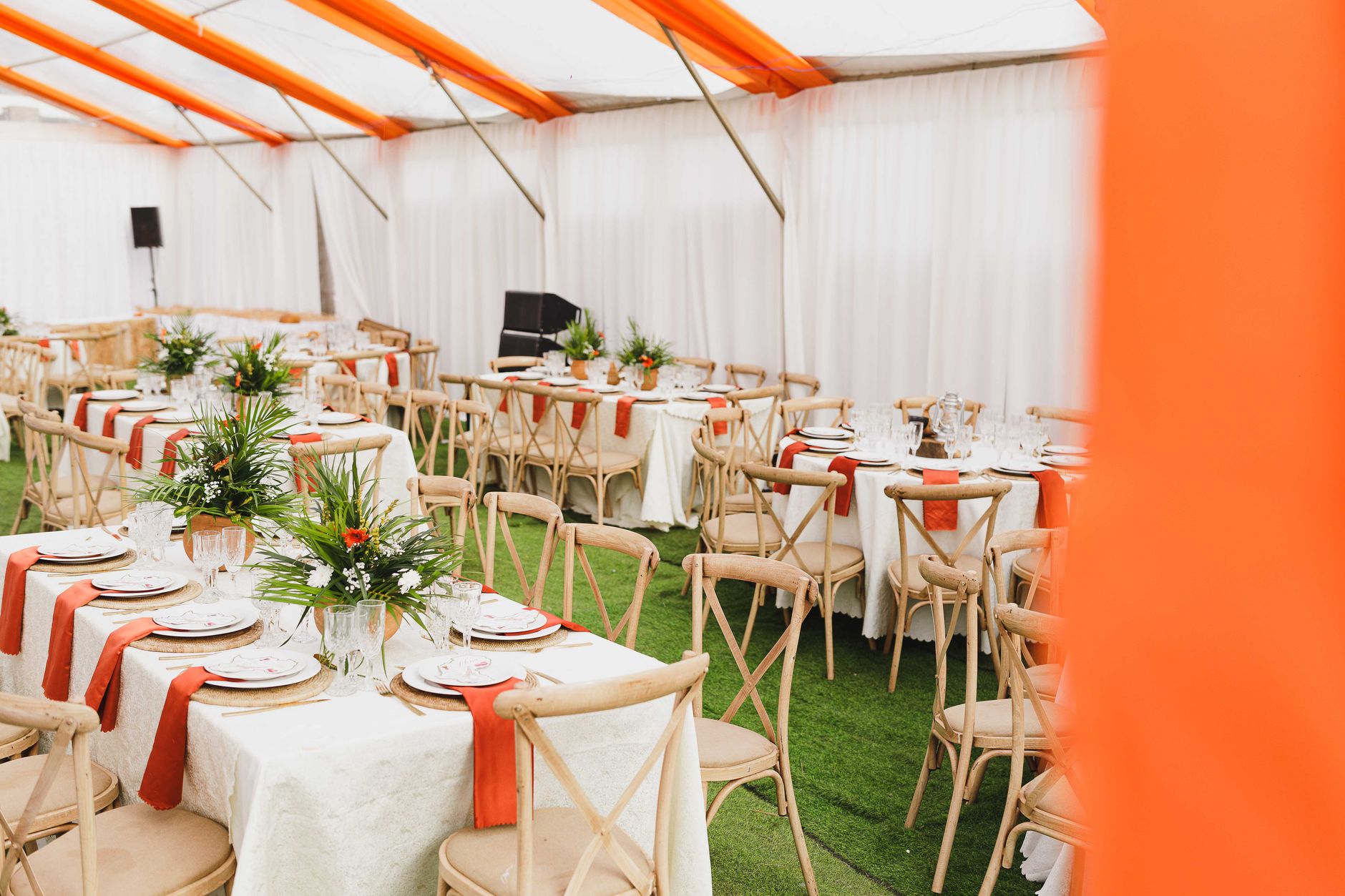
Photo by NUDE Nahum on Pexels
Ojai Valley Inn books heavily in spring (April–May) and fall (September–October), when daytime temperatures range between 70 and 85 degrees and the risk of afternoon wind is minimal. Summer weddings (June–August) are less common because temperatures regularly exceed 95 degrees in the valley, which affects guest comfort during outdoor ceremonies and limits the viable ceremony time to late afternoon or early evening. Winter weddings (December–February) are rare but possible; the Topa Mountains occasionally receive a dusting of snow, and the valley can experience morning fog that burns off by 10 AM, which creates atmospheric conditions for portrait coverage but requires timeline flexibility.
The oak terrace ceremony site is partially shielded from wind, but the spa lawn reception is more exposed. On days when the afternoon wind picks up — common in late spring — the videographer switches to directional shotgun mics with foam windscreens for the toasts and adjusts the audio mix in post to minimize wind noise. The resort's event team can arrange for a sound system with wired microphone backup for the ceremony, which the videographer prefers over relying solely on wireless lavs when wind is forecasted.
Ojai Valley Inn maintains a preferred vendor list, and couples are encouraged to work with planners and florists familiar with the property. The videographer coordinates with the planner during the week before the wedding to confirm the ceremony start time, the cocktail hour location, the timing of the first dance and toasts, and any site-specific restrictions (the resort prohibits drone coverage, and certain portrait locations require advance permission from the golf course or spa operations). The coordination call also establishes the coverage priority list — which moments the couple considers non-negotiable (typically the vows, the first look, and the parent dances) and which elements can be shortened if the timeline compresses.
Ojai Valley Inn as a Destination Wedding Venue
Couples who choose Ojai Valley Inn typically fall into one of two planning profiles. The first is the destination couple — based in Los Angeles, San Francisco, or another major city — who want a California resort wedding without the coastal fog or the logistical complexity of a venue that requires off-site hotel blocks. The second is the editorial minimalist couple who prioritize natural beauty, understated luxury, and a venue that does not require heavy floral or design intervention to photograph well. Both profiles tend to book the photo + video combined package and prioritize documentary coverage over staged portrait sessions, which aligns with the way Ojai Valley Inn weddings actually unfold — less ballroom formality, more movement between indoor and outdoor spaces, more reliance on the property's inherent architecture and landscape.
The wedding film at Ojai Valley Inn includes footage from across the resort — the couple getting ready in separate casitas, the first look on the Artist Cottage lawn, the oak terrace ceremony, the spa lawn reception, and the quiet moments in between when the couple steps away from the reception to watch the last light fade over the Topa Mountains. The film is built around those transitions, around the way the couple moves through the day and the property, rather than around a single grand ballroom moment. The edit reflects that structure — longer, quieter sequences of the couple walking through the oak grove or sitting together on the fountain courtyard steps, interspersed with the formal ceremony and reception moments that anchor the narrative.
Film Coverage and Editorial Photography
Couples who book the photo + video combined package at Ojai Valley Inn receive a 2-shooter documentary photography team alongside the 2-shooter video team. The photography and videography teams coordinate during the ceremony and the first dance to avoid overlapping sight lines, but during the portrait sessions they work separately — the photographer directs the couple through a series of editorial poses in the vineyard and the fountain courtyard, while the videographer captures observational footage of the couple interacting naturally, walking through the oak grove, or sitting quietly on the spa lawn before the reception begins.
The documentary photography at Ojai Valley Inn emphasizes the resort's Spanish Colonial architecture, the oak canopy light, and the Topa Mountain backdrop. The editorial photography leans into the vineyard rows, the fountain courtyard arches, and the more graphic, high-contrast portrait opportunities available in the late-afternoon sun. The wedding film incorporates stills from the photo gallery as interstitial frames between video sequences, which creates visual continuity between the photo and video deliverables and reinforces the editorial aesthetic couples expect from a luxury Ojai Valley Inn wedding.
The combined photo and video coverage runs 10 hours on the wedding day, typically from 2:00 PM (when the couple begins getting ready) through midnight (after the last dance and the sparkler send-off, if planned). The video team captures 180–240 minutes of raw footage across those 10 hours, which is edited down to the 12–18 minute wedding film and the 3–5 minute highlight reel. The photo team delivers 600–800 edited images in the final gallery, with the first 150–200 images delivered as a preview gallery within 2 weeks of the wedding date.
Coordination with Ojai Valley Inn Event Operations
Ojai Valley Inn's event operations team manages the ceremony and reception setup, the catering timeline, and the coordination of vendor load-in and load-out. The videographer arrives 90 minutes before the ceremony to film the couple getting ready in their respective casitas, scout the ceremony site, confirm camera positions with the event coordinator, and test wireless audio with the officiant. The resort provides a vendor meal during the reception, which allows the video and photo teams to remain on-site throughout the event without leaving for an off-property meal break.
The resort's event team also coordinates the timeline for the toasts, the cake cutting, the first dance, and the parent dances. The videographer relies on that coordination to anticipate transitions and position cameras before each formal moment begins. At Ojai Valley Inn, the reception typically follows a compressed timeline — cocktail hour, dinner, toasts, first dance, parent dances, open dancing — with the entire sequence completed by 11:00 PM, which allows the couple and their guests to enjoy the resort's amenities (the spa, the golf course, the pool) the following morning without late-night fatigue.
The wedding film at Ojai Valley Inn reflects the property's understated luxury — no grand ballroom reveals, no choreographed entrances, no theatrical lighting effects. Instead, the film is built around the oak grove ceremony in natural light, the spa lawn reception with the mountains in the background, and the couple moving quietly through the resort's gardens and courtyards as the day transitions from afternoon to evening. The edit is cinematic but restrained, leaning into the observational, documentary moments that define a destination wedding at a California resort venue.
Begin a conversation about your wedding at Ojai Valley Inn through the contact page on this site.