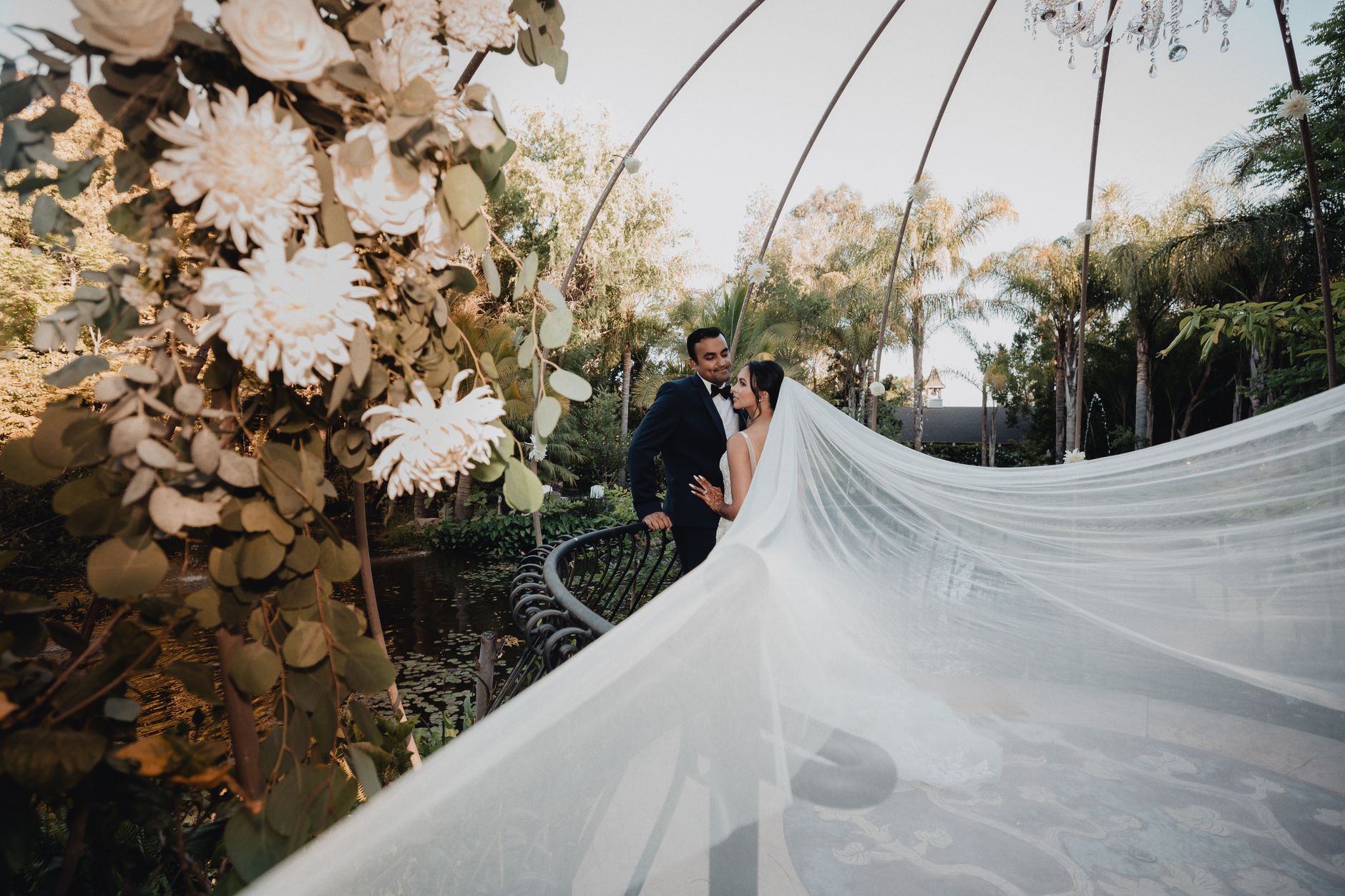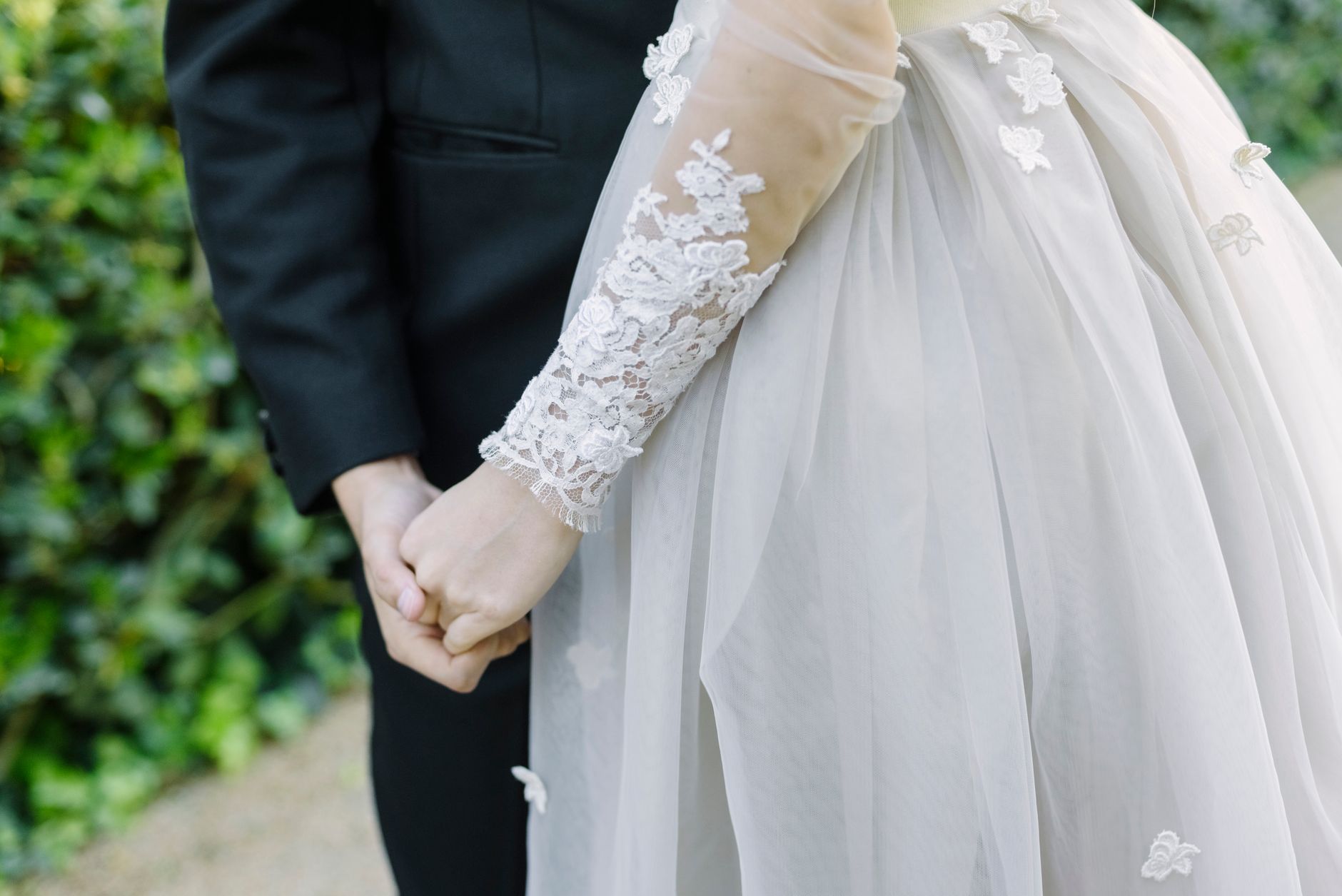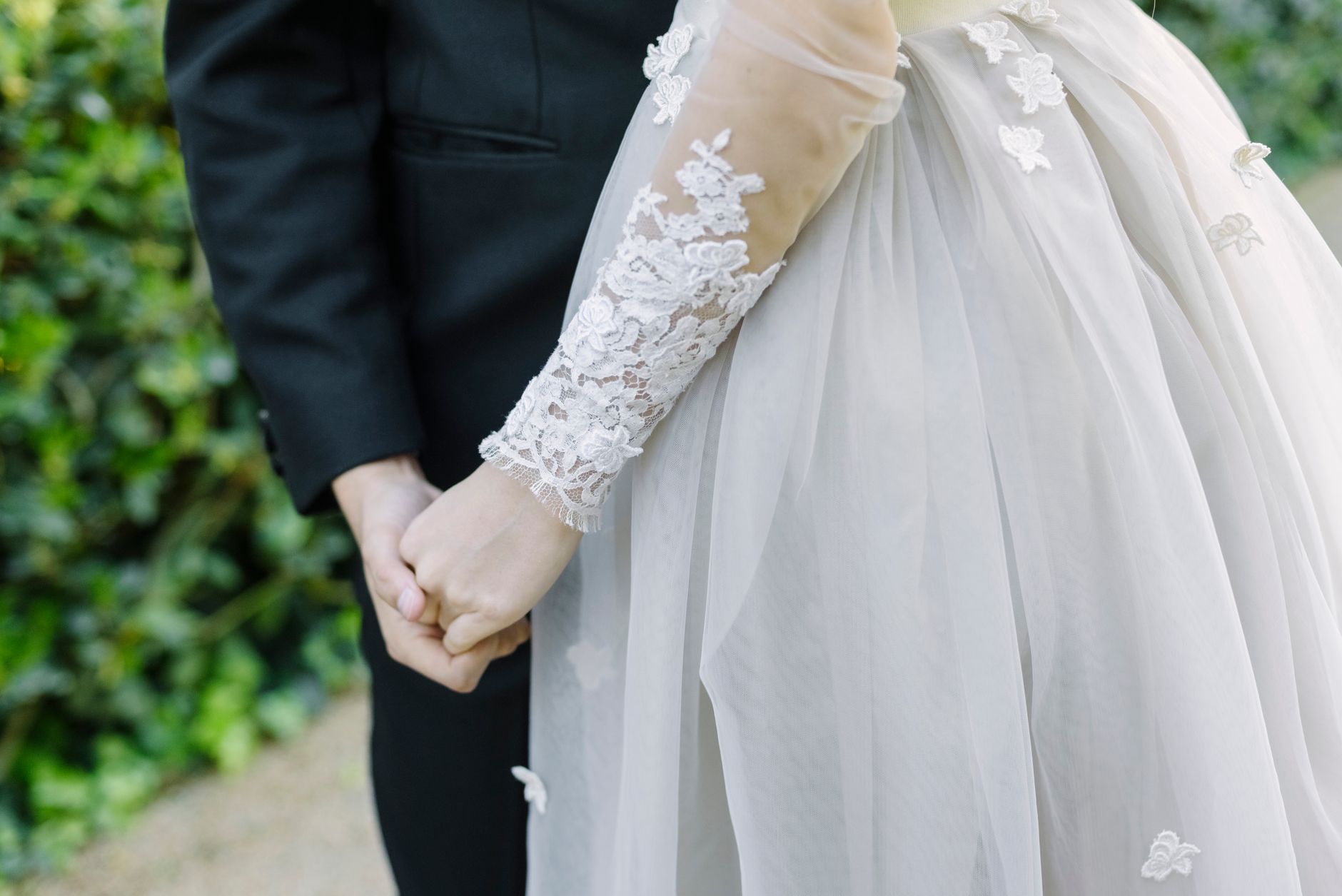
A wedding videographer working in Montecito plans coverage around eucalyptus light at San Ysidro Ranch and coastal estate timelines that run 10 hours from ceremony prep to last dance. The region sits in a microclimate where afternoon fog burns off by 3 PM and golden hour stretches thirty minutes longer than in Santa Barbara proper, which shapes every coverage decision a film crew makes before the wedding day begins.
Montecito weddings cluster around three venue types: San Ysidro Ranch with its stone cottages and eucalyptus canopy, private coastal estates with clifftop ceremony sites overlooking the Pacific, and historic garden properties where ceremony and reception unfold in separate outdoor rooms connected by gravel paths. Each type demands a different lens kit and a different approach to the day's narrative arc. The videographer who shoots a San Ysidro Ranch wedding the same way they would cover a hotel ballroom in Los Angeles misses what makes the film worth watching six months later.
Why Montecito Films Differently Than Santa Barbara Proper
Photo by mark soetebier on Pexels
Montecito sits 90 miles north of Los Angeles and 8 miles southeast of downtown Santa Barbara, but the light behaves as if the region occupies its own latitude. The marine layer burns off earlier here than in Malibu, and the eucalyptus groves at San Ysidro Ranch produce a green-gold filtration that flatters skin tones without additional diffusion. A 2-shooter video team working a Montecito wedding typically shoots 40% of the ceremony and portrait coverage under dappled eucalyptus shade rather than open sun, which reduces the need for ND filters and allows the DP to shoot wide open at f/1.4 through the vows.
The second difference is estate access. Many Montecito weddings take place on private coastal properties where the ceremony site, cocktail terrace, and reception lawn occupy three distinct elevations with ocean views from each. A wedding film built around these transitions — the walk from the clifftop ceremony down a stone staircase to the lower terrace, the shift from daylight cocktails to string-lit dinner — requires a coverage plan that anticipates those moves. The videographer who arrives without a shot list that maps each transition loses the spatial story that makes a Montecito estate wedding cinematic rather than simply pretty.
The third factor is timeline. Montecito couples planning weddings at San Ysidro Ranch or private estates typically choose ceremony start times between 4 PM and 5 PM to capture golden hour during the vows, then move into a reception that runs until 10 PM or later. That 6-hour window from ceremony through last dance is the narrative spine of the wedding film, and the videographer's job is to structure coverage so the edit reflects the day's natural rhythm without requiring voiceover or title cards to orient the viewer.
San Ysidro Ranch — Eucalyptus Grove Ceremony and Stone Cottage Portraits
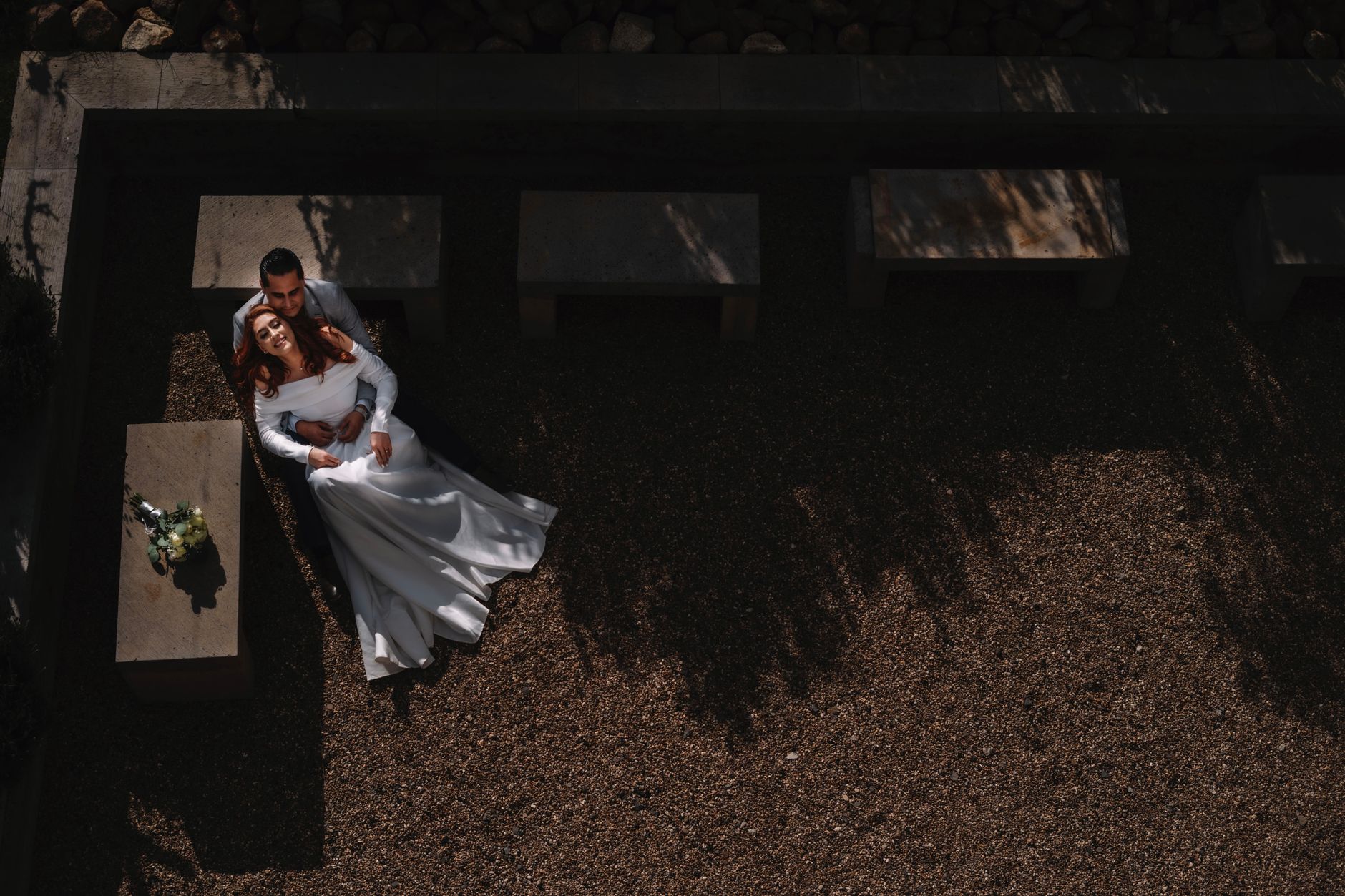
Photo by Fernando Capetillo on Pexels
San Ysidro Ranch occupies 500 acres of eucalyptus-forested hillside above Montecito, and most couples who book the property for a wedding choose the Eucalyptus Grove as the ceremony site. The grove sits at the bottom of a gentle slope, with guest seating arranged in a semicircle around a stone altar and the eucalyptus canopy filtering afternoon light into a soft green-gold that requires almost no color correction in post. A wedding videographer covering a San Ysidro Ranch ceremony deploys two cameras — one locked on a tripod at the back of the aisle for the wide processional shot, one handheld for close coverage of the vows and ring exchange.
The stone cottages scattered across the property serve as getting-ready suites and portrait locations. The Olive House and the Eucalyptus cottage both feature private terraces with views over the eucalyptus canopy, and couples often schedule a 20-minute portrait window immediately after the ceremony while guests move to cocktails. That window is the best opportunity for the videographer to capture the couple alone in natural light before the reception begins, and it requires advance coordination with the wedding planner to protect the time on the day-of timeline.
San Ysidro Ranch receptions typically take place on the Upper Lawn or the Hacienda Lawn, both of which are large enough to accommodate 150 guests under a sailcloth tent. The videographer's second-shooter position during the reception focuses on two coverage priorities: parent reactions during toasts (the ranch's intimate scale means parents are often seated within 10 feet of the head table, making reaction shots achievable without a long lens), and the transition from dinner to dancing as the string lights come up and the DJ takes over from the acoustic ceremony trio.
Full-day documentary photography at San Ysidro Ranch pairs naturally with video coverage, since both disciplines benefit from the property's layered portrait opportunities — the stone bridges, the oak-shaded paths, the cottage terraces — and a 2-shooter photo + 2-shooter video team can move through those locations in 90 minutes without requiring the couple to repeat poses.
Coastal Estate Weddings — Clifftop Ceremony and Multi-Level Reception Coverage
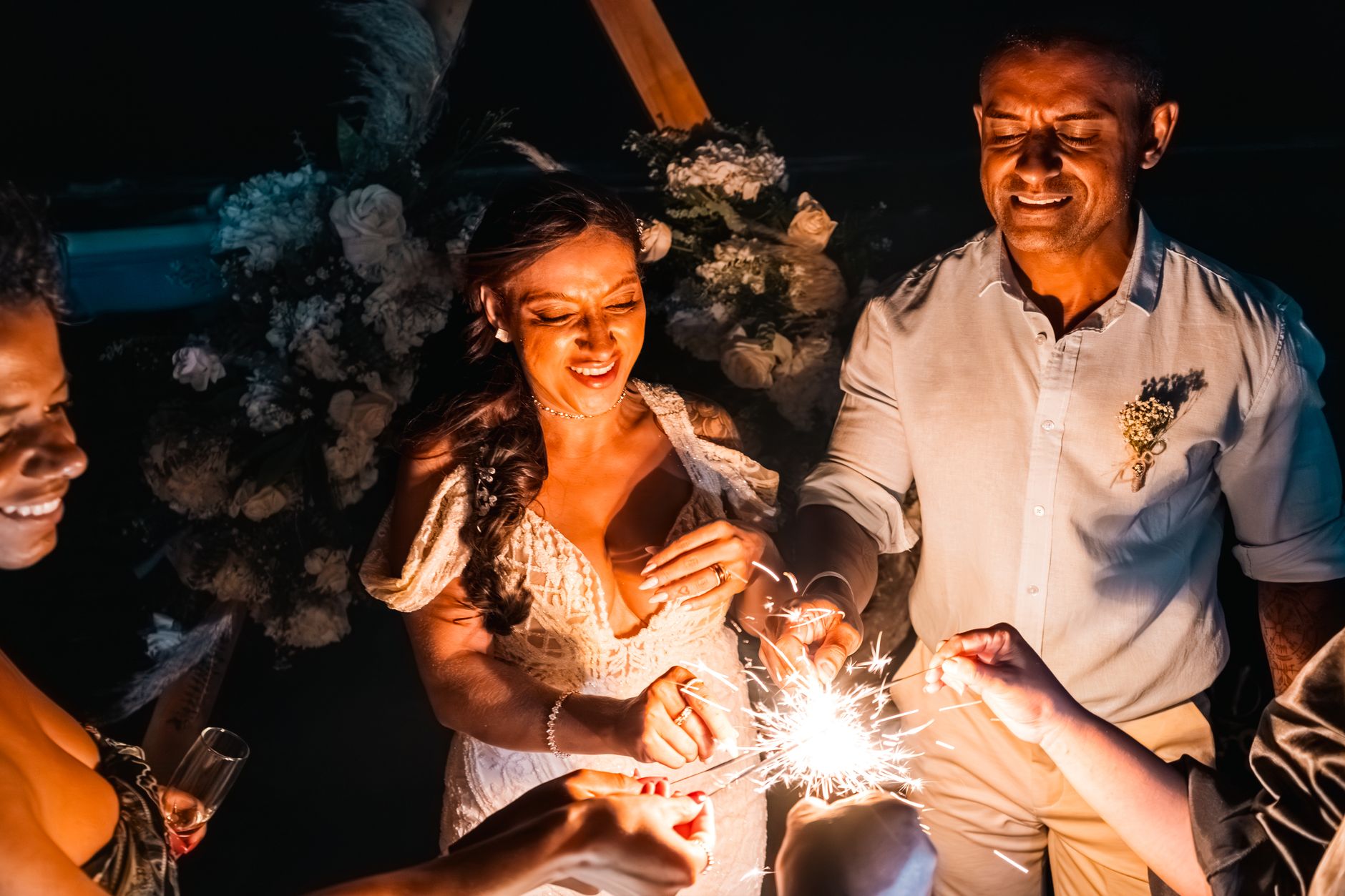
Photo by Luis Morales Torres on Pexels
Private coastal estates in Montecito — properties not listed in venue directories, accessible only through planner relationships or family connections — present a different set of coverage challenges than San Ysidro Ranch. The ceremony typically takes place on a clifftop lawn with the Pacific as the backdrop, and the videographer's primary task is to position the ceremony camera so the couple is framed against the horizon without lens flare from the late-afternoon sun. That usually means a ceremony start time of 4:30 PM or later, when the sun has dropped low enough that a lens hood and polarizing filter are sufficient to manage flare.
Coastal estate receptions in Montecito often unfold across three levels: clifftop cocktails immediately after the ceremony, dinner on a mid-level terrace with ocean views, and dancing on a lower lawn or courtyard lit by string lights and uplighting. The videographer's coverage plan must account for those transitions, which become narrative beats in the final wedding film. A 10-hour full ceremony coverage package allows the video team to capture each transition without rushing, and includes the margin needed for a second portrait session at sunset if the couple chooses to step away from cocktails for 10 minutes.
The challenge specific to coastal estates is wind. Montecito's clifftop properties face steady onshore breezes that peak between 5 PM and 7 PM, which affects both audio capture and camera stability. The videographer's audio setup for a coastal estate ceremony includes two wireless lavalier mics (one on the officiant, one on the groom) plus a shotgun mic on the ceremony camera, with all three recorded to separate tracks so the editor can mix around wind noise in post. Handheld gimbal work during cocktails and portraits requires a higher shutter speed than usual — 1/500 or faster — to compensate for wind-induced camera shake.
Estate weddings also require advance site visits. Unlike venue properties with established vendor load-in procedures and designated ceremony-site power sources, private estates vary widely in access, parking, and infrastructure. The videographer who arrives on the wedding day without knowing where to position the ceremony-audio receiver or where the video team will stage gear during the reception adds friction to a timeline that has no slack.
Montecito Wedding Film Timeline and Coverage Windows
Photo by Juliano Goncalves on Pexels
A full-day Montecito wedding film timeline runs 10 hours, starting with getting-ready coverage at 2 PM and ending with last-dance coverage at midnight. That structure breaks into five coverage windows:
2:00 PM – 3:30 PM: Getting ready and detail coverage. Both bride and groom prep, shot in separate suites or cottages. The videographer captures dress and suit details, invitation suite, rings, and 3–5 minutes of observational prep footage (makeup application, tie-tying, quiet moments with parents or bridal party). One shooter with the bride, one with the groom, switching to combined coverage at 3:30 PM.
3:30 PM – 4:00 PM: First look and pre-ceremony portraits. Many Montecito couples choose a private first look rather than a traditional aisle reveal, which allows the videographer to capture an intimate reaction in a controlled location (a eucalyptus grove, a garden path, a clifftop overlook) before the ceremony timeline begins. The first look is followed by 20 minutes of couple portraits, shot by both the video and photo teams working in parallel.
4:00 PM – 4:45 PM: Ceremony. Processional, vows, ring exchange, kiss, recessional. The videographer's two-camera setup captures wide establishing shots and close emotional coverage. Audio recorded from three sources: officiant lav, groom lav, and ceremony-camera shotgun mic.
4:45 PM – 7:30 PM: Cocktails, golden-hour portraits, and reception entrance. Guests move to cocktails while the couple steps away for a second portrait session in golden-hour light. The videographer rejoins the couple for 15 minutes of sunset portraits, then returns to the reception site to capture the couple's entrance, first dance, parent dances, and the transition into dinner.
7:30 PM – Midnight: Reception coverage. Toasts, dinner service, cake cutting, dancing. The videographer focuses on parent and guest reactions during speeches, then shifts to dance-floor coverage after the formalities conclude. The second shooter roams the reception for wide establishing shots and candid guest interactions.
This structure assumes a 4 PM ceremony start. Couples who choose a 5 PM ceremony compress the portrait windows and shift golden hour to occur during cocktails rather than immediately after the ceremony, which changes the videographer's shot priorities but does not reduce the total coverage time.
Documentary vs Cinematic Wedding Film Style in Montecito
Montecito couples booking wedding videography typically request one of two editorial styles: documentary or cinematic. The distinction is not about quality or production value — both require the same 2-shooter team and the same 10-hour coverage window — but about pacing, framing, and post-production approach.
A documentary wedding film follows the day's chronology with minimal rearrangement in the edit. The ceremony appears in the film's first act, toasts and dinner in the second act, dancing in the third. The videographer shoots observationally, capturing moments as they unfold rather than directing the couple into specific poses or actions. The final edit runs 12–18 minutes and includes full vows, full toasts, and dance-floor sequences long enough to convey the reception's energy without cutting away every 8 seconds. Documentary style suits couples who want the film to serve as an archive — something they can watch in full on their fifth anniversary and remember the day's sequence rather than its highlight reel.
A cinematic wedding film rearranges the day's footage into an emotional arc that may not match chronology. The edit often opens with a scene from later in the day — a dance-floor moment, a sunset portrait, a toast reaction — then moves backward to the getting-ready coverage before arriving at the ceremony. The videographer shoots with more directorial intent, asking the couple to walk a path twice if the first take was backlit poorly, or requesting that the couple hold a kiss for an extra two seconds so the camera can pull focus. The final edit runs 8–12 minutes, set to a licensed music track that drives pacing, and favors visual storytelling over sync-sound dialogue. Cinematic style suits couples who want the film to feel like a short narrative piece they can share widely and watch often without committing to a 15-minute runtime.
Both styles are available within LifeStory.Film's photo + video combined package, and the choice does not affect the day-of coverage approach — the same footage serves either editorial direction, and the decision is made during the pre-wedding consultation rather than on the wedding day itself.
Multi-Day Montecito Weddings and Rehearsal Dinner Film
Some Montecito weddings extend across two or three days, with a welcome dinner on Friday, the wedding on Saturday, and a farewell brunch on Sunday. Couples hosting multi-day events at San Ysidro Ranch or a private estate often request video coverage of the rehearsal dinner in addition to the wedding day itself. A rehearsal dinner film is structured similarly to an engagement film — a 3- to 5-minute short that captures the dinner setting, the toasts, and a few candid guest interactions — and typically requires a single shooter working a 3-hour window.
The rehearsal dinner film serves two purposes: it extends the video narrative beyond the wedding day, and it captures family and friends who may not appear prominently in the wedding film itself (out-of-town guests, college friends, extended family members who sit farther from the head table during the reception). The final deliverable is edited separately from the wedding film and delivered on the same timeline, 10–14 weeks after the wedding date.
Couples planning multi-day Montecito weddings also sometimes request a save-the-date film shot during an engagement session at the wedding venue. A save-the-date film shot at San Ysidro Ranch in the months before the wedding gives the couple a 60- to 90-second video announcement they can send to guests, and doubles as a site visit for the video team to scout light, test audio in the ceremony location, and confirm load-in logistics with the venue coordinator.
What to Expect When Booking a Montecito Wedding Videographer
Booking a wedding videographer for a Montecito wedding begins with a consultation call to confirm the venue, the timeline, and the couple's editorial preferences. That call typically covers:
Venue and timeline. The videographer needs the ceremony start time, the reception end time, and the name of the venue or estate. If the wedding takes place at a private estate, the videographer will request a site visit 4–6 weeks before the wedding to scout the property and meet the planner.
Coverage priorities. Some couples prioritize ceremony and vows; others care more about reception energy and dance-floor coverage. The consultation clarifies those priorities so the videographer can weight the shot list accordingly.
Editorial style. Documentary or cinematic, as described above. This decision affects the edit but not the coverage.
Audio preferences. Most couples want full vows and full toasts included in the final film. A few prefer a music-driven edit with only brief voice clips. The videographer captures full audio regardless, so the choice can be deferred until post-production.
Deliverables and timeline. The standard deliverable is a 10- to 15-minute wedding film plus a 60-second highlight reel for social sharing. Both are delivered 10–14 weeks after the wedding. Rush delivery (6 weeks) is available for an additional fee.
After the consultation, the videographer sends a contract and an invoice for the deposit (typically 50% of the package total). The remaining balance is due two weeks before the wedding date. One week before the wedding, the videographer schedules a final coordination call with the couple and the planner to confirm the timeline, review the shot list, and answer any last questions.
Montecito Vendor Relationships and Coordination with Wedding Planners
Most Montecito weddings involve a wedding planner, and the videographer's relationship with that planner determines how smoothly the day unfolds. Planners familiar with LifeStory.Film's coverage style know to protect the 20-minute post-ceremony portrait window on the timeline, to position the ceremony sound system so the officiant's mic feeds cleanly to the videographer's audio recorder, and to coordinate with the DJ so the videographer has advance notice of the first-dance song and the parent-dance order.
Planners new to working with LifeStory.Film receive a vendor coordination email 3 weeks before the wedding. That email outlines the video team's load-in time (typically 90 minutes before getting-ready coverage begins), the ceremony-audio setup (two wireless lavs plus a shotgun mic on the ceremony camera), and the shot list for key moments (first look, ceremony entrance, first dance, cake cutting, last dance). The email also requests the final timeline so the videographer can identify any scheduling conflicts — for example, if the planner has scheduled sunset portraits at the same time the caterer needs to flip the ceremony space for dinner, the videographer flags that overlap and proposes an adjusted sequence.
San Ysidro Ranch maintains a preferred-vendor list that includes several wedding videographers, and couples booking the venue often ask the coordinator for referrals. LifeStory.Film has worked at San Ysidro Ranch on 14 weddings since 2022, which gives the video team familiarity with the property's load-in procedures, its ceremony-site power access, and the best portrait locations for different times of day.
Planning a Montecito Wedding Film Around Seasonal Light and Weather
Montecito's weather varies less than most California regions, but seasonal light shifts still affect how a wedding film looks. Weddings scheduled between May and September benefit from long daylight hours — the sun sets after 7:30 PM through mid-August — which allows for a 5 PM ceremony start with golden hour occurring naturally during cocktails. Weddings scheduled between October and March face earlier sunsets (as early as 5 PM in December), which compresses the portrait window and often requires the couple to choose between a sunset ceremony and a sunset portrait session.
The marine layer is most predictable in May and June, when morning fog typically burns off by 1 PM. Couples planning morning or early-afternoon events during those months should expect overcast skies until mid-afternoon, which produces soft, even light but eliminates the golden-hour warmth that defines most Montecito wedding films. A videographer working a June morning wedding adjusts the color grade in post to add warmth that the natural light did not provide.
Rain is rare in Montecito between April and October — fewer than 3 days per month on average — but increases between November and March. Couples planning winter weddings at outdoor venues like San Ysidro Ranch typically rent a sailcloth tent as a backup for the ceremony site, and the videographer's coverage plan includes a contingency for wet conditions (additional lighting for under-tent ceremonies, weatherproof audio gear, and a faster lens kit to compensate for lower ambient light).
Begin a Conversation About Your Montecito Wedding Film
LifeStory.Film provides wedding videography for Montecito weddings at San Ysidro Ranch and private coastal estates, with editorial photography available as a combined package. Coverage is built around the region's eucalyptus light, coastal estate timelines, and the couples who choose Montecito because the setting holds meaning beyond its appearance in photos. To discuss your wedding, the venue, and the film you want, reach out through the contact form on the site or by email. Every inquiry receives a response within 24 hours, and consultations are scheduled within the week.
Planning a Santa Barbara or Montecito wedding? See our Santa Barbara & Montecito wedding films and pricing.