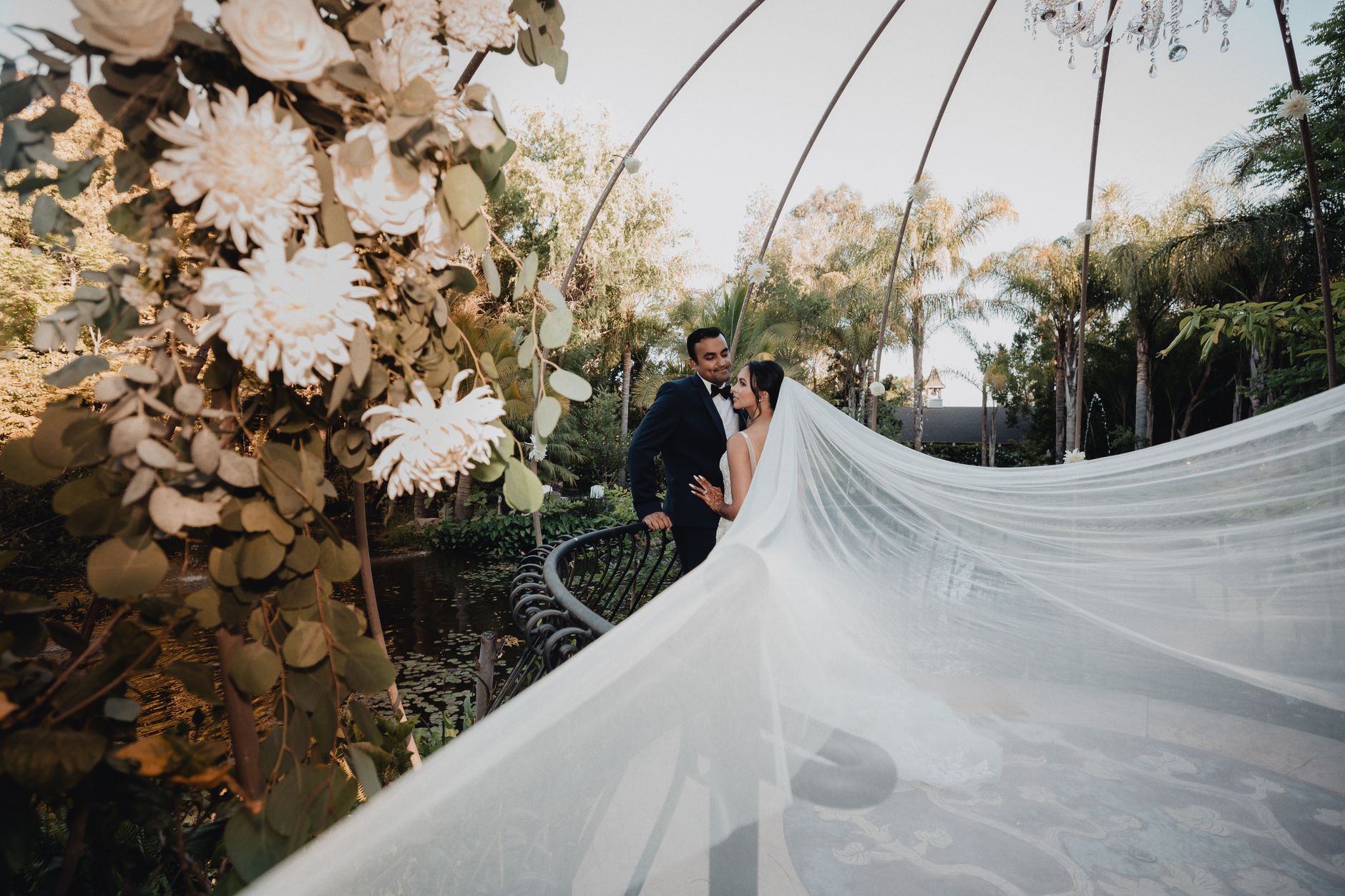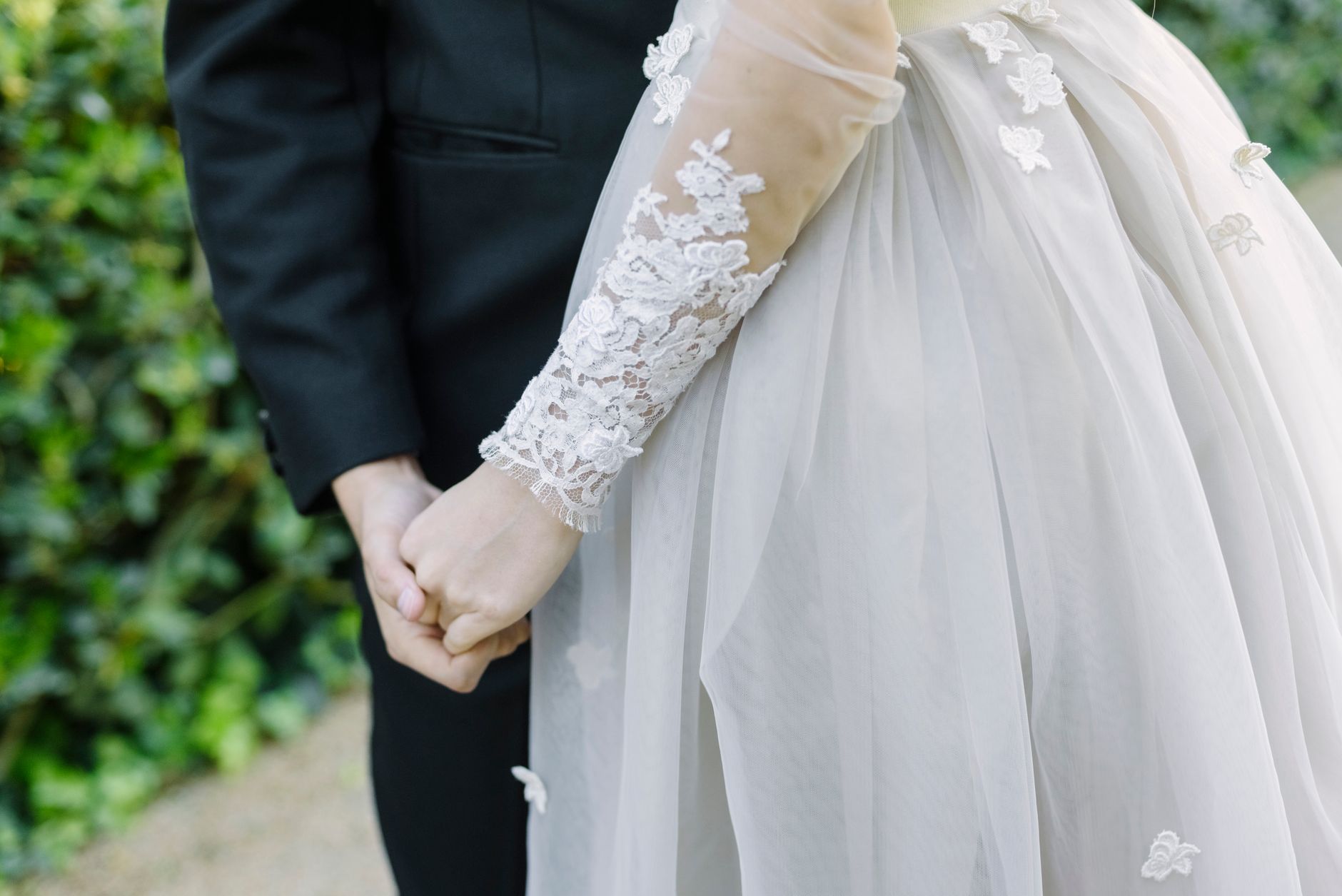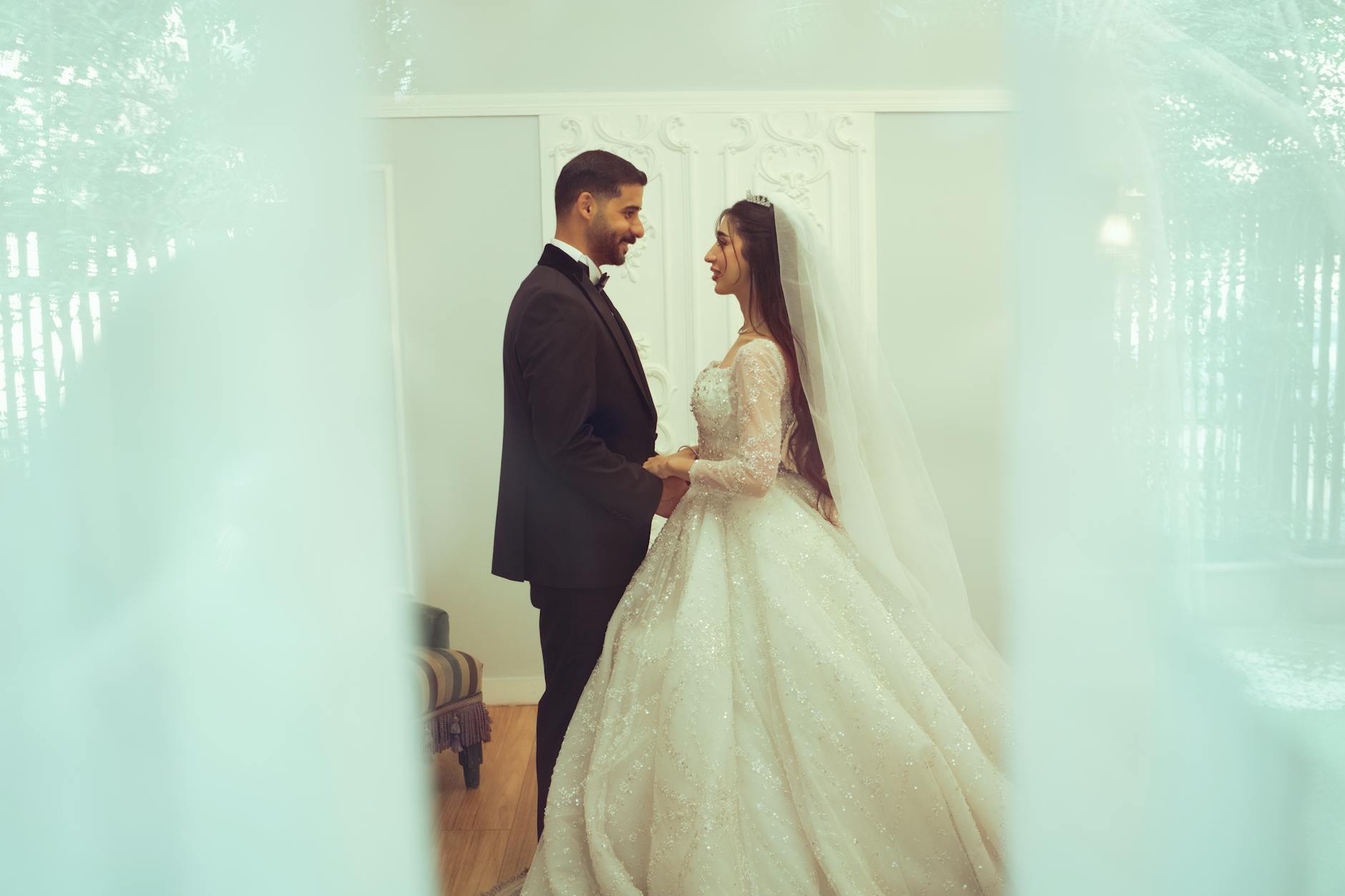
Luxury wedding film in Los Angeles uses cinema-grade cameras, professional lighting, and multi-camera coverage to create editorial-quality films at venues like Beverly Hills Hotel, Bel-Air Bay Club, and Hotel Bel-Air. LifeStory.Film packages start at $2,499, with most couples booking $7,500–$10,000 for dual-cinematographer full-day coverage.
This guide explains what distinguishes luxury wedding cinematography from standard videography, how to evaluate Los Angeles film studios, and what to expect from production through final delivery.
What Defines Luxury Wedding Film in Los Angeles
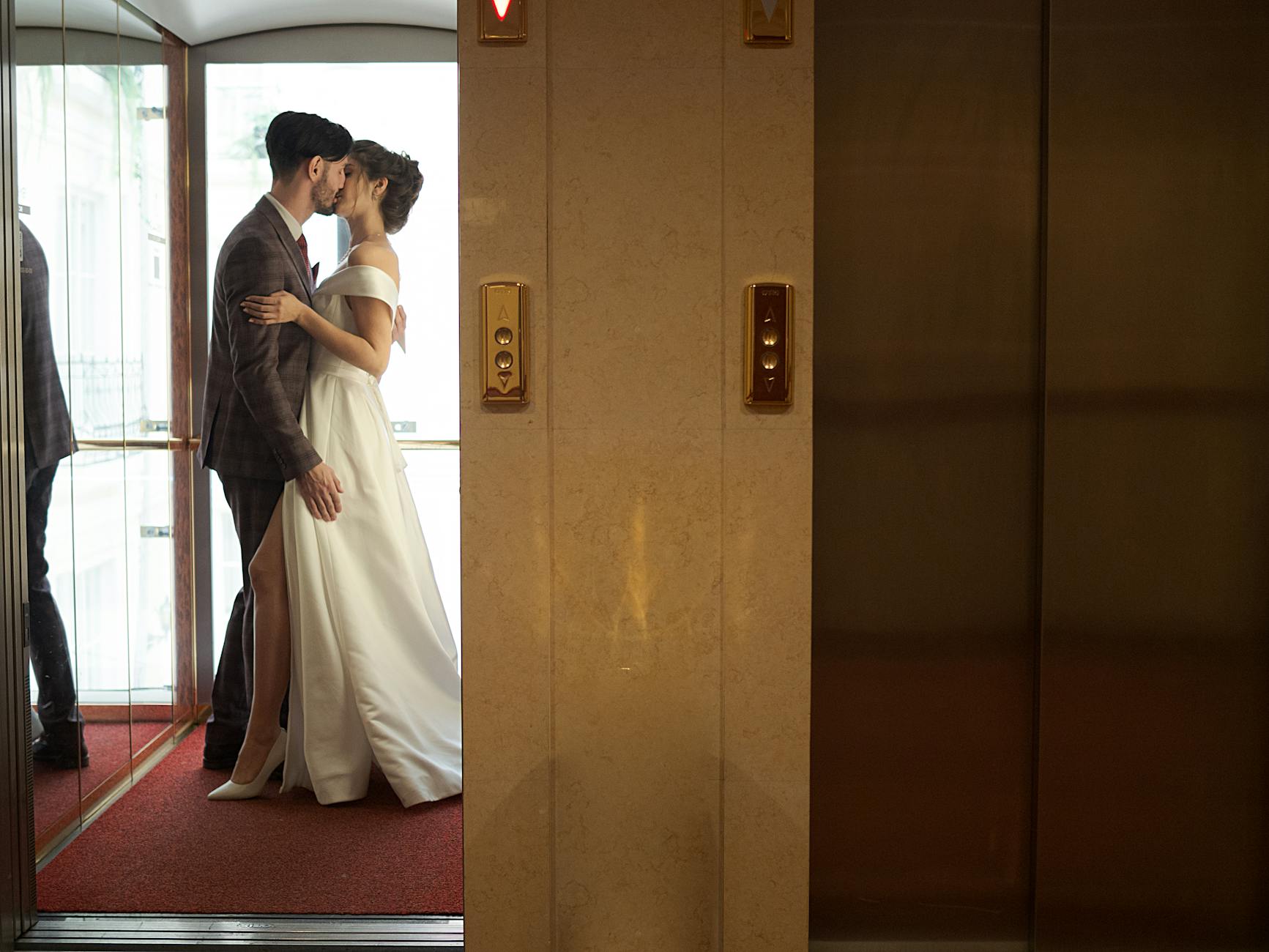
Luxury wedding film uses cinematic cameras — RED, Sony FX, Canon C-series — paired with professional lighting and stabilization equipment. The difference shows in the final aesthetic: editorial color grading, layered audio mixing, and frame-by-frame refinement that matches editorial photography standards rather than documentary event recording.
Production equipment distinguishes luxury from standard videography. Cinema cameras capture wider dynamic range, allowing highlight and shadow detail that consumer cameras lose. Professional gimbals and slider rigs create movement that feels intentional rather than handheld. Dedicated audio recorders and wireless lavalier systems capture vows and toasts with clarity that on-camera microphones cannot match.
Editorial production values define the final film. LifeStory.Film allocates 40–60 hours of post-production per luxury wedding film, including color grading, sound design, and multi-layer audio mixing. Each frame receives individual color correction. Music cues align with narrative beats — the first look, the vows, the parent dances — rather than playing as generic background.
Most luxury film studios in Los Angeles provide 2–3 cinematographers for full-day coverage. One cinematographer captures the ceremony wide and follows the couple through portraits. A second covers reaction shots — parents during the processional, guests during toasts. A third handles detail work and B-roll. Single-cinematographer coverage works only for intimate weddings under 50 guests.
Typical deliverables include:
- 10–15 minute highlight film with cinematic pacing
- Full ceremony edit (uncut vows and readings)
- Full reception edit (toasts, dances, exit)
- High-resolution digital files (4K or 6K depending on capture format)
Premium packages add same-day edit screening during cocktail hour, drone footage, and raw footage access. Delivery timeline is 12–16 weeks due to extensive post-production.
Luxury wedding film pricing in Los Angeles ranges $5,000–$15,000+ for full-day coverage. The cost reflects equipment investment (cinema camera packages run $20K–$50K), crew expertise, and post-production time. Entry luxury packages ($5,000–$7,500) include 8–10 hours of coverage and one cinematographer. Premium packages ($10,000–$15,000+) add multiple cinematographers, full reception edit, and drone coverage.
Top Los Angeles Venues for Luxury Wedding Films
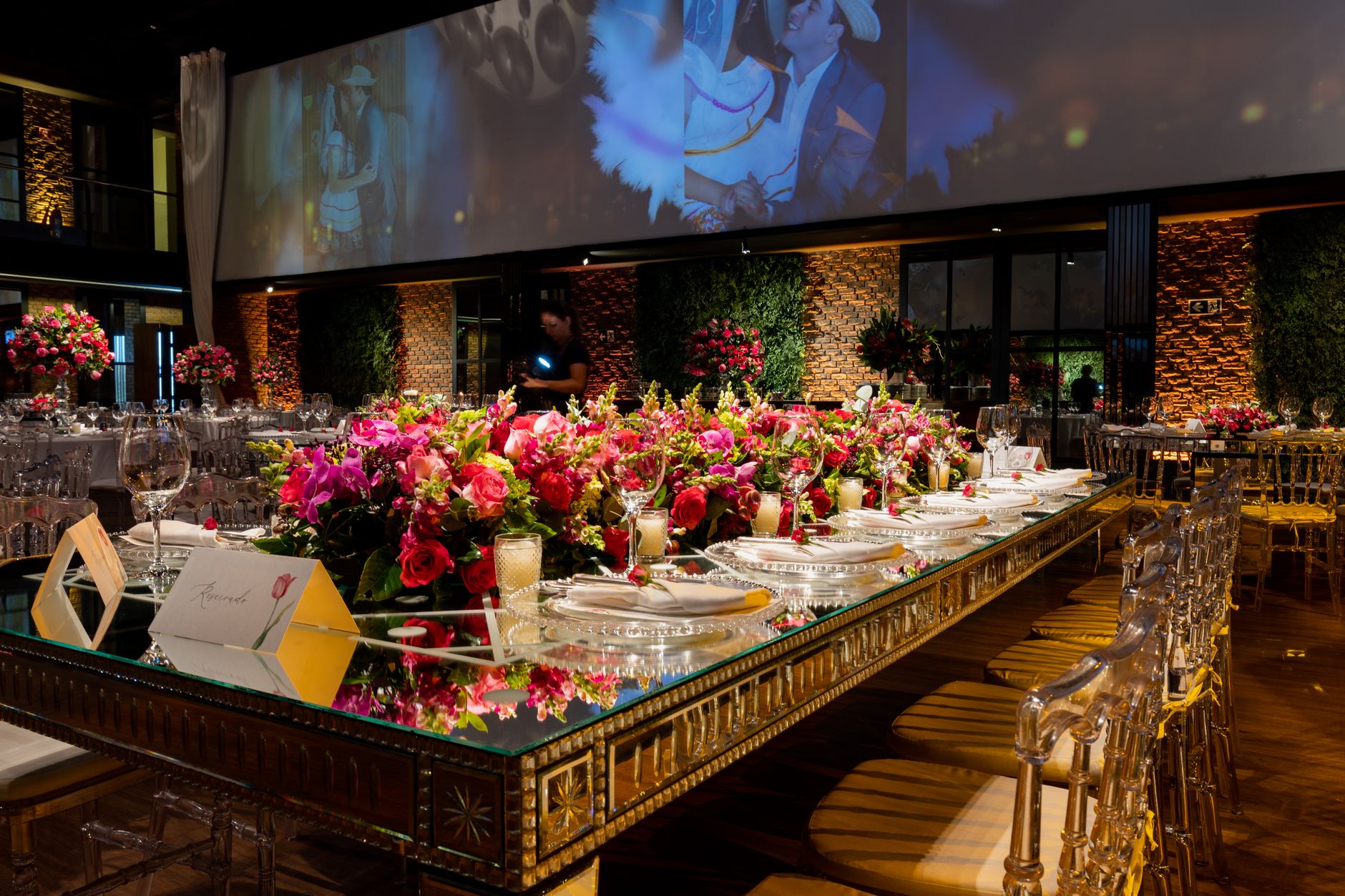
Certain venues film better than others. Lighting, architecture, and landscape variety determine how cinematic a wedding film will look. The venues below offer ideal conditions for luxury coverage.
Beverly Hills and Bel-Air Estates
Beverly Hills Hotel offers garden ceremony spaces and ballroom reception settings with classic Hollywood glamour. The pink stucco facade, banana-leaf wallpaper, and Polo Lounge interiors read instantly as Beverly Hills. Natural light filters through the property's banyan trees during afternoon ceremonies, creating dappled shadow patterns that add depth to wide shots.
Hotel Bel-Air provides canyon-adjacent gardens, a swan lake ceremony site, and Spanish-colonial architecture. The stone bridge over Swan Lake is the most frequently photographed ceremony backdrop in Los Angeles. Morning and late-afternoon light angle through the canyon, creating directional key light that flatters portrait coverage without additional lighting equipment.
Bel-Air Bay Club features an ocean-view ceremony terrace with eucalyptus trees that produce distinctive shadow patterns at golden hour. The eucalyptus grove at Bel-Air Bay Club produces dappled light between 4–6pm, creating natural depth and movement in ceremony coverage. Reception spaces open to the terrace, allowing seamless indoor-outdoor film transitions.
Malibu and Coastal Properties
Calamigos Ranch sits on 130 acres in Malibu with multiple ceremony locations: the oak grove, the vineyard, the redwood deck, and the lawn overlooking the Santa Monica Mountains. A full-day wedding film at Calamigos Ranch typically uses two primary locations — the oak grove for the ceremony and the barn or terrace for the reception — and the property's scale allows portrait coverage in six distinct landscape settings without leaving the venue.
Saddlerock Ranch offers mountain-view ceremony sites, vineyard backdrops, and a resident giraffe and zebra herd that appear in portrait sessions. The ranch's open terrain provides 360-degree mountain views, making drone footage particularly effective for establishing shots.
Terranea Resort in Rancho Palos Verdes delivers Pacific Ocean ceremony backdrops with cliff-edge terraces. Sunset ceremonies face west over the water, creating natural backlight and silhouette opportunities. The resort's Mediterranean architecture and manicured grounds provide editorial variety for portrait and detail coverage.
Orange County and San Diego Luxury Venues
Resort at Pelican Hill in Newport Beach features Palladian-inspired architecture, an Italian rotunda ceremony site, and Pacific Ocean views. The resort's hilltop position provides late-afternoon light that side-lights the rotunda columns, creating dimensional architectural coverage. LifeStory.Film has filmed luxury weddings at Resort at Pelican Hill, Calamigos Ranch, and Hotel Bel-Air, developing venue-specific lighting and coverage strategies from repeated on-site production.
Montage Laguna Beach offers tiered terrace ceremony sites with ocean backdrops and Craftsman-inspired interiors. The property's elevation change allows varied camera angles — shooting up toward the couple with the ocean behind them, or shooting down from the terrace level during the processional.
Rancho Valencia in Rancho Santa Fe provides a 45-acre estate with eucalyptus groves, hacienda-style courtyards, and Spanish-colonial architecture. The property's scale and privacy make it a preferred venue for editorial black-tie weddings with 100–150 guests.
How to Choose a Luxury Wedding Filmmaker in LA
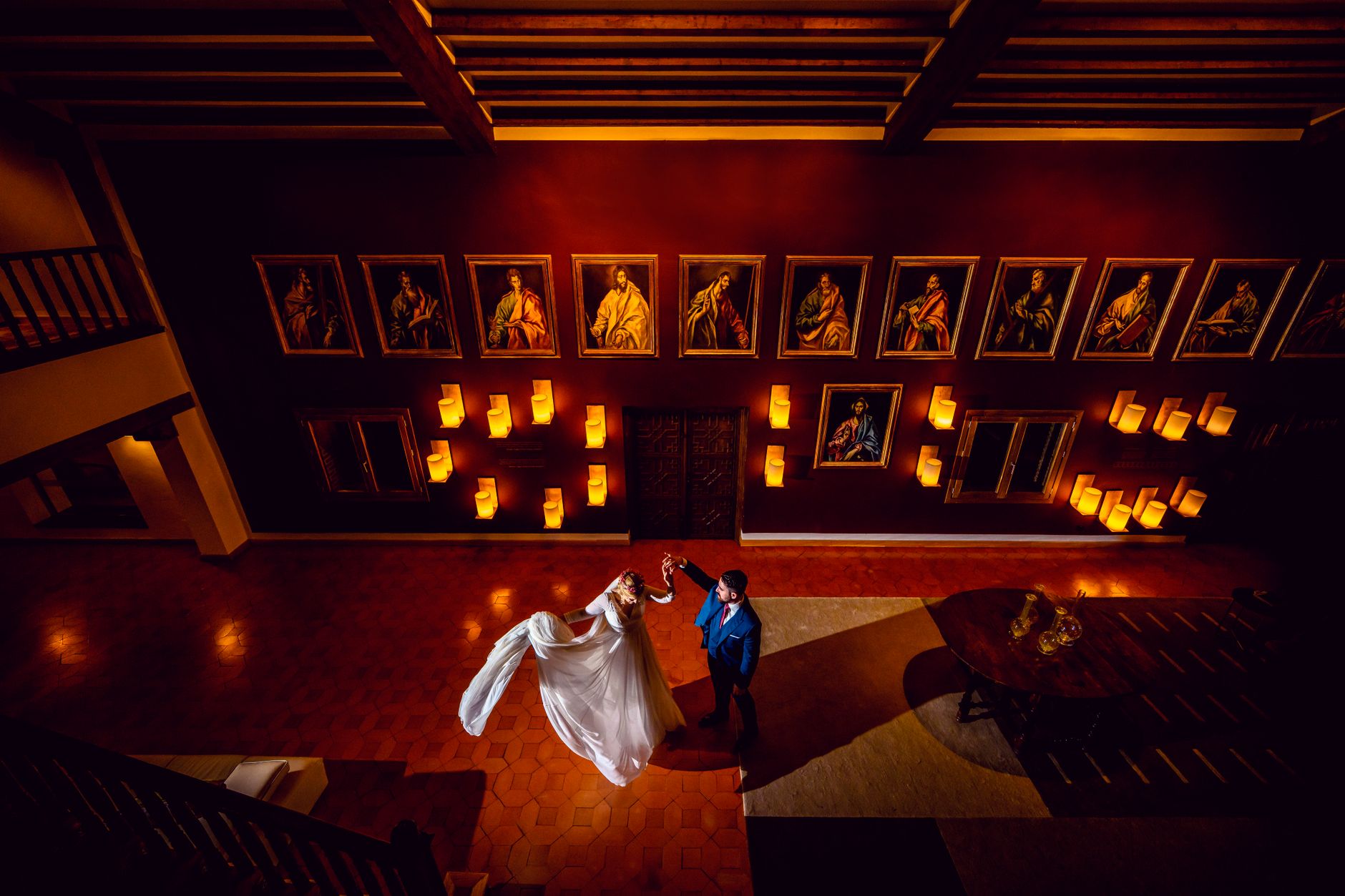
Evaluating portfolio work is the first step, but portfolio alone does not predict delivery quality. Follow this checklist to assess Los Angeles luxury wedding filmmakers.
1. Review full wedding films, not just highlight reels. A 3-minute highlight reel shows only the best 180 seconds from a 10-hour day. Request access to full 10–15 minute films to assess pacing, audio quality, and storytelling coherence. Watch for jarring cuts, inconsistent color grading, or poorly mixed audio — all signs of rushed post-production.
2. Confirm the filmmaker has shot at your specific venue. Lighting and spatial knowledge dramatically affect cinematic quality. A filmmaker who has covered 20 weddings at Hotel Bel-Air knows where the canyon light angles at 4pm, where to position for the swan-lake ceremony without guest-view obstruction, and which reception spaces require additional lighting. Ask to see work from your venue or a similar property type (estate vs hotel ballroom vs coastal terrace).
3. Ask whether the lead cinematographer will be present at your wedding. Some studios delegate coverage to associate shooters. Verify who will be on-site and review their specific portfolio work. Contract language should specify the lead cinematographer by name.
4. Verify deliverable timeline and revision policy. Typical luxury post-production is 12–16 weeks. Studios offering 6-week turnaround may be cutting post-production corners. Ask how many rounds of revisions are included and what constitutes a "revision" (music change vs re-edit vs color-grade adjustment).
5. Request references from wedding planners. Planners who work repeatedly with a filmmaker indicate consistent professionalism, timeline adherence, and delivery quality. Ask your planner which film studios they trust for luxury coverage, then cross-reference those names with your own research.
6. Ensure the contract specifies camera equipment, number of cinematographers, hours of coverage, and exact deliverable formats. Ambiguous contract language ("up to 10 hours of coverage" vs "10 hours of coverage") creates disputes. Confirm whether travel time, setup, and breakdown count toward coverage hours.
LifeStory.Film has filmed luxury weddings at Calamigos Ranch, Hummingbird Nest Ranch, Ojai Valley Inn, and Montage Laguna Beach, with venue-specific coverage strategies developed from repeated production at each property.
Luxury Wedding Film Package Pricing in Los Angeles
Luxury wedding film packages in Los Angeles range $5,000–$15,000+ for full-day coverage. The average booked luxury wedding film package in Los Angeles is $8,200 for 10–12 hours of coverage with two cinematographers and full deliverable suite including highlight, ceremony, and reception edits.
Entry Luxury Packages ($5,000–$7,500)
Entry packages typically include:
- 8–10 hours of coverage
- One cinematographer
- Highlight film (8–12 minutes)
- Full ceremony edit
- Digital delivery (4K files)
This tier works for intimate weddings with 50–100 guests at a single location where one cinematographer can cover ceremony and reception without missing key moments.
Premium Packages ($10,000–$15,000+)
Premium packages add:
- 10–12 hours of coverage
- Two to three cinematographers
- Full reception edit (toasts, dances, exit)
- Same-day edit screening during cocktail hour
- Drone coverage (ceremony venue aerial, portrait location aerials)
- Raw footage delivery (all captured footage provided on hard drive)
- Expedited delivery (8–10 weeks instead of standard 12–16)
This tier is standard for luxury weddings with 150+ guests at estates or resorts where simultaneous coverage of multiple spaces (getting-ready suites, ceremony, cocktail hour, reception) requires a larger crew.
LifeStory.Film Package Structure
LifeStory.Film packages start at $2,499, with dual-cinematographer coverage available for full-day weddings; see Packages & Pricing for current collections. All packages include:
- Full ceremony coverage with multi-camera angles
- Highlight film with cinematic pacing and licensed music
- Color grading and sound design
- 4K digital delivery
- Online gallery for family sharing
Photo + video combined packages offer better value than booking separately, with coordinated coverage timelines and shared logistics reducing overall cost.
Destination and Multi-Day Coverage
Destination travel to Napa Valley, Carmel, Big Sur, or international locations adds travel days, accommodation, and logistics coordination to base package pricing. Destination wedding film packages typically add $1,500–$3,000 for West Coast travel and $3,000–$6,000 for international destinations including Italy, France, and Japan.
Multi-day coverage (rehearsal dinner, welcome party, day-after brunch) is priced at 50–60% of the primary wedding day rate per additional day. A rehearsal dinner at San Ysidro Ranch followed by a wedding at the same venue would add approximately $3,000–$5,000 to a $10,000 wedding package.
Production Process and Timeline
Luxury wedding film production follows a structured timeline from booking through final delivery. Understanding each phase helps couples coordinate with planners, photographers, and venue staff.
Pre-Wedding Consultation (4–6 Weeks Before)
The pre-wedding consultation establishes timeline, priority moments, family dynamics, and coordination with the photographer and planner. This meeting typically occurs via video call and covers:
- Timeline review: ceremony start time, cocktail hour location, reception entrance, first dance, parent dances, toasts, cake cutting, bouquet toss, exit
- Priority moments: which family members to capture during the processional, whether the couple wants a first look, which toasts to prioritize if reception runs long
- Audio requirements: wireless lavalier setup for the couple and officiant, audio feed from the DJ for toasts and dances
- Coordination notes: photographer's shot list, planner's timeline, venue restrictions (no drones, no ceremony aisle walking, noise curfews)
Day-Of Coverage
Day-of coverage begins with getting-ready scenes — typically 2–3 hours before the ceremony — and extends through the reception exit or last dance. A typical 10-hour luxury wedding film timeline looks like this:
- Hour 1–2: Getting-ready coverage in separate suites (bride and groom). Detail shots of dress, rings, invitations, shoes. Candid moments with family and bridal party.
- Hour 3: First look (if scheduled) or pre-ceremony portraits. Establishing shots of the venue and ceremony setup.
- Hour 4: Ceremony coverage with two to three camera angles (wide on the couple, close on faces, reaction shots of family).
- Hour 5–6: Family formal portraits (coordinated with photographer), couple portraits at golden hour, cocktail hour B-roll.
- Hour 7–8: Reception coverage including grand entrance, first dance, parent dances, toasts.
- Hour 9–10: Open dancing, cake cutting, bouquet toss, exit.
Professional luxury crews coordinate with venue staff, the wedding planner, the photographer, and the DJ to ensure audio capture, lighting setup, and movement paths don't conflict. The videographer and photographer establish who covers which side of the aisle during the ceremony, who leads during couple portraits, and who captures the cake cutting from which angle.
Post-Production and Delivery (12–16 Weeks)
Post-production for luxury wedding films includes:
- Footage review and logging (week 1): All captured footage is reviewed, best takes are marked, and a rough story structure is developed.
- Rough cut assembly (weeks 2–4): Selected clips are arranged into the highlight film, ceremony edit, and reception edit without color grading or final audio.
- Color grading (weeks 5–8): Frame-by-frame color correction to match skin tones, balance exposure, and create a consistent cinematic look across all footage.
- Sound design and audio mixing (weeks 9–10): Dialogue is cleaned and balanced, music cues are placed and mixed, ambient sound is layered for depth.
- Final export and delivery (weeks 11–12): Films are exported in multiple formats (4K master, web-optimized, mobile), uploaded to online gallery, and delivered via digital download or USB drive.
LifeStory.Film captures weddings in 4K–6K resolution and delivers color-graded 4K final films with layered audio mixing, requiring 40–60 hours of post-production per event. Expedited delivery (8–10 weeks) is available for an additional fee, requiring dedicated post-production scheduling.
Coordinating Luxury Film with Photography and Planning
Luxury wedding film works best when the videographer, photographer, and planner coordinate coverage and timeline in advance. Poor coordination results in conflicting coverage (videographer and photographer both wanting the same side of the aisle), missed moments (no one capturing the cake cutting because each assumed the other had it), and timeline delays (portrait sessions running long because no one tracked time).
Timeline coordination happens during the pre-wedding consultation. The planner shares the master timeline. The photographer and videographer confirm their coverage hours overlap for key moments (ceremony, first look, couple portraits, first dance, parent dances, cake cutting). If the photographer leaves before the exit, the videographer takes over sendoff coverage. If the videographer arrives after getting-ready coverage begins, the photographer captures early detail shots alone.
Movement and positioning are negotiated on the day. During the ceremony, one vendor takes the left aisle, the other takes the right. During the first look, the photographer shoots the initial reveal, the videographer captures it from a wider angle and continues rolling as the photographer moves in for close portraits. During toasts, the videographer positions near the DJ to capture audio feed directly, while the photographer moves freely for reaction shots.
Lighting considerations matter when photo and video are booked together. Video requires continuous lighting; photo uses strobes. The videographer may request that the photographer avoid firing strobes during the first dance so video footage remains flicker-free. The photographer may request that the videographer's on-camera LED light be dimmed during detail flatlay shooting to avoid color contamination.
Mutual respect for coverage needs is the baseline. Neither vendor should obstruct the other's shot during unrepeatable moments — the first kiss, the vows, the parent dances. If both need the same angle, one shoots it first while the other waits, then they swap. This coordination happens silently through eye contact and positioning; experienced luxury vendors don't need verbal negotiation mid-ceremony.
Professional luxury wedding filmmakers coordinate with photographers and wedding planners to ensure seamless coverage without conflicting during key moments like ceremony and portraits. When evaluating a film studio, ask how they handle photo-video coordination and request planner references confirming smooth collaboration.
When to Book a Luxury Wedding Filmmaker in Los Angeles
Book 9–18 months in advance for peak season (May–October) weddings at popular Los Angeles venues. Beverly Hills Hotel, Hotel Bel-Air, Bel-Air Bay Club, Calamigos Ranch, and Ojai Valley Inn book out 12–18 months in advance, and preferred luxury vendors for those venues follow the same timeline.
Off-season and weekday dates (November–April, Sunday–Thursday) may be available with 6–9 months lead time. Destination couples planning Italy, France, or international weddings should book 12+ months out to allow for travel logistics and permit coordination.
Early booking provides better vendor selection and allows time for pre-wedding coverage. Couples who book 12+ months in advance often add an engagement film or save-the-date film to their package, creating a multi-film narrative arc from engagement through wedding day.
Late bookings (under 6 months) are possible but limit options. Most established luxury film studios are booked solid by April for the summer wedding season. Couples booking late should prioritize availability over style fit and be prepared for fewer package customization options.
Begin a conversation about your wedding at Beverly Hills Hotel, Bel-Air Bay Club, or Hotel Bel-Air — LifeStory.Film films across Southern California, Northern California, and worldwide destinations.