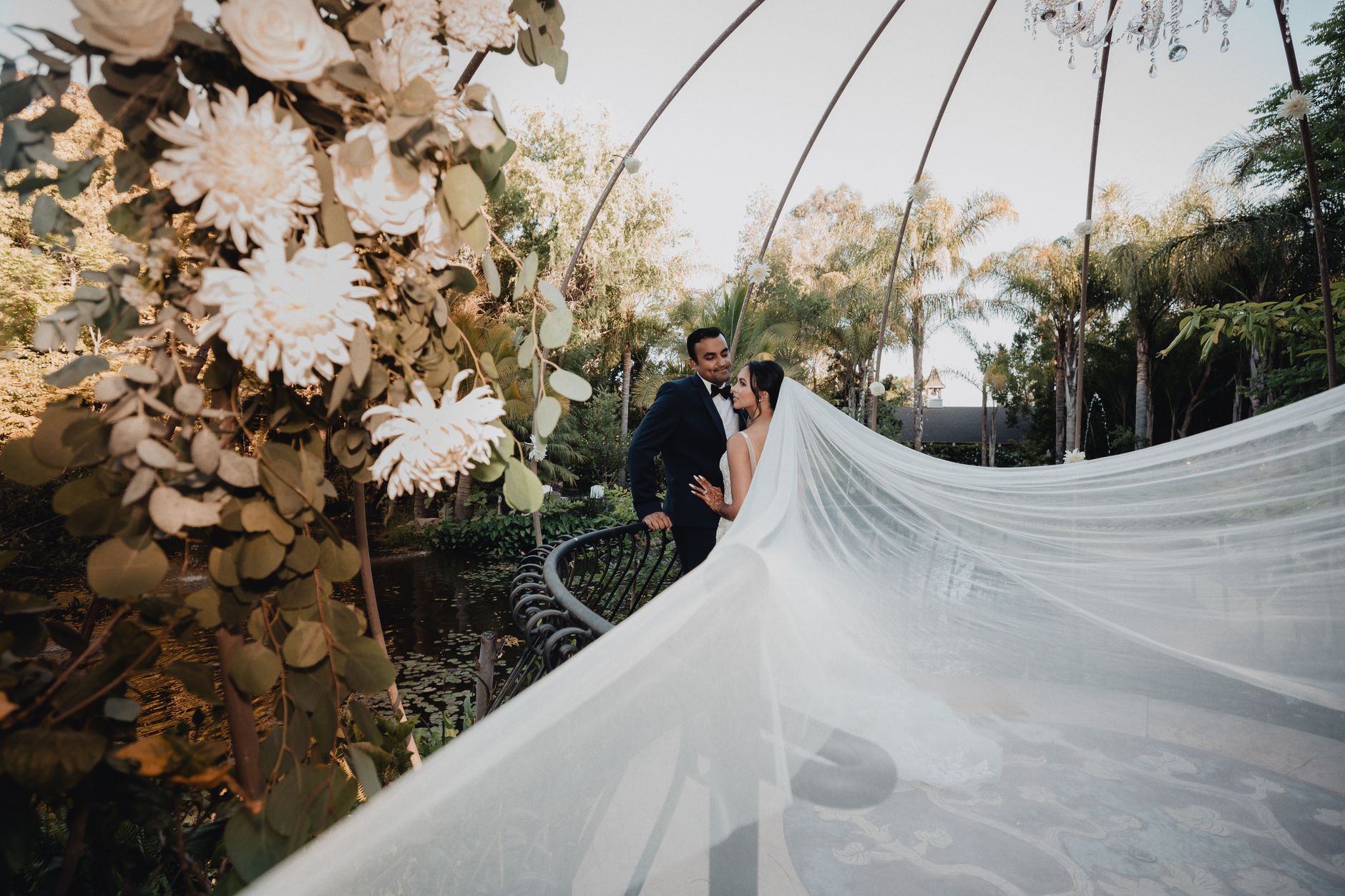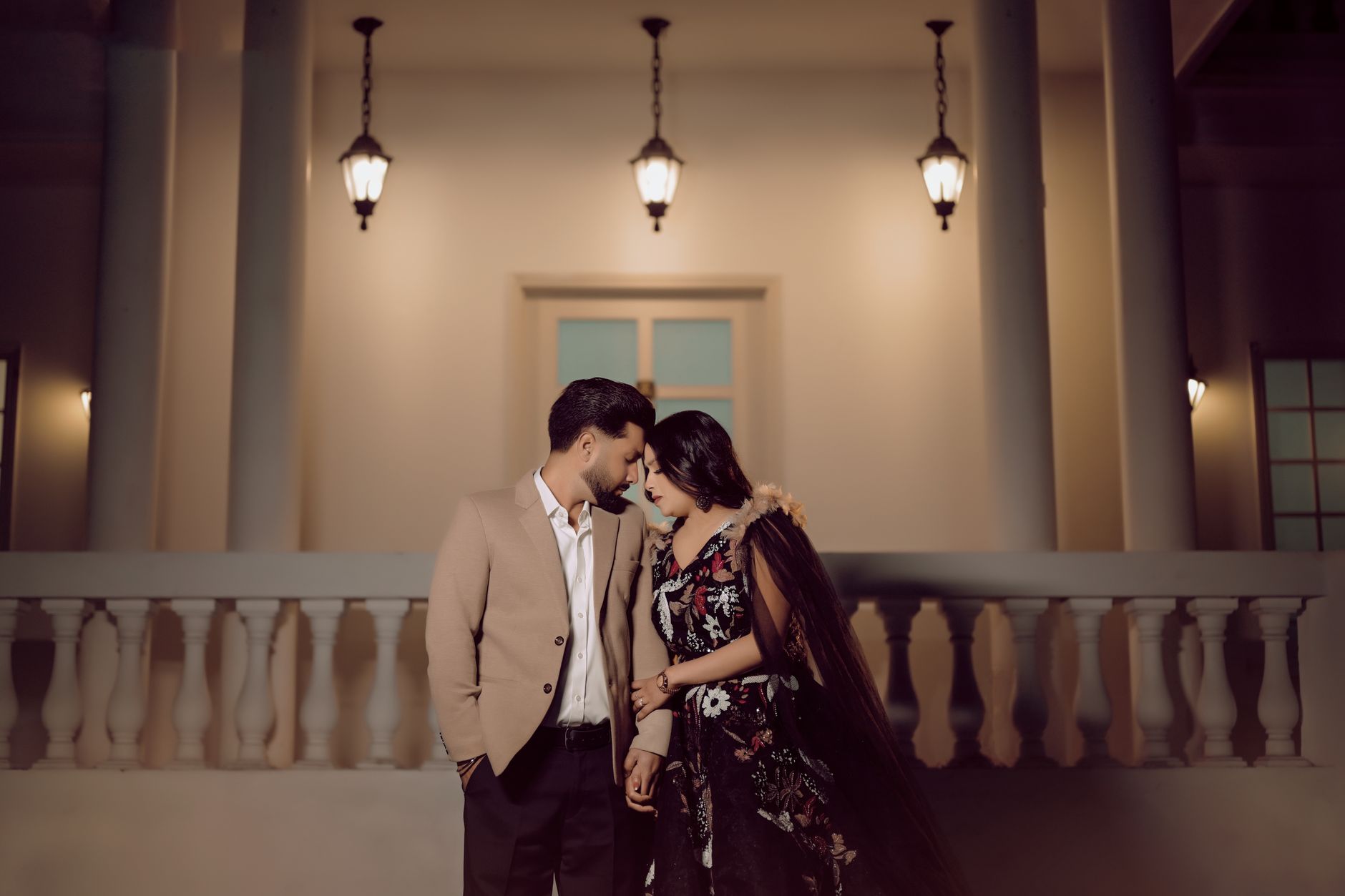
A wedding videographer in Orange County plans coverage around ocean terraces, resort architecture, and the coastal light that arrives between 4 and 6 PM. Resort at Pelican Hill, Montage Laguna Beach, and the cluster of Newport Coast properties each require different scene structures — cliffside ceremony at Montage, rotunda ceremony and lawn reception at Pelican Hill, beachfront vow exchange followed by ballroom dinner at smaller boutique venues. The videographer's pre-production walk-through identifies which terrace faces west, where the couple will stand during golden hour, and how far the crew needs to move between ceremony, cocktail hour, and reception when those three moments happen in separate wings of a 20-acre resort.
Why Orange County Weddings Film Differently Than Los Angeles Venues
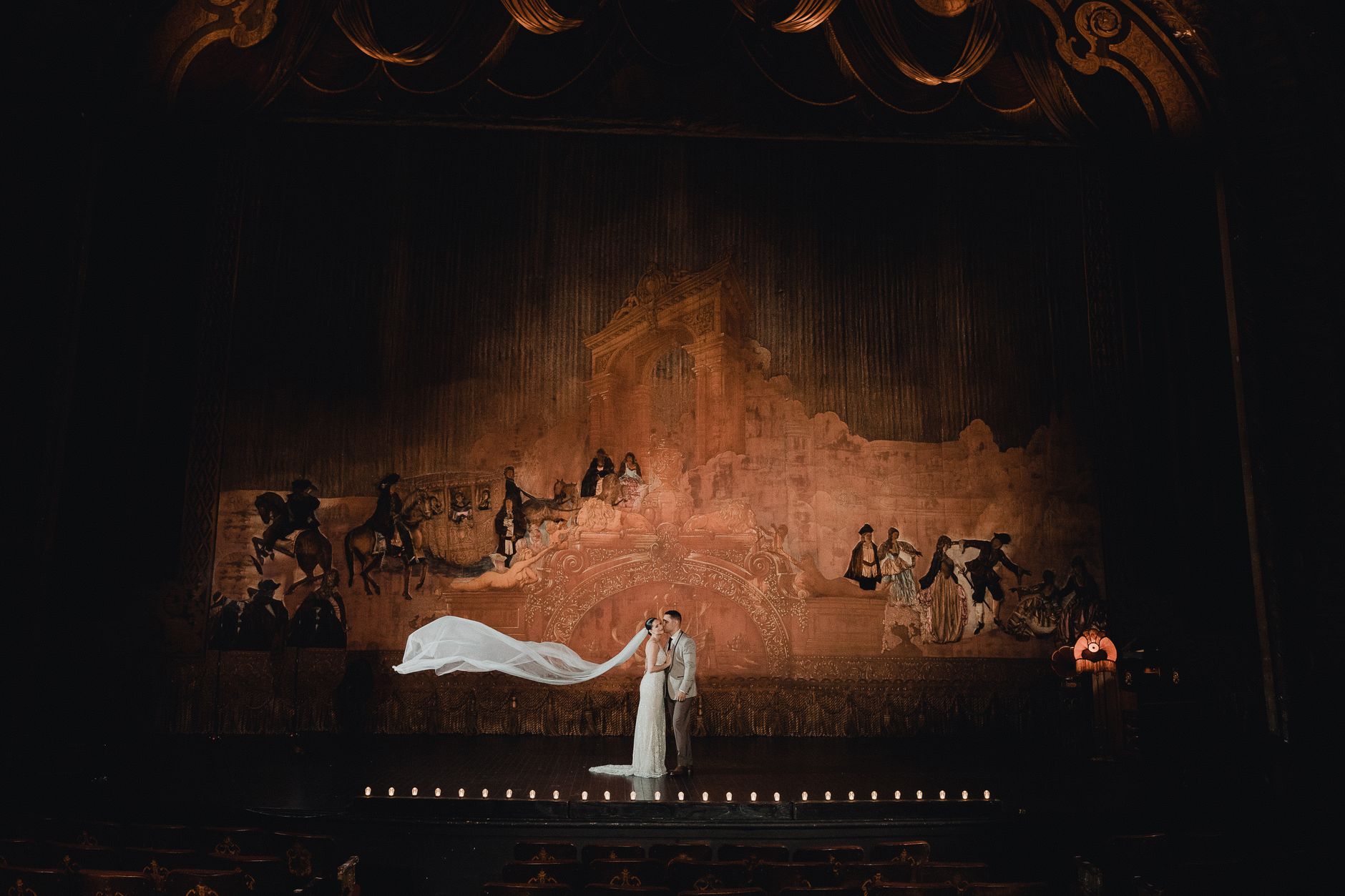
Photo by Lulan Studio on Pexels
Orange County resort weddings unfold across multiple outdoor scenes on a single property, while Los Angeles hotel weddings typically center on one garden or ballroom. At Resort at Pelican Hill, a full-day wedding film captures the rotunda ceremony at 4 PM, cocktail hour on the north lawn overlooking the Pacific at 5:30 PM, and reception under the colonnade at 7 PM — three distinct lighting environments requiring three separate audio and camera setups. A 2-shooter video team positions one operator at the ceremony altar for vows and a second operator on the lawn perimeter for processional-recessional wide shots, then both operators move to the cocktail lawn for the golden-hour portrait window before the reception begins.
Montage Laguna Beach adds vertical complexity — ceremony on the ocean-view terrace, cocktail hour in the mosaic courtyard one level down, reception in the ballroom two levels up. The videographer coordinates with the venue's event manager to unlock service-corridor access so the crew can move gear between floors without walking through guest traffic during cocktail hour. At Pelican Hill, the distance from rotunda to north lawn is a 4-minute walk; the crew carries a second audio recorder and wireless lav receiver so the officiant's ceremony mic pack can stay at the rotunda while the videographer picks up toasts on the cocktail lawn without a 15-minute breakdown.
Orange County Venue Coverage — Pelican Hill, Montage, and Coastal Resorts
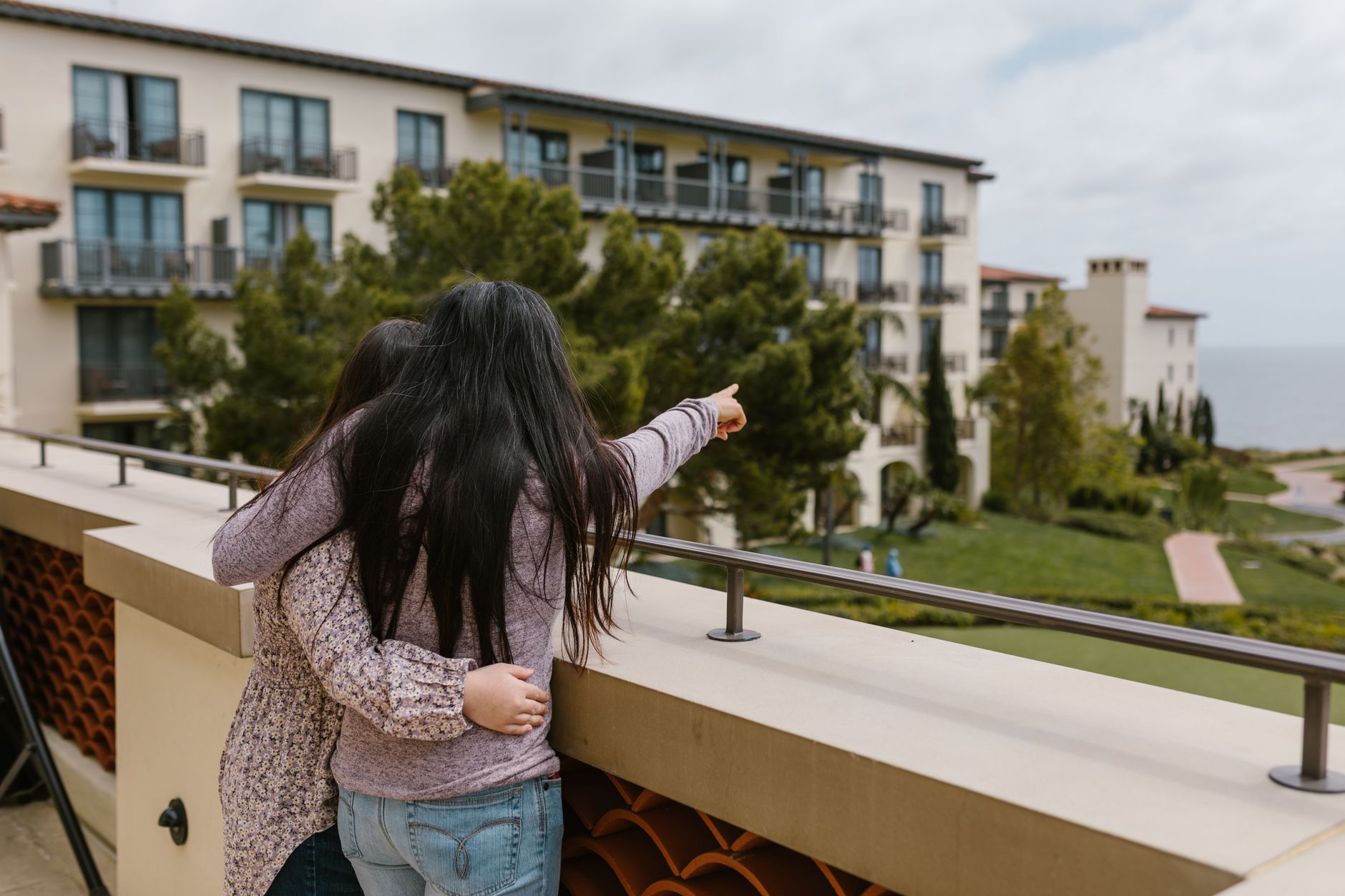
Photo by RDNE Stock project on Pexels
Resort at Pelican Hill weddings film in three acts. The rotunda ceremony offers 360-degree ocean and canyon views; the videographer places one locked-off camera on the interior walkway to capture the couple framed by the circular colonnade, and a second handheld camera on the lawn for processional movement and parent reactions. The north lawn cocktail hour happens during golden hour — this is the portrait window. Couples who want a cinematic first-look alternative schedule a private 10-minute moment on the north lawn at 5:45 PM, after the ceremony but before guests arrive for cocktails, and the videographer captures that as a standalone scene. The colonnade reception area offers string-light overhead coverage after dark; the crew switches from natural light to LED panel fill for toasts and first dance.
Montage Laguna Beach films vertically. Ceremony on the terrace at 4:30 PM in full sun — the videographer exposes for the couple's faces and lets the ocean sky blow out slightly, then recovers highlight detail in post. Cocktail hour in the mosaic courtyard at 6 PM under partial shade — this is where parent moments and candid guest interactions happen, and the documentary photographer and videographer work as a pair to avoid crossing each other's frames. Reception in the ballroom at 7:30 PM under chandelier lighting — the videographer uses a gimbal for sweeping room-entry shots as the couple is introduced, then switches to tripod for toasts and cake cutting. The mosaic bar becomes the after-party location around 10 PM, and couples who book 10-hour coverage capture that final outdoor dance scene under string lights.
Smaller Orange County venues — Rancho Las Lomas in Silverado, OCRG in San Juan Capistrano, private estates in Coto de Caza — offer single-location simplicity but require the videographer to bring supplemental lighting and audio redundancy because those properties lack the infrastructure of a Pelican Hill or Montage. A private-estate wedding film includes a site visit 2 weeks before the wedding to map power-outlet locations, test wireless-mic range across the property, and identify backup ceremony locations if the coastal wind makes outdoor audio unusable.
Documentary vs Cinematic Wedding Film for Orange County Couples
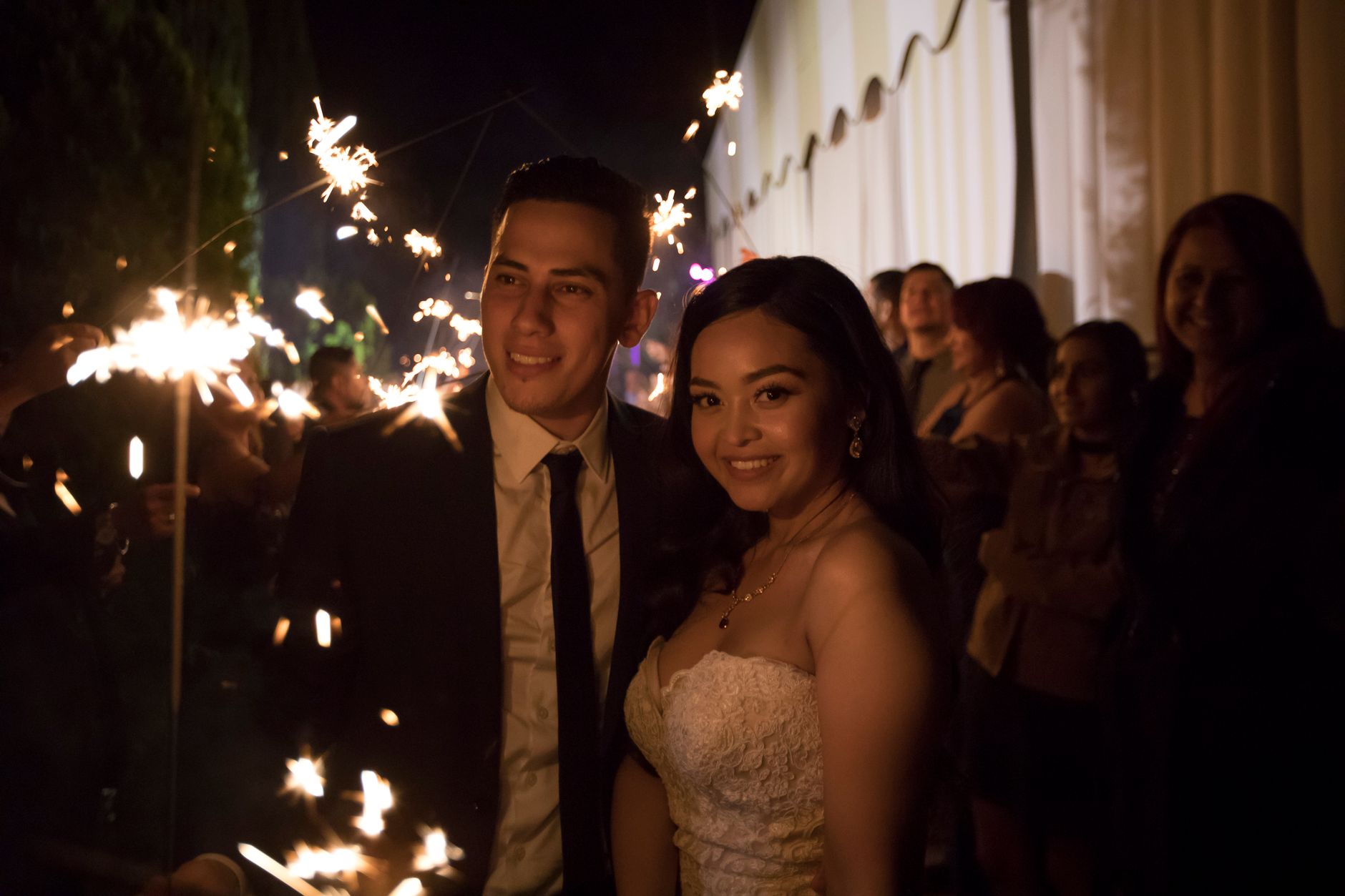
Photo by Stephen Leonardi on Pexels
Orange County couples book either a documentary wedding film (full-day chronological coverage with minimal editing) or a cinematic wedding film (stylized 8–12 minute highlight reel with music, color grading, and narrative arc). Documentary film runs 45–90 minutes and includes the full ceremony, all toasts, cake cutting, and first dance — delivered 10–12 weeks after the wedding. Cinematic film runs 8–12 minutes and focuses on 6–8 key emotional beats — first look, vows, parent reactions, golden-hour portrait moment, first dance — delivered 8–10 weeks after the wedding. Couples planning a Pelican Hill or Montage wedding with 150+ guests typically choose cinematic film because the highlight format plays better at anniversary screenings and shares more easily with family abroad. Couples planning an intimate 50-person wedding at a private estate lean toward documentary film because every toast and speech carries weight when the guest count is small.
A cinematic wedding film from Resort at Pelican Hill opens on an aerial drone shot of the rotunda at golden hour, cuts to the bride's hands adjusting her veil in the bridal suite, then moves to the ceremony vows as the narrative anchor. The videographer captures the father-daughter first look, the processional, the vow exchange, the recessional, and the golden-hour portrait moment as six separate scenes, then sequences them with a licensed music track that mirrors the couple's chosen reception entrance song. The final 90 seconds of the film focus on the first dance and the send-off, edited to match the tempo of the couple's chosen song. Total runtime: 10 minutes. The documentary version of the same wedding runs 60 minutes and includes every word spoken during the ceremony, every toast, and the full first dance without music overlay.
What to Expect from a Full-Day Orange County Wedding Film Package
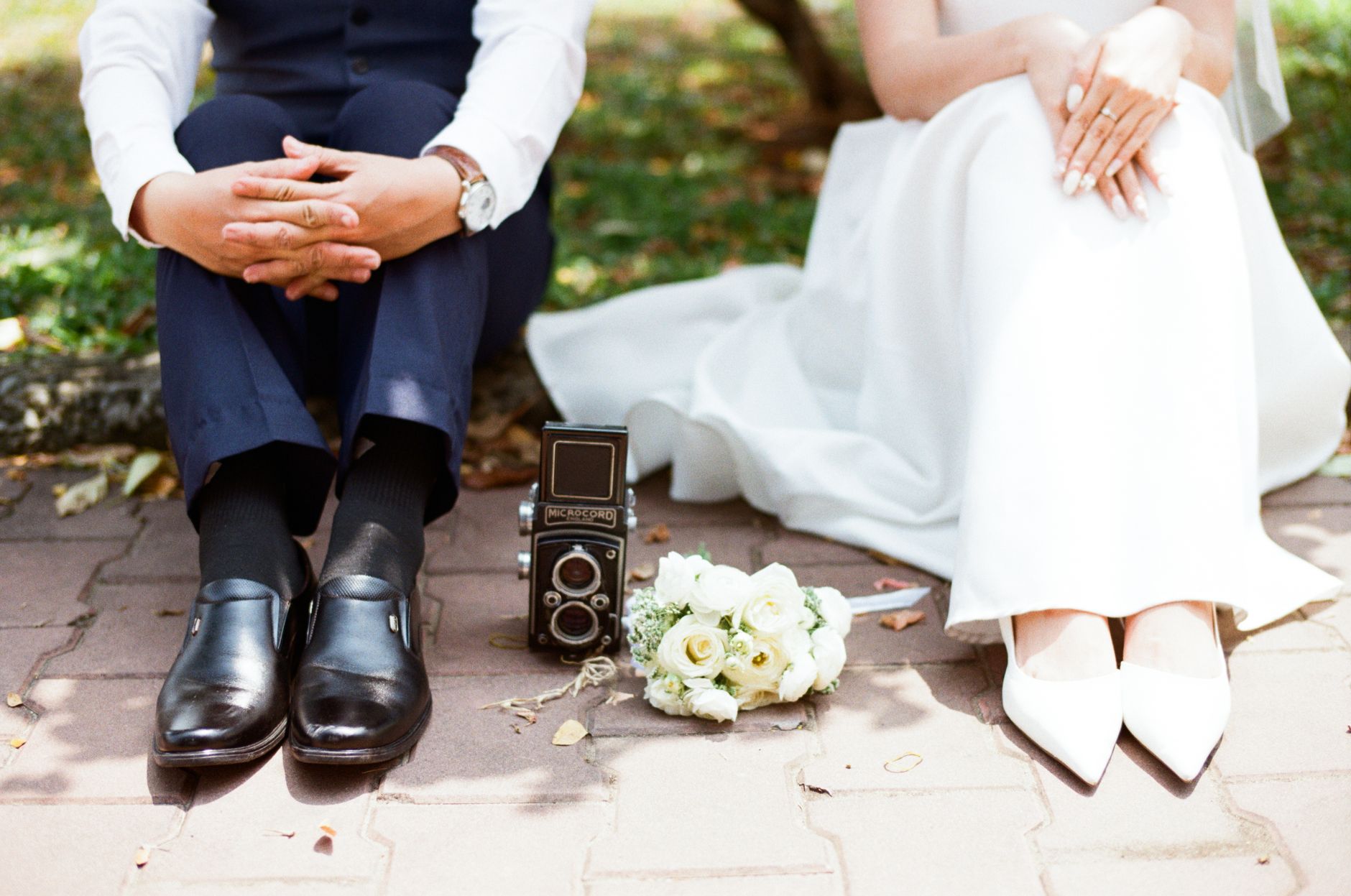
Photo by Nam Quân Nguyễn on Pexels
A full-day wedding film package in Orange County includes 10 hours of coverage with a 2-shooter video team, a wireless lav mic for the officiant and groom, a second lav for toasts, a gimbal for movement shots, and a drone for 2–3 aerial establishing shots (subject to venue and FAA approval). Coverage begins when the bride starts hair and makeup — typically 1 PM for a 4 PM ceremony — and ends after the send-off or last dance, typically 11 PM. The videographer delivers a cinematic highlight reel (8–12 minutes), full ceremony edit (20–30 minutes), and toast reel (10–15 minutes) as three separate files. Couples who want the documentary full-day edit (60–90 minutes chronological) add that as an optional deliverable; about 40% of Orange County couples choose it.
The 2-shooter structure means one videographer focuses on the couple and key family moments while the second videographer captures guest reactions, detail shots (rings, bouquet, table settings), and wide establishing shots of each scene. During the ceremony, shooter one operates handheld from the aisle for close vow coverage, and shooter two operates a locked-off camera from the back of the venue for processional and recessional. During toasts, shooter one captures the speaker, shooter two captures the couple's reaction. This parallel coverage ensures the editor has multiple angles for every key moment, which is essential for a cinematic edit that cuts between perspectives without jump cuts.
Turnaround is 8–12 weeks from the wedding date. The couple receives a private Vimeo link for the highlight reel and ceremony edit, plus downloadable MP4 files for family sharing. Raw footage is archived for 2 years but not delivered to the couple — the edited films are the final deliverable. Couples who want raw footage for their own archive can request it as an add-on; fewer than 10% do.
How Orange County Videographers Handle Multi-Venue and Destination Weddings
About 20% of Orange County weddings include a second location — rehearsal dinner in Newport Beach the night before, welcome party at the couple's private residence, or a next-day brunch at the resort. Couples who want multi-day film coverage book a 2-day package that includes 6 hours of coverage on day one (rehearsal dinner and welcome event) and 10 hours on day two (wedding day). The videographer delivers a combined 12–15 minute film that weaves both days into a single narrative, plus separate ceremony and toast reels. The most common multi-day format: Friday evening rehearsal dinner at a Newport beachfront restaurant, Saturday afternoon wedding at Resort at Pelican Hill, Sunday morning brunch at the couple's home in Crystal Cove. The videographer captures the rehearsal toasts on Friday, the full wedding on Saturday, and the final family goodbye moment on Sunday morning, then edits all three into a weekend narrative.
Destination weddings to Orange County — couples traveling from Northern California, the Pacific Northwest, or the East Coast for a Laguna Beach or Pelican Hill wedding — follow the same coverage structure as local weddings, but the videographer builds in an extra buffer day for site visits and vendor coordination. A couple flying in from San Francisco for a Montage Laguna Beach wedding typically schedules a venue walk-through with the videographer, photographer, and planner 2 days before the wedding to confirm timeline, lighting, and backup plans. That walk-through is not billed as coverage time but is included in the package's travel-day logistics.
Coordinating Photo and Video Coverage at Orange County Resort Weddings
Orange County couples booking both photography and videography choose between hiring a single company that provides both (the photo + video combined package approach) or hiring separate vendors. A combined package from one team ensures the photographer and videographer coordinate positions during the ceremony, toasts, and first dance so neither blocks the other's frame. At Resort at Pelican Hill, the photographer stands to the left of the rotunda aisle during the processional, and the videographer stands to the right, so both capture the bride's approach without crossing paths. During toasts, the photographer shoots from the dance floor, the videographer from the edge of the reception space, ensuring clean audio pickup and unobstructed sightlines.
Separate vendors require a pre-wedding coordination call 1 week before the event. The photographer and videographer share their shot lists, agree on who captures which angles during key moments, and confirm that only the videographer will use the wireless lav mic on the officiant (photographers do not need ceremony audio). Most Orange County wedding planners facilitate this call as part of their timeline-building process. Venues like Montage Laguna Beach and Resort at Pelican Hill limit vendor access to certain areas during cocktail hour and reception setup, so the planner's timeline specifies when the photo team has exclusive portrait time and when the video team can capture B-roll of the venue details.
The couple receives the wedding film 8–12 weeks after the event and the full photo gallery 6–8 weeks after the event. If the photographer and videographer are from the same company, the couple often receives a teaser edit (2-minute film with 8–10 photos) within 2 weeks, which serves as a thank-you-card preview and social-media announcement piece.
Orange County Wedding Film Pricing and Package Structure
Orange County wedding videography packages start at $3,959 for 6 hours of coverage with a single shooter, ceremony edit, and toast reel. The most commonly booked package is $7,500–$9,000 for 10 hours with a 2-shooter team, cinematic highlight reel, full ceremony edit, toast reel, and drone coverage. Couples adding the photo + video combined package pay $10,000–$14,000 for both, with a single team managing all visual coverage. Packages above $10,000 typically include multi-day coverage (rehearsal dinner or next-day brunch), a documentary full-day edit, or raw-footage delivery.
Travel within Orange County — Newport Beach, Laguna Beach, Irvine, Dana Point, San Clemente — is included in all packages. Weddings outside Orange County incur a travel fee: $300 for Los Angeles County, $500 for San Diego or Santa Barbara, $1,200+ for Northern California or destination weddings. Couples planning a Montage Laguna Beach wedding but living in Los Angeles will not pay a travel fee because the venue is within the primary service area.
Choosing an Orange County Wedding Videographer — What to Ask Before Booking
The first question: does the videographer's portfolio include films from the couple's chosen venue? A videographer who has shot 10 weddings at Resort at Pelican Hill knows the rotunda's acoustic properties, the exact golden-hour window on the north lawn, and which service corridors allow quick transitions between ceremony and reception. A videographer shooting Pelican Hill for the first time will deliver professional work but may miss micro-opportunities — the reflection of the rotunda in the koi pond at 5:30 PM, the way the colonnade columns frame the couple during their first dance, the 8-minute window when the setting sun lights the ocean-view terrace before dropping below the marine layer.
The second question: how many shooters will be on-site, and what is each shooter's role? A 2-shooter team provides the parallax necessary for a cinematic edit. A single shooter captures one perspective, which limits the editor's ability to cut between angles during vows, toasts, and first dance. Couples booking a Montage Laguna Beach wedding with 150+ guests should expect 2 shooters. Couples booking an intimate 40-person private-estate wedding can choose 1 shooter and still receive a complete film, because the smaller guest count and single-location setup reduce the number of simultaneous moments that need coverage.
The third question: what is included in the deliverables, and what costs extra? Some videographers deliver only a highlight reel; the full ceremony and toast edits cost extra. Others include all three in the base package. Clarify whether drone coverage, raw footage, and the documentary full-day edit are included or optional. At minimum, the package should include the cinematic highlight reel and the full ceremony edit — those are the two pieces couples watch most often in the first year after the wedding.
The fourth question: what is the turnaround time, and what happens if the videographer misses the deadline? Standard turnaround is 8–12 weeks. Videographers who promise 4-week delivery often outsource editing to third-party studios, which can result in a film that does not match the videographer's portfolio style. A 10–12 week timeline allows the videographer to edit in-house and deliver a film that matches the couple's vision. Ask whether the couple will receive a draft for feedback before the final delivery; about half of Orange County videographers include one round of revision notes in their package.
Timeline Considerations for Orange County Coastal Weddings
Orange County coastal weddings are subject to the marine layer — the fog bank that sits offshore and burns off between 11 AM and 2 PM in spring and early summer. A 4 PM ceremony at Montage Laguna Beach in June will have clear skies and full sun. A 4 PM ceremony in May might have partial haze. The videographer exposes for the couple's faces and corrects color temperature in post, but the haze softens contrast and reduces the sharpness of wide establishing shots. Couples who want the crisp, high-contrast look seen in September and October weddings should plan a late-summer or fall date. Couples who prefer the soft, diffused aesthetic of a marine-layer ceremony should plan for May or June and trust the videographer to expose and grade for that condition.
Golden hour on the Orange County coast happens between 5 PM and 6:30 PM in summer, and between 4 PM and 5:30 PM in winter. A videographer scheduling a 4 PM ceremony in July will have 60–75 minutes of post-ceremony golden-hour light for portraits and cocktail-hour coverage. A videographer scheduling a 4 PM ceremony in December will have 30–45 minutes. The couple's timeline should allocate 20–30 minutes immediately after the ceremony for portrait coverage if they want that golden-hour aesthetic in the final film. Venues like Resort at Pelican Hill and Montage Laguna Beach build this window into their standard timelines, but private estates and smaller venues require the couple and planner to proactively reserve it.
Why Orange County Couples Book Video and Photo Together
About 60% of Orange County couples booking wedding videography also book photography from the same vendor. A combined package ensures the photo and video teams work as a single unit — shared timeline, shared shot list, coordinated positioning during ceremony and toasts. The photographer captures still emotion (the parent's face during the processional, the couple's hands during the vows), and the videographer captures movement and sound (the bride's voice breaking during her vows, the father's toast, the first dance). When both teams are from the same company, the couple receives a unified visual archive that feels like a single creative vision rather than two separate perspectives stitched together.
The logistical advantage: one point of contact, one contract, one invoice, one set of deliverables. The creative advantage: the photographer and videographer have worked together on 50+ weddings and instinctively know how to share a scene without stepping into each other's frame. At Montage Laguna Beach, the photographer shoots the ceremony from the left side of the aisle, the videographer from the right. During toasts, the photographer captures the speaker's expression, the videographer captures the audio and the couple's reaction. During the first dance, the photographer shoots stills from the perimeter of the dance floor, the videographer operates the gimbal from the center, and neither interferes with the other's work.
The combined package typically costs 15–20% less than booking photo and video separately. A couple booking $6,000 in photography and $7,500 in videography from separate vendors would pay $13,500 total. The same couple booking a combined package pays $10,500–$12,000, because the vendor eliminates duplicate travel time, coordination overhead, and redundant admin. The savings scale with the size of the wedding — a 200-person Pelican Hill wedding saves more than a 60-person private-estate wedding, because the coordination complexity increases with guest count and venue footprint.