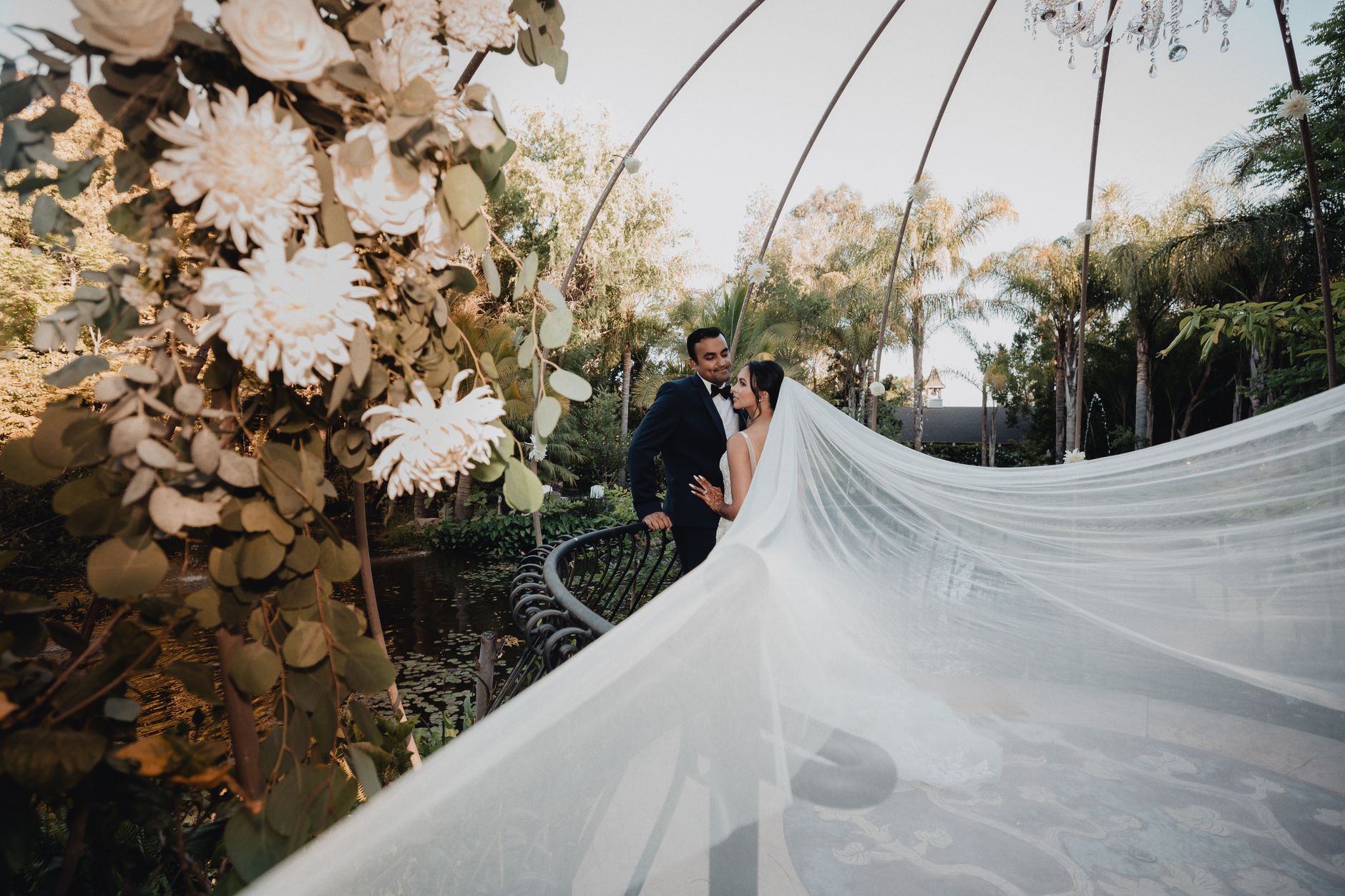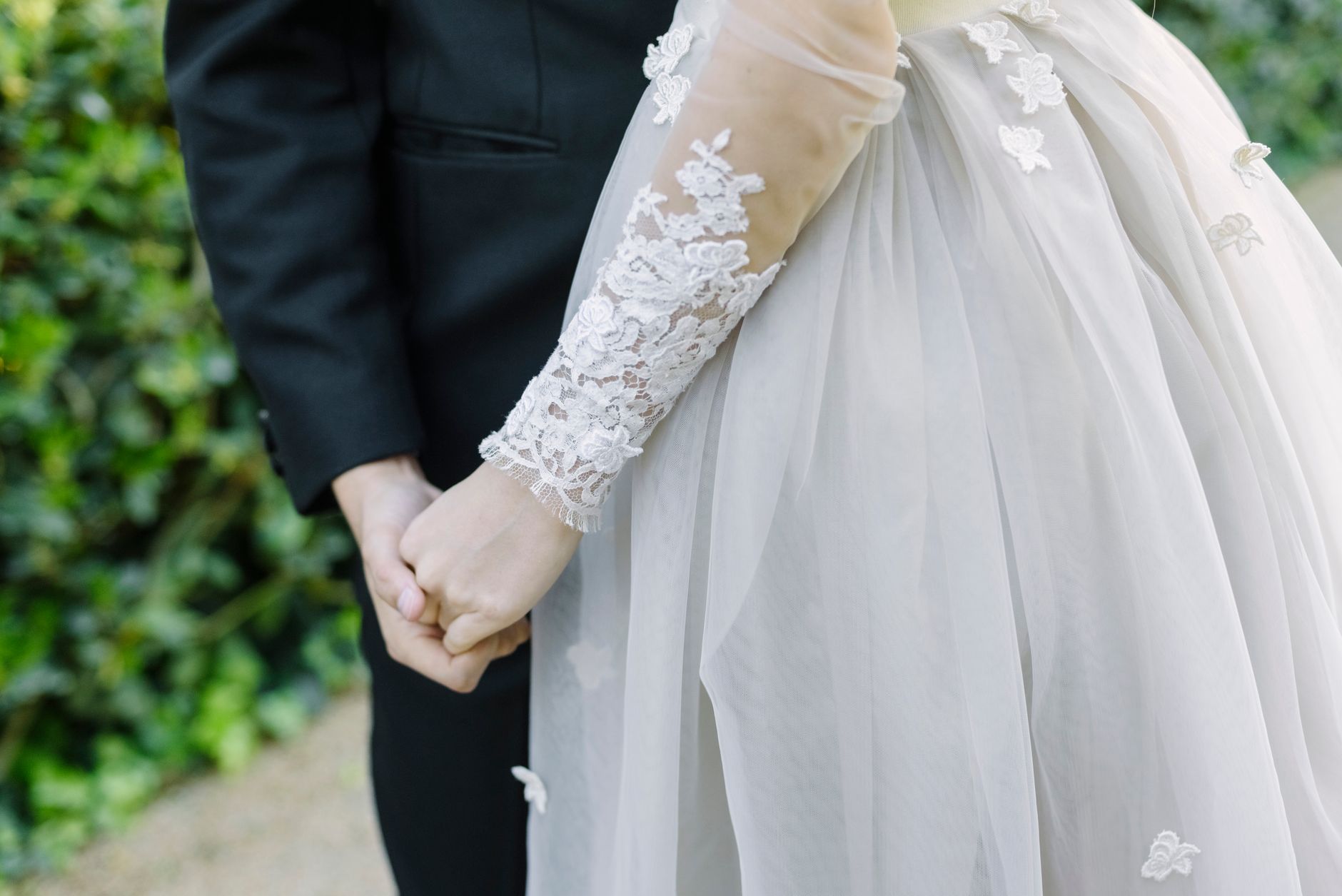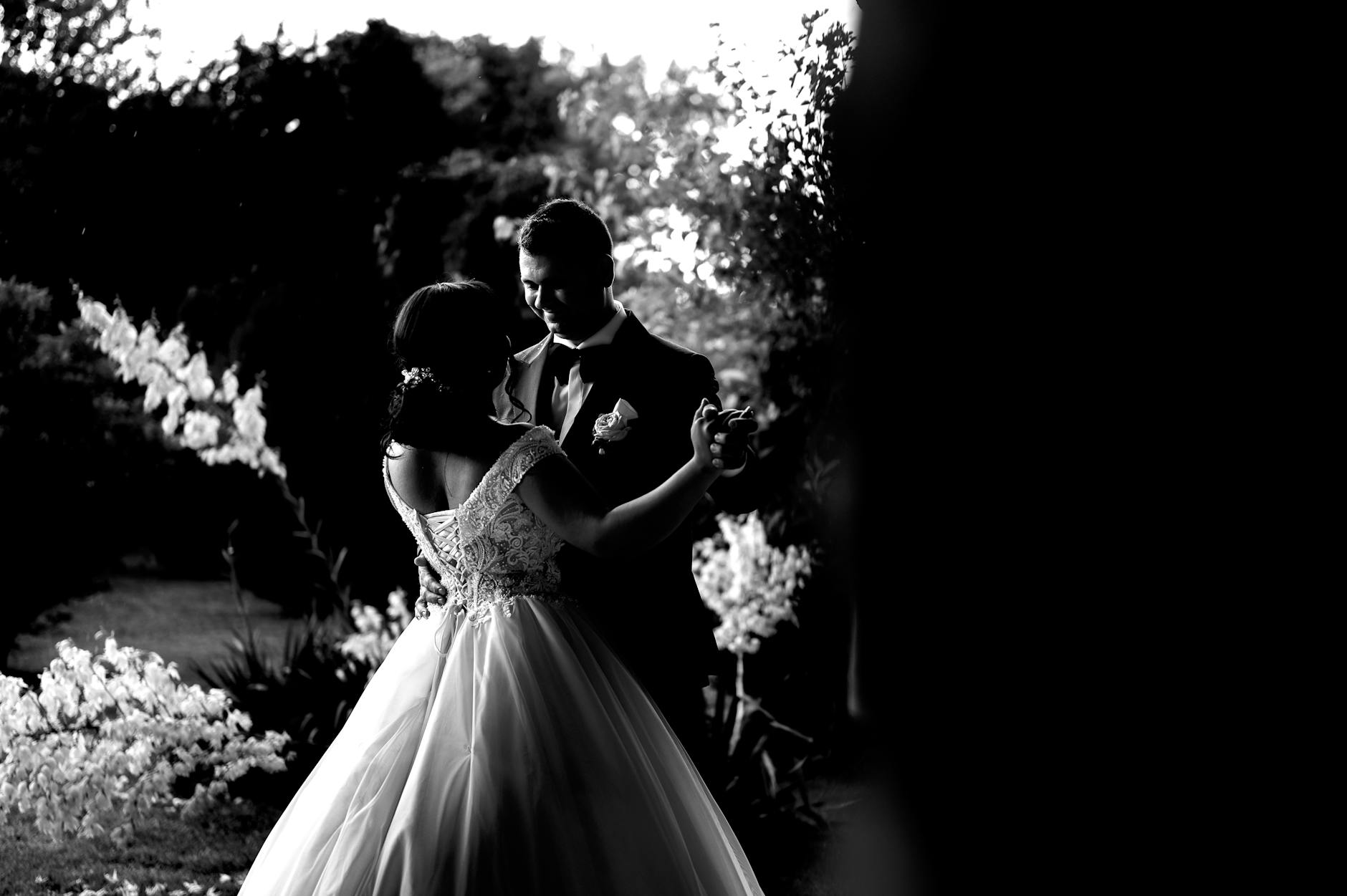
A wedding film in Napa Valley requires planning around two lighting windows — the vineyard ceremony in late-afternoon sun and the estate terrace reception after the vines fall into shadow — which means the videographer's shot list and coverage timeline need to be locked before the first toast. We shoot wine-country weddings with a 2-shooter video team, typically 10 hours of coverage, delivering the full ceremony edit and a 6-to-8-minute highlight reel 10 to 12 weeks after the wedding date.
Why Wine-Country Weddings Film Differently Than Urban Ballrooms
Napa Valley estates present three cinematographic advantages that urban hotel weddings cannot replicate: open sky, terraced elevation, and vineyard geometry. Auberge du Soleil sits 400 feet above the valley floor, which gives the ceremony terrace a long sightline southwest over the vines — the kind of depth that renders beautifully on a 35mm lens at f/2.8 but collapses into flatness under the shorter throw of a hotel courtyard. Meadowood's grove ceremonies happen under a live-oak canopy that filters direct sun into soft green-gold between 4 and 6 PM, the same quality of light a gaffer would spend two hours building with diffusion frames and 4x4 silks on a commercial set. Calistoga Ranch offers stone courtyards and oak-shaded lawns where the couple can take portraits without competing with other events — a luxury impossible at multi-ballroom hotels where three weddings share the same lobby entrance.
Wine-country light moves faster than coastal light. The sun drops behind the Mayacamas range by 6:30 PM in summer, and the diffused glow that flatters skin tones lasts only 20 minutes after that. A videographer shooting a Napa wedding builds the coverage timeline backward from sunset: ceremony at 5 PM, first look at 3:30 PM, couple portraits immediately after the ceremony while the terrace still has ambient fill. Delaying the ceremony to 6 PM — a common request from couples who want a sunset backdrop — means the recessional happens in near-dark and the only usable portrait window is before the ceremony, when hair and makeup are fresh but the emotional arc of the day has not yet peaked.
Coverage Architecture for Estate and Vineyard Venues
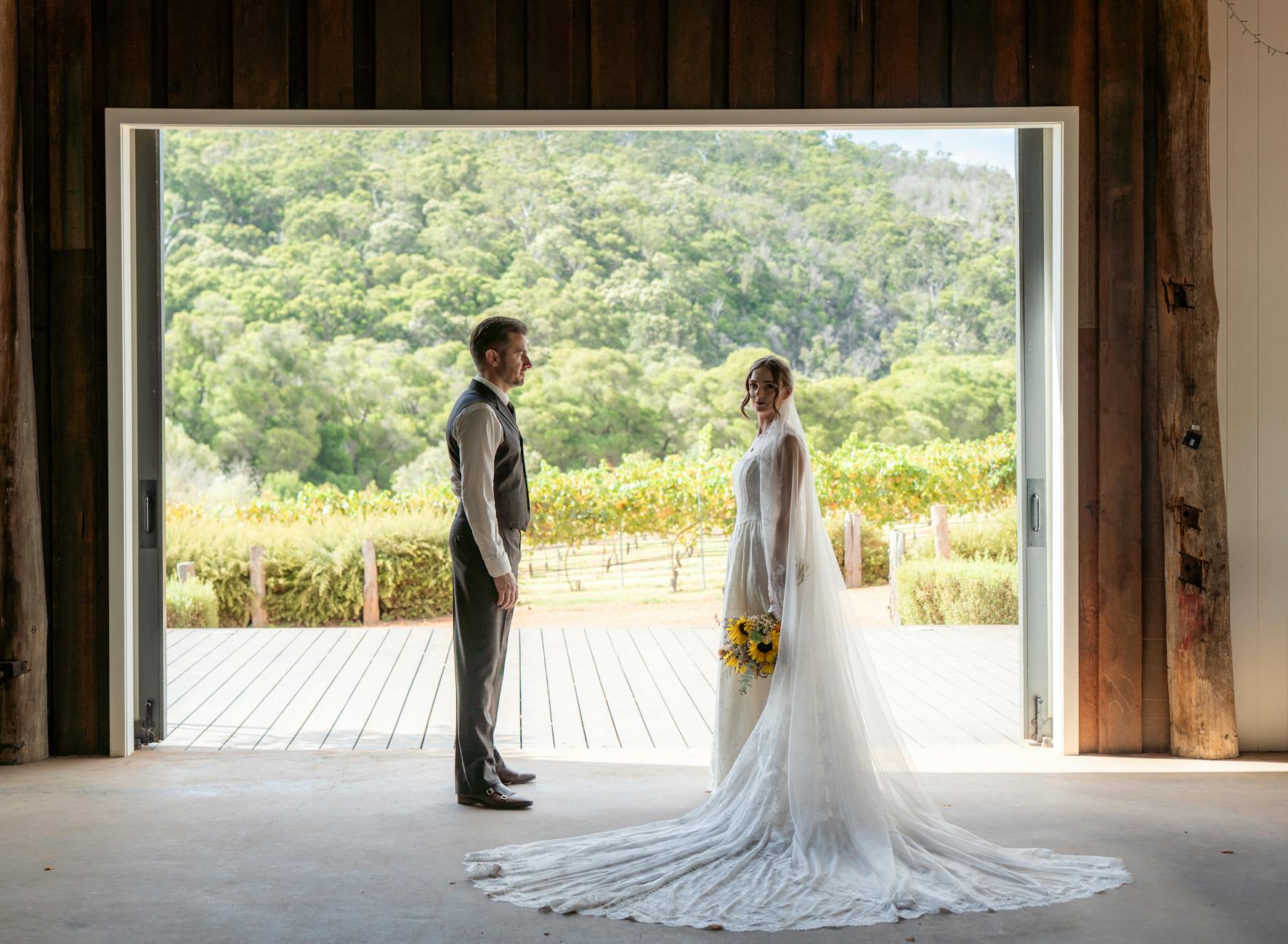
A full-day wedding film at Auberge du Soleil typically includes 10 hours of coverage from a 2-shooter video team. The first shooter captures the ceremony, toasts, and first dance with a gimbal-mounted primary camera and a locked-off secondary on the processional aisle. The second shooter roams for reaction shots — the parent's hand finding the bride's shoulder during the vows, the quiet moment when the couple steps off the terrace alone before the reception entrance, the way guests gather at the vineyard edge during cocktail hour to watch the light change over the valley. Meadowood weddings often add a third camera operator for the reception because the property's multi-room layout — ceremony in the grove, cocktails on the croquet lawn, dinner in the wine cellar or under a sailcloth tent — requires simultaneous coverage of overlapping scenes.
The edit workflow for wine-country weddings prioritizes two deliverables: the full ceremony coverage (typically 25 to 40 minutes, depending on religious or secular structure) and the highlight reel (6 to 8 minutes, opening on the first look or getting-ready scenes, closing on the last dance or a vineyard walk at dusk). We deliver both 10 to 12 weeks after the wedding date. Couples booking a photo + video combined package receive the ceremony edit first, then the highlight reel and the full photo gallery in the same final delivery.
What Garden-Romantic and Editorial Black-Tie Couples Prioritize in Wine-Country Films
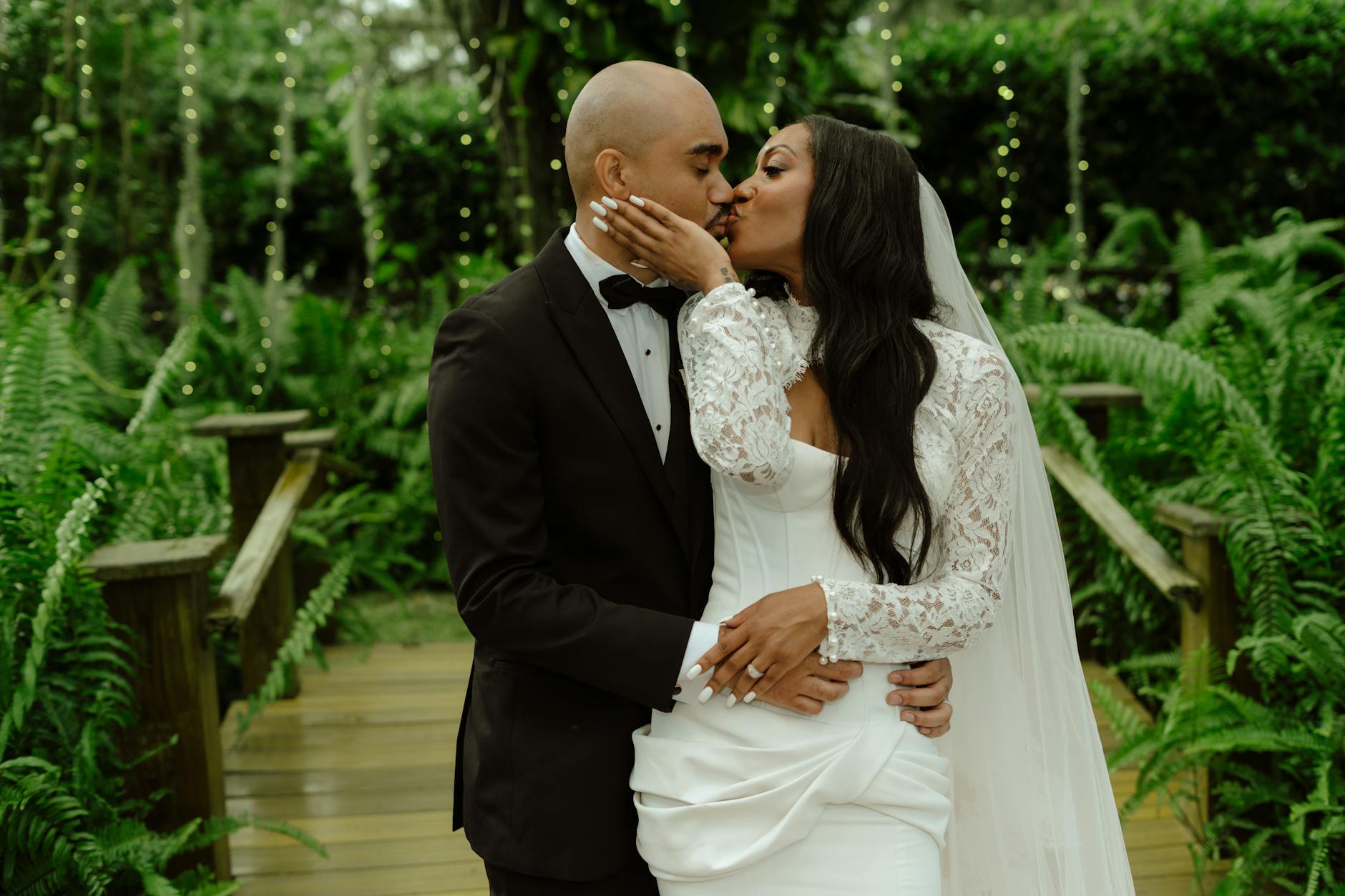
Garden-romantic couples — those drawn to Beaulieu Garden's wisteria arbor or Calistoga Ranch's stone courtyards — tend to request documentary coverage that foregrounds organic moments over stylized portraiture. They want the film to show the way the afternoon unfolded: the walk down an olive-tree aisle, the unscripted toast from a childhood friend, the informal reception exit through the vineyard as guests hold sparklers. The cinematography leans toward natural light, longer takes, and wider framing that includes the landscape as a character in the narrative.
Editorial black-tie couples — those planning evening receptions at Auberge du Soleil's Madrona Terrace or Meadowood's wine cellar — prioritize composed portraiture, architectural framing, and a more controlled visual style. They expect the videographer to stage a post-ceremony portrait session with the couple alone, backlit against the vineyard or positioned on a stone terrace with the valley in soft focus behind them. The highlight reel for an editorial wedding opens on these composed frames, then moves into the emotional arc of the ceremony and reception. Both aesthetics work in wine country; the coverage plan adjusts to match.
Ceremony vs Cocktail Hour vs Reception — Three Lighting Environments, Three Shot Lists
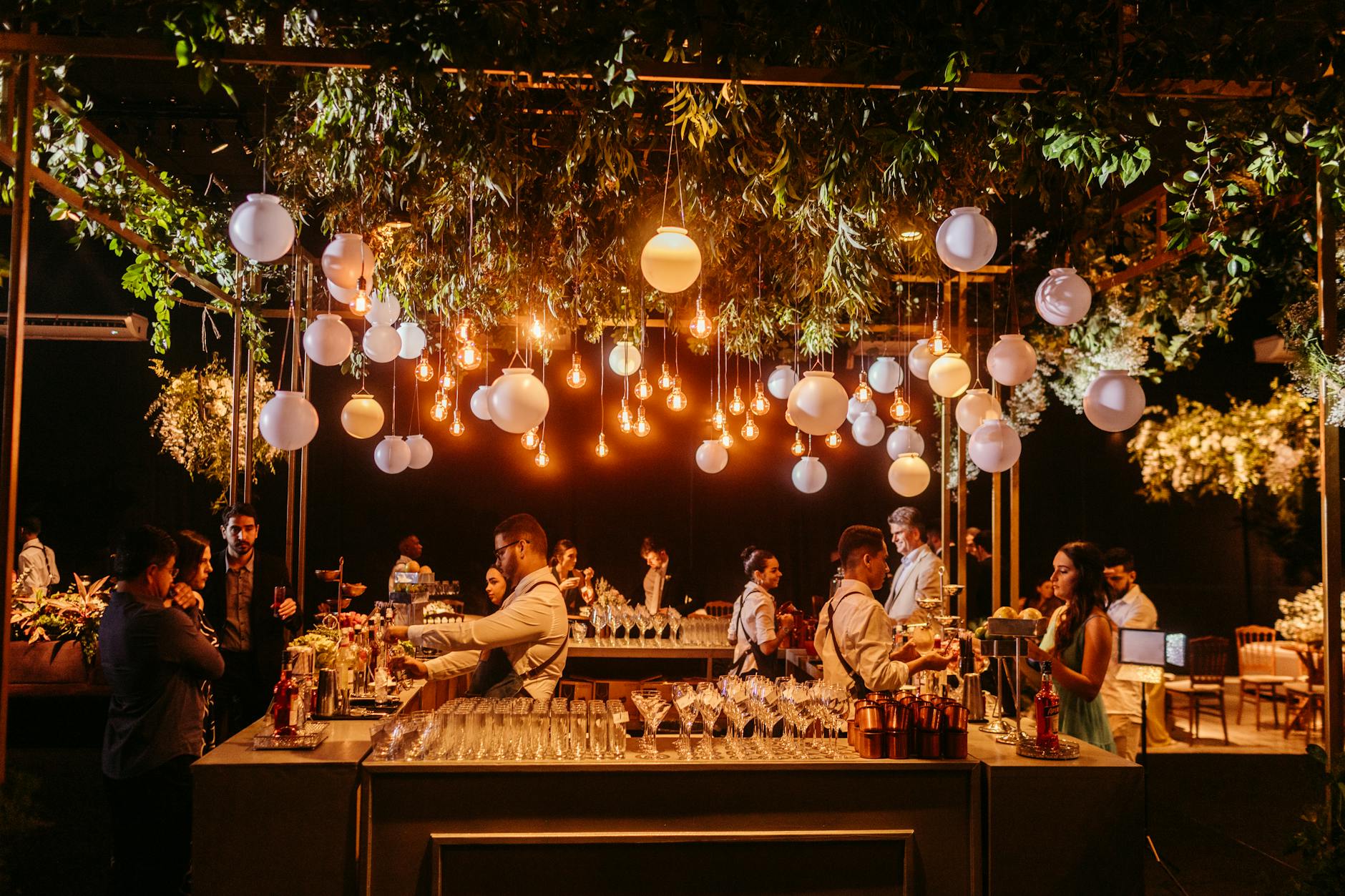
Napa Valley weddings move through three distinct lighting environments, and the videographer's approach changes at each threshold:
Ceremony (4 to 6 PM, vineyard or terrace): natural light, no supplemental fill. The primary camera shoots from behind the officiant on a monopod, capturing the couple's faces frontlit by the low sun. The secondary camera locks off at the rear of the aisle for processional and recessional coverage. The gimbal operator roams the perimeter for parent reactions and wide establishing shots that show the vineyard rows extending behind the ceremony site. Audio: two wireless lavalier mics (one on the officiant, one on the groom) plus a Zoom recorder at the front row as a backup.
Cocktail hour (6 to 7 PM, terrace or lawn): transitional light, moving from ambient glow to dusk. The videographer captures wide shots of guests gathering at the vineyard edge, close-ups of wine pours and passed appetizers, and any informal moments between the couple and family members before the reception entrance. This is the window when wine-country weddings look most cinematic on film — the sky still holds blue but the landscape has fallen into soft shadow, and string lights or lanterns begin to register on camera.
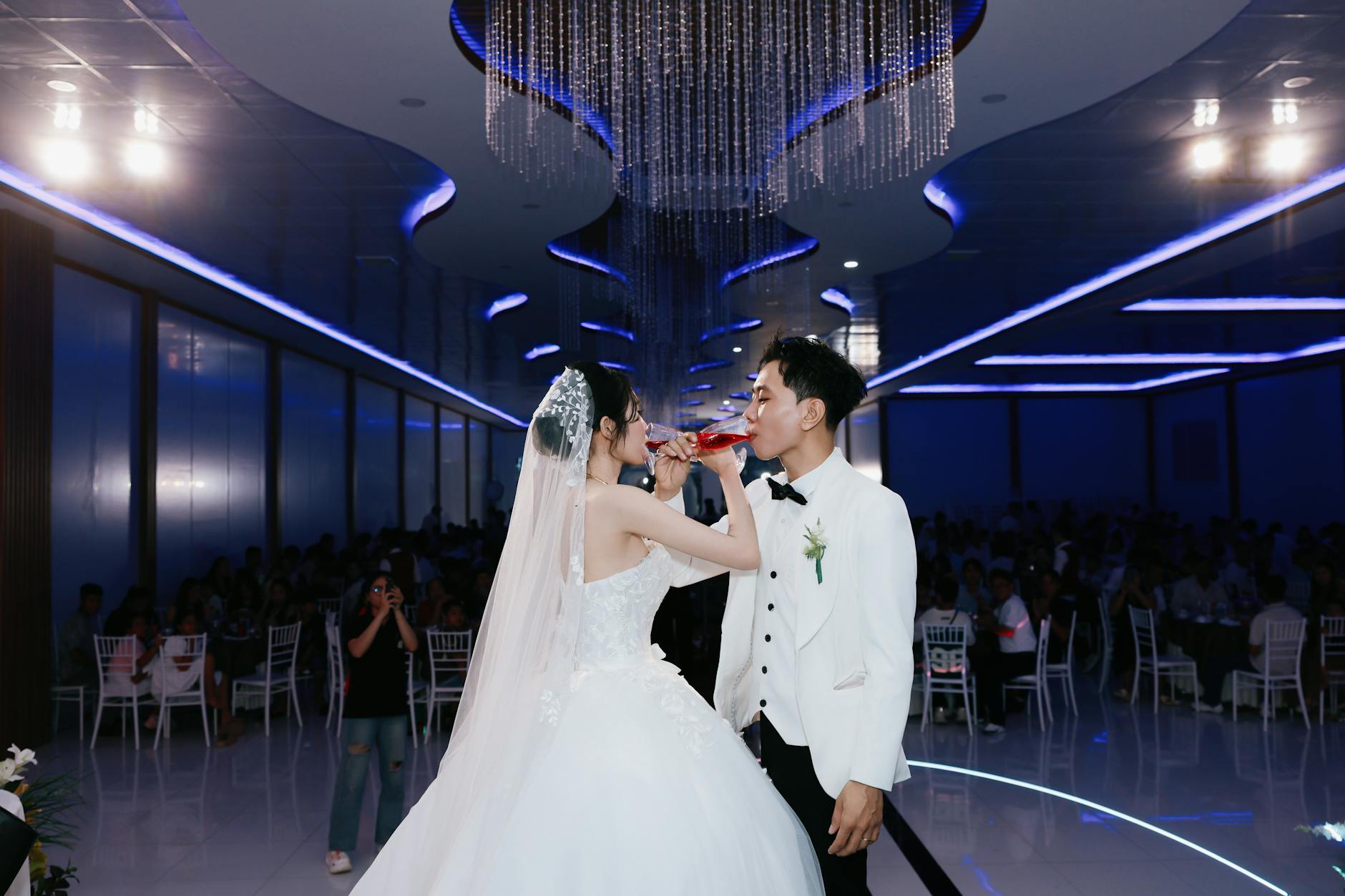
Reception (7 PM to midnight, tent or wine cellar): artificial light, Edison bulbs, chandeliers, or uplighting designed by the event planner. The videographer switches to a faster lens (f/1.4 or f/1.8) and raises the ISO to 3200 or 6400 to preserve the ambient warmth of the space without flooding it with on-camera LED panels. Toasts, first dance, parent dances, and cake cutting are covered from two angles — one locked off on a tripod at the edge of the dance floor, one handheld with gimbal stabilization for movement and reaction shots.
Photo + Video Coordination in Multi-Location Wine-Country Layouts
Napa estates often separate ceremony, cocktail, and reception spaces by several hundred yards. Auberge du Soleil ceremonies happen on the upper terrace; cocktails move to the Madrona lawn; dinner and dancing return to the sculpture garden or a tented courtyard. Meadowood ceremonies in the oak grove lead to croquet-lawn cocktails, then dinner under sailcloth in the central lawn or inside the wine cellar. These transitions require coordination between the video team and the photo team so that neither crew blocks the other's sightlines during key moments.
When a couple books a photo + video combined package, the teams share a single coverage timeline. The videographer claims the processional center aisle and the front-row ceremony perspective; the photographer works the perimeter and shoots the recessional from the rear. During toasts, the video team holds the primary audio position near the speakers while the photo team captures reaction shots from the tables. For first look and couple portraits, both teams shoot simultaneously from complementary angles — video on a slider or gimbal for cinematic movement, photo with a 50mm or 85mm prime for editorial stills. This workflow reduces the couple's portrait time from 45 minutes (if each team worked sequentially) to 25 minutes.
Travel, Timeline, and Edit Turnaround for Northern California Weddings
We are based in Los Angeles and travel to Napa Valley weddings without a travel fee when booked as part of a full-day wedding film package. The drive from Los Angeles to Napa is approximately 6.5 hours, so the team typically travels the day before the wedding and returns the day after. Couples planning Friday or Sunday weddings can avoid the Saturday premium rates that many wine-country vendors apply; our package pricing remains the same across all days of the week.
The standard wedding film package includes 10 hours of coverage, a 2-shooter video team, two deliverables (full ceremony coverage and 6-to-8-minute highlight reel), and delivery 10 to 12 weeks after the wedding. Couples who add an engagement film or save-the-date film receive priority scheduling for the wedding edit, reducing turnaround to 8 to 10 weeks. The raw ceremony footage is not provided; the delivered ceremony edit is color-graded, audio-mixed, and titled.
Rush delivery (4-week turnaround) is available as an add-on for couples who need the film before a specific anniversary or event. Highlight reels under rush delivery run shorter (4 to 5 minutes) to accommodate the condensed post-production schedule.
What to Confirm with Your Videographer Before Signing the Contract
Wine-country weddings involve logistical variables that urban hotel weddings do not. Confirm these details during the consultation:
Site visit or venue familiarity. Has the videographer shot at your specific venue before? If not, will they walk the property with you or the planner before the wedding day to map sun angles, power access, and backup indoor locations in case of weather?
Timeline and lighting windows. Does the proposed ceremony start time align with the optimal light window for your venue? A 6 PM ceremony at Meadowood means the recessional happens near-dark; a 5 PM start preserves the golden-hour glow for portraits.
Audio plan for outdoor ceremonies. Vineyard and terrace ceremonies contend with wind, helicopter flyovers, and ambient winery noise. Confirm that the videographer uses at least two wireless lavalier mics and a backup recorder — one mic failure in an outdoor ceremony with no PA system means vows are lost.
Second-shooter and backup-equipment policy. What happens if the primary videographer or a camera fails? A professional wine-country wedding film requires at least two shooters and duplicate camera bodies, audio recorders, and lenses.
Coordination with the planner and photo team. Will the videographer join the venue walkthrough and timeline-planning call with the planner and photographer? Integrated teams produce better films because they're not competing for the same sightlines during the ceremony.
Deliverables and turnaround. Is the full ceremony edit included, or only a highlight reel? What is the delivery timeline, and does it adjust for weddings booked during peak season (September and October in Napa)?
Weather contingency. If the ceremony moves indoors due to rain or heat, does the coverage plan change? How does the videographer light an indoor ceremony at a venue with low ceilings and limited window light?
How Napa Valley Weddings Differ from Southern California and Coastal Coverage
Napa Valley weddings and Southern California weddings attract different couple types and require different coverage approaches. Napa couples tend to prioritize wine-country elegance, understated luxury, and estate architecture over beachfront drama or desert modernism. The visual palette is softer — sage, ivory, burgundy, and gold — and the cinematography leans toward warm earth tones rather than the high-contrast blues and whites of coastal California films.
Southern California venues like Calamigos Ranch or San Ysidro Ranch offer more forgiving light windows because the sun sets over the ocean or behind coastal mountains, extending the golden hour by 15 to 20 minutes compared to Napa's abrupt valley drop. Napa weddings require tighter timeline discipline because the light disappears faster and there is no ocean horizon to hold the glow. A videographer who has only shot coastal weddings will under-schedule portrait time and over-rely on the post-ceremony window, which in Napa often coincides with the transition to cocktail hour when the couple is expected to greet guests.
Wine-country weddings also involve fewer dramatic landscape features — no cliffs, no breaking waves, no desert vistas — which means the film's emotional texture comes from human moments and architectural details rather than sweeping environmental shots. The best Napa wedding films feel intimate and grounded, not cinematic in the epic sense but cinematic in the editorial sense — carefully composed, beautifully lit, and emotionally present.
Begin a Conversation About Your Napa Valley Wedding
We cover wine-country weddings at Auberge du Soleil, Meadowood, Calistoga Ranch, and across Northern California. If you're planning a vineyard ceremony or estate reception and want a film that reflects the way the afternoon light moves through the vines, reach out to schedule a consultation. We'll discuss your timeline, your venue, and the coverage plan that fits your day.
Planning a Napa or Sonoma wedding? See our Napa Valley & Sonoma wedding films and pricing.