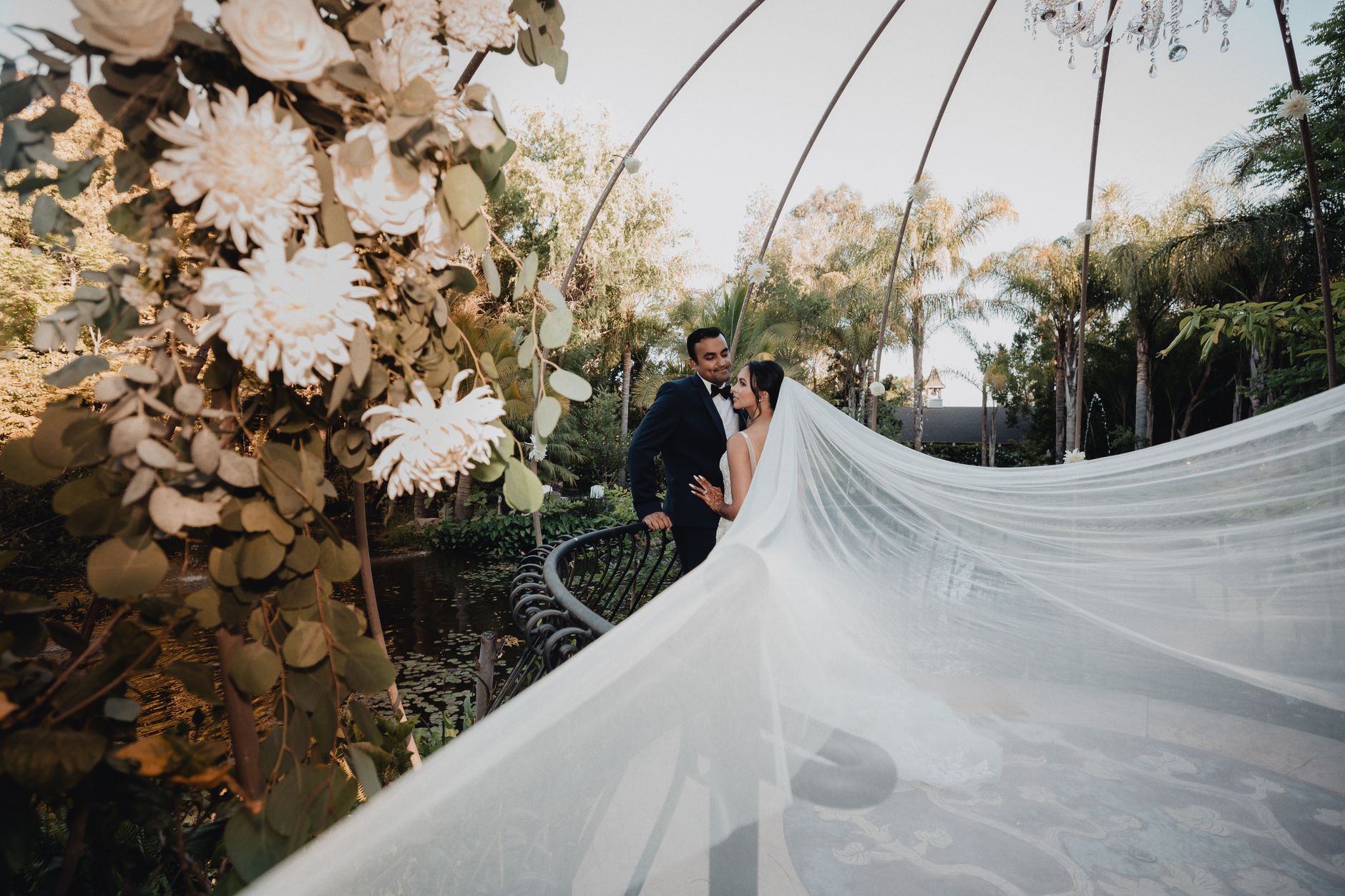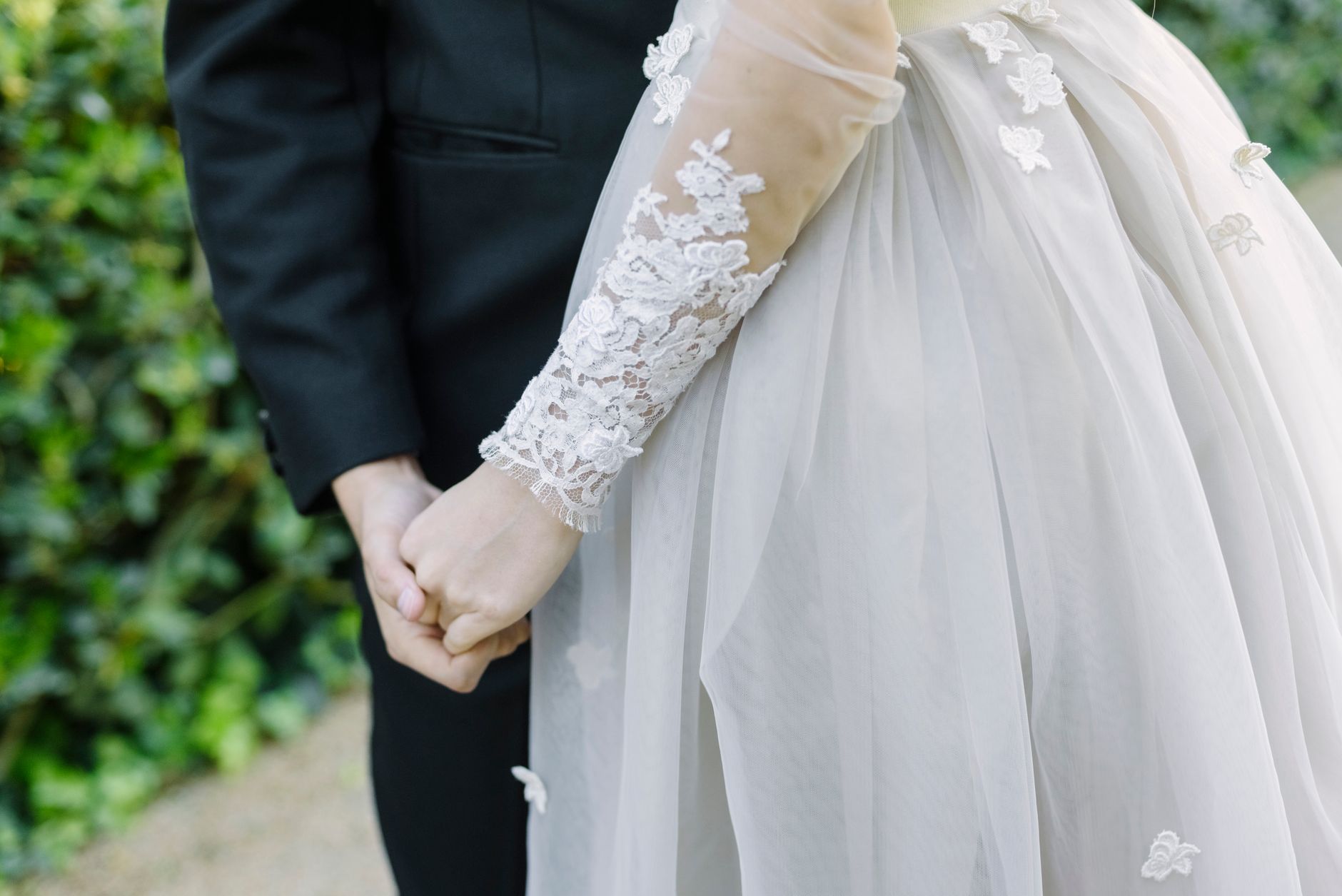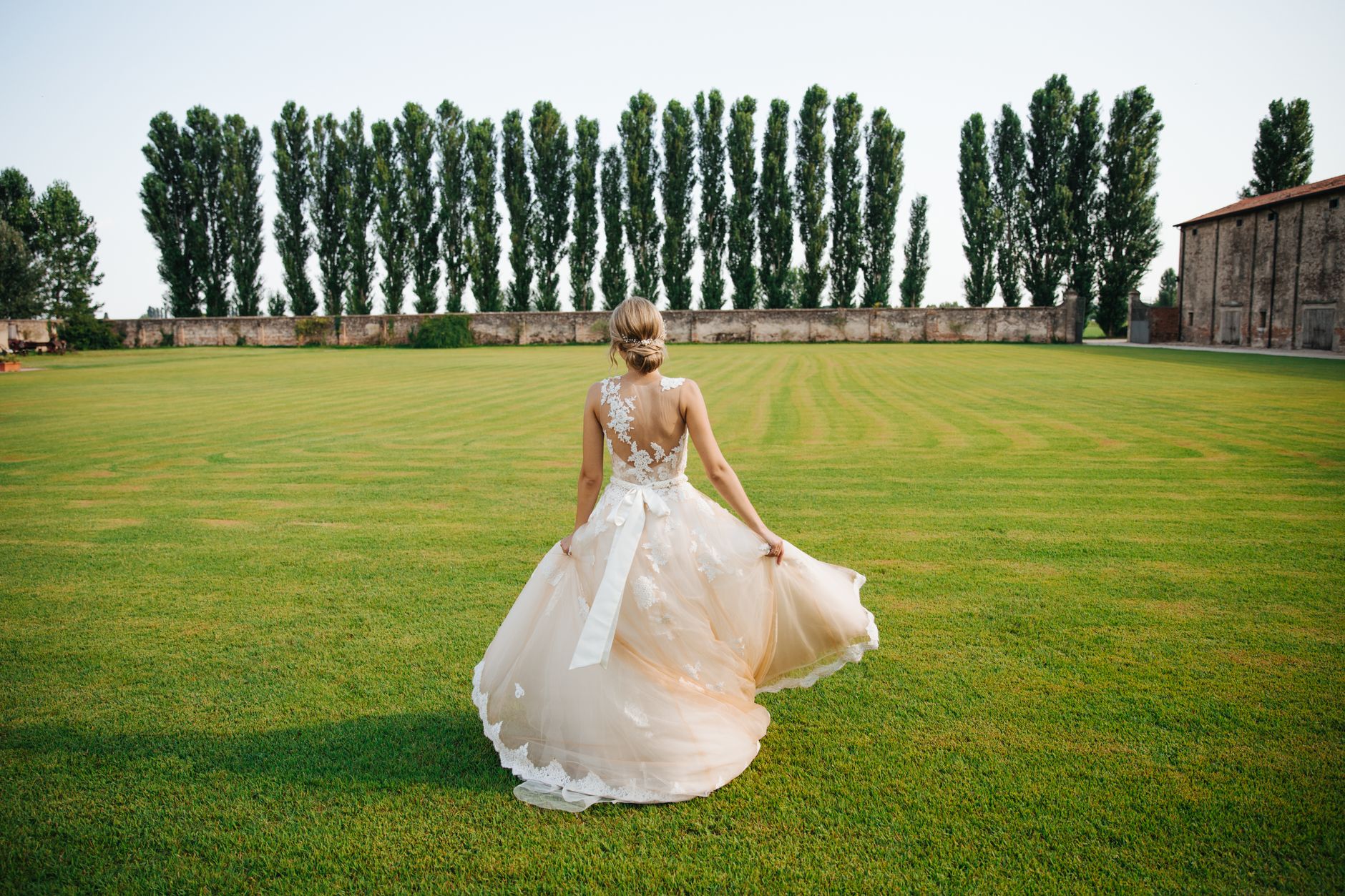
A wedding videographer at Beaulieu Garden works around two coverage windows: the vineyard ceremony between 4:30 and 6 PM, when the Napa Valley light is warm and low enough to clear the eastern ridgeline, and the garden reception after dusk, when the strung Edison bulbs and lanterns become the primary source. The property sits in Rutherford, midway between Yountville and St. Helena, and the vineyard rows run east-west, which means the ceremony aisle gets direct late-afternoon sun rather than shadow — a detail that shapes both the couple's timeline and the videographer's positioning.
Beaulieu Garden hosts roughly 80 to 150 guests for a typical wedding, with the ceremony staged at the west end of the vineyard block and the reception on the garden lawn adjacent to the historic stone winery building. The distance between those two scenes is less than 200 feet, which allows a 2-shooter video team to reposition quickly during cocktail hour without the logistical complexity of a venue that splits ceremony and reception across separate properties. Most couples who book Beaulieu Garden are planning a garden-romantic or wine-country editorial wedding, and the coverage priorities reflect that: portraiture among the vine rows during golden hour, the ceremony vows captured with shallow depth of field against the ridgeline backdrop, and the garden reception filmed with a mix of ambient lantern light and subtle off-camera fill to preserve the warmth of the scene without overpowering it.
Why Beaulieu Garden Films Differently Than a Hotel Estate
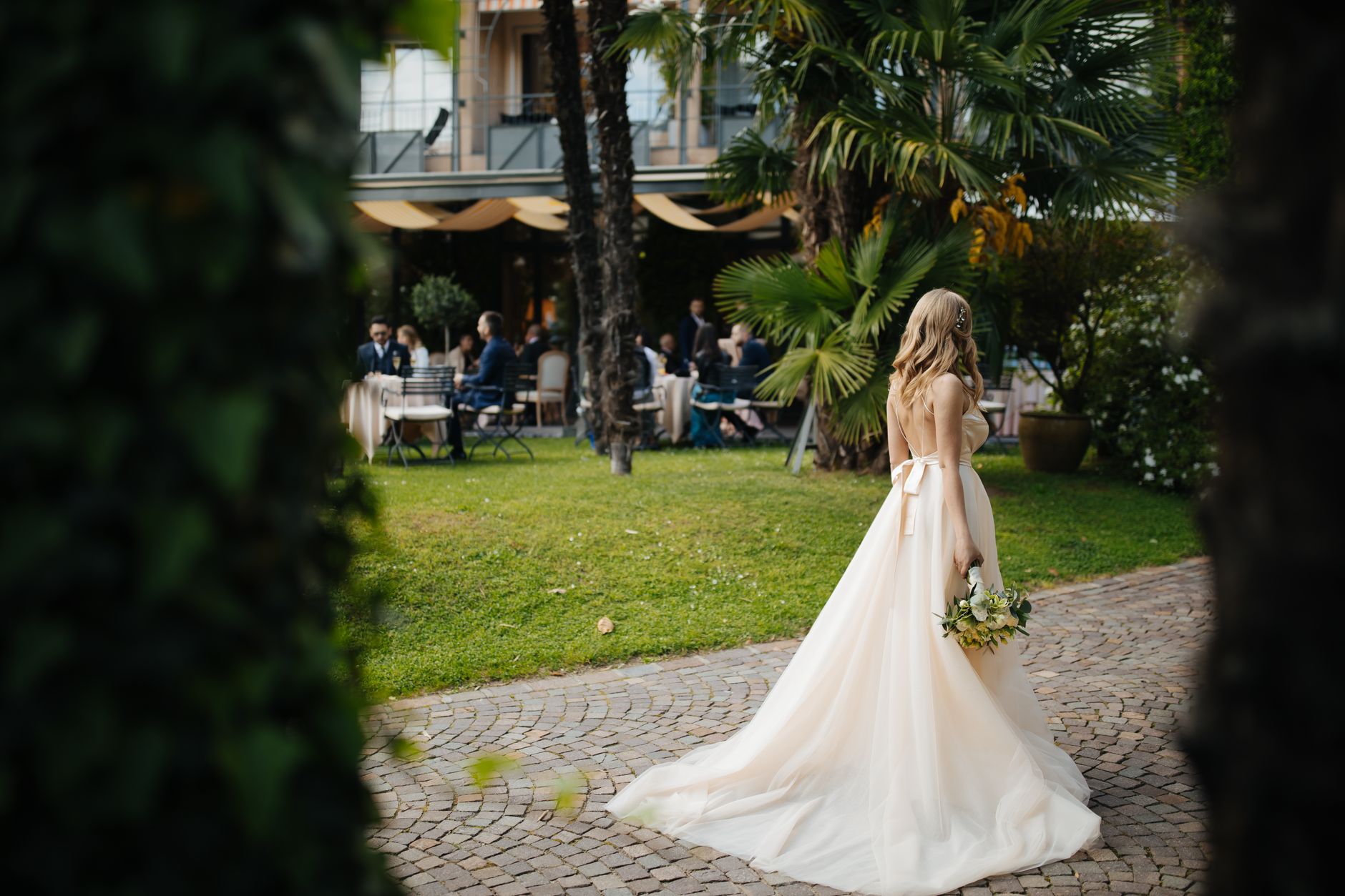
Photo by Image Studio on Pexels
Beaulieu Garden is a working vineyard and event space, not a hotel resort, which affects coverage in three specific ways. First, there are no guest rooms on-site, so the getting-ready scenes happen either at a nearby Napa hotel (Auberge du Soleil, Meadowood, or a rental home in St. Helena) or in the winery's small preparation rooms, which are functional but not architecturally dramatic. A videographer planning the day's coverage will often recommend allocating 30 to 45 minutes for first-look and couple portraits on the property before the ceremony, rather than relying on getting-ready footage to carry the film's opening act.
Second, the vineyard ceremony site is fully exposed to western sun, with no natural shade canopy. That direct light is visually striking — it renders skin tones warm and vine leaves translucent — but it also means the couple and officiant are backlit if the ceremony is scheduled at or after 5:30 PM in midsummer. A videographer will position the primary camera to shoot into the backlight (exposing for the couple's faces and allowing the background to bloom) and place a second camera on the far side of the aisle to capture the ridgeline and guest reactions from a lower angle. The result is a two-camera edit where every other shot shifts perspective, which gives the ceremony sequence visual rhythm and prevents the backlit setup from feeling repetitive.
Third, the garden reception space is intimate and enclosed, bordered by hedges and the stone winery wall, which limits the available angles for wide establishing shots. Most of the reception coverage is shot at 35mm to 85mm, close enough to isolate moments — a parent's hand on the bride's shoulder during the father-daughter dance, the way a guest's face changes when the couple enters for the first dance — without the distance that a ballroom allows. The acoustic environment is equally intimate; vows and toasts are heard clearly without echo, and the videographer's audio setup (two wireless lavs on the couple, one on the officiant, and a Zoom recorder as backup) captures clean dialogue without competing with HVAC hum or hallway bleed.
Coverage Timeline for a Beaulieu Garden Wedding Film
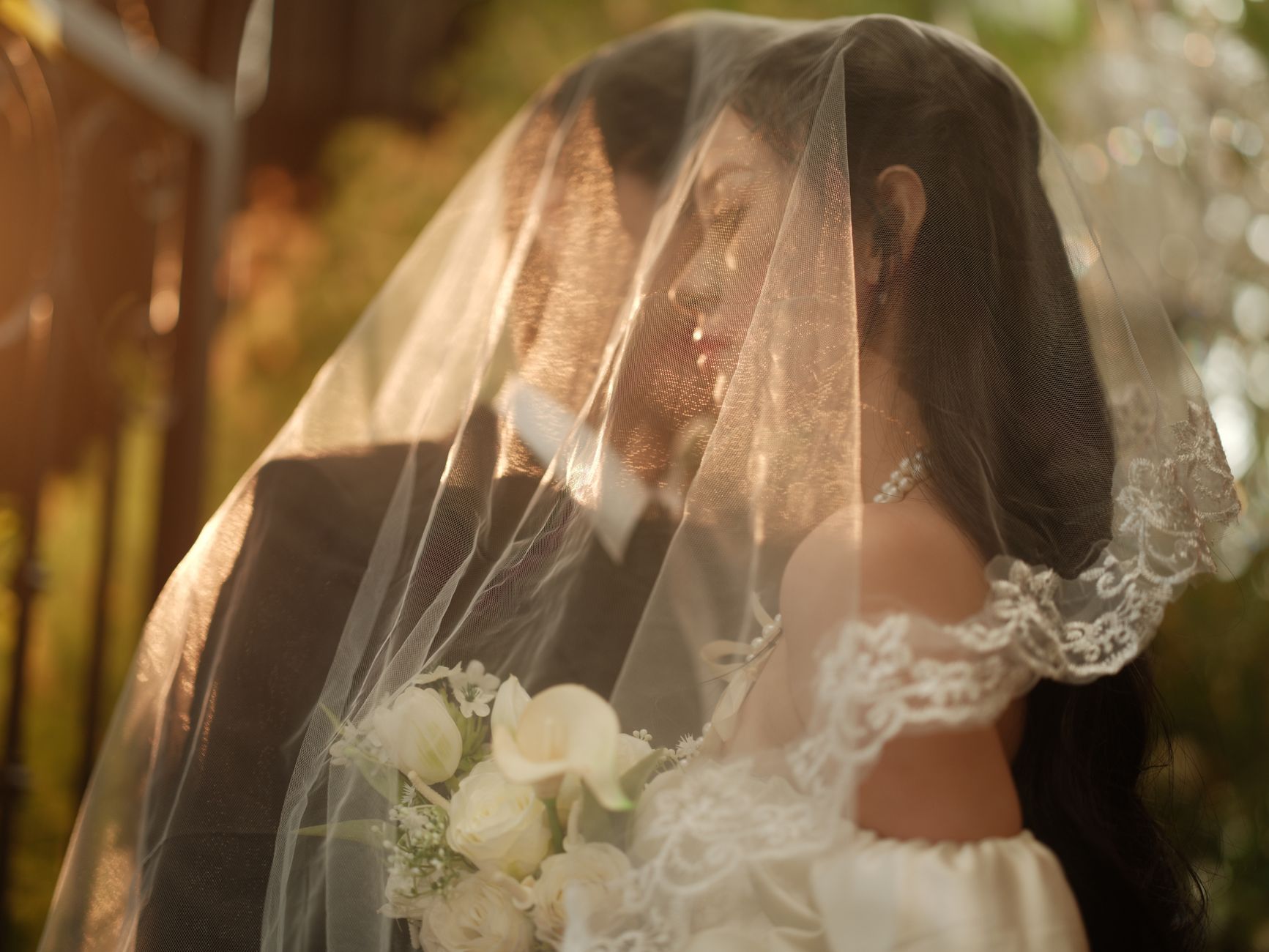
Photo by TBD Tuyên on Pexels
A full-day wedding film at Beaulieu Garden typically requires 10 hours of coverage from a 2-shooter video team. The timeline below reflects the majority of weddings we've filmed at the venue, though couples occasionally adjust based on their ceremony start time or whether they're incorporating a wine-country excursion for portraits earlier in the day.
2:00 PM – Arrive and scout the ceremony and reception sites. Walk the vineyard aisle to confirm sun position, check wind (microphone placement matters more in an open vineyard than in a courtyard), and identify the best vantage for the second camera during vows.
2:30 PM – Capture getting-ready scenes if on-site, or coordinate with the couple arriving from their hotel. If getting-ready happened elsewhere, this window is used for detail shots: invitations, rings, bouquet, and any wine-country details the couple has chosen (custom wine labels, vineyard-inspired escort cards).
3:30 PM – First look and couple portraits in the vineyard. The light is still high but softening. We walk the couple down a vine row about 100 feet from the ceremony site, shooting with an 85mm at f/1.4 to compress the rows behind them into layered green lines. This is the quietest part of the day — no guests, no vendors moving equipment — and the footage often becomes the film's emotional center.
4:30 PM – Guests arrive; ceremony begins between 5:00 and 5:30 PM. Two cameras: one on a monopod at the back of the aisle shooting long into the backlight, one handheld on the side capturing guest reactions and the couple's expressions during the officiant's opening words.
6:00 PM – Cocktail hour on the garden lawn. One shooter covers candid guest interactions; the other repositions for reception detail shots (table settings, the cake, any signage or floral installations the couple has designed with their planner).
7:00 PM – Reception begins with entrances, first dance, toasts. The garden is fully lit by Edison bulbs and lanterns at this point. We shoot at f/2 to f/2.8 to balance the ambient warmth with enough depth of field to keep both the couple and the background garden in gentle focus.
9:00 PM – Dinner service and parent dances. Audio is critical here; the best man's toast and the father of the bride's remarks are often the lines that couples remember years later, and we position the Zoom recorder on a cocktail table near the speakers to ensure clean backup audio.
10:00 PM – Open dancing and last dance under the string lights. We stay through the final song, capturing the last frames of the couple on the dance floor before guests surround them. This closing sequence — the lights, the embracing guests, the stillness that follows — often serves as the film's final scene.
A venue like Beaulieu Garden rewards a videographer who can move quickly between the vineyard and garden spaces and who understands that the best moments in an intimate setting are quiet rather than grand. The footage is not built on sweeping drone passes or ballroom-scale choreography; it is built on the bride's expression when she sees the groom at the end of the vine row, on the way the ridgeline light falls across her veil during vows, and on the last frames of the reception when the couple walks back through the garden gate into the dark.
Documentary Photography and Video Coordination at Beaulieu Garden
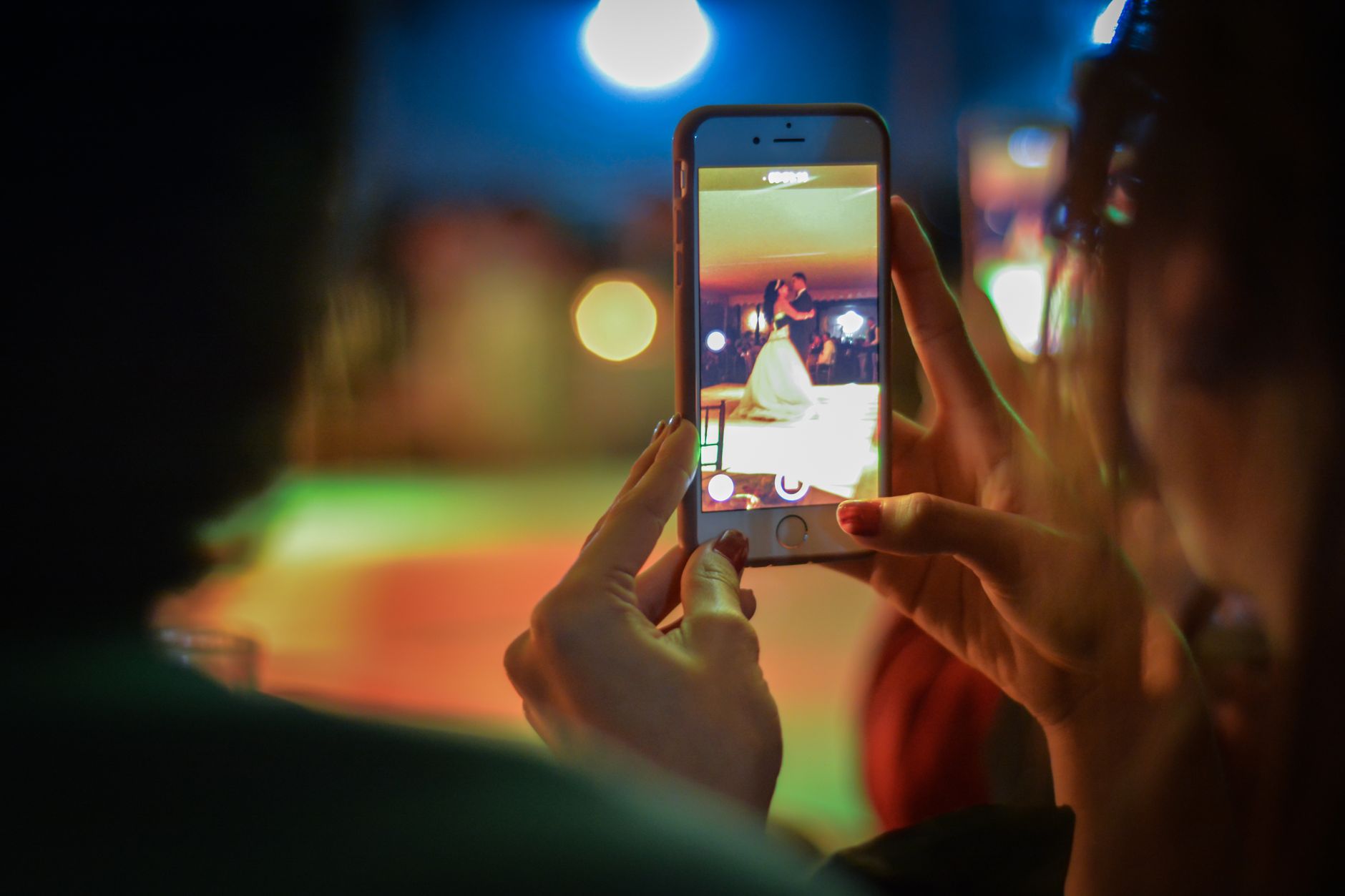
Photo by Brunxs on Pexels
Most couples who book Beaulieu Garden hire both documentary photography and a wedding film team, either as separate vendors or through a photo + video combined package. The coordination between the two disciplines is straightforward on paper — the photographer and videographer simply stagger their positions during key moments — but in practice it requires advance planning, especially during the first look and couple portrait sessions, where both teams are working in the same 100-foot stretch of vineyard at the same time.
The approach we use at Beaulieu Garden: the photographer leads during portraits, choosing the spot and pose, while the videographer captures behind-the-scenes footage and then steps in for 60 to 90 seconds of motion (the couple walking toward camera down the vine row, a slow turn with the ridgeline behind them, the bride adjusting her veil in the breeze). That 90-second window gives the film enough movement to build a portrait sequence without competing for the couple's attention or duplicating the photographer's compositions.
During the ceremony, the two teams occupy separate zones. The photographer works the aisle, moving discreetly during the processional and vows; the videographer remains stationary on a monopod at the back and on one side, letting the long lens compress the scene and the couple's expressions. The division of labor is clean, and neither team crosses into the other's sightline.
During the reception, the coordination loosens. Both teams circulate, and the overlapping coverage is an advantage rather than a conflict: the photographer captures the instant the best man delivers a punchline during his toast, and the videographer records the five seconds before and after, preserving the guests' laughter and the couple's reaction. In the final edit, those five seconds carry more emotional weight than a still frame, but the still frame is what the couple will print and frame in their home. Both matter; neither replaces the other.
The combined package at Beaulieu Garden includes 2-shooter documentary photography and 2-shooter video coverage for 10 hours, with an 8-to-12-week turnaround for the edited wedding film and a 6-to-8-week turnaround for the culled and color-corrected photo gallery. Couples who prefer to book photo and video separately often coordinate through their planner to ensure both teams receive the same timeline and shot list in advance.
Vineyard Ceremony vs Garden Ceremony at Beaulieu Garden
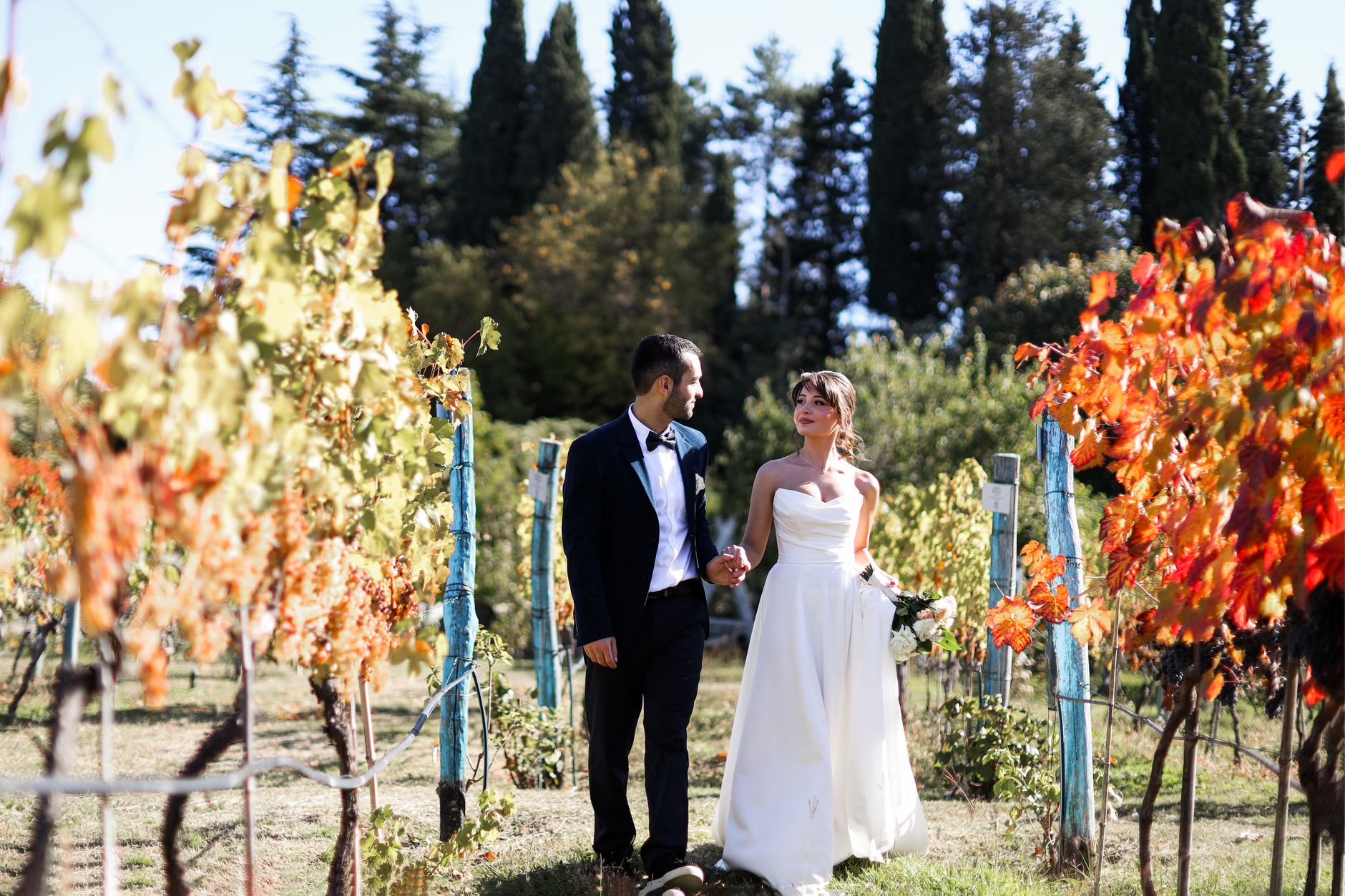
Photo by Photography Maghradze PH on Pexels
Beaulieu Garden offers two ceremony locations: the vineyard site at the west end of the property and a smaller garden site adjacent to the stone winery building. Most couples choose the vineyard for its scale and its ridgeline backdrop, but the garden ceremony is a viable option for weddings under 80 guests or for couples who prefer an enclosed, hedge-bordered setting over an open agricultural view.
From a videography perspective, the two sites film differently. The vineyard ceremony is backlit, expansive, and subject to wind, which means the videographer's primary challenge is managing audio (wind protection on lavs and the Zoom recorder) and exposure (balancing the couple's faces against a bright sky). The garden ceremony is frontlit or side-lit depending on the time of year, more acoustically controlled, and visually intimate, which allows for tighter framing and less reliance on long lenses.
The vineyard ceremony produces footage that feels cinematic and editorial — the kind of scene that could appear in a glossy wedding publication. The garden ceremony produces footage that feels warm and immediate, closer to the documentary aesthetic that some couples prefer. Neither is objectively better; they serve different couple aesthetics. A garden-romantic couple planning a 120-guest wedding will almost always choose the vineyard. A coastal-classic or urban-modern couple planning a 60-guest wedding may prefer the garden's enclosure and its proximity to the reception lawn.
Napa Valley Light and Timing the Ceremony
Napa Valley light is softer and warmer than coastal California light, and the difference is visible in the footage. The marine layer that softens and diffuses light in Malibu, Laguna Beach, and Big Sur does not reach Rutherford, and the result is a harder, more directional light that requires careful timing to avoid harsh midday contrast.
The ideal ceremony start time at Beaulieu Garden is between 5:00 and 5:30 PM from May through September, and between 4:00 and 4:30 PM from October through April. A ceremony scheduled earlier than 4 PM in summer will be filmed in overhead light that flattens faces and casts short, unflattering shadows. A ceremony scheduled after 6 PM in summer will lose the golden warmth and shift into cooler blue twilight before the couple exits the aisle.
Couples planning a Beaulieu Garden wedding often ask whether they should schedule the ceremony at sunset, and the answer is almost always no. Sunset in Napa is the moment when the light disappears behind the western ridgeline and the temperature drops ten degrees in five minutes. The ideal window is the 60 to 90 minutes before sunset, when the light is low and warm but still present — what cinematographers call magic hour, and what wedding videographers call the only time of day when you can shoot a vineyard ceremony without fighting the sun.
A videographer planning coverage at Beaulieu Garden will walk the ceremony site the week before the wedding if possible, or at minimum will arrive 90 minutes before the ceremony on the day itself to observe the sun's position and adjust camera placement accordingly. The difference between a camera positioned five feet to the left versus five feet to the right can be the difference between footage that glows and footage that squints.
Audio Strategy for an Open-Vineyard Ceremony
Wind is the primary audio challenge at Beaulieu Garden. The vineyard site is fully exposed to prevailing westerly winds, and on a breezy afternoon — common in Napa from April through June — a wireless lav without wind protection will produce unusable audio. The strategy we use: a Sanken COS-11D lav on both the groom and the bride, each with a foam windscreen and a fur cover (Rycote Overcover), positioned low on the chest rather than at the collar to reduce fabric rustle when the couple embraces during vows.
The officiant wears a third lav, same setup, clipped to the interior of their jacket or dress. This redundancy matters; if one lav fails due to wind or a loose connection, we have two backups. A Zoom F6 recorder with a shotgun mic (Sennheiser MKH 416) is placed on a stand 10 feet from the officiant, aimed at the couple, as a fourth source. During post-production, we blend the three lavs and the Zoom track to produce a clean dialogue mix that preserves the intimacy of the vows without the distraction of wind noise or dropouts.
The audio environment improves dramatically once the reception moves to the garden. The hedges and stone walls block wind, and the toasts and speeches are delivered with handheld or stand-mounted microphones provided by the couple's DJ or sound vendor. We run an XLR line from the DJ's mixer to the Zoom recorder to capture those speeches as a clean board feed, which eliminates the ambient crowd noise that a shotgun mic would pick up from across the lawn.
Clean audio is not a technical detail that most couples notice when they watch their film; it is the invisible foundation that allows them to hear their vows, their parents' words, and their own laughter three years later. Bad audio — wind rumble, dropouts, muffled dialogue — is the single most common reason a couple will stop watching their wedding film halfway through. At Beaulieu Garden, where the ceremony happens outdoors and the reception happens under string lights with 80 to 150 guests talking at once, an experienced videographer's audio strategy is as important as their framing and movement.
Why Couples Choose Beaulieu Garden Over Larger Napa Estates
Beaulieu Garden is smaller and less architecturally grand than Meadowood, Auberge du Soleil, or Calistoga Ranch, and that modesty is the reason many couples choose it. A wedding at Meadowood is a resort experience, with guest accommodations, spa services, and multiple ceremony site options spread across 250 acres. A wedding at Beaulieu Garden is a single-site vineyard event, concentrated on one lawn and one vine block, with a budget that allocates more toward catering, florals, and the couple's creative vision rather than toward the venue's built-in infrastructure.
The couples we've worked with at Beaulieu Garden tend to be planning guest lists between 80 and 120, wedding budgets between $80,000 and $150,000, and a design aesthetic that emphasizes organic, garden-forward details (seasonal florals, natural wood farm tables, linen napkins in muted tones) rather than ballroom formality. They are often the same couples who would consider San Ysidro Ranch in Montecito or Carmel Valley Ranch in Carmel — intimate, nature-forward venues where the landscape is the backdrop and the couple's story is the focus.
From a videography perspective, Beaulieu Garden rewards restraint. The footage does not rely on drone establishing shots or crane moves to establish scale; it relies on close-up portraiture, shallow depth of field, and the specific light that only happens in Napa between 5 and 6 PM in late spring. The wedding film from a Beaulieu Garden wedding is quieter, slower, and more observational than a ballroom wedding film, and the couples who book the venue are often looking for exactly that.
Begin a Conversation About Your Beaulieu Garden Wedding
We film 8 to 12 weddings per year in Napa Valley, including Beaulieu Garden, Meadowood, Auberge du Soleil, and Calistoga Ranch. If you are planning a wedding at Beaulieu Garden and are looking for a videographer who understands how the venue's vineyard light and garden reception space shape the day's coverage, we can walk you through what a full-day wedding film looks like at the property — the timeline, the two-camera ceremony setup, the couple portrait strategy during golden hour, and how we coordinate with your photographer and planner to ensure nothing is missed. Reach out through the contact form, and we'll begin the conversation.
Planning a Napa or Sonoma wedding? See our Napa Valley & Sonoma wedding films and pricing.