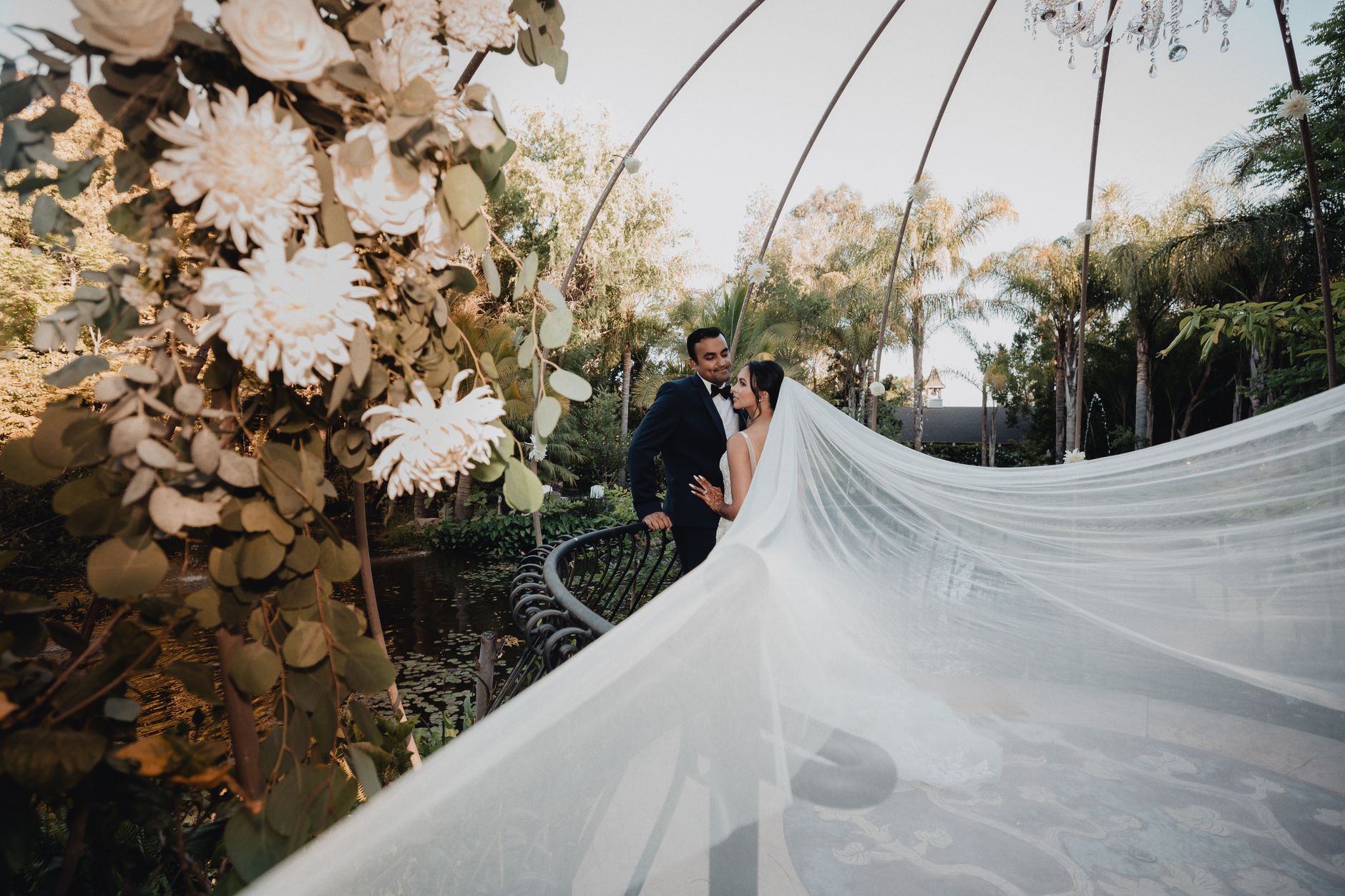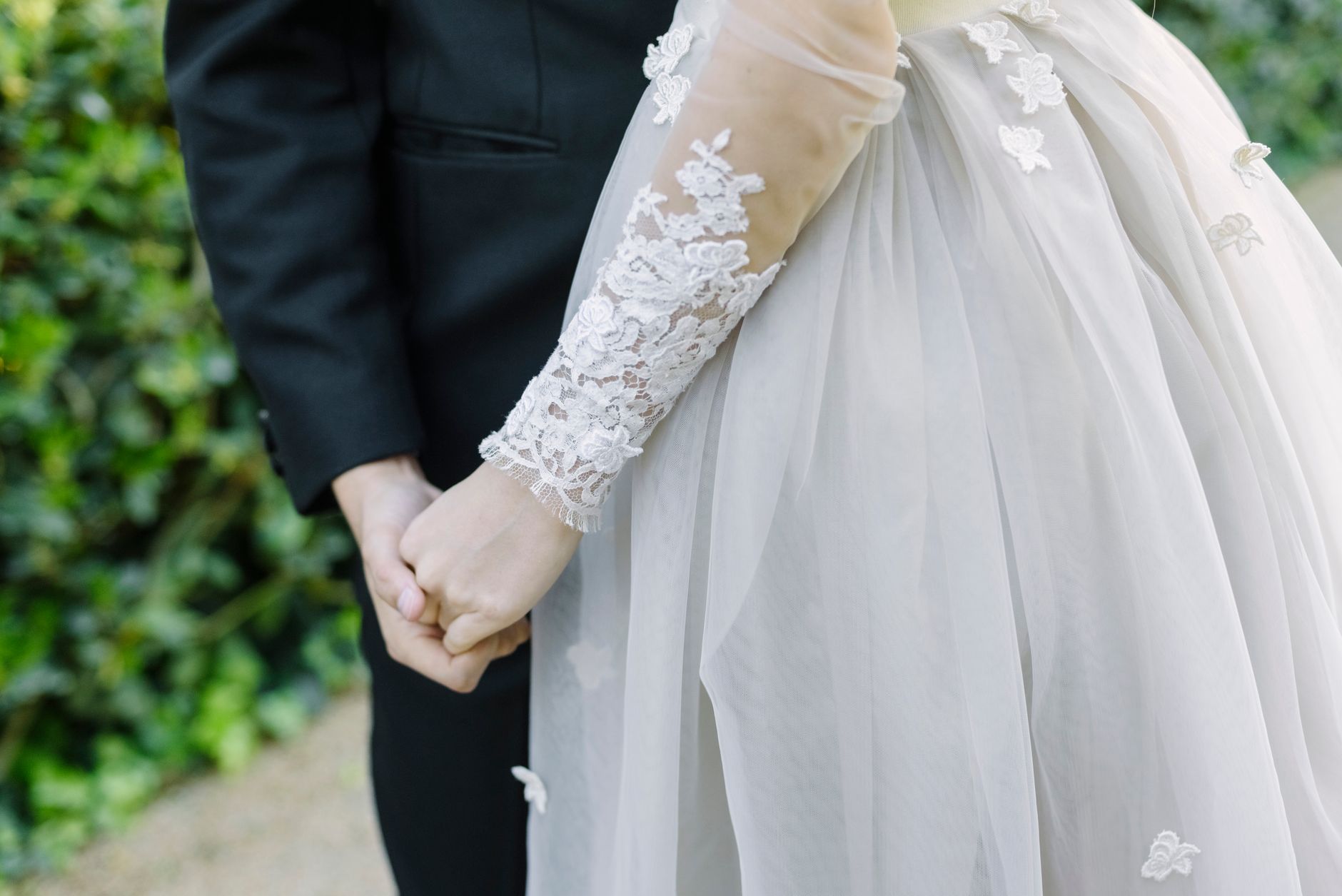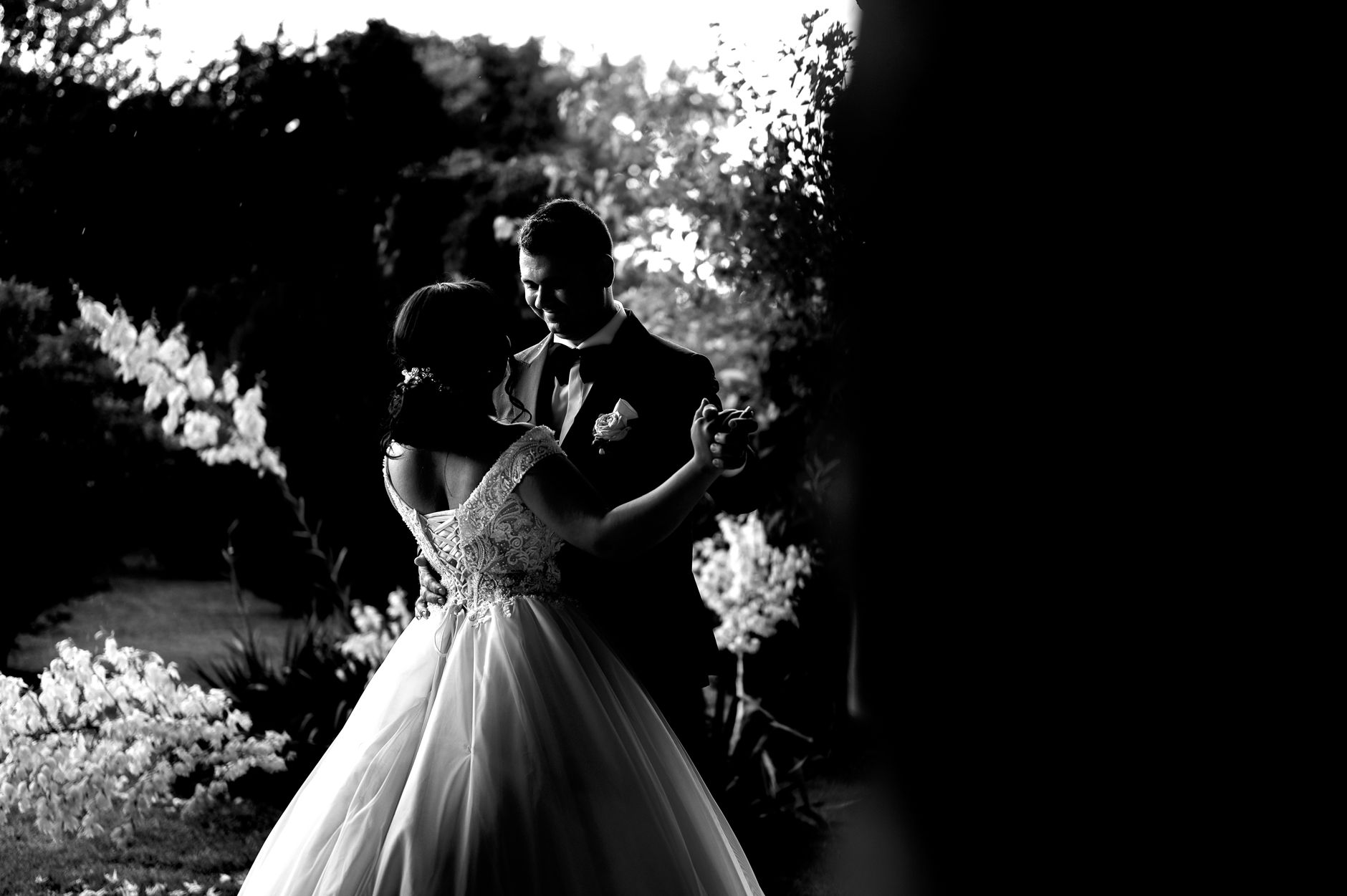
A wedding videographer in Sonoma County builds coverage around vineyard light, winery architecture, and the rhythm of wine country estates. Most Sonoma ceremonies begin at 4 PM on terraces overlooking vine rows, and the videographer's timeline accounts for golden-hour portraiture between ceremony and cocktail hour, the estate tour couples often schedule before the reception, and the way barrel-room dinners photograph differently than open-air pavilion receptions.
Sonoma is distinct from Napa — less formal, more pastoral, with a higher concentration of working wineries hosting weddings in active production spaces rather than purpose-built event venues. The best wedding films from Sonoma County capture that specificity: the crush-pad ceremony at a Russian River estate, the family-style dinner under string lights in an olive grove, the first look in a vineyard row where the couple can see the Pacific fog rolling over the coastal ridge.
Why Sonoma Wedding Films Require Vineyard-Specific Coverage Planning
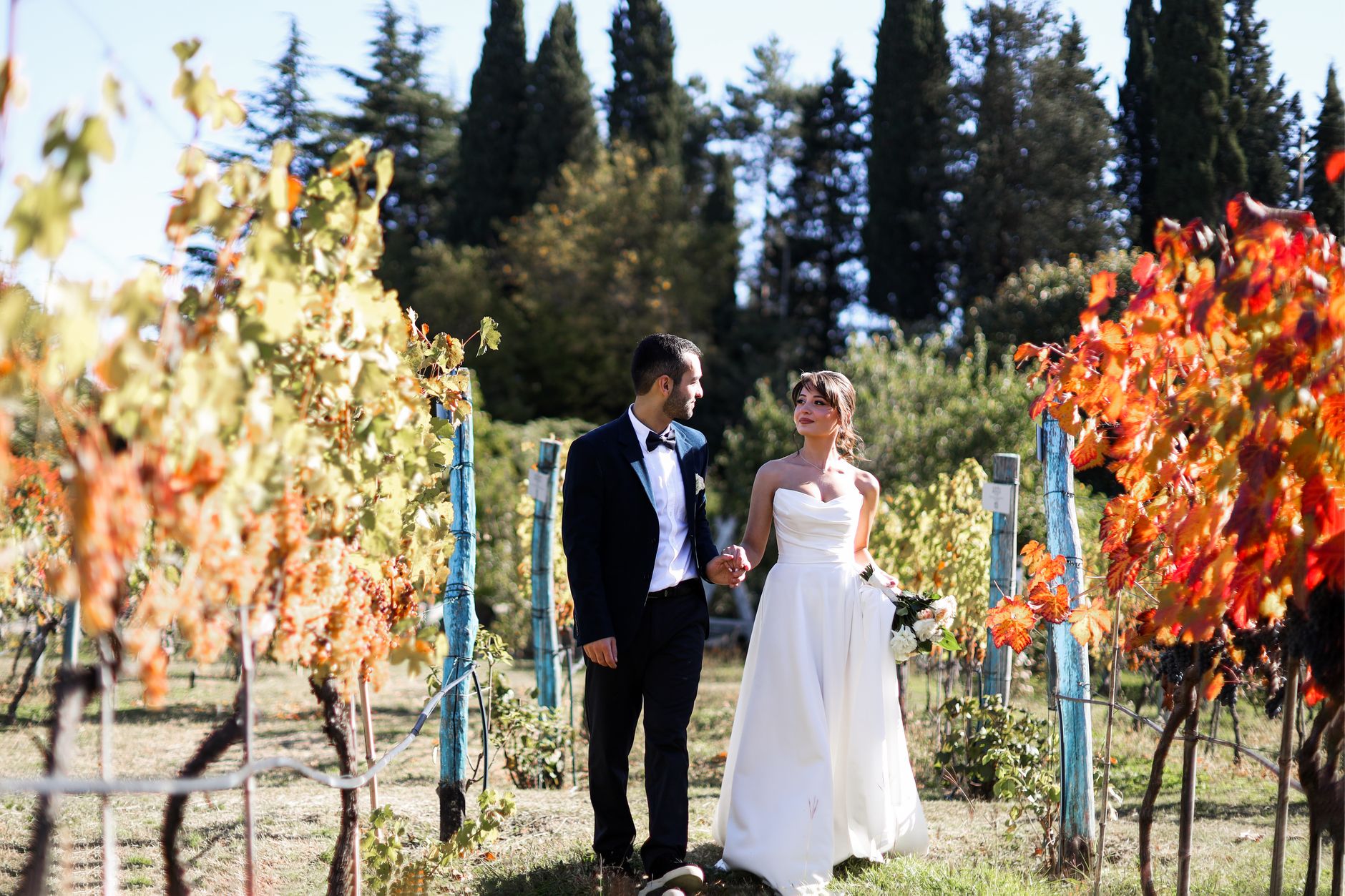
Photo by Photography Maghradze PH on Pexels
Vineyard estates present three coverage zones: the ceremony site (usually a terrace, courtyard, or lawn with vine-row views), the cocktail and reception pavilion or barn, and the working winery elements — barrel rooms, crush pads, vineyard paths — that couples incorporate into their timeline. A 10-hour wedding film package typically allocates 90 minutes before the ceremony for getting-ready coverage and first-look portraiture in the vines, 2 hours for ceremony and family portraits, 1 hour for golden-hour couple portraits walking the property, and the remaining 5.5 hours covering cocktail hour, toasts, dinner, and dancing.
Sonoma light behaves differently than Southern California coastal light. The fog influence from the Pacific creates softer, cooler-toned mornings and late afternoons, with the warmest direct sun appearing between 3 PM and 6 PM in summer. Videographers schedule the couple portrait session during that window, not at sunset, because the fog often returns at dusk and flattens the available light. A Sonoma wedding film shot in June will have a different color palette than the same timeline at Calamigos Ranch — more green-gold than amber, more diffused highlights, more atmospheric haze in wide establishing shots of the property.
Russian River Valley, Dry Creek Valley, and Sonoma Valley each offer different aesthetics. Russian River estates tend to have redwood groves adjacent to vineyards, Dry Creek properties skew more open and sun-exposed with rolling hills, and Sonoma Valley sits closer to the bay and fog line, producing softer light and more eucalyptus and oak in the landscape. The videographer scouts the property in advance or reviews planner-supplied site maps to understand which zones will be backlit, which courtyards have shade cover for mid-afternoon setup, and where the best vantage points sit for capturing the processional and vows without silhouetting the couple.
Documentary vs Cinematic Wedding Film Styles in Wine Country Settings
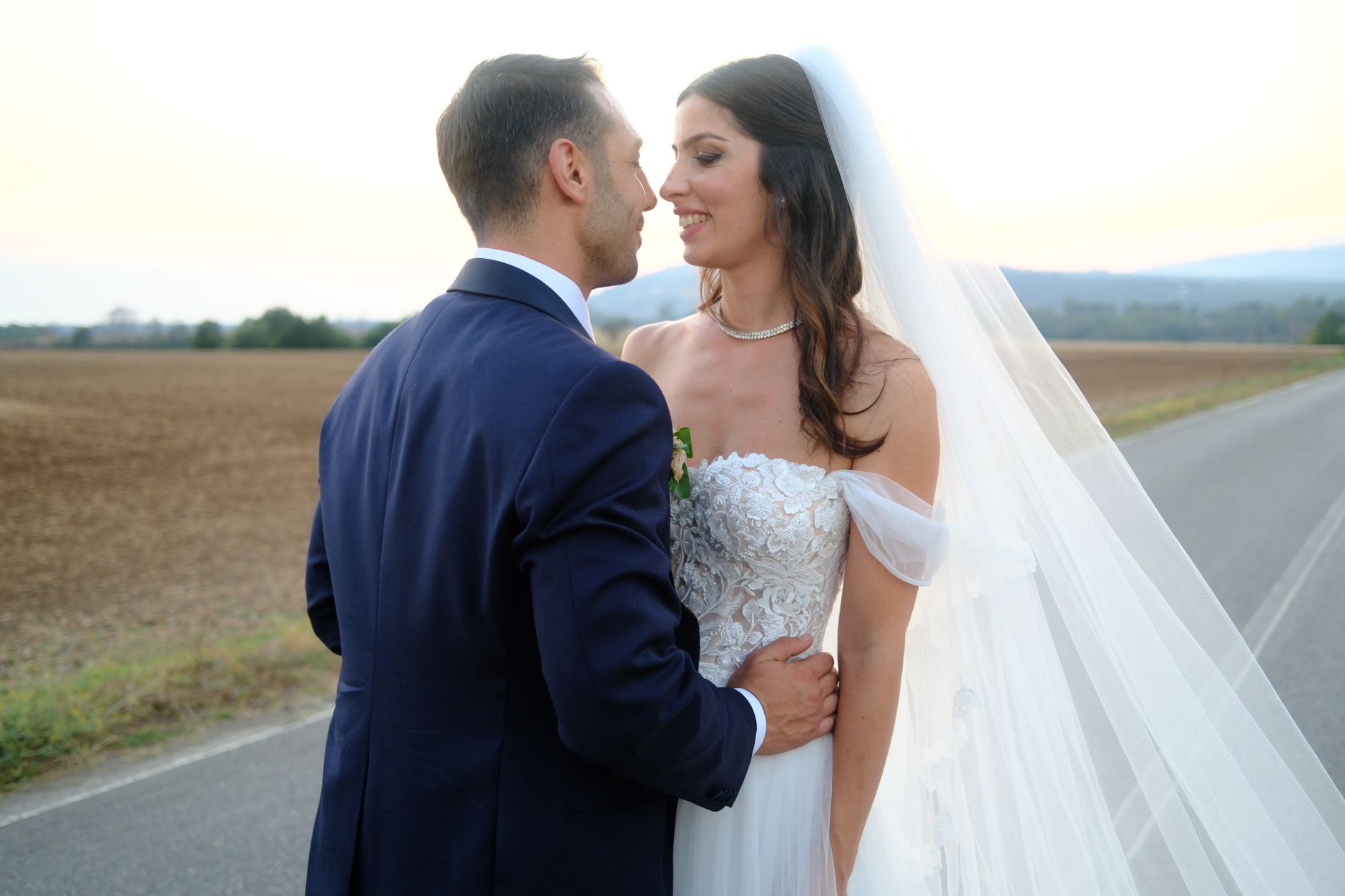
Photo by Andrea Prochilo on Pexels
Sonoma couples tend to request documentary wedding film coverage more often than heavily stylized cinematic edits. The preference aligns with the wine country aesthetic — editorial, natural, less choreographed. A documentary wedding film captures the day as it unfolds: the couple walking the vineyard with their planner before guests arrive, the winemaker giving an impromptu toast during cocktail hour, the parent who steps outside the barrel room during dinner to compose themselves before the father-daughter dance.
A cinematic wedding film emphasizes composed shots, slower pacing, curated music, and a tighter narrative arc. Both styles work in Sonoma, but the estate setting and the couple demographic — often urban professionals from San Francisco or Los Angeles seeking a pastoral counterpoint to their daily lives — lean toward the documentary approach. The wedding film becomes a record of how the day actually felt, not a music-video interpretation of it.
For couples who want both, a photo + video combined package often includes a short cinematic highlight reel (3–5 minutes, delivered 6 weeks after the wedding) and a longer documentary wedding film (20–30 minutes, delivered 10–12 weeks post-wedding). The highlight reel satisfies the Instagram and immediate-sharing need; the documentary film becomes the version the couple watches on anniversaries.
How a 2-Shooter Video Team Covers a Sonoma Winery Wedding

Photo by Brunxs on Pexels
A 2-shooter video team splits coverage by narrative priority and physical distance. Shooter A follows the couple — getting ready, first look, ceremony entrance, vows, recessional, portraits, reception entrance, first dance, parent dances. Shooter B captures the wider story: guest arrivals, ceremony-site setup and design details, officiant and musician preparation, candid guest reactions during the ceremony, toasts, and dance-floor atmosphere.
During the ceremony, Shooter A positions near the officiant or to the side of the aisle with a clear sightline to the couple's faces during vows. Shooter B operates from the back or side of the guest seating area, capturing the processional, wide shots of the full ceremony scene with vineyard or estate architecture in frame, and guest reactions — the parent who tears up during readings, the sibling who smiles during the ring exchange. Both shooters use wireless lavalier microphones on the couple and officiant to ensure clean vow audio even in outdoor settings with wind or ambient winery noise (tractors, crush equipment, kitchen prep).
Between ceremony and reception, one shooter stays with the couple for golden-hour portraits while the second documents cocktail hour — guest interactions, the wine-tasting station most Sonoma couples set up, the passed appetizers and design details the florist and planner installed. This is the coverage window where single-shooter packages lose narrative depth; with only one videographer, the couple either skips extended portrait time or the film loses the texture of cocktail hour.
Sonoma County Venue Types and Their Coverage Implications
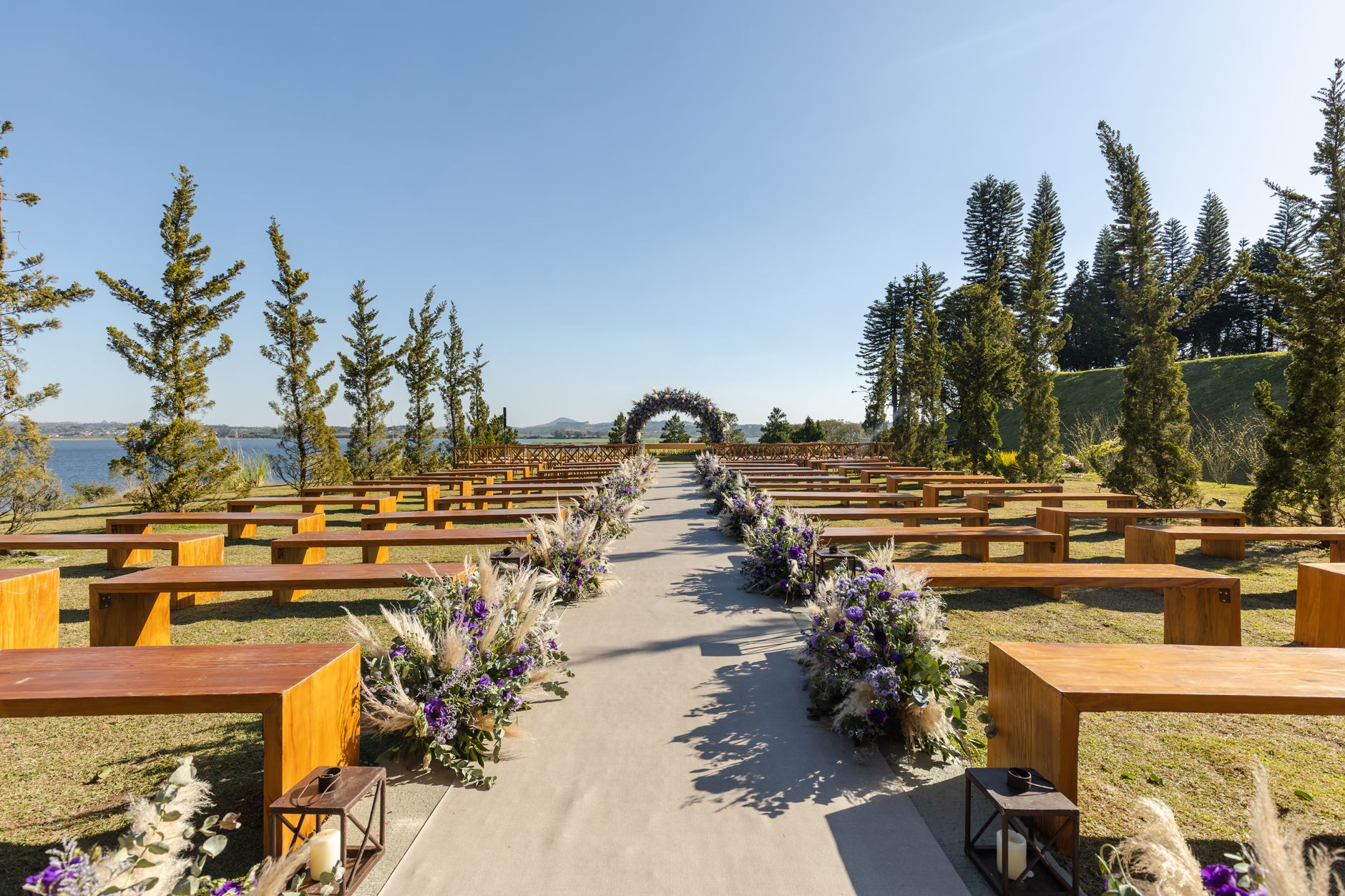
Photo by Matheus Bertelli on Pexels
Sonoma wedding venues fall into three categories: working winery estates that host events in production spaces (barrel rooms, crush pads, fermentation-tank pavilions), dedicated event wineries with purpose-built ceremony sites and reception barns, and private vineyard estates available only through planner relationships or family connections.
Working winery estates — where the couple's reception shares the property with active wine production — offer the most editorial potential. The couple walks past stainless steel fermentation tanks on their way to the barrel room for dinner, or cocktail hour happens on the crush pad where that year's harvest was processed three months earlier. These elements ground the wedding film in a specific sense of place that generic event venues cannot replicate. The trade-off: working wineries have stricter noise curfews (often 10 PM) and less flexibility for ceremony start times because harvest schedules, tours, and tasting-room hours constrain availability.
Dedicated event wineries provide more predictable logistics — covered pavilions for weather backup, established relationships with preferred caterers and rental companies, and ceremony sites designed with sightlines and acoustics in mind. The film will be polished and beautiful, but less texturally distinct. The videographer's job in these settings is to find the unrepeatable moments — the way this couple moves through a space hundreds of other couples have used, the family dynamic that colors the toasts, the unscripted guest interactions during dancing.
Private vineyard estates offer the most creative freedom and the least infrastructure. The couple and planner build the wedding from scratch — tenting, lighting, restroom trailers, generator power, catering setup. These weddings take longer to shoot because there are fewer physical constraints on the timeline, and they often produce the most intimate, distinctive wedding films because the setting feels less like an event venue and more like the couple borrowed a working farm for the weekend.
Wine Country Aesthetic and Couple-Type Personas in Sonoma
Sonoma couples skew toward garden romantic and coastal minimalist aesthetics more than editorial black-tie. The wine country setting nudges the design palette toward natural linen, garden greenery, and softer color stories — sage, cream, blush, burgundy — rather than the high-contrast moody editorial look that works at Hotel Bel-Air or the Beverly Hills Hotel.
The typical Sonoma wedding includes 80–150 guests, a family-style or long-table dinner setup rather than rounds, and an emphasis on food and wine as part of the celebration narrative. Many couples schedule a welcome dinner at a different winery the night before, a post-wedding brunch at the estate the morning after, or a next-day pool party. The wedding film often incorporates footage from these auxiliary events when the couple books multi-day coverage.
Urban modern couples occasionally choose Sonoma for the contrast — a sleek, design-forward wedding in a pastoral setting — but the venue's natural aesthetic works against heavy minimalist staging. The most successful Sonoma wedding films lean into the location's strengths: organic, textural, sun-drenched, intimate. The videographer's framing reflects that — more movement, more natural light, more environmental portraiture, less static composition.
Travel Logistics from Los Angeles and Multi-Day Coverage Options
LifeStory.Film is based in Los Angeles, and Sonoma County sits 400 miles north — a 6-hour drive or a 90-minute flight into San Francisco International Airport followed by a 90-minute drive to Sonoma Valley, Healdsburg, or Sebastopol. Most Sonoma weddings are booked as destination wedding film packages, which include travel, accommodations, and the option to add rehearsal-dinner or next-day coverage without separate travel fees.
For single-day coverage, the video team travels the day before the wedding, scouts the venue if the couple and planner arrange site access, and returns the day after. For multi-day weddings — common in Sonoma because couples and their families often rent the estate for the full weekend — the team stays on property or nearby and covers the welcome event, wedding day, and farewell brunch as a continuous narrative. The resulting wedding film has more emotional build and resolution because it captures the full arc of the weekend, not just the ceremony and reception.
Sonoma weddings frequently overlap with Northern California's harvest season (August through October) and with Napa Valley weddings. Couples booking fall dates should confirm availability early, as the region's limited number of wedding-specialized videographers can be committed to overlapping events. Vineyard accommodations also fill quickly during harvest.
Photo + Video Combined Coverage in Wine Country Settings
Wine country weddings benefit from combined photo and video coverage more than almost any other setting. The environment is cinematic — movement, light, landscape — and both mediums reinforce each other. The photographer captures the still editorial moments (the tablescape, the couple's portrait in the vineyard at sunset, the ceremony design from the aisle perspective), while the videographer captures movement, sound, and time — the wind in the grapevines during vows, the couple walking the rows during golden hour, the winemaker's toast.
A photo + video combined package typically includes a 2-shooter video team and a 2-shooter photo team working in parallel but not overlapping. The video team follows the couple's narrative and emotional arc; the photo team covers the design, family groupings, and guest interactions. During key moments — ceremony, first dance, cake cutting — both teams position themselves in complementary angles so neither appears in the other's frame.
Sonoma planners and couples familiar with wine country logistics often request combined coverage because the estate setting, the extended timeline, and the aesthetic investment justify the larger team. The couple receives both a complete wedding film and a full gallery of editorial images that reflect the same light, design, and emotional tone.
Timeline Recommendations for Sonoma Vineyard Wedding Films
A full-day Sonoma wedding timeline built for strong film coverage typically follows this structure:
1:00 PM – 2:30 PM: Getting-ready coverage. Bride and groom prepare in separate suites, often in the estate's guest house or a nearby hotel. Videographer captures detail shots (dress, shoes, rings, invitations, florals) and candid moments (hair and makeup, family helping with final preparations, reading letters exchanged between the couple).
2:30 PM – 3:00 PM: First look in the vineyard or a private corner of the estate. Shooter A films the couple's reaction and their private conversation. Shooter B captures wide shots of the setting and detail shots of the ceremony site being finalized.
3:00 PM – 4:00 PM: Couple portraits in the vineyard rows, olive grove, or estate architecture. This is the golden-hour portrait window in Sonoma during summer and early fall. The couple walks, talks, and moves naturally; the videographer follows rather than directs heavily.
4:00 PM – 4:30 PM: Ceremony. Positioned to capture vows, rings, kiss, and recessional. Audio priority: couple and officiant on lavalier mics, plus a third recorder near musicians for processional and recessional music.
4:30 PM – 5:00 PM: Family formal portraits (photographer leads this; videographer captures candid behind-the-scenes moments and wide shots of the group formations).
5:00 PM – 6:30 PM: Cocktail hour. Guests enjoy wine tasting, appetizers, and lawn games. Video team splits — one follows couple if they join cocktail hour or continue portraits, the other documents guest interactions and design details.
6:30 PM – 7:00 PM: Reception entrance, first dance, welcome toasts.
7:00 PM – 8:30 PM: Dinner service. Video team captures table toasts, candid guest conversations, and the couple's reactions during speeches.
8:30 PM – 10:00 PM: Cake cutting, parent dances, open dancing. Coverage focuses on energy, movement, and guest joy.
10:00 PM: Departure or grand exit. Many Sonoma estates enforce a 10 PM hard stop due to county noise ordinances.
This timeline assumes a summer or early fall wedding. Winter weddings in Sonoma shift the ceremony to 3 PM or earlier to capture light before the 5 PM sunset.
When to Book a Sonoma Wedding Videographer
Sonoma County has fewer full-time wedding videographers than Los Angeles or Orange County, and most book 12–18 months in advance for peak-season dates (May through October). Couples planning a Sonoma wedding should reach out to videographers as soon as the venue contract is signed, ideally before the photographer, florist, and band are confirmed.
If the preferred videographer is unavailable, ask for a referral to a Bay Area–based cinematographer the LA team has worked with or recommends. Wine country weddings often involve vendor collaboration across regions, and experienced Sonoma planners maintain lists of trusted video teams who understand vineyard estate logistics.
Off-season dates (November through April) offer more availability and sometimes lower travel costs, but weather becomes a variable. Sonoma winters are wet, and outdoor ceremonies require tent or covered-pavilion backup. The wine country landscape is green and dramatic in winter, but the light is cooler and the day shorter, which changes the coverage strategy and final film aesthetic.
Planning a Napa or Sonoma wedding? See our Napa Valley & Sonoma wedding films and pricing.