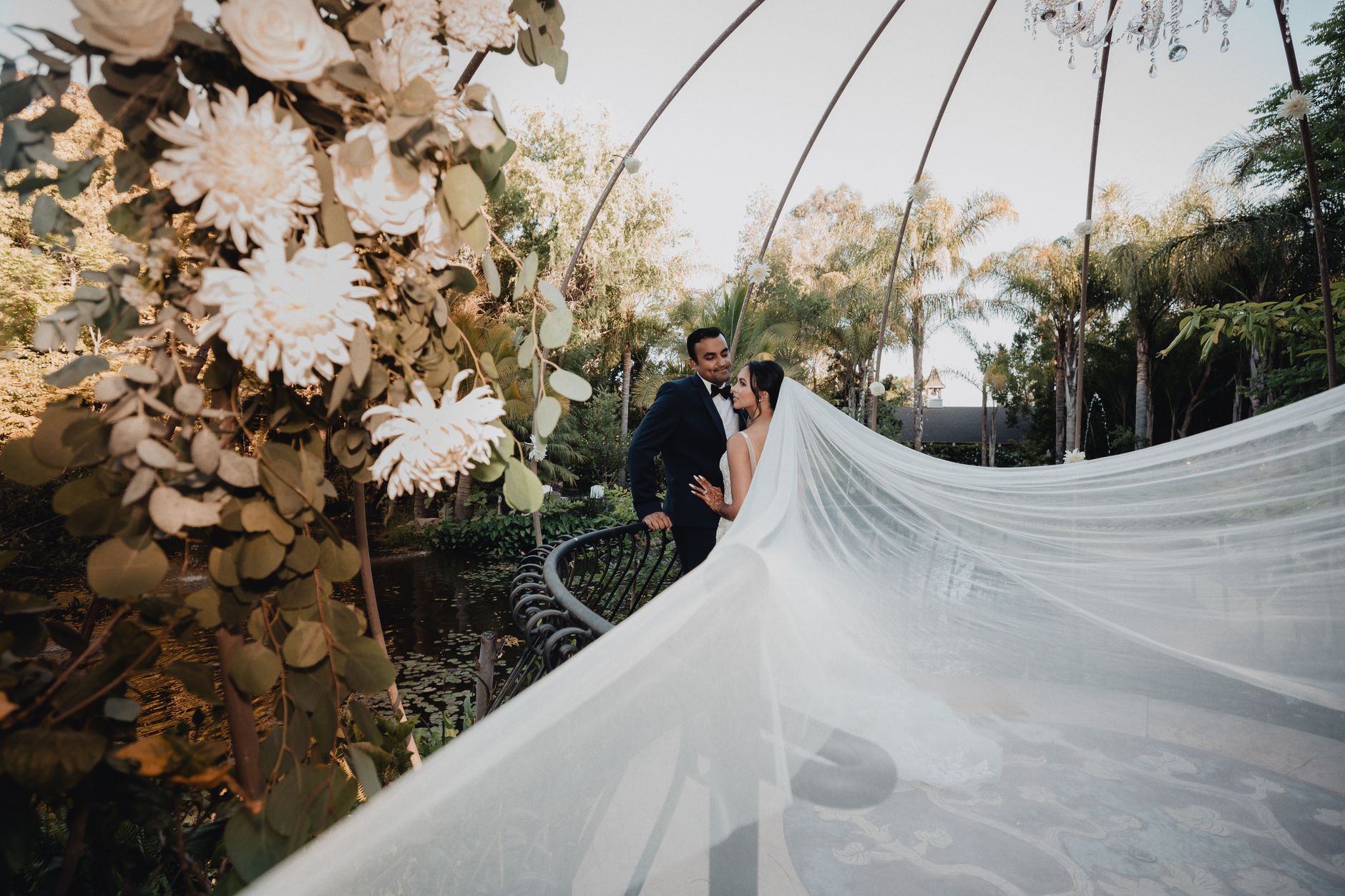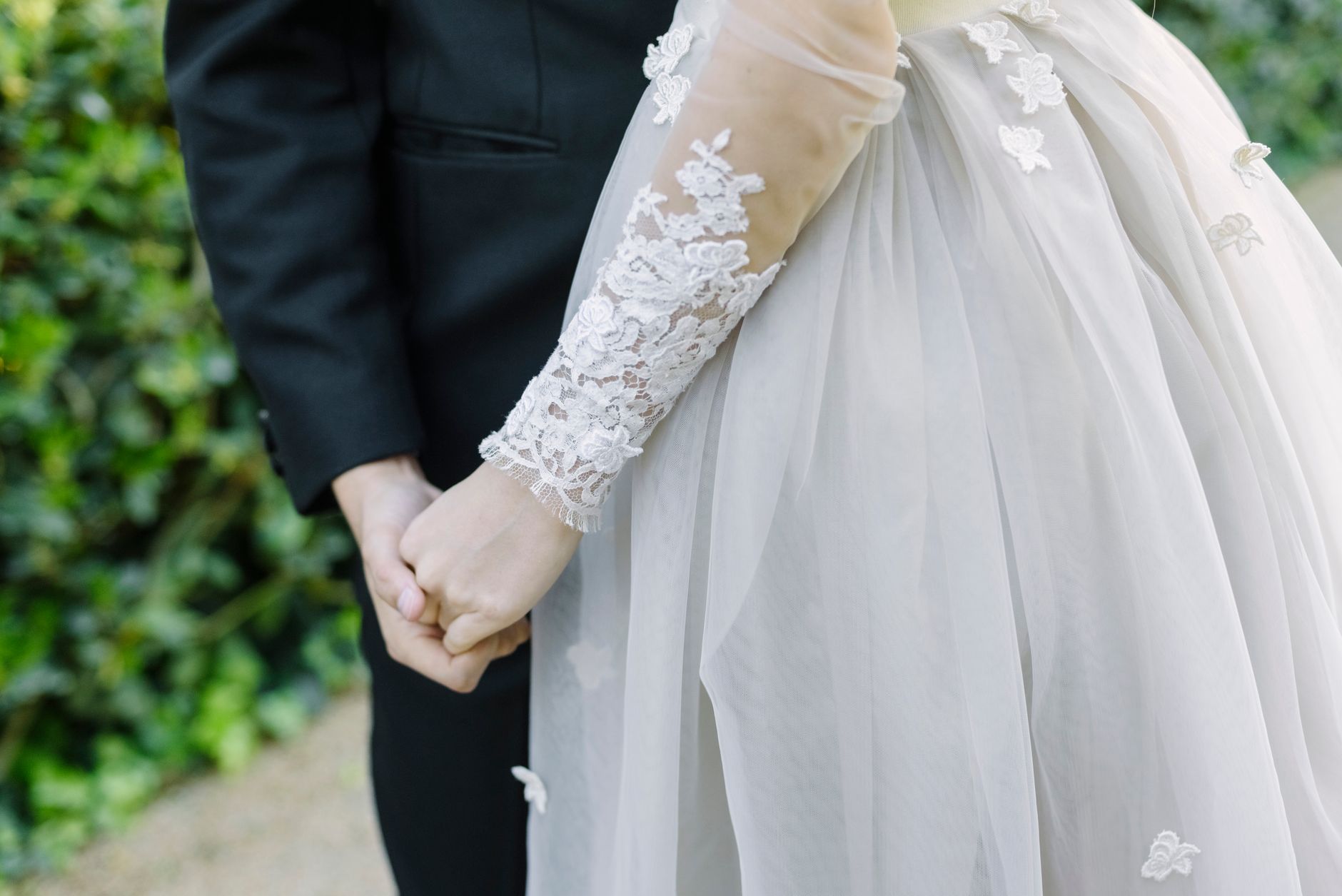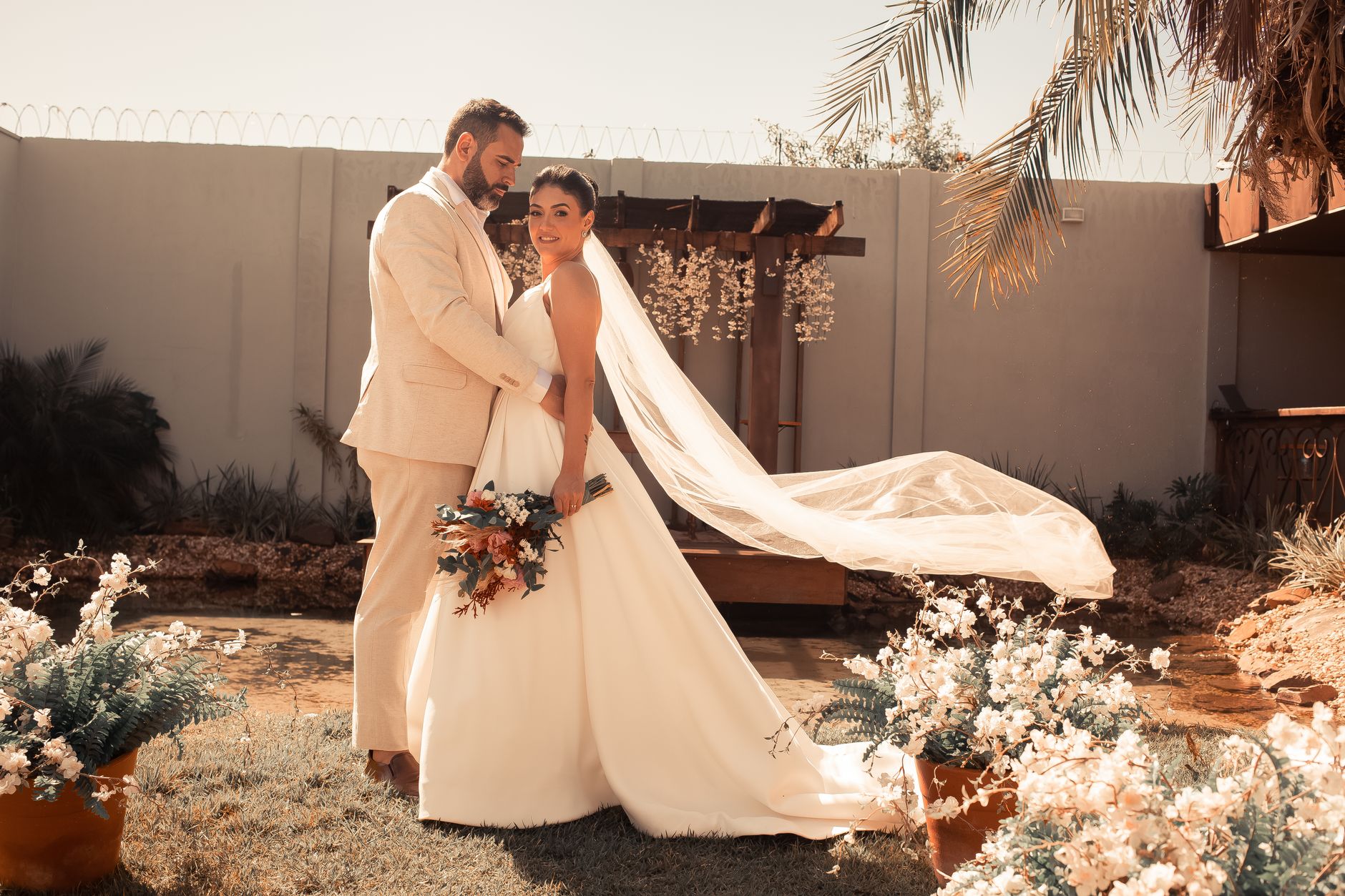
A wedding film in Palm Springs is built around light that behaves nothing like the coastal venues an hour west. The desert throws sharper shadows, faster transitions between golden hour and full sun, and a color palette that swings from blush pink at sunrise to hard white by ten in the morning. A 2-shooter video team covering a mid-century estate wedding in Palm Springs plans the ceremony for late afternoon — typically 4:30 or 5:00 PM — to capture vows in warm, directional light before the mountain backdrop goes flat.
The coverage strategy for a Palm Springs wedding film differs from a Montage Laguna Beach or San Ysidro Ranch shoot in three ways: scene composition prioritizes architecture and mountain silhouettes over ocean horizons, the usable light window is tighter (golden hour arrives faster and departs abruptly), and the venue aesthetic skews mid-century modern or Spanish Colonial rather than garden romantic. Couples who choose Palm Springs tend toward an urban modern or destination minimalist sensibility — clean lines, understated florals, and a reception under string lights with the San Jacinto Mountains as the backdrop.
Why Palm Springs Films Differently Than Coastal Southern California
Photo by Tiarra Sorte on Pexels
Desert light is unforgiving at midday and extraordinary at the edges of the day. A wedding videographer working in Palm Springs schedules the ceremony no earlier than 4:00 PM in summer months (May through September) and as early as 3:30 PM in winter to avoid the overhead sun that flattens faces and bleaches color. The tradeoff: sunset arrives by 6:00 PM in January and 7:30 PM in July, leaving a narrow window for the golden-hour couple portraits that anchor the highlight reel.
The architectural style of Palm Springs estates — flat rooflines, floor-to-ceiling glass, geometric pool decks — creates strong horizontal and vertical lines that read beautifully on film when the sun is low. A videographer frames the ceremony wide to include the roofline and mountain range, then moves to a tighter lens for vows to isolate the couple against the sky. The documentary photography team works in parallel, capturing the same scenes from a second angle to give the editor options in post-production.
Three Palm Springs venue types require different coverage approaches:
- Mid-century modern estates — private homes with glass walls, terrazzo floors, and minimal landscaping. The ceremony happens poolside or on a lawn with unobstructed mountain views. Coverage emphasizes architecture, geometry, and the contrast between interior and exterior light. Full ceremony coverage includes 2 locked-off cameras (one wide, one medium on the couple) plus a roaming shooter for reaction shots.
- Spanish Colonial properties — tile courtyards, fountain details, and shaded arcades. The ceremony is often in a courtyard with dappled light filtering through palm fronds. Coverage leans into texture, shadow, and the play of light on stucco walls. A second shooter focuses on environmental details — the fountain, the tile work, the way light moves across the ceremony space as the sun drops.
- Desert backdrop ceremonies — outdoor sites with Joshua Tree or San Jacinto views, minimal built environment. The couple and officiant stand against open desert. Coverage is wide and cinematic, with drone footage capturing the scale of the landscape. A 10-hour package includes pre-ceremony prep at the estate, the outdoor ceremony, and the reception under a clear-top tent or open sky.
Coverage Hours and Timeline for a Palm Springs Wedding Film
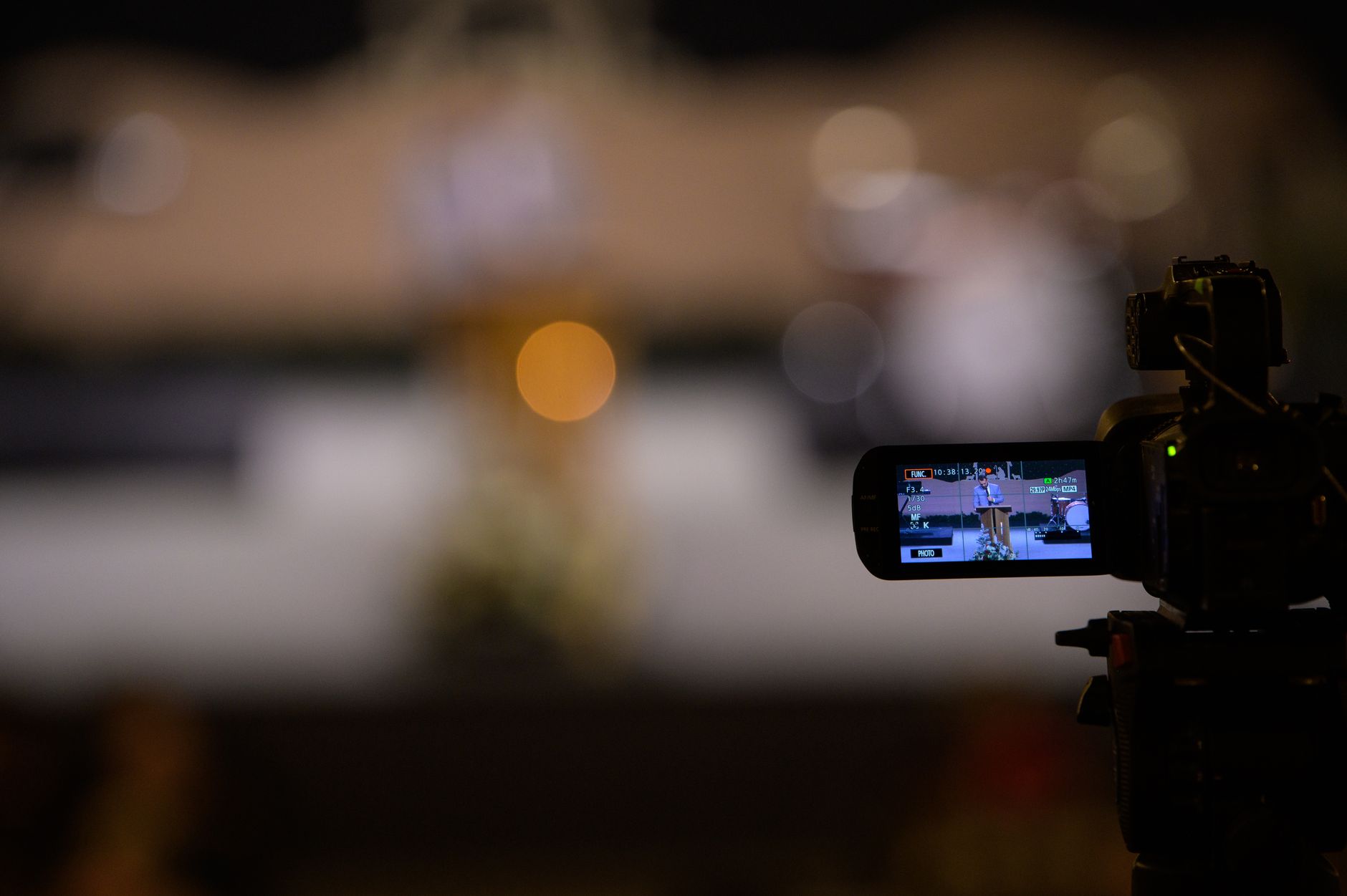
Photo by Brett Sayles on Pexels
A full-day wedding film at a Palm Springs estate requires 10 hours of coverage from a 2-shooter video team to document the getting-ready scenes, the late-afternoon ceremony, and the reception through the first dance. The timeline compresses compared to a coastal wedding because the usable outdoor light window is narrower.
Typical Palm Springs wedding timeline (winter):
- 1:00 PM — Video team arrives, captures detail shots of the estate, florals, and table settings
- 2:00 PM — Bride getting ready, documentary photography overlaps with video
- 3:00 PM — First look on the pool deck or in the shade of the porte-cochère
- 3:30 PM — Ceremony begins (sun is still high but softening)
- 4:00 PM — Ceremony concludes, couple portraits during golden hour (30–40 minutes)
- 4:45 PM — Cocktail hour, videographer captures guest interactions and estate exteriors
- 6:00 PM — Reception intros, toasts, first dance
- 8:00 PM — Coverage concludes after parent dances and cake cutting
Summer adjustments: ceremony pushes to 5:00 or 5:30 PM, couple portraits happen closer to 6:30 PM when the light softens, and coverage extends to 9:00 or 9:30 PM to include the full reception arc.
The edit turnaround for a Palm Springs wedding film is 8–12 weeks. The final deliverable includes a 6–8 minute highlight reel set to licensed music, the full ceremony edit (uncut vows and readings), and toasts. Raw footage is not included in standard packages but can be added for an additional fee.
Desert Light vs Coastal Light in Cinematic Wedding Films
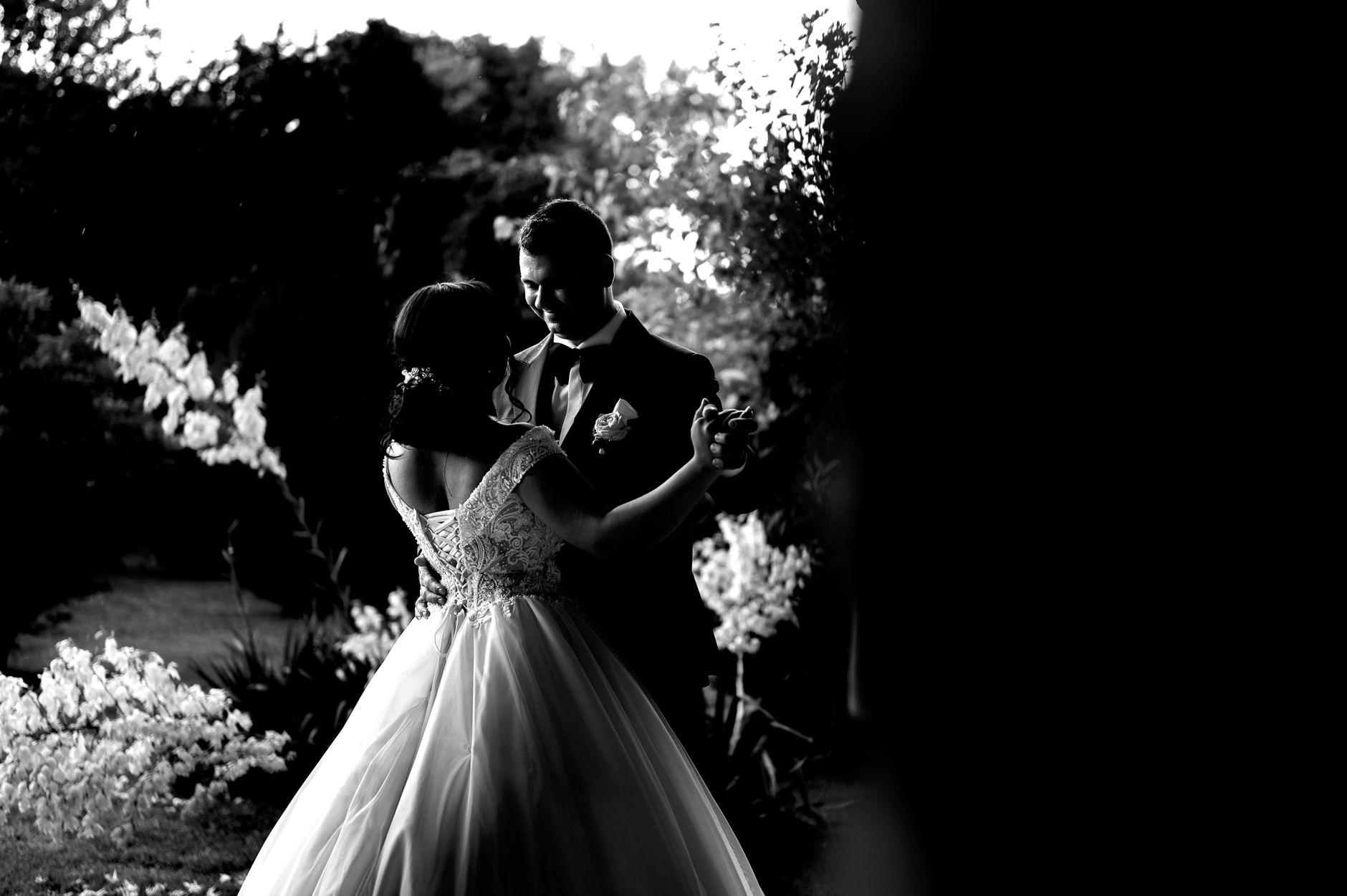
Photo by Mihai on Pexels
A wedding videographer who shoots both Palm Springs and coastal venues adjusts exposure, white balance, and framing to account for the difference in how light behaves. Desert light is harder, cooler in the shadows, and warmer in the highlights. Coastal light is softer, diffused by marine layer, and more forgiving at midday.
Technical differences:
- Dynamic range: Desert sun at 3:00 PM can create a 10-stop difference between shadow and highlight. A videographer exposes for the couple's faces and lets the sky blow out slightly, or uses a graduated ND filter to bring the mountain backdrop into range. Coastal light at 3:00 PM is naturally compressed by haze, making exposure easier.
- Color temperature: Desert light at golden hour skews warmer (3200–3800K) than coastal golden hour (4000–4500K). A videographer sets a custom white balance or shoots in log profile to preserve color information for grading in post.
- Shadow quality: Desert shadows are sharp-edged and deep. A second light source (a reflector or small LED panel) is often necessary for fill during getting-ready scenes shot indoors with strong window light. Coastal shadows are softer and rarely require fill.
The result: a Palm Springs wedding film has a distinct color signature — terracotta, sage green, and ochre in the highlights, with cooler blue-gray shadows. A coastal film leans into pastels and soft transitions. Couples who choose Palm Springs are often drawn to that higher-contrast, architectural look.
What a Palm Springs Wedding Videographer Captures Beyond the Ceremony
Photo by Ünal Aslan on Pexels
A full-day documentary wedding film in Palm Springs includes five distinct scenes, each with its own light and pacing:
- Getting ready at the estate — bride and groom prep in separate wings of the house, shot with available window light and minimal artificial lighting. The videographer captures detail shots of the dress, shoes, invitation suite, and any mid-century furniture or architectural details that establish the venue aesthetic.
- First look — typically on a shaded patio, pool deck, or under a pergola. Shot with two cameras: one wide to show the approach, one tight on faces for the reaction. The photographer works from a third angle.
- Ceremony — 30–40 minutes of coverage with two locked-off cameras (one on a tripod capturing the wide ceremony scene, one on a monopod for tighter reaction shots) and one roaming shooter. Audio is captured via lapel mics on the officiant and groom, plus a boom mic near the couple for backup.
- Couple portraits during golden hour — 20–30 minutes immediately after the ceremony. The videographer directs minimal posing, instead asking the couple to walk toward the mountain view, stand close, and move naturally. The goal is motion and authentic interaction, not static poses.
- Reception through first dance — toasts, parent dances, and the first dance. Shot handheld with a gimbal for smooth motion during dances. Audio from toasts is captured via the venue's sound system feed (when available) or lapel mics on speakers.
The highlight reel pulls 6–8 minutes of footage from these five scenes, intercut with voiceover from the vows and toasts. The full ceremony edit is delivered as a separate file, uncut, typically 30–35 minutes in final length.
Coordination with Documentary Photography and Editorial Photography
Most Palm Springs couples book the Photo + Video Combined Package — a 2-shooter video team plus a 2-shooter photo team working in parallel for 10 hours. The coordination between the two teams is planned before the wedding day to avoid overlapping angles during key moments.
Division of coverage during the ceremony:
- Photographer 1 shoots from the aisle, capturing the processional and guests
- Photographer 2 shoots from the side or rear, capturing the couple and officiant
- Videographer 1 operates a locked-off wide camera from the back center
- Videographer 2 roams with a gimbal for reaction shots and detail angles
Division during couple portraits:
- The video team shoots first (10 minutes), capturing walking motion and interaction
- The photo team takes over for static editorial portraits (15 minutes)
- Both teams regroup for one final wide shot with the mountain backdrop at peak golden hour
This sequencing ensures the couple isn't asked to repeat moments and that both teams get clean angles without people in frame. The final wedding film includes zero shots of photographers working, and the photo gallery includes zero shots of videographers — a coordinated effort that requires pre-planning and trust between the two teams.
When to Book a Palm Springs Wedding Videographer
Couples planning a Palm Springs wedding typically book their wedding film 9–14 months before the wedding date. Peak wedding season in Palm Springs is October through May, when daytime temperatures range from 70–85°F and outdoor ceremonies are comfortable. Summer weddings (June through September) are less common due to heat but are still filmable with a late-afternoon or evening ceremony start.
A Wedding Film package at a Palm Springs estate typically includes 10 hours of coverage, 2 shooters, and the standard deliverables (highlight reel, full ceremony edit, toasts). Couples who add an Engagement Film — shot on location in Joshua Tree or at the estate two months before the wedding — receive a package discount.
Travel from Los Angeles to Palm Springs is included in all quotes. The drive is 2 hours from the LifeStory.Film studio, making Palm Springs a primary service area with no added travel fees or accommodation surcharges. Venues farther into the Coachella Valley (La Quinta, Indio) are also included in the primary service radius.
Palm Springs as a Destination Wedding Film Location
Palm Springs attracts destination couples from the Bay Area, Pacific Northwest, and East Coast who want a California desert wedding without the logistical complexity of Cabo or Tuscany. A wedding videographer based in Los Angeles who travels worldwide still considers Palm Springs a domestic, drive-to location — easier logistics than a Destination Wedding Film in Italy or France.
The desert backdrop reads as distinctly Californian on film — Joshua Trees, the San Jacinto ridgeline, mid-century architecture that feels both vintage and modern. Couples who choose Palm Springs over coastal alternatives (Santa Barbara, Laguna Beach, Carmel) are often drawn to that specific aesthetic: clean, warm, architectural, and uncluttered.
For out-of-state guests, Palm Springs International Airport (PSP) is 10 minutes from most wedding estates, making it one of the most accessible destination wedding locations in California. Videographers flying in from other regions find the logistics straightforward, though LifeStory.Film shoots Palm Springs as a local market.
Choosing Between Full-Day Coverage and Ceremony-Only Packages
A full-day Full Ceremony Coverage package (10 hours, 2 shooters) is the most common choice for Palm Springs estate weddings. It includes everything from getting-ready scenes through the first dance. Couples who want only the ceremony and vows can book a 4-hour ceremony-only package — coverage begins 30 minutes before the ceremony starts and ends after couple portraits conclude.
What the ceremony-only package misses:
- Getting-ready scenes and detail shots of the estate
- First look (if scheduled before the ceremony)
- Reception toasts, parent dances, and first dance
- Environmental B-roll of the venue during cocktail hour
The ceremony-only edit is still a complete narrative — it includes the processional, vows, ring exchange, first kiss, and recessional, plus 20 minutes of couple portraits. The final deliverable is a 4–6 minute highlight reel and the full ceremony file. Edit turnaround is 6–8 weeks.
Most couples who initially inquire about ceremony-only coverage upgrade to full-day after reviewing sample films. The reception moments — toasts, parent dances, the energy of the dance floor under string lights — are difficult to reconstruct from memory and provide the emotional arc that balances the ceremony's formality.
Working with Palm Springs Wedding Planners and Venue Coordinators
Palm Springs estate weddings are almost always coordinated by a professional planner who manages the timeline, vendor load-in, and day-of logistics. A wedding videographer coordinates with the planner two weeks before the wedding to confirm the timeline, establish where the ceremony will be staged, and identify any lighting or audio challenges (outdoor ceremonies in open desert require wireless mics, as wind noise is common).
The planner also coordinates the couple portrait window — the 20–30 minutes immediately after the ceremony when the videographer and photographer take the couple away from guests for golden-hour shots. That window is non-negotiable in Palm Springs; if the couple skips it to greet guests, the light is gone and the portraits happen in full dark or under artificial lighting.
A professional planner understands the desert light constraints and builds the timeline around them. A couple planning a DIY Palm Springs wedding without a planner should consult with their videographer at least 8 weeks before the wedding to map the timeline and identify potential coverage gaps.