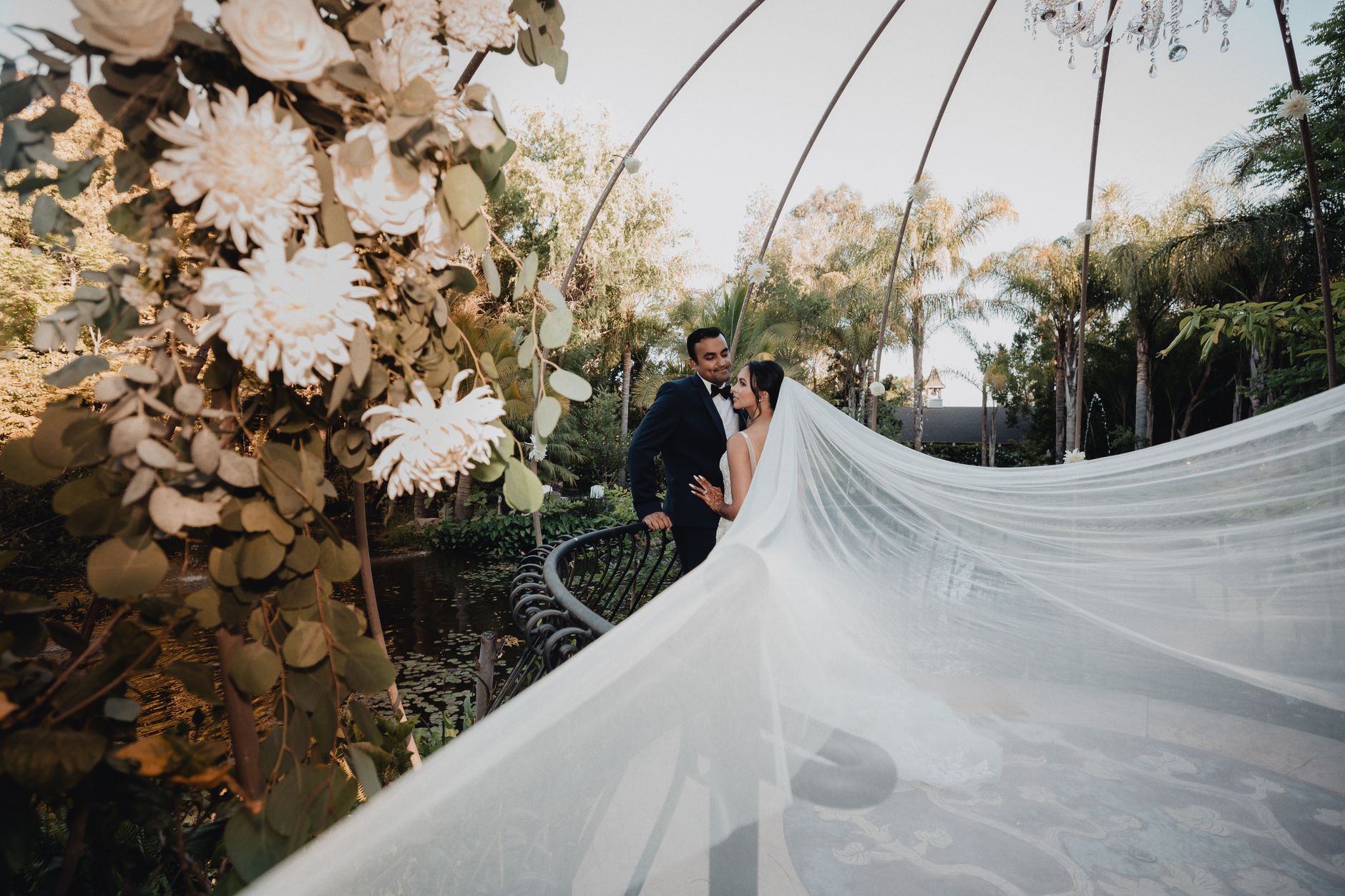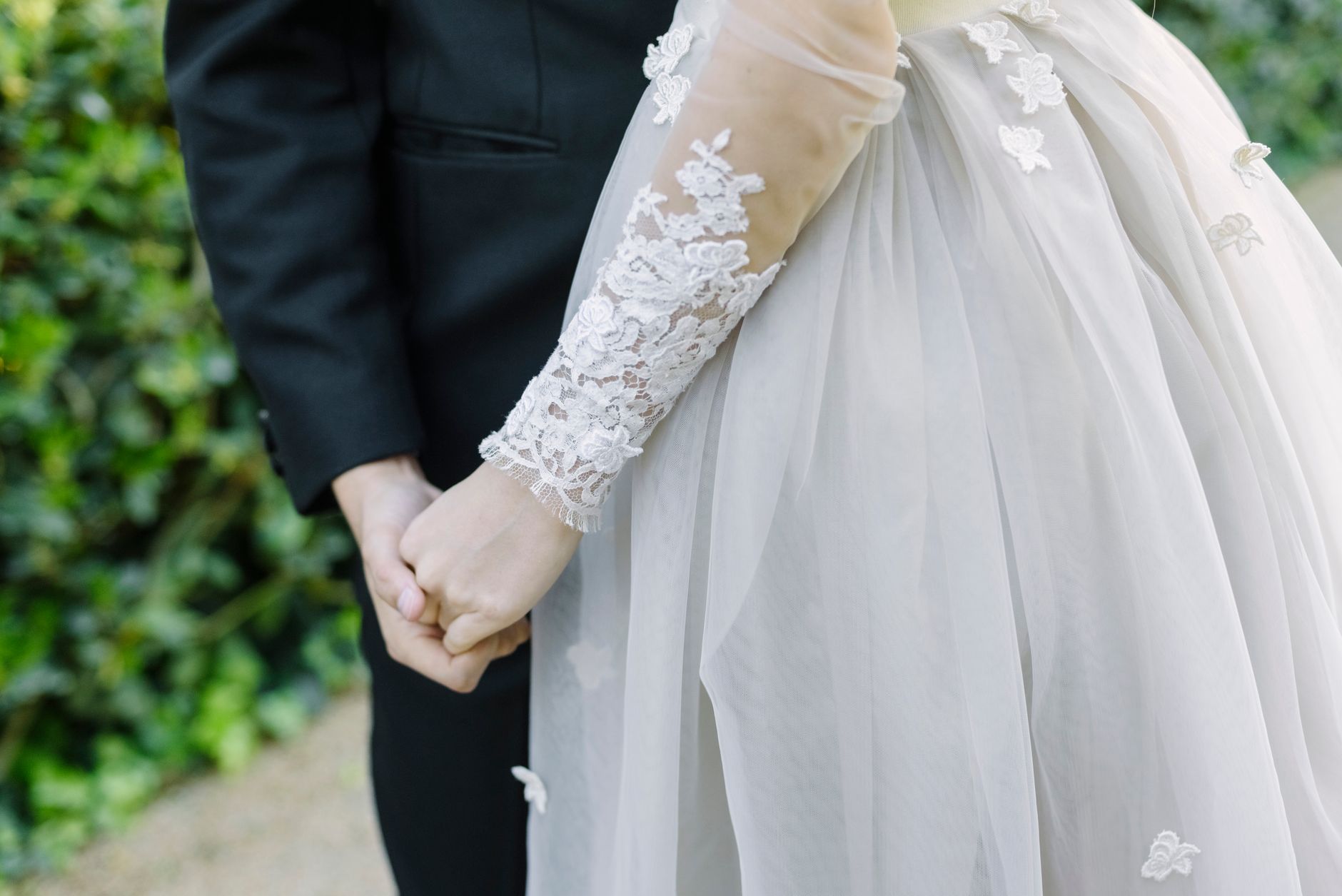
A wedding film at Rancho Valencia requires a 2-shooter video team with 10 hours of coverage to capture the hacienda courtyard ceremony, the citrus grove portraits during golden hour, and the poolside reception that extends into the evening. The resort sits in its own microclimate in Rancho Santa Fe — softer afternoon light than coastal San Diego, warmer tones than the inland valleys — and a videographer who has worked the property before knows to plan the ceremony for 4:30 PM, not 5:30, to hold the warm light through the processional and vows without losing it halfway through the first reading.
Rancho Valencia weddings attract couples planning editorial black-tie events or garden romantic celebrations with guest counts between 80 and 150. The resort's Spanish colonial architecture, olive groves, and championship croquet lawns provide the backdrop for a wedding film that reads refined rather than resort-typical. Coverage begins with getting-ready scenes in one of the 49 private casitas, moves to the hacienda courtyard or citrus grove for the ceremony, includes a 30-minute portrait window in the olive grove or on the croquet lawn, and closes with a reception under market lights on the main lawn or poolside terrace.
Why Rancho Valencia Films Differently Than a Coastal San Diego Venue
Photo by Ricky Esquivel on Pexels
Rancho Valencia is 6 miles inland from the coast, which changes the quality of light — no marine layer, no June gloom, no offshore wind. The ceremony light at 4:30 PM in May reads warmer and more golden than the same hour at Montage Laguna Beach or Terranea Resort. The hacienda courtyard walls are white stucco, which bounces fill light back onto the couple during the vows without a reflector. The olive grove canopy filters overhead sun into dappled patterns that move across the couple during portraits, which requires a videographer to shoot at 1/50 shutter speed (for the 24fps timeline) and expose for the couple's skin tone, not the brightest patch of ground.
The resort grounds span 45 acres, but wedding coverage concentrates on five scenes: the casitas (getting ready), the hacienda courtyard (ceremony), the citrus grove (family formals), the croquet lawn or olive grove (couple portraits), and the poolside terrace or main lawn (reception). A full-day wedding film from Rancho Valencia typically runs 8–12 weeks from wedding day to final delivery, with a 12–15 minute edit that includes the full ceremony audio, toasts, first dance, and parent dances.
Scene-by-Scene Coverage at Rancho Valencia
Photo by NIrmal Kushwah on Pexels
1. Casita Getting Ready (10 AM – 1 PM)
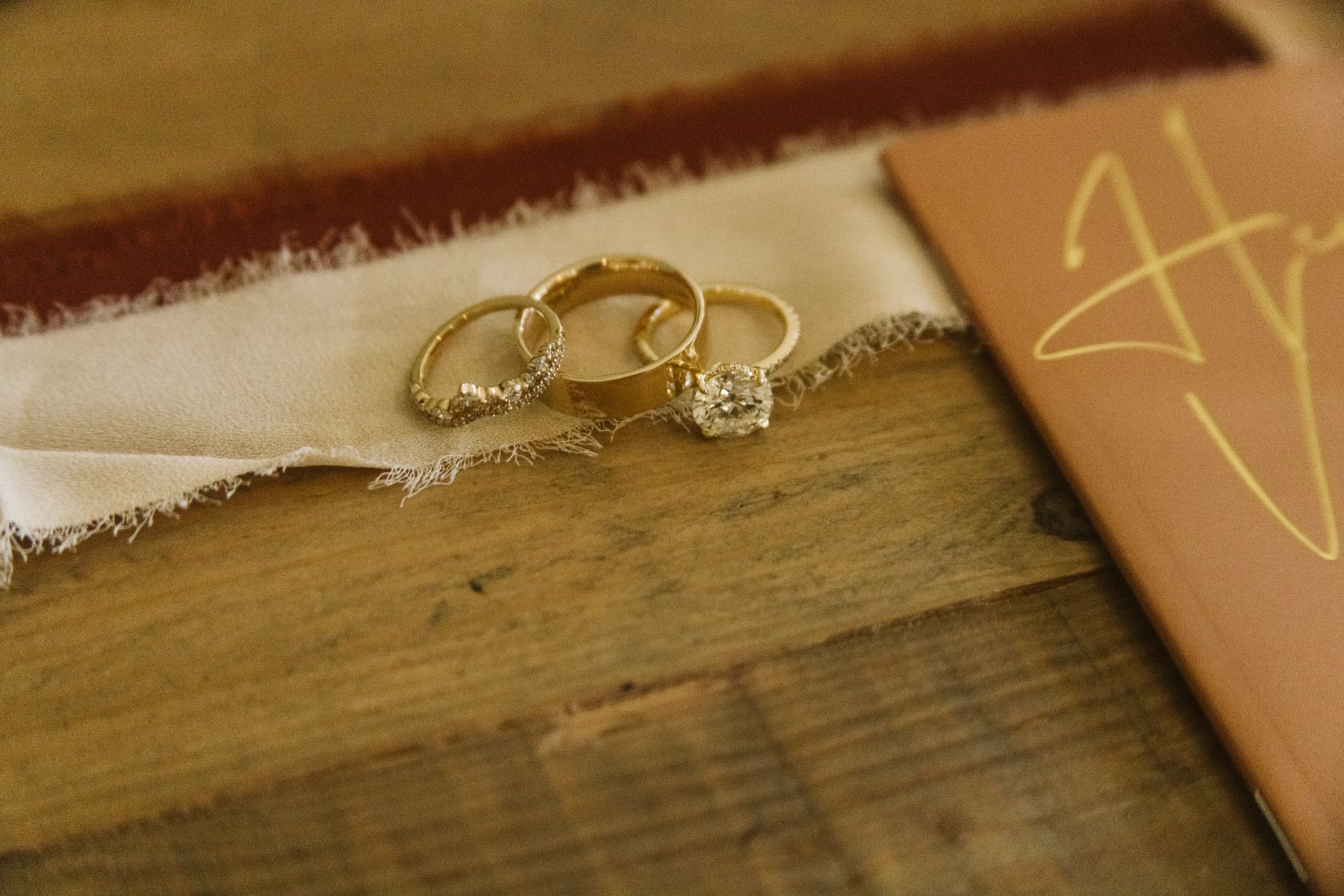
The casitas are one- or two-bedroom suites with private patios, floor-to-ceiling windows, and tile bathrooms with soaking tubs. Natural light enters from the south and west, which means morning getting-ready coverage (before noon) benefits from indirect light through sheer curtains. The videographer captures detail shots — the dress hanging in the window frame, the invitation suite on the patio table, the bride's jewelry on a limestone countertop — before the couple arrives. Once hair and makeup begin, coverage shifts to observational: the bride's mother fastening the dress, the groom adjusting his boutonniere in the mirror, quiet moments on the patio before the processional.
2. Hacienda Courtyard Ceremony (4 PM – 5 PM)
The hacienda courtyard is framed by white stucco walls, a terra-cotta tile roof, and a central fountain. Ceremony capacity is 120 guests seated in white garden chairs facing an altar positioned in front of the fountain. The courtyard is open to the sky, so a 4:30 PM ceremony in late spring or early fall receives warm, angled light from the west. The videographer positions one camera on a tripod at the back of the aisle for the processional, a second handheld camera on the side for reaction shots and ring-exchange close-ups, and an audio recorder clipped to the officiant's lapel for clean vow and reading audio.
The ceremony runs 25–35 minutes. The couple processes out through the courtyard archway to the cocktail lawn, where the videographer captures the recessional in motion and then steps back for 10 minutes while guests transition to cocktail hour.
3. Citrus Grove and Croquet Lawn Portraits (5 PM – 5:45 PM)
The citrus grove sits adjacent to the main lawn and provides a quieter backdrop than the poolside terrace for couple portraits immediately after the ceremony. The trees are mature Meyer lemon and Valencia orange, spaced 12 feet apart, which creates pockets of shade and sun. The videographer walks the couple through the grove for 15 minutes, shooting handheld, no tripod, capturing movement — the couple walking hand-in-hand, a quiet conversation under the trees, the bride adjusting her veil in dappled light.
The croquet lawn is a second portrait option for couples who prefer open space and long sightlines. The lawn is championship regulation, 105 feet by 84 feet, bordered by olive trees and a low stone wall. Golden-hour light at 5:30 PM in June or September reads warm and directional, which the videographer uses for backlit or side-lit portrait sequences.
4. Poolside Reception and Main Lawn Dinner (6 PM – 11 PM)
Reception coverage at Rancho Valencia typically unfolds on the poolside terrace (intimate weddings, 60–100 guests) or the main lawn (larger weddings, 100–150 guests). The poolside terrace is lit by market lights strung overhead and pillar candles on each table. The main lawn accommodates a larger tent structure, a dance floor, and a stage for the band. Both locations require the videographer to adjust white balance as daylight fades — shooting at 5600K during cocktail hour, shifting to 3200K under tungsten market lights by 7 PM, and using a variable ND filter to manage exposure without stopping down past f/2.8.
The reception timeline follows a traditional structure: grand entrance at 6:30 PM, first dance at 6:45 PM, toasts at 7 PM, dinner service at 7:30 PM, parent dances at 8:30 PM, cake cutting at 9 PM, open dancing from 9:15 PM to 11 PM. The videographer captures the grand entrance, first dance, and toasts in full. Parent dances and cake cutting are covered handheld from multiple angles. Open dancing is documented selectively — 2–3 songs in full, crowd reactions, the couple dancing with guests, the final song as a wide establishing shot.
Timeline Recommendations for Full-Day Film Coverage
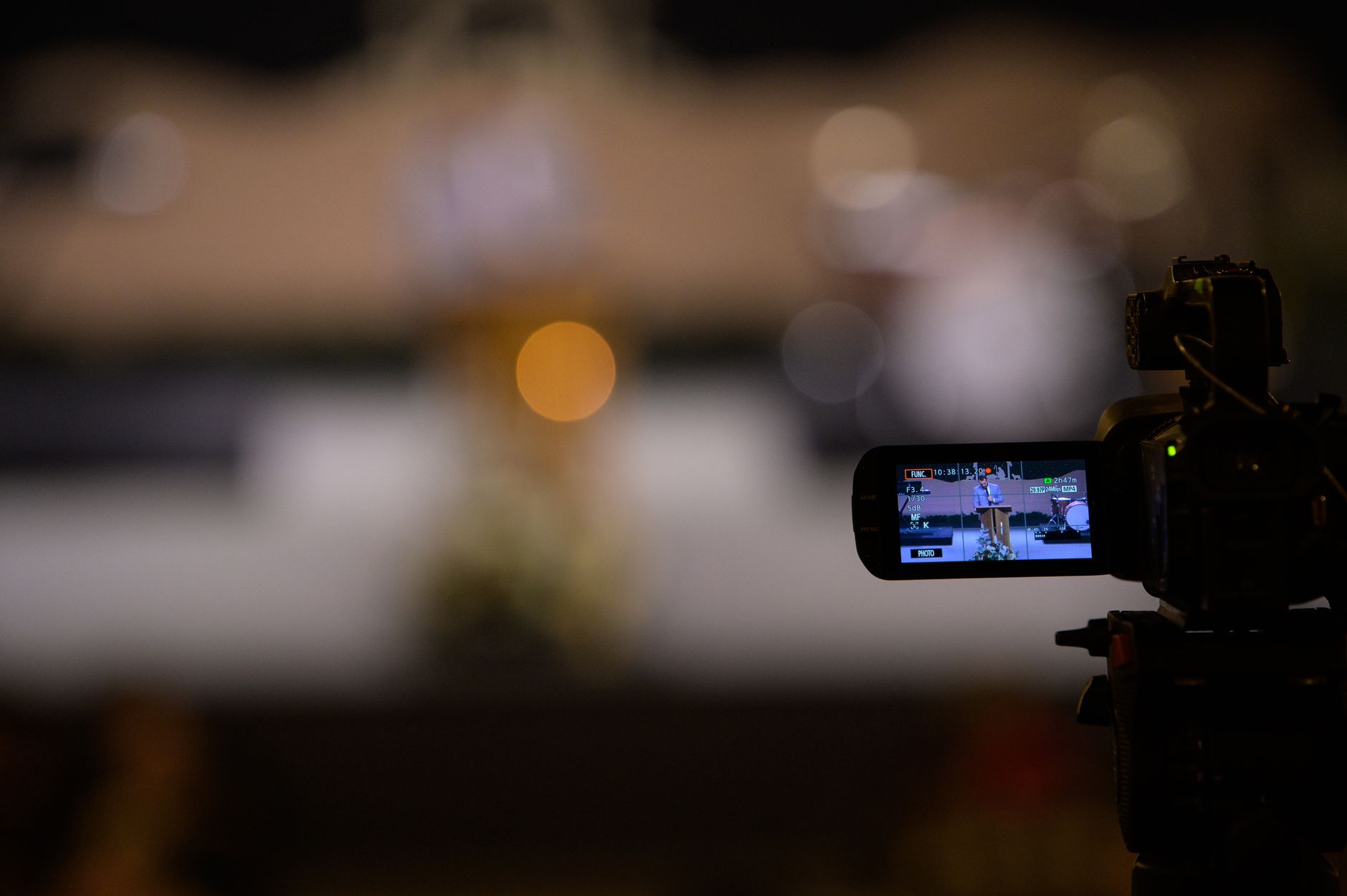
Photo by Brett Sayles on Pexels
A full-day wedding film at Rancho Valencia requires 10 hours of coverage from a 2-shooter video team. The typical timeline:
- 10 AM – 1 PM: Getting ready in the casitas (bride and groom separately, if both book coverage)
- 1 PM – 2 PM: First look on the croquet lawn or in the olive grove (optional, but 70% of Rancho Valencia couples choose a first look to extend the portrait window)
- 2 PM – 4 PM: Family formals in the citrus grove, wedding party group shots, final detail coverage
- 4 PM – 4:30 PM: Guest arrival, pre-ceremony establishing shots of the hacienda courtyard
- 4:30 PM – 5 PM: Ceremony
- 5 PM – 5:45 PM: Couple portraits (citrus grove, croquet lawn, or olive grove)
- 5:45 PM – 6:30 PM: Cocktail hour on the main lawn (coverage is light — the videographer uses this window to review footage and prepare for reception)
- 6:30 PM – 11 PM: Reception — grand entrance, first dance, toasts, dinner, parent dances, cake cutting, open dancing
Couples who book a Photo + Video Combined Package receive a 2-shooter video team and a 2-shooter photo team working in parallel, which allows the videographer to focus on motion and scene coverage while the photographer captures stills during the ceremony and portraits.
Lighting Considerations for Rancho Valencia Wedding Films
Photo by Luis Morales Torres on Pexels
Rancho Valencia's inland microclimate produces warmer, more consistent afternoon light than coastal San Diego venues. The hacienda courtyard receives direct sun from the west between 3 PM and 6 PM, which creates hard shadows and high contrast if the ceremony is scheduled before 4 PM. A 4:30 PM ceremony start time positions the sun at 20–30 degrees above the horizon (depending on the season), which softens the light and reduces contrast without requiring additional fill.
The citrus grove and olive grove function as natural diffusers. The tree canopy reduces direct overhead sun by approximately 60–70%, which creates dappled patterns on the ground and the couple during portraits. The videographer exposes for the couple's skin tone (typically 70 IRE on the waveform monitor) and allows the brightest patches of ground to blow out slightly rather than underexposing the couple to hold highlight detail in the background.
Evening reception lighting under market lights and string lights requires the videographer to increase ISO (1600–3200 on a Sony A7S III or Canon R5) and open the aperture to f/1.4 or f/2.0 to maintain a shutter speed of 1/50 for the 24fps timeline. The market lights at Rancho Valencia are tungsten-balanced (approximately 3000K), so the videographer sets a custom white balance or adjusts in post to avoid the orange cast that results from auto white balance under mixed lighting.
What Couples Planning a Rancho Valencia Wedding Should Know About Film Coverage
Rancho Valencia is a preferred venue for couples planning garden romantic or editorial black-tie weddings in San Diego County. The resort does not enforce a preferred vendor list, which allows couples to hire a Los Angeles-based Wedding Film team without restrictions. The resort's event coordinator provides a detailed timeline template and a site map that identifies ceremony and reception locations, which the videographer uses to plan camera positions and coverage logistics before the wedding day.
The resort's casitas are spaced across the property, which means the videographer may need a golf cart (provided by the resort) to move between getting-ready locations if the bride and groom are preparing in separate casitas. The hacienda courtyard and main lawn are within a 3-minute walk, so ceremony-to-reception transitions do not require vehicle transport.
Rancho Valencia weddings typically include 80–150 guests, a ceremony length of 25–35 minutes, and a reception that extends to 11 PM. The resort enforces an 11 PM sound curfew, so the last dance and sendoff occur at or before 11 PM. Couples planning a sendoff with sparklers or a vintage car exit should communicate the timing to the videographer during the pre-wedding planning call, which typically occurs 4–6 weeks before the wedding day.
How Rancho Valencia Wedding Films Compare to Other San Diego Venues
Rancho Valencia shares a luxury resort positioning with San Ysidro Ranch in Montecito and Ojai Valley Inn in Ojai, but the visual language differs. San Ysidro Ranch reads more rustic and intimate, with eucalyptus groves and stone cottages. Ojai Valley Inn is larger and more resort-forward, with vineyard ceremony sites and a Spanish colonial hacienda. Rancho Valencia sits between the two — refined but not overly formal, spacious but not sprawling, warm-toned but not overly rustic.
Compared to coastal San Diego venues like Montage Laguna Beach or Terranea Resort, Rancho Valencia offers warmer afternoon light, less wind, and no marine layer. The inland location means the videographer does not need to plan around June gloom or offshore wind that disrupts audio during the ceremony. The trade-off is the absence of an ocean backdrop, which some couples prioritize for their wedding film.
Couples who are considering both Rancho Valencia and Resort at Pelican Hill should know that Pelican Hill reads more architectural and formal, with a circular rotunda and manicured Italian gardens. Rancho Valencia reads more relaxed and garden-organic, with olive groves and croquet lawns. The wedding film from each venue reflects that difference — Pelican Hill films read more structured and editorial, Rancho Valencia films read more intimate and natural.
Documentary Photography and Full Ceremony Coverage at Rancho Valencia
Couples who book Documentary Photography alongside wedding film coverage receive a 2-shooter photo team that works in parallel with the video team. The photographer captures stills during the ceremony, family formals, couple portraits, and reception, while the videographer focuses on motion and scene coverage. The two teams coordinate during the portrait window to avoid overlapping in the frame and to ensure the couple is not asked to repeat moments for both still and motion cameras.
Full Ceremony Coverage at Rancho Valencia includes multi-camera video of the processional, readings, vows, ring exchange, and recessional, with audio captured from lapel microphones on the officiant and groom. The full ceremony edit runs 25–35 minutes and is delivered as a standalone file alongside the main wedding film, which condenses the ceremony to 3–4 minutes within the 12–15 minute highlight reel.
Final Deliverables and Edit Turnaround for Rancho Valencia Wedding Films
The final wedding film from Rancho Valencia is delivered 8–12 weeks after the wedding day as a digital download and optional USB drive. The deliverable package includes:
- Main wedding film (12–15 minutes): full ceremony vows, toasts, first dance, parent dances, and open dancing, edited to music selected by the couple or the filmmaker
- Full ceremony coverage (25–35 minutes, optional add-on): unedited multi-camera video of the ceremony from processional to recessional
- Highlight reel (3–4 minutes, optional add-on): condensed version of the main film for social media sharing
Couples who book Editorial Photography in addition to wedding film receive a gallery of 600–800 edited images delivered 6–8 weeks after the wedding day. The photo and video teams share a Dropbox folder during post-production to ensure consistent color grading and to coordinate delivery timing.
Begin a Conversation About Your Rancho Valencia Wedding
LifeStory.Film documents weddings at Rancho Valencia and across Southern California — from Montage Laguna Beach to San Ysidro Ranch to Resort at Pelican Hill. Coverage includes Wedding Film, Documentary Photography, and Photo + Video Combined Package options for full-day and multi-day weddings. Reach out through the contact page to discuss your timeline, your ceremony location, and the specific scenes you want preserved on film.