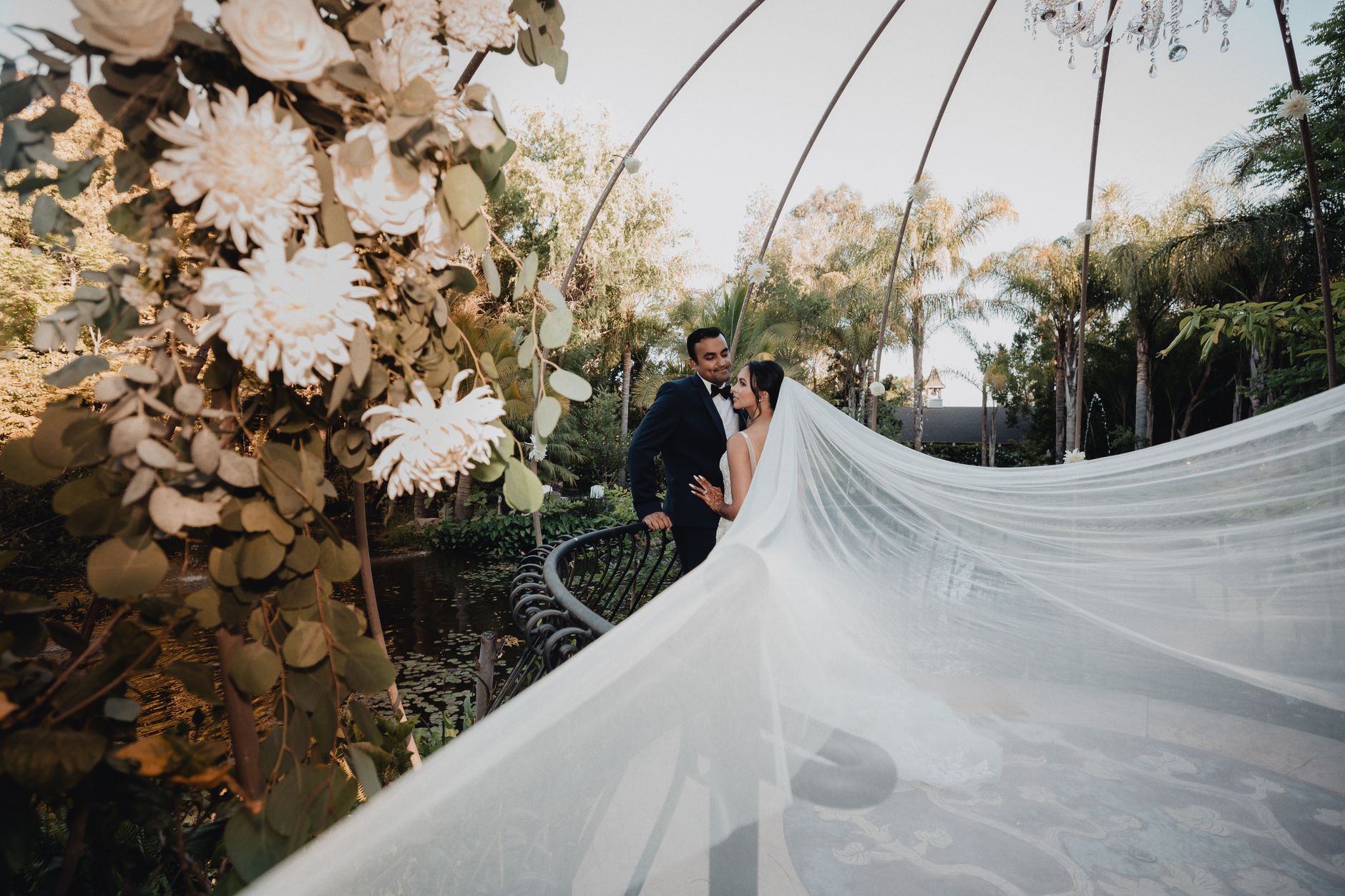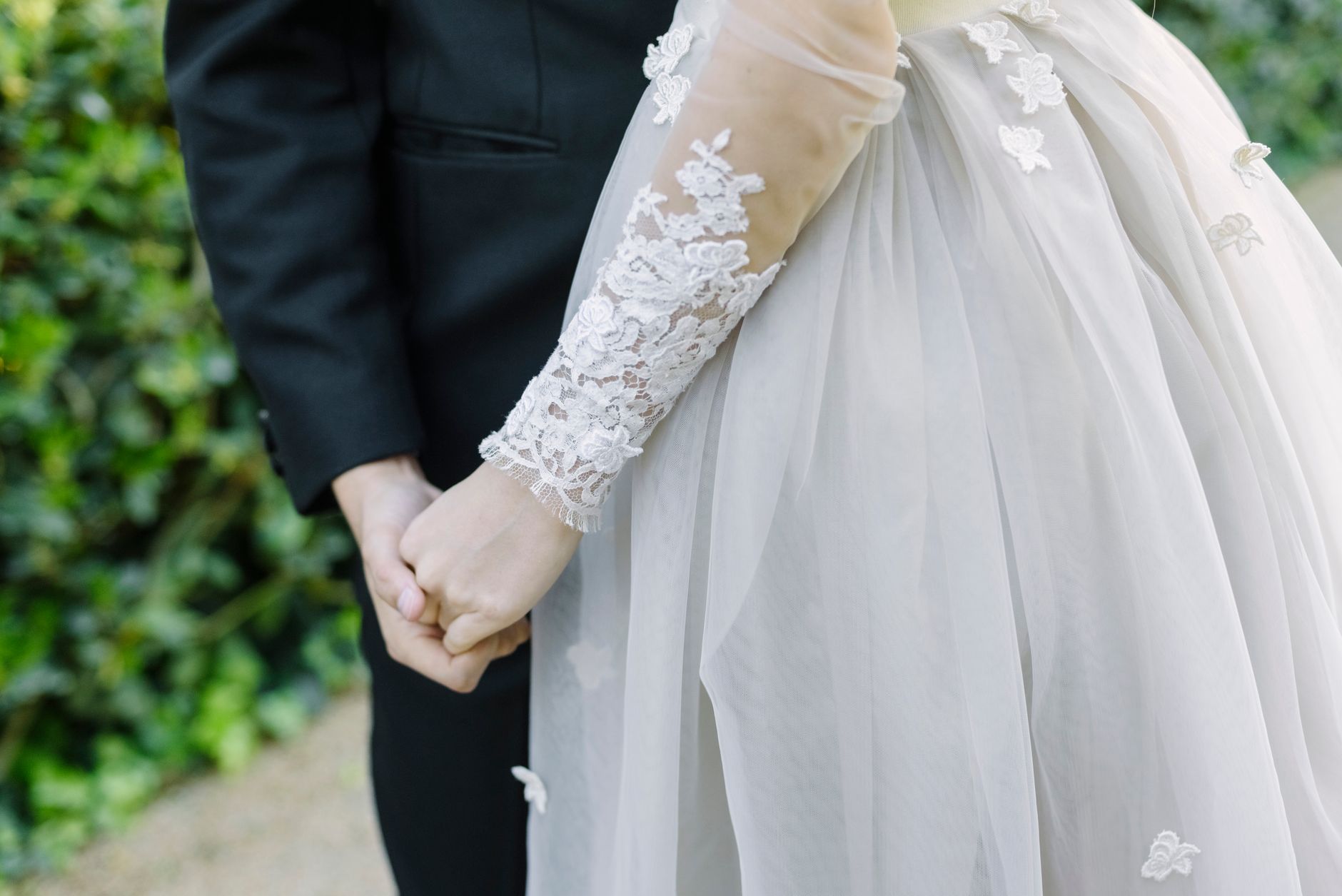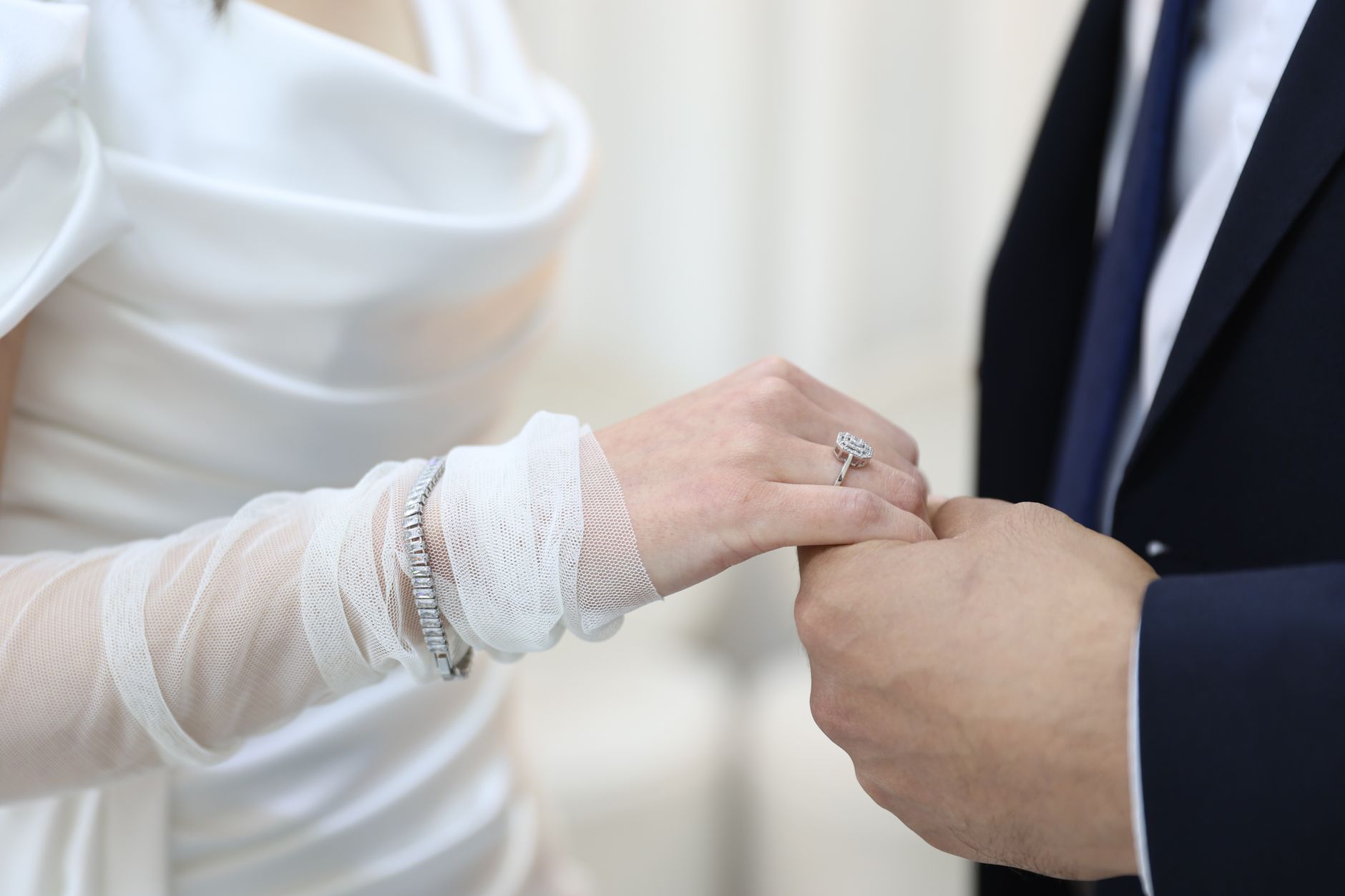
A wedding film at Beverly Hills Hotel is built around three scenes: the garden ceremony under sycamore canopy, the poolside cocktail hour against the pink bungalow façade, and the Crystal Ballroom reception after dark. The videographer's coverage plan needs to anticipate all three before the day begins.
The hotel sits on twelve planted acres in the center of Beverly Hills, but the wedding grounds feel private — garden rooms separated by hedges, the pool terrace screened by banana-leaf plantings, the ballroom entrance off a corridor that only couples and their planners know how to find. A 2-shooter video team covers 10 hours of a full-day wedding here, from bride and groom prep in separate bungalows through the last dance at 11pm, to capture the shift from daylight garden ceremony to poolside golden hour to ballroom candlelight.
The Beverly Hills Hotel wedding couples we work with tend to fall into one of two aesthetics: editorial black-tie (tuxedos, floor-length gowns, orchestral processional, seated dinner for 150) or coastal modern luxury (linen suits, shorter hemlines, acoustic ceremony strings, cocktail reception flow for 80). Both require the same three-part coverage structure — preparation, ceremony and portraits, reception — but the editorial couples add a fourth: a quiet 20-minute portrait window in the hotel gardens between ceremony and cocktail hour, while guests walk to the pool terrace.
Why Beverly Hills Hotel Films Better in Three Parts Than in Continuous Coverage
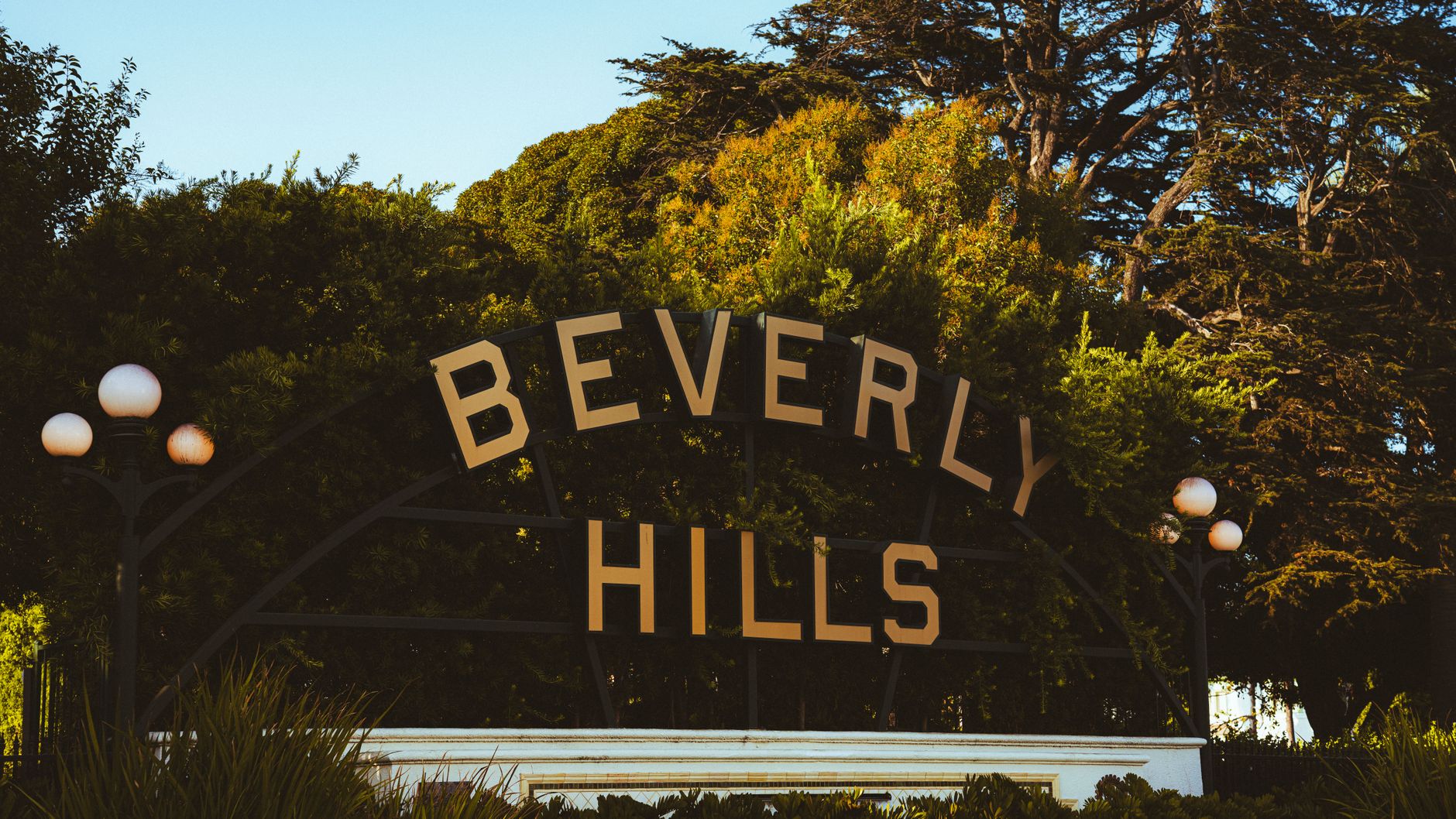
Photo by Simon Steiner on Pexels
Most hotel wedding venues offer one primary scene that anchors the day — a terrace, a ballroom, a lawn. Beverly Hills Hotel gives you three distinct environments, and the couple's timeline typically moves guests through all of them in sequence: garden ceremony at 4:30pm, pool terrace cocktail hour at 5:15pm, Crystal Ballroom reception at 7pm. The videographer's job is not to follow the couple continuously but to pre-position for each scene's opening shot.
The garden ceremony takes place in the hotel's West Garden, a lawn clearing ringed by sycamores and magnolias, with guest seating arranged in white folding chairs facing an arbor or chuppah positioned against the tree line. The light at 4:30pm in spring and fall is direct but softened by canopy; in summer the ceremony moves to 5pm to avoid peak heat. The videographer sets up on a tripod at the back-center aisle for the processional, then moves to a side angle for vows, then to the arbor-facing position for the recessional. A second shooter roams for parent reactions and ring-exchange close-ups.
After the ceremony, guests are guided along a stone path to the pool terrace while the couple steps aside for 15–20 minutes of portraits. This is when the editorial black-tie couples use the hotel's interior corridors — the Polo Lounge hallway with its banana-leaf wallpaper, the lobby with its pink-and-green palette — for 8–10 composed two-shots that read like a Vogue wedding feature. The videographer captures 60 seconds of movement through each frame, nothing static, just the couple walking through the space hand-in-hand.
The pool terrace is the hotel's signature wedding scene: the pink bungalow façade as backdrop, the pool reflecting late-afternoon sun, 80–150 guests in cocktail flow across a footprint the size of a tennis court. The videographer positions wide to capture the whole scene in one frame — pink building, turquoise pool, guests in motion — then moves in for close coverage of toasts, parent moments, and the couple's entrance. Golden hour at Beverly Hills Hotel runs 6–7pm in summer, 5–6pm in winter; couples who book the pool terrace for cocktail hour are specifically timing it to that window.
The Crystal Ballroom reception begins at 7pm with a seated dinner (editorial) or a cocktail-style flow with high-tops and lounge furniture (modern). The ballroom is a long rectangle with crystal chandeliers, ivory walls, and built-in uplighting that shifts color on request. The videographer covers first dance, parent dances, toasts, cake cutting, and the last 30 minutes of open dancing. The ballroom's acoustics are tuned for live bands, not DJs, so most couples hire a 10-piece orchestra or a jazz quartet; the audio feed runs directly into the videographer's recorder for clean ceremony and toast audio.
Coverage Plan: Preparation, Ceremony, Poolside, and Ballroom
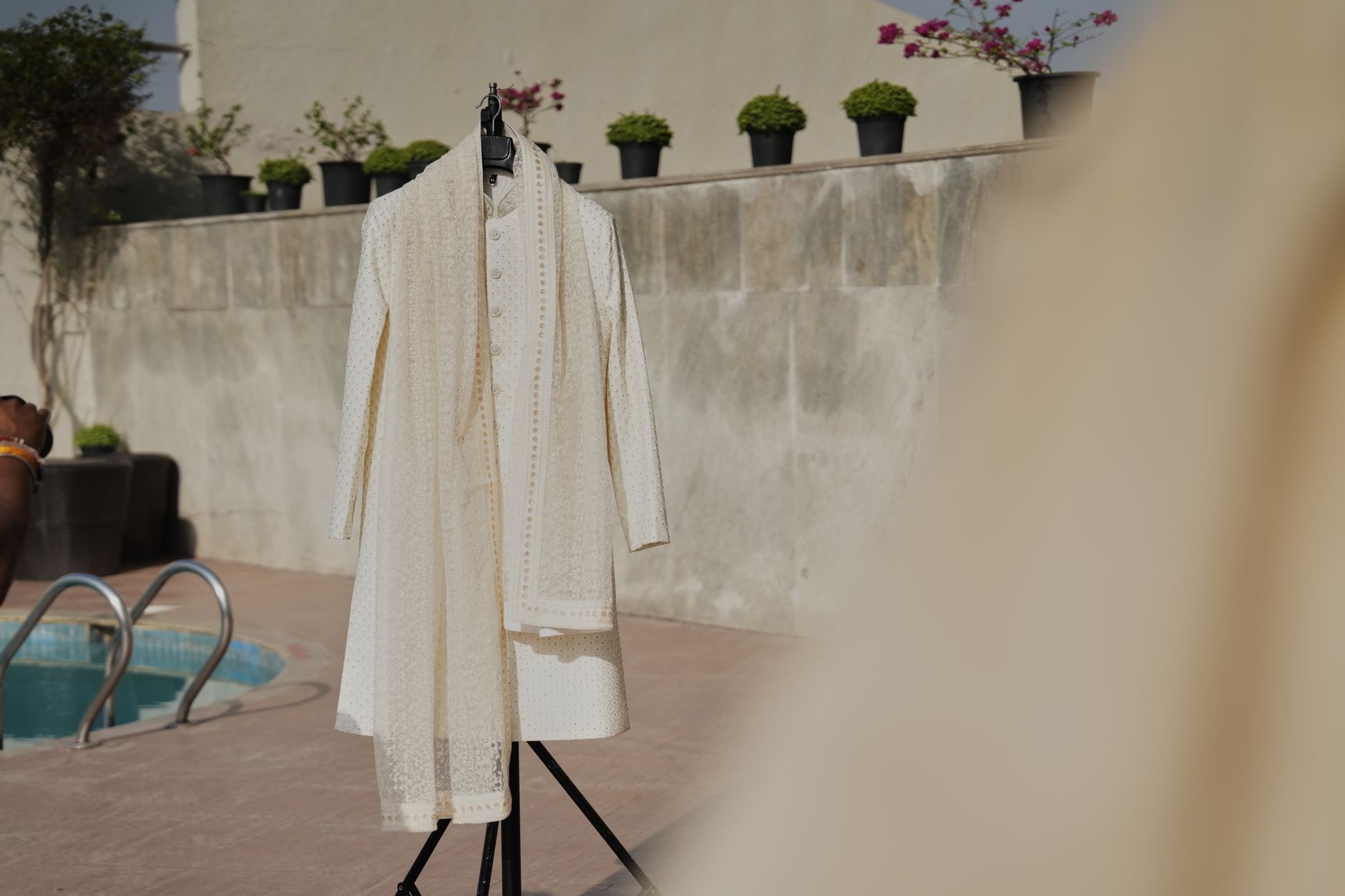
Photo by viresh studio on Pexels
A full-day wedding film package at Beverly Hills Hotel typically begins at 1pm and runs through 11pm — 10 hours of coverage from a 2-shooter video team, occasionally expanded to 3 shooters when the couple books simultaneous prep coverage in separate bungalows a quarter-mile apart on the property.
1pm–3:30pm: Preparation in the bungalows. Bride prep takes place in Bungalow 5 or one of the poolside suites; groom prep in a separate suite or bungalow on the other side of the property. The videographer captures dress and tuxedo details, hair and makeup progression, the moment the bride's mother fastens the necklace, the groom's tie adjustment in front of the bungalow mirror. These scenes are lit by window light filtered through gauze curtains and shot in 4K at 24fps for a cinematic frame rate that matches the rest of the day.
3:30pm–4:15pm: First look and pre-ceremony portraits. Some couples choose a private first look in the hotel gardens before the ceremony; others skip it and see each other for the first time at the aisle. The first-look couples gain an extra 30 minutes of portrait time in soft light, which the videographer uses for slow-motion walking shots and a 2-minute static frame of the couple standing together under the sycamores, not posing, just present.
4:30pm–5pm: Garden ceremony. Processional, vows, ring exchange, kiss, recessional. The videographer records full ceremony audio from two sources: a lav mic on the officiant and a backup recorder at the soundboard (if the couple has hired a ceremony musician with amplification). Video coverage includes a locked-off wide shot from the back aisle, a roaming second-shooter angle for parent reactions and close-ups, and a post-ceremony 60-second shot of the empty ceremony site before it's struck.
5pm–5:30pm: Couple portraits and family formals. Fifteen minutes with immediate family in front of the ceremony arbor, then 15 minutes of couple portraits in the West Garden and along the interior hallways if the couple has requested editorial variety. The videographer captures 8–10 composed scenes, each 30–60 seconds of movement, not stills.
5:30pm–7pm: Pool terrace cocktail hour. Wide establishing shots of the pink bungalows and pool, close coverage of guest interaction, the couple's entrance, welcome toasts if scheduled. This is the golden-hour window, so the videographer prioritizes outdoor wide shots over close-up guest mingling.
7pm–11pm: Crystal Ballroom reception. Grand entrance, first dance, parent dances, dinner toasts (3–5 speakers), cake cutting, open dancing. The last 20 minutes of the night — when the dance floor is at capacity and the orchestral band shifts into swing standards — produces some of the most energetic footage of the day, and the videographer stays through the planned end time (11pm) to capture it.
Scene-Specific Coverage Notes: Pink Façade, Banana-Leaf Wallpaper, and Ballroom Chandeliers
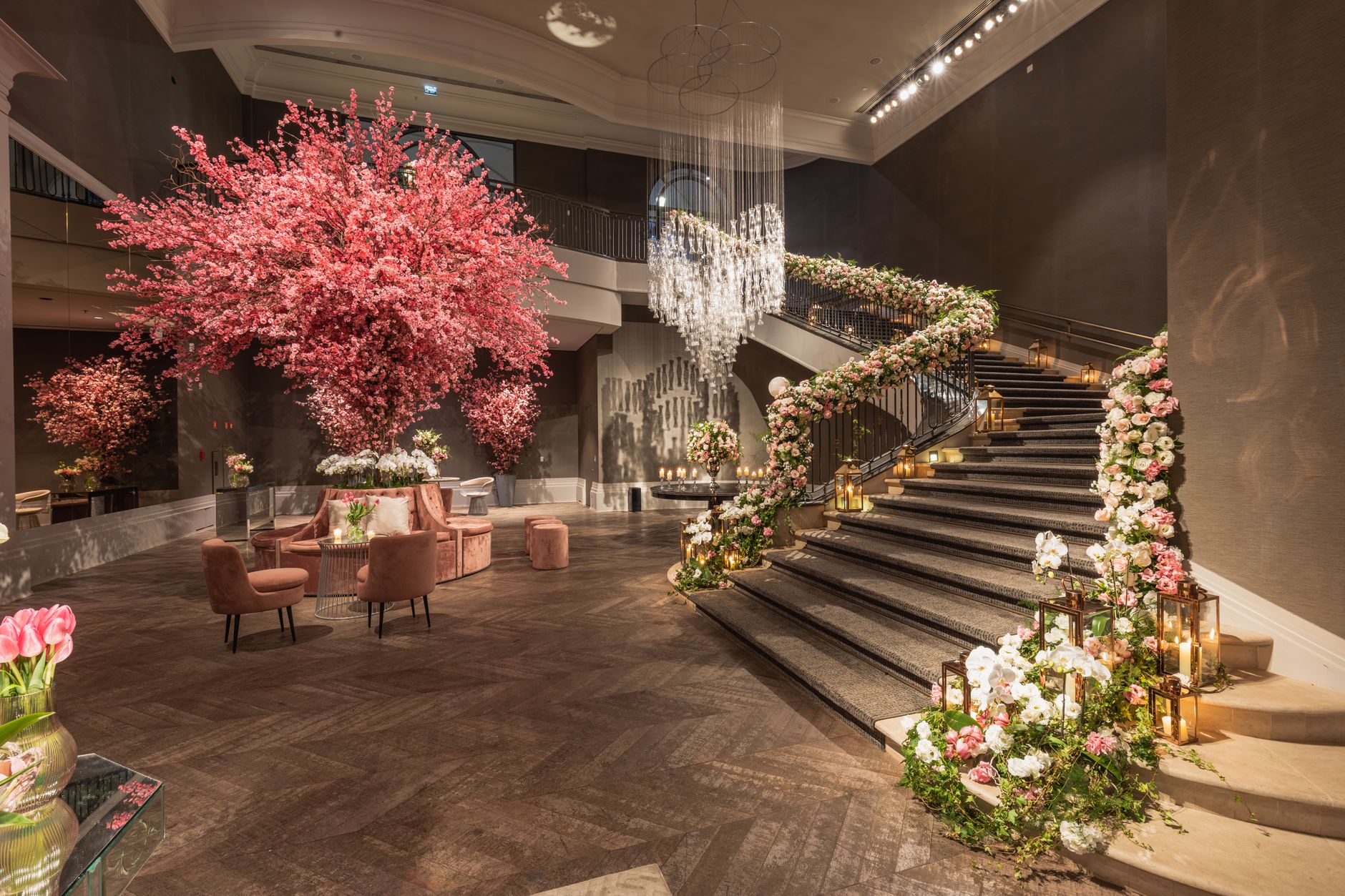
Photo by Matheus Bertelli on Pexels
Three physical features of Beverly Hills Hotel shape the look of the wedding film more than any other elements, and couples who understand this going in tend to build their timeline around them.
The pink bungalow façade. The pool terrace is framed by the hotel's signature pink stucco bungalows with white trim and green awnings. This is the image that appears in 90% of Beverly Hills Hotel wedding photography and film stills — the couple standing in front of the pink wall with the pool in the foreground. The best light on the façade is between 5pm and 6:30pm in late spring and summer, when the sun is low enough to wash the pink in warm tones without harsh shadow. Couples who book the pool terrace for a morning or midday event lose that glow; the façade reads pale and flat in overhead sun.
The banana-leaf wallpaper. The Polo Lounge corridor and several interior hallways feature the hotel's iconic banana-leaf print wallpaper — a saturated green tropical pattern that photographs and films with high editorial impact. Editorial black-tie couples use this as a portrait backdrop for 2–3 composed shots during the post-ceremony portrait window. The hallway is narrow, so the videographer shoots with a 35mm or 50mm prime lens to avoid wide-angle distortion, and frames the couple walking toward camera, then away, for 30 seconds of movement in each direction.
The Crystal Ballroom chandeliers. The ballroom's five crystal chandeliers are the room's defining feature, and they show best in wide overhead establishing shots taken from the balcony entrance before guests enter for dinner. Couples who want that shot in their film need to communicate it to the videographer during the day-of timeline review, because once guests are seated, the angle is no longer available.
Editorial Black-Tie vs Coastal Modern — Two Wedding Styles, Same Three-Part Coverage
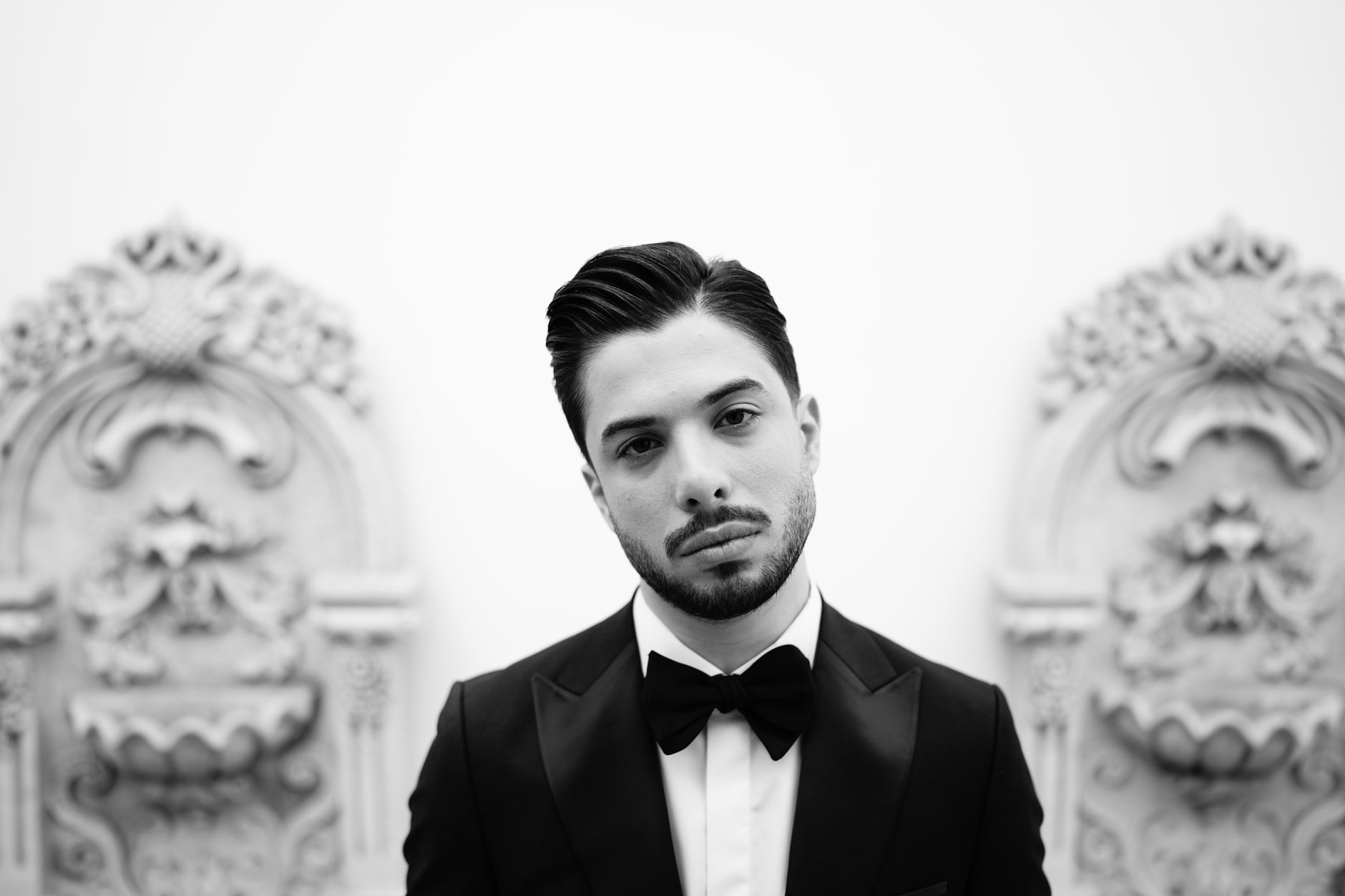
Photo by alirezamani wedding team on Pexels
Beverly Hills Hotel accommodates two dominant couple aesthetics, and the videographer's approach shifts slightly between them.
Editorial black-tie couples bring a formal processional (orchestral strings, 8-person wedding party, 150 seated guests), a seated plated dinner in the Crystal Ballroom, and a portrait list that includes grandparents, extended family, and the wedding party in composed groups. The wedding film for this couple type runs 12–15 minutes in the highlight reel and includes longer ceremony excerpts (full vow exchange, full ring exchange, officiant remarks), 4–5 toast speeches, and parent dances. The coverage plan allocates 30 minutes to family formals and 20 minutes to couple portraits, all of it scheduled between ceremony end and cocktail hour start.
Coastal modern couples bring a shorter ceremony (acoustic guitar, 4-person wedding party, 80 guests in a semi-circle around the arbor instead of rows), a cocktail-style reception with lounge furniture clusters instead of assigned seating, and minimal family formals (parents only, 10 minutes). The wedding film runs 8–10 minutes and prioritizes movement, candid guest interaction, and the couple's presence in each scene over formal portraiture. The coverage plan saves time by skipping extended family formals and using that window for B-roll of the couple walking the hotel grounds.
Both couple types book the same three-part venue flow — garden, pool, ballroom — and both require the same 10-hour coverage window. The difference is how the videographer spends the 90 minutes between ceremony and reception: editorial couples use it for structured portraits and family groups; modern couples use it for candid movement and environmental shots.
Why Couples Choose Beverly Hills Hotel Over Bel-Air Bay Club or Hotel Bel-Air
Beverly Hills Hotel competes in the same luxury venue tier as Hotel Bel-Air and Bel-Air Bay Club, and couples often tour all three before booking. The decision usually comes down to aesthetic preference and guest-count fit.
Beverly Hills Hotel offers the pool terrace and the pink bungalow backdrop, which reads as iconic Los Angeles luxury — recognizable, editorial, historically layered. Guest capacity maxes out at 150 in the Crystal Ballroom. Couples who want the "pink hotel" in their wedding film choose this venue specifically for that image; it's not replicable anywhere else in Southern California.
Hotel Bel-Air offers the Swan Lake garden ceremony and a more intimate, European-estate feel — stone bridges, private pathways, lower guest visibility. Guest capacity is smaller (80–100 max). Couples who prioritize privacy and Old Hollywood romance over pool-terrace grandeur lean toward Bel-Air.
Bel-Air Bay Club offers the Pacific Ocean terrace and an open-air coastal setting with no enclosed ballroom. Guest capacity runs 120–180. Couples who want an ocean view and a less formal, more resort-style flow choose the Bay Club.
All three are luxury venues; all three support full-day photo and video coverage. The Beverly Hills Hotel couple specifically values the three-scene structure and the pink façade as a visual anchor for the film.
Photo + Video Combined Package: Coordination Across Garden, Pool, and Ballroom
Most couples who book Beverly Hills Hotel hire both a photographer and a videographer, and 60% choose to book them as a combined package from the same production team to streamline coordination and reduce timeline friction.
A combined package at Beverly Hills Hotel typically includes a 2-shooter photo team and a 2-shooter video team working in parallel across the 10-hour coverage window. The photo and video teams share the same timeline, the same shot list, and the same portrait windows, which eliminates the common coordination problem where the photographer needs 20 minutes for family formals but the videographer has already moved to cocktail-hour setup.
During the garden ceremony, the photo team positions on the opposite side of the aisle from the video team to avoid crossing sightlines. During poolside cocktail hour, the photographer captures wide environmental shots and guest candids while the videographer films the couple's entrance and any scheduled toasts. During the Crystal Ballroom reception, both teams cover first dance, parent dances, and toasts from complementary angles — the photographer from the front-left corner, the videographer from the back-center with a stabilizer for movement.
The combined package also synchronizes the post-production deliverable timeline: couples receive their edited highlight reel 8–10 weeks after the wedding and their full photo gallery 10–12 weeks after, rather than waiting for separate timelines from separate vendors.
Deliverables and Edit Turnaround for a Beverly Hills Hotel Wedding Film
A full-day wedding film package delivers three edited files: a 10–12 minute highlight reel, a 45–60 minute full ceremony edit, and a 20-minute reception edit that includes all toasts, dances, and cake cutting in sequence.
The highlight reel opens with a 15-second scene of the couple walking the hotel gardens in late-afternoon light, cuts to preparation scenes in the bungalows, then moves through ceremony, poolside cocktail hour, and ballroom reception. The audio track layers vows, toast excerpts, and a licensed music bed (couple-selected or videographer-recommended). The pacing is cinematic — slow motion for emotional peaks (vows, first look, parent dances), real-time for processional and recessional, and fast cuts for dancing.
The full ceremony edit is an uninterrupted record of the garden ceremony from processional to recessional, with audio from the officiant lav mic and ambient guest sound. Couples use this file to share the ceremony with family members who could not attend, and some choose to display it at an anniversary event.
The reception edit includes all scheduled reception moments in the order they occurred: grand entrance, first dance, parent dances, 4–5 toast speeches in full, cake cutting, bouquet toss (if applicable), and a montage of the last 30 minutes of dancing. This file runs 20–30 minutes depending on toast count.
Edit turnaround is 8–12 weeks from the wedding date for the highlight reel, with the ceremony and reception edits delivered two weeks later. Couples who need a faster turnaround for a specific event (anniversary party, thank-you card mailing) can request a rush edit with a 4-week delivery window for an additional fee.
How to Start a Conversation About Your Beverly Hills Hotel Wedding Film
A wedding at Beverly Hills Hotel is built around the garden ceremony, the poolside golden hour, and the Crystal Ballroom reception — three scenes that anchor the day and shape the coverage plan. The videographer's job is to anticipate all three before the timeline begins and position for each one as it unfolds.
We work with couples planning weddings at Beverly Hills Hotel, Hotel Bel-Air, Bel-Air Bay Club, and other luxury venues across Southern California. Our packages start at $3,959 for ceremony-only coverage and scale to full-day multi-shooter combined photo and video production. Most Beverly Hills Hotel couples book the 10-hour combined package, which covers preparation through reception and delivers both a cinematic wedding film and a full documentary photo gallery.
Begin a conversation about your wedding film at Beverly Hills Hotel by reviewing our wedding film service details and photo + video combined package structure. For couples planning multi-day celebrations or destination weddings beyond Southern California, we also offer destination wedding film coverage with travel included.