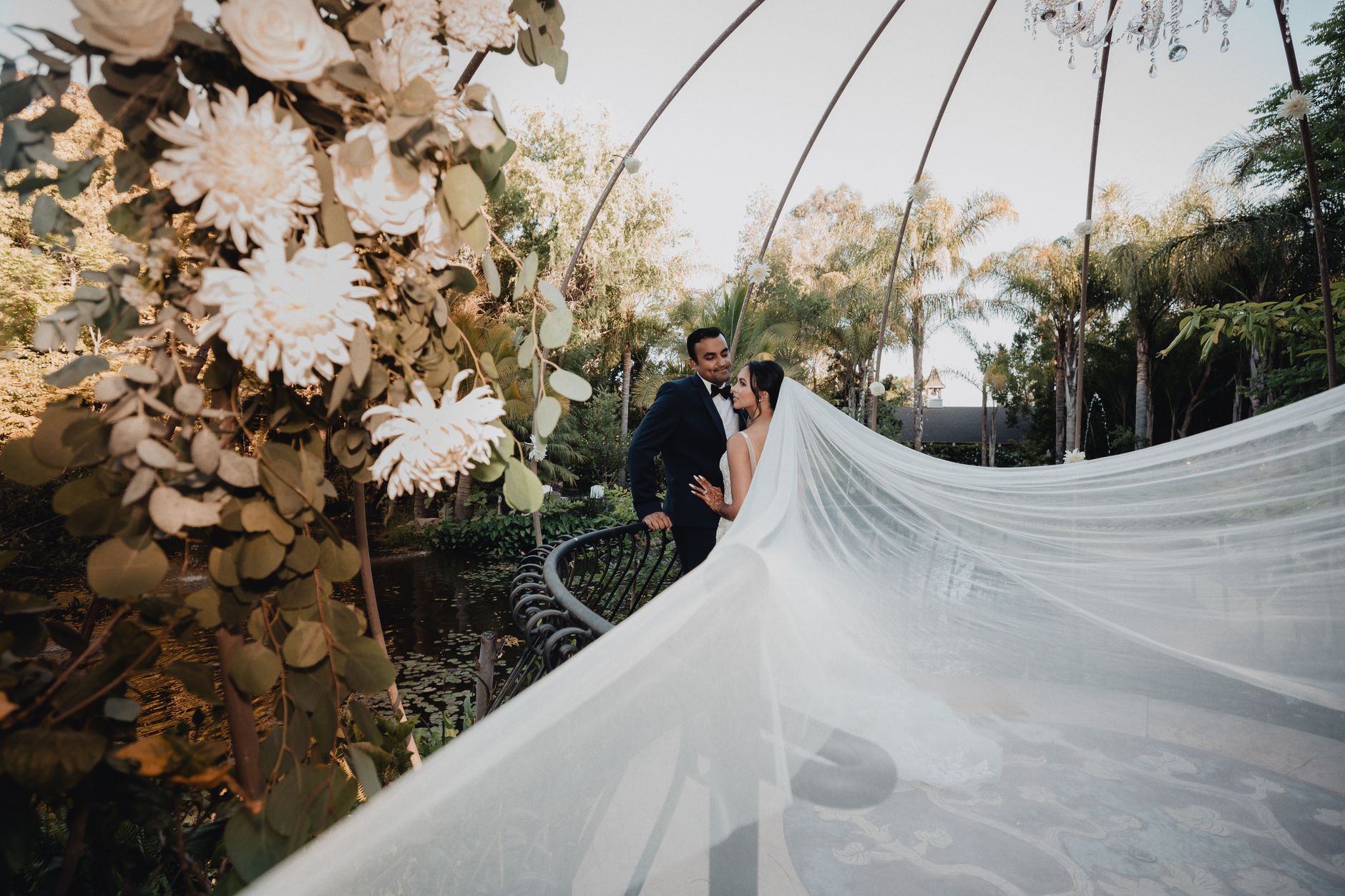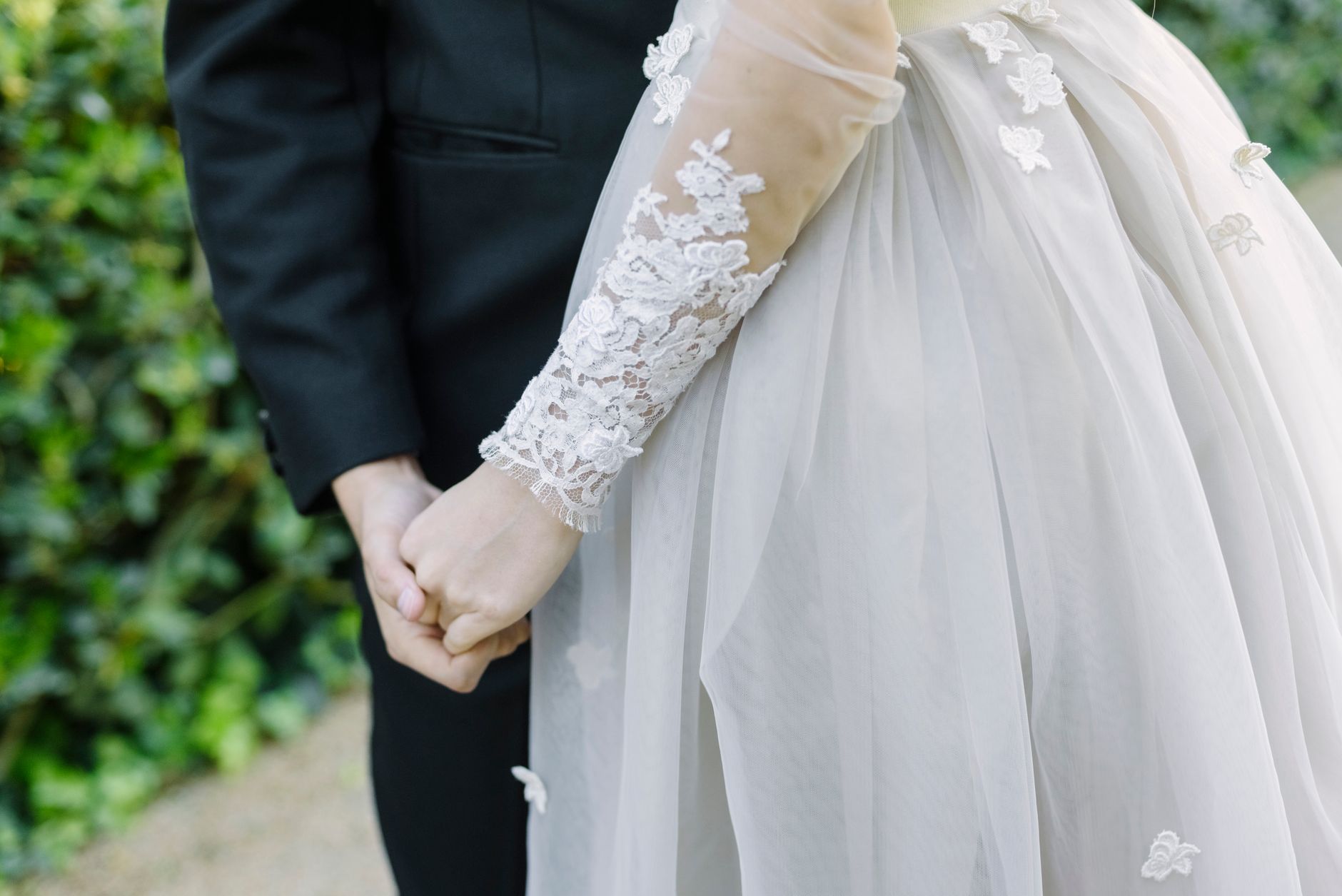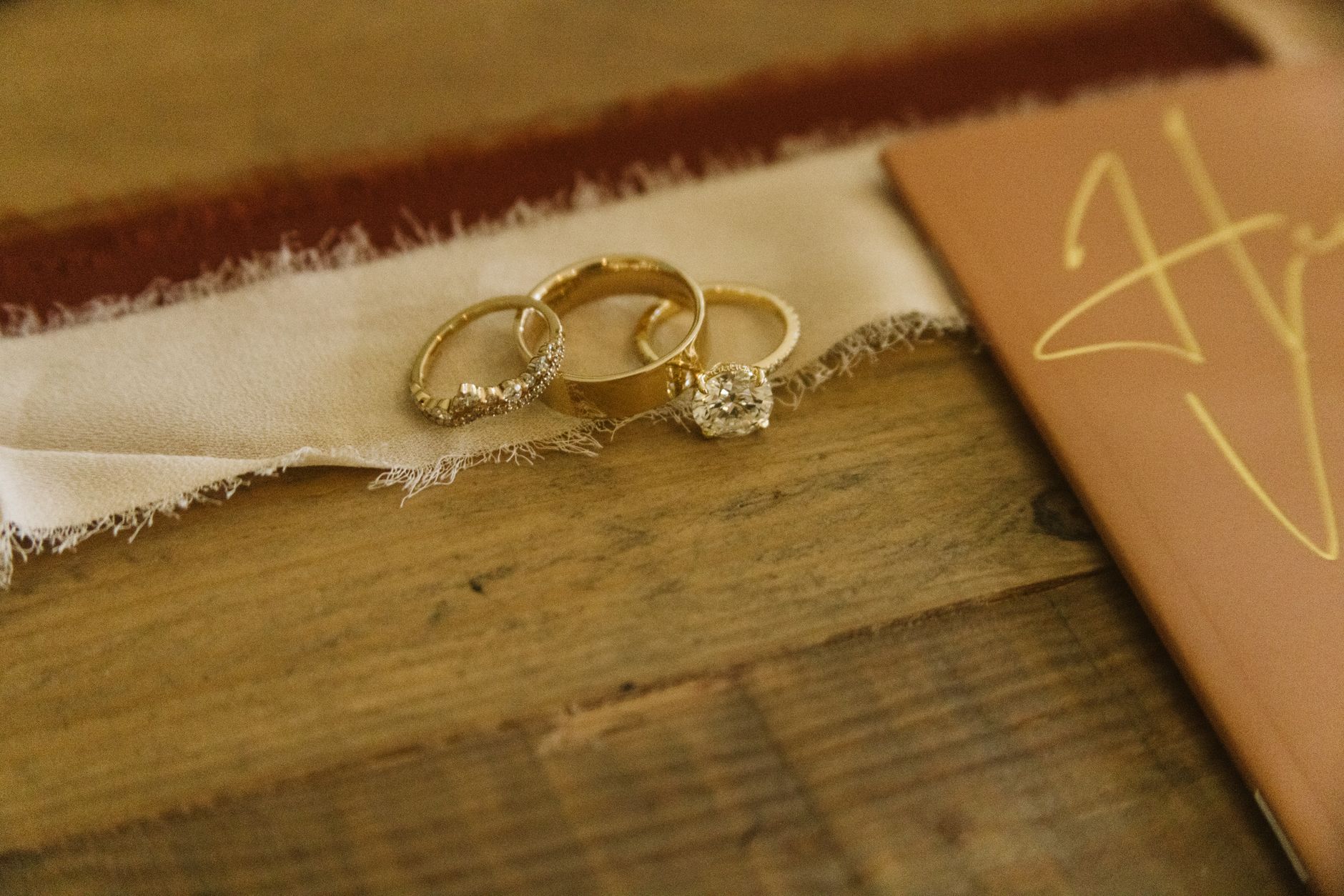
A wedding film at Rancho Valencia requires a 2-shooter video team with 10 hours of coverage to capture the olive-grove ceremony, croquet-lawn cocktail hour, and hacienda-courtyard reception across the 45-acre resort property. The property sits in Rancho Santa Fe, 30 miles north of San Diego, and the videographer's blocking plan is shaped by three architectural zones — the Spanish colonial ceremony sites, the open lawn transitional spaces, and the interior courtyard reception venues — that don't connect visually the way a single-building hotel does.
The couples who book Rancho Valencia for a wedding film tend to fall into the destination-minimalist or coastal-classic aesthetic — they want a resort setting that reads luxurious without reading ornate, and they want a film that foregrounds the property's natural light and material palette (terra cotta, stucco, olive trees, lavender) rather than heavy floral or installation design. The videographer is there to document the property as much as the couple, which means the coverage plan includes establishing shots of the olive grove at 4pm, the croquet lawn at sunset, and the courtyard colonnade after dark.
Why Rancho Valencia Films Differently Than a Beachfront Resort
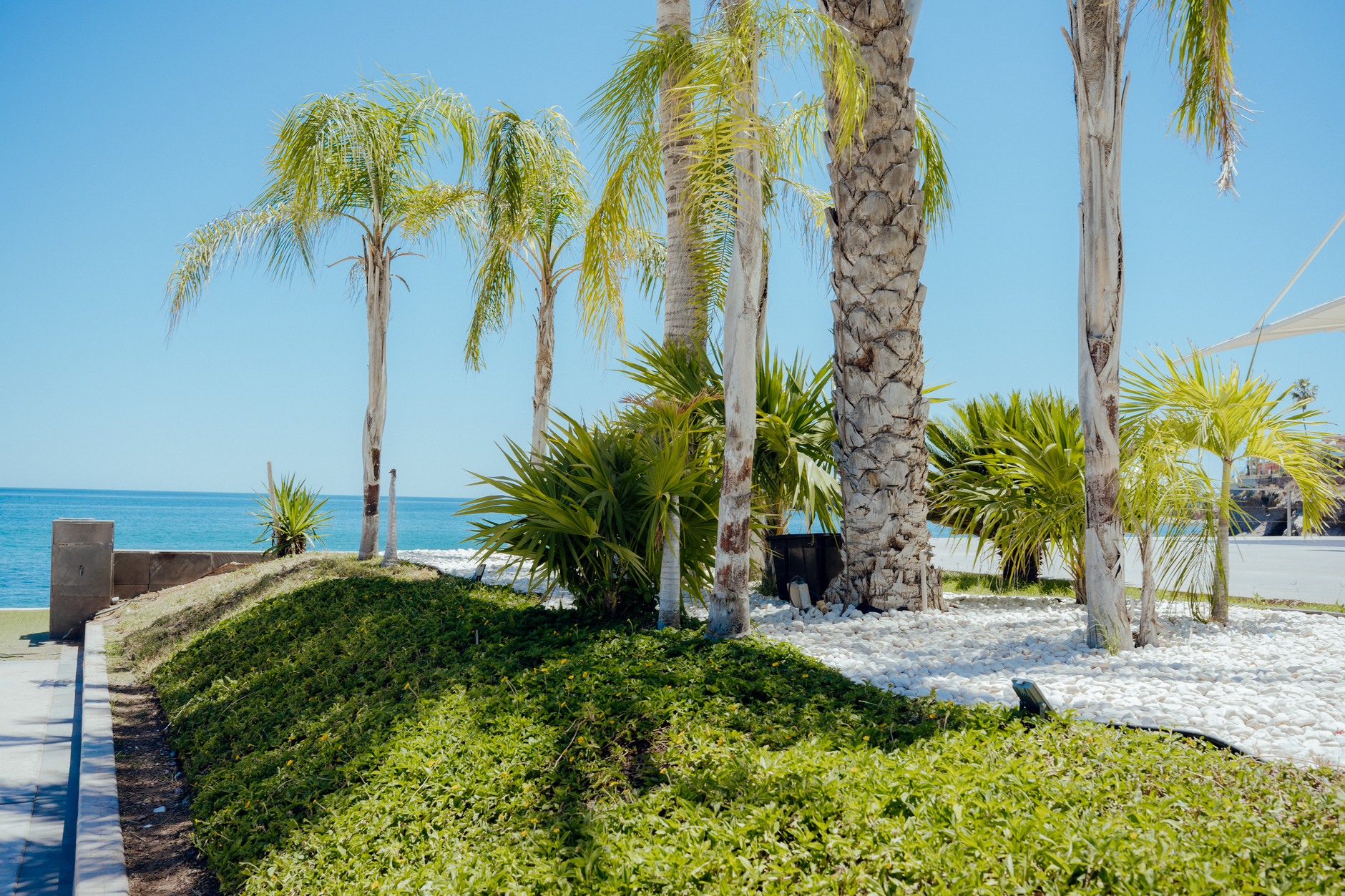
Photo by Lilian Serrano on Pexels
Rancho Valencia is an inland property, which changes the light schedule. There is no ocean to soften the western horizon, so the sun sets hard and fast behind the hills at approximately 7:15pm in summer and 5:00pm in winter. The 2-shooter video team positions one camera on the couple during the ceremony and one on the officiant or parents, then both cameras move to the croquet lawn for the golden-hour portrait window that lasts exactly 22 minutes after the ceremony ends.
A coastal venue like Montage Laguna Beach or Resort at Pelican Hill gives the videographer an extended blue-hour transition after sunset; Rancho Valencia does not. The film's outdoor sequences — ceremony, cocktail hour, couple portraits — must complete before 7:30pm in summer or before 5:30pm in winter, or the videographer is working in near-darkness with artificial fill light that flattens the property's natural texture.
The reception moves indoors or to a covered courtyard, where the film transitions from documentary natural light to controlled low-light cinematography. The hacienda courtyards feature string lights and lanterns, which the videographer exposes for at f/1.4 or f/2.0 to preserve the warm ambient glow without clipping the highlights on the lantern glass.
Scene Coverage — Olive Grove Ceremony, Croquet Lawn Cocktails, Hacienda Reception
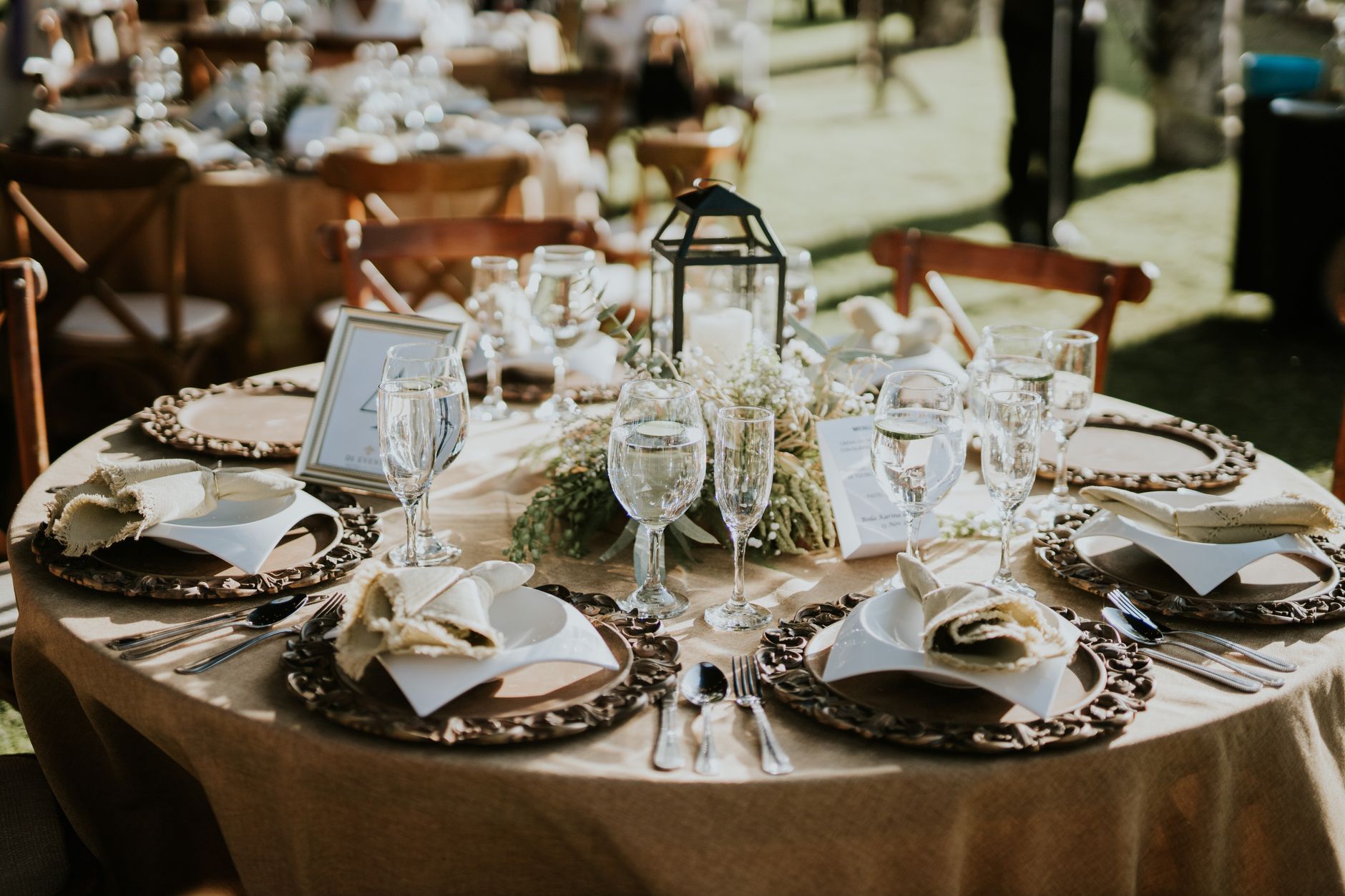
Photo by Amar Preciado on Pexels
The ceremony typically takes place in one of three locations: the Olive Grove (the most requested site, shaded canopy with dappled light), the Croquet Lawn (open sky, no shade, used for smaller guest counts or winter weddings), or the Valencia Courtyard (covered colonnade, used as a rain backup or for evening ceremonies starting after 6pm).
For an Olive Grove ceremony, the 2-shooter video team arrives 90 minutes before the processional to capture the aisle setup, the couple's first look under the olive canopy, and the guests arriving along the stone path from the main courtyard. One camera positions at the front of the aisle on a tripod for the wide processional shot; the second camera operates handheld from the side to capture the couple's expressions during the vows and the parents' reactions in the front row.
The vows segment is the editorial anchor of the ceremony coverage. The handheld camera moves in close — 8 feet from the couple, 85mm lens — to capture the moment the bride's voice cracks on the word "always" or the groom closes his eyes during the ring exchange. These are the frames that make the 4-minute ceremony edit feel embodied rather than observational.
After the recessional, the couple walks back down the aisle and pauses under the olive trees for 3 minutes of just-married portraits while the guests move to the croquet lawn for cocktails. The videographer shoots this as a continuous 3-minute sequence — no direction, no posing, just the couple standing together in the dappled light talking to each other — and that sequence becomes the film's emotional transition from ceremony to reception.
The 22-Minute Golden-Hour Portrait Window
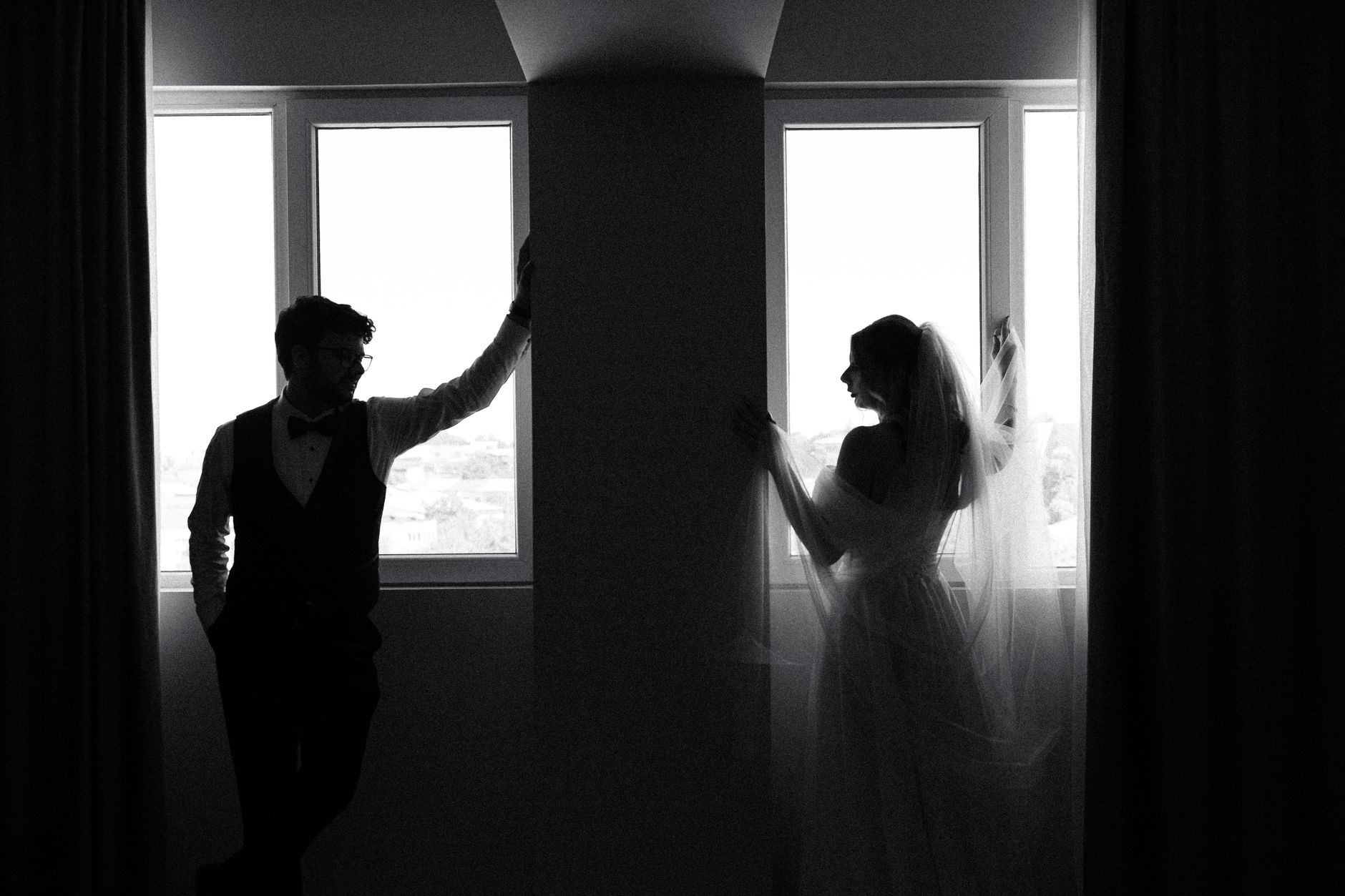
Photo by Foto Art Events on Pexels
The croquet lawn sits 200 yards west of the olive grove, and the couple arrives there at approximately 5:45pm (for a 5pm ceremony start) when the sun is 18 degrees above the hills and the light is still warm but beginning to orange. The videographer has 22 minutes of usable light before the sun drops below the ridgeline and the temperature shifts blue.
During this window, the 2-shooter team splits: one camera stays with the couple on the lawn for walking shots and wide environmental frames that show the resort's scale and the valley backdrop; the second camera moves to the cocktail-hour terrace to capture guest interactions, the bar setup, and the live-music trio. The couple rejoins the cocktail hour at 6:10pm, and the videographer captures 4 minutes of them greeting guests and holding drinks under the string lights before the reception formal entry.
This is a compressed timeline compared to a venue like San Ysidro Ranch, where the eucalyptus canopy extends the golden-hour window by 12 additional minutes, or Hotel Bel-Air, where the Swan Lake ceremony site sits in open shade all afternoon. Rancho Valencia weddings require tighter coordination between the planner, the photographer, and the videographer to ensure the portrait window does not overlap with the cocktail-hour timeline, or the couple misses their own reception entrance.
Hacienda Courtyard Reception — String Lights and Low-Light Cinematography
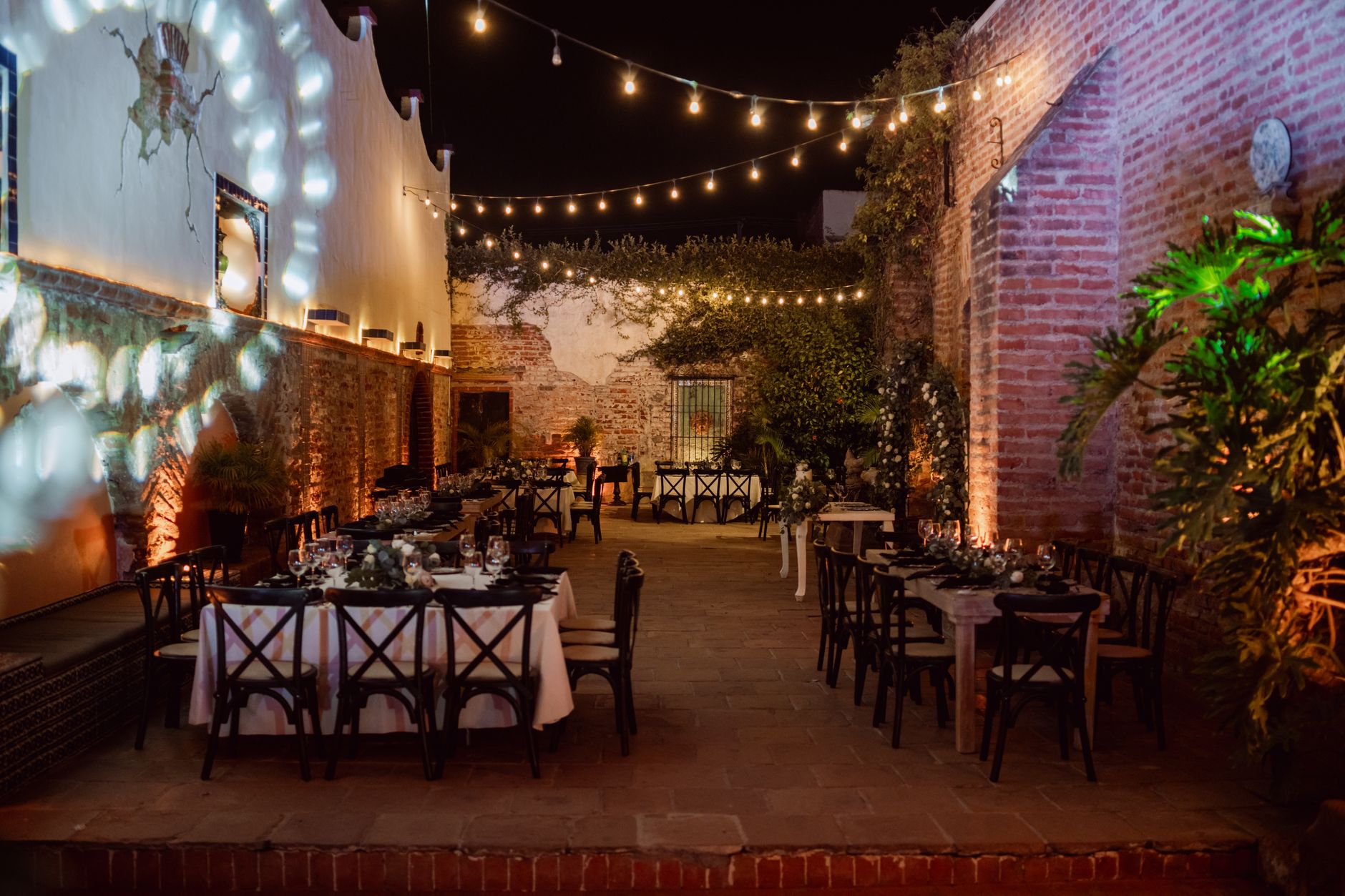
Photo by Angel Ayala on Pexels
The reception moves to one of the resort's hacienda courtyards — typically the Valencia Courtyard or the Bouquet Courtyard, both of which feature Spanish colonial colonnades, terra-cotta tile floors, and overhead string lights strung in a crosshatch pattern 14 feet above the tables. The videographer arrives at the reception space 30 minutes before the couple's entrance to capture the tablescape setup, the place-card display, and the band or DJ soundcheck.
The string lights create a warm 2700K ambient glow, but they are dim — approximately 180 lux at table height — which requires the videographer to shoot at ISO 3200 or higher with fast lenses (f/1.4 or f/2.0) to avoid underexposing the couple's faces during the first dance and the toasts. The 2-shooter team uses one camera on a gimbal for the first-dance movement shot (slow 360-degree orbit around the couple) and one camera on a monopod for the static two-shot that captures the couple's expressions and hand positions.
The toasts segment is filmed from two angles: one camera on the toasting guest (maid of honor, best man, parent) and one camera on the couple's reaction. The reaction shot is the editorial priority — the moment the bride tears up during her father's toast or the groom laughs at a callback to the proposal story — and that frame becomes the 6-second toasts highlight in the 8-minute wedding film edit.
Documentary Photography + Wedding Film Combined Coverage
Most couples booking Rancho Valencia request the photo + video combined package, which pairs a 2-shooter video team with a 2-shooter photo team for full-day coverage from getting-ready through the last dance. The combined package allows the videographer and photographer to coordinate blocking during the ceremony (photographer positions on the opposite side of the aisle from the video team to avoid crossing frames) and during the portrait window (photographer directs the couple through posed setups while the videographer captures the transitions and in-between moments as B-roll).
The combined package also ensures that the getting-ready coverage — hair and makeup in the resort casita, the bride's mother zipping the dress, the groom's first look at himself in the mirror — is captured by both photo and video without requiring the couple to repeat moments or hold poses. The videographer films the getting-ready sequence as a continuous observational edit with no direction, and the photographer works simultaneously to capture the detailed stills (dress on the hanger, shoes on the tile floor, invitation suite on the casita desk) that the video team does not prioritize.
Real Wedding Films at Rancho Valencia — What the Edit Includes
A full-day wedding film at Rancho Valencia delivers an 8-to-12-minute cinematic edit that opens with the getting-ready sequence, moves through the first look and ceremony, includes a 90-second portrait montage set to the couple's chosen song, and closes with the reception highlights (first dance, toasts, cake cutting, last dance). The edit is delivered 10 to 12 weeks after the wedding date.
The film includes full ceremony coverage as a separate deliverable — the entire processional, vows, ring exchange, and recessional edited as a continuous 18-to-22-minute sequence with clean audio from the officiant's and couple's lavalier microphones. Couples who want their parents or out-of-town guests to experience the full ceremony (not just the 3-minute ceremony highlight in the main wedding film) receive this as a standalone file.
The highlight reel — a 60-to-90-second cut optimized for Instagram and social sharing — is delivered 4 weeks after the wedding date, which allows the couple to post a preview of the film while the full edit is still in post-production. The highlight reel pulls the most visually compressed moments: the vows close-up, the first-kiss frame, the sunset portrait wide shot, the first-dance spin, and the sparkler exit (if applicable).
Timeline Logistics — Ceremony Start Time and Light Quality
The ideal ceremony start time at Rancho Valencia is 4:30pm in summer (May through September) or 3:30pm in winter (October through April). A 4:30pm summer ceremony places the vows and recessional in full late-afternoon light, gives the couple 22 minutes of golden-hour portraits on the croquet lawn, and allows the reception to begin at 7pm under string lights as the courtyard transitions to dusk.
A 5:30pm ceremony start — sometimes requested by couples who want a later dinner service — compresses the portrait window to 8 minutes and forces the videographer to shoot the couple portraits in near-darkness or under artificial lighting, which changes the visual texture of the film from natural and editorial to lit and controlled. The planner and videographer typically recommend the earlier start time to preserve the outdoor light quality that defines the Rancho Valencia aesthetic.
For winter weddings, a 3:30pm ceremony allows the couple to complete portraits by 4:15pm, before the sun sets at 5:00pm. Winter light at Rancho Valencia is softer and more diffused than summer light due to the lower sun angle, which reduces the contrast between the shaded olive grove and the open croquet lawn and gives the videographer more latitude to move between the two without re-exposing for every shot.
Editorial Black-Tie Weddings vs Garden-Romantic Weddings — Coverage Adjustments
Rancho Valencia hosts two primary couple aesthetics: editorial black-tie (minimalist floral, neutral palette, string quartet, plated dinner, 120–180 guests) and garden romantic (organic floral installations, pastel palette, live band, family-style dinner, 80–120 guests). The videographer's shot list and pacing adjust to match the couple's design intent.
For editorial black-tie weddings, the film prioritizes wide environmental shots that show the resort's architecture and the couple's restraint in styling — clean aisle with no petals, simple chuppah or arch with minimal greenery, long banquet tables with low centerpieces. The edit pacing is slower, with longer holds on static frames and fewer quick cuts. The audio mix foregrounds the officiant's voice and the couple's vows over background music.
For garden-romantic weddings, the film includes tighter shots of the floral details (bouquet close-ups, centerpiece arrangements, ceremony-arch greenery) and faster pacing that matches the energy of the live band and the dance floor. The edit includes more guest-interaction moments — children running on the croquet lawn during cocktail hour, the maid of honor adjusting the bride's veil before the processional, the groom's father hugging him after the first look.
The coverage strategy does not change, but the editorial selection does. The same 10 hours of footage yields a different 8-minute film depending on which moments the couple prioritizes during the post-production revision process.
Inquire About Wedding Film Coverage at Rancho Valencia
Wedding film packages at Rancho Valencia start with 10 hours of 2-shooter video coverage and scale to full multi-day destination coverage for couples hosting welcome dinners, rehearsal events, or post-wedding brunches across the resort's casitas and courtyards. The photo + video combined package is available for couples who want coordinated editorial coverage from a single creative team. Begin a conversation about your wedding at Rancho Valencia through the contact form on this site, or review the full service and pricing structure on the wedding film page.