Cinematic wedding films use slow-motion, shallow depth of field, and composed lighting to build emotion through visual sequences; documentary wedding films capture raw, unscripted moments as they happen with minimal intervention. The distinction matters less in practice than most couples expect, because the strongest editorial wedding films — including the ones we deliver at Calamigos Ranch, Hotel Bel-Air, and Ojai Valley Inn — blend both approaches across the day's coverage.
The question is not which style to choose but which moments deserve which treatment, and how much of each you want in the final edit.
What Cinematic Wedding Videography Actually Means
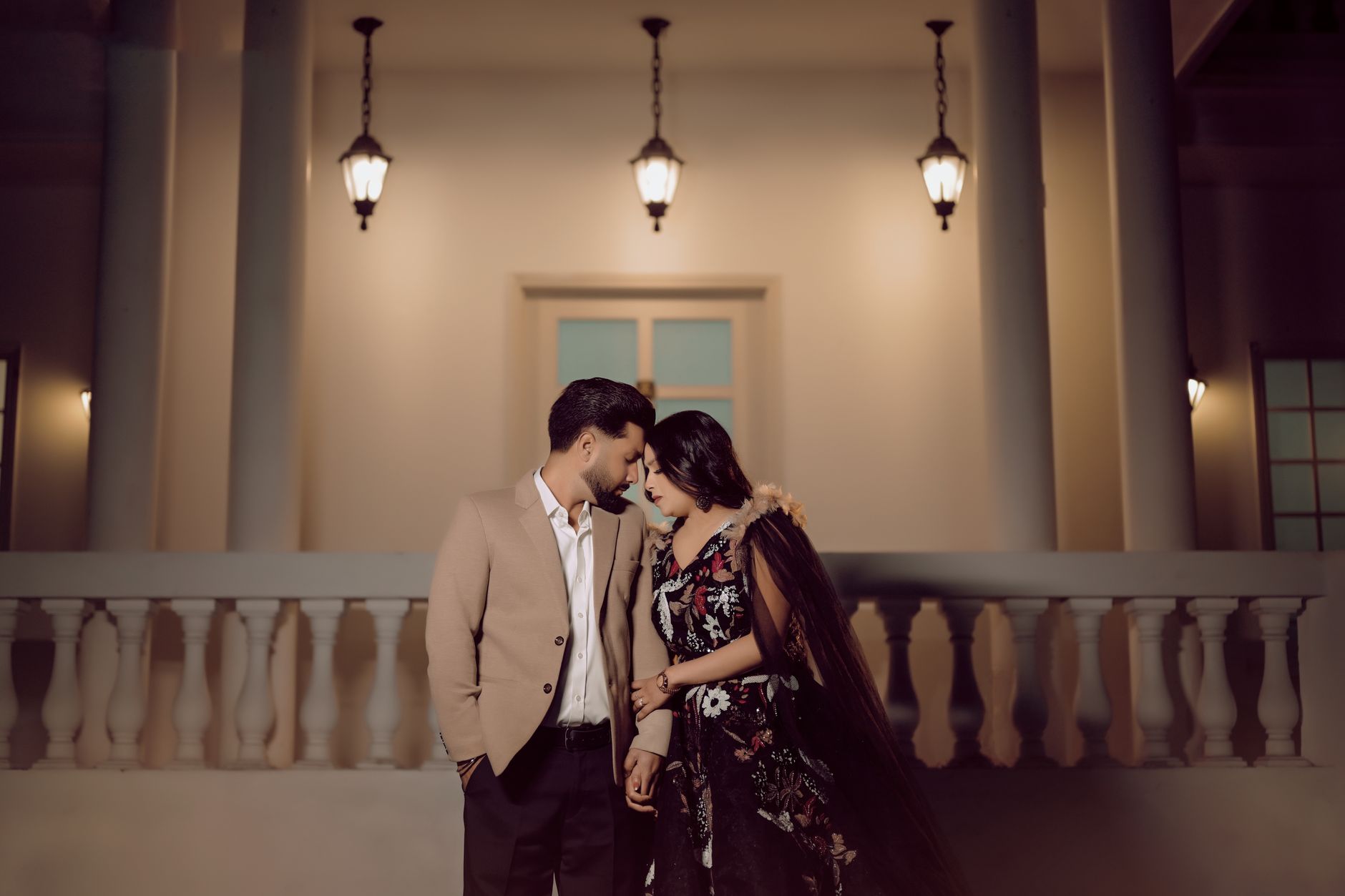
Photo by Ajay Gill on Pexels
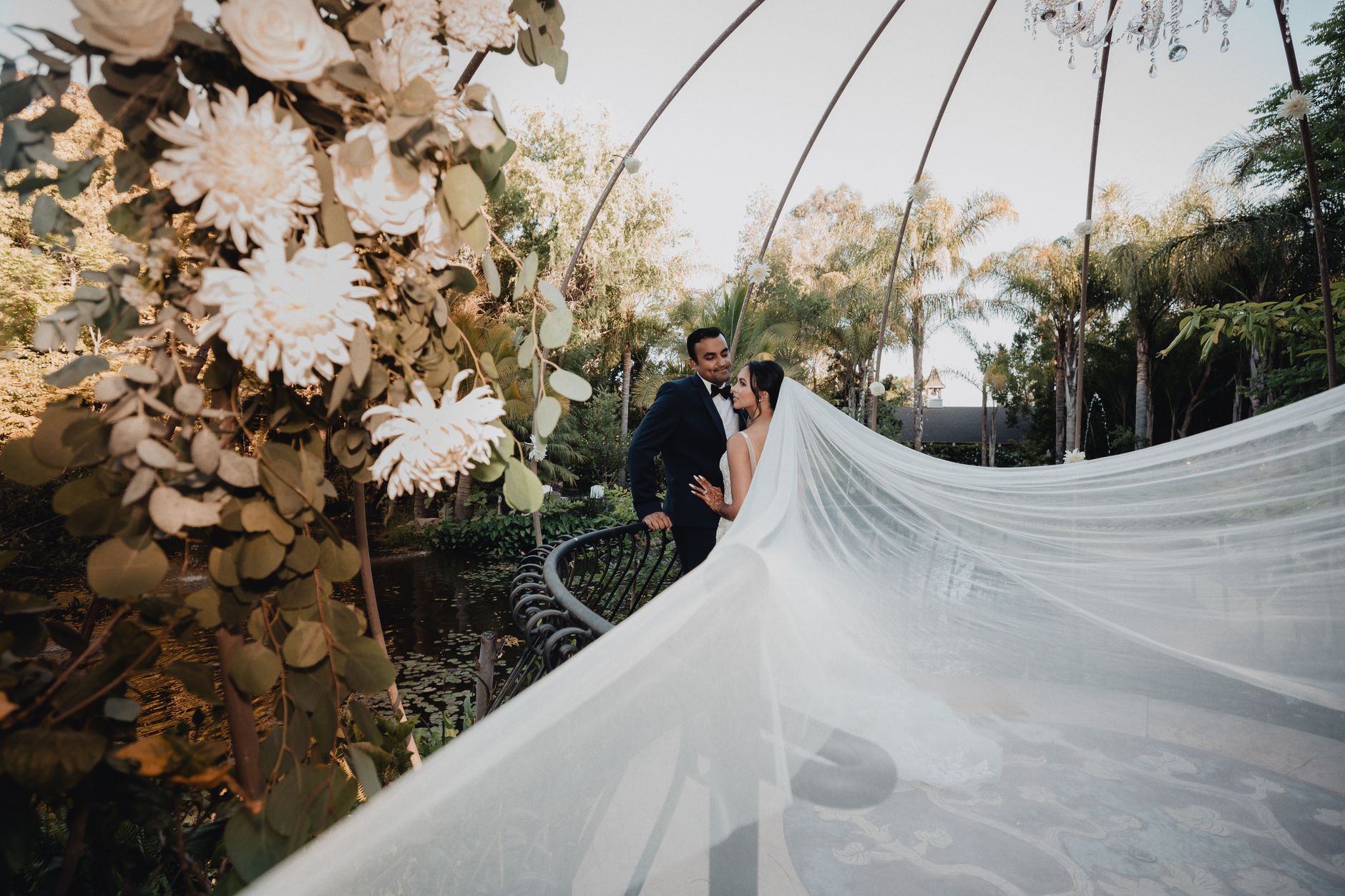
Cinematic style prioritizes visual composition, controlled lighting, and time manipulation. A first look at Bel-Air Bay Club filmed cinematically might open with a slow-motion shot of the bride walking toward the groom, backlighting from the ocean sun filtered through the terrace pergola, depth of field shallow enough that the Pacific blurs into a soft blue wash behind them. The videographer directs the moment — asking the couple to pause, to walk again, to turn toward the light — to build a sequence that reads like a frame from a film.
Cinematic wedding films typically include:
- Slow-motion sequences (shot at 60fps, 120fps, or higher, then slowed to 24fps in the edit) — used for walking shots, veil movement, dress details, the first kiss, the last dance.
- Shallow depth of field (shot with wide-aperture lenses, f/1.4 to f/2.8) — isolates the couple from the background, emphasizes emotion over environment.
- Gimbal and slider movement — smooth tracking shots that follow the couple through a scene, or slow reveals of the venue (the oak grove at Calamigos Ranch, the Swan Lake stone bridge at Hotel Bel-Air).
- Composed lighting — on-camera LEDs or natural light sculpted by reflectors to create contrast and mood, especially during indoor receptions or golden-hour portraits.
- Narrative editing — the film tells an emotional arc, often building toward the vows or the first dance, with music, pacing, and sequencing designed to evoke feeling rather than document chronology.
A 10-hour wedding day filmed in pure cinematic style produces a 6–10 minute highlight reel that feels like a short film — visually cohesive, emotionally directed, and built around the moments that were planned or repeatable (the first look, the ceremony entrance, the first dance, the exit).
The trade-off: cinematic coverage sacrifices some spontaneity. A videographer directing a slow-motion walking shot is not simultaneously capturing the unscripted reaction of a parent watching from the terrace.
What Documentary Wedding Film Style Captures
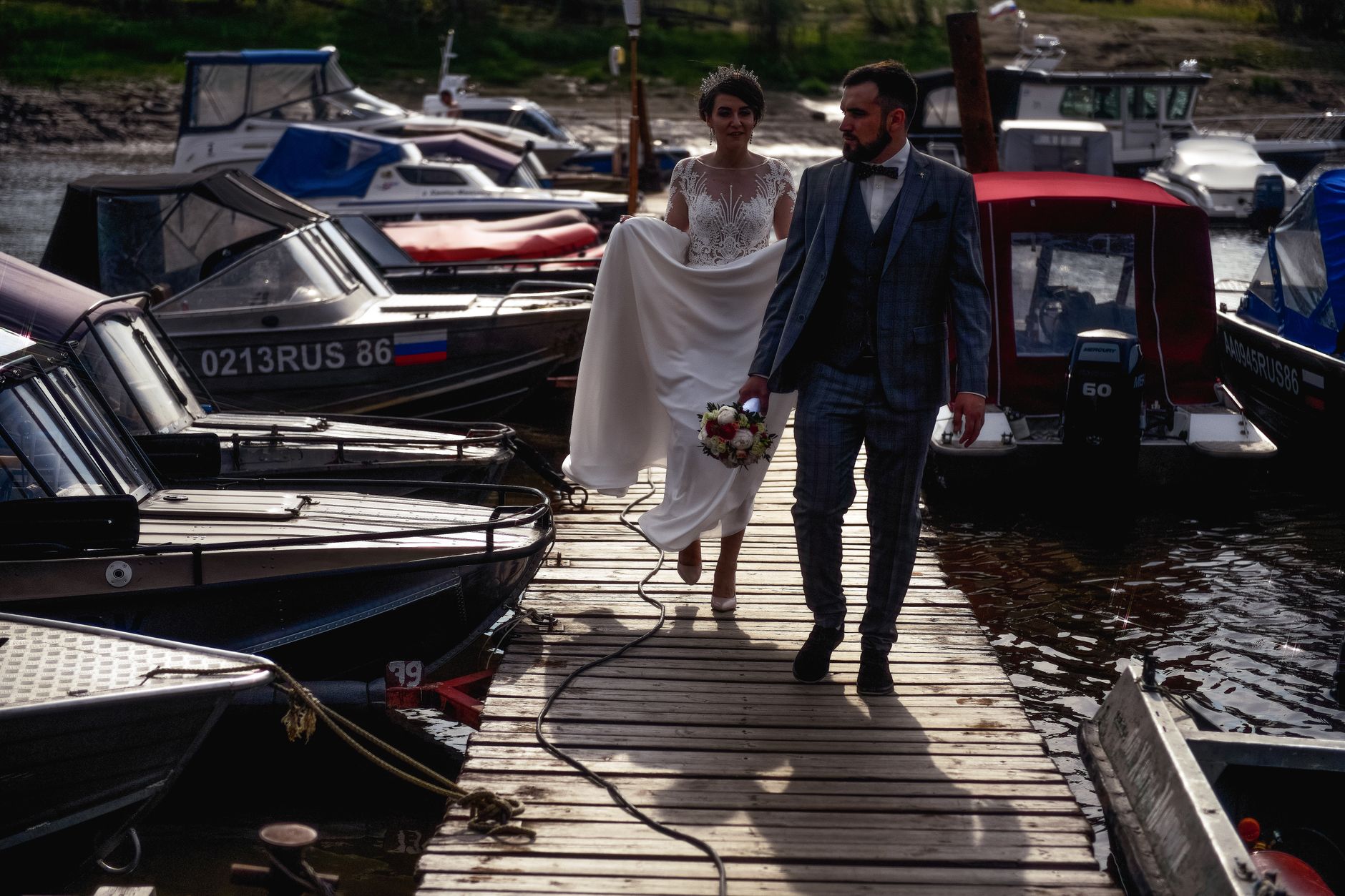
Photo by Konstantin Mishchenko on Pexels
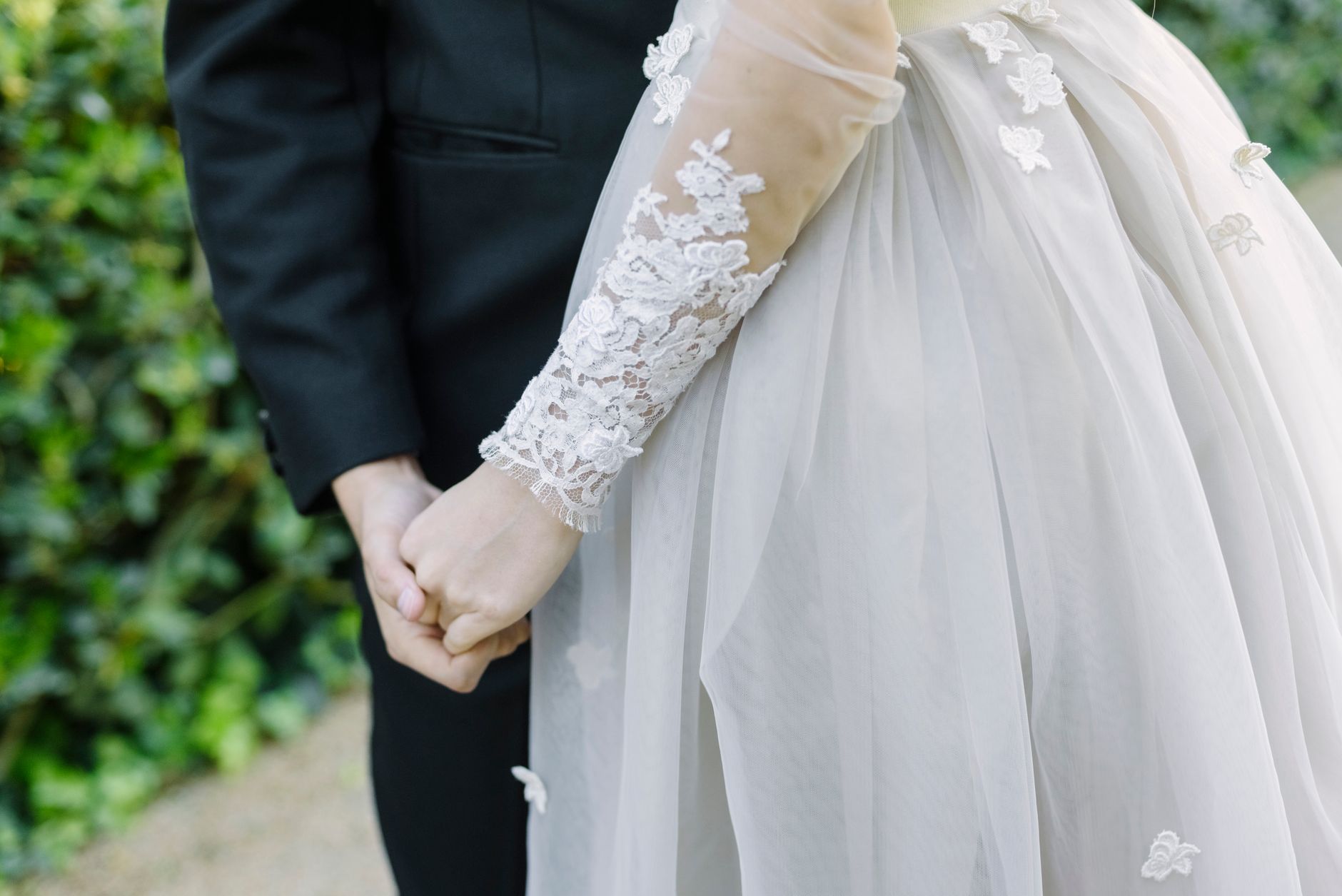
Documentary style prioritizes observation over composition. The videographer becomes invisible, capturing moments as they unfold without intervening. A first look filmed documentarily might show the groom's hands fidgeting with his jacket before the bride appears, the quiet seconds of silence before he turns around, the slight catch in his voice when he first speaks — all shot in real time, with natural sound, from a position that does not interrupt the moment.
Documentary wedding films typically include:
- Real-time pacing — moments play out at the speed they actually happened, preserving the emotional weight of silence, hesitation, laughter.
- Natural sound and dialogue — vows, toasts, laughter, and conversation remain audible in the edit, not buried under a music bed.
- Handheld or tripod coverage — camera movement follows action rather than choreographing it; the focus is on what happens, not how it looks.
- Wide-to-medium framing — documentary shooters favor environmental context (the full ceremony at San Ysidro Ranch's eucalyptus terrace, the parent watching from the front row, the officiant's hand gesture during the vows) over isolated close-ups.
- Chronological or vérité editing — the final film preserves the structure of the day, often delivering the full ceremony, the full toasts, and key moments in sequence rather than abstracting them into a montage.
A 10-hour wedding day filmed in pure documentary style produces a longer edit — often 20–60 minutes — that feels like you are re-living the day rather than watching a film about it. Full ceremony coverage, raw audio from the vows, and unscripted moments (a bridesmaid crying during the processional, a guest laughing mid-toast, the couple's quiet conversation during golden-hour portraits) dominate the cut.
The trade-off: documentary coverage can feel less visually polished. Without slow motion, composed lighting, or directorial shaping, some moments read as ordinary rather than cinematic — which is the point, but not always what couples expect when they imagine their wedding film.
How We Blend Both Styles Across a Wedding Day
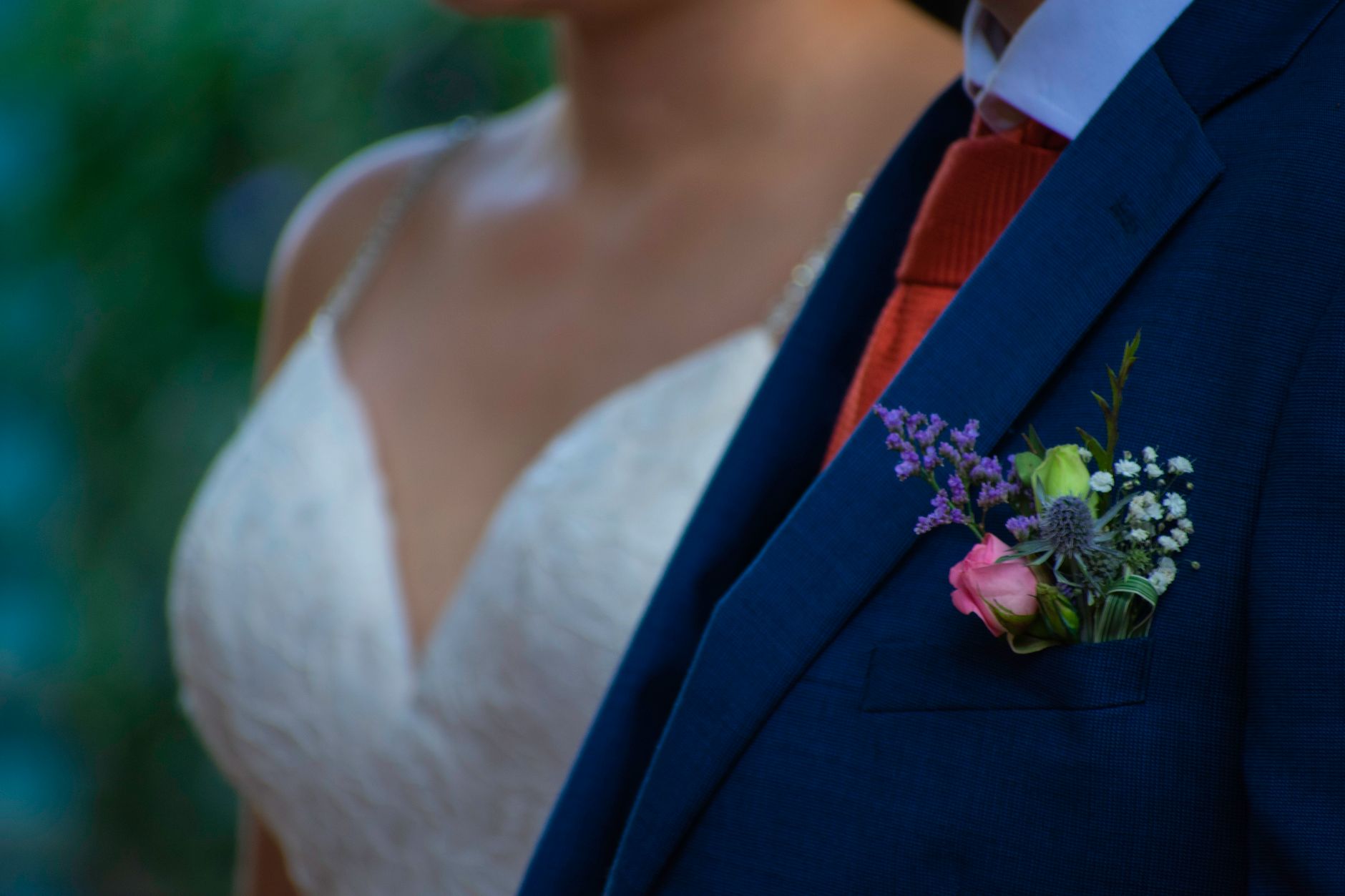
Photo by Josue Ureña on Pexels
Most editorial wedding films — and all of the films we produce — combine cinematic and documentary approaches based on what each moment allows. A ceremony at Ojai Valley Inn's oak terrace is covered documentarily: two static cameras capturing the full processional, the vows, and the first kiss in real time, with natural sound. The couple's golden-hour portrait session after the ceremony is covered cinematically: slow-motion walking shots through the vineyard, shallow depth of field isolating them against the Topa Mountains, gimbal movement tracking them down the olive-tree allée.
The hybrid approach gives you both the emotional weight of unscripted moments and the visual polish of composed sequences. Here is how we allocate coverage across a typical 10-hour wedding day:
- Getting ready (1–2 hours): 70% documentary, 30% cinematic. We capture the unscripted moments — the parent helping with the dress, the quiet minutes before departure — documentarily, then compose a few slow-motion detail shots (dress hanging in window light, hands fastening the veil) for visual texture in the highlight reel.
- First look (15–20 minutes): 50% documentary, 50% cinematic. The initial reaction and conversation are captured documentarily; afterward, we direct slow-motion walking shots and composed portraits for the cinematic sequences.
- Ceremony (30–60 minutes): 90% documentary. Two static cameras cover the full processional, vows, and recessional in real time with natural sound. A third handheld camera captures parent reactions, guest responses, and environmental context (the eucalyptus canopy at San Ysidro Ranch, the ocean behind the terrace at Bel-Air Bay Club).
- Family portraits and couple portraits (1–2 hours): 80% cinematic. This is the window for composed slow-motion sequences, gimbal movement, and shallow-depth-of-field walking shots. We use the light, the venue architecture, and the couple's movement to build the visual centerpiece of the highlight reel.
- Cocktail hour and reception (4–6 hours): 60% documentary, 40% cinematic. Toasts, first dance, parent dances, and cake cutting are covered documentarily with real-time pacing and natural sound. Environmental shots of the reception space (the Redwood Barn at Calamigos Ranch lit at night, the terrace at Montage Laguna Beach overlooking the Pacific) and a few slow-motion dance-floor sequences are shot cinematically.
The final deliverable includes both a 6–10 minute highlight reel (80% cinematic, edited to music with an emotional arc) and a 20–40 minute full ceremony and toast edit (95% documentary, preserving real-time pacing and natural sound). Couples who book the full-day documentary photography package receive both; those who book only the highlight reel receive the cinematic-heavy edit.
When Cinematic Style Works Best
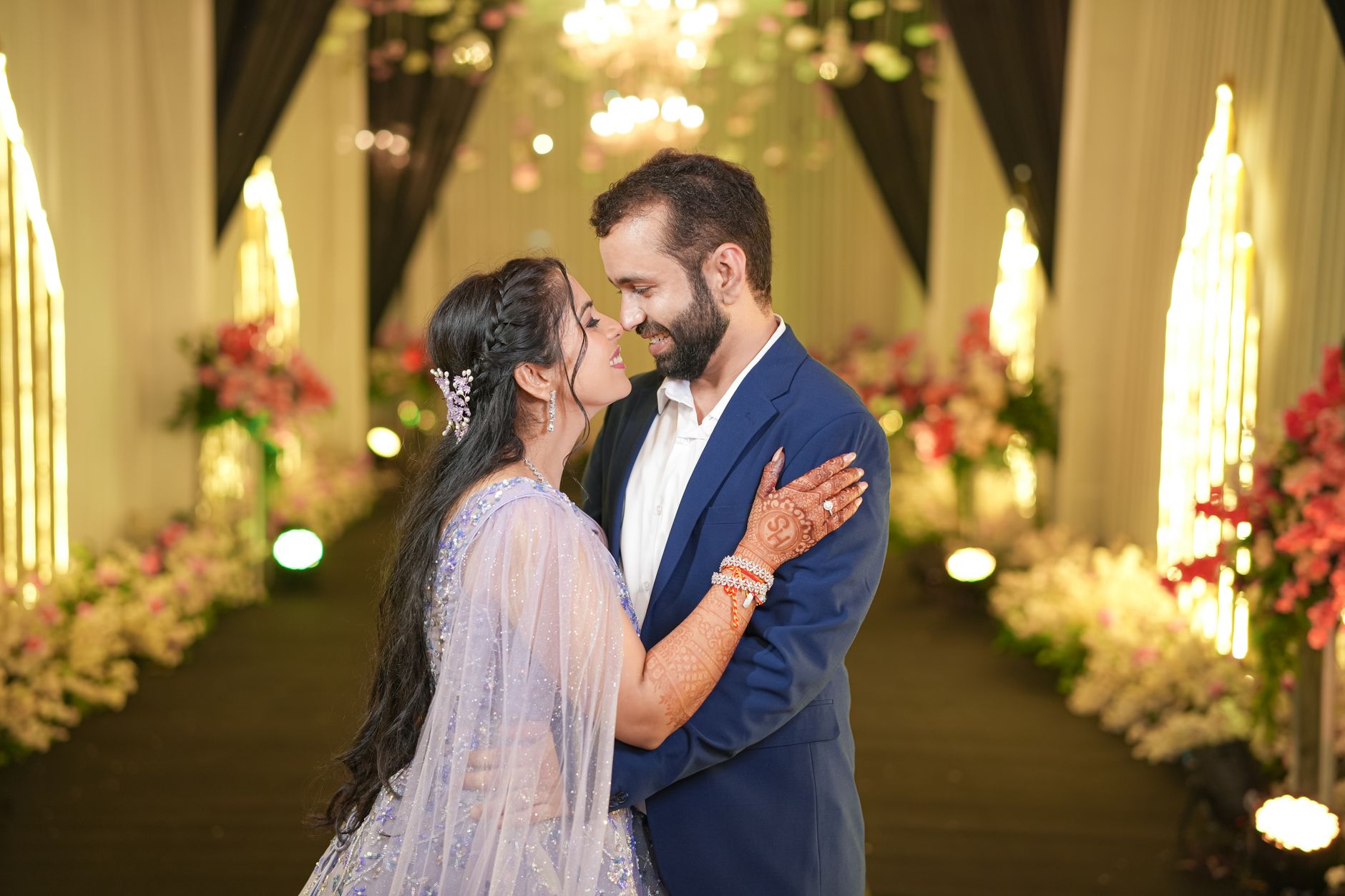
Photo by Fotographiya Wedding Photography on Pexels
Cinematic coverage excels in moments that are repeatable, directible, or visually iconic. If the venue has strong architectural or natural beauty — the oak grove at Calamigos Ranch, the Swan Lake stone bridge at Hotel Bel-Air, the vineyard rows at Triunfo Creek Vineyards — and the couple is comfortable being directed for 10–15 minutes during portraits, cinematic style produces sequences that feel like editorial spreads from Vogue Weddings.
Cinematic style also works for couples who prioritize a short, visually polished film over a long documentary record. If you want a 6-minute highlight reel that plays like a short film — something you can share on social media, show at an anniversary dinner, or watch without committing to an hour-long edit — cinematic coverage delivers that efficiently.
Finally, cinematic style flatters venues and lighting conditions that need shaping. A ballroom reception at the Beverly Hills Hotel benefits from composed lighting, shallow depth of field, and slow-motion sequences that isolate the couple from the broader environment. Documentary coverage of the same space can feel static or visually repetitive without directorial intervention.
When Documentary Style Captures What Cinematic Misses
Documentary coverage excels in moments that cannot be repeated or directed. The unscripted seconds before the ceremony begins — the groom's quiet conversation with his best man, the bride's last deep breath before walking down the aisle, the parent's reaction during the processional — are documentary moments. A videographer directing a slow-motion walking shot during that window misses them entirely.
Documentary style also preserves dialogue and sound in a way cinematic editing often buries. If the vows are personal and specific, if the toasts are funny or emotionally raw, if the couple's conversation during portraits reveals their dynamic, documentary coverage with natural sound captures that. Cinematic highlight reels typically layer music over dialogue, which is emotionally effective but erases the words themselves.
Finally, documentary coverage delivers a longer, more complete record of the day. Couples who want to re-watch the full ceremony five years later, or who want their children to hear the toasts their grandparents gave, need documentary coverage. A 6-minute cinematic highlight reel cannot include 30 minutes of vows, readings, and toasts without sacrificing its pacing.
What to Ask a Wedding Videographer About Style
When you interview a wedding videographer, the question is not "Are you cinematic or documentary?" but "How do you allocate coverage across the day, and what will the final edit include?" Here are the questions that surface the actual workflow:
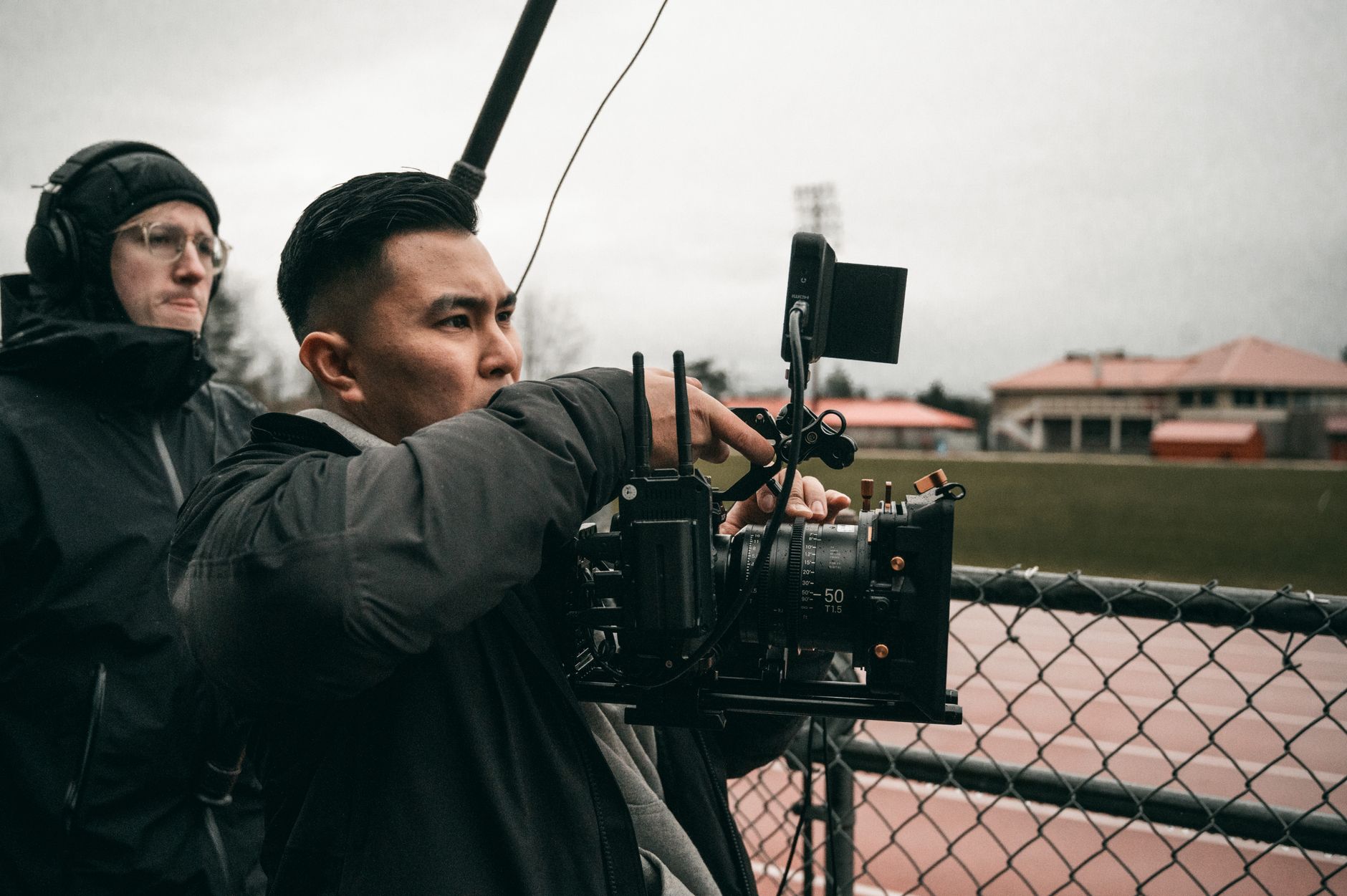
- How many cameras cover the ceremony, and are they static or handheld? Two static cameras preserving real-time audio = documentary-leaning. One handheld roaming for composed angles = cinematic-leaning.
- Do you deliver the full ceremony with natural sound, or only ceremony highlights in the final edit? Full ceremony audio = documentary. Ceremony excerpts edited to music = cinematic.
- How much time do you allocate for couple portraits, and will you direct us during that window? 60–90 minutes with direction = cinematic sequences. 20–30 minutes capturing candid movement = documentary-leaning.
- What percentage of the highlight reel is slow motion? Over 50% slow motion = heavily cinematic. Under 20% = documentary-leaning with cinematic accents.
- Do you capture toast audio in full, and is it included in the final edit? Full toast audio in a separate deliverable or woven into the edit = documentary priority. Toast excerpts under music only = cinematic priority.
- How do you handle moments that happen once and cannot be repeated? A videographer who prioritizes capturing the moment as it unfolds over getting the perfect composed shot is documentary-first.
The answers reveal whether the videographer's default approach matches what you want. If you care most about having the full vows and toasts preserved with natural sound, hire a documentary-leaning team. If you want a visually polished 6-minute film that plays like editorial cinema, hire a cinematic-focused team. If you want both — which most couples do — confirm that the package includes both a highlight reel and a full ceremony/toast edit, and that the crew size supports simultaneous documentary and cinematic coverage (typically a 2-shooter video team for a 10-hour day).
Why Most Editorial Wedding Films Are Hybrids
The cleanest wedding films blend both styles because no single approach serves every moment. A ceremony deserves documentary coverage — real-time pacing, full audio, environmental context. A golden-hour portrait session at Rancho Valencia's olive grove deserves cinematic treatment — slow motion, shallow depth of field, composed movement. A first dance can be both: wide documentary coverage capturing the full song and the couple's conversation mid-dance, plus a few slow-motion close-ups of hands, movement, and expression for the highlight reel.
We deliver both in every full-day wedding film package: a 6–10 minute cinematic highlight reel edited to music, plus a 20–40 minute documentary edit preserving the full ceremony, full toasts, and key unscripted moments with natural sound. Couples who book the photo + video combined package receive an additional documentary photography set — 600–800 images capturing the day chronologically, complementing the film's narrative arc with still editorial coverage.
The hybrid approach requires a larger crew (typically 2-shooter video minimum, often paired with 2-shooter photo) and more time in post-production (editing both a short cinematic piece and a long documentary cut takes 8–12 weeks). But it delivers what most couples actually want when they say they are choosing between cinematic and documentary: both.
Begin a Conversation About Your Wedding Film
If you are planning a wedding at Calamigos Ranch, Hotel Bel-Air, Ojai Valley Inn, or another Southern California venue and want to understand how cinematic and documentary coverage would shape your film, we can walk you through the approach during a portfolio review. We will show you side-by-side examples from recent weddings — the same moment captured documentarily and cinematically — so you can see what each style preserves and what it trades away.
Reach out through the contact form on the site, and we will send over the full wedding film portfolio plus a breakdown of how we allocate coverage across a typical day.