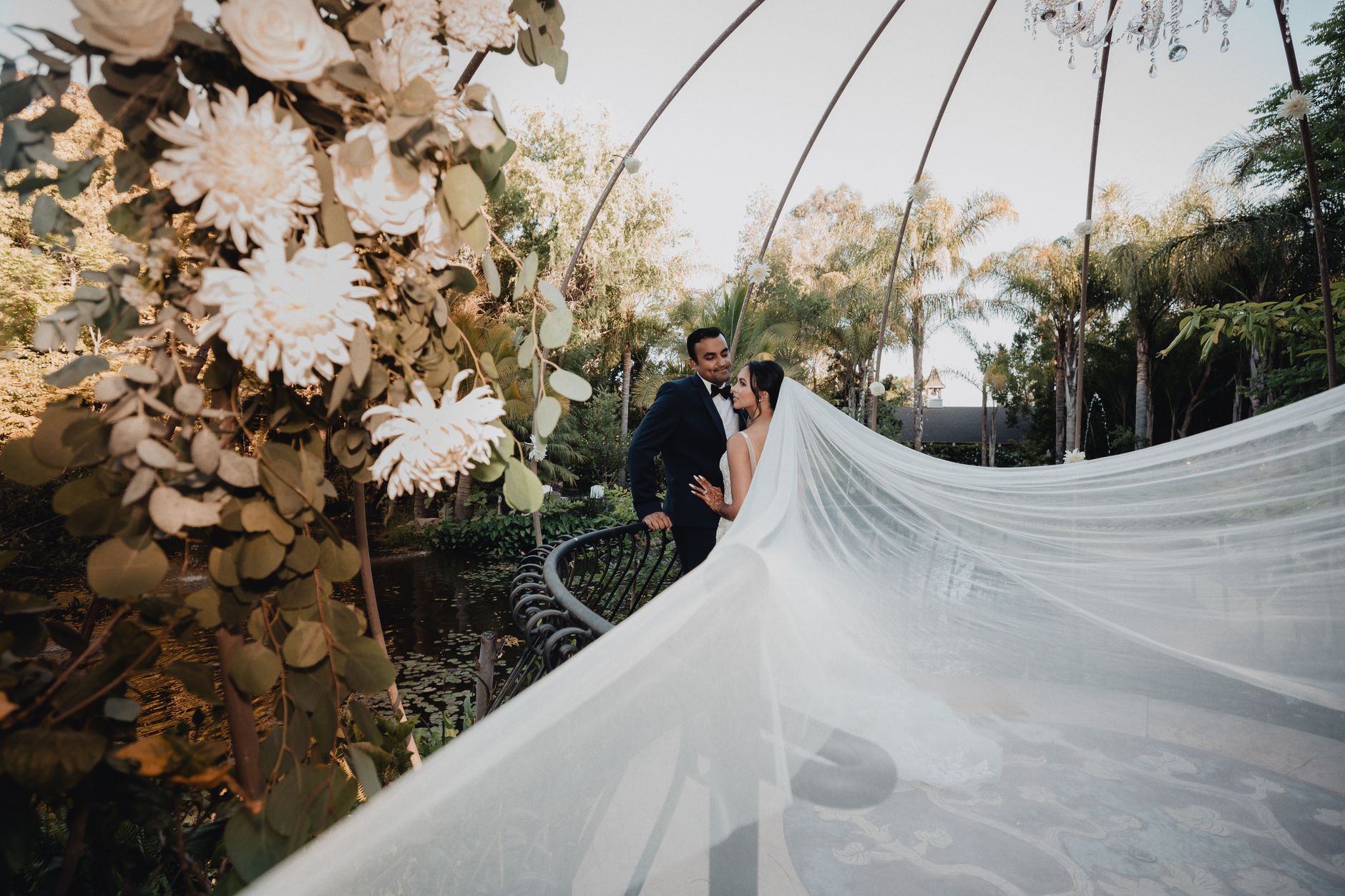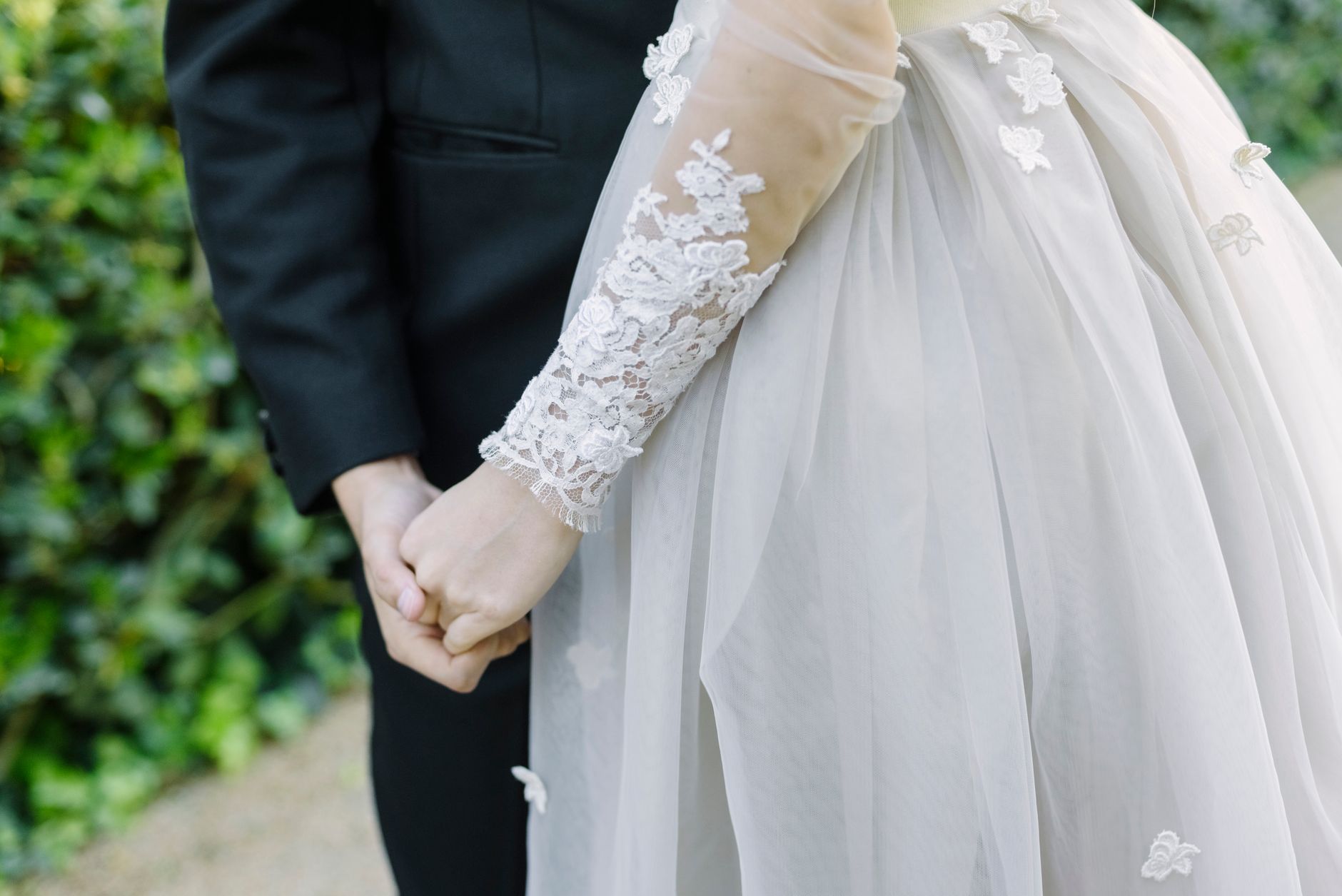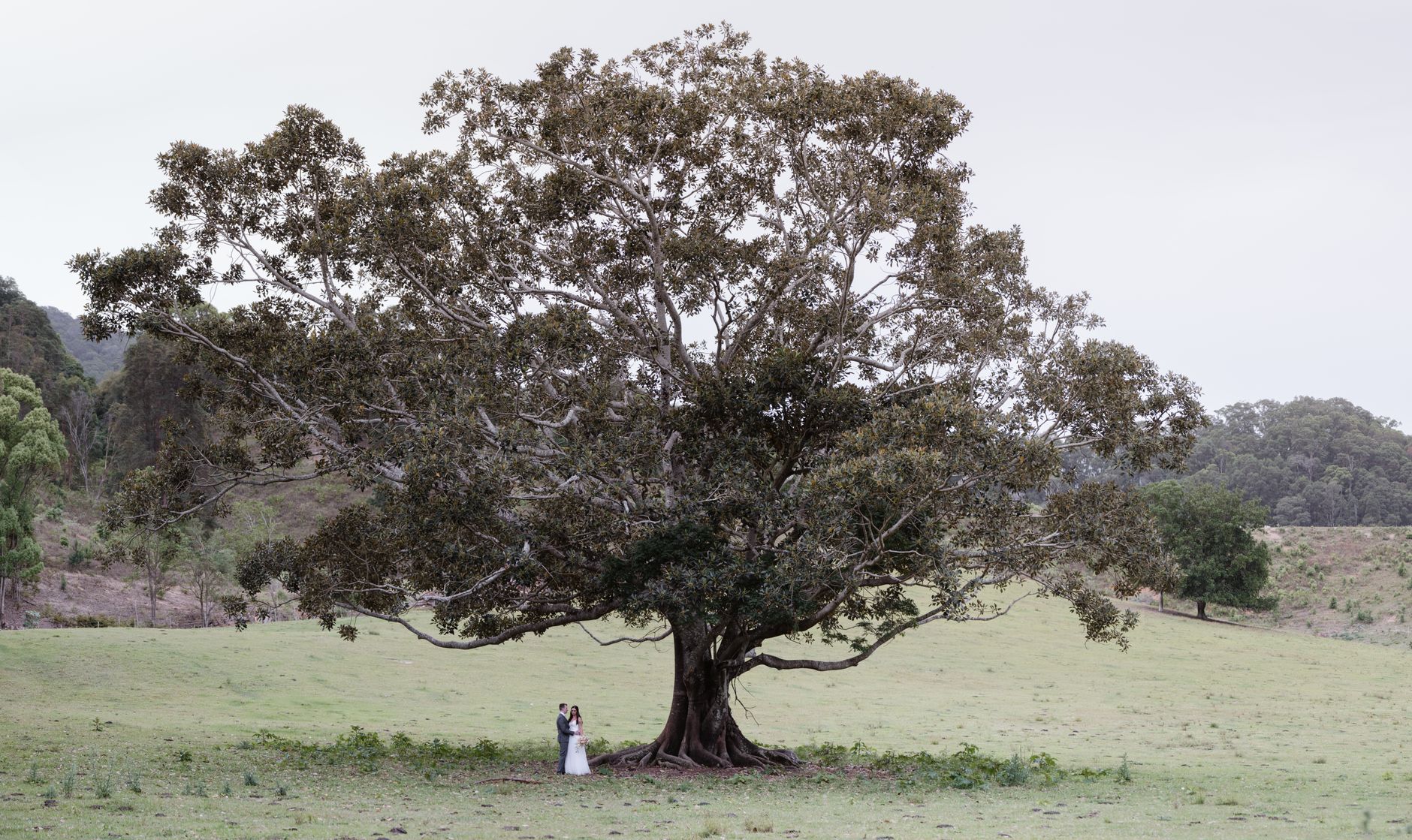
A wedding film at Carmel Valley Ranch requires a 2-shooter video team positioned across three distinct zones: the oak grove ceremony site, the valley overlook reception terrace, and the hillside villas where couples prep in the morning. The property's 500-acre footprint means a videographer cannot see one zone from another, and the coverage plan must account for travel time between locations well before the first look begins.
Carmel Valley Ranch weddings typically follow a predictable light arc. Morning prep happens in soft north-facing villa light from 10am to noon. The ceremony is scheduled for 4pm or 4:30pm in the oak grove, when the canopy filters golden hour into green-gold that reads warm on sensor without correction. Reception moves to the valley overlook terrace at dusk, where string lights and the distant ridge create a clean two-plane background for the first dance and toasts. A full-day wedding film at Carmel Valley Ranch runs 10 hours of coverage to capture all three zones without rushing transitions.
Why Carmel Valley Ranch Films Differently Than Napa Resort Weddings
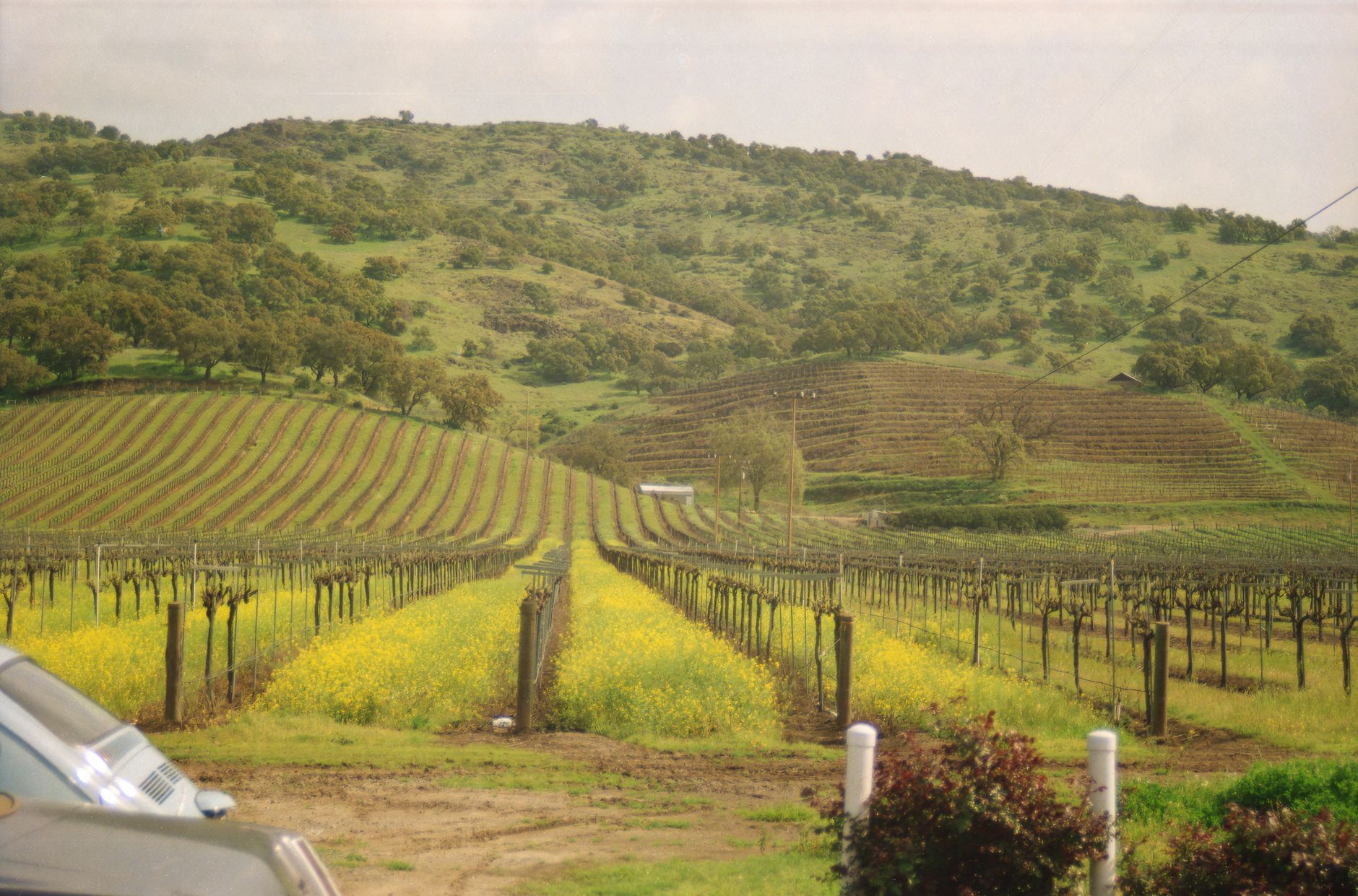
Photo by Tom Fisk on Pexels
Carmel Valley Ranch sits lower and more sheltered than Auberge du Soleil or Meadowood, which means softer, more diffused light throughout the day and fewer harsh overhead shadows during midday portraits. The oak canopy at the ceremony site creates natural negative fill, so a videographer shooting there at 4pm works with light that feels closer to 6pm at an open vineyard site. The valley overlook terrace, by contrast, faces west without obstruction, and late-afternoon portraits there require flagging or scheduling after 5:30pm when the sun drops behind the ridge.
The property's villa layout also changes logistics. Unlike a single hotel prep floor, Carmel Valley Ranch scatters villas across hillside clusters, often 3–5 minutes apart by golf cart. A videographer covering both partners' prep needs either a second shooter or a strict timeline that sequences one prep block before the other. Simultaneous dual-prep coverage is standard for couples booking the Photo + Video Combined Package, which includes a 2-shooter video team and a 2-shooter photo team working the same 10-hour window.
The ranch's signature moments — the oak grove processional, the valley overlook first dance under string lights, and the villa courtyard send-off — all happen outdoors, so the rain contingency is the Vineyard Pavilion, an enclosed timber structure with roll-up glass walls. When weather forces the pivot, the videographer's coverage plan shifts from three outdoor zones to one indoor pavilion with controlled light, which simplifies setup but removes the property's defining landscape features from the film.
Ceremony Coverage in the Oak Grove — Timing, Angles, and Canopy Light
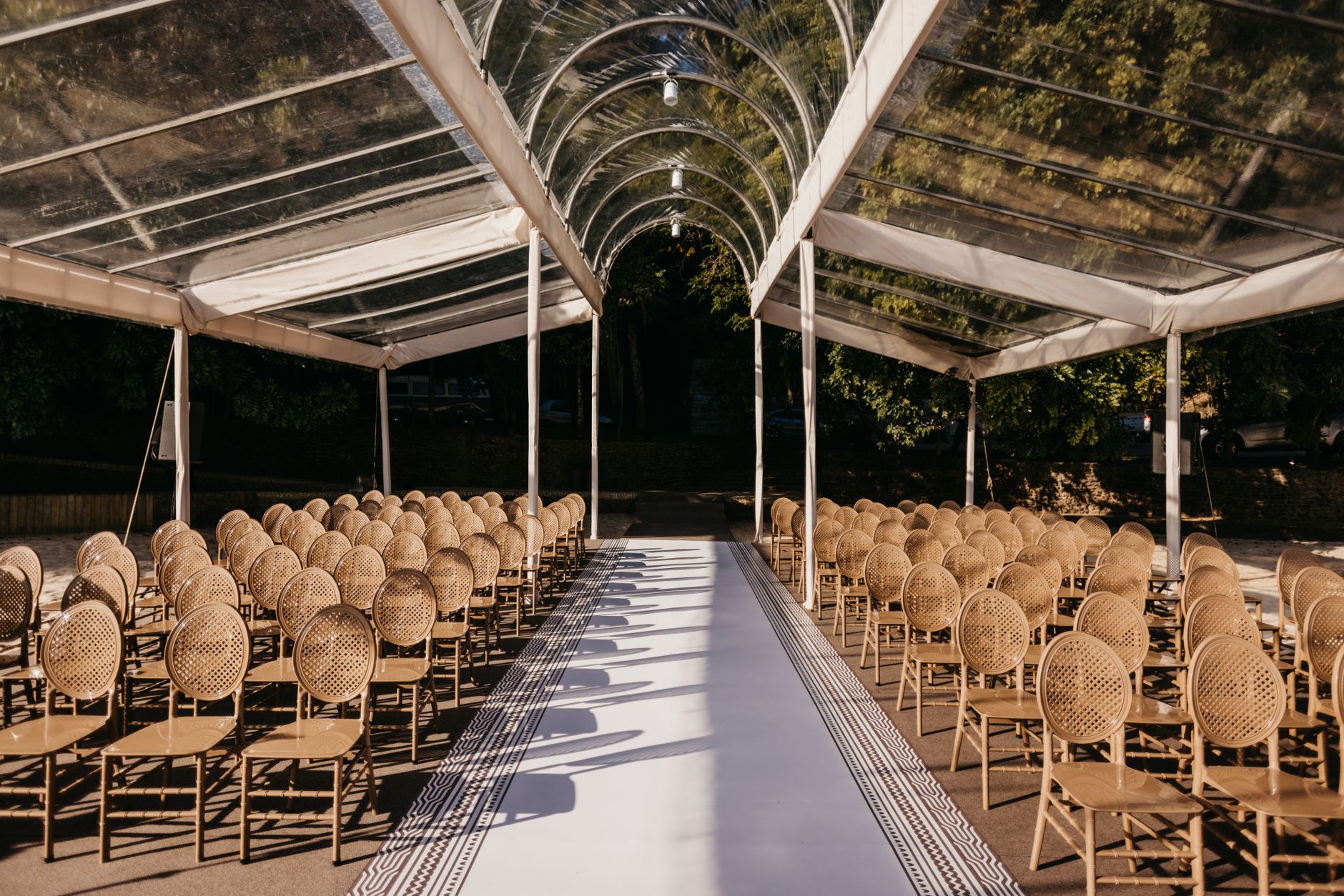
Photo by Jonathan Borba on Pexels
The oak grove ceremony site is a natural amphitheater beneath a 60-foot canopy, with guest seating on both sides of a grass aisle and the officiant positioned against a backdrop of valley and ridge. A wedding videographer at Carmel Valley Ranch stations the primary camera at the rear center aisle for processional and recessional coverage, and a second shooter at the front corner to capture vows, ring exchange, and the couple's expressions during readings.
Ceremony start time determines whether the canopy light works or fights the film. A 4pm ceremony captures the oak-filtered golden hour that makes Carmel Valley Ranch distinctive — warm, soft, directional light that creates gentle rim lighting on the couple and avoids the flat overhead wash of a 2pm start. A 5pm ceremony pushes deeper into golden hour but risks losing light during cocktail hour, compressing the timeline for family formals and couple portraits before reception.
Audio is critical in the oak grove because the open-air site has no walls to reflect sound, and guest conversation during prelude can bleed into the ceremony audio track. A videographer uses two wireless lavalier mics — one on the officiant, one on the groom or primary partner — plus a shotgun mic on the primary camera as a backup. Vows recorded this way are clean enough to feature in the highlight reel and the full ceremony coverage deliverable, which runs 20–30 minutes depending on readings and rituals.
The recessional moment, when the couple walks back down the aisle under the oak canopy, is the single frame most couples remember from their Carmel Valley Ranch film. The videographer pre-positions for that shot during family formals, ensuring the second shooter can track the couple's exit while the primary camera holds a wide establishing shot that shows the full oak canopy, the guest reaction, and the valley beyond.
Valley Overlook Reception Coverage — First Dance, Toasts, and Two-Plane Background
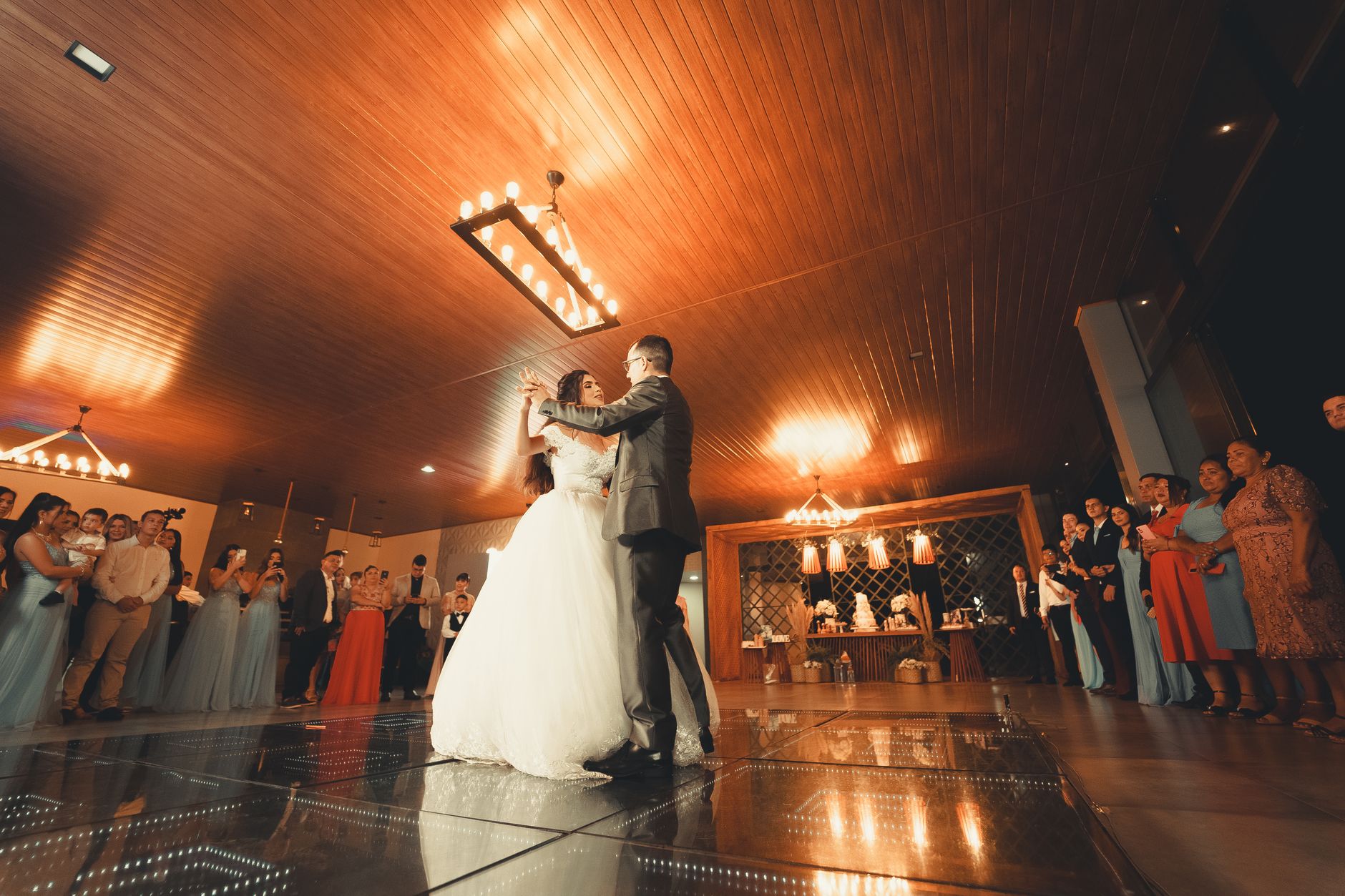
Photo by Juliano Astc on Pexels
The valley overlook terrace is where Carmel Valley Ranch receptions happen after dark, with string lights overhead and the distant ridge forming a clean two-plane background that separates the couple from the landscape without competing for attention. A wedding videographer shoots the first dance from two angles — a wide establishing shot from the terrace edge, and a closer tracking shot that follows the couple as they move through the frame.
First dance timing is typically 8pm or 8:30pm, after sunset but before full dark, when the string lights register as warm practicals on camera and the ridge still holds a faint blue glow. The videographer's ISO climbs to 3200 or 6400 depending on ambient light, and the second shooter uses a gimbal to track movement without introducing shake. This is the moment in the film where audio transitions from ceremony music to reception energy, and the edit often holds the first dance as a full uninterrupted scene rather than cutting it into a montage.
Toasts follow the first dance, usually three or four speakers, and the videographer captures both the speaker and the couple's reaction in a two-camera setup. The primary camera holds a medium shot of the speaker; the second camera, positioned at a 90-degree angle, captures the couple's expressions as they listen. This dual coverage is what allows the editor to build a toast sequence that shows not just what was said but how it landed, which is the emotional architecture of a documentary wedding film.
The terrace layout at Carmel Valley Ranch allows the videographer to move freely without crossing the dance floor or blocking guest sightlines, which is not true at all reception venues. The result is cleaner, less obtrusive coverage, and fewer moments in the film where the camera's presence is visible in reflections or shadows.
Villa Prep and Portrait Coverage — Hillside Light and Timing Challenges
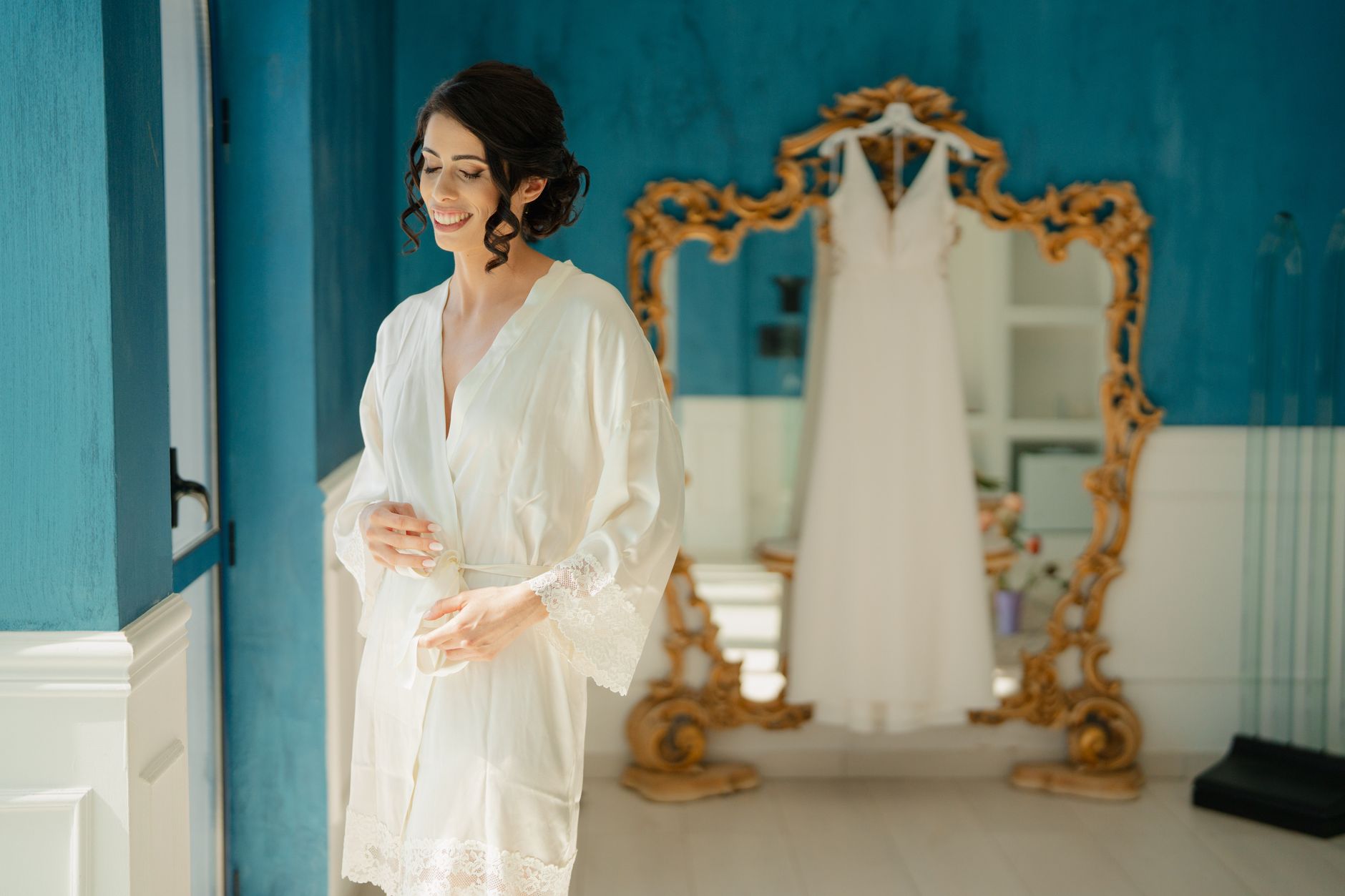
Photo by Andrea Prochilo on Pexels
Morning prep happens in the hillside villas, where couples and their parties get ready in suites with private patios, living rooms, and bedrooms. A wedding videographer at Carmel Valley Ranch starts coverage at 10am or 11am to document the dress, detail shots, and the emotional beats of getting ready — parent moments, champagne toasts, the final mirror check before leaving for the ceremony.
The villas face different directions, so villa light varies. North-facing suites offer soft, even light all morning; south-facing suites require diffusion or repositioning to avoid harsh window glare. The videographer scouts villa orientation during a venue walk-through or requests it from the planner in advance, so the coverage plan reflects actual light conditions rather than assumptions.
Couple portraits typically happen in two windows: a 20-minute session immediately after the ceremony, and a longer 40-minute golden-hour session before reception. The first window captures the couple in the oak grove while the light that made the ceremony work is still present. The second window, scheduled for 6pm or 6:30pm, moves to the valley overlook or the vineyard rows on the property's east side, where the golden hour is deeper and the couple has time to relax into the camera after the ceremony adrenaline has settled.
A videographer shooting both windows produces two visually distinct portrait sequences for the final film — one anchored in the oak grove's green-gold canopy light, one anchored in the valley's open golden-hour glow. Couples booking Editorial Photography as an add-on receive both sequences as stills, with the videographer and photographer coordinating positions to avoid shooting into each other's frame.
Documentary vs Cinematic Wedding Film Style at Carmel Valley Ranch
Carmel Valley Ranch's aesthetic — natural, understated, warm — lends itself to both documentary and cinematic wedding film styles, and couples booking a wedding film here typically ask which approach works better with the venue. The answer depends on what the couple wants the film to prioritize.
A documentary wedding film at Carmel Valley Ranch emphasizes real moments over composed shots: vows as they were spoken, toasts in full, the spontaneous laughter during the recessional, the parent dance without music overlay. The videographer's role is observational, and the edit prioritizes emotional narrative over visual polish. Documentary films run longer — 45 to 60 minutes — because they include full ceremony coverage, multiple toasts, and unabridged key moments.
A cinematic wedding film prioritizes composition, pacing, and music-driven storytelling. The oak grove ceremony becomes a 3-minute montage set to a lyrical score; the first dance is a single unbroken scene; the film runs 8 to 12 minutes and feels closer to a short film than a recording. Cinematic films require more directional work from the videographer — couple prompts during portraits, choreographed walking shots, intentional framing during prep — and the final deliverable is designed to be rewatched, not archived.
Most Carmel Valley Ranch couples book a hybrid: a short cinematic highlight reel (8–10 minutes) plus full ceremony coverage (20–30 minutes) delivered as two separate files. The highlight reel is what they share and screen at anniversary dinners; the ceremony film is what they return to when they want to hear the vows again.
Multi-Day Wedding Film Coverage and Rehearsal Dinner at Carmel Valley Ranch
Carmel Valley Ranch is a multi-day wedding destination, and many couples host a rehearsal dinner the evening before the wedding, often on the valley overlook terrace or in one of the private dining pavilions. A wedding videographer can extend coverage to include the rehearsal dinner as part of a multi-day package, which produces a richer narrative arc in the final film — the couple and their families arriving, the rehearsal dinner toasts that preview the wedding-day speeches, the morning-of-wedding energy in the villas.
Multi-day coverage typically adds 4 to 6 hours on the rehearsal-dinner evening and produces a two-part film: a rehearsal-dinner short (3–5 minutes) and the wedding-day film (8–12 minutes for cinematic, 45–60 minutes for documentary). The combined deliverable tells the full story of the weekend, not just the wedding day, which is especially valuable for destination weddings where guests traveled and the weekend itself was the event.
Couples booking multi-day coverage also receive Save-the-Date Film or Engagement Film services at a discounted rate when bundled, since the videographer is already traveling to Carmel Valley and can schedule a portrait session on the property the day after the wedding or during a pre-wedding site visit.
Photo and Video Coordination — Shooting the Same Moments Without Competing for Space
Carmel Valley Ranch's three-zone layout makes photo-video coordination easier than at single-room venues, because the videographer and photographer can stage couple portraits in sequence rather than simultaneously. The standard workflow: the photographer shoots 20 minutes of posed portraits in the oak grove immediately after the ceremony, then hands off to the videographer for 15 minutes of movement-based cinematic footage in the same location. Both teams get the oak-filtered golden hour; neither team shoots into the other's frame.
During the ceremony, the videographer and photographer coordinate positions in advance. The photographer works the aisle and front corner for close reaction shots; the videographer holds the rear center and front side for wide and medium coverage. Neither crosses the aisle during the processional or vows, which keeps both teams invisible to guests and to each other's footage.
Reception coordination is simpler because the videographer prioritizes motion and audio (first dance, toasts, send-off) while the photographer prioritizes stills and candid moments (table shots, guest interactions, detail compositions). The two workflows rarely overlap, and when they do — during the first dance, for example — the photographer shoots the first 60 seconds, then steps back while the videographer tracks the full song.
Couples booking the Photo + Video Combined Package receive a pre-wedding timeline call with both the photo and video leads, who build a minute-by-minute coverage plan that eliminates overlap, maximizes the oak grove and valley overlook light, and ensures both teams capture the moments the couple has prioritized.
Travel, Timeline, and Turnaround — What Carmel Valley Ranch Couples Should Expect
LifeStory.Film is based in Los Angeles, and travel to Carmel Valley Ranch is included in all packages. The video team typically arrives the afternoon before the wedding for a venue walk-through and villa scout, shoots the wedding day, and departs the morning after. Couples hosting multi-day events can extend the team's stay to cover rehearsal dinners, day-after brunches, or pre-wedding portrait sessions on the property.
The standard timeline for a Carmel Valley Ranch wedding film is 10 hours of coverage: 11am start for prep, through 9pm for the first hour of reception. This window captures villa prep, first look, ceremony, cocktail hour, portraits, and reception through toasts and first dance. Couples who want full reception coverage — including cake cutting, bouquet toss, and send-off — add 2 hours to extend through 11pm.
Edit turnaround is 8 to 12 weeks from the wedding date. The highlight reel delivers first (8 weeks), followed by the full ceremony coverage and any additional reels (save-the-date, engagement, rehearsal dinner) at 10 to 12 weeks. Rush delivery is available for an additional fee and compresses the timeline to 4 to 6 weeks, prioritizing the highlight reel for couples who want to share the film during thank-you note season.
Raw footage is not included in standard packages. Couples who want the unedited ceremony, toasts, or speeches as archival files can add a raw footage deliverable for an additional fee. The raw files deliver as MP4 on a USB drive, organized by coverage block (prep, ceremony, portraits, reception).
Begin a Conversation About Your Carmel Valley Ranch Wedding Film
A wedding film at Carmel Valley Ranch works when the videographer understands the property's three-zone layout, the oak grove's canopy light, and the valley overlook's two-plane background — and when the couple trusts the team to move between those zones without rushing the day. LifeStory.Film has shot weddings at Carmel Valley Ranch and across Northern California wine country, and the approach is always the same: build the coverage plan around the venue's defining features, coordinate with the photo team and planner, and let the day unfold without forcing moments that don't belong.
Reach out to begin a conversation about your wedding at Carmel Valley Ranch, and we'll walk through the timeline, the light, and the coverage plan that makes sense for your day.