The single most controllable factor in the quality of your wedding photography is your timeline. The best photographers in the world can't compensate for a day that's running 45 minutes late by the time it hits the ceremony, or a portrait session that's been compressed to 8 minutes between cocktail hour and dinner.
Here's how to build a timeline that actually works for photography.
The Golden Hour Problem
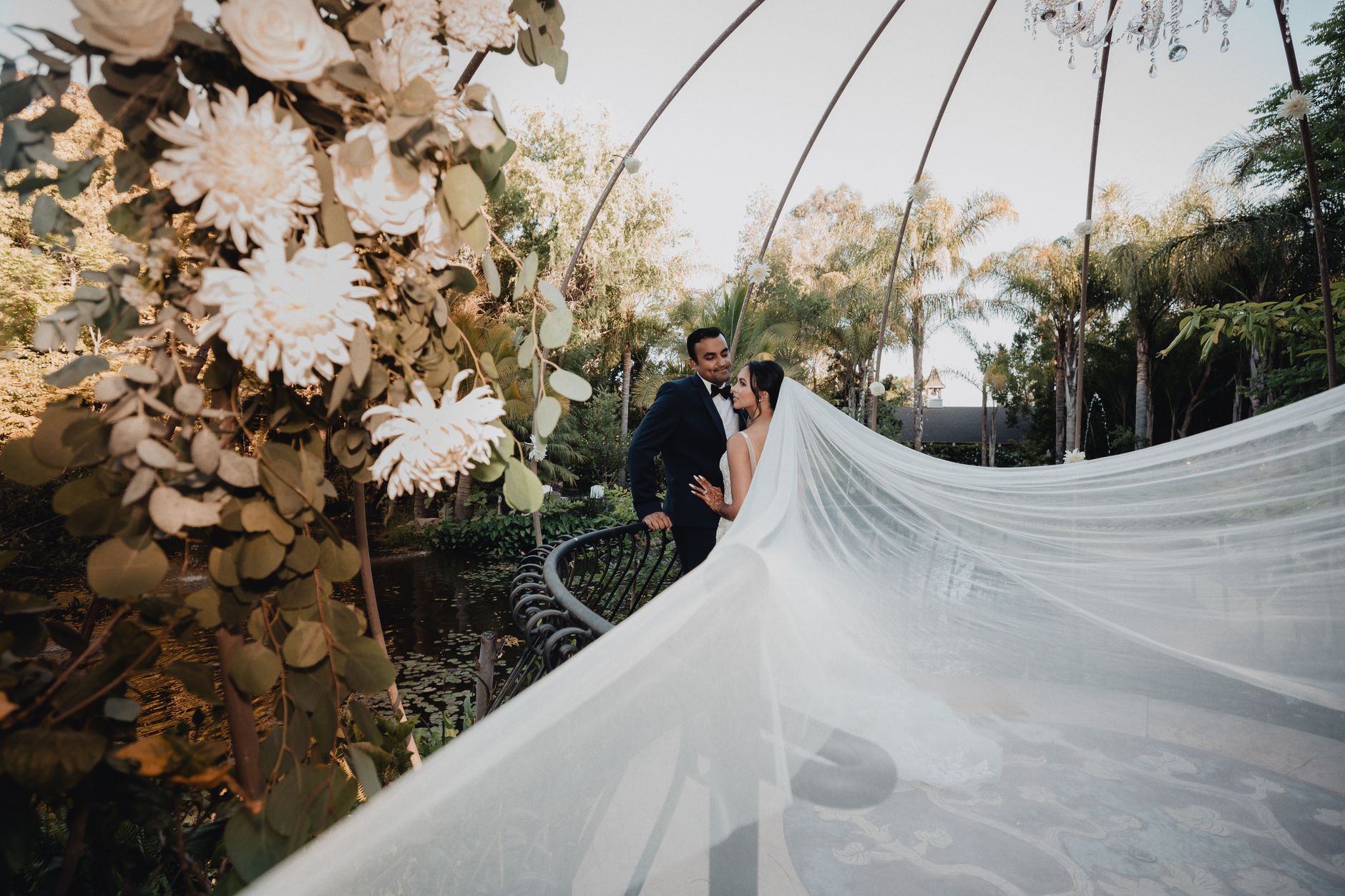
Most photographers' best work happens during golden hour — the 60–90 minutes before sunset when the light is warm, directional, and forgiving. If your reception starts before sunset, you'll often have a natural opportunity to step away with the couple for 15–20 minutes during cocktail hour for portraits in this light.
The problem: many couples underestimate how much they want those golden hour portraits until they see someone else's wedding photos taken in that light. By then, it's too late.
When building your timeline, look up the sunset time for your wedding date and venue location. Work backward from there to protect a portrait window during the best light.
How Much Time to Allocate for Each Phase
Getting ready: 90–120 minutes for the bride's side with a photographer present; 45–60 minutes for the groom's side. Add buffer for hair and makeup delays — they happen at nearly every wedding.
First look (if applicable): 20–30 minutes. A first look — where the couple sees each other before the ceremony — buys you portrait time before the ceremony and lets you do most formal portraits early. Many couples find the first look less emotionally charged than the ceremony reveal, which is why some prefer the traditional approach. Both work; the tradeoff is time.
Wedding party portraits: 30–45 minutes for a wedding party of 6–10 people. Larger parties need more time.
Family formals: 30–45 minutes. This is often the most time-intensive part of the portrait schedule. Create a list of every grouping you want in advance — "all grandparents together," "bride with parents," "groom's side immediate family" — and give it to your photographer and a family coordinator who can herd people.
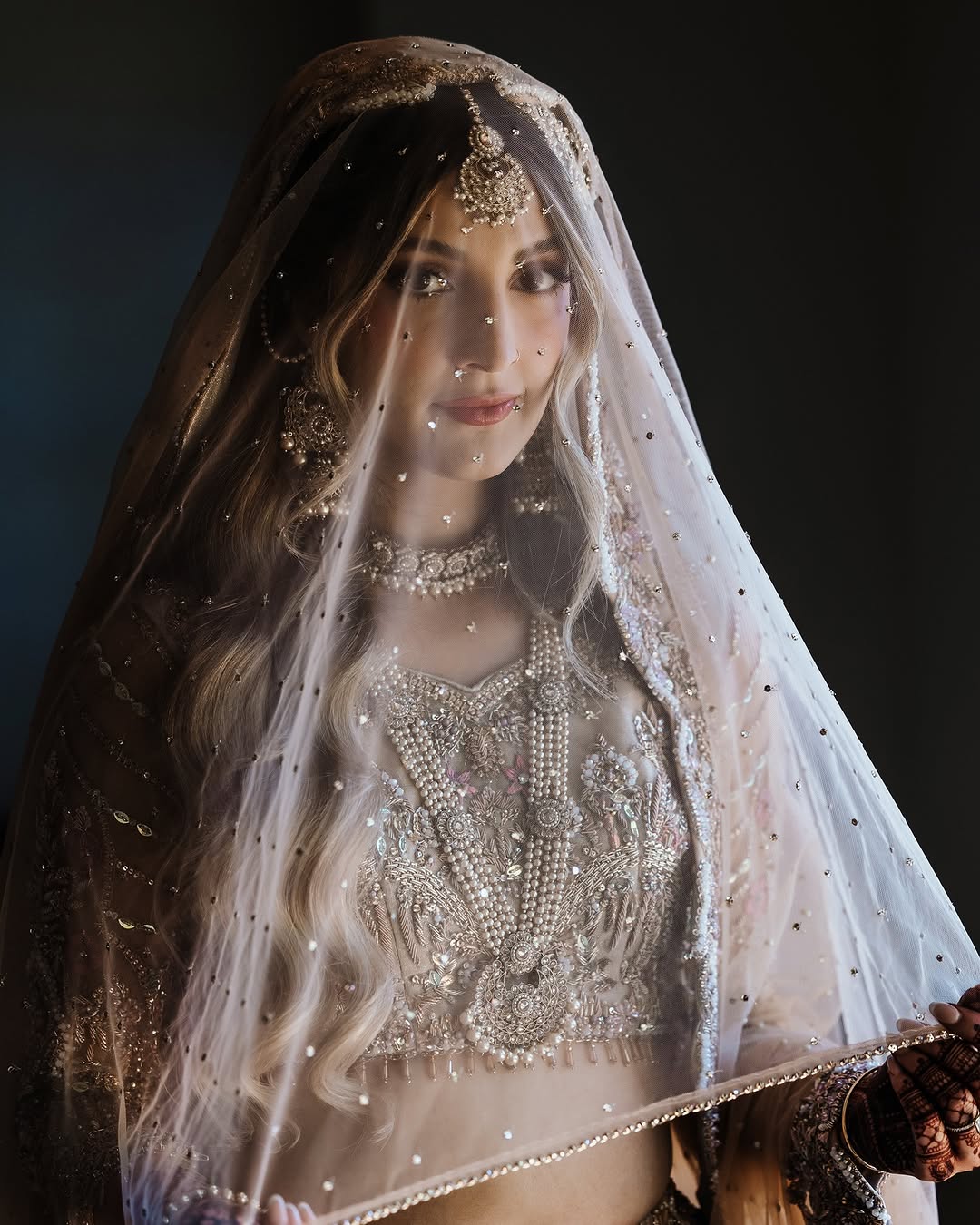
Ceremony: Varies. Catholic and religious ceremonies often run 60–90 minutes. Civil ceremonies can be 15–20 minutes. Multi-ceremony South Asian weddings may run longer.
Golden hour portraits: 15–20 minutes. If you leave your cocktail hour twice (once for golden hour portraits, once to be announced into reception), you'll barely miss cocktail hour and come back with your best photos of the day.
Reception: Photography coverage typically runs through the first dance, parent dances, toasts, and cake cutting. After that, reception coverage is primarily candid.
Common Timeline Mistakes
Scheduling portraits in harsh midday light. If your first look and portraits are at noon in August in Southern California, your photos will show it. Push portraits to late afternoon whenever possible.
Under-allocating family formal time. Every extra grouping adds 3–5 minutes. A family formal list with 15+ groupings is a 60-minute exercise. Be realistic about what you want.
Not building in buffer. Real wedding days run late. Build 15–20 minutes of buffer into each major phase. It will get used.
Skipping the golden hour exit. Even if you stay for your entire cocktail hour, consider a 15-minute portrait exit right at golden hour. Tell your coordinator it's happening; they'll keep guests occupied.
Working with Your Photographer on the Timeline
At LifeStory.Film, we review every timeline with couples in advance and flag potential problems before the wedding day. We look at sunset times, venue logistics, travel between locations, and the specific shots on your list.
For more on what to communicate before the wedding, see our post on how to write a wedding videographer shot list — the same principles apply to photography planning.