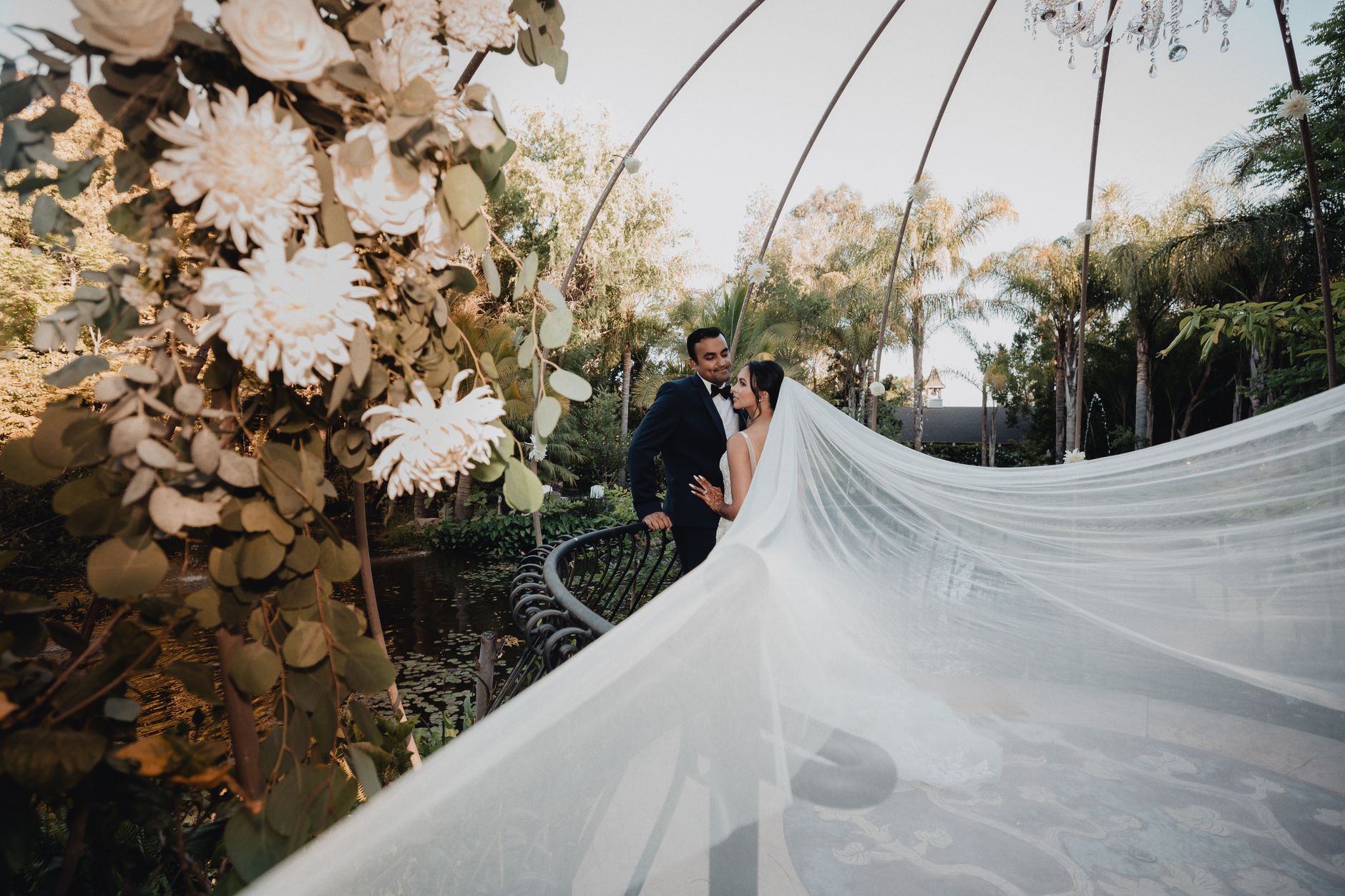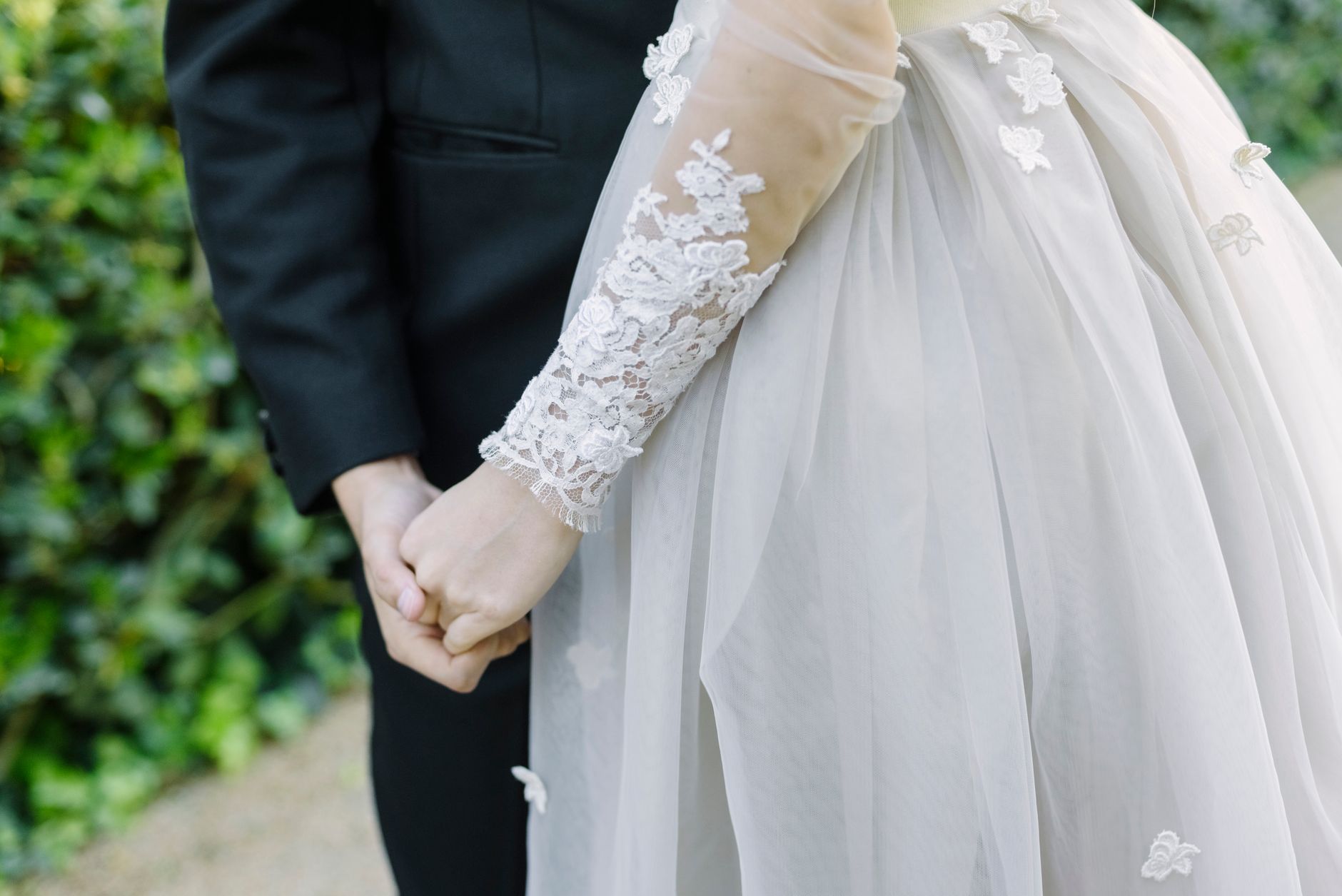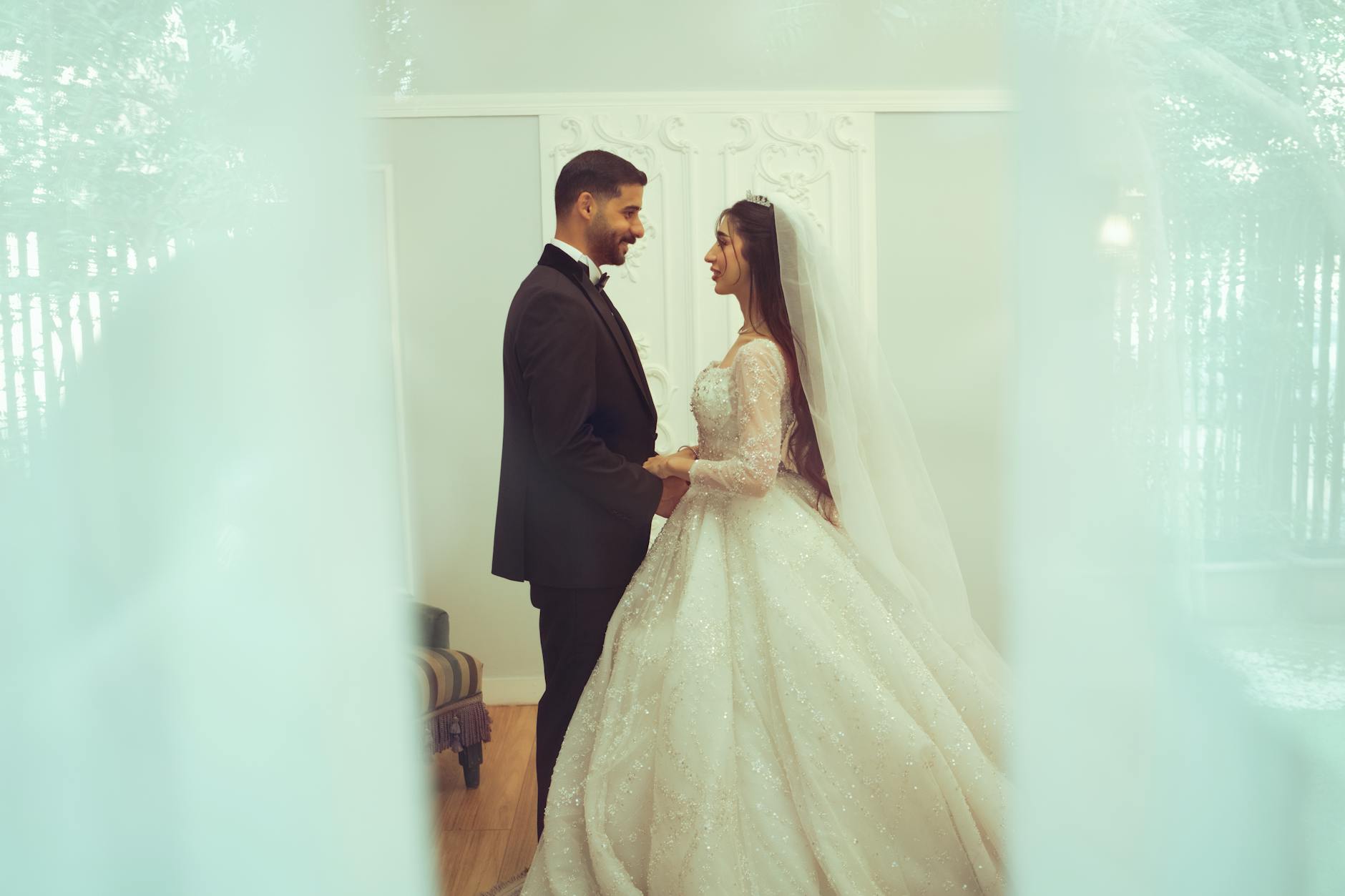
Orange County wedding photography is shaped by two constraints: coastal light that changes every twenty minutes, and venues engineered for exactly that quality of light. Resort at Pelican Hill sits 300 feet above the Pacific with no competing structures to throw shadow; Montage Laguna Beach orients its ceremony lawn to catch the last golden hour before the marine layer moves in. A 2-shooter editorial photography team working a full Orange County wedding day will typically deliver 600–800 edited images across 10 hours of coverage, and the majority of those frames cluster in the two hours before sunset.
Why Orange County Venues Require Different Coverage Than Inland Weddings
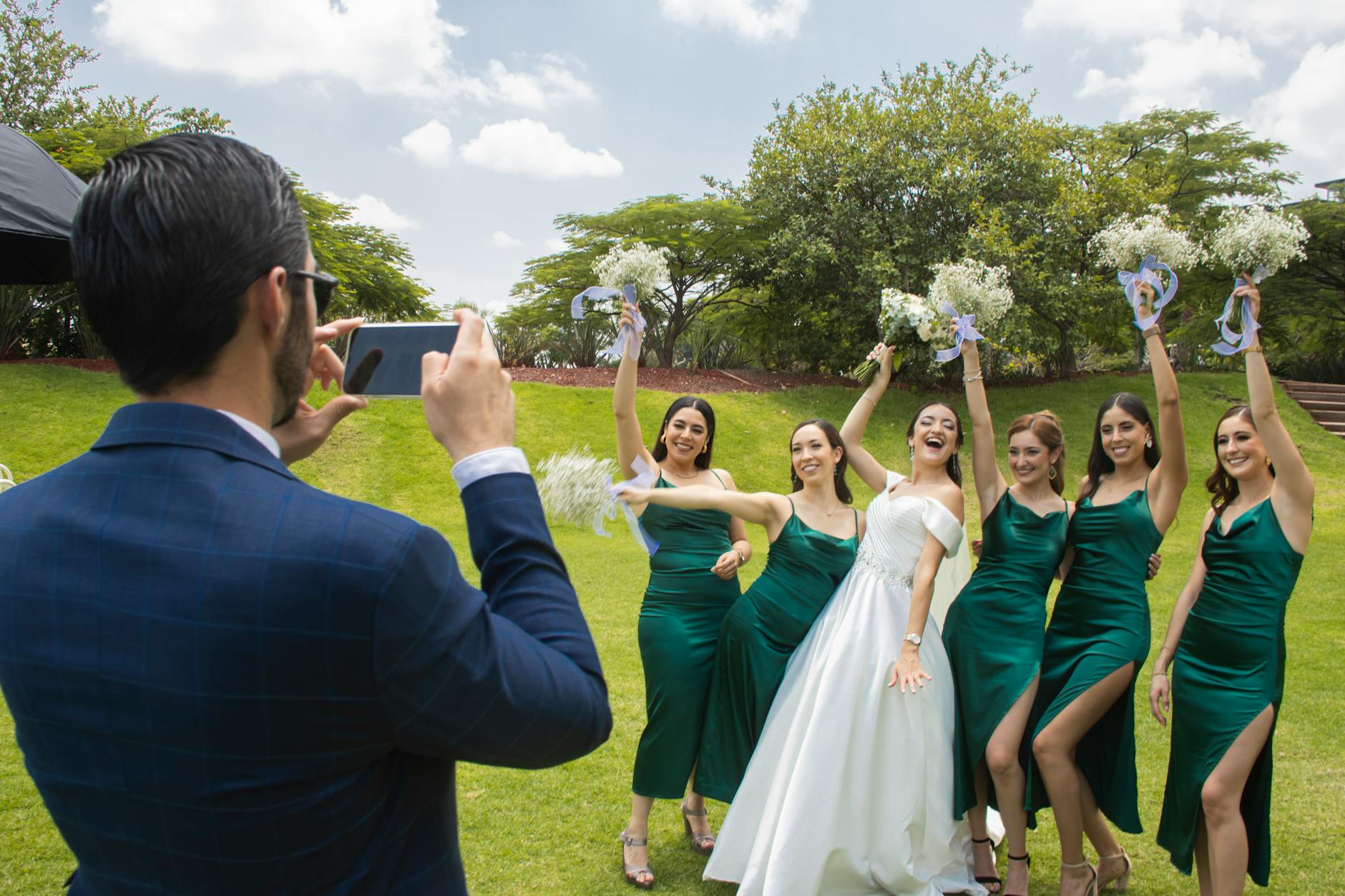
The geography determines the coverage plan. Orange County's coastal and near-coastal venues — Resort at Pelican Hill, Montage Laguna Beach, Terranea Resort — are designed around ocean views and unobstructed western exposure. That means the best portrait light arrives between 4:00 and 6:30 PM, not at sunset itself, and the reception interiors are often glass-walled to preserve the view as natural light fades.
A documentary photographer working these properties builds the timeline backward from golden hour: first look at 4:00 PM, family formals immediately after, ceremony at 5:00 or 5:30, couple portraits during cocktail hour while the light holds. The alternative — a midday ceremony followed by portraits in full sun — produces images with harsh shadow and squinting subjects, which is why experienced Orange County wedding planners schedule the processional no earlier than late afternoon.
Inland Orange County venues follow different light logic. Properties set against hillsides or within oak groves (less common in OC than in neighboring counties, but present) offer dappled shade and more forgiving midday conditions. But for the majority of Orange County weddings — coastal resort weddings at editorial venues — the coverage day is anchored to that 4:00–6:30 PM window.
Editorial Photography vs Documentary Photography in Orange County
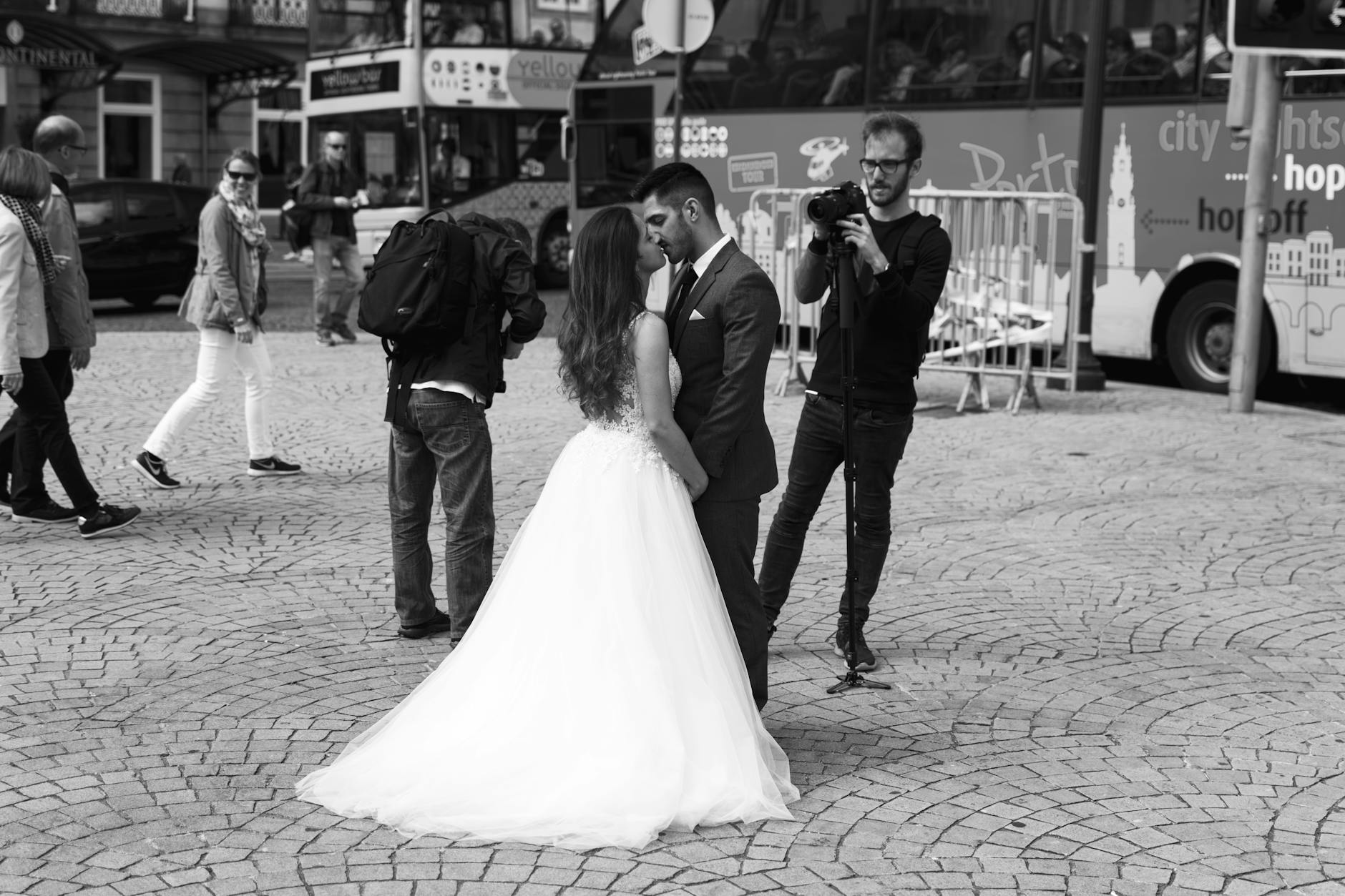
LifeStory.Film offers both editorial photography and documentary photography, and most Orange County couples book a hybrid approach rather than choosing one exclusively.
Editorial photography is posed, directed, and composed like a magazine editorial. The photographer stages the frame: adjusts the bride's veil to catch backlight, positions the couple on the Pelican Hill colonnade with the rotunda as background, times the shutter for the exact moment the marine layer softens the horizon line. Editorial coverage produces the portfolio images — the ones that look intentional, elegant, and still. It requires 20–40 minutes of dedicated portrait time during golden hour, away from guests.
Documentary photography is observational and unposed. The photographer moves through the day recording what happens: the mother adjusting the boutonnière in the getting-ready suite, the best man's reaction during the vows, the flower girl asleep on a reception chair at 9:00 PM. Documentary coverage produces the narrative images — the ones that remind you what the day felt like, not what it looked like in ideal light.
Most couples want both, which is why our photo + video combined package includes a 2-shooter photography team: one photographer dedicated to editorial setups during key windows (first look, golden-hour portraits, styled reception details before guests enter), and one photographer roaming for documentary moments throughout the day. The two shooters never compete for the same frame; the editorial lead steps out during the ceremony and vows, leaving the aisle clear for the documentary shooter.
Three Orange County Venue Archetypes and How They Photograph
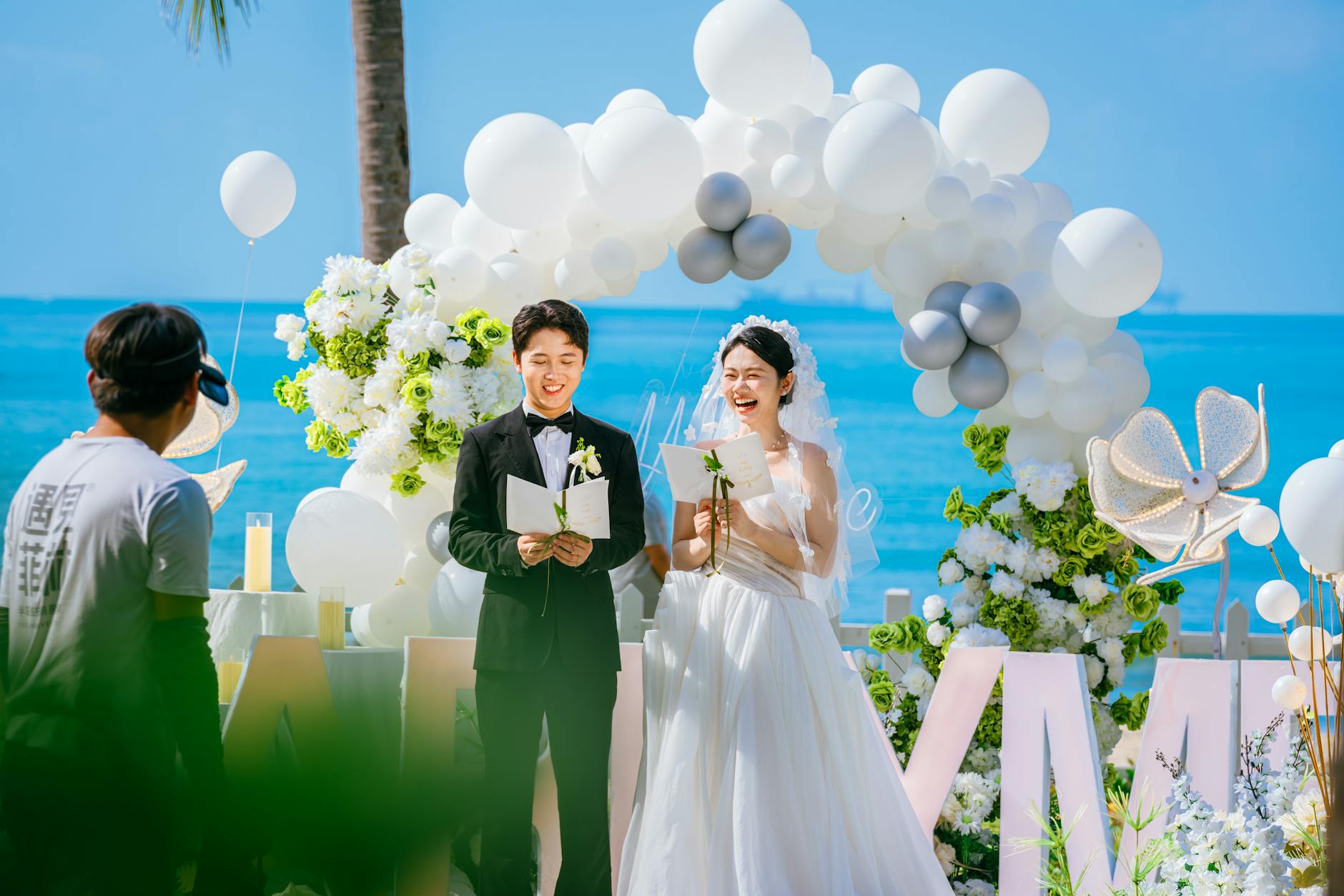
1. Oceanfront Resort (Resort at Pelican Hill, Montage Laguna Beach)
Oceanfront resorts are high-ceremony venues with manicured lawns, colonnade architecture, and floor-to-ceiling glass in the ballrooms. They photograph best when the couple leans into the formality: black-tie dress code, structured timeline, willingness to pause for portraits during cocktail hour.
The editorial photography opportunity at Resort at Pelican Hill is the rotunda and the colonnade at golden hour. The documentary photography opportunity is the sweep of the reception space — 200-guest ballrooms with ocean-view terraces where guests drift during dinner service. A 2-shooter team covers both: one for the formal portraits at the rotunda, one for the candid guest interactions on the terrace.
Montage Laguna Beach offers a tighter footprint and more dramatic elevation change. The ceremony lawn sits on a bluff; the reception moves indoors or onto a mid-level terrace. The photographer has to navigate stairs and coordinate with the venue to hold an elevator if the couple wants rooftop portraits at twilight. The payoff is the Pacific as backdrop in nearly every frame.
2. Coastal Contemporary (Terranea Resort)
Terranea Resort is technically in Rancho Palos Verdes, just north of Orange County proper, but it serves the same couple demographic and light conditions. The property sprawls across 102 acres of coastal bluff, which means the photographer walks more and plans more: the ceremony site may be a quarter-mile from the getting-ready casita, and golden-hour portraits often happen at the chapel point overlook, another quarter-mile from the reception terrace.
A documentary photography approach works well here because the property itself produces moments — couples walking the bluff path between ceremony and cocktails, guests exploring the succulent garden during downtime, the transition from outdoor ceremony to lantern-lit terrace reception as dusk arrives. The scale of the venue supports a relaxed timeline, which gives the photography team room to follow the day rather than direct it.
3. Urban Modern Coastal Classic (less common in OC, more common in neighboring LA County)
Orange County skews resort and estate over urban. For couples planning an urban modern wedding with a coastal-classic sensibility, the venue search often expands north into LA County (Bel-Air Bay Club) or south into San Diego County (Rancho Valencia). These are clients who want the sophistication of a city wedding and the light quality of a coastal wedding, and they typically book both photography and videography because the aesthetic investment is high.
What an Orange County Wedding Photography Timeline Actually Looks Like
A typical 10-hour coverage day at Montage Laguna Beach or Resort at Pelican Hill:
- 12:00 PM — Photographer arrival. Documentary shooter begins with getting-ready coverage: dress, details, boutonnière pinning, parent moments.
- 2:00 PM — Editorial detail setup. Editorial shooter stages invitation suite, rings, shoes, perfume bottle on a sunlit table near a window. These frames take 20–30 minutes and happen while hair and makeup finish.
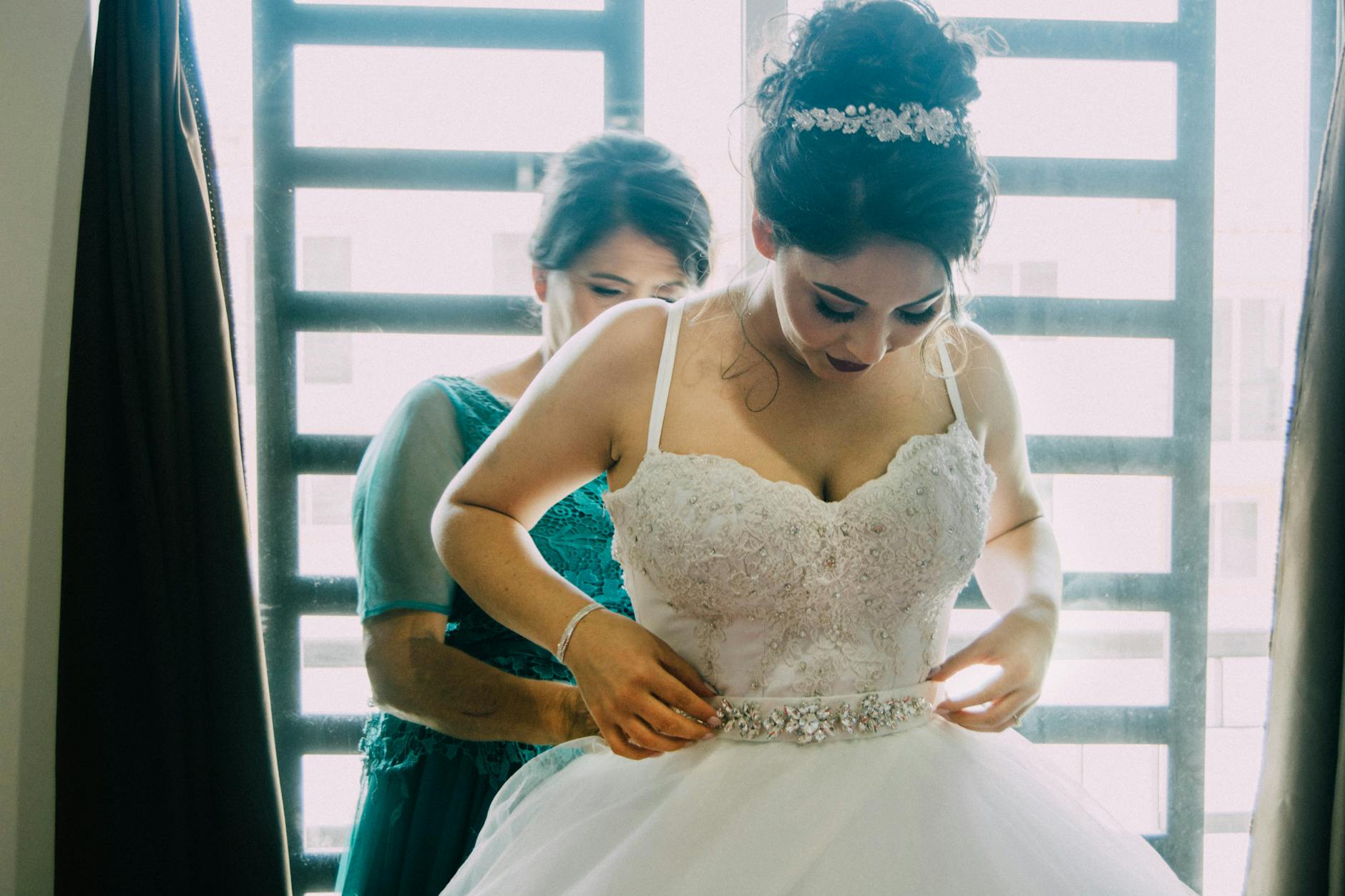
- 3:45 PM — Final getting-ready images. Bride fully dressed, veil on. Mother fastening the bracelet. One last mirror check.
- 4:00 PM — First look. Usually on a terrace, lawn, or overlook with ocean view and open sky. Editorial shooter leads; documentary shooter captures the approach and reaction from a second angle. Allocate 15 minutes.
- 4:20 PM — Family formals. Immediate family only, 8–12 groupings. Shot on the ceremony lawn or a shaded colonnade. Allocate 25 minutes.
- 4:50 PM — Wedding party portraits. Bridal party and groomsmen, 6–10 groupings. Another 20 minutes.
- 5:15 PM — Ceremony. Documentary shooter positions at the end of the aisle; editorial shooter moves to the side or rear for wide establishing frames, then steps out. Ceremony runs 25–30 minutes.
- 5:45 PM — Recessional and guest transition. Guests move to cocktail hour; couple stays on-site for golden-hour portraits.
- 5:50 PM — Couple portraits. The most important 30 minutes of the day. Editorial and documentary shooters both work, one for composed portraits (couple on the bluff, couple framed by the rotunda, couple backlit by the setting sun), one for in-between moments (laughing, walking, adjusting the dress). This is the window that produces the album's opening spread.
- 6:25 PM — Transition to cocktail hour. Couple joins guests for the final 20 minutes of cocktails. Photographer captures candid guest interactions and a few more couple-with-friends frames.
- 6:50 PM — Reception detail coverage. Before guests enter the ballroom, editorial shooter documents the tablescape, place settings, centerpieces, cake, and band or DJ setup.
- 7:15 PM — Grand entrance, first dance, toasts. Documentary coverage. Both shooters active, positioned on opposite sides of the dance floor.
- 7:50 PM — Dinner service. Documentary shooter roams for guest candids and table moments. Editorial shooter steps out or captures ambient ballroom frames from the perimeter.
- 8:45 PM — Parent dances, cake cutting, open dancing. Both shooters active. Documentary shooter prioritizes dance-floor moments; editorial shooter looks for backlit wide frames of the full reception space.
- 10:00 PM — Photographer departure (for a 10-hour package) or continues through last dance and sparkler exit (for 12-hour coverage).
The timeline flexes based on ceremony start time, but the structure holds: getting ready, first look, formals, ceremony, golden-hour portraits, reception coverage. The 30-minute couple portrait window at golden hour is non-negotiable — without it, the editorial photography falls apart.
Editorial Photography for Urban Modern and Garden Romantic Couples
Orange County couples generally fall into two aesthetic camps: coastal classic and urban modern. Coastal classic couples book Resort at Pelican Hill or Montage Laguna Beach, wear black-tie or formal attire, and expect a traditional timeline with structured portraits. Urban modern couples book venues with cleaner lines (or travel north to Bel-Air Bay Club), favor minimalist florals and neutral palettes, and prefer a documentary-heavy approach with a shorter formal portrait window.
A smaller third group — garden romantic couples — books Ojai Valley Inn or travels inland to venues with more greenery and softer architecture. These clients want the editorial polish of a luxury wedding but with a less formal, more organic visual language. For them, the editorial photography leans into texture: the bride's hand trailing through tall grass, the couple framed by olive branches, the reception table photographed from above to show the full floral installation.
LifeStory.Film adapts the editorial approach to the couple's aesthetic, but the technical fundamentals stay consistent: shoot in the best available light, build the timeline to protect that light, and separate the editorial portrait window from the documentary ceremony and reception coverage so neither compromises the other.
Why Orange County Couples Book Photo + Video Combined Packages
A photo + video combined package solves a coordination problem that single-vendor bookings create. When a couple hires a photographer from one company and a videographer from another, the two teams compete for position during key moments — the first look, the vows, the first dance. One team blocks the other's sightline. One team's lighting setup (video often requires continuous LED panels; photography requires off-camera flash or natural light only) interferes with the other's exposure plan.
A combined package puts a 2-shooter photo team and a 2-shooter video team under a single creative direction. The four crew members operate from a shared timeline, scout positions together during the venue walkthrough, and defer to each other at scripted moments: video takes the primary angle during the vows and the toasts (because audio and motion matter most), photo takes the primary angle during the first look and the couple portraits (because a still, composed frame matters most). The result is cleaner footage, cleaner images, and a less intrusive experience for the couple and guests.
Combined packages also streamline vendor management. One contract, one point of contact, one unified editing and delivery timeline. The wedding film typically delivers in 8–12 weeks; the edited photo gallery delivers in 6–8 weeks. Couples receive both from the same team, with a consistent editorial sensibility across both mediums.
For Orange County weddings at Resort at Pelican Hill, Montage Laguna Beach, and Terranea Resort — where the venue fee alone often exceeds $20,000 and the overall wedding budget runs $100,000 to $250,000+ — most couples book the combined package. The marginal cost is lower than hiring two separate vendors, and the aesthetic and logistical integration is significantly higher.
How Orange County Light Differs From Los Angeles and San Diego Light
Orange County sits between two other major Southern California wedding markets, and the light quality differs in measurable ways.
Los Angeles County has more atmospheric haze and urban particulate, which produces a softer, more diffuse golden hour. The sun sets behind hills and buildings rather than into the ocean, so the color temperature skews warmer and the horizon is less defined. Venues like Hotel Bel-Air and Calamigos Ranch benefit from this softer light — it flatters skin tones and produces a romantic, glowing quality in portraits.
San Diego County has clearer air and a more direct, saturated light. Golden hour is shorter and more intense. Venues like Rancho Valencia and the coastal bluffs near La Jolla produce high-contrast images with deeper shadows and more vibrant color. The light is beautiful but less forgiving; it requires more precise timing and more careful exposure management.
Orange County splits the difference. Coastal OC venues benefit from the marine layer, which diffuses the light similarly to LA but with a cleaner, cooler color temperature. Inland OC venues (less common for luxury weddings) have the clarity of San Diego light but with the softer atmospheric quality of LA's haze when the marine layer pushes east in the late afternoon.
For a photographer, this means Orange County offers a predictable, high-quality light environment for about 300 days a year. The summer marine layer ("June gloom") delays golden hour but extends the soft-light window. The winter months bring earlier sunsets but also crystal-clear skies and dramatic cloud formations. The light is almost always workable; it just requires different timing and different exposure strategies depending on the season and the specific microclimate of the venue.
Documentary Photography and the Emotional Beats of an Orange County Wedding
Editorial photography produces the portfolio images, but documentary photography produces the images couples return to years later — the ones that remind them of their father's expression during the father-daughter dance, the way their best friend cried during the toast, the moment their grandmother took both their hands during the receiving line.
At a Resort at Pelican Hill wedding, the documentary photography beats include:
- The bride seeing herself fully dressed for the first time, usually in a suite mirror with her mother and maid of honor present.
- The groom's reaction during the first look — shot from behind the bride so the couple's faces are both visible.
- The father's face during the processional, walking his daughter down the aisle.
- The couple's hands during the vow exchange — a tight frame on the rings, the hand-holding, the slight tremor that happens when emotion breaks through composure.
- The reaction of the front row (parents, siblings, grandparents) during the kiss.
- The receiving line or cocktail-hour interactions, when guests who haven't seen each other in years reunite.
- The best man or maid of honor crying or laughing during their toast.
- The mother-son or father-daughter dance — shot from multiple angles, both close and wide.
- The last-dance crowd, when the formality drops and the final 30 guests on the dance floor are the ones who will stay until the venue staff turns on the lights.
These moments don't require direction. They require a photographer who knows where to stand, when to anticipate, and when to disappear. A 2-shooter documentary photography team splits the room during key moments so both the subject and the reaction are captured simultaneously. One shooter frames the bride during the first look; the other frames the groom's face. One shooter captures the toasting speaker; the other captures the couple's reaction.
This is the value of experience. A photographer who has shot 50+ weddings at venues like Montage Laguna Beach and Terranea Resort knows where the light will be during the ceremony, where the parents will sit, where the couple will stand during the first dance, and where to position to capture all of it without blocking the sightline of the guests in the front row. That positional knowledge is what separates documentary photography that feels invisible from documentary photography that feels intrusive.
Begin a Conversation About Your Orange County Wedding
LifeStory.Film shoots weddings at Resort at Pelican Hill, Montage Laguna Beach, Terranea Resort, and across Southern California. Editorial photography, documentary photography, and photo + video combined packages are available for full-day and multi-day coverage. Visit the pricing page for package details, or reach out to discuss your wedding date and venue.