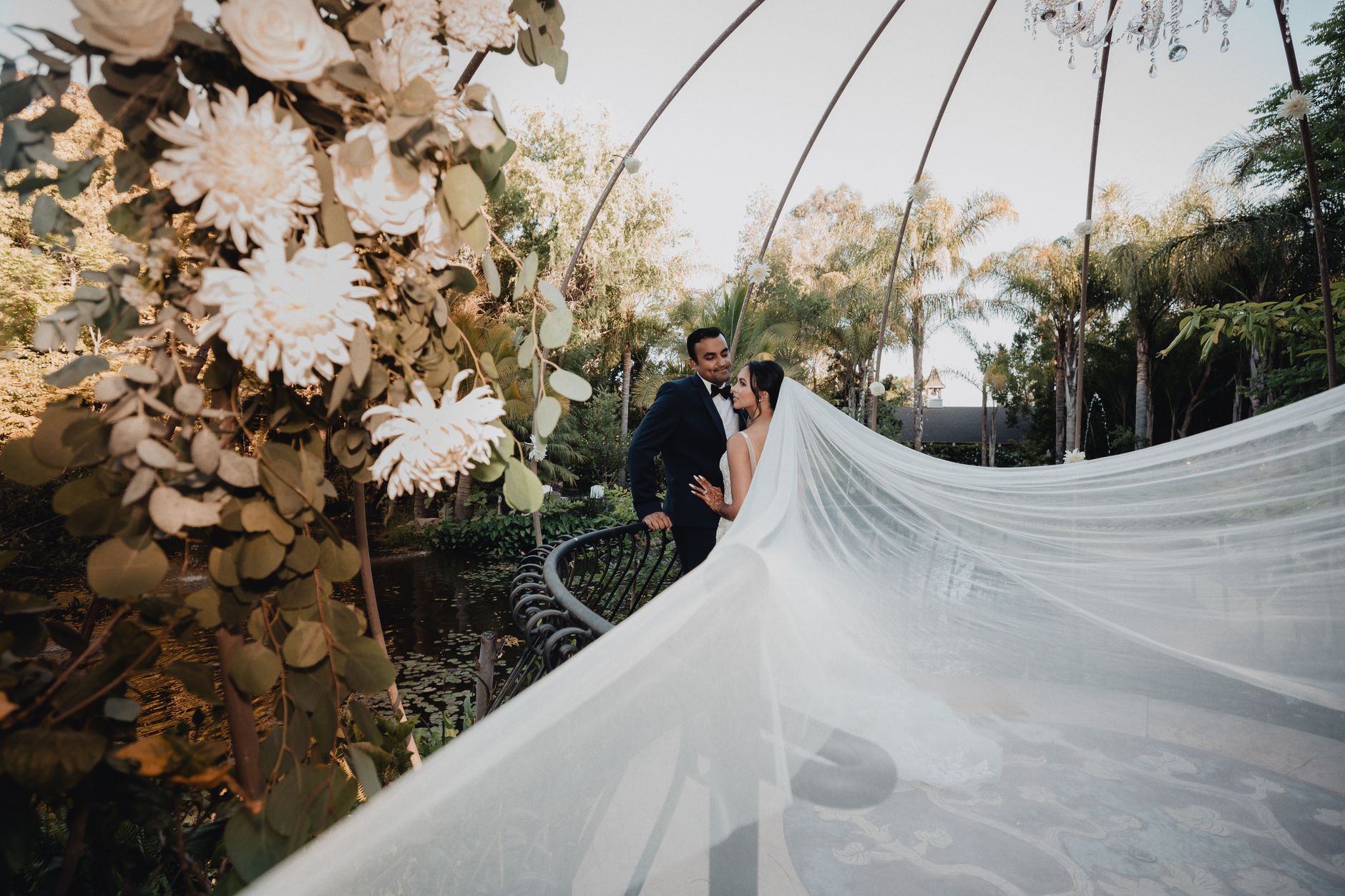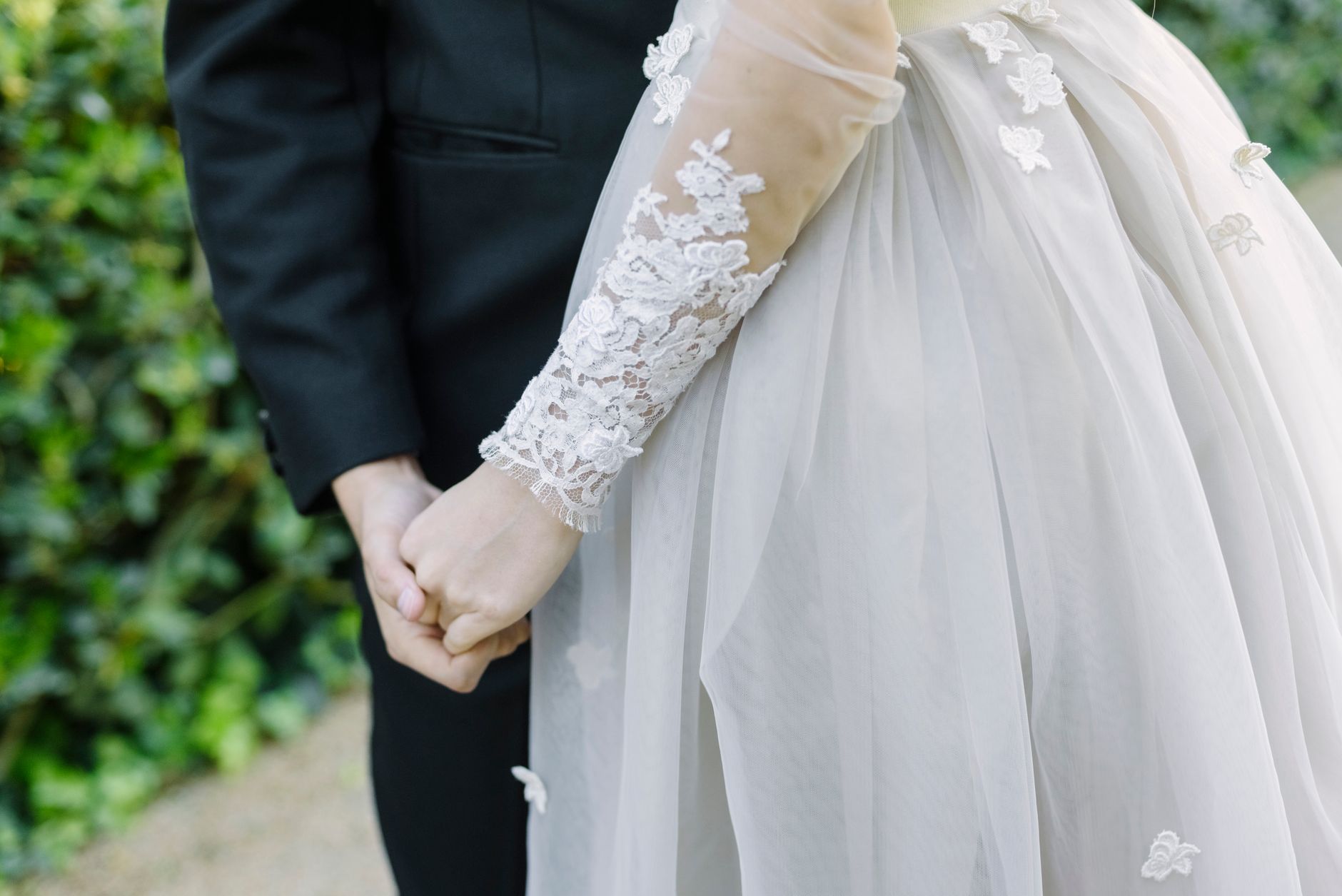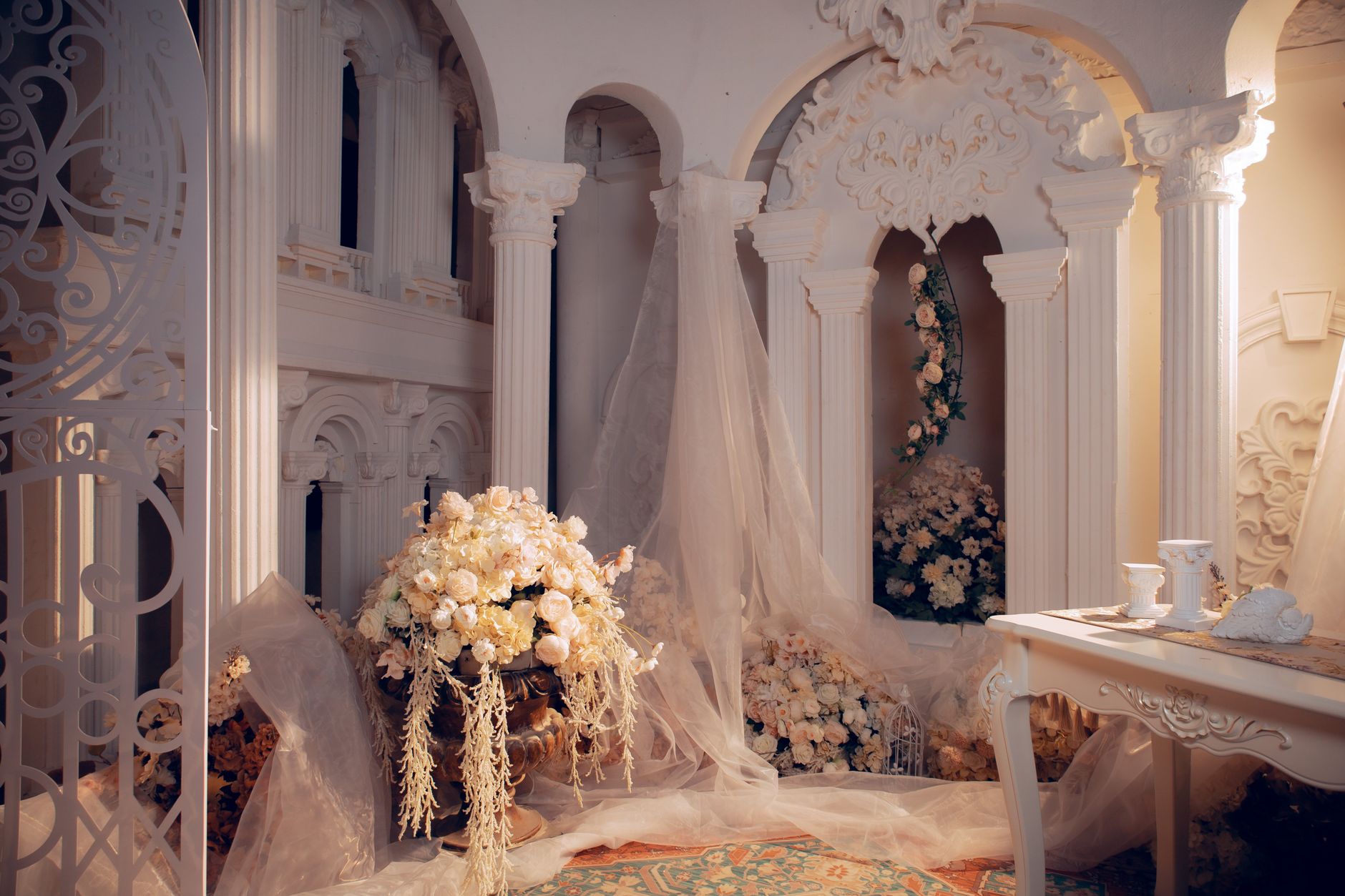
The wedding videographer style you choose determines how the film treats time. A 12-minute cinematic wedding film at Calamigos Ranch compresses the oak-grove ceremony and barn reception into a narrative arc with scored music and editorial pacing. A 90-minute documentary edit preserves the ceremony vows in full, uncut. A 3-minute highlight reel assembles the day's peak emotional moments into a single montage. Each approach requires a different coverage plan, a different edit philosophy, and a different relationship to what actually happened versus what the film wants to say about what happened.
Most couples who book a wedding film 6 to 12 months before the wedding day do not yet know which style they want — they know they want video, but the language wedding videographers use to describe their work (cinematic vs documentary vs editorial vs hybrid vs storytelling) sounds interchangeable until you understand what each style actually does with the footage. This guide walks through the three core approaches, what they look like in practice at real Southern California venues, and how to match your preference to the videographer's portfolio and package structure before you book.
1. Cinematic Wedding Film — Narrative Arc, Scored Music, Editorial Pacing
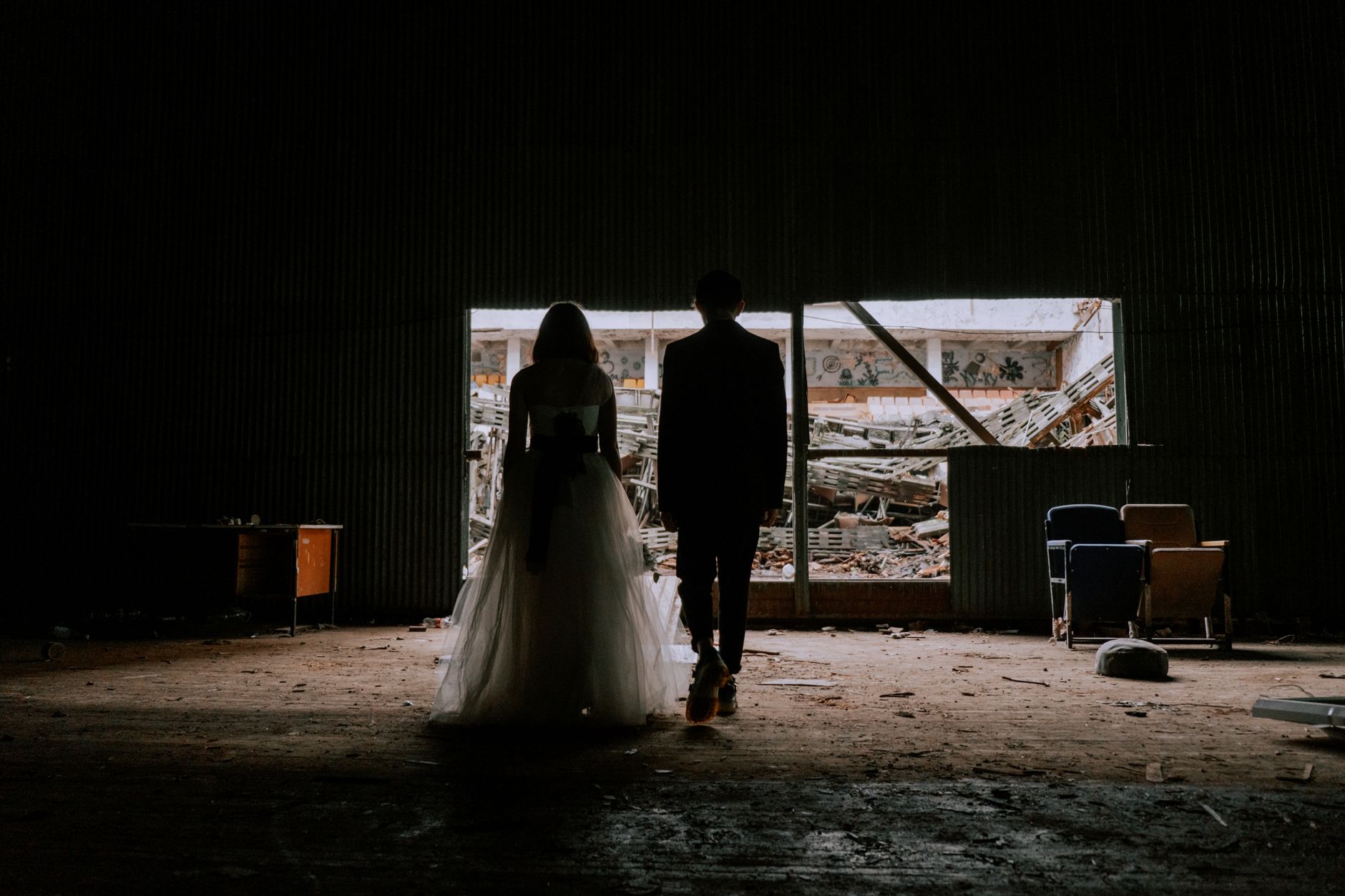
Photo by cottonbro studio on Pexels
A cinematic wedding film is built like a short film. The edit runs 10 to 15 minutes, structured around a three-act narrative arc: preparation and anticipation, ceremony and vows, reception celebration and departure. The videographer shoots with movement — gimbal, slider, dolly — and the editor scores the film to licensed music, cutting on beats and emotional peaks rather than preserving chronological order. Scenes are compressed or rearranged to serve the story. The ceremony may appear 4 minutes into the film even though it happened 6 hours into the day. The first look may open the film. The vows may be excerpted to 45 seconds rather than played in full.
At a venue like Hotel Bel-Air, a cinematic wedding film opens on the bride walking the stone bridge over Swan Lake at golden hour, cuts to the groom's reaction during the first look, then moves backward in time to show the getting-ready scenes in the hotel suite. The edit is non-linear. The pacing follows the music. The film prioritizes visual coherence and emotional build over documentary fidelity. A 2-shooter video team captures 8 to 10 hours of footage and the editor selects roughly 12 minutes of it — a compression ratio of 40:1 — which means most of the day does not appear in the final film.
Cinematic style works best for couples who care more about how the film feels than about preserving every moment in sequence. It requires trust in the editor's taste. You will not see every toast, every dance, or every guest interaction. You will see the day as the videographer interpreted it, shaped into a single cohesive story.
2. Documentary Wedding Film — Full Ceremony, Uncut Vows, Chronological Edit
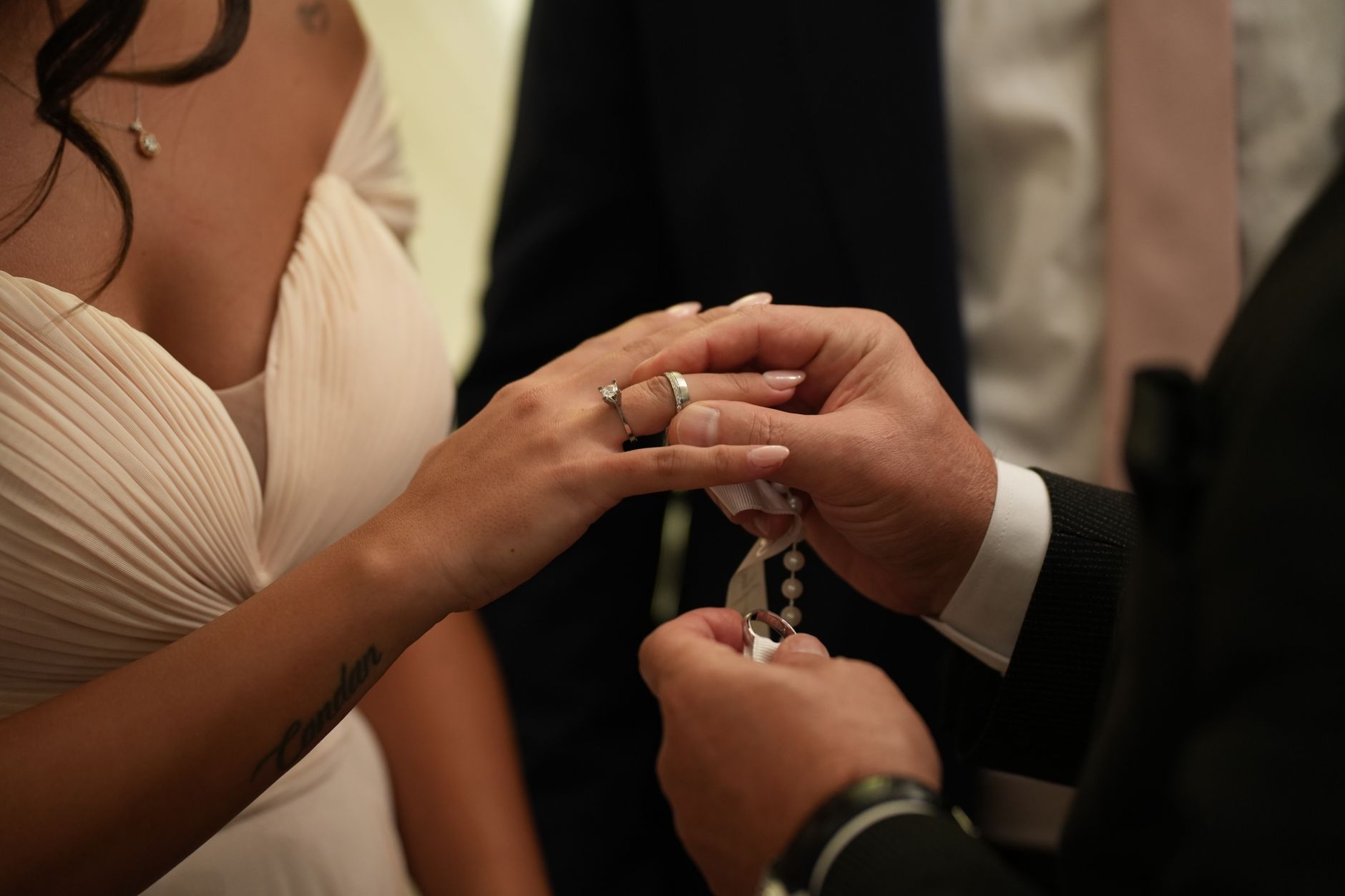
Photo by Önder Ceneviz on Pexels
A documentary wedding film preserves the day in chronological order with minimal rearrangement. The edit runs 60 to 90 minutes or longer. The ceremony appears in full, including processional, readings, vows, ring exchange, pronouncement, and recessional. Toasts are included uncut. The first dance, parent dances, and cake cutting appear in the order they happened. The editor uses ambient sound — officiant's voice, laughter, applause — rather than wall-to-wall scored music. When music is present, it sits under the scenes rather than driving the pacing.
At a venue like San Ysidro Ranch, a documentary wedding film begins with the morning preparation in the cottages, follows the couple to the eucalyptus grove for the first look, documents the full 30-minute ceremony on the stone terrace, then continues through cocktail hour, entrances, toasts, dances, and sendoff in the order they occurred. The videographer's role is observational rather than directorial. The camera records what happened; the editor assembles it with fidelity to the timeline.
Documentary style works best for couples who want a comprehensive record of the day — something closer to a video archive than a short film. It serves families who could not attend, couples who want to hear every word of the vows years later, and planners who care about preserving the sequence and duration of events. The trade-off is length. A 90-minute documentary film requires a committed viewing session; most guests will not watch it start to finish.
3. Highlight Reel — Peak Moments, Music-Driven Montage, Social Media Length
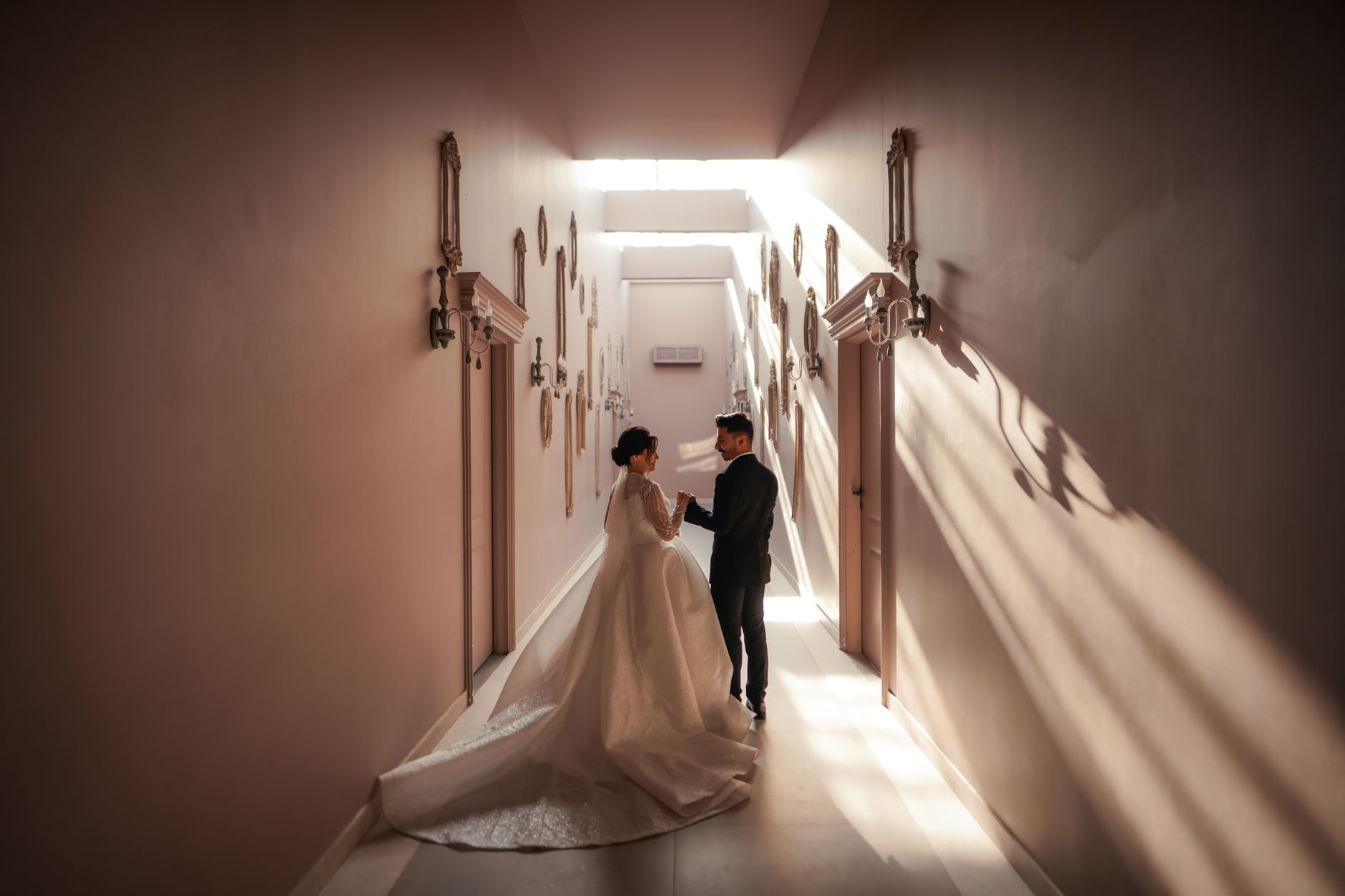
Photo by Sina Rezakhani on Pexels
A highlight reel compresses the wedding day into a 3- to 5-minute montage of the highest emotional peaks: the first look, the vows (excerpted to one or two sentences), the kiss, the reaction shots, the first dance, the bouquet toss, the sparkler exit. The edit is fast-paced, music-driven, and designed to be shared on Instagram, sent to friends, or played at an anniversary dinner. There is no narrative arc and no chronological fidelity — the highlight reel is a mood piece, not a story.
At a venue like Montage Laguna Beach, a highlight reel opens on a wide shot of the ocean terrace at sunset, cuts to the bride's hands adjusting her veil, then jumps to the couple's first kiss, then to a dancing crowd at the Mosaic Bar reception, then back to a quiet portrait moment on the cliffside lawn. The edit does not explain what happened or when; it shows you how the day felt in under 4 minutes. The videographer shoots with the highlight reel in mind, prioritizing short, visually striking clips over long observational takes.
Highlight reel style works best as a supplement to a longer film or as a standalone deliverable for couples who want something shareable and concise. It does not replace a full wedding film if you care about preserving the ceremony, the toasts, or the arc of the day. But it delivers the fastest emotional payoff and the highest replay value for casual viewing.
Cinematic vs Documentary — Coverage and Edit Philosophy
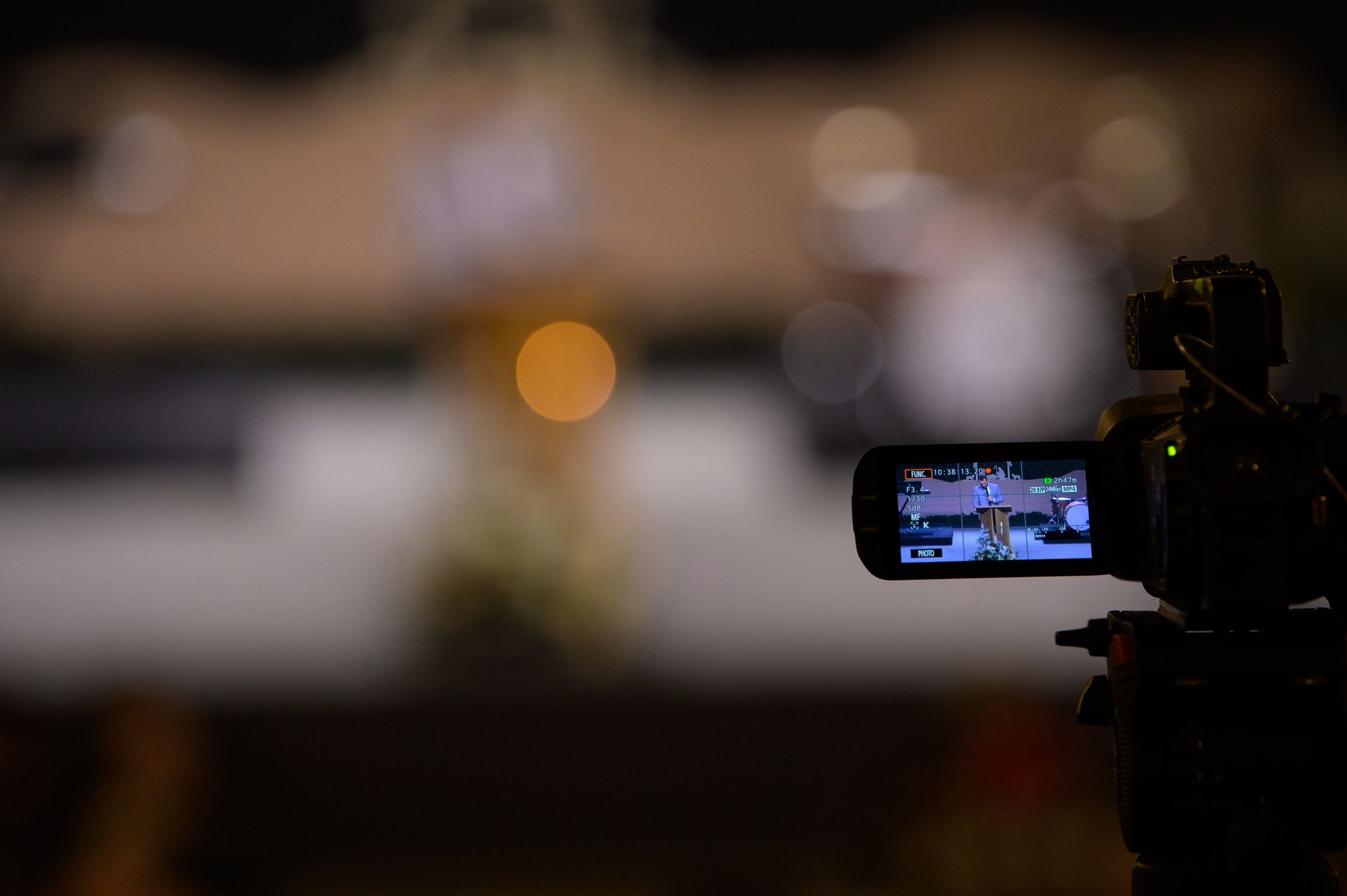
Photo by Brett Sayles on Pexels
The distinction between cinematic and documentary wedding film is not just about runtime or music — it is about the videographer's coverage philosophy on the day itself. A cinematic videographer shoots for the edit, prioritizing movement, composition, and short emotionally charged clips. A documentary videographer shoots to preserve, prioritizing long takes, wide coverage, and ambient audio that captures what was said in full.
At a wedding at Ojai Valley Inn, a cinematic videographer spends the first-look scene on a gimbal, circling the couple as they embrace, capturing 15 seconds of movement that will cut beautifully to music. A documentary videographer plants two static cameras — one wide, one tight — and records the entire 4-minute interaction without interruption, preserving the couple's conversation and the progression of the moment. Both approaches require skill; they serve different goals.
Most wedding videography packages in California offer one primary style, not a hybrid of both. If you book a cinematic wedding film package, the editor will not deliver a 90-minute chronological cut alongside the 12-minute scored film — the coverage was not designed for that. If you book a documentary package, the editor will not rearrange the footage into a non-linear narrative — the shooting style was built for fidelity, not reinterpretation. Clarify which style the package includes before signing the contract.
How to Match Videographer Style to Your Venue and Aesthetic
Certain wedding videographer styles pair better with certain venue types and couple aesthetics. A cinematic wedding film thrives at editorial venues with strong architectural lines, dramatic light, and defined scenes — Hotel Bel-Air, Beverly Hills Hotel, Resort at Pelican Hill — where the videographer can compose shots that read as intentional and frame the day as a designed event. A documentary film works well at intimate venues with long uninterrupted ceremonies and meaningful spoken moments — San Ysidro Ranch, Auberge du Soleil, Ojai Valley Inn — where the value is in preserving what was said and how the day unfolded rather than in visual spectacle.
If your wedding aesthetic leans urban modern or editorial black-tie, a cinematic approach aligns with the visual language you are already building through your photographer, planner, and floral designer. If your aesthetic leans garden romantic or destination minimalist, a documentary approach may better serve the intimate, unscripted moments that define those styles. A highlight reel works across all aesthetics as a supplement, but it cannot stand alone if you care about preserving the ceremony or the narrative arc of the day.
What to Ask Before You Book — Portfolio, Deliverables, and Edit Turnaround
When you review a wedding videographer's portfolio, watch for consistency in style across multiple films. A videographer who calls their work "cinematic" but delivers 60-minute chronological edits with minimal music is actually producing documentary films. A videographer who promises "full ceremony coverage" but shows only 90-second ceremony clips in their portfolio may not deliver the uncut vows you expect. The portfolio is the contract — if the style you see across 5 or 6 sample films matches what you want, the videographer can deliver it. If the portfolio shows inconsistent pacing, mixed styles, or no clear editorial voice, the final product will reflect that uncertainty.
Ask how many shooters cover the day (1-shooter, 2-shooter, or 3-shooter teams produce different levels of scene coverage), what the edit turnaround is (8 to 12 weeks is standard for a cinematic wedding film; 12 to 16 weeks for a documentary edit), and whether the package includes both a long film and a highlight reel or only one of the two. Many Southern California wedding videography packages offer a 10- to 15-minute cinematic film plus a 3- to 5-minute highlight reel as the standard deliverable set. Clarify that in writing.
Cinematic Wedding Film Example — Calamigos Ranch Oak Grove and Barn Reception
A full-day cinematic wedding film at Calamigos Ranch covers the oak-grove ceremony at 4:30 PM in late-afternoon light, the couple's portrait session in the eucalyptus grove during golden hour, and the barn reception after dark. The 2-shooter video team captures the processional, vows, and recessional from two angles (one static wide, one roaming tight), then follows the couple to the grove for 20 minutes of gimbal movement and natural-light portraits. At the reception, the videographer prioritizes the first dance, parent dances, and one or two toasts — enough to establish the celebration without documenting every moment.
The editor compresses 10 hours of coverage into a 12-minute film. The edit opens on a wide shot of the oak canopy, cuts to the bride walking down the aisle, excerpts 30 seconds of the vows, shows the kiss and recessional, then transitions to the golden-hour portrait sequence scored to a lyric-driven song. The reception appears in the final act — dancing, toasts, sparkler exit — cut on beat. The finished film prioritizes visual flow and emotional pacing over chronological fidelity. This is cinematic wedding film in practice.
Documentary Wedding Film Example — San Ysidro Ranch Eucalyptus Grove Ceremony
A full-day documentary wedding film at San Ysidro Ranch preserves the 45-minute ceremony in the eucalyptus grove, the 4 toasts at the stone-cottage reception, and the couple's first dance and parent dances in full. The 2-shooter video team records the ceremony with two locked-off cameras (one wide on the couple and guests, one tight on the couple's faces) and two lavalier microphones (one on the officiant, one on the groom) to capture every word of the vows and readings without interruption.
The editor assembles the footage in chronological order with minimal cuts during the ceremony. The vows appear in full — 6 minutes of uninterrupted audio. The toasts appear in full — 12 minutes total. The edit runs 80 minutes. The finished film is a comprehensive record of the day, not a short-form story. Couples who choose this style prioritize fidelity and completeness over cinematic pacing.
Photo + Video Combined Package — Coordinating Styles Across Mediums
When you book a photo + video combined package, the photographer and videographer coordinate their coverage approach before the wedding day. At a venue like Bel-Air Bay Club, the photographer and videographer plan the first-look timeline together so both can capture the scene without competing for the same angle. During the ceremony, the videographer stations one camera at the back of the aisle for a clean wide shot while the photographer moves through the side aisle for close-ups. During portraits, the photographer leads the couple through poses while the videographer captures 10- to 15-second clips of movement between setups.
The coordination matters because a cinematic wedding film and editorial photography both rely on the same golden-hour window and the same key emotional moments. If the photographer and videographer are not aligned on timing, the couple spends twice as long on portraits and the videographer misses the reception entrance. Most luxury wedding videography packages in Southern California include a pre-wedding timeline consultation to prevent that conflict.
Choosing Between Cinematic and Documentary When You Want Both
If you want both a short cinematic film and a full documentary record, ask whether the videographer offers a hybrid package that includes both deliverables. Some wedding videography packages include a 12-minute cinematic edit plus a 60-minute "full ceremony and toasts" documentary cut as separate files. Other packages offer only one or the other. The pricing difference reflects the editor's time — a documentary edit requires less creative decision-making but more hours of assembly and audio sync.
If the videographer does not offer a hybrid package, prioritize the style that serves your long-term goal. A cinematic wedding film is the version you will watch on anniversaries and share with friends. A documentary film is the version you will reference when you want to hear your vows in full or show your children the toasts from their grandparents. Both are valuable; they serve different futures.
Final Considerations — Edit Turnaround, Music Licensing, and Raw Footage
Before you book, confirm the edit turnaround timeline in the contract. A cinematic wedding film typically delivers in 8 to 12 weeks. A documentary edit takes 12 to 16 weeks because of the longer runtime and the audio-sync workload. Highlight reels often deliver faster — 4 to 6 weeks — because the edit is shorter and the creative decisions are simpler.
Ask whether the videographer licenses music for the cinematic film or uses royalty-free tracks. Licensed music (from services like Musicbed or Artlist) sounds better and avoids copyright issues when you share the film on social media. Royalty-free tracks are safe but often generic. Most luxury wedding videographers in California include licensed music in their packages; confirm that in writing.
Finally, ask about raw footage. Most wedding videographers do not deliver raw footage as part of the standard package because the files are massive (200 to 400 GB for a full-day shoot) and unedited footage has no narrative value. If you want the raw files for archival purposes, expect to pay an additional fee (typically $500 to $1,200) and provide your own hard drive. Most couples do not need raw footage if the final film preserves the moments that matter.
Begin a Conversation About Your Wedding Film Style
The wedding videographer style you choose shapes how the day is remembered — as a short cinematic story, a full documentary record, or a shareable highlight montage. Each approach requires a different coverage plan, a different edit philosophy, and a different relationship to time and narrative. If you are planning a wedding at Calamigos Ranch, Hotel Bel-Air, San Ysidro Ranch, Ojai Valley Inn, or another Southern California venue, begin a conversation about which style serves your aesthetic and your long-term goals before you book.